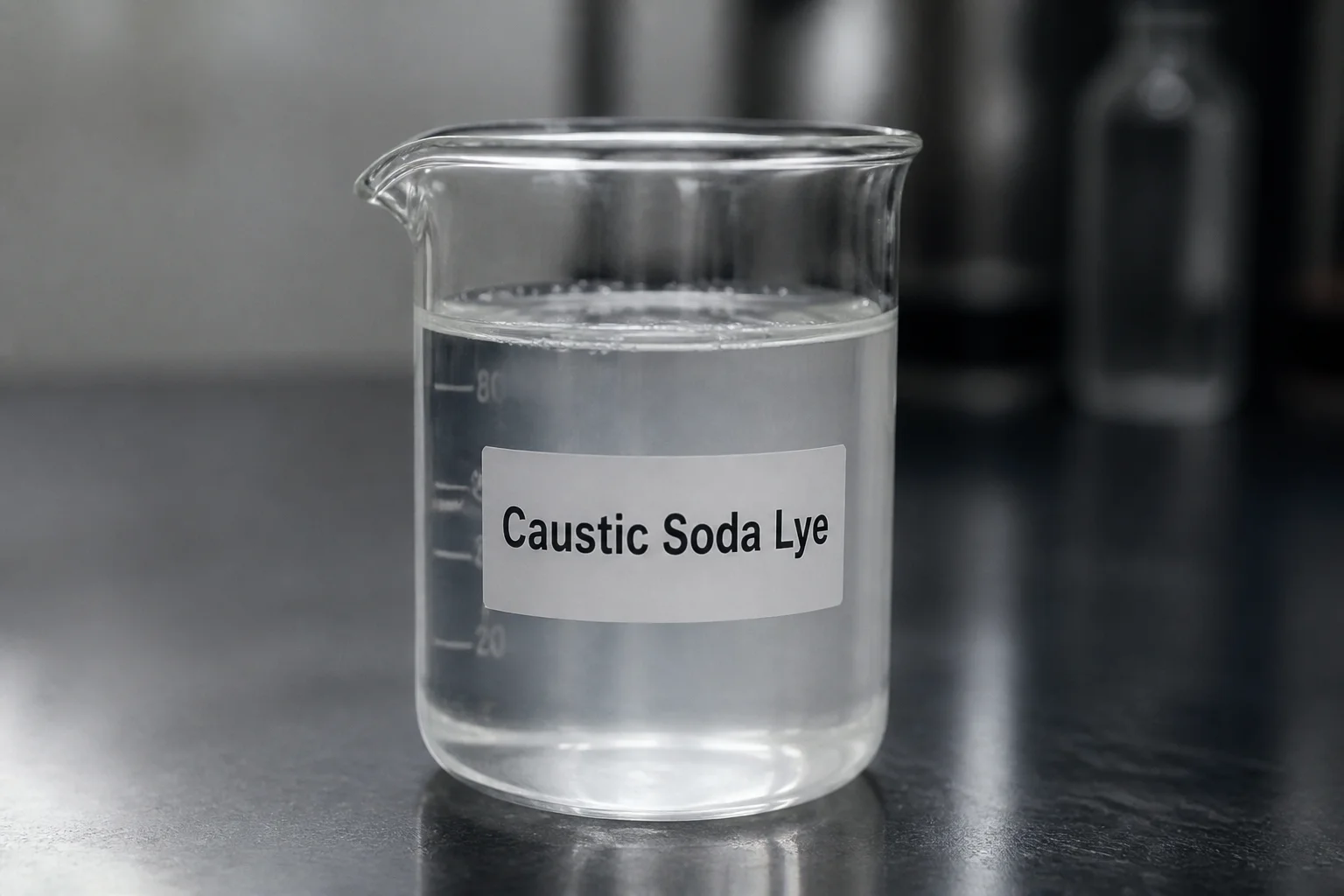


Caustic soda, also known as sodium hydroxide (NaOH), is a fundamental chemical used across numerous industries, including pulp and paper, textiles, aluminum refining, chemical manufacturing, and water treatment. As global industrial demand continues to grow, manufacturers are investing heavily in advanced technologies and process innovations to improve production efficiency, reduce energy consumption, and minimize environmental impact.
Over the past decade, several technological advancements have transformed how sodium hydroxide is produced and distributed. Modern chlor-alkali technologies, automation systems, and sustainability-focused processes are shaping the future of caustic soda manufacturing.
This article explores the latest innovations in caustic soda technology, highlighting how new production methods are improving efficiency, safety, and sustainability across the chemical industry.
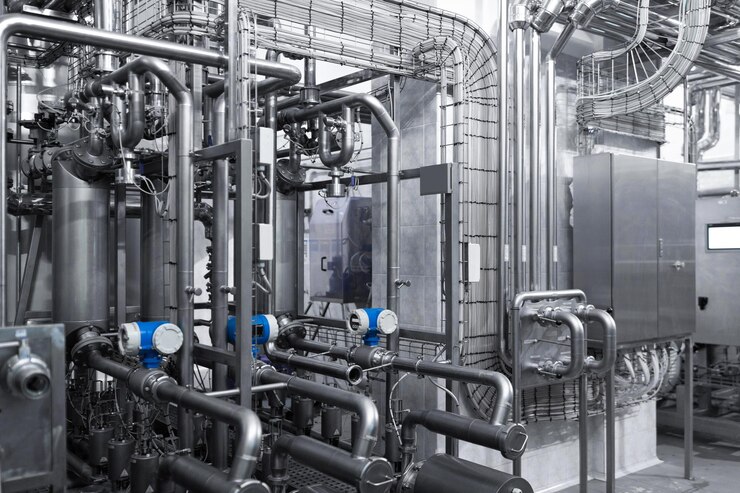
Understanding Caustic Soda Production Technology
Before exploring new advancements, it is helpful to understand how caustic soda is traditionally produced.
Most sodium hydroxide is manufactured through the chlor-alkali process, which involves the electrolysis of a saltwater solution (brine). During this process, electrical current separates sodium chloride into three key products:
-
- Chlorine gas
-
- Hydrogen gas
- Sodium hydroxide (caustic soda)
These chlor-alkali processes also support downstream chemical production chains involving chlorine derivatives and industrial chemicals such as Hydrochloric Acid suppliers serving water treatment, metal processing, and chemical manufacturing sectors.
There are three main technologies historically used in the chlor-alkali process:
-
- Mercury cell process
-
- Diaphragm cell process
-
- Membrane cell process
While older technologies like mercury cells were widely used in the past, modern industry standards are rapidly shifting toward membrane cell technology, which is more energy-efficient and environmentally friendly.
Membrane Cell Technology: The Modern Standard
One of the most significant advancements in caustic soda manufacturing is the widespread adoption of membrane cell technology.
Unlike older mercury or diaphragm cells, membrane cells use a specialized ion-exchange membrane that separates chlorine and sodium hydroxide during electrolysis. This improves both efficiency and product purity.
Benefits of Membrane Cell Technology
Membrane cell technology offers several advantages over traditional production methods:
-
- Higher energy efficiency compared to mercury and diaphragm cells
-
- Reduced environmental impact due to the elimination of mercury
-
- Higher purity sodium hydroxide production
-
- Lower operational costs over time
Because of these benefits, many chemical producers worldwide are upgrading their facilities to adopt membrane cell systems.
Energy-Efficient Electrolysis Systems
Energy consumption is one of the largest cost factors in caustic soda production. Electrolysis requires significant electrical power, making energy efficiency a major focus for technological innovation.
Recent advancements in electrolysis equipment and cell design have helped manufacturers reduce energy usage while increasing production output.
Innovations in Energy Efficiency
Some of the most important developments include:
-
- Improved electrode materials that enhance conductivity
-
- Optimized cell design for better electrical efficiency
-
- Advanced power management systems to reduce energy losses
-
- Integration of renewable energy sources into chemical production facilities
These improvements allow manufacturers to produce sodium hydroxide with lower energy consumption and reduced production costs.
Digitalization and Smart Manufacturing
Another major trend shaping caustic soda production is the adoption of digital technologies and smart manufacturing systems.
Chemical plants are increasingly integrating advanced monitoring and automation tools to improve operational performance.
Key Digital Innovations
Modern caustic soda production facilities often use:
-
- AI-driven process monitoring systems
-
- Real-time chemical composition analysis
-
- Predictive maintenance technology for equipment
-
- Industrial IoT (Internet of Things) sensors
These technologies help manufacturers optimize production processes, detect potential issues early, and reduce downtime.
Digital transformation is becoming a key competitive advantage in the global chemical industry.
Sustainable and Environmentally Friendly Production
Sustainability has become a major priority for chemical manufacturers. Governments and regulatory organizations worldwide are introducing stricter environmental standards, encouraging companies to adopt cleaner production technologies.
Several innovations are helping make caustic soda production more sustainable.
Reduced Environmental Impact
New technologies focus on:
-
- Eliminating mercury-based processes
-
- Reducing greenhouse gas emissions
-
- Improving waste management and recycling systems
-
- Reducing water consumption in chemical plants
Membrane cell technology already plays a major role in reducing environmental risks, but additional improvements in plant efficiency are further lowering the environmental footprint of caustic soda production.
Advanced Brine Purification Systems
Another important innovation involves brine purification technology.
High-quality brine is essential for producing high-purity sodium hydroxide. Modern purification systems remove impurities before electrolysis begins.
Advanced purification methods help eliminate contaminants such as:
-
- Calcium
-
- Magnesium
-
- Heavy metals
-
- Organic impurities
Removing these substances improves electrolysis efficiency and ensures consistent chemical quality.
Improved Chemical Handling and Storage Technology
Handling and transporting caustic soda safely is also an area of ongoing innovation. Because sodium hydroxide is highly corrosive, storage and distribution systems must be carefully designed.
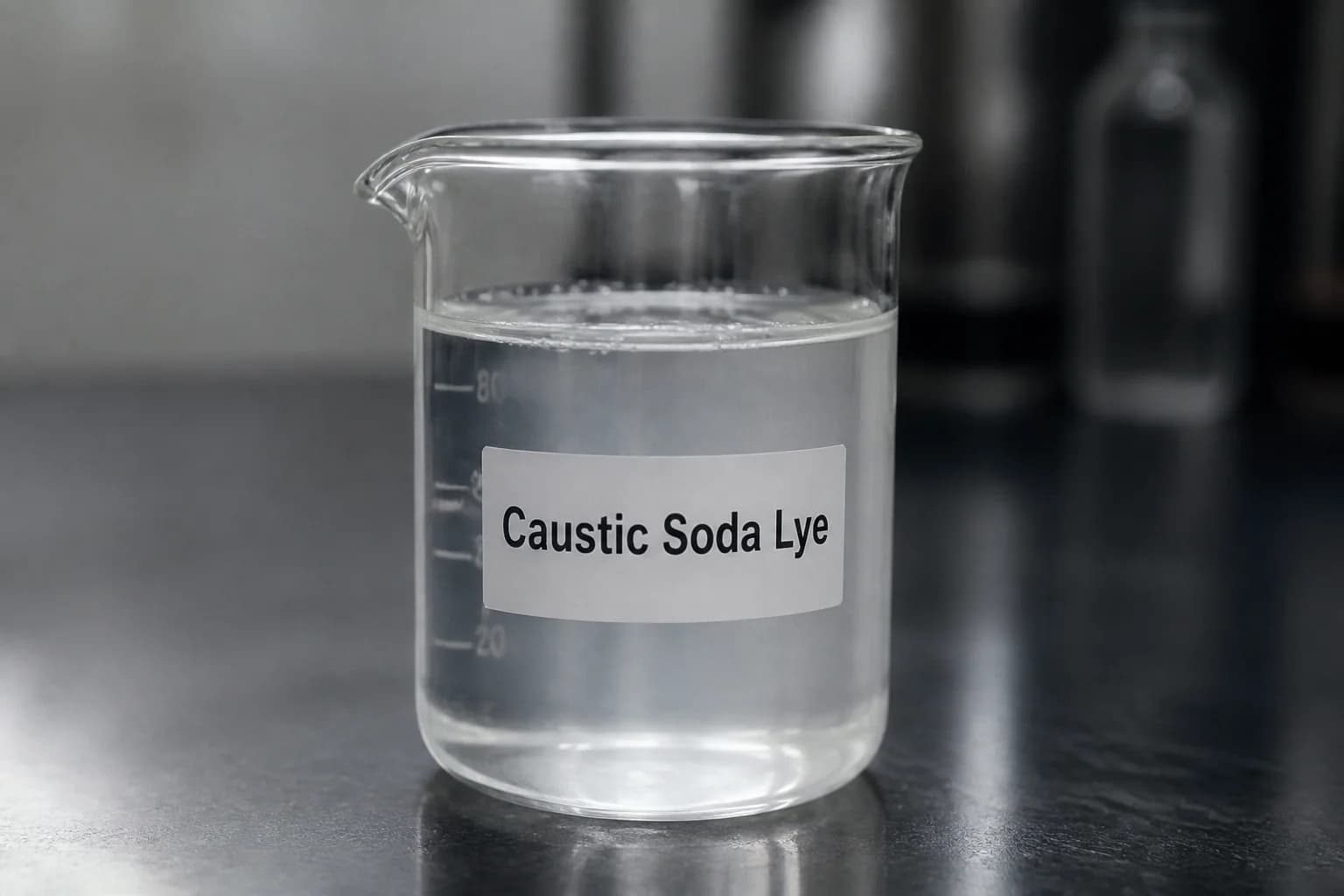
Modern processing facilities increasingly rely on bulk storage systems designed for safe transportation and handling of materials supplied by reliable Caustic Soda Lye distributors.
Modern chemical infrastructure includes:
-
- Corrosion-resistant storage tanks
- Corrosion-resistant storage tanks
-
- Automated chemical handling systems
- Automated chemical handling systems
-
- Smart inventory monitoring technologies
- Smart inventory monitoring technologies
-
- Improved packaging materials
- Improved packaging materials
These innovations improve safety and reduce the risk of chemical exposure during storage and transportation.
Future Trends in Caustic Soda Technology
Looking ahead, several emerging trends are expected to further transform caustic soda manufacturing.
Green Hydrogen Integration
Since hydrogen gas is a by-product of the chlor-alkali process, some facilities are exploring ways to capture and utilize this hydrogen for clean energy production.
Circular Chemical Manufacturing
Chemical companies are increasingly focusing on closed-loop production systems that recycle materials and minimize waste.
AI-Driven Production Optimization
Artificial intelligence may soon play a larger role in chemical manufacturing by optimizing production parameters and predicting equipment performance.
These innovations could significantly improve efficiency and sustainability in the coming years.
How Elchemy Helps Businesses Access Advanced Chemical Supply Chains
As caustic soda technology continues to evolve, businesses need reliable sourcing partners that provide access to high-quality sodium hydroxide produced using modern manufacturing standards.
Elchemy helps simplify chemical sourcing by connecting businesses with trusted global manufacturers and distributors.
Verified Supplier Network
Elchemy works with suppliers that meet strict quality, compliance, and regulatory standards, ensuring businesses receive high-quality industrial chemicals.
Global Chemical Sourcing
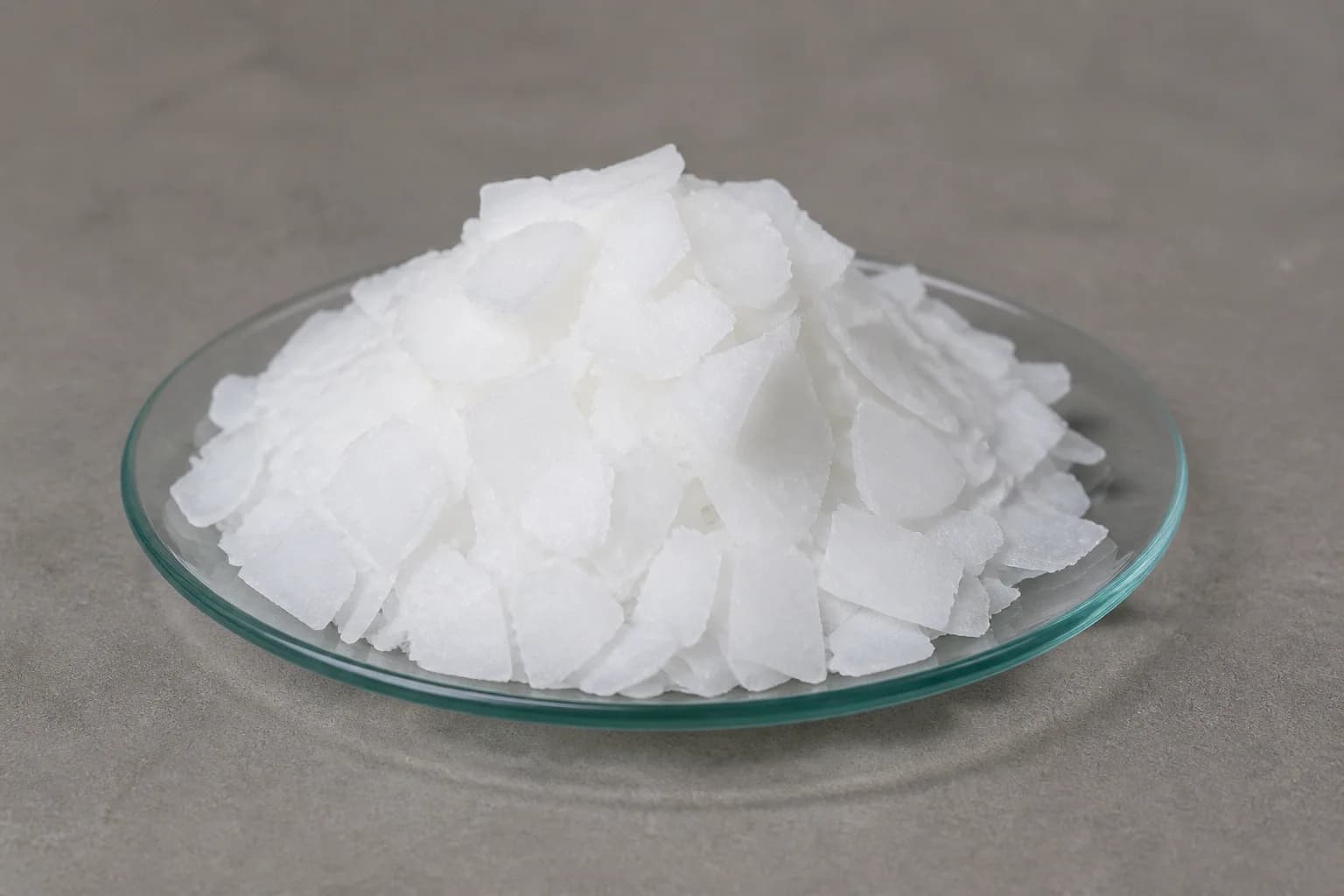
Companies can access a broad network of sodium hydroxide manufacturers offering different grades and forms, including:
-
- liquid caustic soda
Reliable Supply Chain Support
By streamlining procurement and supplier verification, Elchemy helps businesses secure consistent chemical supply while reducing sourcing complexity.
Conclusion
Technological advancements are transforming how caustic soda is produced and distributed worldwide. Innovations such as membrane cell technology, energy-efficient electrolysis systems, digital manufacturing tools, and sustainable production[ practices are improving both efficiency and environmental performance in sodium hydroxide manufacturing.
As global demand for industrial chemicals continues to grow, these innovations will play a critical role in ensuring reliable and sustainable chemical production.
Businesses looking to source high-quality caustic soda can benefit from working with trusted suppliers and sourcing platforms like Elchemy, which provide access to verified manufacturers and reliable global chemical supply chains, while helping buyers monitor the current NaOH prices.
FAQs
Q1. What is the latest technology used in caustic soda production?
Membrane cell technology is currently the most advanced and widely used method for producing caustic soda efficiently and sustainably.
Q2. What is the chlor-alkali process?
The chlor-alkali process is the electrolysis of brine that produces chlorine, hydrogen, and sodium hydroxide.
Q3. Why is membrane cell technology better than older methods?
Membrane cells are more energy-efficient, environmentally friendly, and produce higher-purity sodium hydroxide.
Q4. Is caustic soda production environmentally sustainable?
Modern technologies such as membrane cells and energy-efficient electrolysis systems are significantly reducing the environmental impact of caustic soda manufacturing.
Q5.How can businesses source high-quality caustic soda?
Businesses can work with verified chemical suppliers or sourcing platforms like Elchemy that connect buyers with reliable manufacturers worldwide.