

At a Glance
- Secondary containment of 110% tank volume required for all caustic storage systems
- Store above 70°F to prevent crystallization in liquid forms
- HDPE, XLPE, and specific stainless steel grades (304L, 316L) suitable for tanks
- Chemical-resistant gloves, face shields, and protective clothing mandatory during handling
- Never store near acids, oxidizers, or reactive metals like aluminum
- Temperature range of 29-38°C optimal for long-term storage without degradation
Someone’s screaming from the loading dock. A drum tipped over. Caustic soda everywhere. The stuff’s eating through concrete. Two workers got splashed before anyone realized what happened. Now there’s an ambulance on the way and a whole section of the facility shut down for emergency cleanup.
This scenario happens more often than it should. Caustic soda storage and handling isn’t complicated, but get it wrong once and people get hurt. Understanding caustic soda storage requirements saves lives, prevents property damage, and keeps operations running without expensive shutdowns or worker comp claims that could have been avoided.
Why Caustic Soda Demands Special Attention
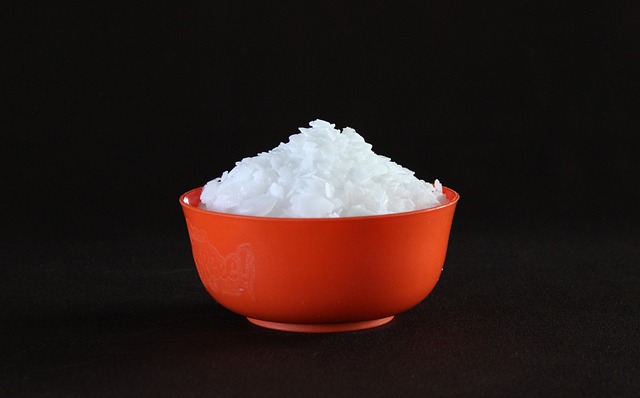
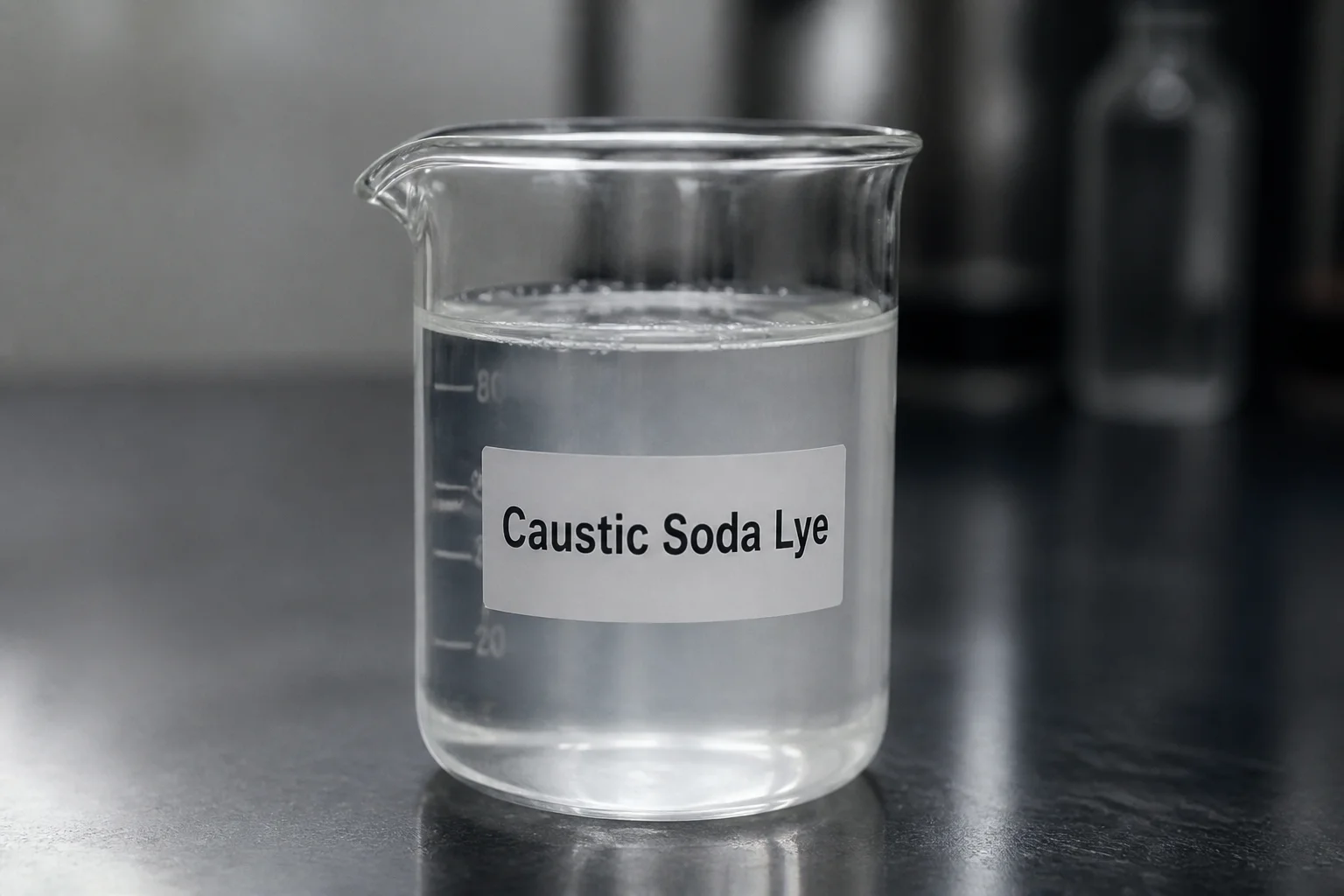
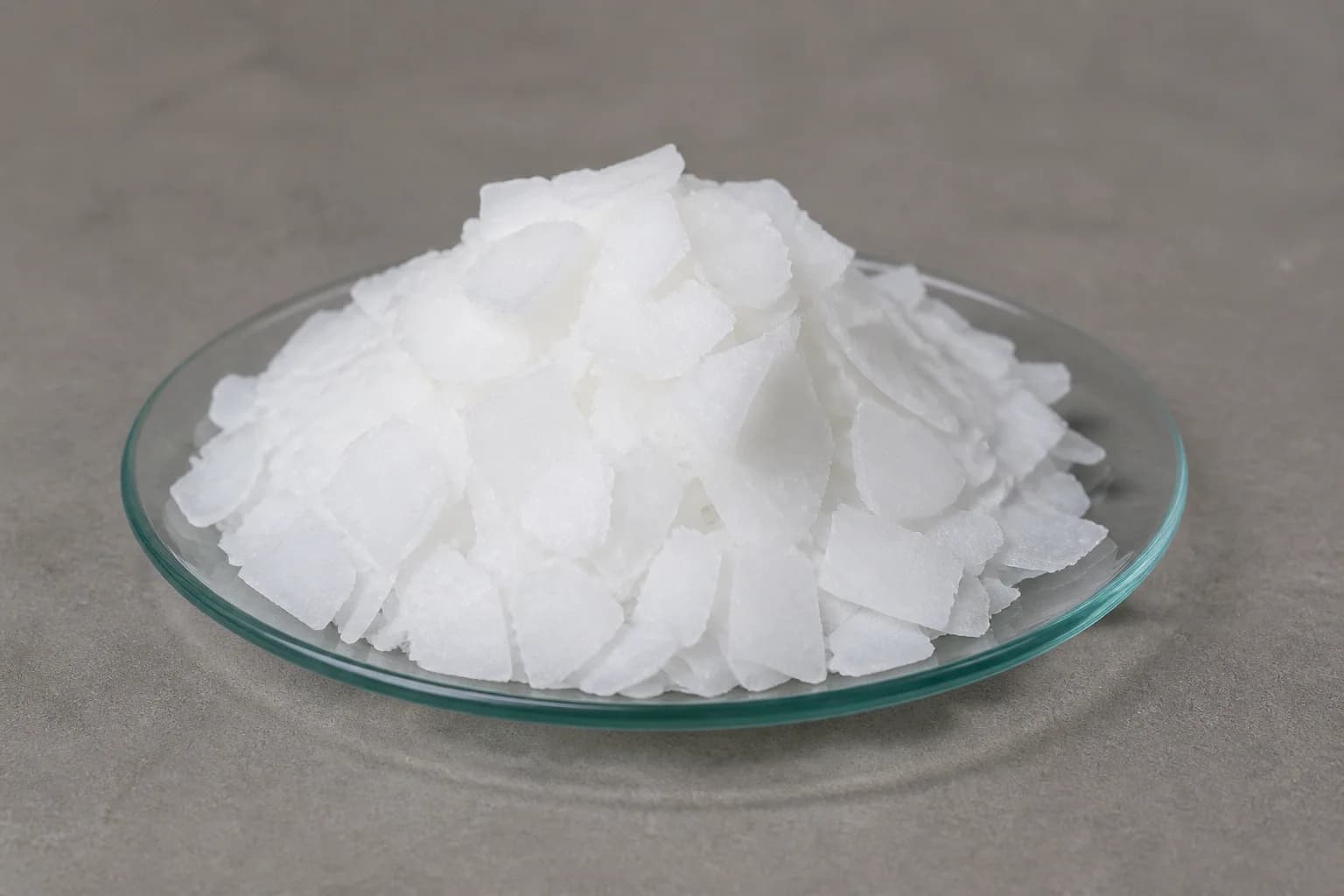
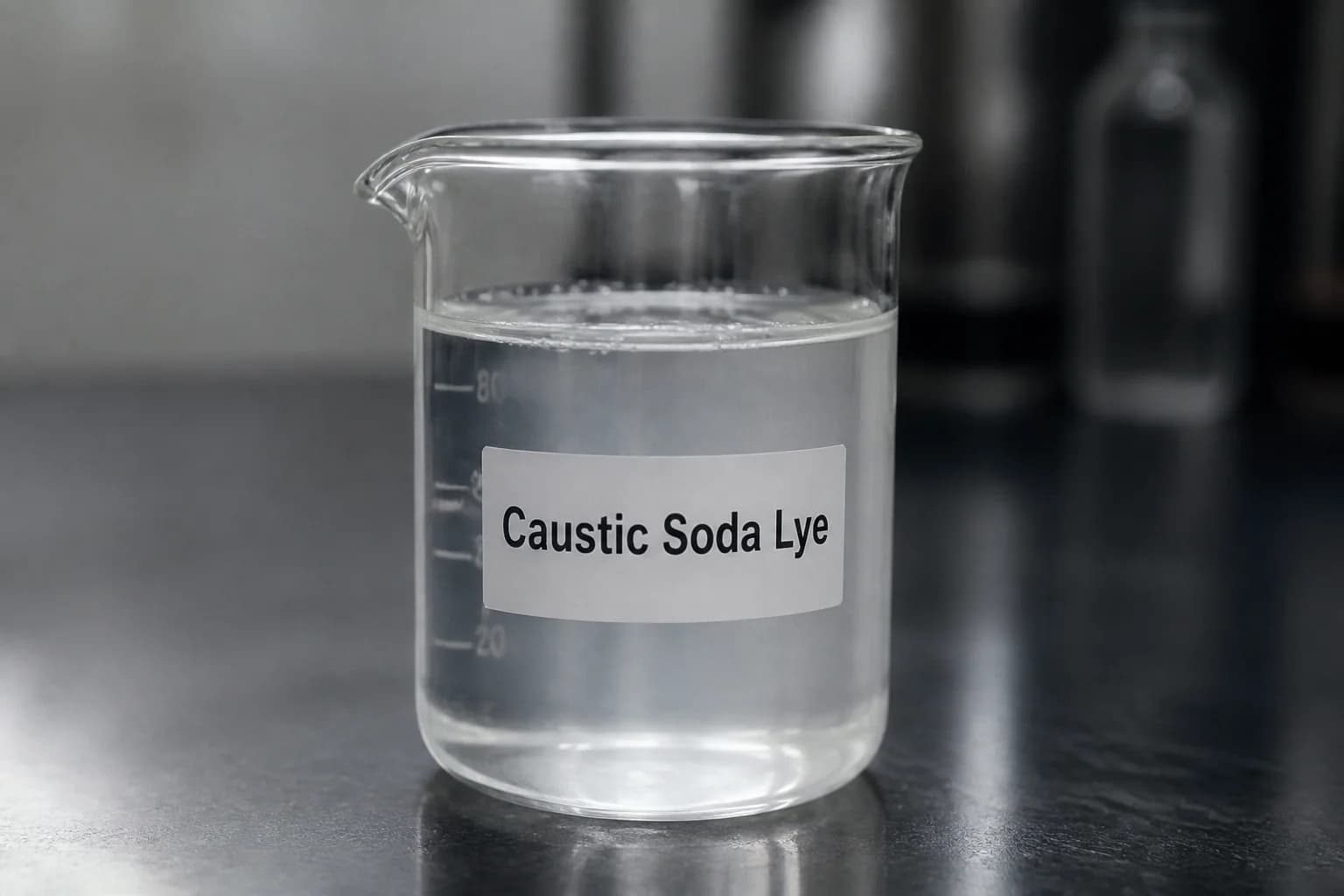
Sodium hydroxide isn’t just another industrial chemical. It’s one of the strongest bases available. That makes it incredibly useful for soap manufacturing, paper production, water treatment, and dozens of other applications. It also makes it dangerous as hell.
The corrosive nature attacks everything it touches. Skin burns start in seconds. Eye contact can cause permanent blindness. Inhaling dust or mist destroys lung tissue. Even clothing soaked with caustic solution will burn through to skin. This stuff doesn’t play around.
What makes it so hazardous:
- Generates intense heat when mixed with water (exothermic reaction)
- Attacks aluminum and other metals producing explosive hydrogen gas
- Hygroscopic nature absorbs moisture from air causing container degradation
- Reacts violently with acids creating dangerous splashing and heat
- Penetrates and destroys organic tissue on contact
- Fumes cause respiratory damage at high concentrations
The heat generation catches people off guard. Pour water into concentrated caustic and it can boil violently. The solution spatters onto anyone nearby. Always add caustic to water slowly, never the reverse. This single rule prevents countless injuries.
Caustic Soda Storage Requirements: Tank Materials and Design
Choosing the right storage container matters as much as anything else. Use the wrong material and you’re setting up for failure. Caustic attacks certain materials aggressively while others resist it fine.
| Storage Material | Suitability | Notes |
| HDPE (High-Density Polyethylene) | Excellent | Best for long-term storage, 10-20 year lifespan |
| XLPE (Cross-Linked Polyethylene) | Excellent | Superior durability, seamless construction |
| Stainless Steel 304L | Good | Works for moderate temps and concentrations |
| Stainless Steel 316L | Better | Higher corrosion resistance than 304L |
| Fiberglass (FRP) | Good | Requires appropriate resin selection |
| Carbon Steel | Fair | Needs special coatings, limited applications |
| Aluminum | NEVER USE | Reacts violently producing hydrogen gas |
| Lead, Tin, Zinc | NEVER USE | Corrodes rapidly, unsafe |
HDPE tanks dominate industrial caustic storage. The material resists corrosion completely and costs less than stainless steel. Cross-linked polyethylene (XLPE) provides even better performance. Rotational molding creates seamless tanks that eliminate leak points.
Critical tank design features:
- Minimum 1.9 specific gravity rating
- PVC or CPVC fittings resistant to caustic
- 316SS bolts and hardware
- EPDM gaskets for sealing
- Temperature monitoring systems
- Level sensors with high-level alarms
- Venting to prevent pressure buildup
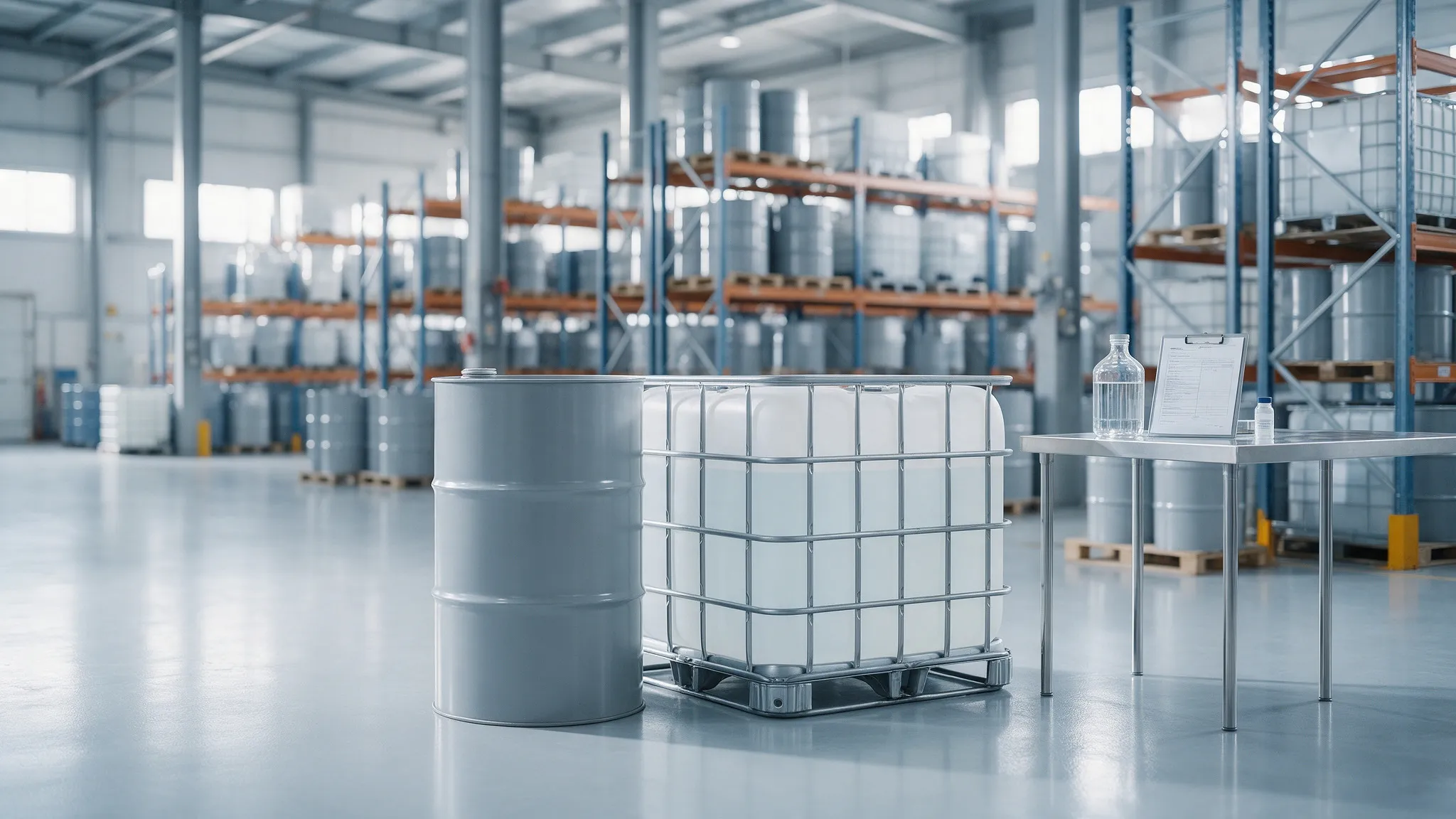
- Secondary containment basin or double-wall construction
The secondary containment requirement isn’t optional. EPA regulations mandate 110% of tank volume capacity. If your tank holds 5,000 gallons, the containment system must hold 5,500 gallons minimum. This catches leaks before they reach soil or groundwater.
Temperature Control and Crystallization Prevention

Caustic soda crystallizes below certain temperatures. Solid sodium hydroxide forms inside tanks and piping. Once crystallized, it’s a nightmare to remove. Prevention beats trying to fix this problem after it happens.
Liquid caustic needs storage above 70°F (21°C) minimum. Better yet, keep it at 85-100°F (29-38°C). This range prevents crystallization while avoiding temperatures high enough to accelerate corrosion. The viscosity also remains manageable for pumping and transfer operations.
Temperature management methods:
- Insulated storage tanks with heating jackets
- Heat tracing on transfer lines and piping
- Immersion heaters in tank sumps
- Steam coils for large outdoor tanks
- Climate-controlled storage buildings
- Temperature monitoring with alarms
Cold climates require heated storage. An unheated outdoor tank will crystallize during winter shutdowns. The solidified caustic damages pumps, clogs lines, and renders the material unusable. Heating costs less than replacing equipment and wasted product.
Watch out for hot spots too. Temperatures above 100°F (38°C) accelerate corrosion on metal components. Iron and steel show increased rust formation. Keep things warm enough to prevent crystallization but cool enough to protect equipment.
Safe Handling Procedures and PPE
Personal protective equipment isn’t a suggestion. It’s mandatory. Every worker handling caustic soda needs proper gear every single time. No exceptions, no shortcuts.
Minimum required PPE:
- Chemical-resistant gloves (nitrile, neoprene, or natural rubber)
- Face shield covering entire face
- Chemical splash goggles underneath face shield
- Impervious coveralls or chemical-resistant apron
- Rubber boots covering ankles
- Long sleeves with elastic or tight cuffs
- Respiratory protection if dust or mist present
Double protection on eyes matters. Face shields protect against splashes. Goggles underneath protect if caustic runs down from forehead or gets around the shield. Eye injuries from caustic cause permanent damage. You can’t be too careful.
Handling best practices:
- Check containers for damage before moving
- Use proper lifting equipment for drums and totes
- Ground containers during transfers to prevent static
- Work in well-ventilated areas
- Keep water and neutralizing agents nearby
- Never work alone when handling large quantities
- Inspect PPE before each use
- Replace damaged equipment immediately
The grounding requirement prevents static discharge. Flowing liquid generates static electricity. A spark near caustic isn’t likely to ignite anything, but other chemicals stored nearby might be flammable. Ground everything as standard practice.
Storage Location and Compatibility
Where you store caustic matters as much as what you store it in. Proper segregation prevents catastrophic reactions if leaks occur.
Keep caustic soda away from:
- Acids (hydrochloric, sulfuric, nitric, acetic)
- Oxidizing agents (peroxides, chlorine, permanganates)
- Reactive metals (aluminum, magnesium, zinc)
- Flammable liquids and gases
- Organic materials (wood, paper, cloth) in large quantities
- Ammonium compounds (generates toxic ammonia)
The acid reaction produces violent heat and splashing. If a caustic drum and an acid drum both leak into the same secondary containment, you’ve got a serious problem. The heat can cause boiling and spattering. Toxic fumes might generate. Design storage layouts preventing these interactions.
Aluminum contact creates hydrogen gas. The reaction accelerates rapidly generating pressure. Buildings with aluminum siding, roofing, or ductwork near caustic storage need evaluation. Even aluminum fittings on tanks can fail from caustic attack.
Ideal storage conditions:
| Factor | Requirement | Reason |
| Ventilation | Mechanical or natural air flow | Prevents fume buildup |
| Lighting | Adequate for inspection | Allows leak detection |
| Floor | Chemical-resistant coating | Protects concrete from spills |
| Access | Controlled entry, training required | Prevents unauthorized handling |
| Signage | Clear hazard warnings | Alerts workers to dangers |
| Emergency Equipment | Eyewash, safety shower within 10 seconds | Immediate decontamination capability |
| Spill Kit | Neutralizing agent, absorbent, PPE | Ready response to small spills |
Concrete floors need protection. Caustic attacks concrete over time. Epoxy or polyurethane coatings resist chemical attack. The coating also makes cleanup easier after spills. Bare concrete absorbs caustic making decontamination difficult.
Emergency Response Procedures
Speed matters in caustic emergencies. Having a plan before incidents occur saves vision, prevents severe burns, and might save lives.
Immediate actions for skin contact:
- Remove contaminated clothing immediately (caustic burns through fabric)
- Flush affected skin with running water for 20-30 minutes minimum
- Don’t try to neutralize with acids (causes more heat and damage)
- Seek medical attention even for small exposures
- Continue flushing en route to medical facility if possible
Twenty minutes feels like forever when you’re flushing skin. Do it anyway. The longer caustic stays on tissue, the deeper the burn. Chemical burns progress over hours. What looks minor initially can become severe.
Eye contact protocol:
- Rinse immediately with clean water or eyewash
- Remove contact lenses if present (gently, without delay)
- Continue rinsing for minimum 30 minutes
- Keep eyes open during rinsing
- Get emergency medical care immediately
- Time is critical for preventing permanent damage
Eye injuries from caustic rank among the worst chemical exposures. Permanent vision loss happens fast. The 30-minute flush minimum isn’t optional. Emergency rooms will continue flushing when patients arrive. Starting immediately at the exposure site makes the difference between saving vision and losing it.
Spill containment steps:
- Evacuate area immediately if large spill
- Wear full PPE before approaching any spill
- Stop leak source if safely possible
- Contain spread with absorbent materials
- Neutralize with weak acid (carefully, in small amounts)
- Collect contaminated materials in plastic containers
- Dispose as hazardous waste per regulations
- Decontaminate area thoroughly after cleanup
Small spills under 5 gallons can be handled internally with trained personnel. Larger spills require professional hazmat response. Don’t take chances. The cost of professional cleanup is way less than the cost of someone getting hurt.
Conclusion
Proper caustic soda storage and handling prevents injuries and facility damage through secondary containment requirements, temperature control preventing crystallization, appropriate tank materials resistant to corrosion, and comprehensive PPE protocols. Understanding caustic soda storage requirements including HDPE or XLPE tanks rated for 1.9 specific gravity, maintaining temperatures above 70°F, providing 110% secondary containment volume, and segregating from incompatible materials creates safe industrial operations. The combination of engineered controls, worker training, emergency preparedness, and strict adherence to handling procedures minimizes risks associated with this highly corrosive chemical.
For industrial facilities requiring caustic soda and compatible storage systems, Elchemy connects procurement teams with certified suppliers of sodium hydroxide, HDPE storage tanks, safety equipment, and emergency response materials meeting OSHA and EPA standards for safe chemical management.