

Introduction
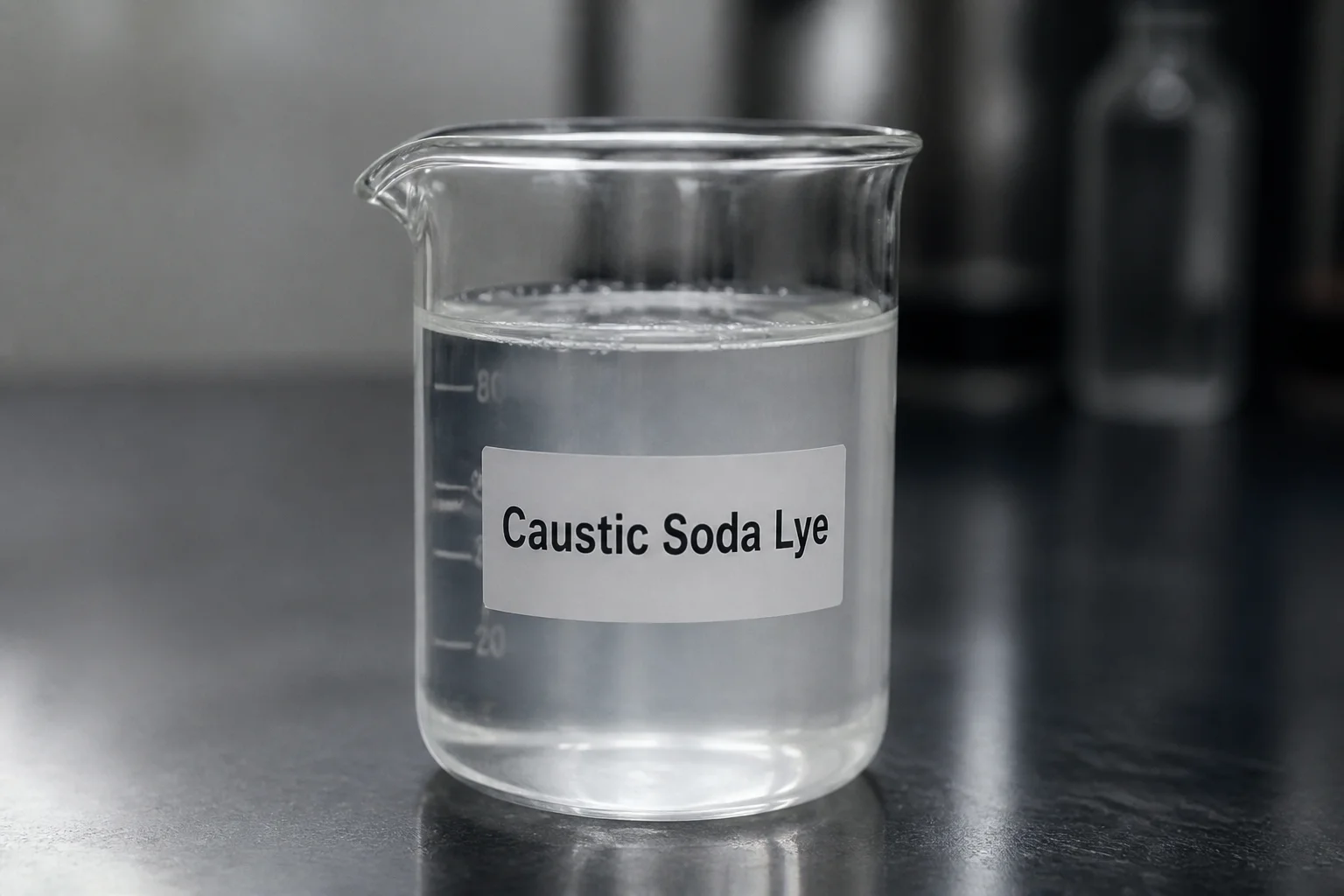
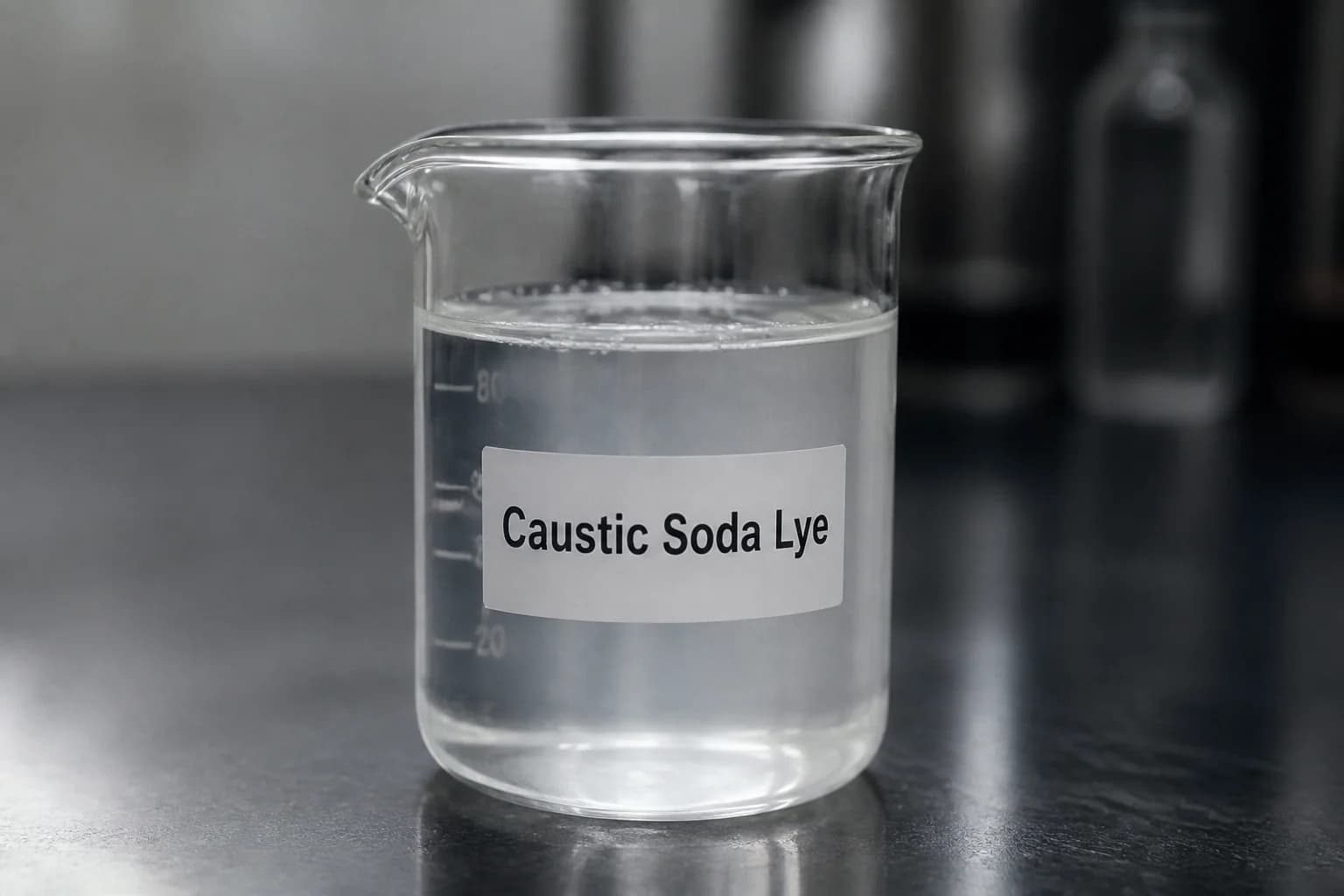
Caustic soda prices are comparable only when buyers match the product form, concentration or purity, grade, quantity, packaging, delivery location, and commercial terms. A quotation for 50% liquid sodium hydroxide delivered by tanker is not like-for-like with 99% flakes in bags. Buyers sourcing liquid can review the caustic soda lye product page before preparing a specification.
Use this guide to compare supplier quotations on a like-for-like delivered basis. State the required grade, concentration or purity, packaging, quantity, destination, Incoterm, currency, and quote-validity period. For solid products, confirm the technical basis in the flakes product specifications before comparing offers.
At a Glance
Caustic soda prices depend on product form, concentration or purity, grade, packaging, quantity, origin, freight, and delivery terms. Electricity and chlorine co-product economics can influence supply-side costs, but no single percentage or regional ranking applies to every quote. Compare matched specifications and total delivered cost. For a solid-product reference, review caustic soda flakes. For application context, see caustic soda uses.
For comprehensive production insights, review 10+ Caustic Soda Uses in Industries.
1. Raw Material and Energy Costs

Electricity is an important input to chlor-alkali production, but its effect on a supplier’s price varies with process technology, operating rate, local power contracts, and chlorine co-product economics. Treat it as one quote driver alongside grade, packaging, freight, and destination – not as a universal cost percentage. See the related water treatment applications for an example of buyer use.
Regional energy cost variations create significant production cost differences:
- Middle East: Natural gas-based electricity enables lowest global production costs
- China: Coal and hydroelectric power supports competitive pricing
- North America: Natural gas electricity creates moderate production costs
- Europe: Highest electricity costs drive premium pricing structures
Salt (sodium chloride) prices impact production costs but represent only 10-15% of total expenses. Learn more about Industrial Insight: The Role of Caustic Soda in Wastewater and Water Treatment Plants.
2. Supply and Demand Dynamics
Downstream consumption patterns directly influence caustic soda prices:
- Alumina refining (20% of global demand): Rising aluminum production in Southeast Asia and India increased caustic soda consumption 5-7% annually during 2024-2025, supporting price stability in these regions despite global oversupply
- Pulp and paper (12-15% of demand): Seasonal demand peaks during harvest months (September-November Northern Hemisphere, March-May Southern Hemisphere) traditionally push caustic soda prices higher by 3-8%
- Chemical manufacturing (18-20% of demand): Steady baseline consumption from organic chemicals, textiles, and soap/detergent production provides demand floor
Supply-side factors:
- China’s oversupply: Capacity additions in 2024-2025 increased Chinese production 5% annually, exceeding domestic demand and driving export volumes up significantly, depressing Asia-Pacific prices
- Balanced North American supply: Stable production from major producers with moderate capacity utilization (75-85%) maintains steady pricing
- European supply constraints: Plant maintenance and environmental compliance limit capacity, supporting higher sodium hydroxide flakes price
3. Production Capacity and Plant Outages
Planned and unplanned outages create regional price volatility:
- Hurricane impacts: Gulf Coast plant disruptions from hurricanes can reduce North American output 8-12%, temporarily spiking caustic soda prices 15-20% before normalizing
- Maintenance shutdowns: Scheduled turnarounds at major chlor-alkali facilities (typically 2-4 weeks annually per plant) create temporary regional tightness
- Environmental compliance shutdowns: Production cuts for environmental inspections can remove significant capacity temporarily, providing brief support to oversupplied markets
- New capacity additions: Plant commissions can exacerbate oversupply conditions, adding downward pressure on caustic soda price trends
For safety protocols, review Caustic Soda Storage and Handling: Essential Safety Guidelines for Industries.
4. Logistics and Transportation Costs
Freight and shipping costs significantly impact delivered cost of caustic soda:
- Ocean freight volatility: Shipping disruptions (Red Sea delays, Panama Canal constraints) can increase Asia-to-Europe freight costs 25-40%, widening the premium for European caustic soda prices versus Asian imports
- Container and bulk vessel rates: Fluctuating rates can add substantial costs to delivered pricing, influencing buyer decisions between domestic and imported supply
- Regional logistics challenges: Port congestion, customs delays, and inland transportation constraints create temporary regional price premiums
- Dangerous goods classification: Caustic soda’s DG status increases shipping costs 15-30% versus non-hazardous chemicals
5. Regulatory and Environmental Compliance
Environmental regulations drive production cost differences:
- EU REACH compliance: Stringent registration, evaluation, and authorization requirements add administrative costs and limit production flexibility, contributing to Europe’s 30-50% price premium over Asian markets
- Emissions standards: Carbon pricing and emissions limits increase energy costs for chlor-alkali producers
- Transition to membrane cell technology: Environmental pressure to phase out mercury cell production requires capital investment, though membrane technology’s 15-20% lower operating costs eventually reduce caustic soda production cost
- Chlorine handling regulations: Safety standards for chlorine co-product management influence total production economics
How to compare caustic soda prices
Historical Price Trends
For a dated U.S. producer-price reference, the BLS sodium hydroxide PPI (series WPU061303024) was 148.451 in Apr 2026, 152.677 in May, 155.850 in Jun, 150.684 in Jul, and 148.422 in Aug (Dec 2007=100; not seasonally adjusted). This index tracks prices received by U.S. producers; it is not a global market price or a delivered supplier quote. See the U.S. sodium hydroxide PPI and the BLS PPI methodology. Confirm current delivered prices with matched supplier quotations.
Caustic Soda Price by Product Form
1. Price Comparison by Product Form
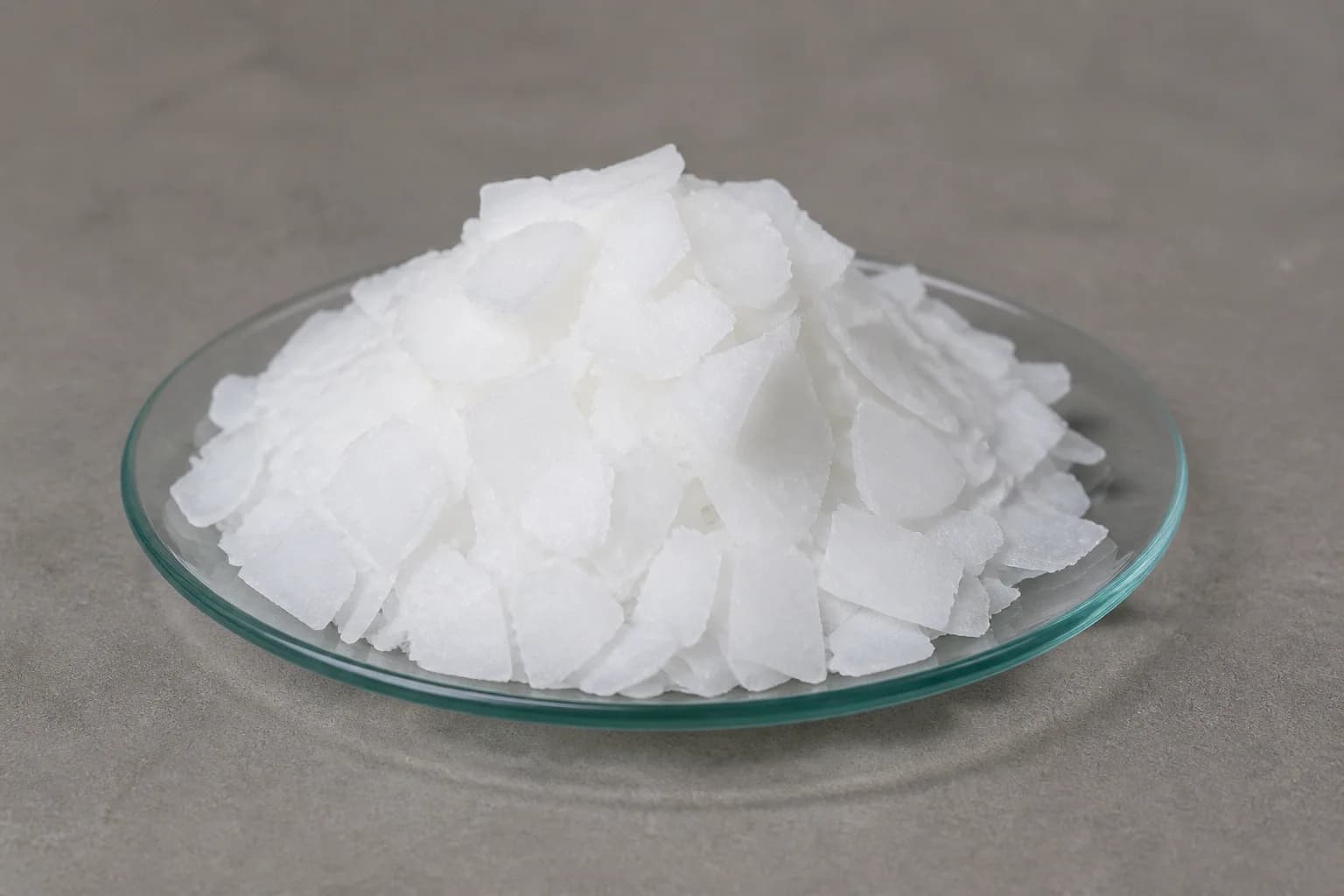
Compare liquid lye, flakes, and pearls on the same active-sodium-hydroxide basis—not only by invoice unit. Solid and liquid forms differ in packaging, storage, handling, and freight requirements; the delivered quote should state the grade, concentration or purity, quantity, packaging, destination, and delivery terms. Before purchase, check the caustic soda SDS and the supplier’s safe caustic soda handling guidance.
2. Caustic Soda Flakes Price
Caustic soda flakes command significant premiums over liquid grades due to:
- Evaporation and solidification costs: Converting 50% lye to 98-99% flakes requires additional energy (600-800 kWh/MT)
- Packaging expenses: Flakes sold in moisture-proof bags versus bulk liquid
- Handling convenience: Easier storage and transport for buyers without liquid handling infrastructure
- Moisture sensitivity: Requires proper packaging to prevent caking
Sodium hydroxide flakes price varies by region:
- Asia-Pacific: Most competitive due to production scale and energy costs
- North America: Mid-tier pricing reflecting moderate costs and quality packaging
- Europe: Highest premiums for premium quality and certifications
- Middle East: Competitive energy costs support favorable pricing
- Latin America: Import-dependent pricing creates elevated costs
Food-grade caustic soda flakes: Premium of 20-30% over industrial grade due to FDA/FCC compliance requirements.
Review Caustic Soda Flakes TDS for complete specifications.
3. Caustic Soda Pearls Price
Caustic soda pearls (beads or prills) offer low-dust handling advantages with approximately 5-10% premium over flakes due to specialized production equipment.
Applications: Preferred for water treatment, metal processing, and industrial applications where dust control is critical.
4. Liquid Caustic Soda Price
Liquid caustic soda represents the most cost-effective form on a per-unit NaOH basis.
Advantages of liquid form:
- Lowest per-unit NaOH cost (10-20% below flakes on dry basis)
- Simpler production (no evaporation/solidification step)
- Bulk handling efficiency
- Direct process integration
Disadvantages:
- Storage infrastructure required
- Higher transportation weight (50% water content)
- Freight cost sensitivity for long distances
For safety information, check Caustic Soda MSDS.
What to compare in a caustic soda quote
|
Quote field |
Why it matters |
Ask the supplier |
|
Product form |
Liquid lye, flakes, and pearls are not like-for-like. |
State liquid, flakes, or pearls. |
|
Strength or purity |
The active NaOH basis changes the comparison. |
State concentration or purity. |
|
Grade and documents |
Industrial, food, and other grades need different evidence. |
Confirm grade, CoA, and SDS. |
|
Commercial basis |
A unit price excludes different costs depending on the quote. |
Confirm packaging, quantity, Incoterm, freight, currency, and validity. |
|
Delivery basis |
Route and location affect landed cost and lead time. |
State destination and required delivery date. |
Caustic Soda Price Forecast 2026
Do not treat an undated regional outlook as a current caustic soda price forecast. For forward buying, compare like-for-like supplier quotations, check the quote-validity period, and confirm which factors can change delivered cost: energy, chlorine co-product demand, plant availability, freight, currency, trade conditions, and inland logistics.
For procurement strategies, explore Supply Chain Diversification: A Strategic Imperative for Procurement Managers.
Conclusion
There is no single caustic soda price that applies across forms, grades, quantities, and destinations. Compare current supplier quotations on the same concentration or purity, packaging, Incoterm, currency, and delivered basis. Use a dated index only as market context, and confirm availability, documentation, freight, and quote validity directly with suppliers.
Partner with Elchemy for competitive caustic soda pricing:
- Multiple grade options (industrial, food-grade, pharmaceutical)
- Multiple forms (liquid, flakes, pearls) from global sources
- Complete documentation (COA, SDS, certificates)
- US-based technical support
- Flexible quantities with fast delivery
- Transparent total landed cost quotes
Need a current caustic soda quotation? Share the product form, concentration or purity, grade, quantity, packaging, destination, and required delivery terms. Request a bulk quote.
FAQs on Caustic Soda Pricing
-
- What is the current price of caustic soda?
Current caustic soda pricing depends on the exact product and delivery basis. Request a quote that states the form, concentration or purity, grade, packaging, quantity, Incoterm, destination, currency, quote-validity period, and included freight or handling charges. That is the only reliable way to compare a supplier’s current offer.
- How does caustic soda price vary by region?
Regional differences reflect energy costs, production capacity, and logistics. Asia-Pacific offers lowest pricing due to overcapacity and competitive energy. North America balances moderate costs with stable demand. Europe faces highest prices from expensive electricity. Middle East/Latin America pricing reflects logistics and supply dynamics.
- What factors most influence caustic soda prices?
Electricity costs (40-60% of production) dominate price movements. Other drivers include downstream demand from alumina/pulp sectors, supply disruptions, chlorine co-product markets, logistics costs, regional supply-demand balances, and seasonal agricultural patterns creating 3-8% swings.
- Why do flakes cost more than liquid?
Sodium hydroxide flakes price commands 40-60% premium over liquid due to evaporation energy costs (600-800 kWh/MT), moisture-proof packaging, and handling convenience. Pearls add 50-70% premium for low-dust characteristics. Liquid represents most cost-effective form per unit NaOH.
- How often do prices change?
Caustic soda prices adjust monthly or quarterly based on contracts. Spot markets show daily/weekly fluctuations (±2-5%), while term contracts reset quarterly. Seasonal patterns drive 3-8% increases during harvest months. Major events trigger 10-20% temporary spikes.
- Are North American prices higher than Asian?
Yes, North American caustic soda prices run significantly higher than Asian pricing, reflecting energy cost differences, labor/regulatory expenses, balanced versus oversupplied markets, and quality/service premiums. However, North American prices remain below European levels.
- How do energy costs impact pricing?
Electricity represents 40-60% of production cost, directly driving regional differences. European high electricity costs create premium production costs versus Middle East low-cost energy. Energy volatility translates nearly 1:1 into caustic soda price fluctuations within 1-2 quarters.
- How can buyers track prices?