

Every bar of soap on store shelves shares one essential ingredient in its production history: caustic soda. Known scientifically as sodium hydroxide (NaOH), this alkaline compound transforms fats and oils into the cleansing products used by billions daily. The global soap market, valued at $34.6 billion in 2023 and growing at 4.8% annually, depends entirely on caustic soda for soap making to initiate the chemical reaction that creates both traditional bar soaps and liquid cleansers.
For manufacturers, selecting the right caustic soda grade, form, and handling protocol directly impacts product quality, production efficiency, and worker safety. Whether producing luxury artisan bars or industrial-scale laundry soaps, understanding how caustic soda functions in saponification enables better formulation decisions and consistent manufacturing outcomes. Monitoring sodium hydroxide price trends helps soap manufacturers optimize procurement timing and budget forecasting. across production runs. Sourcing from reputable suppliers listed in our caustic soda manufacturers directory ensures you receive the precise purity grades needed for your soap formulation.
At a Glance
- Caustic soda initiates saponification, the chemical reaction converting fats and oils into soap and glycerin
- Available in multiple forms: flakes, beads, pearls, and liquid solutions at 49-50% concentration
- Commercial purity ranges from 95-99%, with food-grade specifications requiring minimum 99% purity
- Sodium hydroxide produces hard bar soaps while potassium hydroxide creates liquid soaps
- Improper storage rapidly reduces purity as NaOH absorbs moisture and carbon dioxide from air
- Dissolution in water generates intense exothermic reactions reaching 80-90°C requiring safety protocols
- Industrial manufacturers typically use 49-50% liquid caustic while artisan producers prefer flakes or beads
- Each oil has unique saponification values determining exact caustic soda quantities needed
Understanding Caustic Soda for Soap Making
Caustic soda’s central role in soap manufacturing stems from its powerful alkaline properties and ability to break ester bonds in triglycerides. When sodium hydroxide dissolves in water, it dissociates completely into sodium cations (Na+) and hydroxide anions (OH-). These hydroxide ions attack the ester linkages connecting fatty acids to glycerol backbones in oils and fats, splitting the molecules and recombining with fatty acids to form soap molecules.
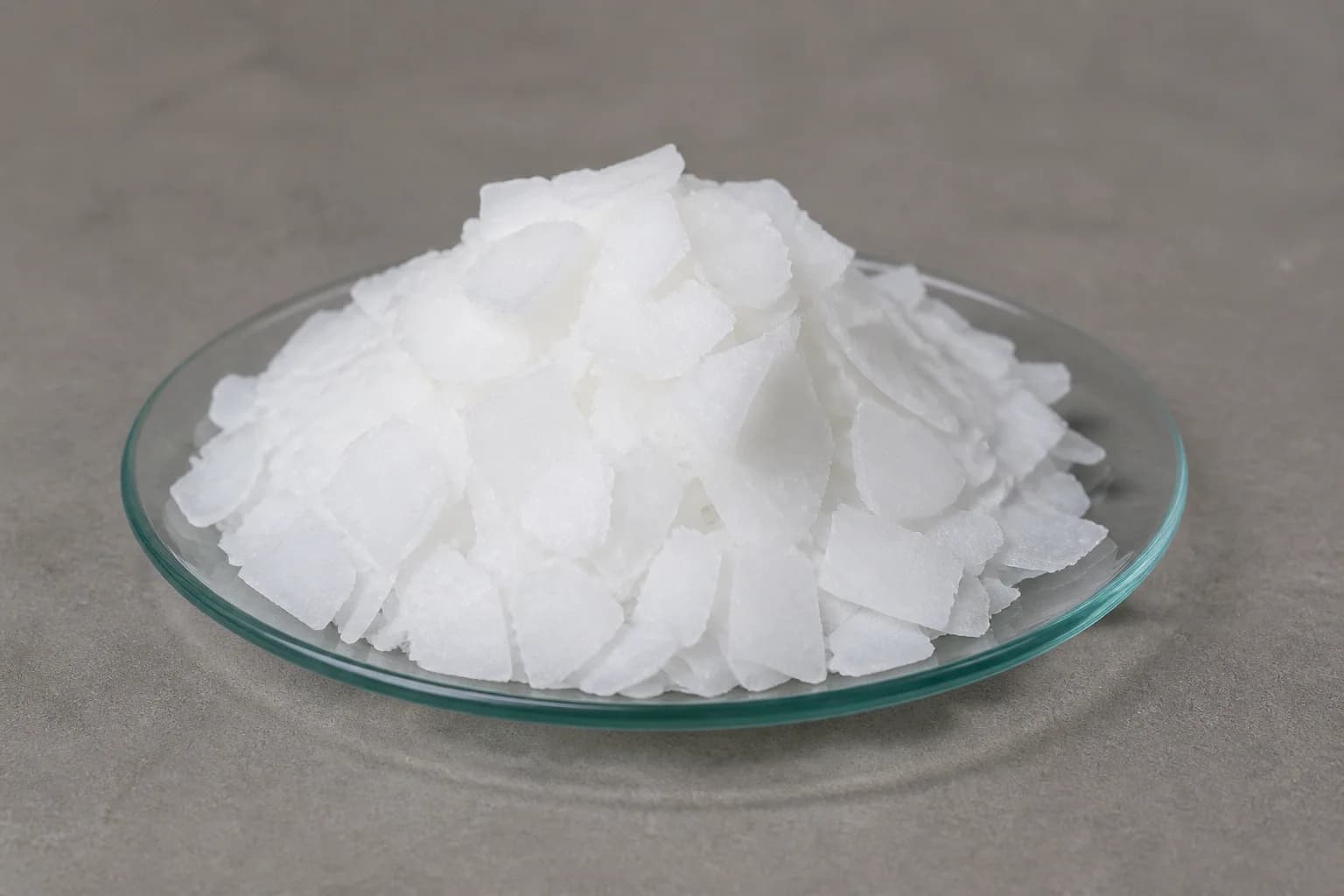
The compound exists as white crystalline solids at room temperature, with a melting point around 318°C. Its hygroscopic nature means it aggressively absorbs moisture from air, which explains why proper storage in sealed containers proves critical for maintaining purity. This moisture absorption also creates sodium carbonate as a contaminant when atmospheric carbon dioxide reacts with absorbed water and sodium hydroxide.
Historical soap making discovered this chemistry accidentally when rainwater mixed with wood ash created alkaline solutions that reacted with animal fats from cooking fires. Modern industrial processes refined this into precision chemistry, but the fundamental reaction remains unchanged for over 4,000 years since ancient Babylonians first documented soap production around 2800 BCE.
The Saponification Process
Saponification describes the hydrolysis reaction where triglycerides react with strong bases to produce glycerol and fatty acid salts. The chemical equation shows three sodium hydroxide molecules reacting with one triglyceride molecule to yield three soap molecules and one glycerol molecule. This 3:1 stoichiometric ratio provides the foundation for all soap formulation calculations.
| Reactant | Product | Role in Soap Making |
| Triglycerides (fats/oils) | Fatty acid salts (soap) | Provides cleaning action and structure |
| Sodium hydroxide | Sodium ions in soap | Triggers saponification, incorporated into final soap |
| Water | Glycerol | Reaction medium; glycerol is moisturizing by-product |
The reaction progresses through several stages. Initially, caustic soda dissolves in water, generating substantial heat. When oils are added, the mixture enters an emulsification phase where stirring disperses the oil throughout the alkaline solution. As hydroxide ions contact triglyceride molecules, saponification begins, with the mixture gradually thickening as soap forms. This thickening stage, called “trace” by artisan soap makers, signals that sufficient saponification has occurred for the mixture to hold its shape.
Temperature significantly affects reaction speed. Most industrial saponification operates at 80-100°C to accelerate the process, completing in hours rather than days. Cold process soap making, popular with artisan producers, relies on heat generated by the caustic soda dissolution itself, requiring 24-48 hours to reach sufficient completion for safe handling.
Sodium vs Potassium Hydroxide
The choice between sodium hydroxide and potassium hydroxide determines the final soap’s physical characteristics. Sodium hydroxide creates hard bar soaps because sodium salts of fatty acids form solid crystals at room temperature. The resulting bars maintain their shape, resist dissolution in storage, and provide the firmness consumers expect from traditional bath and laundry soaps.
Potassium hydroxide produces soft or liquid soaps. Potassium salts of fatty acids remain more soluble in water, creating pastes or liquids depending on water content. Liquid hand soaps, body washes, and shampoos typically use potassium hydroxide during saponification, though some manufacturers create liquid products by dissolving sodium-based soap in water with additional solubilizers.
Some formulations blend both hydroxides to achieve intermediate textures. A 70:30 sodium to potassium ratio can produce semi-soft soaps suitable for specific applications. However, most manufacturers choose one hydroxide based on their target product format rather than blending.
Forms and Concentrations
Caustic soda reaches manufacturers in several physical forms, each offering distinct handling characteristics and cost considerations. Selection depends on production scale, equipment capabilities, and specific formulation requirements.
| Form | Typical Purity | Advantages | Best Applications | Flakes | 98-99% | Easy to measure, moderate dissolution | Small to medium batch production | | Beads/Prills | 99% | Less dust, uniform size | Artisan and automated systems | | Pearls | 99% | Fastest dissolution, premium | High-end formulations | | Liquid (49-50%) | 49-50% NaOH | No dissolution step, consistent | Large industrial operations |
Flakes represent the most economical solid form, produced by evaporating caustic soda solutions onto rotating cooled drums. The resulting thin flakes dissolve readily but generate dust during handling, requiring ventilation and respiratory protection. Manufacturers packaging flakes typically add small amounts of anti-caking agents to prevent fusion during storage and transport.
Beads and prills form when molten sodium hydroxide drops through cooling towers, solidifying into small spherical particles. This form produces less dust than flakes and offers easier automated feeding into mixing equipment. The uniform particle size enables precise volumetric dosing, though weight-based measurement remains more accurate for formulation control.
Commercial Concentrations
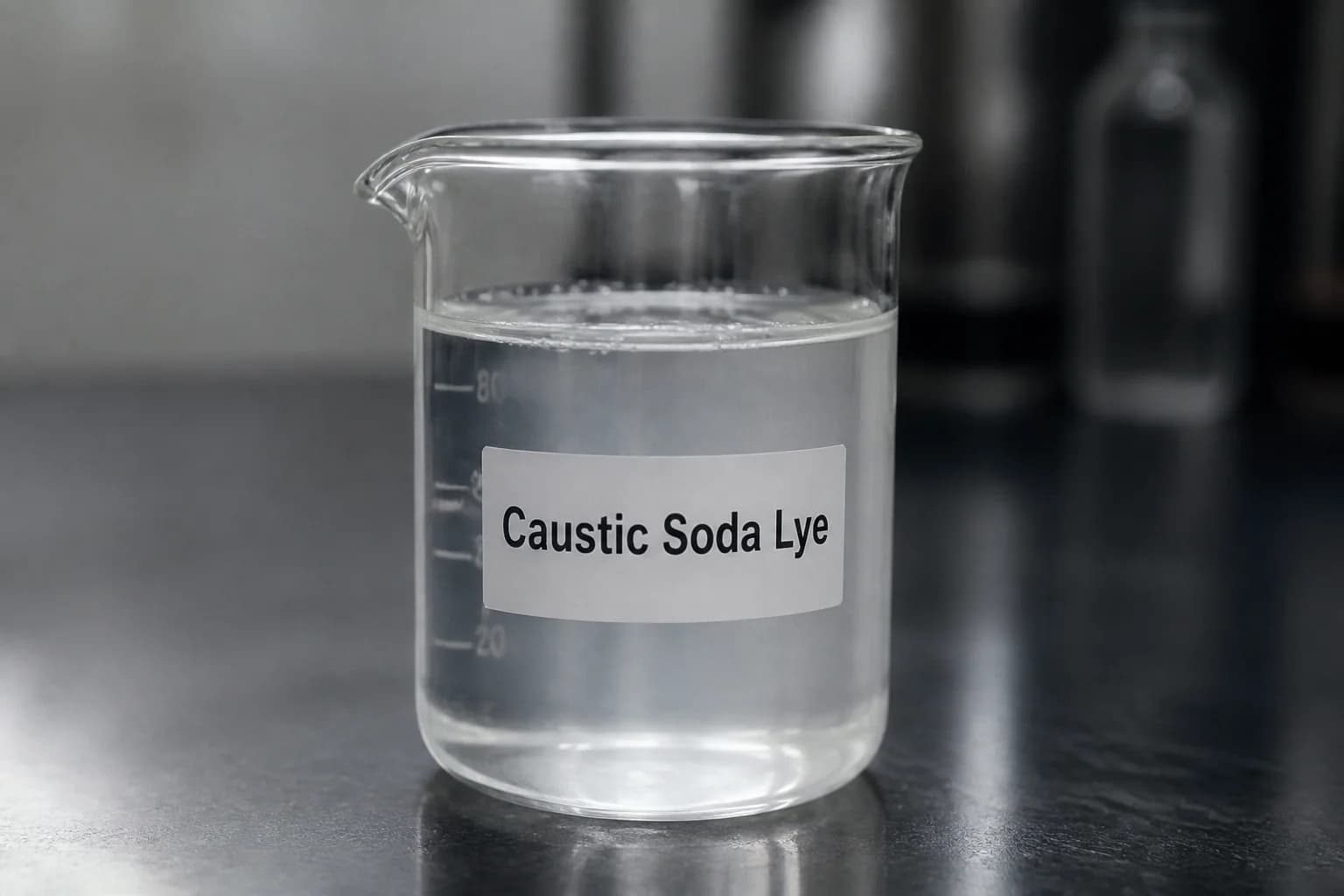
Industrial soap manufacturers predominantly use liquid caustic soda at 49-50% concentration, sometimes called “50% liquor” or “membrane grade.” This concentration provides optimal balance between sodium hydroxide content and handling characteristics. Higher concentrations solidify at moderate temperatures, complicating storage and transfer, while lower concentrations add unnecessary water to formulations.
Liquid caustic requires specialized storage in steel or fiberglass-reinforced plastic tanks with heating systems to prevent crystallization below 12°C. Transfer pumps must use materials resistant to concentrated alkaline solutions, typically stainless steel or polypropylene. Despite these infrastructure requirements, large manufacturers prefer liquid caustic because it eliminates dissolution steps and reduces labor costs.
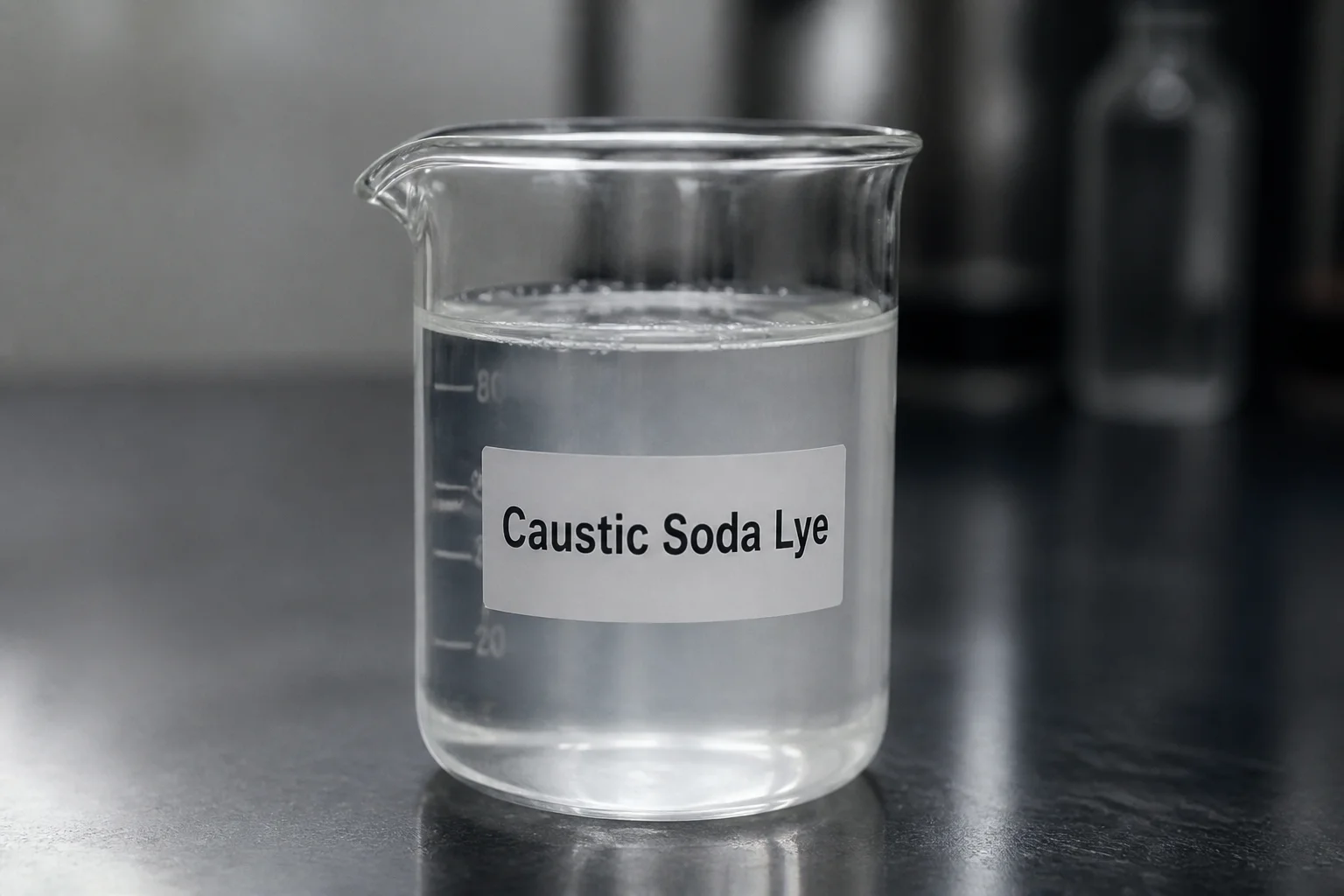
Artisan and small-batch producers typically purchase solid forms in 25kg bags or smaller containers. These operations prepare lye solutions immediately before use, dissolving measured quantities of flakes or beads in distilled water. This approach requires less capital investment in storage equipment but demands more careful handling during the hazardous dissolution stage.
Best Caustic Soda for Soap Making Selection
Choosing the best caustic soda for soap making involves evaluating purity, form, and grade specifications against specific production requirements. While all caustic soda initiates saponification, quality variations affect soap appearance, consistency, and the presence of unwanted contaminants.
Key selection criteria include:
- Purity level: Minimum 95% for industrial soap, 99% for premium and artisan products
- Contaminant profile: Low levels of sodium carbonate, chlorides, and heavy metals
- Form consistency: Uniform flake size or bead diameter for predictable dissolution
- Packaging integrity: Sealed containers preventing moisture absorption during storage
- Certification compliance: Food-grade or USP specifications for cosmetic soaps
- Supply reliability: Consistent availability from established chemical distributors
- Technical support: Supplier assistance with saponification calculations and troubleshooting
Food Grade vs Industrial Grade
Food-grade caustic soda meets stringent specifications outlined in the Food Chemicals Codex (FCC) and United States Pharmacopeia (USP). These grades guarantee minimum 99% purity with tightly controlled limits on heavy metals, particularly mercury, lead, and arsenic. The higher purity ensures no discoloration, odors, or reactive impurities that might affect premium soap formulations.
Soap manufacturers producing cosmetic or body care products should specify food-grade caustic soda even though the final product contains no residual sodium hydroxide. This precaution addresses potential trace contaminants that could cause skin irritation or allergic reactions in sensitive users. The cost premium of 10-15% over industrial grade represents minimal impact on total formulation costs while providing quality assurance.
Storage and Purity Maintenance
The best caustic soda rapidly degrades to mediocre quality without proper storage protocols. Sodium hydroxide’s hygroscopic nature means opened containers begin absorbing atmospheric moisture immediately, reducing effective concentration and forming sodium carbonate scale. After just one week of exposure to humid air, 99% purity caustic can drop to 95% or lower.
Proper storage requires airtight containers made from compatible materials. High-density polyethylene (HDPE) containers work well for solid forms, while liquid caustic requires steel or specialized plastic tanks. Original manufacturer packaging should remain sealed until use, with partial containers resealed immediately after measuring required quantities.
Storage areas should maintain low humidity and moderate temperatures. Excessive heat accelerates moisture absorption while temperatures below 12°C can cause liquid caustic to crystallize. Climate-controlled warehouses prove ideal, though many manufacturers successfully store caustic soda in ambient conditions using proper container materials and sealing practices.
Manufacturing Applications
Caustic soda serves distinct roles across different soap production methods and product categories. Understanding these applications helps manufacturers optimize their caustic soda specifications and handling procedures for specific outputs.
| Soap Type | Production Method | Caustic Form | Typical Purity | |—|—|—| | Bar soap (cold process) | Artisan batch | Flakes or beads | 99% food grade | | Bar soap (hot process) | Industrial continuous | 50% liquid | 95-98% | | Liquid soap | Saponification with KOH | Flakes or liquid | 99% | | Laundry soap | Hot process with fillers | 50% liquid | 95% industrial | | Transparent soap | Alcohol method | Beads | 99% food grade |
Industrial soap manufacturing primarily uses hot process continuous systems where fats undergo splitting at high temperatures and pressures, separating fatty acids from glycerin. These fatty acids then flow to neutralization vessels where 50% caustic soda solution converts them to soap at 90-100°C. The resulting soap mass, called “neat soap,” contains approximately 63% soap, 31% water, and 6% glycerin before additional processing.
Cold process soap making, favored by artisan producers, mixes room-temperature oils with lye solution prepared from solid caustic soda. The exothermic saponification reaction provides the only heat, gradually warming the mixture to 40-50°C. This gentler process preserves natural colors, fragrances, and beneficial components in specialty oils that might degrade under industrial hot processing conditions.
Safety and Handling Requirements
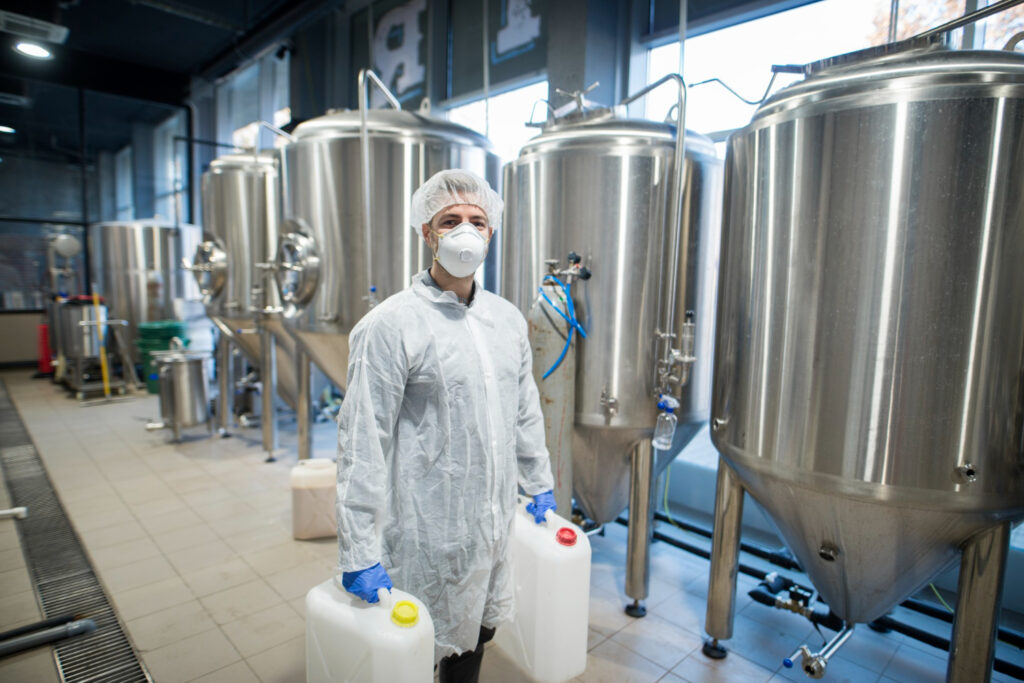
Caustic soda ranks among the most hazardous chemicals in soap manufacturing, demanding rigorous safety protocols and emergency response procedures. Both solid and liquid forms cause severe chemical burns on contact with skin or eyes, with concentrated solutions capable of destroying tissue in seconds.
Essential safety measures include:
- Personal protective equipment: Chemical-resistant gloves (neoprene or nitrile), full face shields, aprons, and closed-toe shoes
- Ventilation systems: Local exhaust during dissolution to capture aerosols and vapors
- Emergency equipment: Safety showers and eyewash stations within 10 meters of handling areas
- Spill containment: Absorbent materials and neutralizing agents (weak acids like vinegar) readily available
- Training programs: Comprehensive instruction on chemical properties, emergency procedures, and first aid
- Work restrictions: Never add water to caustic soda; always add caustic to water slowly
- Storage separation: Keep away from acids, aluminum, tin, and zinc to prevent violent reactions
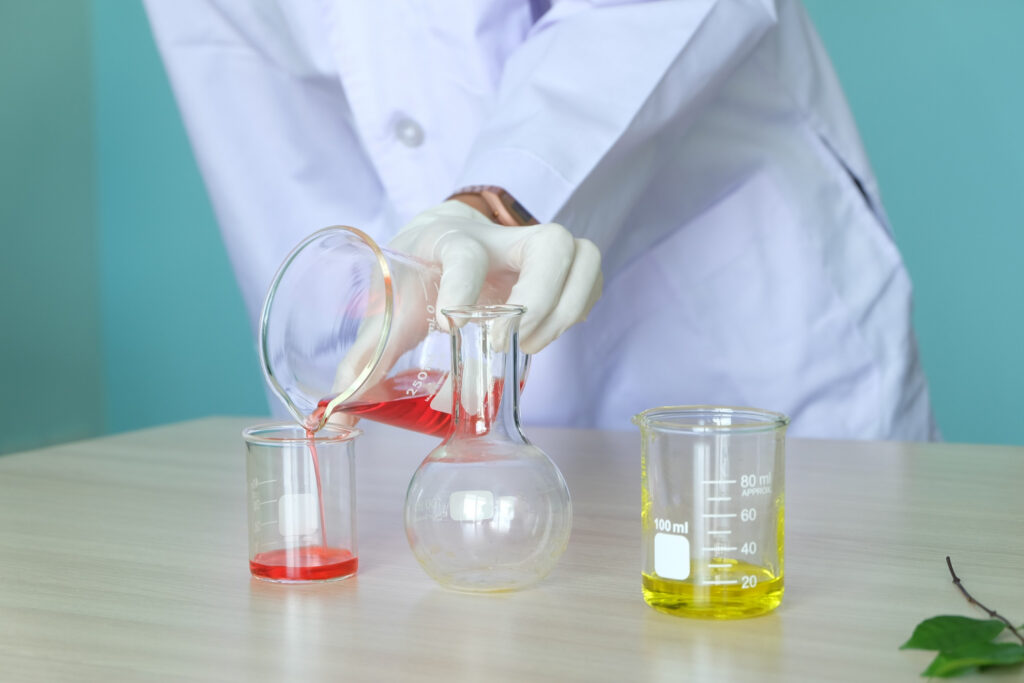
The dissolution process creates particular hazards as heat generation can cause splashing and spattering. Manufacturers should use heat-resistant containers and add solid caustic slowly to room-temperature water while stirring continuously. The solution temperature rapidly climbs to 80-90°C, potentially causing containers to warp or crack if not rated for thermal shock.
First aid for caustic exposure requires immediate action. Skin contact demands continuous flushing with large volumes of water for at least 30 minutes while removing contaminated clothing. Eye exposure needs immediate irrigation for at least 15 minutes, holding eyelids open to ensure complete rinsing. Medical evaluation should follow all exposures regardless of apparent severity, as caustic burns can worsen over several hours.
Conclusion
Caustic soda remains irreplaceable in soap manufacturing, providing the alkaline catalyst that transforms simple fats into effective cleansing products. Whether operating industrial continuous processes or crafting artisan batches, selecting appropriate caustic soda grades, forms, and purity levels directly influences product quality and production efficiency. The distinction between food-grade and industrial specifications, combined with understanding of proper storage and safety protocols, enables manufacturers to optimize both formulation outcomes and workplace safety.
Modern soap production continues evolving with sustainability initiatives, improved processing equipment, and expanded product ranges. Throughout these changes, caustic soda for soap making persists as the fundamental chemical enabling the 4,000-year-old saponification reaction that transforms oils into the cleansing products essential to modern hygiene and sanitation.
For manufacturers requiring caustic soda, specialty surfactants, or complementary soap-making ingredients, Elchemy’s technology-driven platform connects buyers with verified chemical suppliers across global markets. Our detailed guide on where to buy caustic soda helps soap makers identify the best suppliers for their specific volume and quality requirements.. Founded by IIT/IIM engineers, Elchemy streamlines sourcing with transparent pricing, complete quality documentation, and reliable supply chains that support consistent production operations from artisan soap makers to industrial manufacturers.