

At a Glance
- Industrial buyers can source sodium hydroxide directly from manufacturers, through chemical distributors, or through sourcing partners.
- Define the required form, grade, concentration, quantity, delivery point, and delivery schedule before requesting quotes.
- Compare landed cost, documentation, packaging, lead time, and supply continuity, not only the unit price.
- Confirm the supplier can provide a current SDS, lot-specific COA, and the documents required for the destination and application.
- Use a sample or pre-shipment checks when a new supplier, grade, or production route needs validation.
What You’ll Learn
Learn how to choose a supply route, define an RFQ, compare quotes, and qualify sodium hydroxide for an industrial site.
Introduction
Sodium hydroxide suppliers serve different forms, order sizes, delivery regions, and contract structures. The right source depends on the required form, expected consumption, and available storage and unloading systems.
Industrial buyers can purchase through direct manufacturers, chemical distributors, sourcing partners, or spot traders. Before comparing offers, define the form, concentration, grade, quantity, packaging, delivery point, and required documents. For more detail, see the distribution and packaging guide.
This guide explains how the available routes differ and what procurement teams should include in a comparable request for quotation. It does not replace site-specific engineering, safety, regulatory, or transport review. Use it to prepare a supplier shortlist and a consistent RFQ. It is written for industrial procurement and operations teams.
Define the Purchase Requirement Before Contacting Suppliers
Sodium hydroxide is also sold as caustic soda. Its chemical formula is NaOH, and its CAS number is 1310-73-2. Commercial offers can differ by form, concentration, grade, impurity limits, and packaging.
A complete RFQ should define the material and delivery requirement before requesting prices. This prevents unlike products or delivery terms from becoming the comparison benchmark.
|
Decision input |
What to state in the RFQ |
|
Form |
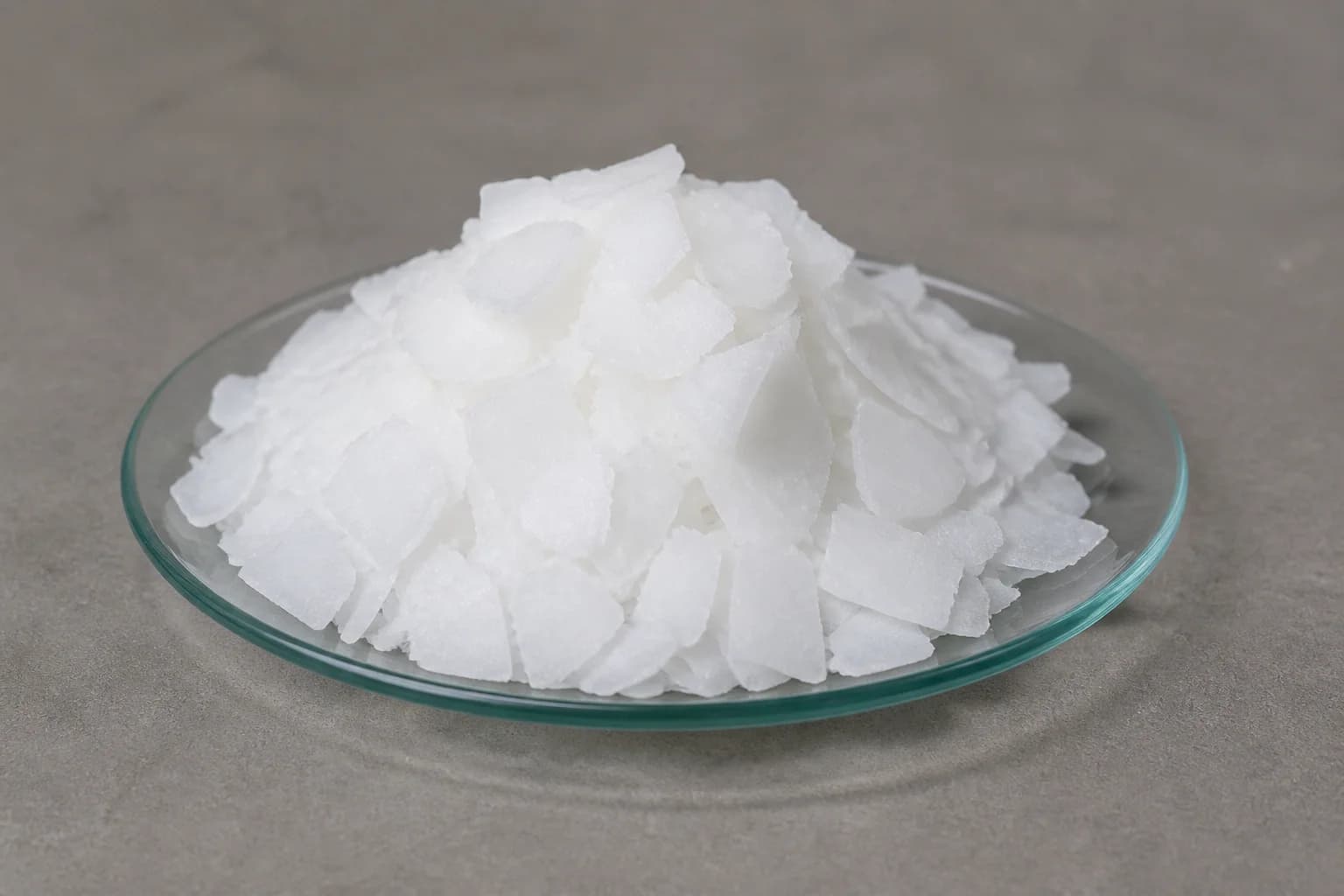
Flakes, prills or pearls, or liquid lye |
|
Technical requirement |
Grade, concentration, specification, impurity limits, and required test methods |
|
Order |
Trial quantity, order quantity, annual demand, and delivery frequency |
|
Packaging |
Bag size, palletization, container configuration, tanker requirement, or another approved format |
|
Destination |
Ship-to location, requested Incoterm, delivery window, and unloading constraints |
|
Documents |
Current SDS, representative specification, lot-specific COA, origin, and required transport or customs records |
Do not rely on “industrial grade” as the complete specification. The process and quality teams should approve measurable limits before procurement uses price as the comparison basis.
Where to Buy Sodium Hydroxide in Bulk
Buyers may encounter four routes for bulk sodium hydroxide. The appropriate route depends on annual volume, delivery frequency, required form, geographic coverage, and the buyer’s logistics capabilities.
Each route has different commercial and traceability considerations. Buyers should confirm the named manufacturer, material origin, delivery responsibility, and document owner before award.
|
Supply route |
Consider this route when |
Confirm before award |
|
Direct manufacturer |
Demand is predictable and supports contract purchasing |
Minimum volume, production site, allocation terms, lead-time range, and delivery capability |
|
Chemical distributor |
Regional inventory or flexible release sizes matter |
Stock location, manufacturer identity, repackaging controls, and delivery radius |
|
Sourcing partner |
Multi-origin or cross-border coordination is required |
Approved producer, Incoterm, import responsibilities, documents, and contingency options |
|
Spot trader |
The purchase is urgent or opportunistic |
Material origin, lot documents, storage history, and repeatability of supply |
Manufacturers may suit stable contract demand. A sodium hydroxide distributor can support regional availability and flexible order patterns. Sodium hydroxide distributors should disclose the producer and stock location. A sourcing partner can help compare approved origins and coordinate cross-border delivery.
For named U.S. companies, review the U.S. supplier comparison. Use that list for discovery, then qualify each candidate against the written requirement.
How Elchemy Supports a Defined Requirement
Elchemy is a tech-enabled, cross-border specialty chemical distributor. For each sodium hydroxide offer, buyers should confirm the named manufacturer, origin, form, and Elchemy’s commercial role.
Share the required form, specification, quantity, destination, delivery schedule, and documentation set. Elchemy can then assess available routes and coordinate the relevant commercial, documentation, and logistics details.
Elchemy can support:
- Assessment of available manufacturers, distributors, or supply origins against the written requirement
- Spot-purchase, scheduled-order, or contract-supply discussions
- Coordination of available specifications, SDSs, COAs, and origin documents
- Review of packaging, delivery terms, lead time, and destination requirements
- Commercial comparison based on the requested quantity and delivery basis
Choose the Required Form Before the Supplier
Requesting “caustic soda” without a defined form or concentration produces quotes that cannot be compared reliably. Match the material to the site’s process, storage, dosing, packaging, and transport constraints.
Each form requires its own technical and logistics review. Do not substitute one form for another without process and safety approval.
|
Form |
What buyers should confirm |
|
Flakes |
Grade, purity, moisture protection, bag size, palletization, and dissolution capability |
|
Prills or pearls |
Grade, particle characteristics, packaging integrity, storage conditions, and dissolution requirements |
|
Liquid lye |
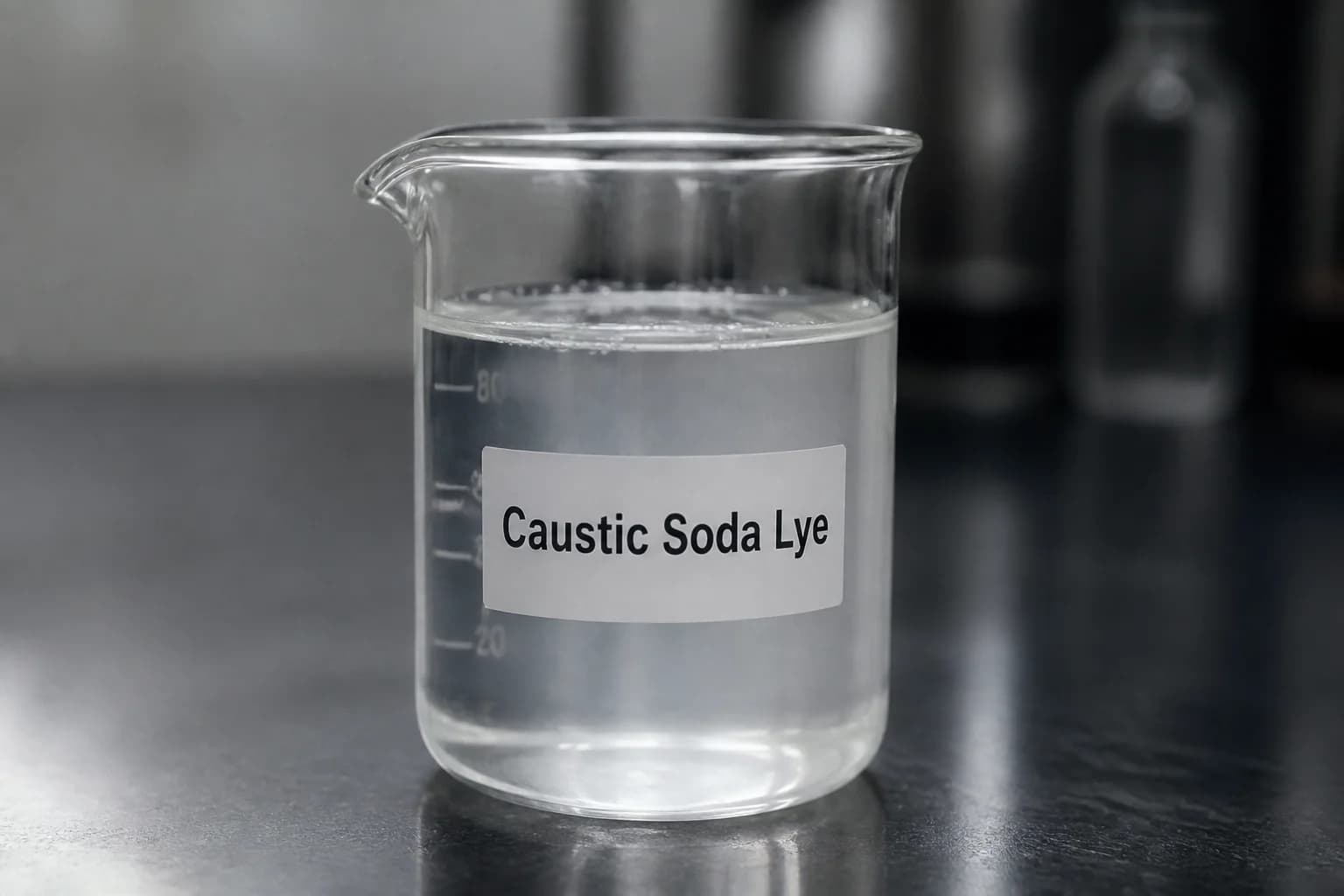
Concentration, delivery configuration, unloading connection, storage capacity, and temperature conditions |
The process team should approve the form, concentration, grade, and impurity limits before commercial comparison.
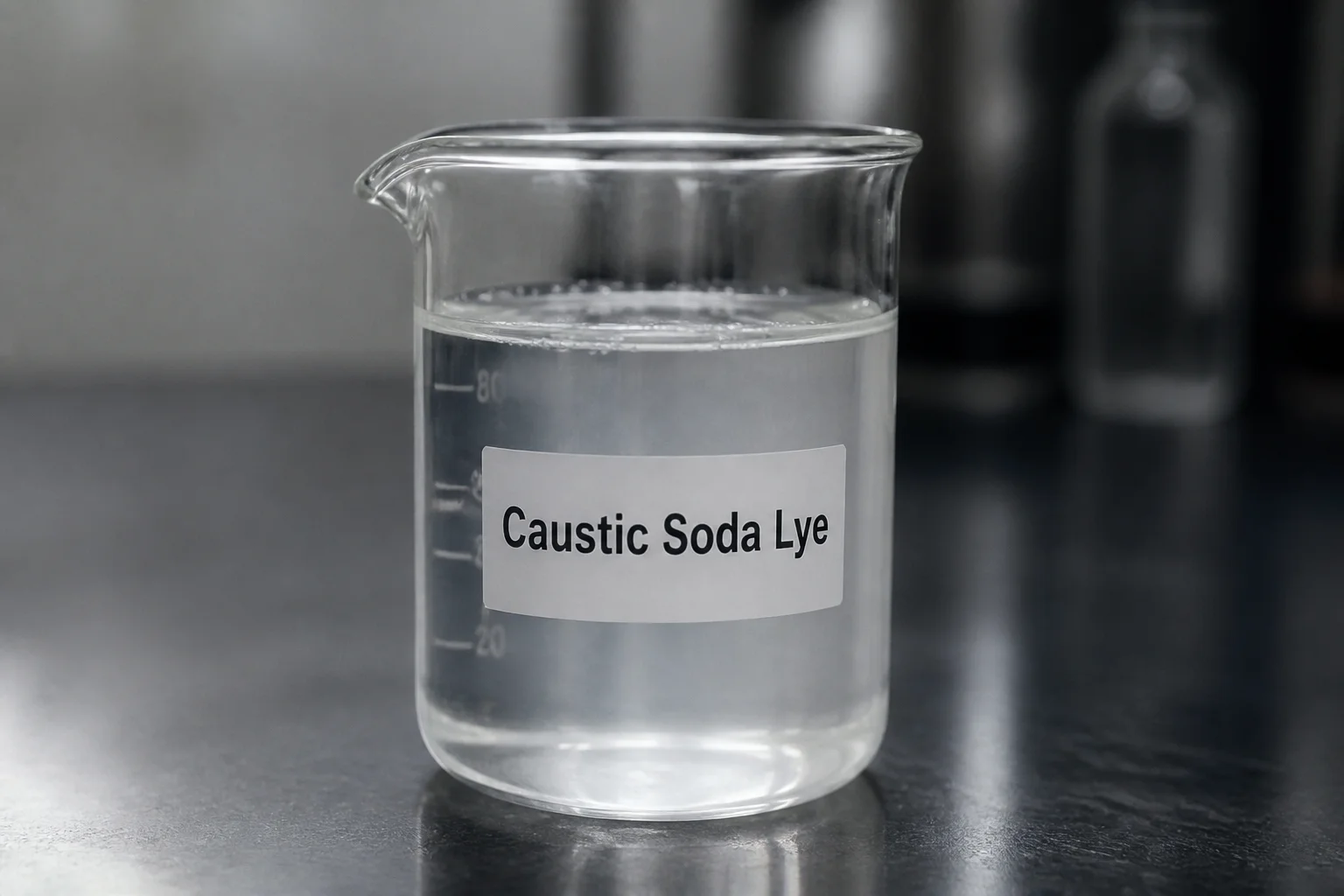
Review the caustic soda prills product. Liquid buyers can review the caustic soda lye product.
For solid-form validation before a commercial order, Request a Sample of caustic soda flakes.
How to Compare Sodium Hydroxide Suppliers
Use the same written requirement for every supplier. This makes technical and commercial differences visible before procurement compares prices.
A supplier’s role should also be recorded. For a detailed approval workflow, use the supplier selection checklist.
- Confirm the manufacturer, production site, country of origin, and distributor or trader role.
- Match the offered form, concentration, grade, and impurity limits to the approved specification.
- Request a current SDS, representative specification, and proposed lot-specific COA format.
- Verify packaging, labeling, palletization, container or tanker configuration, and unloading requirements.
- Compare minimum order quantity, lead-time range, available capacity, and delivery schedule.
- Clarify Incoterms, freight, duties, insurance, taxes, and destination charges.
- Review change-notification, non-conformance, claims, and continuity arrangements before contracting.
Evaluate a NaOH supplier on its ability to deliver the approved material consistently. Do not choose only by the lowest quoted unit price.
Build a Comparable Bulk Quote
Send one RFQ format to every shortlisted source. Ask each bidder to identify exclusions and assumptions before procurement calculates landed cost.
Every offer should use the same technical, quantity, packaging, and delivery basis. Record estimated and excluded costs separately.
Include:
- Product name and CAS number: sodium hydroxide, 1310-73-2.
- Required form, grade, concentration, specification, and test methods.
- Target order quantity, annual demand, and delivery frequency.
- Packaging, pallet, container, or tanker requirements.
- Delivery address, requested delivery window, and unloading constraints.
- Requested Incoterm and separate freight, duty, tax, and surcharge lines.
- Required SDS, COA, origin, regulatory, and transport documents.
- Quote validity, payment terms, lead-time range, and continuity proposal.
A sodium hydroxide wholesale quote is comparable only when the form, specification, packaging, quantity, and delivery basis match. Review the dated price index before assessing market movement.
Safety and Handling Review
Sodium hydroxide is corrosive. Before purchase, review the supplier’s SDS with qualified safety personnel. Confirm compatible storage, transfer, emergency, and personal-protective measures.
NIOSH identifies skin, eye, inhalation, and ingestion exposure routes. Its guidance also identifies immediate irrigation or flushing measures for eye and skin contact.
Use the NIOSH Pocket Guide and OSHA chemical data as authoritative U.S. references. Applicable local requirements and site procedures should govern the final handling plan.
Frequently Asked Questions
1. Where can industrial buyers purchase sodium hydroxide in bulk?
Industrial buyers can source sodium hydroxide from chlor-alkali manufacturers, chemical distributors, sourcing partners, or spot traders. Select the route by required form, order volume, delivery region, inventory needs, and documentation. Also consider the site’s storage, unloading, and transport capabilities.
2. What should I send a sodium hydroxide supplier before requesting a quote?
Send the required form, concentration, grade, specification, impurity limits, quantity, annual demand, packaging, destination, delivery schedule, and documentation list. State the requested Incoterm and identify any storage, unloading, labeling, or transport constraints. This keeps supplier responses comparable.
3. Is buying directly from a manufacturer always cheaper?
No. A factory price may exclude freight, insurance, brokerage, duties, local delivery, inventory support, or smaller-order flexibility. Compare landed cost and service scope on the same specification, quantity, Incoterm, destination, and quote-validity basis. Record every exclusion and assumption separately.
4. What is the difference between flakes, prills, and liquid lye?
Flakes and prills are solid forms with different packaging, storage, and dissolution considerations. Liquid lye arrives as an aqueous solution. It requires an approved concentration, compatible storage, suitable transfer equipment, and a defined unloading process. Do not substitute one form without technical approval.
5. Which documents should accompany industrial sodium hydroxide?
Requirements vary by destination, transport route, and application. Buyers commonly request a current SDS, representative specification, and lot-specific COA. They may also require manufacturer, origin, transport, customs, or application-specific records. Confirm the final document set before award. Review expiry dates where relevant.
6. How do I compare sodium hydroxide bulk supply offers?
Normalize the form, concentration, specification, test methods, quantity, packaging, Incoterm, delivery point, and quote period. Then compare landed cost, lead-time range, documentation, capacity, change-notification terms, claims handling, and supply-interruption plans. Document the comparison before award.
7. Can buyers request sodium hydroxide through Elchemy?
Yes, subject to product availability, destination, specification, quantity, and commercial review. Submit the required form, grade, concentration, volume, delivery point, schedule, and documentation needs. Elchemy can then assess a suitable route and quotation basis. Confirm availability before planning production.
Conclusion
Choosing among sodium hydroxide suppliers starts with a precise technical and delivery requirement. Decide the required form and compare suitable supply routes. Normalize each quote to landed cost before reviewing documentation, continuity terms, and the remedy for nonconforming material. This sequence prevents a low price for the wrong material from becoming the purchasing benchmark.
To buy sodium hydroxide, share the specification, volume, destination, schedule, and required documents. If flakes match the approved requirement, Request a Quote for the required delivery basis.