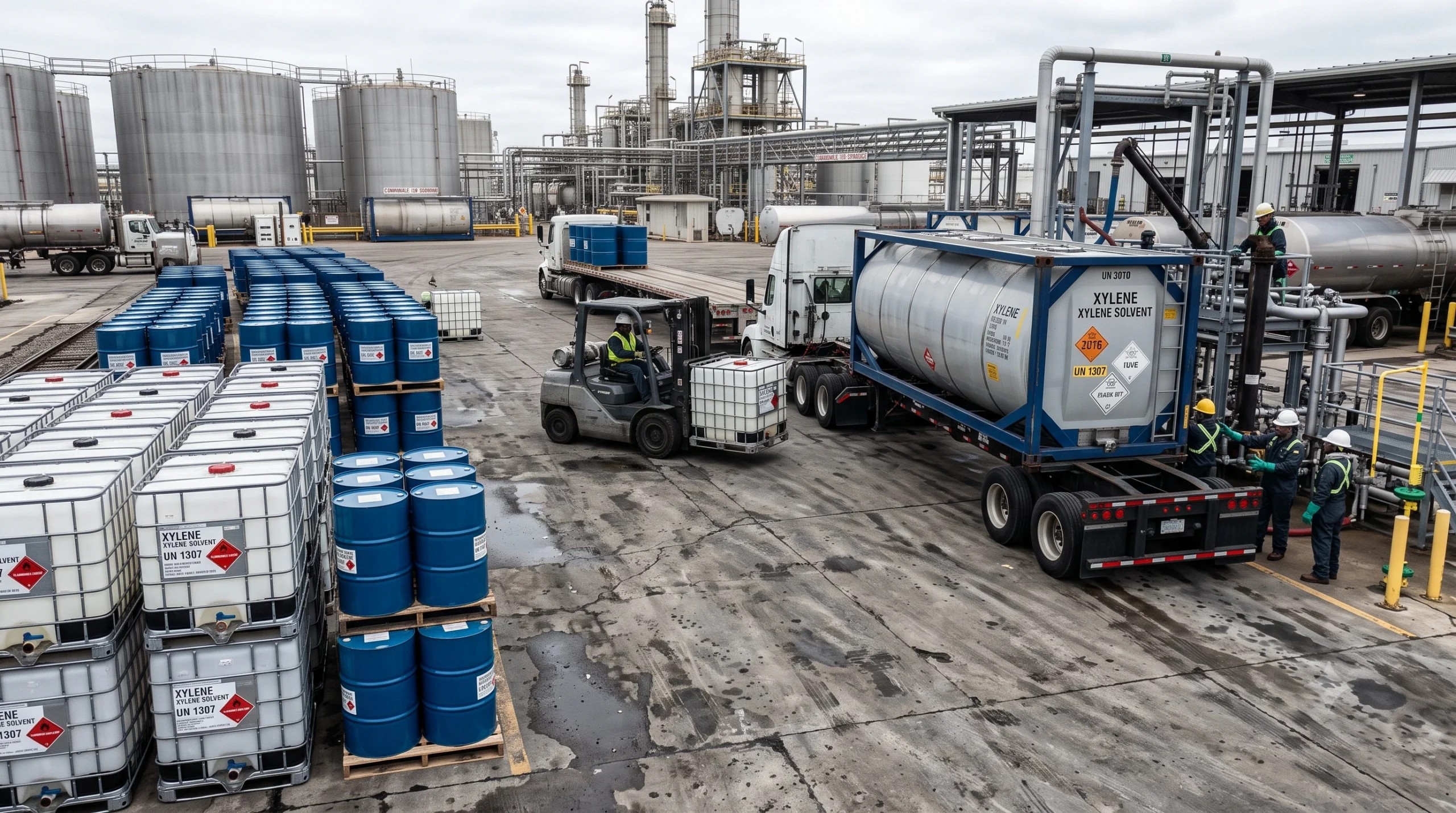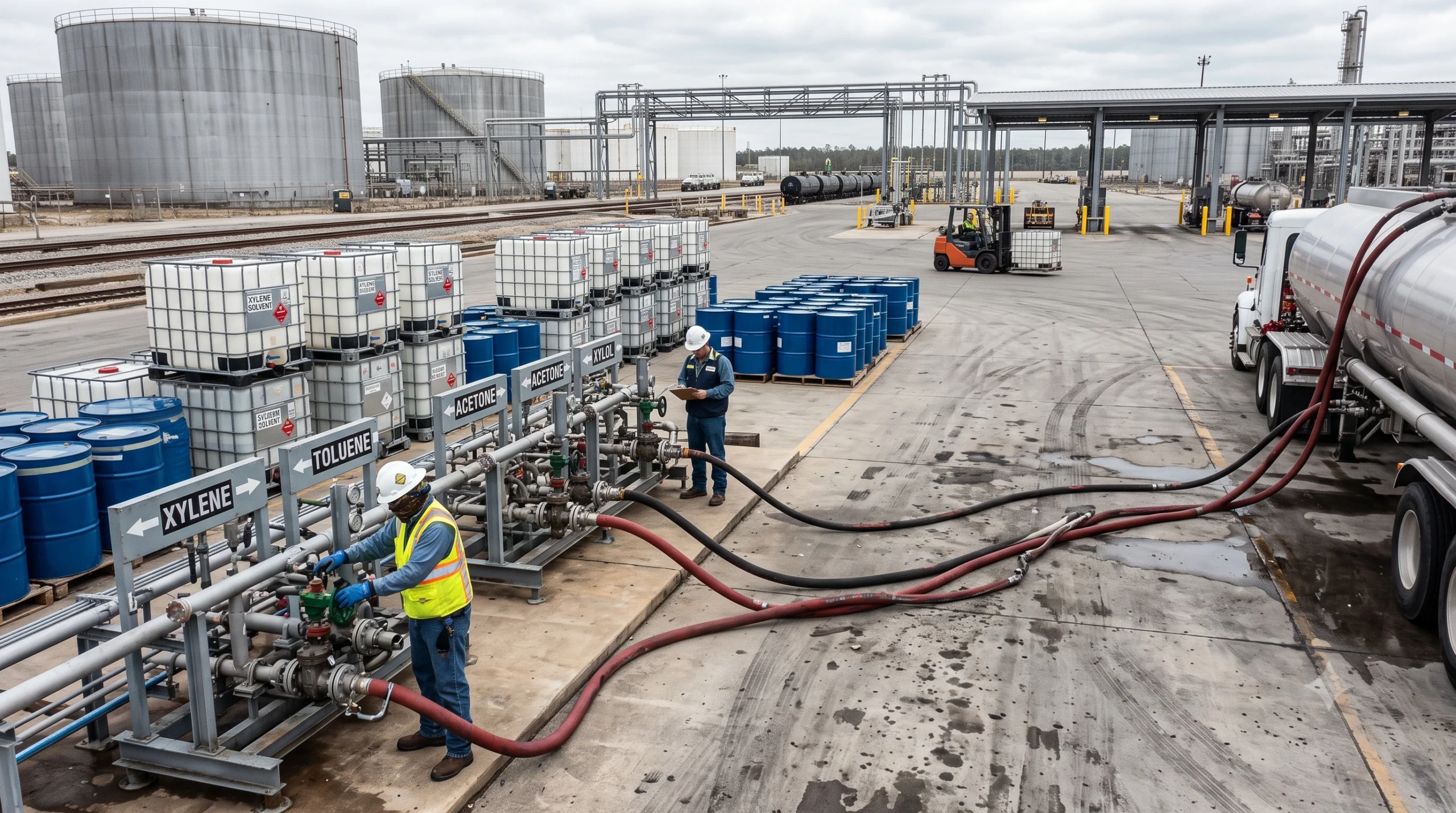


Sodium hydroxide (NaOH), also known as caustic soda, is a high-volume industrial chemical used across industries such as water treatment, pulp & paper, textiles, chemicals, and manufacturing.
Because it is a highly corrosive and reactive substance, the way sodium hydroxide is sold, packaged, and distributed plays a critical role in ensuring safe handling, cost efficiency, and operational performance.
For businesses sourcing NaOH in bulk, understanding its available forms, packaging methods, and global supply chain is essential for making the right procurement decisions.
In What Forms is Sodium Hydroxide Sold?
Sodium hydroxide is primarily sold in three main forms, each suited for different industrial applications.
1. Liquid Sodium Hydroxide (Lye)

- Typical concentration: 48–50%
- Most commonly used in large-scale industrial operations
Supplied in:
- Bulk tankers
- ISO tanks
Advantages:
- Ready-to-use (no dilution required)
- Cost-effective for high-volume consumption
Limitations:
- Requires specialized storage tanks
- Higher transportation handling requirements
2. Sodium Hydroxide Flakes
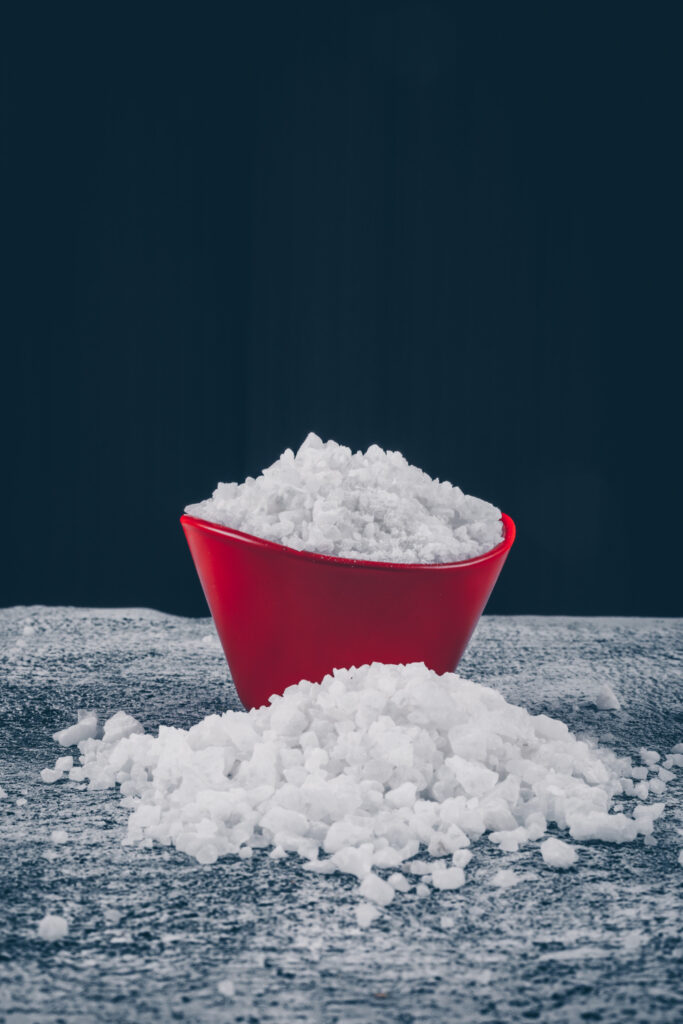
- Purity: 98–99%
- Widely used across multiple industries
Advantages:
- Easy to store and transport
- Longer shelf life
- Flexible for various applications
Limitations:
- Needs dilution before use
3. Sodium Hydroxide Pellets
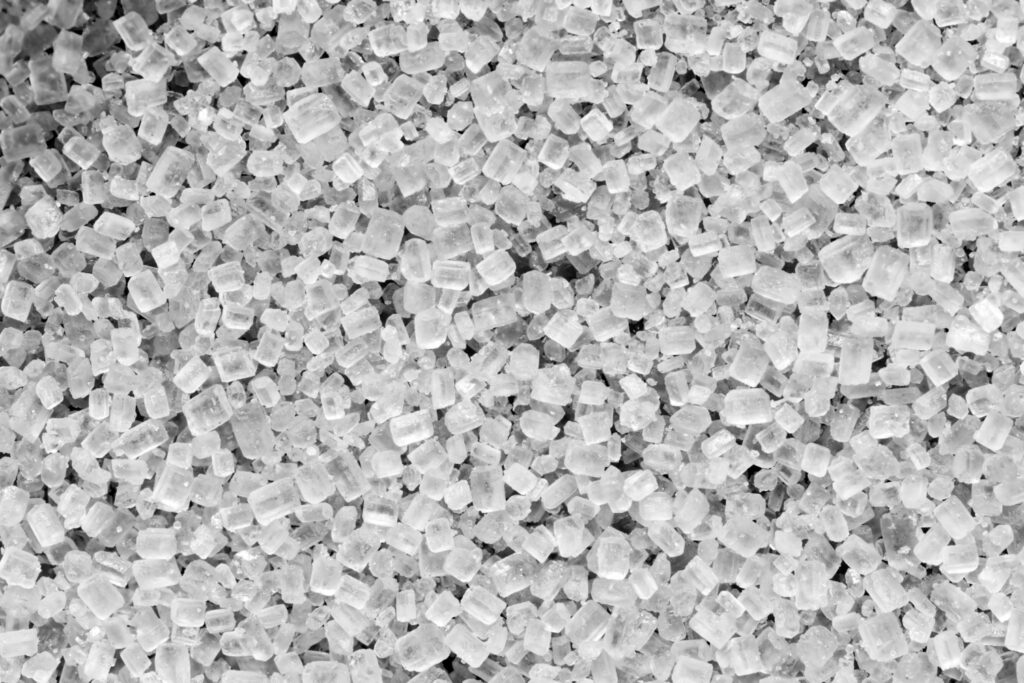
- High purity and uniform structure
- Used in pharmaceutical, laboratory, and specialty applications
Advantages:
- Precise dosing
- Low impurity levels
Comparison of Sodium Hydroxide Forms
| Form | Concentration | Best For | Storage | Transport |
| Liquid | 48–50% | Large-scale industries | Storage tanks | Tankers / ISO tanks |
| Flakes | 98–99% | General industrial use | Bags | Easy transport |
| Pellets | High purity | Pharma / specialty | Controlled | Packaged units |
Packaging Methods for Sodium Hydroxide
Packaging is critical for maintaining product integrity and ensuring safe handling.
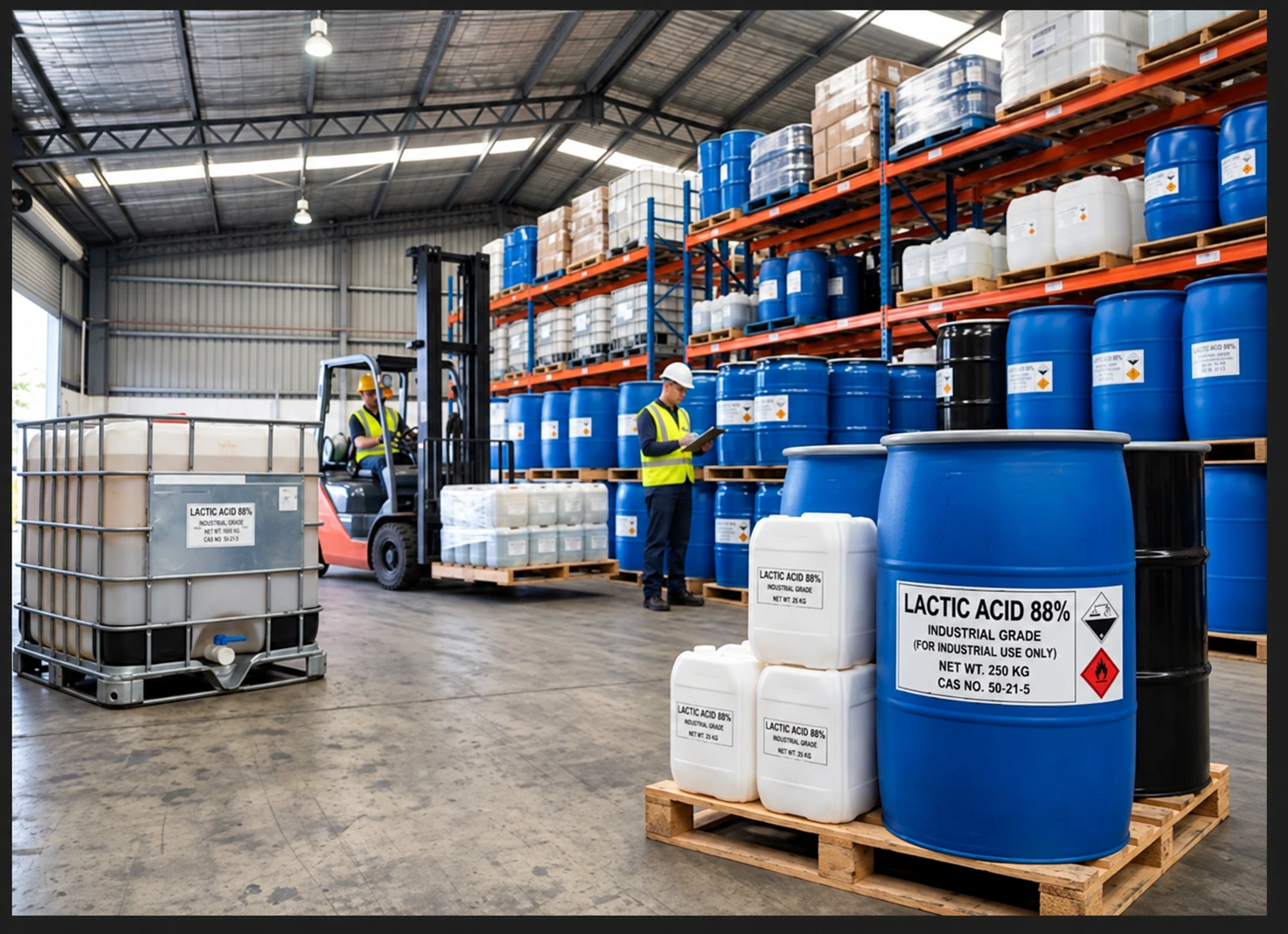
Liquid NaOH Packaging:
- Bulk tankers
- ISO containers
- Storage tanks at facility
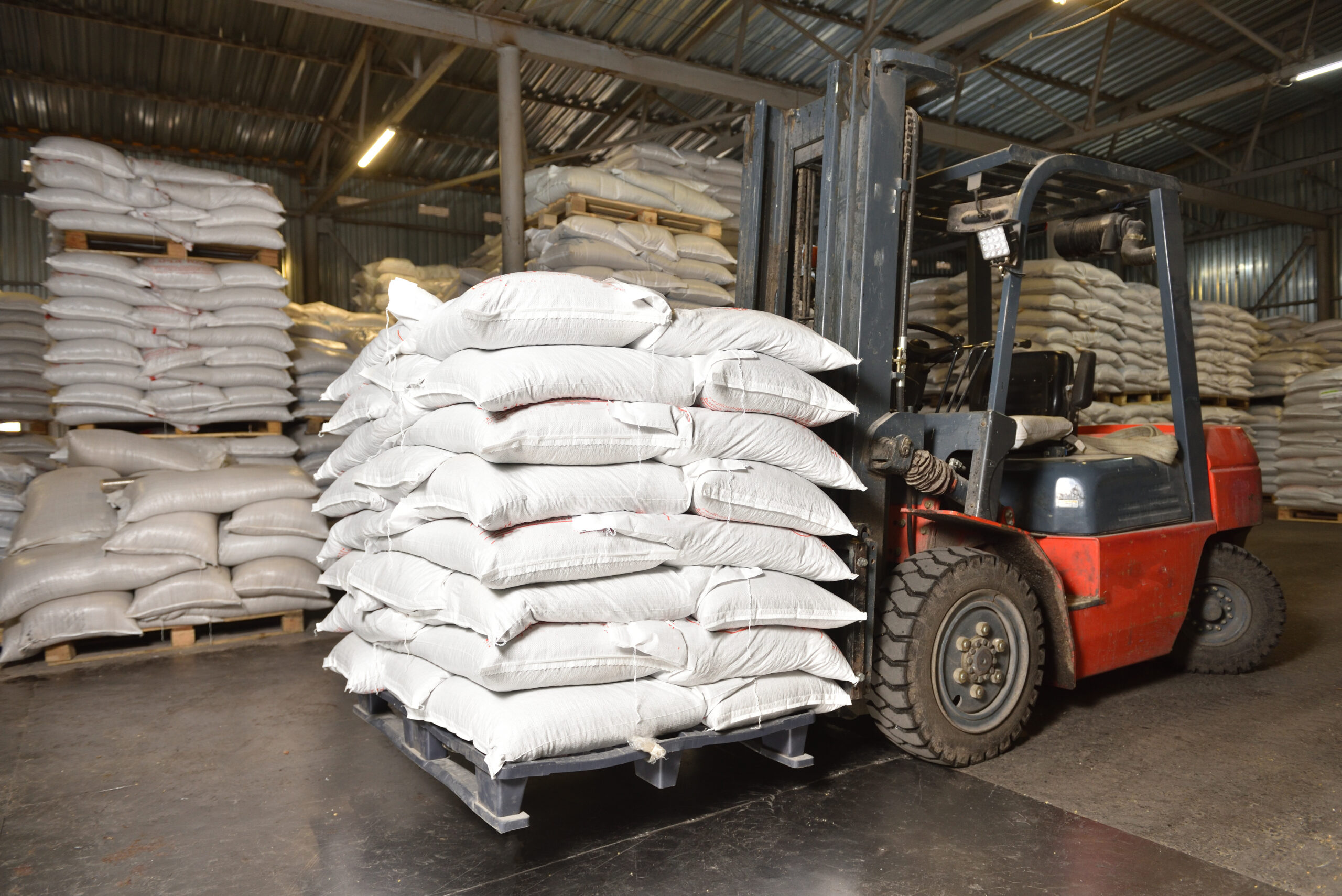
Solid NaOH Packaging:
- HDPE bags (25 kg / 50 kg)
- Jumbo bags (up to 1 ton)
- Drums
Proper packaging prevents:
- Moisture absorption
- Chemical degradation
- Safety hazards during transit
How is Sodium Hydroxide Distributed Globally?
The distribution of sodium hydroxide depends on buyer requirements, order size, and geographic location.
1. Direct from Manufacturers
- Ideal for large-volume buyers
- Long-term contracts
- Competitive pricing
2. Through Distributors
- Flexible order quantities
- Faster delivery timelines
- Regional availability
3. Through Traders
- Suitable for spot purchasing
- Price-driven sourcing
- Availability-based supply
Global Supply Regions
Major sodium hydroxide production hubs include:
- Asia (China, India)
- North America
- Middle East
Regional production significantly impacts:
- Pricing
- Availability
- Delivery timelines
Logistics & Transportation Requirements
Sodium hydroxide is classified as a hazardous (corrosive) chemical, requiring strict logistics protocols.
Key transportation considerations:
- Use of corrosion-resistant containers
- Proper labeling and hazard classification
- Controlled handling to prevent spills
- Avoid exposure to moisture and air
Safety compliance is essential for both domestic and international shipping
Choosing the Right Form Based on Your Industry
Selecting the right form of sodium hydroxide depends on your application and operational setup.
Industry-Based Recommendation Table
| Industry | Recommended Form |
| Water Treatment | Liquid NaOH |
| Textile | Flakes |
| Pulp & Paper | Liquid |
| Pharmaceuticals | Pellets |
| Chemical Manufacturing | Liquid / Flakes |
👉 Choosing the correct form helps optimize:
- Cost
- Efficiency
- Storage
Factors That Affect Sodium Hydroxide Distribution & Pricing
Several factors influence how sodium hydroxide is distributed and priced globally:
- Raw material availability (salt, energy)
- Energy costs (chlor-alkali process)
- Transportation and logistics costs
- Regional demand and supply dynamics
These factors make supplier selection and sourcing strategy even more critical
Role of Chemical Sourcing Platforms in Simplifying Distribution
Managing multiple suppliers, logistics providers, and compliance requirements can be complex.
Modern businesses increasingly rely on chemical sourcing platforms like Elchemy to streamline procurement.
With Elchemy, you get:
- Access to verified global suppliers
- Reliable and consistent supply chains
- End-to-end logistics support
- Compliance and documentation assistance
- Transparent pricing
This helps reduce sourcing risks and improves operational efficiency.
🔗 Related Reading
To make better sourcing decisions, also explore:
Understanding both distribution and supplier evaluation ensures smarter procurement.
FAQs
Q1. In what forms is sodium hydroxide sold?
Sodium hydroxide is sold in three main forms: liquid (48–50%), flakes (98–99%), and pellets (high purity).
Q2. How is sodium hydroxide transported safely?
It is transported using tankers (for liquid) or sealed bags/drums (for solids), following strict hazardous material guidelines.
Q3. What packaging is used for sodium hydroxide?
Common packaging includes HDPE bags, jumbo bags, drums, tankers, and ISO containers.
Q4. Which form of sodium hydroxide is best for industrial use?
Liquid NaOH is preferred for large-scale industries, while flakes are used for flexibility and storage ease.
Q5. Is liquid sodium hydroxide better than flakes?
It depends on the application—liquid is ready to use, while flakes are easier to store and transport.
Conclusion
Understanding how sodium hydroxide is sold and distributed is essential for safe handling, cost optimization, and efficient operations.
By choosing the right form, packaging method, and distribution channel, businesses can ensure consistent supply and improved performance.👉 Partnering with platforms like Elchemy further simplifies sourcing by connecting you with trusted suppliers and streamlined logistics solutions, enabling smarter and more reliable procurement.