

At a Glance
-
- Caustic soda (sodium hydroxide) adjusts pH levels in water and wastewater to optimal 6.5-8.5 range required by EPA and WHO
-
- Heavy metal removal through precipitation where NaOH forms insoluble metal hydroxides captured via sedimentation
-
- Available in 20%, 25%, and 50% concentrations with typical dosing based on real-time pH monitoring
-
- Improves coagulation and flocculation processes by stabilizing alkalinity for consistent treatment results
-
- Costs less than lime per equivalent alkalinity pound but requires careful handling due to corrosive nature
-
- Municipal plants use 1,630 lbs NaOH per ton H2SO4 versus 1,140 lbs quicklime showing 42% higher consumption by weight
Walk into any water treatment plant and you’ll spot the caustic soda tank before you see much else. The safety signs give it away. Corrosive material warnings plastered everywhere. Special storage requirements. PPE stations nearby. This stuff demands respect.
But there’s a reason it sits at the center of so many treatment operations. Caustic soda works. It adjusts pH faster than alternatives. Removes heavy metals efficiently. Costs less than you’d think when you calculate actual treatment results. Understanding caustic soda for water treatment helps plant operators, municipal engineers, and industrial facility managers select appropriate applications, dosing strategies, and safety protocols that keep both water quality and worker safety at acceptable levels.
What Caustic Soda Does in Water Treatment
Caustic soda, also called sodium hydroxide (NaOH), is a strong alkali that raises pH through hydroxide ion release. When dissolved in water, it immediately dissociates into sodium (Na+) and hydroxide (OH-) ions. Those hydroxide ions neutralize acids and increase alkalinity throughout the water system.
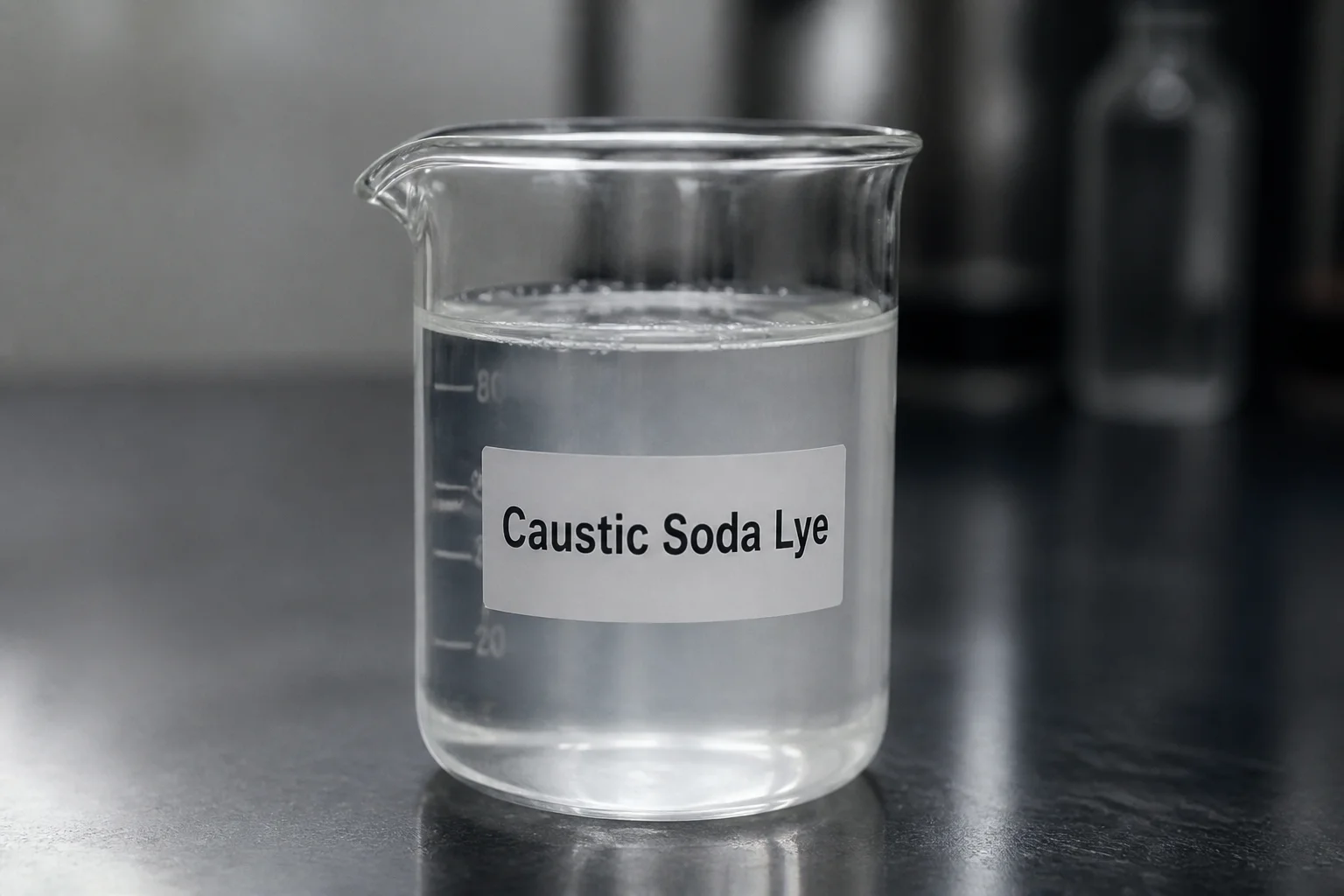
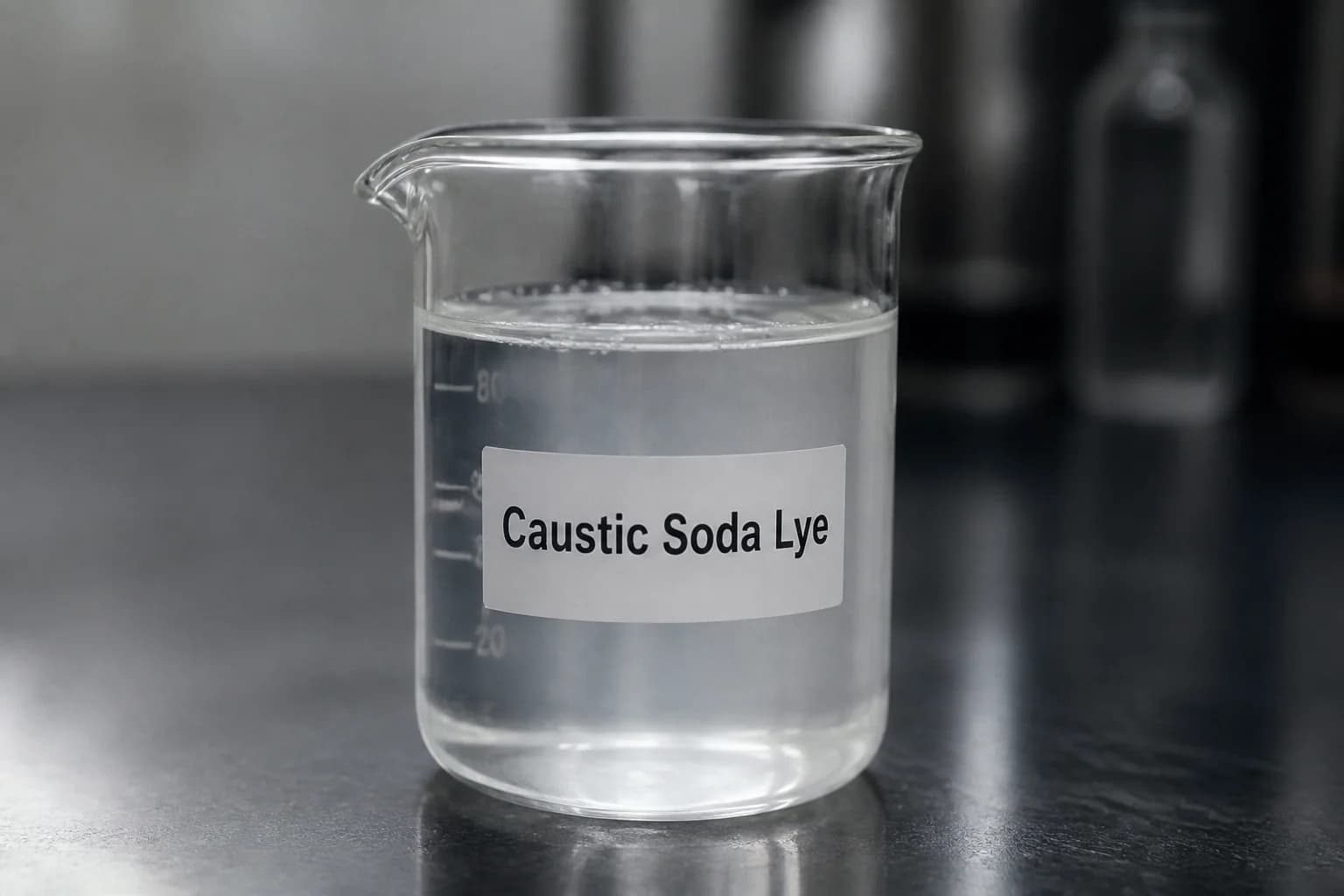
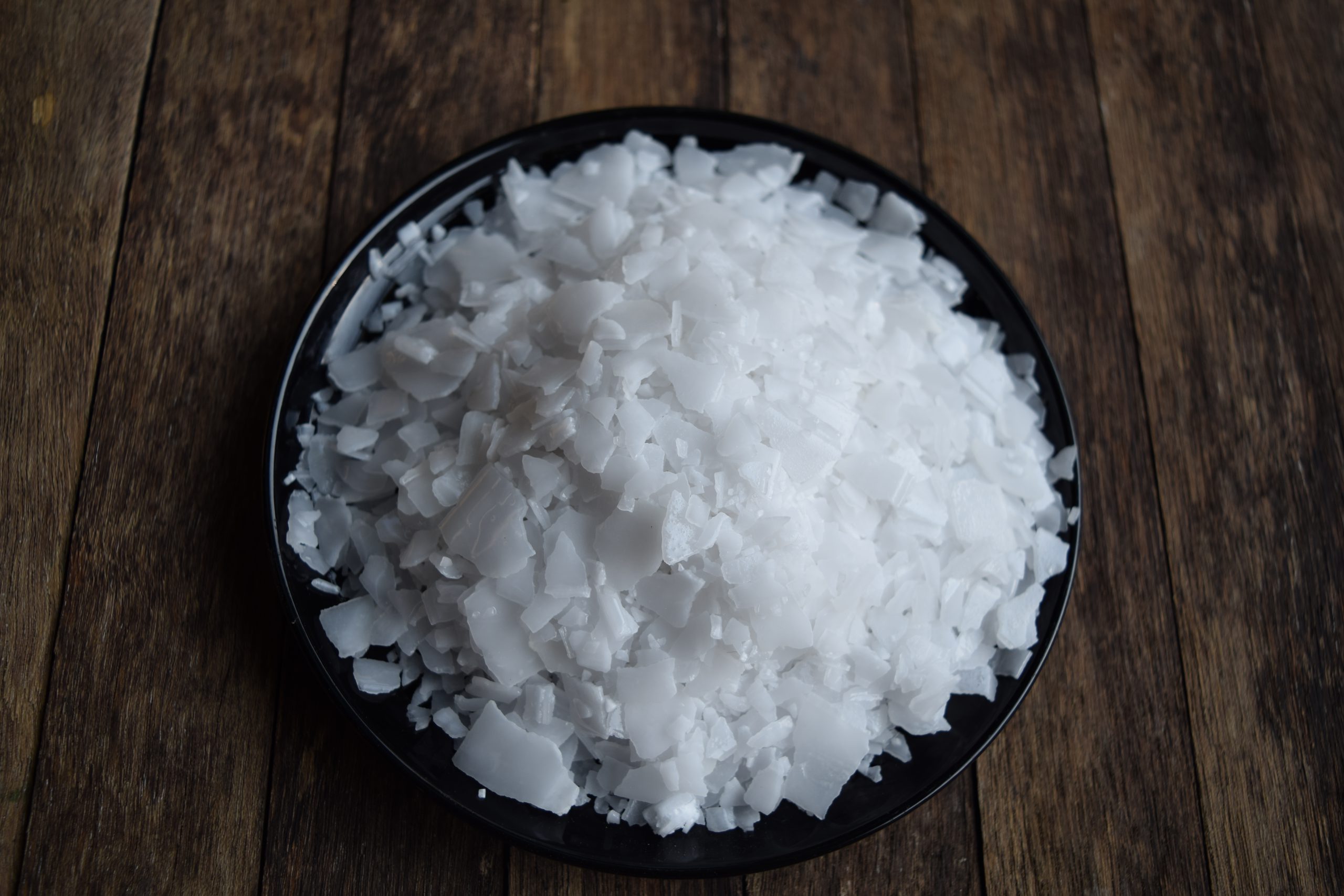
The compound comes as white solid flakes, pellets, or pre-dissolved liquid solutions. Caustic soda is available as a liquid in both 20% and 50% solutions and does an excellent job with pH control in the wastewater treatment field. It is easy to handle and it disperses well. Most treatment plants buy liquid solutions to avoid handling dry caustic, which absorbs moisture from air aggressively and generates heat when mixed with water. Sourcing from the largest caustic soda manufacturers in world ensures consistent quality and reliable supply chains, critical for continuous water treatment operations.
Primary functions in treatment plants:
-
- pH adjustment and control
-
- Acid neutralization
-
- Heavy metal precipitation
-
- Alkalinity stabilization
-
- Coagulation enhancement
-
- Membrane cleaning (reverse osmosis systems)
Wastewater treatment plants rely on industrial wastewater treatment chemicals like caustic soda to adjust the pH of incoming wastewater streams, neutralizing acidic or alkaline effluents to achieve the ideal range for the next treatment stages. This pH control prevents equipment corrosion, optimizes biological treatment, and meets discharge regulations.
Caustic Soda for Water Treatment: pH Control Applications
pH sits at the heart of effective water treatment. Too acidic and you get equipment corrosion, biological process disruption, and regulatory violations. Too alkaline and you create scaling, precipitation problems, and downstream treatment issues.
Acidic water from natural or industrial sources can corrode infrastructure and reduce treatment efficacy. Caustic soda for water treatment raises pH to the optimal range of 6.5–8.5, as recommended by the EPA and WHO. This target range supports biological activity, prevents corrosion, and enables effective coagulation.
How caustic soda adjusts pH:
When caustic soda dissolves, hydroxide ions react with hydrogen ions in acidic water. The reaction NaOH + HCl → NaCl + H2O shows simple acid neutralization. The process generates heat (exothermic reaction), which plant operators must account for in system design. Rapid pH changes stress biological treatment organisms, so gradual dosing prevents shock.
Dosing strategies for different applications:
| Application Type | Target pH Range | Typical NaOH Concentration | Dosing Method |
| Municipal drinking water | 7.0-8.5 | 20-25% solution | Automated injection based on continuous monitoring |
| Industrial wastewater | 6.5-9.0 (varies by permit) | 25-50% solution | Batch treatment or continuous feed |
| Biological treatment | 6.5-8.0 | 20-25% solution | Precise control to protect microorganisms |
| Metal finishing wastewater | 8.5-10.0 | 50% solution | Higher pH needed for metal hydroxide formation |
Automated systems monitor pH continuously and inject caustic proportionally. A reliable water treatment chemicals distributor ensures consistent supply from trusted caustic soda suppliers, which is essential for automated dosing systems. This prevents over-dosing that wastes chemical and creates downstream alkalinity problems. Manual batch treatment works for smaller facilities or intermittent wastewater flows.
Heavy Metal Removal and Precipitation
Industrial wastewater contains dissolved heavy metals including lead, mercury, cadmium, chromium, copper, nickel, and zinc. These metals must be removed before discharge to meet environmental regulations and prevent ecosystem damage.
Caustic soda reacts with heavy metals like lead, mercury, and cadmium, forming insoluble hydroxides that precipitate out for easy removal via sedimentation or filtration. This is critical for industrial wastewater treatment to meet environmental regulations. The process works through chemical precipitation where soluble metal ions convert to insoluble metal hydroxides.
Metal precipitation reactions:
-
- Lead: Pb²⁺ + 2NaOH → Pb(OH)₂ ↓ + 2Na⁺
-
- Copper: Cu²⁺ + 2NaOH → Cu(OH)₂ ↓ + 2Na⁺
-
- Chromium: Cr³⁺ + 3NaOH → Cr(OH)₃ ↓ + 3Na⁺
The downward arrows indicate precipitation. These metal hydroxides form solids that settle out or filter easily. Sludge containing precipitated metals requires proper disposal as hazardous waste. The clean water continues through treatment while contaminated sludge goes to approved disposal facilities.
Optimal pH ranges for metal precipitation:
-
- Copper: pH 8.5-9.5
-
- Zinc: pH 9.0-10.5
-
- Chromium (III): pH 8.0-9.5
-
- Lead: pH 9.0-10.0
-
- Nickel: pH 9.5-10.5
Each metal precipitates best at specific pH levels. Mixed metal wastewater requires balancing pH to capture all metals effectively. Some facilities use staged precipitation, adjusting pH sequentially to remove different metals at their optimal ranges.
Wastewater Neutralization Processes

Many industrial processes generate highly acidic wastewater. Metal plating, mining operations, battery manufacturing, chemical production, and petroleum refining all create acidic streams requiring neutralization before treatment or discharge.
Caustic soda neutralizes these acids quickly and completely. The reaction NaOH + H2SO4 → Na2SO4 + H2O shows sulfuric acid neutralization. Heat generation requires attention in high-acid situations. Large-scale acid neutralization may need cooling systems to prevent boiling.
Acid neutralization capacity comparison:
For caustic soda, 1,630 lbs. of dry caustic soda per ton of H2SO4 is needed or 2,190 lbs of dry caustic soda per ton HCL. That’s an increase in consumption of approximately 42% by weight of caustic compared to quicklime. While caustic requires more pounds per ton of acid, the faster reaction and easier handling often justify the choice.
Benefits of caustic over alternatives:
-
- Complete dissolution (no solid particles)
-
- Faster reaction kinetics
-
- No residual cloudiness
-
- Easier storage and handling
-
- Predictable dosing requirements
-
- Works in smaller reactor volumes
Lime-based neutralization requires mixing equipment for slurry, settling time for unused lime, and larger reaction tanks. Caustic delivers results immediately in compact systems.
Caustic Soda Cleaner Applications in Treatment Plants
Beyond its role in water treatment chemistry, caustic soda serves as powerful cleaning agent for treatment plant equipment. NaOH cleans RO membranes, removing organic foulants and restoring system efficiency for industrial and municipal applications. Membrane fouling reduces water production capacity and increases energy consumption.
Equipment cleaning applications:
-
- Reverse osmosis membrane cleaning
-
- Ultrafiltration membrane restoration
-
- Heat exchanger descaling
-
- Pipeline cleaning and degreasing
-
- Tank and vessel interior cleaning
-
- Filter media regeneration
Caustic solutions break down organic foulants, oils, fats, and biofilms. The alkaline environment saponifies fats into soaps that rinse away easily. Proteins denature and dissolve. Microbial biofilms loosen and detach from surfaces.
Typical cleaning procedures:
Membrane cleaning uses 0.1-0.5% caustic solution at 35-40°C. The warm caustic circulates through membrane modules for 30-60 minutes. This dissolves organic matter without damaging membrane materials. After caustic cleaning, rinse thoroughly before acid cleaning addresses mineral scaling.
Pipeline cleaning for grease and oil uses 2-5% caustic solutions. Hot caustic (50-70°C) saponifies fats that cold water can’t remove. Food processing plants clean equipment between batches using caustic to remove product residues and sanitize surfaces.
Safety Handling and Storage Requirements
Caustic soda’s effectiveness comes with significant hazards. Caustic soda (sodium hydroxide) is one of the most common alkalis used to provide alkalinity in wastewater treatment. Caustic soda is very corrosive. At high concentrations, it is extremely hazardous to handle and several precautious must be in place to safely use it in the treatment process.
Personal protective equipment requirements:
-
- Chemical-resistant gloves (nitrile or neoprene)
-
- Full-face shield or chemical goggles
-
- Rubber apron or chemical-resistant clothing
-
- Rubber boots for floor work
-
- Respiratory protection for mist exposure
Skin contact causes severe chemical burns. Eyes are particularly vulnerable, with potential for permanent damage. Even dilute solutions cause irritation with prolonged contact. Prolonged and repeated skin contact with lime slurry can cause irritant dermatitis or alkaline burns. If a large volume of lime dust (or slurry) is splashed into the eye, alkaline burns can cause permanent damage.
Storage tank specifications:
| Requirement | Specification | Reason |
| Material | Polyethylene, fiberglass, or carbon steel | Stainless steel corrodes; aluminum reacts violently |
| Venting | Pressure relief vents required | Heat generation creates pressure |
| Secondary containment | 110% of tank volume minimum | Spill protection per EPA requirements |
| Temperature control | Heating for >50% solutions in cold climates | Prevents crystallization below 60°F |
| Level monitoring | High-level alarms and overflow protection | Prevents overfilling hazards |
Keep storage areas separate from acids, oxidizers, and flammable materials. Caustic reacts violently with acids generating heat. Water additions to concentrated caustic cause boiling and spattering. Always add caustic to water, never water to caustic.
Cost Comparison with Alternative Alkalis

Caustic soda (sodium hydroxide) is available as a liquid in both 20% and 50% solutions and does an excellent job with pH control in the wastewater treatment field. However, other alkalis compete based on cost and performance.
Alternative alkali comparison:
| Alkali Type | Cost per Ton | Advantages | Disadvantages |
| Caustic Soda (50%) | $600-900 | Fast-acting, complete dissolution, easy handling | Hazardous, higher consumption by weight |
| Quicklime (CaO) | $150-250 | Lower cost per equivalent, pound-for-pound stronger | Requires slaking equipment, creates sludge |
| Hydrated Lime Ca(OH)2 | $180-300 | Lower cost, reduces some metals better | Requires mixing equipment, slower dissolution |
| Soda Ash (Na2CO3) | $300-500 | Safer handling, less corrosive | Slower pH adjustment, incomplete alkalinity |
| Magnesium Hydroxide | $400-700 | Safer handling, less hazardous | More expensive, slower reaction |
Total cost analysis must include equipment, labor, sludge disposal, and safety compliance. While caustic soda does not require the initial equipment capital investment that lime does, it still can be significantly more expensive overall because of its high cost per ton. Each facility needs site-specific cost comparison.
For plants with existing caustic systems, switching to lime requires capital for slaking equipment, slurry tanks, and mixers. The equipment investment may exceed caustic cost premiums for years. New facilities can evaluate all options without legacy system constraints.
Conclusion
Caustic soda for water treatment remains indispensable across municipal and industrial wastewater facilities despite handling hazards and relatively higher chemical costs. The compound delivers rapid pH adjustment to EPA-recommended 6.5-8.5 ranges, precipitates heavy metals through hydroxide formation enabling regulatory compliance, and cleans membranes restoring RO system efficiency in both drinking water and industrial applications. While caustic soda requires 1,630 lbs per ton H2SO4 compared to 1,140 lbs quicklime (42% higher consumption), the complete dissolution, faster reaction kinetics, and simpler handling often justify selection for pH control. Understanding current caustic soda price trends relative to alternative alkalis helps water treatment facilities make cost-effective procurement decisions.and acid neutralization. Caustic soda cleaner applications extend equipment life through effective organic fouling removal and biofilm elimination in membrane systems and pipelines. Safety protocols including proper PPE, secondary containment, and segregated storage protect workers from this highly corrosive material’s chemical burn hazards.
For water treatment facilities requiring certified caustic soda and alternative alkalis, Elchemy connects industrial buyers with suppliers of liquid sodium hydroxide in 20%, 25%, and 50% concentrations. Learn where to buy sodium hydroxide from verified suppliers meeting NSF/ANSI standards for municipal and industrial applications., lime products, and specialty pH adjustment chemicals meeting AWWA and NSF standards for municipal and industrial water treatment applications.