

At a Glance:
- Not the same chemical: Soda ash = sodium carbonate (Na₂CO₃); caustic soda = sodium hydroxide (NaOH)
- Chemical nature: Soda ash is a salt; caustic soda is a strong base
- Alkalinity: Soda ash is moderately alkaline (pH ~11.6); caustic soda is extremely alkaline (pH ~14)
- Strength: Caustic soda is ~30% more effective by weight
- Corrosiveness: Soda ash is much less corrosive; caustic soda is highly corrosive
- Safety: Soda ash is non-hazardous; caustic soda requires strict safety handling
- Heat reaction: Soda ash dissolves without heat; caustic soda releases intense heat in water
- Handling & transport: Soda ash ships normally; caustic soda is hazmat regulated
- Cost: Soda ash is cheaper upfront; caustic soda may be more efficient per unit
- Applications: Soda ash suits glass, detergents, and water treatment; caustic soda suits aluminum, pulp & paper, soaps, and chemicals
People often confuse these two chemicals because of their similar names. Both contain “soda” in their common names. Both appear as white powders or crystals. Both are alkaline. But is soda ash the same as caustic soda? Absolutely not. Soda ash is sodium carbonate (Na₂CO₃), a salt. Caustic soda is sodium hydroxide (NaOH), a powerful base. This distinction matters for safety, cost, and performance in industrial applications.
The confusion between soda ash vs caustic soda creates problems ranging from inefficient operations to dangerous accidents. Understanding which chemical suits your application determines whether you achieve optimal results or waste money on incorrect materials. The choice between these alkalis affects everything from operational costs to worker safety to equipment longevity.
Key Differences at a Glance
| Property | Soda Ash (Sodium Carbonate) | Caustic Soda (Sodium Hydroxide) |
| Chemical formula | Na₂CO₃ | NaOH |
| Chemical classification | Salt (not a true base) | Strong base |
| pH (1% solution) | ~11.6 | ~14 |
| Molecular weight | 106 g/mol | 40 g/mol |
| Alkalinity strength | Weaker (75% of caustic soda) | Stronger |
| Corrosiveness | Much less corrosive | Highly corrosive |
| Safety hazards | Non-hazardous | Hazardous, requires special handling |
| Heat generation in water | None | Significant (exothermic) |
| Hygroscopic nature | Not hygroscopic | Extremely hygroscopic |
| Forms available | Light (powder), heavy (granules) | Flakes, pearls, liquid (various concentrations) |
| Primary production method | Solvay process or trona mining | Chlor-alkali electrolysis |
| Transportation requirements | Standard shipping | DOT regulated hazmat |
| Typical cost per lb | Lower | Higher initially but more efficient |
Chemical Composition and Classification
Soda Ash (Sodium Carbonate)
Soda ash carries the formula Na₂CO₃, containing two sodium atoms, one carbon atom, and three oxygen atoms. Despite being called “ash” and “soda,” it’s actually a salt, not a true base. The molecule forms from carbonic acid (H₂CO₃) reacting with sodium, creating a sodium salt of carbonic acid.
The substance exists in nature in mineral form. Sodium carbonate can be mined from deposits like trona ore found in Wyoming’s Green River Basin. It also can be produced synthetically through the Solvay process. The natural form includes water molecules in its crystal structure. Sodium carbonate containing ten crystal waters appears as colorless crystals, though these are unstable and easily weather into white powder.
Caustic Soda (Sodium Hydroxide)
Caustic soda’s chemical formula NaOH represents a simpler molecular structure than soda ash. One sodium atom bonds with one hydroxyl group (OH). This compound qualifies as a strong base because it dissociates completely in water, producing sodium ions (Na⁺) and hydroxide ions (OH⁻).
The name “caustic” comes from its ability to burn and corrode organic materials. The hydroxide ions created when caustic soda dissolves in water make it intensely alkaline. Unlike soda ash, which is technically a salt that produces alkalinity, caustic soda is a true base with powerful chemical reactivity.
Alkalinity and pH Characteristics
Soda Ash pH Profile
Soda ash solutions achieve a pH around 11.6, placing it firmly in the alkaline range but far from the maximum pH of 14. The carbonate ions (CO₃²⁻) and bicarbonate ions (HCO₃⁻) that form when soda ash dissolves create moderate alkalinity. This partial dissociation makes soda ash a weaker base compared to caustic soda.
The practical implication? You need approximately 30% more soda ash by weight to achieve the same alkalinity as caustic soda. The commonly cited ratio states that 10 pounds of caustic soda does the work of 13 pounds of soda ash. This difference affects dosing calculations, storage requirements, and ultimately operational costs.
Caustic Soda pH Profile
Caustic soda represents one of the strongest bases available, with a pH of 14 in concentrated solutions. The best caustic soda manufacturers utilize advanced membrane cell technology to produce high-purity grades (99%+) essential for demanding industrial applications. When sodium hydroxide dissolves in water, it completely dissociates into ions. The hydroxide ions (OH⁻) make the solution intensely alkaline, capable of neutralizing acids rapidly and breaking down organic materials aggressively.
This maximum strength alkalinity offers advantages:
- Less chemical needed to achieve desired pH
- Faster reactions with acids
- More effective at breaking down fats, proteins, and other organic matter
- Smaller storage space required due to concentration
However, this strength comes with handling challenges that soda ash doesn’t present.
Safety Profile and Handling Requirements
Soda Ash Safety
Soda ash qualifies as non-hazardous for transportation and handling purposes. It doesn’t burn skin on contact, though prolonged exposure can cause irritation. The chemical doesn’t generate heat when mixed with water, eliminating one major safety concern associated with caustic soda.
Key safety advantages:
- No hazmat shipping fees or special transportation requirements
- Can be handled with minimal protective equipment
- Doesn’t cause severe burns from brief contact
- Lower liability and insurance costs
- Suitable for environments where worker protection is challenging
Workers still should wear basic protective equipment like gloves and safety glasses when handling soda ash in bulk, but the consequences of accidental exposure are far less severe than with caustic soda.
Caustic Soda Safety
Caustic soda ranks among the most dangerous industrial chemicals in terms of corrosiveness. It causes severe chemical burns on contact with skin, permanently damages eyes, and generates significant heat when dissolving in water. The hygroscopic nature means it actively pulls moisture from the air, from skin, and from other materials.
Safety requirements include:
- Chemical-resistant gloves, goggles, face shields, and protective clothing
- DOT hazardous materials regulations for transportation
- Specialized storage with moisture barriers
- Emergency eyewash stations and safety showers
- Extensive worker training on handling procedures
- Higher insurance and liability costs
The heat generation during dissolution creates additional risks. Adding water to concentrated caustic soda can cause violent boiling and splashing. The universal safety rule: always add caustic soda to water, never water to caustic soda.
Physical Forms and Storage
Soda Ash Forms
Soda ash comes in two primary industrial grades based on density:
Light soda ash:
- Bulk density: 500-600 kg/m³
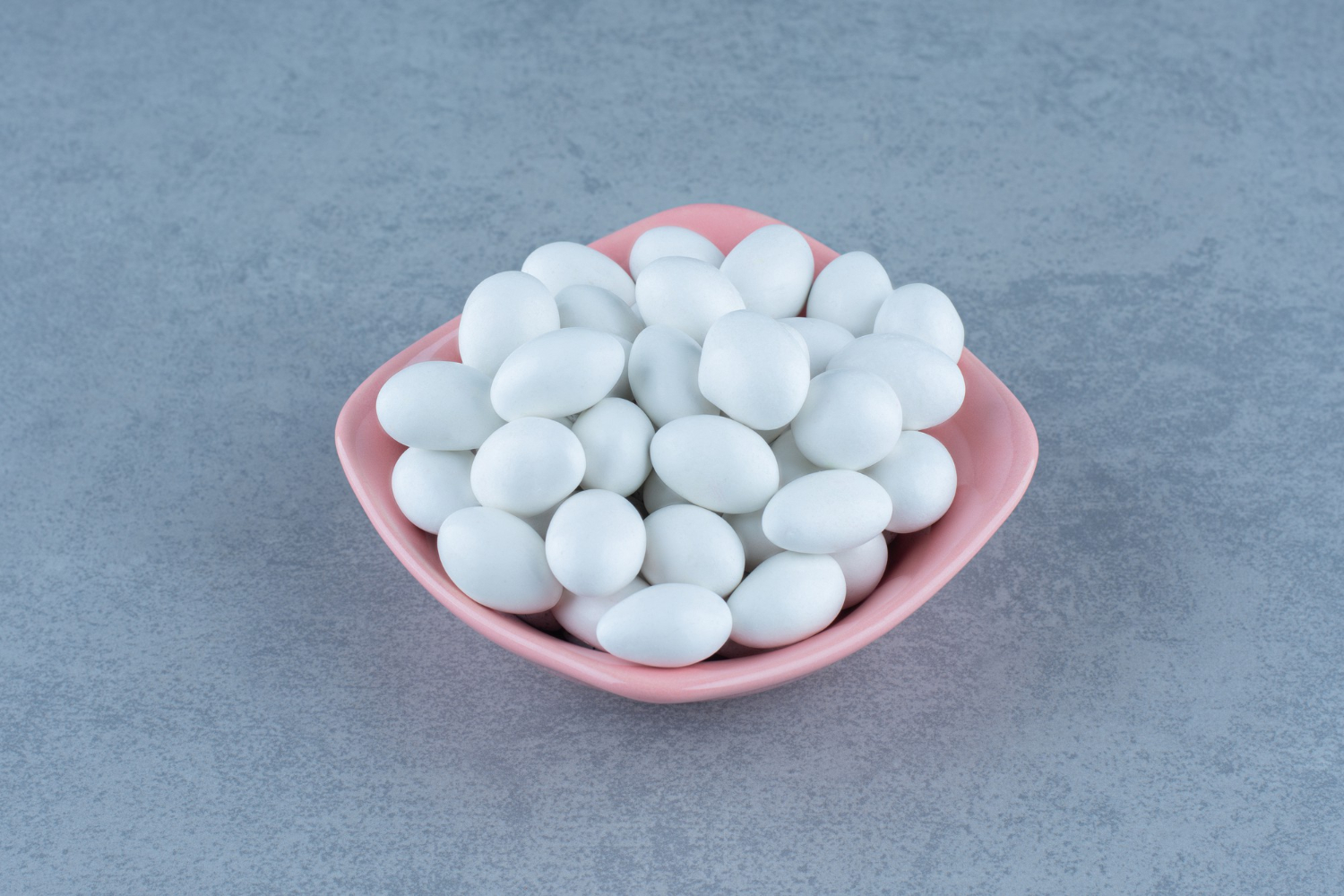
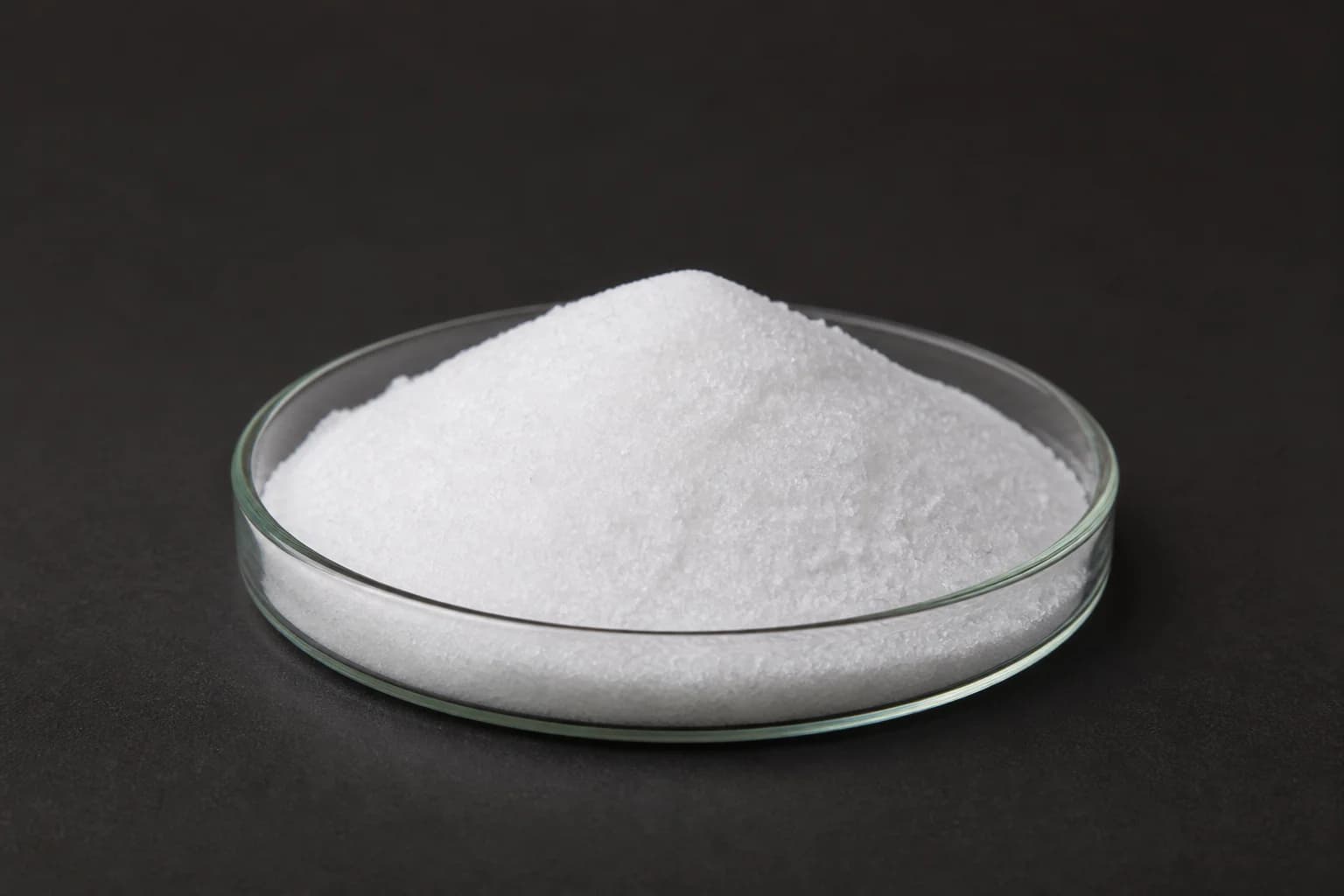
- Appears as fine white powder
- Better solubility due to higher surface area
- Preferred for applications requiring rapid dissolution
- Used in detergents, chemicals, and water treatment
Heavy soda ash:
- Bulk density: 900-1,000 kg/m³
- Granular or crystalline form
- Lower dust generation during handling
- Preferred for glass manufacturing
- Better flow properties for automated systems
- Accounts for 50-60% of soda ash market
Storage of soda ash requires keeping it dry to prevent caking, but it doesn’t actively absorb moisture from air like caustic soda. Standard warehouses work fine without special climate control.
Caustic Soda Forms
Caustic soda’s hygroscopic nature drives its various commercial forms:
Solid forms:
- Flakes (most common)
- Pearls or beads (easier automated handling)
- Micropowder (specific applications)
- Require airtight containers to prevent moisture absorption
Liquid solutions:
- 30-32% concentration (lower transport costs)
- 42-45% concentration (moderate applications)
- 50% concentration (maximum standard concentration)
- Account for over 80% of caustic soda production
- Transported in specialized tanker trucks
Liquid caustic soda eliminates the dissolution step at the usage point but adds the cost of shipping water. Many operations receive concentrated liquid and dilute on-site to working concentrations.
Production Methods
Soda Ash Production
Two main routes produce commercial soda ash:
Solvay Process (synthetic):
- Reacts limestone (CaCO₃), salt (NaCl), and ammonia (NH₃)
- Multi-step process producing sodium carbonate
- Also yields calcium carbonate and ammonium bicarbonate as byproducts
- Historically dominant production method
- Complex chemistry requiring careful control
Trona Mining (natural):
- Mines naturally occurring sodium carbonate mineral
- Found primarily in Wyoming’s Green River Basin
- Lower environmental impact than synthetic production
- Simpler processing than Solvay method
- Natural soda ash production capacity increasing globally
The shift toward natural soda ash reflects both economic and environmental advantages. Mining and processing trona requires less energy and produces fewer waste products than synthetic manufacture.
Caustic Soda Production
Caustic soda production occurs almost exclusively through the chlor-alkali process:
Electrolysis of brine:
- Dissolves salt (NaCl) in water
- Applies electrical current through ion-selective membrane
- Produces chlorine gas, hydrogen gas, and sodium hydroxide simultaneously
- Three main technologies: membrane cell (modern), diaphragm cell (older), mercury cell (being phased out)
The membrane cell technology dominates new installations due to:
- Higher product purity
- Lower energy consumption
- Minimal environmental impact
- Better economics
Caustic soda production ties directly to chlorine demand since both are co-products. When chlorine demand rises, caustic soda supply increases. When chlorine demand drops, caustic soda becomes scarcer and more expensive. This linked production creates price volatility that soda ash doesn’t experience.
Industrial Applications
Soda Ash Uses
The glass industry dominates soda ash consumption, using 0.2 tons per ton of glass produced. Total applications include:
Glass manufacturing (largest consumer):
- Float glass for windows
- Container glass for bottles
- Fiberglass for insulation
- Photovoltaic glass for solar panels
Chemical manufacturing:
- Production of sodium compounds (borax, sodium phosphate)
- Synthesis of other chemicals
- Raw material for detergents
Water treatment:
- pH adjustment
- Water softening
- Industrial wastewater treatment
Metallurgy:
- Ore processing
- Metal cleaning
Detergents and cleaning products:
- Laundry detergents
- Industrial cleaners
Caustic Soda Uses
Caustic soda serves more diverse industries due to its stronger chemical action:
Pulp and paper:
- Wood pulp digestion
- Chemical pulping (kraft process)
- Paper bleaching
Chemical manufacturing:
- Organic chemical synthesis
- Production of phenol, epoxy resins
- Manufacture of sodium compounds
Soap and detergent:
- Saponification of fats (soap making)
- Detergent production
Textile processing:
- Cotton mercerization
- Fabric scouring
- Dyeing processes
Aluminum production:
- Bayer process for alumina from bauxite
- Largest single consumer of caustic soda
Petroleum refining:
- Crude oil processing
- Removal of acidic compounds
Water treatment:
- pH adjustment
- Regeneration of ion exchange resins
Cost and Economic Considerations
Soda Ash Economics

Soda ash costs less per pound initially. This lower price reflects simpler handling, lower production costs (especially for natural soda ash), and absence of hazmat fees. However, the calculation becomes complex when considering effectiveness per pound.
Economic factors favoring soda ash:
- Lower purchase price per unit weight
- No hazmat transportation fees
- Reduced insurance and liability costs
- Lower storage requirements (no special containers needed)
- Fewer safety equipment expenses
The effectiveness ratio shows soda ash requires about 30% more material by weight to match caustic soda’s alkalinity. This partially offsets the initial price advantage.
Caustic Soda Economics
Caustic soda costs more per pound but provides more alkalinity per pound. The true cost comparison requires calculating cost per unit of alkalinity delivered rather than simple price per pound.
Price stability differs dramatically between the two chemicals. Soda ash prices remain relatively stable because production comes from mining natural deposits with predictable costs. Caustic soda prices fluctuate based on chlorine demand, energy costs, and global economic conditions affecting chlorine-consuming industries. Our comprehensive price guide analyzes regional caustic soda prices, tracking trends across Asia-Pacific, North America, Europe, and Middle East markets.
Economic factors to consider:
- Higher initial purchase price offset by greater efficiency
- More predictable dosing calculations
- Smaller storage footprint
- Hazmat fees and special handling costs
- Volatile pricing tied to chlorine market
Substitution Possibilities
In some applications, soda ash and caustic soda can substitute for each other, though not perfectly. Industries where substitution occurs include water treatment, certain chemical processes, and pH adjustment applications. The decision to substitute typically comes from economics rather than technical preference.
When substitution works:
- pH adjustment where speed isn’t critical
- Applications tolerating the carbonate ion
- Cost sensitivity outweighs performance requirements
- Safety concerns favor less corrosive option
When substitution fails:
- Chemical reactions requiring strong base
- Processes where carbonate interferes
- Applications needing rapid pH adjustment
- Soap making (requires true base for saponification)
Sourcing Industrial Alkalis
For manufacturers requiring soda ash or caustic soda for production processes, water treatment, or chemical manufacturing, partnering with suppliers who understand application-specific requirements and provide consistent quality ensures operational success. Elchemy’s technology-driven platform connects industrial facilities with verified suppliers of both soda ash and caustic soda meeting specifications from technical grade to food grade standards.
Founded by engineers from IIT Bombay, IIT Delhi, and IIM Ahmedabad, Elchemy transforms chemical distribution through customer-centric technology. Whether you need light or heavy soda ash for glass production, liquid or solid caustic soda for chemical processing, or technical guidance determining which alkali suits your specific application, our platform provides transparent sourcing from vetted Indian and global suppliers with complete documentation and quality assurance.
Conclusion
Soda ash and caustic soda serve essential but distinct roles in industrial chemistry. Soda ash offers safer handling, lower costs, and adequate alkalinity for many applications. Caustic soda provides stronger alkalinity, faster reactions, and effectiveness in applications requiring a true strong base. The choice between them depends on your specific process requirements, safety considerations, equipment compatibility, and economic calculations. Neither chemical is universally superior. Understanding their fundamental differences allows manufacturers to select the right alkali for optimal performance, safety, and cost-effectiveness in their operations.