

At a Glance
- Caustic soda pH in pure solution reaches 14, making it extremely alkaline and requiring careful handling
- Automated pH monitoring with feedback loops prevents overdosing that wastes chemicals and creates compliance issues
- Does caustic raise pH? Yes, through hydroxide ion release that neutralizes acids and increases alkalinity rapidly
- Industrial water treatment targets pH 6.5-8.5 as recommended by EPA, requiring precise caustic dosing
- Heat generation from caustic dissolution can exceed 100°F temperature rise, affecting process control
- Major U.S. producers use membrane cell technology delivering 99%+ purity for consistent pH performance
- Safety protocols include PPE requirements, spill containment, and neutralization systems for emergency response
A wastewater treatment plant in Ohio nearly failed inspection last month. Their discharge pH hit 11.2 when it should have been between 6.5 and 8.5. The problem? Poor caustic soda pH management during acid neutralization. One operator error with dosing created a compliance issue that cost the facility $15,000 in emergency corrections.
This isn’t unusual. Managing caustic soda pH requires precision, monitoring systems, and safety protocols that many facilities struggle to implement correctly. Does caustic raise pH? Absolutely, it’s one of the strongest pH elevators available. That power makes it invaluable for industrial processes but dangerous when mismanaged.
U.S. chemical companies have refined their approach to caustic soda pH control over decades of experience. Understanding their methods helps any facility using sodium hydroxide operate safer and more efficiently.
Understanding Caustic Soda pH Chemistry
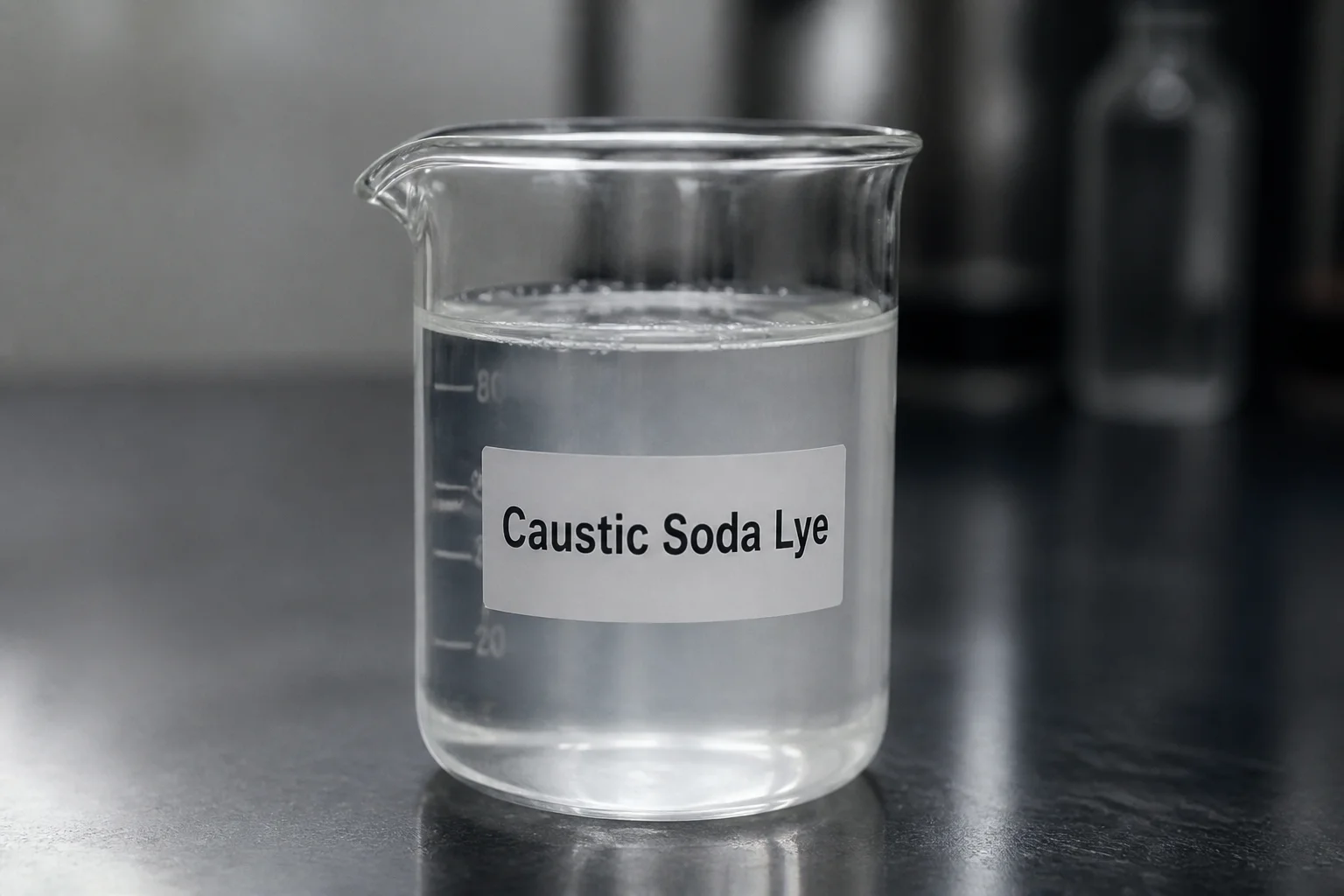
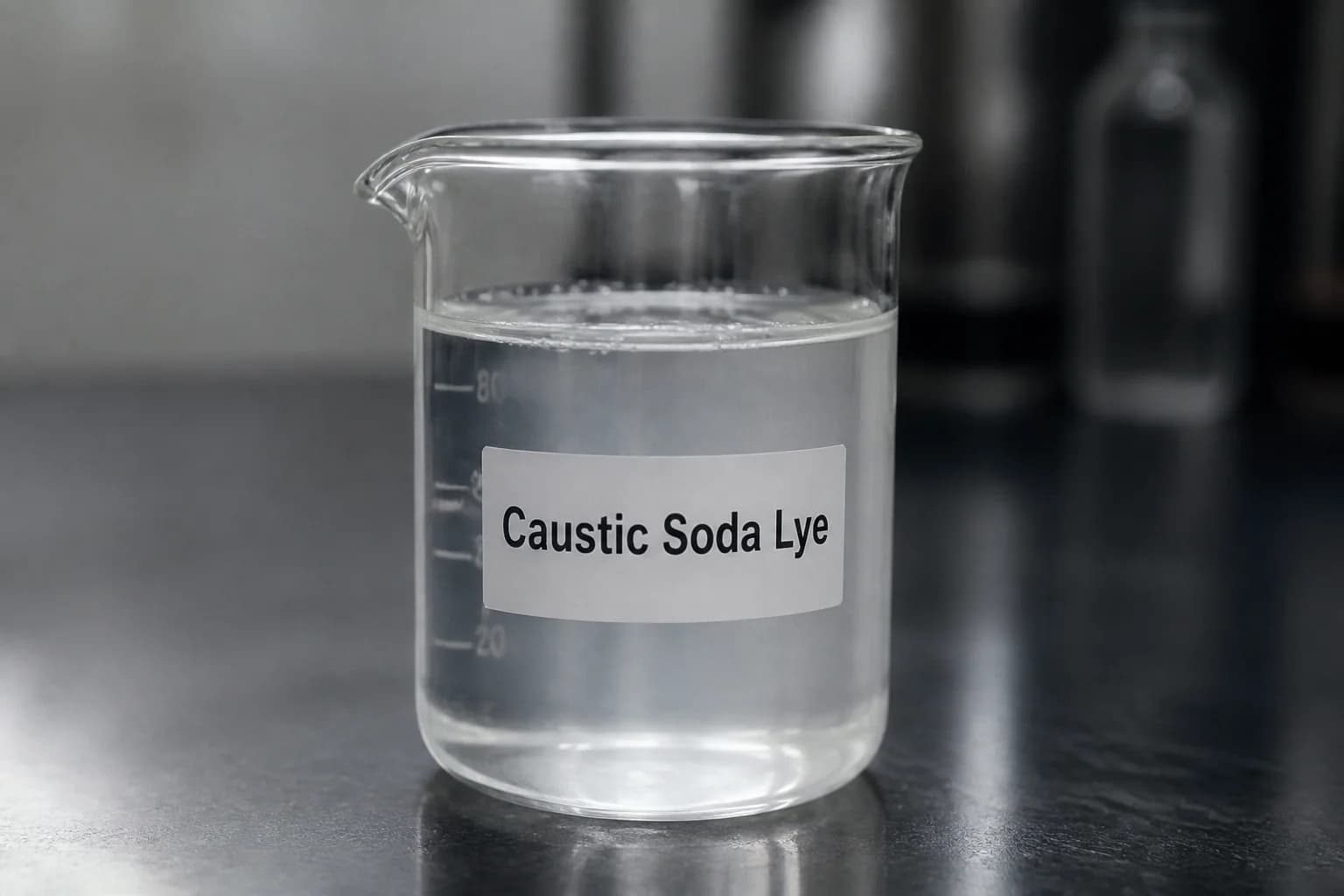
Sodium hydroxide (NaOH) is a strong base with pH around 14 in concentrated solutions. When you dissolve caustic soda in water, it completely dissociates into sodium ions (Na⁺) and hydroxide ions (OH⁻). Those hydroxide ions are what make the solution so alkaline.
The reaction is simple but powerful. The OH⁻ ions neutralize hydrogen ions (H⁺) from acids, forming water. This drives pH upward quickly. A 1% caustic soda solution has pH around 13. Even 0.1% solutions reach pH 12 or higher.
This extreme alkalinity creates both opportunities and challenges. Does caustic raise pH effectively? Yes, more effectively than almost any other industrial chemical. But that same power demands careful control.
The Logarithmic pH Scale
Understanding the pH scale matters for proper management. Each pH unit represents a 10-fold change in hydrogen ion concentration. Moving from pH 7 to pH 8 requires relatively little caustic. Moving from pH 12 to pH 13 requires 10 times more.
This creates what operators call the “titration curve problem.” Near neutral pH (6-8), tiny dosing changes create large pH swings. At extreme pH values (below 3 or above 11), massive chemical additions produce small changes. Automated systems must account for this nonlinear behavior.
How U.S. Companies Monitor and Control Caustic Soda pH

Real-Time pH Monitoring Systems
Modern facilities use continuous pH monitoring with automated feedback control. Sensors installed in process streams measure pH every few seconds. When values drift outside target ranges, the control system adjusts caustic dosing automatically.
Industrial pH probes use glass electrodes or solid-state sensors. Glass electrodes cost $200-500 and last 6-12 months in harsh conditions. Solid-state sensors run $800-1,500 but survive 2-3 years. The higher upfront cost pays off through reduced maintenance and better reliability.
Most systems use dual redundant sensors. If one fails, the backup maintains process control while technicians replace the faulty probe. This prevents pH excursions from sensor malfunctions.
Automated Chemical Feed Systems
Precise dosing requires sophisticated equipment. U.S. chemical companies typically use:
- Variable-speed metering pumps that adjust caustic flow based on pH readings
- Mass flow controllers measuring exact chemical addition rates
- Static mixers ensuring complete blending before pH measurement
- Flow-proportional dosing that scales chemical addition to process stream volume
A typical industrial system might dose 50% caustic solution at rates from 0.1 to 100 gallons per hour. The control system modulates this precisely to maintain target pH despite fluctuating influent acidity.
Buffer Tank Strategy
Many operations use buffer tanks to smooth out pH swings. Influent flows into a mixing tank where caustic is added. The tank provides residence time (typically 10-30 minutes) for complete neutralization before discharge.
This approach prevents rapid pH changes that stress biological treatment systems or violate discharge permits. The tank volume acts as a chemical capacitor, absorbing variations in acid loading.
Industrial pH Management Approaches
| System Type | Application | Typical Accuracy | Capital Cost | Best For |
| Continuous Monitoring + Auto-Dosing | Large facilities, consistent flow | ±0.1 pH units | $50,000-200,000 | Wastewater treatment, chemical processing |
| Batch Neutralization | Variable chemistry, batch processes | ±0.2-0.5 pH units | $20,000-80,000 | Manufacturing, metal finishing |
| pH-Stat Control | Laboratory, pilot plants | ±0.05 pH units | $10,000-30,000 | Research, quality control |
| Manual Testing + Dosing | Small operations, stable chemistry | ±0.5-1.0 pH units | $2,000-10,000 | Small facilities, backup systems |
Managing the Heat Factor
When caustic soda dissolves in water, the reaction releases significant heat. This exothermic process generates approximately 44 kJ per mole of NaOH dissolved. In practical terms, adding 50% caustic to water can raise temperature by 20-30°F quickly.
Temperature Management Strategies
U.S. chemical companies handle this heat generation through several approaches:
- Diluting concentrated caustic before addition to process streams
- Using cooling systems in neutralization tanks
- Staging caustic addition to spread heat release over time
- Pre-cooling influent streams in summer months
Temperature affects pH measurement. A pH probe calibrated at 77°F reads incorrectly at 140°F. Advanced systems include automatic temperature compensation that adjusts readings based on solution temperature.
Safety Through Dilution
Many facilities dilute 50% caustic to 10-20% solutions before use. This reduces both heat generation and chemical handling hazards. A 10% solution is still highly effective but less dangerous to workers and easier on equipment.
The trade-off is handling larger volumes. You need five times as much 10% solution versus 50% to deliver the same NaOH quantity. Storage and pumping requirements increase accordingly.
Common Applications Where pH Management Matters
Wastewater Treatment
Municipal and industrial wastewater treatment represents the largest application for caustic soda pH control in the U.S. Treatment plants receive acidic industrial discharges, agricultural runoff, and naturally acidic waters that require neutralization before discharge or further treatment.
EPA regulations typically require discharge pH between 6.5 and 8.5. Violations trigger fines ranging from $2,500 to $25,000 per day. Automated caustic dosing systems prevent these violations by maintaining compliant pH continuously.
A medium-sized treatment plant might use 200-500 gallons of 50% caustic daily. At $400-600 per ton, chemical costs run $15,000-30,000 monthly. Precise pH control optimizes these costs by avoiding overdosing.
Metal Processing and Surface Treatment
Metal cleaning, electroplating, and surface finishing generate highly acidic waste streams. Pickling baths use sulfuric or hydrochloric acid. These must be neutralized before discharge.
Caustic soda neutralizes these acids efficiently. The reaction NaOH + HCl → NaCl + H₂O produces harmless salt and water. But the process generates substantial heat. Large-scale acid neutralization requires cooling systems to prevent boiling.
Chemical Manufacturing pH Control
Many chemical reactions require specific pH ranges for optimal conversion. Pharmaceutical synthesis, polymer production, and specialty chemical manufacturing all depend on precise pH control.
These applications use pharmaceutical or food-grade caustic (99.5%+ purity) to avoid contaminating products. The premium material costs 15-25% more than technical grade but ensures product quality.
Pulp and Paper Processing
The Kraft process for pulp production uses caustic soda to digest wood fibers. The process requires pH 13-14 to break down lignin effectively. After digestion, pH must be lowered for bleaching stages.
Major paper mills consume millions of gallons of caustic annually. Even small pH optimization improvements save hundreds of thousands in chemical costs.
Safety Protocols for Caustic Soda pH Management
Personal Protective Equipment Requirements
Caustic soda at any concentration above 0.5% requires strict PPE compliance:
- Chemical-resistant gloves (nitrile, neoprene, or butyl rubber)
- Full-face shields or chemical splash goggles
- Chemical-resistant aprons or suits for concentrated solutions
- Rubber boots for floor work where spills are possible
- Respiratory protection if mist generation is likely
U.S. OSHA regulations mandate this protection. Companies failing to enforce PPE use face citations and fines during inspections.
Spill Response and Containment
All caustic storage and dosing areas require secondary containment holding 110% of the largest tank volume. Spills must be contained and neutralized before discharge.
Neutralization uses weak acids like acetic acid or carbon dioxide. Stronger acids create violent exothermic reactions. Emergency response kits include neutralizing agents, absorbent materials, and pH testing supplies.
Equipment Material Selection
Caustic soda corrodes many common materials. Proper material selection prevents failures:
- Storage tanks: polyethylene, polypropylene, fiberglass, or stainless steel
- Piping: Schedule 80 PVC, CPVC, or stainless steel
- Pumps: chemical-resistant materials, often magnetic drive to eliminate seals
- Valves: PVC or stainless with EPDM or Viton seals
Aluminum, zinc, tin, and brass corrode rapidly in caustic. Even stainless steel has limitations above certain concentrations and temperatures.
Concentration Management for Optimal Performance
Standard Industrial Concentrations
U.S. suppliers provide caustic soda in several concentrations:
- 50% solution: Most common for industrial use, good balance of handling and economy
- 25% solution: Lower hazard, reduced freezing issues in cold climates
- 10-20% solutions: On-site dilution for easier handling
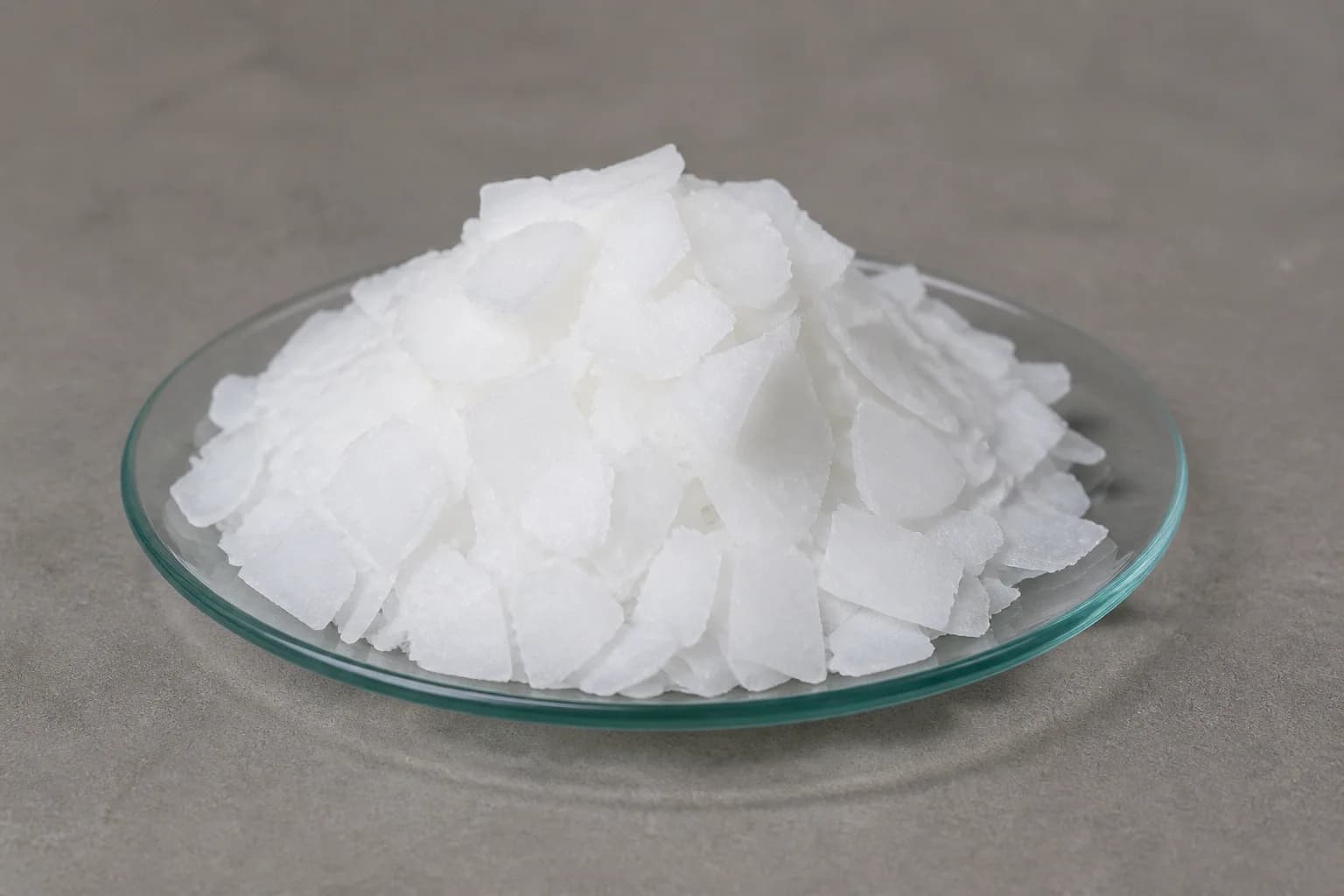
- Solid forms: Flakes, beads, or pellets at 97-99% purity
The 50% solution offers lowest shipping costs per unit of NaOH but requires more careful handling. Many facilities compromise with 25% delivered concentration, then dilute further on-site as needed.
Preventing Crystallization Issues
Concentrated caustic solutions crystallize at relatively high temperatures. Pure 50% NaOH freezes around 54°F (12°C). This creates winter handling problems in northern states.
Solutions include:
- Heated storage tanks maintaining 70-80°F
- Trace heating on outdoor piping
- Lower concentration solutions (25%) with freezing points around 0°F
- Indoor storage in climate-controlled areas
Tank heating adds operational costs but prevents the nightmare scenario of frozen caustic plugging transfer systems.
Efficiency Optimization Strategies
Calculating Exact Dosing Requirements
Precise caustic dosing starts with stoichiometry. Neutralizing one ton of sulfuric acid requires 1,630 pounds of pure NaOH. For hydrochloric acid, 2,190 pounds are needed per ton of HCl.
Using 50% caustic solution means doubling these weights since only half the solution is active NaOH. A facility neutralizing 100 gallons of 37% HCl daily needs roughly 380 pounds of 50% caustic.
Advanced operations use online acid monitors to measure actual influent acidity continuously. This allows real-time dosing adjustments instead of relying on historical averages.
Minimizing Chemical Waste
Overdosing wastes money and creates new pH problems downstream. If discharge requires pH 7 but your system delivers pH 9, you’ve wasted caustic and may violate discharge permits.
Tight pH control (±0.2 units) versus loose control (±1.0 units) can reduce caustic consumption by 15-30%. The automated monitoring investment pays back through chemical savings within 12-24 months.
Balancing Multiple Treatment Objectives
pH control often serves multiple purposes simultaneously. In wastewater treatment, proper pH:
- Enables effective coagulation and flocculation
- Optimizes biological treatment efficiency
- Precipitates heavy metals for removal
- Meets discharge compliance
- Reduces corrosion in collection systems
Optimizing pH for one objective might compromise another. The target pH 7.5 might be ideal for biological treatment but suboptimal for copper precipitation (best at pH 9-10). Operators must balance these competing demands.
Monitoring Best Practices from Leading Companies
Calibration and Maintenance Schedules
pH probes drift over time. Leading U.S. chemical companies implement strict calibration schedules:
- Daily: Quick buffer check on critical process streams
- Weekly: Two-point calibration using pH 4 and pH 10 buffers
- Monthly: Full three-point calibration including pH 7
- Quarterly: Sensor replacement or professional refurbishment
Automated calibration systems can perform checks without operator intervention, flagging sensors that fail calibration tolerances.
Data Logging and Trending
Modern systems log pH values, chemical dosing rates, and flow data continuously. This creates historical records proving compliance during inspections and identifying process trends.
Analytics software can predict when pH might exceed limits based on flow patterns and upstream operations. Alerts warn operators before violations occur, allowing preventive action.
Environmental Compliance and Discharge Management
Understanding Permit Requirements
NPDES (National Pollutant Discharge Elimination System) permits specify allowable discharge pH ranges. Typical limits are pH 6.0-9.0, with many states requiring tighter 6.5-8.5 ranges.
Violations trigger reporting requirements, fines, and increased oversight. Repeat violations can result in permit revocation, forcing facility closure until compliance is restored.
pH Neutralization Before Discharge
Some facilities intentionally overdose caustic during treatment, then use weak acid (typically CO₂ or sulfuric acid) for final pH trim before discharge. This two-stage approach ensures complete neutralization of all acid while maintaining discharge compliance.
Carbon dioxide injection offers advantages over liquid acid. It’s safer to handle, won’t create low-pH excursions if overdosed, and costs less. Many modern facilities have switched to CO₂ for final pH adjustment.
Cost Considerations in pH Management
Chemical Costs
Caustic soda prices fluctuate with energy costs and chlorine demand (it’s co-produced during chlor-alkali electrolysis). Recent U.S. pricing runs $400-600 per ton for 50% solution delivered in bulk.
A facility using 50 tons yearly spends $20,000-30,000 on chemical alone. Add equipment, labor, and energy costs, and total pH management expenses might reach $50,000-80,000 annually.
Balancing Automation Investment
Manual pH control with handheld meters and grab sampling costs minimal upfront investment ($2,000-5,000) but requires constant operator attention. Automated systems cost $50,000-200,000 but reduce labor, improve precision, and prevent costly violations.
The break-even calculation depends on facility size, regulatory requirements, and labor costs. Large operations always justify automation. Smaller facilities must evaluate carefully.
The Bottom Line on Caustic Soda pH Management
Proper caustic soda pH control combines chemistry knowledge, appropriate equipment, safety protocols, and ongoing monitoring. Does caustic raise pH? Yes, powerfully and efficiently. But that power demands respect and proper management.
U.S. chemical companies succeed through automated monitoring, precise dosing systems, comprehensive safety programs, and continuous optimization. These practices prevent violations, reduce costs, and protect workers and equipment.
For any facility using sodium hydroxide, investing in proper pH management infrastructure pays dividends through regulatory compliance, chemical efficiency, and operational reliability. The caustic soda pH challenges are real, but proven solutions exist.
Whether treating wastewater, neutralizing acid, or controlling process pH, the fundamentals remain consistent. Measure accurately, dose precisely, protect workers, and optimize continuously. These principles guide successful caustic soda operations across American industry.
For businesses requiring quality caustic soda and technical support for pH management systems, Elchemy connects you with reliable chemical suppliers offering membrane-grade sodium hydroxide, monitoring equipment, and expert guidance for your specific application requirements.