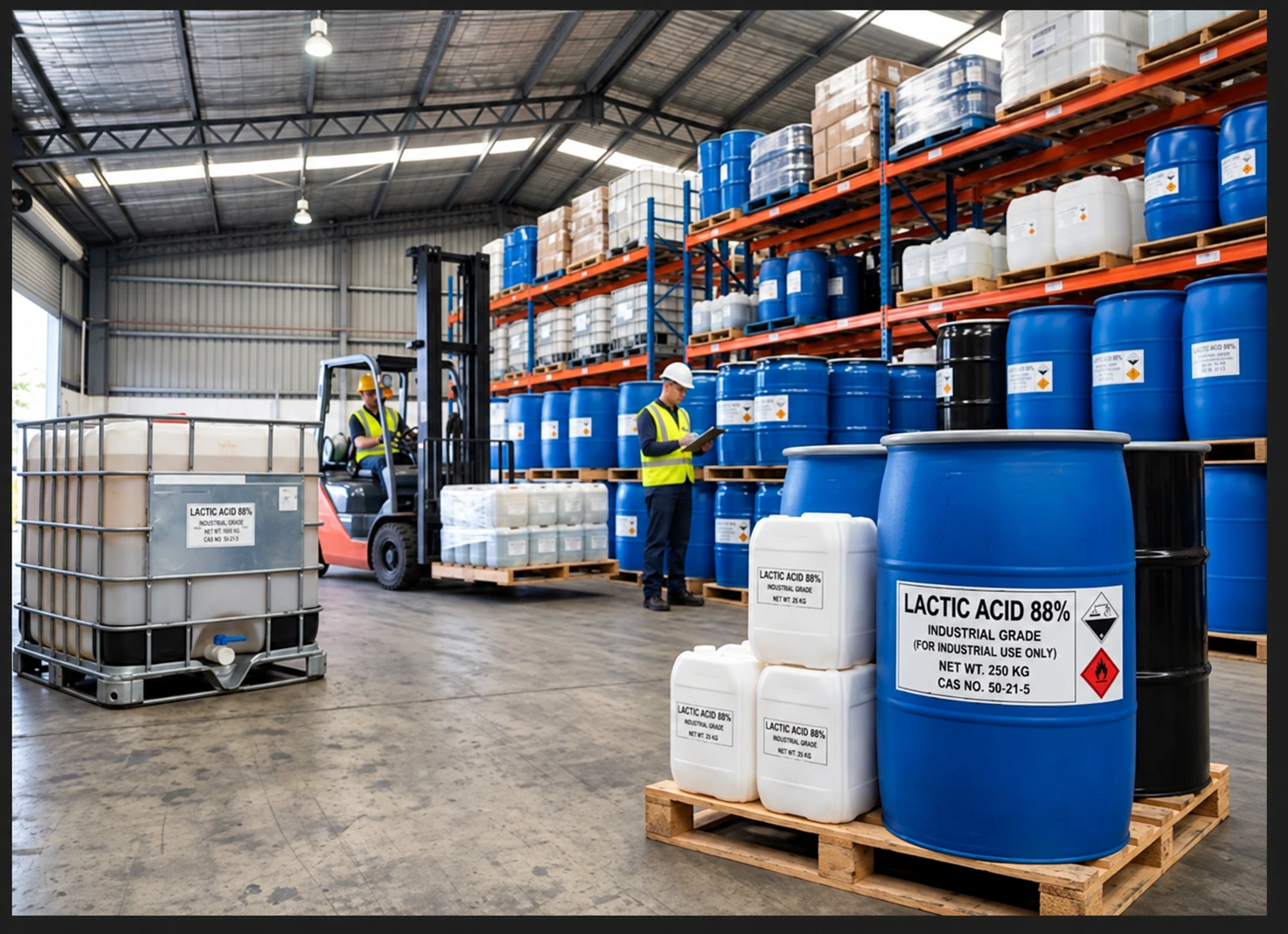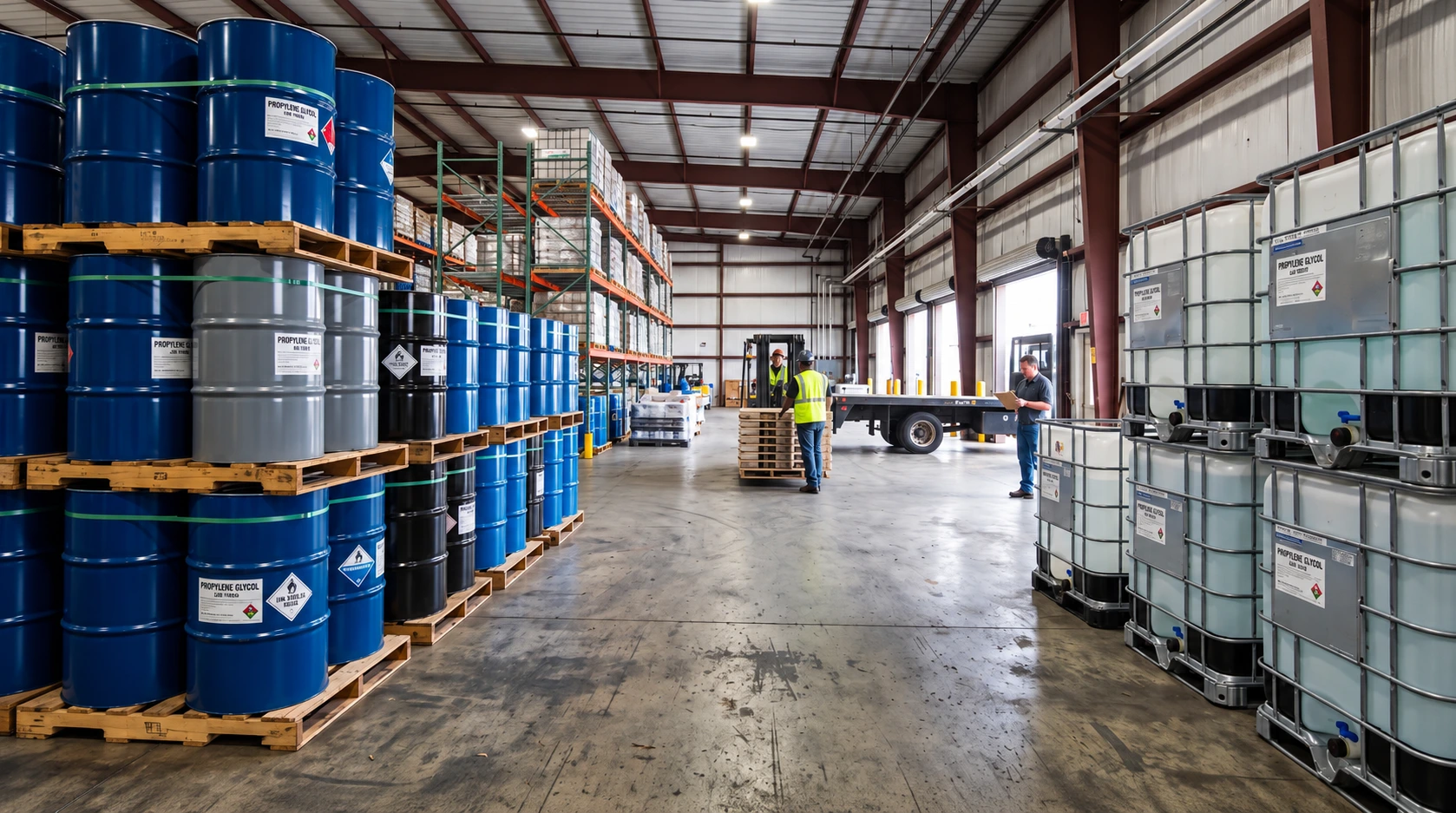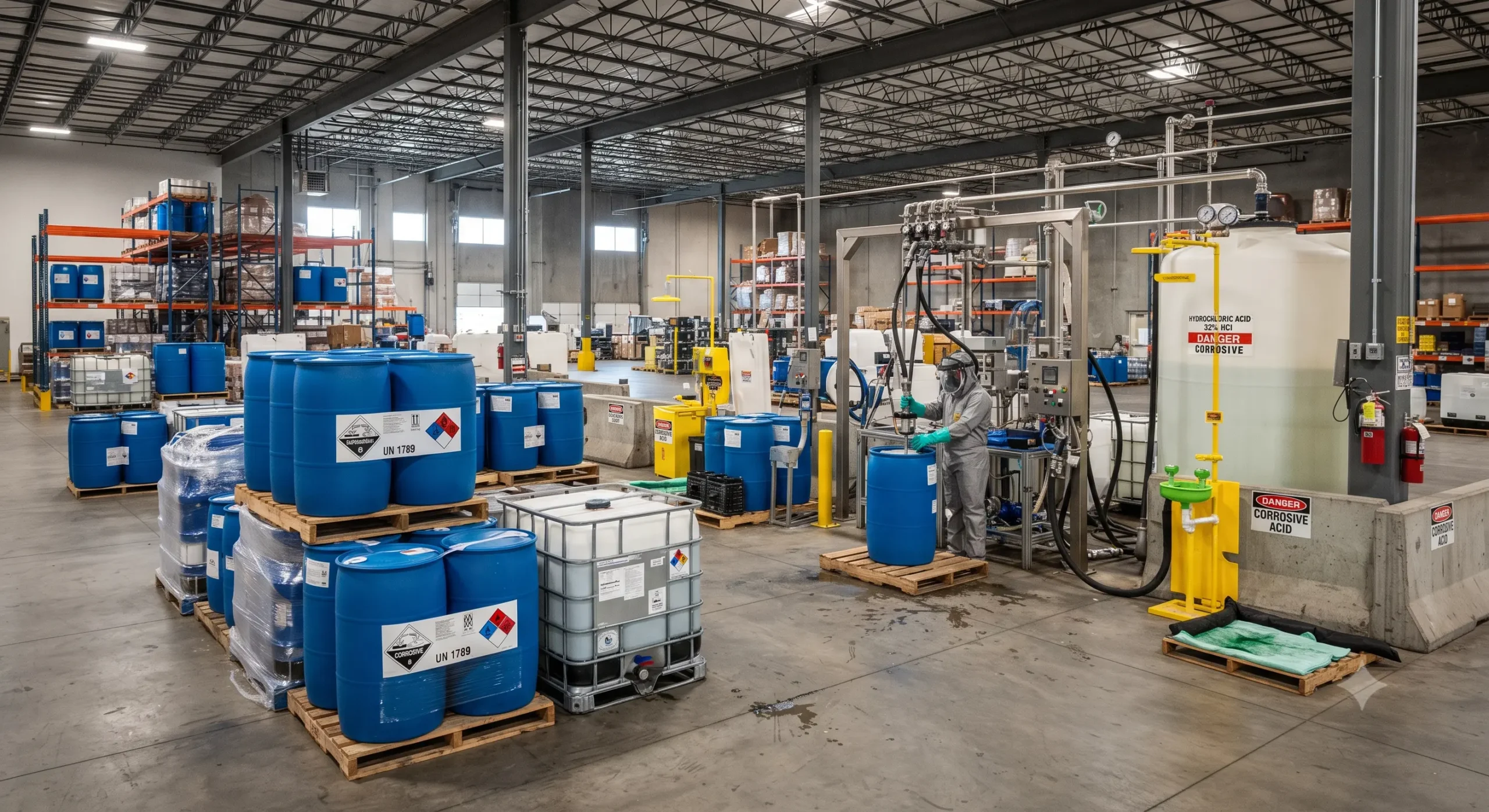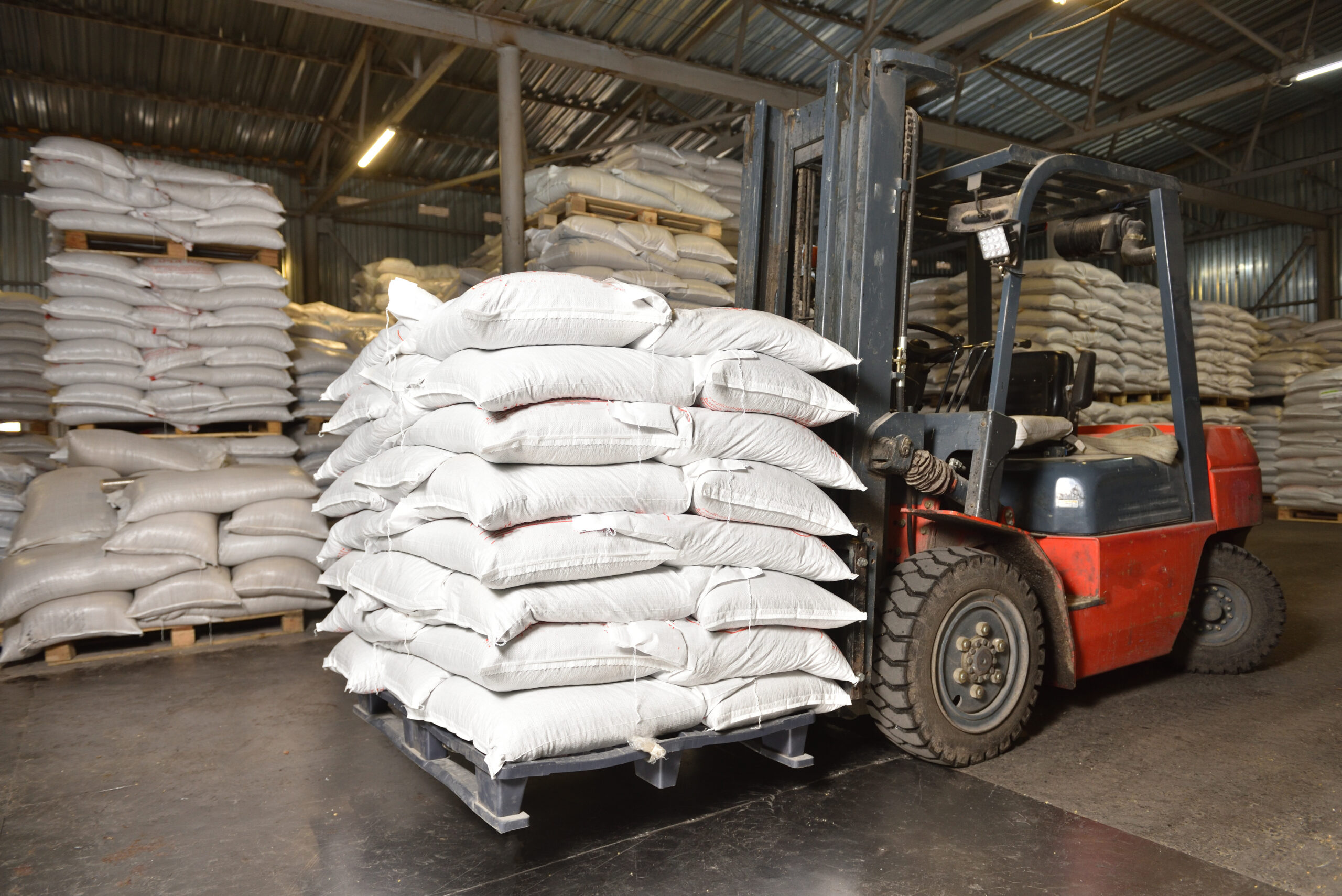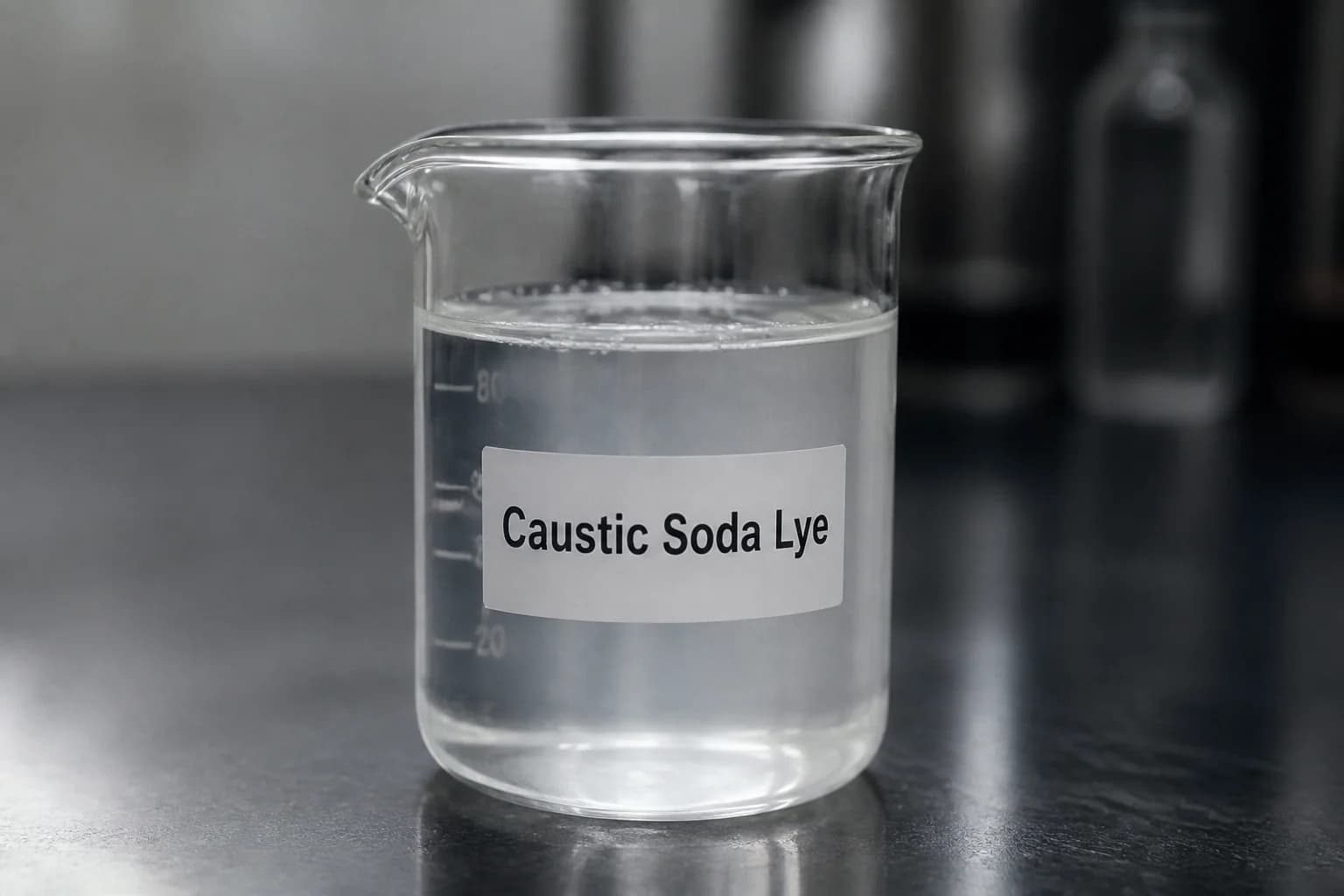


You’re standing in front of a tank truck delivery. The driver hands you paperwork, but something feels off. The concentration label doesn’t match what you ordered. Your production line is waiting. One bad batch could cost thousands in downtime and compromised product quality.
Choosing the right liquid caustic soda manufacturers isn’t just about finding the cheapest price. Understanding where to buy caustic soda—whether from direct producers, global distributors, or regional suppliers—helps optimize both cost and quality for your specific application needs. It’s about partnering with someone who understands that when you need 50% sodium hydroxide, you need exactly that, not 48% or 52%. The difference matters.
This guide walks you through what separates reliable manufacturers from the rest. Whether you’re running a water treatment plant, chemical processing facility, or manufacturing operation, you’ll learn the specific factors that determine supplier quality and long-term reliability.
At a Glance
-
- Check for ISO 9001 certification and industry-specific quality standards like REACH compliance
-
- Request batch-specific Certificates of Analysis (CoA) showing 98-99% minimum purity for industrial grade
-
- Verify production capacity matches your volume needs, from 1,000 liters to multi-truck loads
-
- Confirm hazmat logistics expertise including UN 1823/1824 classification and proper documentation
-
- Look for membrane cell production technology for higher purity versus older diaphragm methods
-
- Evaluate delivery reliability with 24-48 hour response times for emergency orders
- Compare pricing but prioritize consistent quality over bottom-dollar quotes
Why Liquid Caustic Soda Quality Actually Matters
Here’s what most buyers miss. Liquid caustic soda looks the same whether it’s 48% or 50% concentration. You can’t tell by looking at it if iron contamination sits at 5 ppm or 50 ppm. But your process knows the difference.
A soap manufacturer in Ohio learned this the hard way. They switched suppliers to save $0.03 per liter. Three weeks later, their entire production run showed discoloration. Testing revealed iron content at 45 ppm versus their previous supplier’s 8 ppm. The batch loss exceeded their entire year’s chemical savings.
Quality consistency protects your bottom line. Reliable liquid caustic soda manufacturers maintain tight specifications batch after batch. You shouldn’t need to adjust process parameters every time a new shipment arrives.
Production Method: Why It Defines Product Quality
The manufacturing process determines purity levels before the first drop reaches your facility.
Membrane Cell Technology
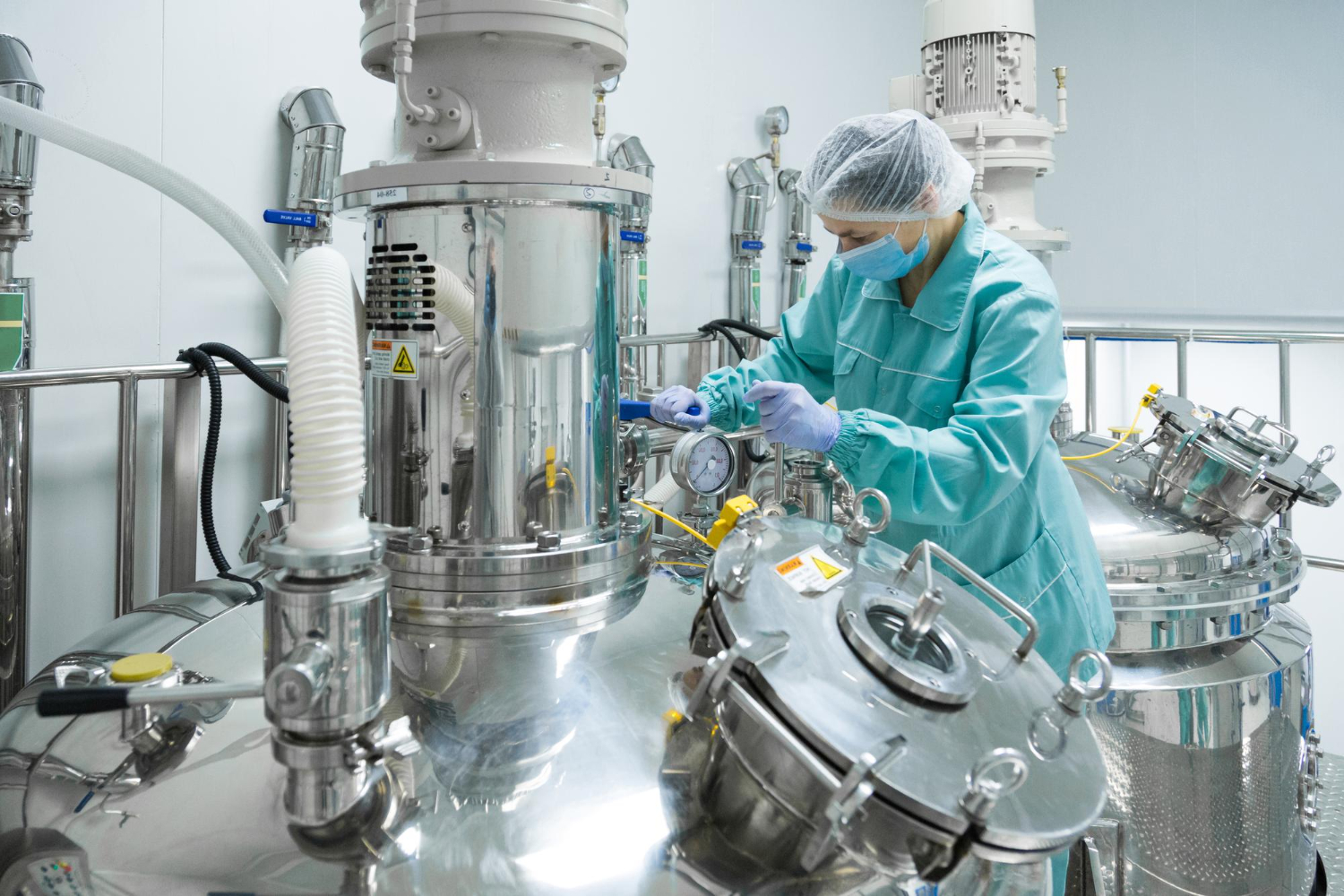
Modern facilities use membrane cell electrolysis. This method produces liquid caustic soda with 99%+ purity and minimal metal contamination. The selective membrane blocks chloride ions while allowing only sodium ions and hydroxide ions through. You get cleaner product with iron content typically below 10 ppm.
Diaphragm Cell Process
Older plants still run diaphragm cell systems. These work fine but produce higher salt content (0.5-2% NaCl versus <0.1% for membrane). For applications where trace chlorides matter, this becomes a problem. Water treatment facilities particularly notice the difference.
Mercury Cell Method
Some international suppliers still use mercury cell technology. The EU banned this method, and for good reason. While it produces very pure caustic, environmental concerns and potential mercury contamination make it risky. Avoid suppliers using mercury cells regardless of price.
| Production Method | Typical Purity | Iron Content | Chloride Content | Environmental Impact |
| Membrane Cell | 99%+ NaOH | <10 ppm | <0.1% | Low |
| Diaphragm Cell | 98-99% NaOH | 10-30 ppm | 0.5-2% | Moderate |
| Mercury Cell | 99.5%+ NaOH | <5 ppm | <0.05% | High (banned EU) |
Ask your potential supplier which production method they use. If they can’t answer immediately, that’s a red flag.
Certifications That Actually Mean Something
Certificates on a website look impressive. But which ones protect you?
ISO 9001 Quality Management
This certification proves a manufacturer maintains consistent quality control systems. They document processes, track batch records, and follow corrective action procedures. Without ISO 9001, you’re relying on promises instead of proven systems.
REACH Compliance (Europe)
European suppliers must register chemicals under REACH regulations. This ensures proper safety testing and documentation. Even if you’re not in Europe, REACH compliance signals a serious manufacturer willing to meet strict standards.
Food Grade Certifications
If your application touches food products (even indirectly), you need suppliers certified for food-grade production. Look for FDA 21 CFR compliance or equivalent standards. These manufacturers maintain dedicated production lines and stricter contamination controls.
Industry-Specific Standards
Different applications need different certifications. Pharmaceutical manufacturers require USP (United States Pharmacopeia) grade. Water treatment facilities might need NSF/ANSI 60 certification. Match certifications to your actual needs rather than collecting stamps.
What About BIS Certification?
For Indian suppliers, Bureau of Indian Standards (BIS) certification under IS 252:2013 is mandatory. This standard sets purity requirements, permissible impurity limits, and safety parameters. Indian manufacturers without valid BIS certification shouldn’t be on your shortlist.
Quality Documentation You Should Demand
Good liquid caustic soda manufacturers provide documentation without you needing to chase them.
Certificate of Analysis (CoA)
Every batch should come with a CoA showing actual tested values, not just specification ranges. Look for:
-
- Exact NaOH concentration (50.0%, not “48-52%”)
-
- Sodium carbonate content (<1%)
-
- Chloride levels
-
- Iron and heavy metal analysis
-
- Specific gravity
-
- Batch number and production date
Safety Data Sheets (SDS)
Current SDS aligned with GHS standards is non-negotiable. This document should clearly state hazards, handling procedures, emergency response, and disposal requirements. Outdated SDS from 2015 suggests a manufacturer who doesn’t update important documentation.
Material Safety Test Reports
Beyond basic CoA, ask for detailed test reports showing:
-
- Titration results for NaOH concentration
-
- Spectroscopy data for metal impurities
-
- Carbonate analysis
-
- Sulfate content
-
- Testing methodology used
Manufacturers who test properly will share this data. Those who don’t probably aren’t testing at all.
Production Capacity and Supply Stability
A manufacturer’s size needs to match your requirements.
Small Operations (1-10 Tons Monthly)
Regional producers can serve you well at this scale. They often provide personalized service and flexible delivery schedules. But verify they maintain consistent production. A shutdown for maintenance shouldn’t leave you scrambling for emergency supplies.
Medium Volume (10-100 Tons Monthly)
You need manufacturers with multiple production lines and storage capacity. Single-line operations create supply risk. Equipment failures happen. Manufacturers with redundancy keep you running.
Large Scale (100+ Tons Monthly)
Major chlor-alkali producers become your target. Companies like Olin Corporation (5.7 million tons yearly capacity), Dow Chemical, or OxyChem can handle large contracts with supply security. Their scale provides pricing leverage and guaranteed availability.
Supply Chain Capabilities Comparison
| Manufacturer Scale | Monthly Capacity | Lead Time | Emergency Response | Price Competitiveness |
| Small Regional | 1-50 tons | 1-2 weeks | Limited | Moderate |
| Mid-Size Producer | 50-500 tons | 3-7 days | Good (48-72 hours) | Competitive |
| Major Chlor-Alkali | 500+ tons | Same day-3 days | Excellent (24 hours) | Best for volume |
Logistics and Delivery Expertise
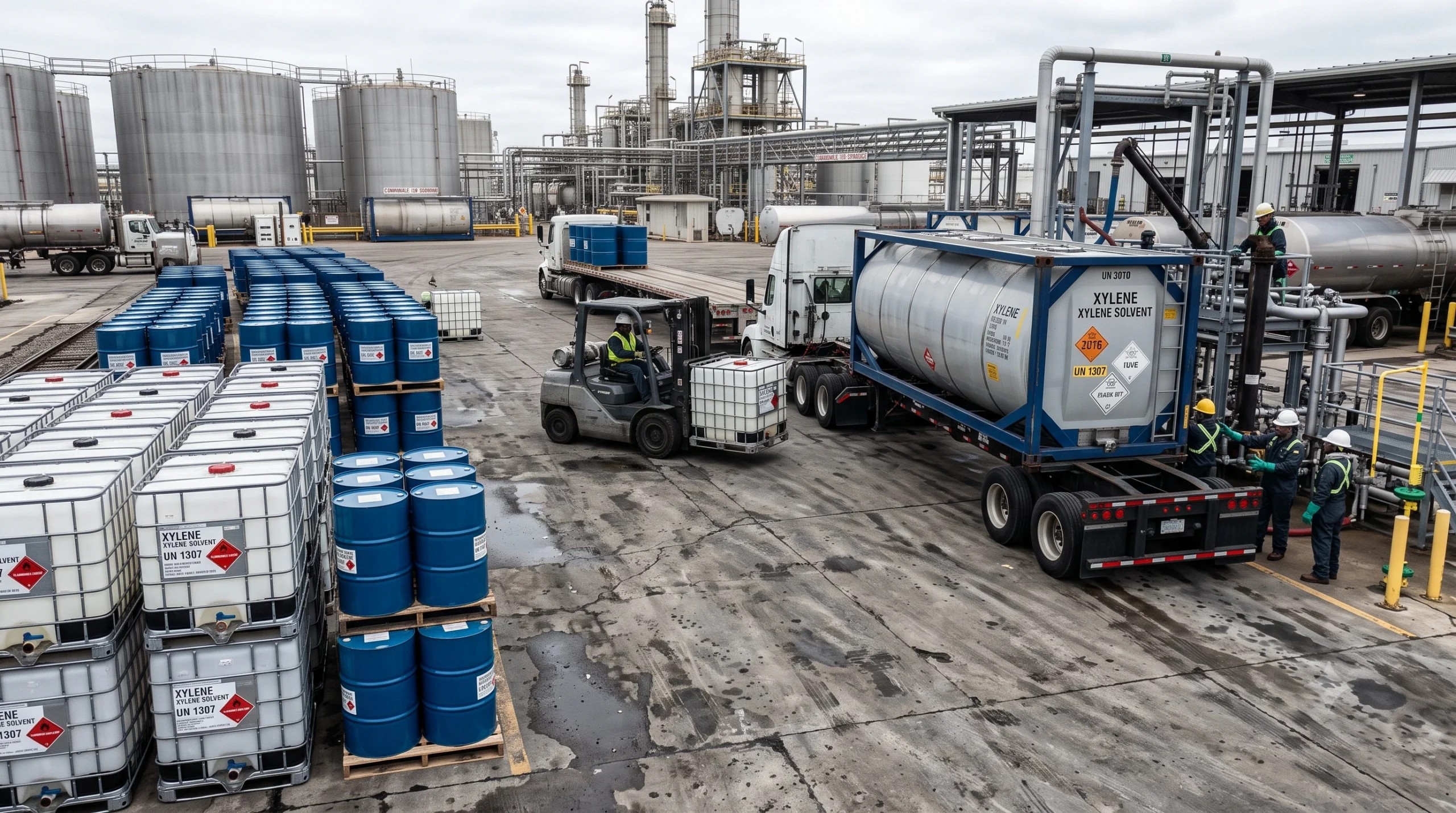
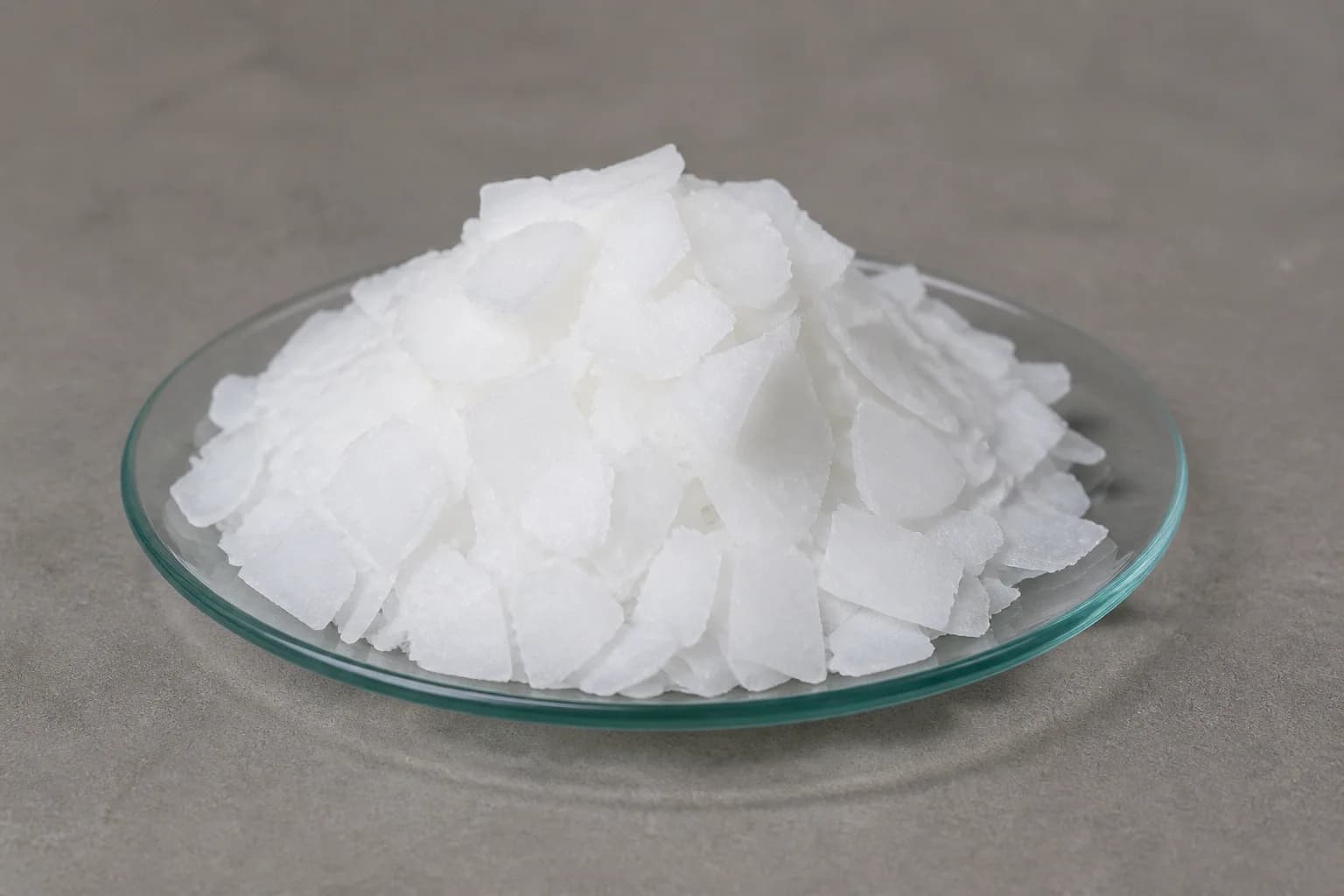
Liquid caustic soda is classified as UN 1823 (solid) or UN 1824 (solution), both hazardous materials. Transportation isn’t simple.
Hazmat Handling Capability
Reliable manufacturers understand dangerous goods regulations. They should provide:
-
- Proper placarding and labeling
-
- DOT/IMDG compliant documentation
-
- Emergency response numbers
-
- Appropriate packaging (DOT-approved drums, IBC totes, or tank trucks)
A manufacturer who ships incorrectly labeled product creates legal liability for your facility.
Delivery Methods
-
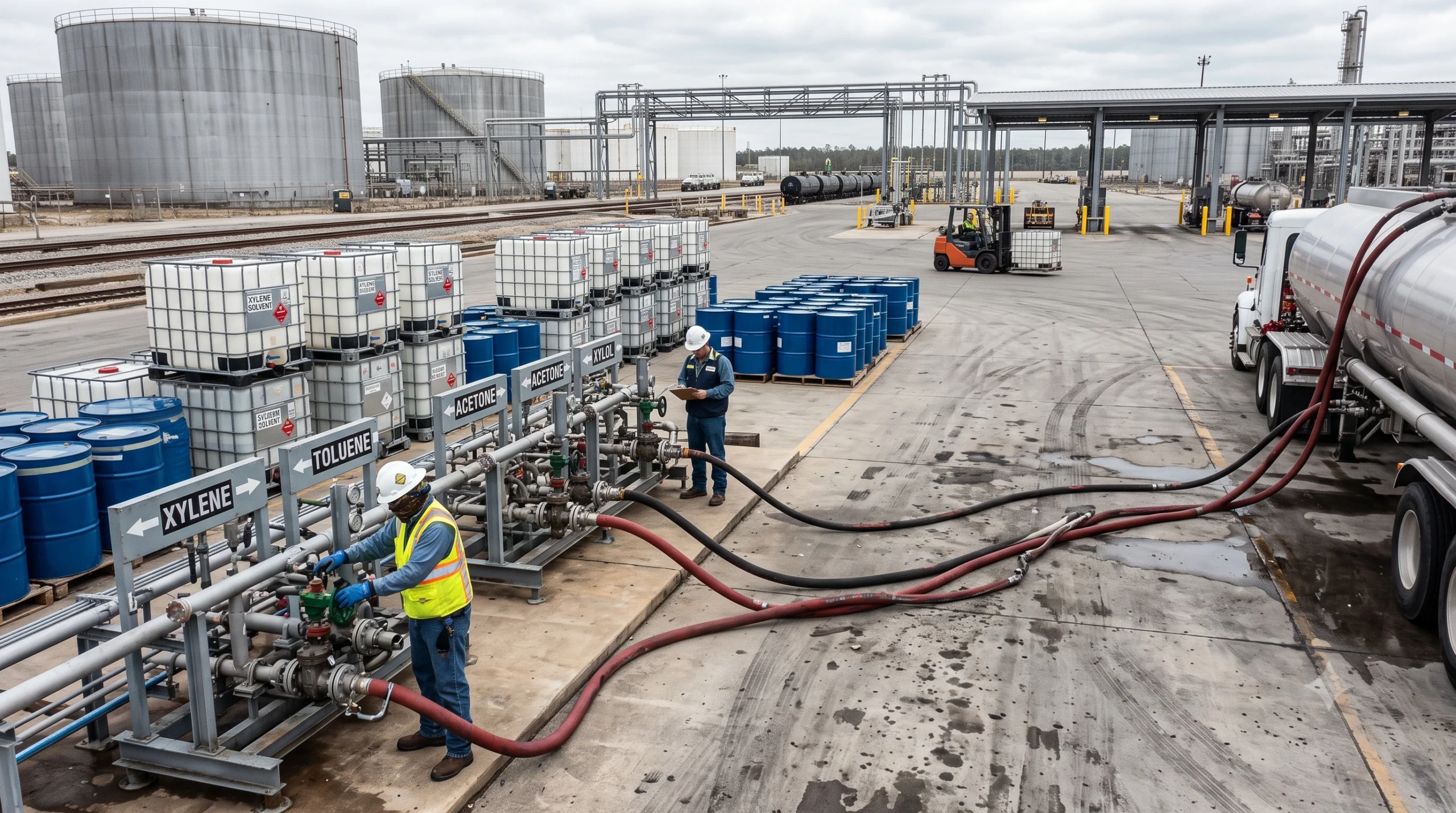
- Tank Trucks: Most common for 10,000-20,000 liter deliveries
-
- IBC Totes: Flexible option for 1,000 liter quantities
-
- Drums: Smaller volumes (200-300 liters) but higher handling costs
-
- Rail Cars: Bulk deliveries for major industrial users
Match delivery method to your storage and handling capabilities. Don’t accept tank truck deliveries without proper unloading equipment.
Geographic Coverage
Local suppliers reduce transportation costs and delivery times. But verify backup suppliers exist. A single-source strategy puts you at risk if that manufacturer faces production issues or transportation disruptions.
International suppliers can offer competitive pricing for large volumes, particularly from manufacturing hubs in China, India, or the Middle East. But longer lead times, complex customs procedures, and higher transportation costs offset some savings.
Temperature and Storage Considerations
Caustic soda crystallizes. Not all manufacturers address this reality.
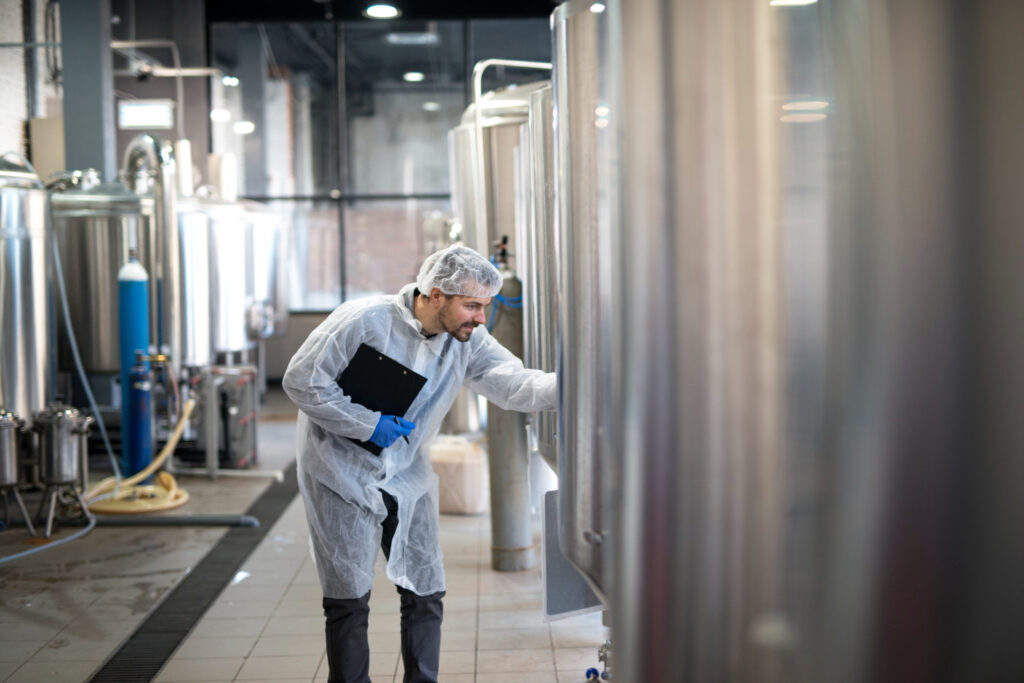
Liquid sodium hydroxide at 50% concentration freezes around 12°C (54°F). Winter deliveries in cold climates need heated tank trucks. Manufacturers experienced in cold-weather markets provide this automatically. Others might deliver product that arrives partially frozen and unusable.
Ask potential suppliers:
-
- Do you provide heated transport in winter?
-
- What’s your policy on frozen deliveries?
-
- Do you offer cold-weather formulations?
Some manufacturers blend to 49% or 48% for better freeze protection. This works if concentration adjustments fit your process. If you need exactly 50%, verify they can deliver it year-round.
Price vs. Value: Finding the Balance
Cheapest price usually signals a problem.
Liquid caustic soda pricing fluctuates with energy costs, chlorine demand, and regional supply-demand dynamics. Current market rates run approximately:
-
- Asia: $200-350 per ton
-
- Europe: €700-900 per ton
-
- North America: $400-600 per ton
Prices significantly below market averages raise questions. How are they cutting costs? Lower purity? Inconsistent concentration? Poor quality control?
Total Cost of Ownership
Smart buyers calculate beyond chemical price:
-
- Delivery reliability reduces emergency premium pricing
-
- Consistent quality eliminates process adjustments and waste
-
- Proper documentation prevents regulatory compliance issues
-
- Technical support solves application problems quickly
A manufacturer charging 8% more but delivering perfect quality every time costs less than bottom-tier suppliers creating production headaches.
Technical Support and Customer Service
Production issues happen. How does your manufacturer respond?
Application Expertise
Good suppliers understand how their product performs in your industry. They can advise on:
-
- Optimal concentration for your process
-
- Dosing calculations and adjustments
-
- Contamination troubleshooting
-
- Safety protocol reviews
Manufacturers who only sell product without application knowledge can’t help when problems arise.
Response Time
Test this before committing to large orders. Email a technical question. Call with a delivery inquiry. How fast do they respond? Do you reach knowledgeable people or just order takers?
Industrial operations run 24/7. Does your supplier offer after-hours emergency support? When a weekend system failure needs immediate chemical delivery, a manufacturer with 24/7 dispatch becomes invaluable.
Red Flags That Should Stop Negotiations
Some warning signs mean walk away:
-
- Refusing to provide batch-specific CoA: Generic specification sheets aren’t enough
-
- No production facility address: Brokers claiming to be manufacturers create supply chain opacity
-
- Prices 20%+ below market: Either quality is compromised or they can’t sustain those prices
-
- Inconsistent product forms: Claiming to produce membrane-grade but offering diaphragm pricing
-
- No hazmat shipping documentation: Legal exposure you don’t need
-
- Pressure tactics: “Price only good today” usually means problematic inventory
-
- Unable to explain production method: Basic question any real manufacturer answers instantly
Vetting New Suppliers: The Practical Checklist
Before placing your first order, verify:
Documentation Review
-
- Current ISO 9001 certificate (check expiration date)
-
- Recent CoA from actual production batches
-
- Complete SDS matching current GHS format
-
- Industry-specific certifications for your application
-
- Customer references from similar industries
Facility Verification
-
- Production capacity documentation
-
- Quality control lab capabilities
-
- Storage tank inventory (proves buffer stock exists)
-
- Backup power systems for continuous production
Logistics Evaluation
-
- Hazmat transportation licenses
-
- Insurance coverage for chemical transport
-
- Geographic service area and delivery times
-
- Tank truck fleet size or carrier partnerships
Trial Order
-
- Start with small volume (1-2 shipments)
-
- Test product immediately upon receipt
-
- Verify concentration and purity match CoA
-
- Evaluate packaging condition and labeling accuracy
-
- Assess delivery timing and communication
Building Long-Term Supplier Relationships
Once you find reliable liquid caustic soda manufacturers, maintain those relationships.
Performance Reviews
Quarterly reviews help identify issues before they become problems:
-
- Delivery on-time percentage
-
- Quality consistency (batch-to-batch variation)
-
- Documentation accuracy
-
- Response time to inquiries
-
- Price competitiveness versus market
Communication Channels
Establish direct contacts:
-
- Technical support for process issues
-
- Customer service for routine orders
-
- Emergency dispatch for urgent needs
-
- Account manager for contract negotiations
Volume Commitments
Long-term contracts benefit both parties. You secure supply and pricing. Manufacturers guarantee production planning. Typical industrial contracts run 1-3 years with quarterly price adjustments based on market indices.
Backup Suppliers
Even excellent primary suppliers face disruptions. Maintain qualified backup sources to protect operations. Order occasionally to keep relationships active and verify they maintain quality standards.
Regional Considerations for Supplier Selection
Geography affects more than shipping costs.
North American Manufacturers
Major producers include Olin, OxyChem, and Westlake. You get strict environmental standards, reliable logistics, and strong technical support. Higher pricing reflects these advantages.
Asian Suppliers
China and India dominate global production. Competitive pricing and large capacity but longer lead times and quality variation between manufacturers. Thoroughly vet Asian suppliers before committing to significant volumes.
European Producers
BASF, Solvay, and others offer premium quality with stringent regulatory compliance. Best option for applications requiring REACH registration or food-grade certifications. Premium pricing matches premium quality.
Middle Eastern Sources
SABIC and regional producers leverage low energy costs for competitive pricing. Growing quality standards make them increasingly viable for large-volume contracts.
Future-Proofing Your Supply Chain
Industry trends affecting liquid caustic soda supply:
Environmental Regulations
Membrane cell technology is replacing older methods. Suppliers investing in modern facilities demonstrate long-term viability. Those running outdated equipment face regulatory pressure and eventual shutdowns.
Energy Costs
Caustic production is energy-intensive. Manufacturers with renewable energy programs or efficient production show better price stability. Energy cost spikes hit inefficient producers hardest.
Digital Integration
Modern suppliers offer online ordering, real-time inventory visibility, and automated delivery scheduling. These capabilities improve your operational efficiency beyond just chemical quality.
Making Your Final Decision
Selecting reliable manufacturers requires balancing multiple factors. Start by defining your non-negotiables:
-
- Minimum purity requirements
-
- Essential certifications
-
- Maximum acceptable lead time
-
- Volume requirements
-
- Budget constraints
Score potential suppliers against these criteria. The highest quality at the lowest price doesn’t exist. But the best value for your specific needs absolutely does.
Remember that switching suppliers costs time and money. Choose carefully upfront rather than chasing minor savings that create major headaches.
Whether you need 500 liters monthly or multiple tank trucks weekly, the right manufacturer partnership protects your operations and supports your growth. Take time to verify quality, capacity, and reliability before committing to long-term supply agreements.
For businesses looking for dependable chemical sourcing with transparent quality standards, Elchemy provides access to verified sodium hydroxide suppliers with complete documentation, competitive pricing, and reliable delivery across multiple industries. Our technical team helps match your specific requirements with suppliers who can consistently meet them.