

Surfactants are essential ingredients in modern formulations, particularly in personal care, cosmetics, and cleaning products. Among the various surfactant categories, amphoteric surfactants are widely valued for their mildness, versatility, and compatibility with other surfactants.
These surfactants can carry both positive and negative charges, allowing them to adapt to different pH environments. Because of this property, amphoteric surfactants are frequently used in shampoos, facial cleansers, body washes, and baby care products where mild cleansing and stable foam are important.
As global demand for personal care products continues to grow, manufacturers increasingly rely on reliable amphoteric surfactant suppliers that can deliver consistent quality and bulk supply. Companies across the United States, Germany, India, Brazil, South Korea, and Southeast Asia require stable sourcing channels to maintain large-scale production.
This guide explains what amphoteric surfactants are, how they work in cosmetic formulations, common examples like cocamidopropyl betaine, and how manufacturers can source amphoteric surfactants globally.
At a Glance
- Amphoteric surfactants contain both positive and negative charges, allowing them to adapt to different pH environments.
- These surfactants are widely used in shampoos, facial cleansers, body washes, and baby care formulations.
- Popular examples include cocamidopropyl betaine, cocoamphoacetate, and amphodiacetates.
- Amphoteric surfactants help improve foam stability, mildness, and compatibility with other surfactants.
- Manufacturers often compare multiple ingredients when designing cosmetic formulations, including evaluating glycerin vs vegetable glycerin for personal care formulations.
What Are Amphoteric Surfactants?
Amphoteric surfactants are a type of surface-active agent that contains both anionic (negative) and cationic (positive) functional groups within the same molecule.
Because of this structure, they behave differently depending on the pH level of the formulation:
- In acidic environments, they behave more like cationic surfactants
- In alkaline environments, they act like anionic surfactants
This dual behavior makes them extremely valuable in formulations that require mild cleansing and compatibility with multiple surfactant systems.
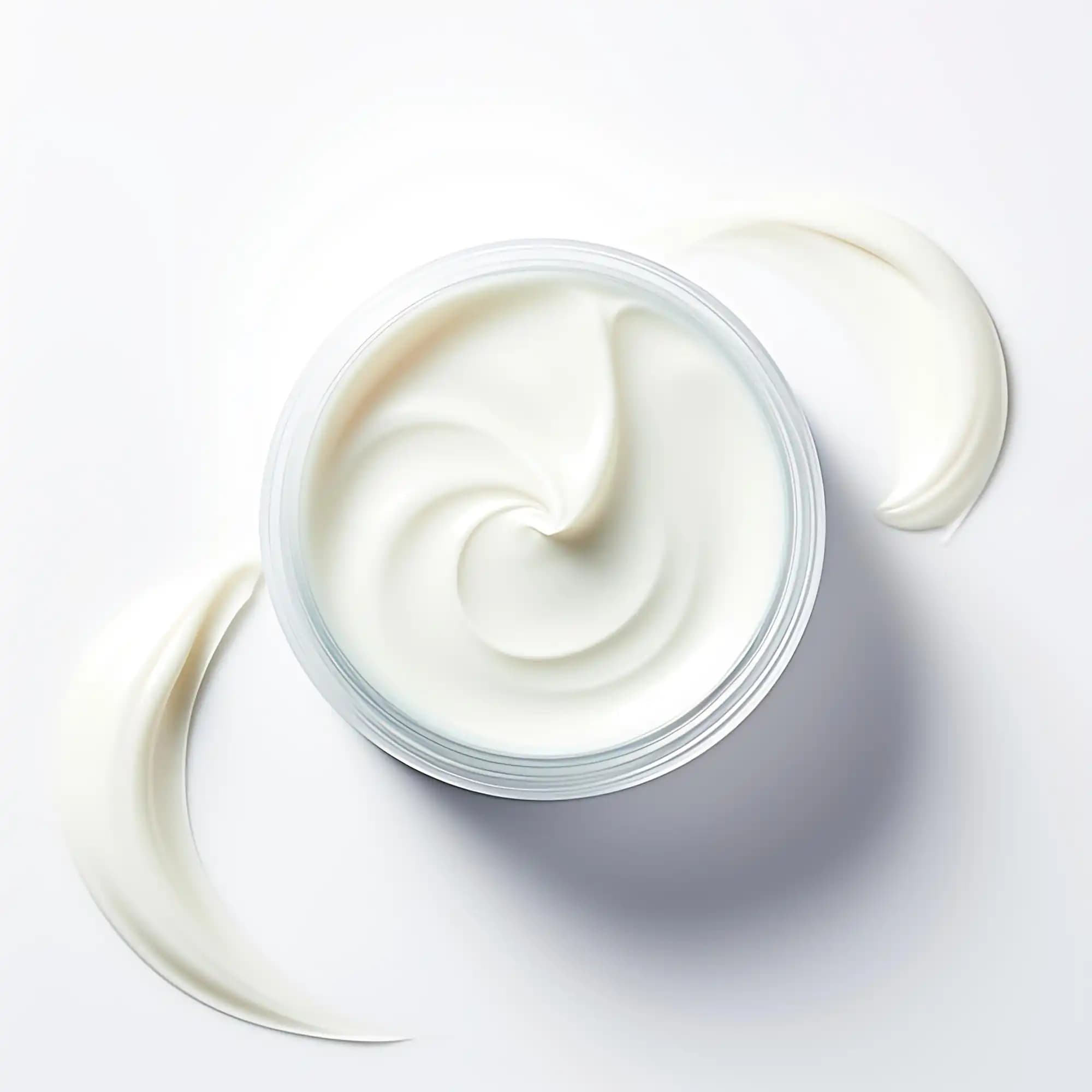
In cosmetic chemistry, amphoteric surfactants are commonly combined with anionic surfactants to reduce irritation while maintaining strong cleansing performance.
Many of these surfactants are derived from fatty acids and natural oils, similar to ingredients used in personal care formulation ingredients like glycerin.
How Amphoteric Surfactants Work in Personal Care Formulations
Amphoteric surfactants play several important roles in modern cosmetic formulations.
pH-Responsive Cleansing
One of the most important properties of amphoteric surfactants is their ability to adapt to different pH conditions. This allows them to function effectively in skin-friendly formulations that maintain a balanced pH.
Foam Stabilization
Shampoos and body washes require stable foam for consumer satisfaction. Amphoteric surfactants help improve:
- Foam richness
- Foam stability
- Bubble structure
This is one reason why ingredients like cocamidopropyl betaine are widely used in shampoo formulations.
Reduced Skin Irritation
Strong anionic surfactants from SLES suppliers such as SLS or SLES can sometimes cause skin irritation. Amphoteric surfactants help reduce irritation by balancing the surfactant system and improving mildness.
Compatibility With Other Surfactants
Amphoteric surfactants work well with:
- Anionic surfactants
- Nonionic surfactants
- Cationic conditioning agents
This compatibility allows formulators to create stable, gentle cleansing products for daily use.
Common Amphoteric Surfactants Used in Cosmetics
Several amphoteric surfactants are widely used across personal care and cosmetic formulations, particularly ingredients such as cocamidopropyl betaine surfactant.
Cocamidopropyl Betaine (CAPB)
One of the most widely used amphoteric surfactants is cocamidopropyl betaine, derived from coconut oil.
Manufacturers use it in:
- Shampoos
- Body washes
- Facial cleansers
- Baby care products
It provides excellent foam stability and mild cleansing performance.
For manufacturers looking to source this ingredient in bulk, Elchemy provides access to global cocamidopropyl betaine manufacturers through its sourcing platform.
Sodium Cocoamphoacetate
This mild amphoteric surfactant is frequently used in:
- Baby shampoos
- Sensitive skin cleansers
- Natural personal care formulations
It is valued for its low irritation profile and gentle cleansing properties.
Disodium Cocoamphodiacetate
Another mild surfactant used in:
- Facial cleansers
- Baby bath products
- Sensitive skin formulations
It helps improve foam stability and mild cleansing performance.
Lauryl Betaine
Lauryl betaine is often used as a foam booster and viscosity enhancer in shampoos and liquid soaps.
These surfactants help create the rich foam and smooth texture consumers expect from personal care products.
Why Cocamidopropyl Betaine Is Widely Used in Shampoos
It is commonly combined with humectants and stabilizers used in cosmetic formulations.
Among amphoteric surfactants, cocamidopropyl betaine (CAPB) is one of the most popular ingredients used in hair care products.
Several factors explain its widespread use.
Foam Enhancement
CAPB significantly improves foam volume and stability when combined with anionic surfactants.
Improved Mildness
When combined with harsher surfactants, CAPB helps reduce skin and scalp irritation, making shampoos gentler for everyday use.
Thickening Effect
CAPB contributes to the viscosity of liquid formulations, helping manufacturers create thicker shampoos and cleansers.
Cost Efficiency
Because CAPB is widely produced globally, it is cost-effective for large-scale manufacturing.
Many personal care manufacturers compare betaine surfactants with other humectants and formulation ingredients when optimizing product performance.
For example, formulators sometimes evaluate texture ingredients such as glycerin when improving product stability and moisture retention.
Industrial and Cosmetic Applications of Amphoteric Surfactants
Amphoteric surfactants are used across several industries beyond cosmetics.
Hair Care Products
They are commonly found in:
- Shampoos
- Hair cleansers
- Conditioning shampoos
- Scalp treatments
These surfactants help create gentle yet effective cleansing systems.
Skin Cleansing Products
Amphoteric surfactants are widely used in:
- Facial cleansers
- Body washes
- Baby bath products
Because of their mildness, they are often included in sensitive skin formulations.
Household Cleaning Products
These surfactants are also used in:
- Dishwashing liquids
- Household surface cleaners
- Mild detergents
Their ability to stabilize foam makes them useful in cleaning formulations.
Industrial Cleaning Formulations
Certain amphoteric surfactants are used in:
- Textile processing
- Industrial cleaning solutions
- Specialty detergents
Their versatility allows them to function across cosmetic and industrial chemical applications.
How Manufacturers Source Amphoteric Surfactants in Bulk
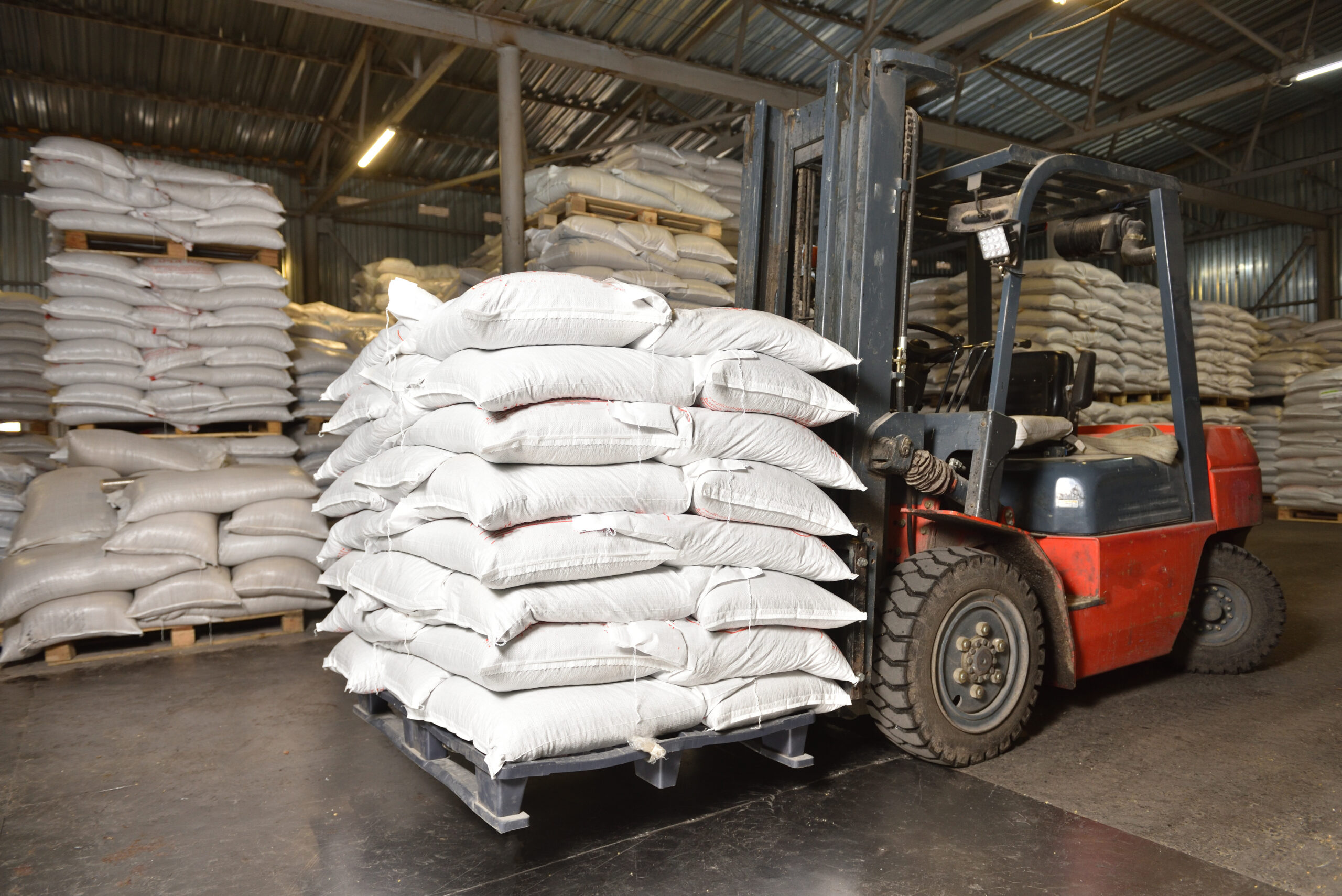
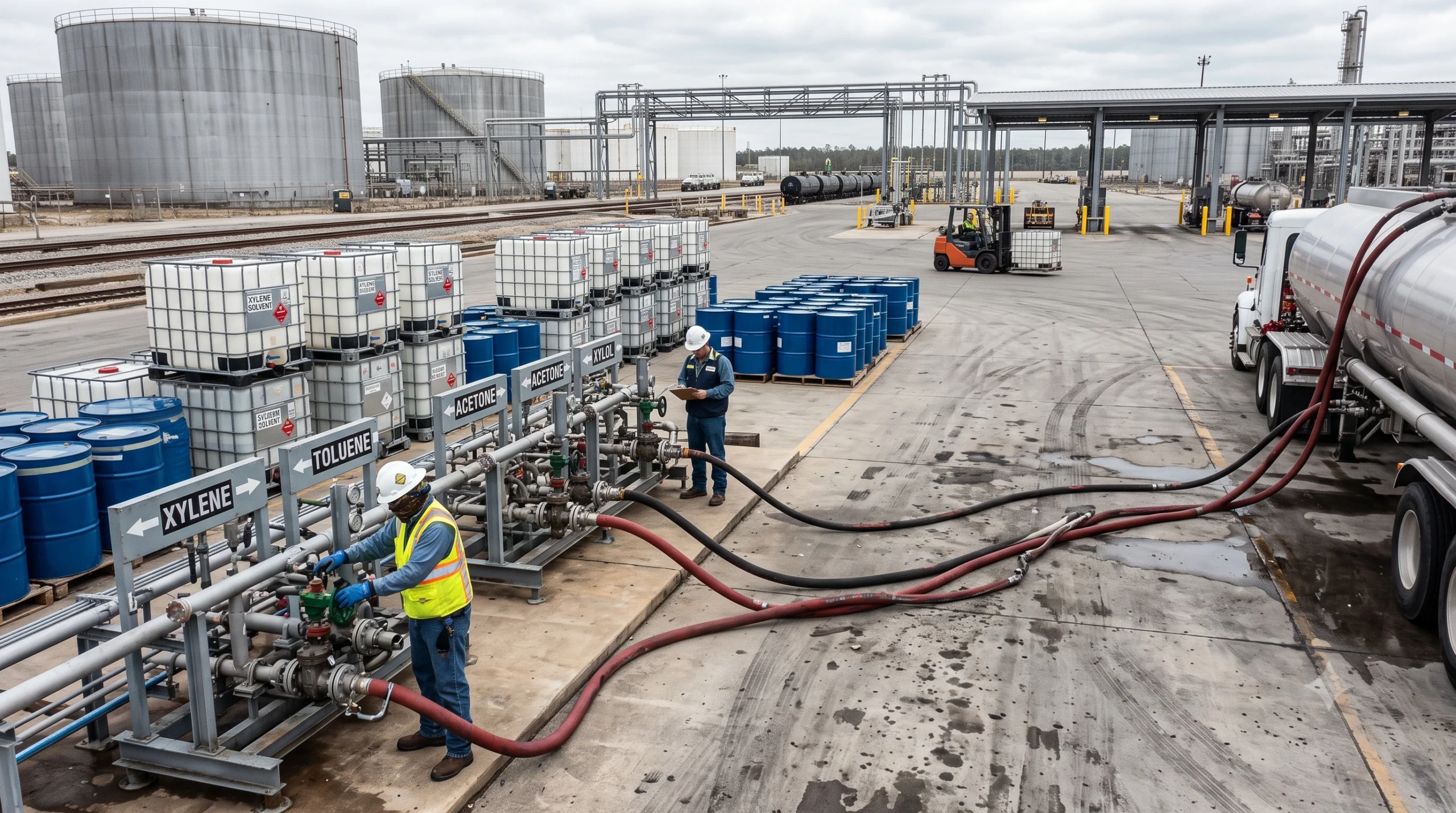
Large manufacturers typically source amphoteric surfactants through several procurement channels.
Direct Chemical Manufacturers
Large chemical companies produce amphoteric surfactants at industrial scale.
Major SLES manufacturers and production hubs include :
- China
- India
- United States
- Germany
- Malaysia
Chemical Distributors
Regional chemical distributors help supply smaller manufacturers with lower minimum order quantities.
This model is common in North America, Europe, and the Middle East.
Global Chemical Sourcing Platforms
Digital sourcing platforms are becoming increasingly popular for bulk chemical procurement.
Industries like Elchemy help manufacturers source amphoteric surfactants by connecting them with verified suppliers across multiple countries.
Through Elchemy, companies can access manufacturers located in:
- India
- China
- Germany
- United States
- Indonesia
- South Korea
This allows manufacturers to maintain stable supply chains and competitive pricing across global markets.
Choosing a Reliable Amphoteric Surfactant Supplier
When sourcing surfactants in bulk, manufacturers should evaluate suppliers based on several factors.
Product Quality and Certifications
Reliable suppliers should provide:
- Certificate of Analysis (COA)
- Cosmetic regulatory compliance
- ISO certifications
Production Capacity : Large manufacturers must ensure suppliers can maintain consistent large-scale production capacity.
Raw Material Traceability : Traceability is important for cosmetic safety and regulatory compliance.
Global Logistics Capability
Suppliers must support:
- International shipping
- Bulk packaging
- Regulatory documentation
These factors ensure stable supply chains for manufacturers operating across multiple countries.
Why Manufacturers Source Amphoteric Surfactants Through Elchemy
Managing chemical sourcing across multiple regions can be complex. Industries like Elchemy simplify procurement by connecting buyers with verified chemical suppliers worldwide.
Elchemy supports manufacturers by providing:
Verified Global Supplier Network
Access to amphoteric surfactant manufacturers located in India, China, Germany, the United States, and Southeast Asia.
Flexible Bulk Procurement
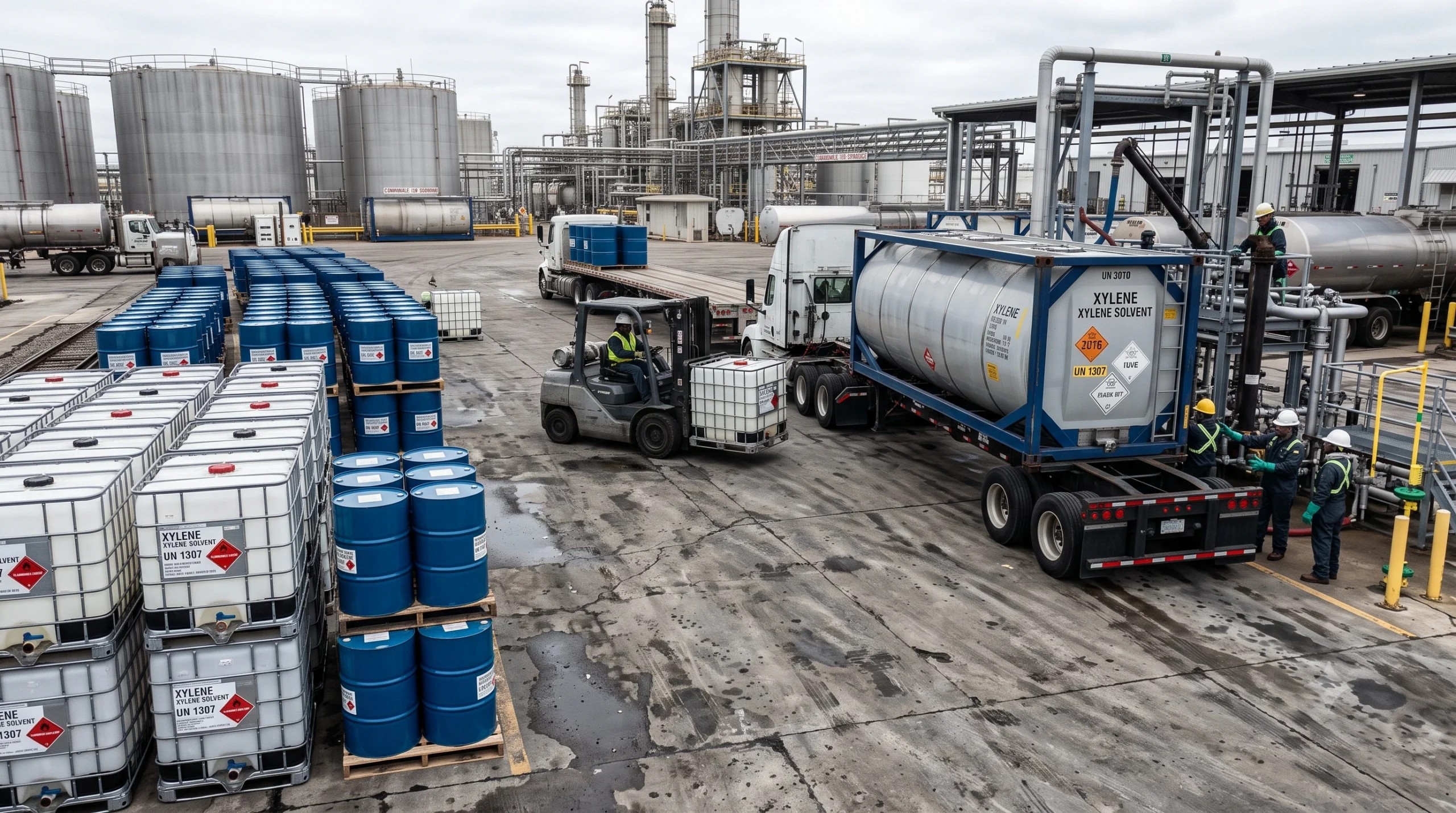
Manufacturers can source surfactants in:
- Drums
- IBC containers
- Large industrial shipments
Quality Documentation
Suppliers provide required documentation including:
- COA
- Regulatory compliance certificates
Global Logistics Support
Elchemy helps coordinate international chemical shipments, allowing companies in regions such as North America, Europe, the Middle East, and Asia to secure reliable surfactant supply.
This global sourcing capability helps manufacturers maintain stable production and competitive pricing.
Final Thoughts
Amphoteric surfactants play a critical role in modern personal care and cosmetic formulations because of their mildness, foam stability, and compatibility with other surfactants.
As the global cosmetics industry continues to expand across North America, Europe, Asia, and emerging markets, the demand for reliable surfactant suppliers will continue to grow.
By working with trusted chemical sourcing platforms and verified global suppliers, manufacturers can ensure consistent quality, regulatory compliance, and stable supply chains for large-scale production.
FAQs
Q1. What are amphoteric surfactants?
Amphoteric surfactants are surface-active agents that contain both positive and negative charges. This allows them to function effectively across different pH environments and makes them useful in mild cleansing formulations.
Q2. How do amphoteric surfactants work in personal care formulations?
They stabilize foam, reduce irritation caused by strong surfactants, and improve the mildness of shampoos and cleansers.
Q3. What are common amphoteric surfactants used in cosmetics?
Common examples include cocamidopropyl betaine, sodium cocoamphoacetate, and disodium cocoamphodiacetate.
Q4. Why is cocamidopropyl betaine widely used in shampoos?
Cocamidopropyl betaine improves foam stability, reduces irritation, and enhances the thickness of shampoo formulations.
Q5. How can manufacturers source amphoteric surfactants in bulk?
Manufacturers can source amphoteric surfactants from chemical manufacturers, distributors, or sourcing platforms that connect buyers with verified global suppliers.