

At a Glance
- Glycerin, also called glycerol, is a common multifunctional ingredient in personal care formulations.
- In cosmetics, it is principally used as a humectant and can also contribute to product feel and processing.
- It appears in skin care, hair care, oral care, colour cosmetics, and cleansing products.
- Its performance depends on the finished formula, intended use, concentration, and other ingredients.
- Buyers should confirm grade, specification, source, documentation, and suitability for the intended market before purchase.
What You’ll Learn
This guide explains what glycerin is used for in personal care products and the formulation functions it can support. It also outlines practical checks for selecting glycerin for a cosmetic or personal-care supply chain.
Introduction
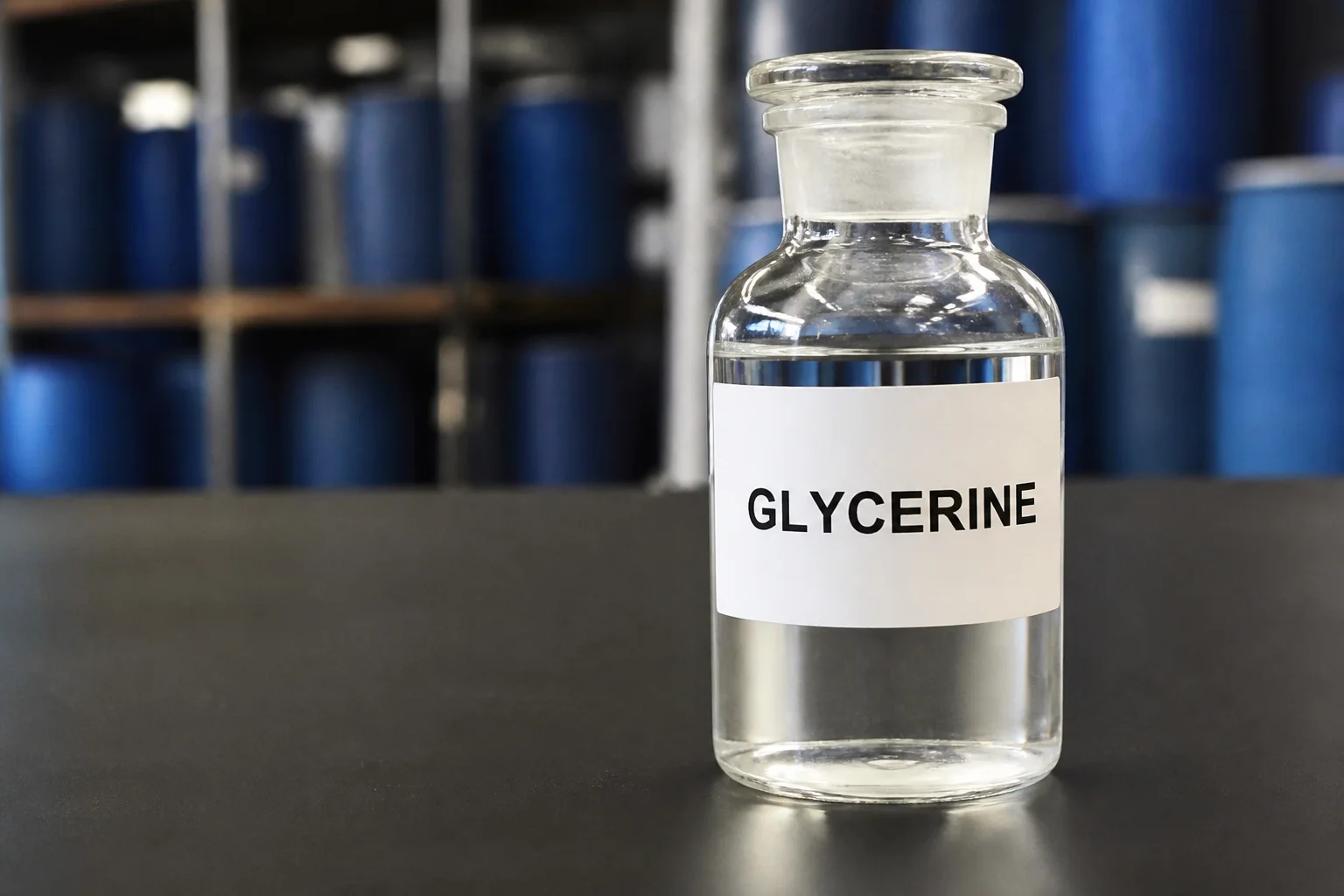
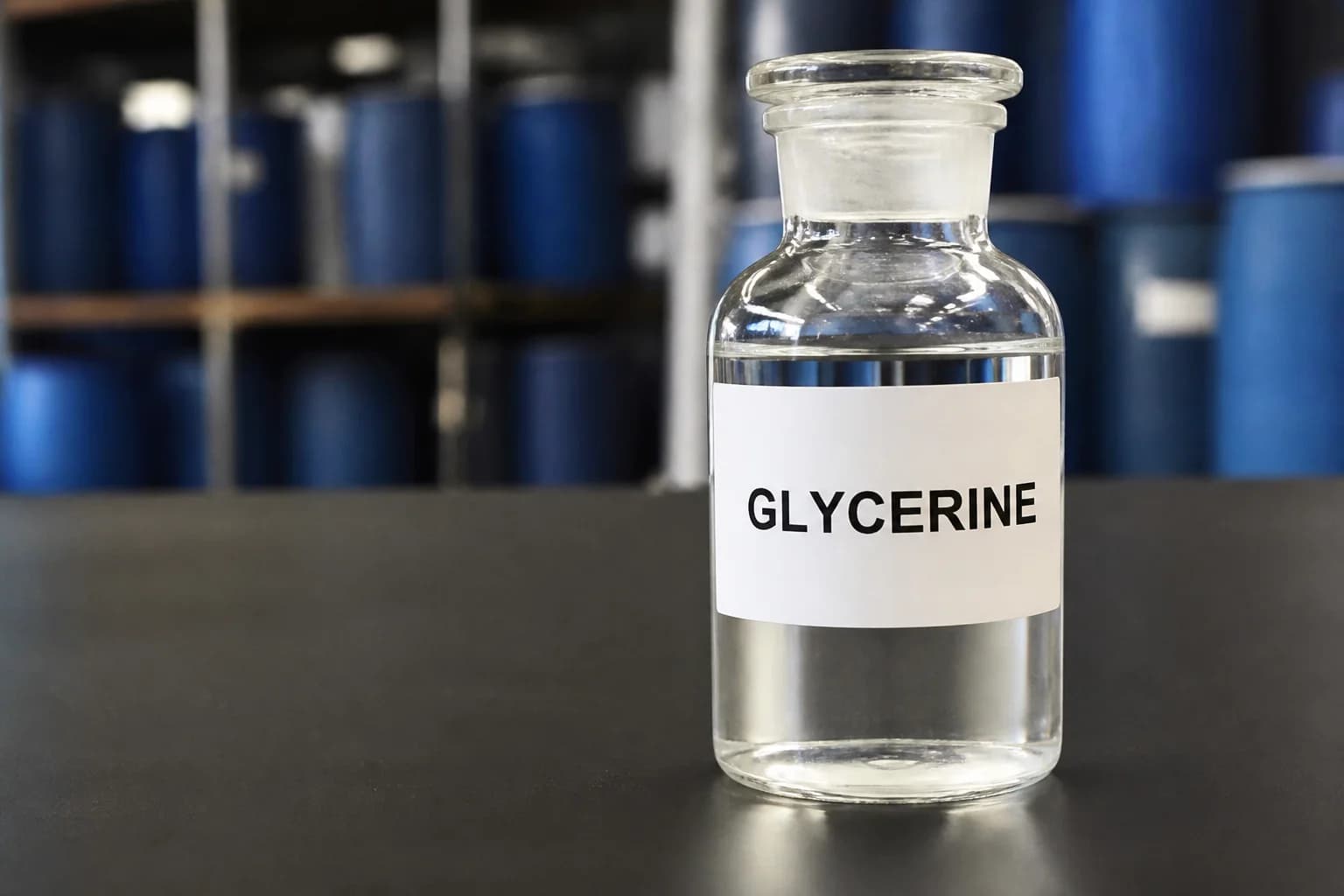
Glycerin, also called glycerol, is a three-carbon alcohol used across many personal care formulations. PubChem’s glycerol record lists glycerin and glycerol as synonyms for this substance. For formulators and buyers, the practical question is what role it can play in a finished product and what specification is required for that role.
So, what are the uses for glycerin in personal care? It is commonly evaluated as a humectant and may also support solvent selection, texture, processing, and product feel. Its contribution depends on the complete formula, the product format, the use level, the packaging, and the performance criteria set by the development team.
Before approving a material, buyers should review grade, source declaration, assay, impurity limits, water content, documentation, and target-market requirements. Elchemy’s glycerine product information can support an initial sourcing discussion, but it should be assessed against the product’s own specification and quality process.
Glycerin and glycerol refer to the same chemical substance, while commercial material may differ by source, purification process, grade, and specification. Source alone does not establish whether a material is suitable for a particular formula or market.
|
Supply consideration |
What the buyer should confirm |
Why it matters |
|
Source declaration |
Whether the supplier documents plant-derived, animal-derived, synthetic, or mixed feedstock |
Source can affect procurement policies, customer requirements, and claims review. |
|
Grade and specification |
Assay, water content, colour, odour, impurity limits, and the supplier’s test method |
The specification should match the intended formulation and quality system. |
|
Intended use |
Cosmetic, pharmaceutical, food, or industrial use, where applicable |
A grade name alone does not replace a formulation or regulatory review. |
|
Documentation |
Current specification, certificate of analysis, safety data sheet, and traceability records |
Documentation helps quality teams assess incoming material consistently. |
Do not describe a glycerin source as “natural,” “clean,” “sustainable,” or suitable for a regulated use unless the supplier documentation and the finished-product claim review support that wording.
Function of Glycerin in Personal Care Formulations
Glycerin is widely used as a humectant. In a finished formula, its purpose is evaluated with the complete ingredient system, product format, intended use, and performance testing.
|
Formulation function |
How formulators may assess it |
Typical product formats |
|
Humectancy |
Contribution to moisture-management performance and skin feel within the finished formula |
Lotions, creams, serums, cleansers |
|
Solvent support |
Compatibility with other soluble materials and the formula’s processing needs |
Toners, oral-care products, liquid cosmetics |
|
Texture and sensory contribution |
Influence on viscosity, slip, tack, and after-feel |
Emulsions, gels, colour cosmetics |
|
Processing support |
Handling characteristics during batching, mixing, and filling |
Product-specific and process-specific |
Glycerin is one option within a broader humectant system. For related formulation context, see Elchemy’s guide to humectants and emollients.
Where Glycerin Is Used in Personal Care Products
The following examples describe formulation contexts, not guaranteed finished-product outcomes. Confirm compatibility, stability, preservation, sensory performance, and regulatory status for each specific formula.
|
Product category |
Common reason to evaluate glycerin |
Formulation questions to test |
|
Cleansers |
To support the desired post-rinse feel |
Does it work with the surfactant system and rinse-off profile? |
|
Creams and lotions |
To contribute to a humectant system and product feel |
Does the level meet viscosity, tack, stability, and sensory targets? |
|
Serums and toners |
To support water-phase formulation design |
Is it compatible with the active ingredients, packaging, and preservation system? |
|
Hair conditioners and styling products |
To assess feel and moisture-management performance |
Does it meet the required texture, hold, and humidity-response profile? |
|
Colour cosmetics |
To assess texture, spread, and finished-product feel |
Does it remain compatible with pigments, waxes, and the chosen format? |
|
Oral-care products |
To assess processing and texture requirements |
Does the selected grade and formulation meet all intended-use requirements? |
Glycerin in Cosmetics: A Buyer’s View
For glycerin in cosmetics, the right decision is not simply whether to include the ingredient. The key question is whether the selected material and use level support the formula’s specification, performance testing, claims, and target-market requirements.
Safety and Regulatory Review for Glycerin Formulations
Glycerin is an ingredient, not a finished-product safety conclusion. The formula owner must assess the ingredient specification, concentration, impurities, intended use, exposure, preservation system, labelling, and target-market rules before launch.
In the United States, cosmetic ingredients generally do not require FDA premarket approval, except for colour additives. However, the company marketing the cosmetic remains responsible for product safety and labelling. Review the FDA’s cosmetic-ingredient guidance and complete a qualified regulatory and safety assessment for each finished product.
Pre-Launch Review Checklist
- Confirm the supplier’s current specification, certificate of analysis, and safety data sheet.
- Review the intended use, formula concentration, and potential impurities.
- Validate stability, microbiological quality, packaging compatibility, and preservation performance.
- Review all cosmetic, drug, therapeutic, and performance claims for the target market.
- Keep safety-substantiation records appropriate to the finished product and applicable regulations.
The Cosmetic Ingredient Review database provides ingredient-safety reviews, but it does not replace a finished-product assessment. Use qualified regulatory, safety, and formulation review before commercialisation.
For broader sourcing considerations, read Elchemy’s personal-care sustainability guide.
How to Source Glycerin for Personal Care Production
When sourcing glycerin, assess the material against the formula and quality-system requirements rather than selecting solely by a grade name or source claim.
- Request the current specification, certificate of analysis, safety data sheet, and source declaration.
- Confirm the grade, assay, impurity limits, water content, colour, odour, and test methods required by the formula.
- Ask whether the documentation supports the intended product category and target market.
- Review packaging, minimum order quantity, batch traceability, storage conditions, and delivery requirements with the supplier.
- Complete incoming-material approval and finished-formula testing before commercial use.
To discuss a glycerin requirement, Request a Sample with the intended application, grade requirement, target market, and documentation needs. For a commercial enquiry, use Elchemy’s contact form.
FAQs
What is glycerin used for in personal care products?
Glycerin is used in many personal care formulations as a humectant and can also contribute to solvent selection, texture, and product feel. Its role depends on the finished formula. Formulators should validate compatibility, stability, sensory performance, preservation, and regulatory fit for the intended use.
Is glycerin a humectant?
Yes. Glycerin is commonly used as a humectant in personal care formulations. In practice, formulators assess it as part of the full water phase and humectant system. The finished product’s performance depends on the formula, use level, packaging, climate conditions, and testing results.
What are the uses for glycerin in cosmetics?
In cosmetics, glycerin may be evaluated for its contribution to humectancy, texture, spread, and formula processing. It can appear in creams, lotions, cleansers, serums, colour cosmetics, and lip products. Its inclusion does not guarantee a consumer outcome; the complete formula requires testing.
Is glycerin a preservative?
Glycerin should not be treated as a substitute for a validated preservation system. Preservation design depends on the complete formula, water activity, packaging, manufacturing controls, intended use, and microbiological testing. Consult a qualified formulator or microbiologist when setting preservation requirements.
What glycerin is used for in hair-care products?
In hair-care products, glycerin can be assessed for its contribution to product feel and moisture-management performance. It may be considered for conditioners, creams, and styling products. The appropriate grade and level depend on the formula’s texture, hold, humidity response, processing, and finished-product testing.
What should buyers check before purchasing glycerin?
Buyers should check the current specification, certificate of analysis, safety data sheet, source declaration, traceability, packaging, and fit for the intended market. They should also confirm that the material’s test methods and quality limits match the finished formula and internal approval process.
Conclusion
What is glycerin used for in personal care products? It is commonly evaluated as a humectant and multifunctional formulation ingredient in skin care, hair care, oral care, cleansers, and colour cosmetics. Its value depends on how it performs within the full formula, rather than on a generic ingredient claim.
For procurement teams, the decision should begin with the intended use and specification. Confirm the material’s grade, assay, impurity limits, water content, source declaration, documentation, packaging, and traceability requirements. Then validate the finished product through appropriate stability, microbiological, compatibility, sensory, and regulatory review. For a glycerin sourcing discussion, documentation request, or sample enquiry, Request a Quote from Elchemy.