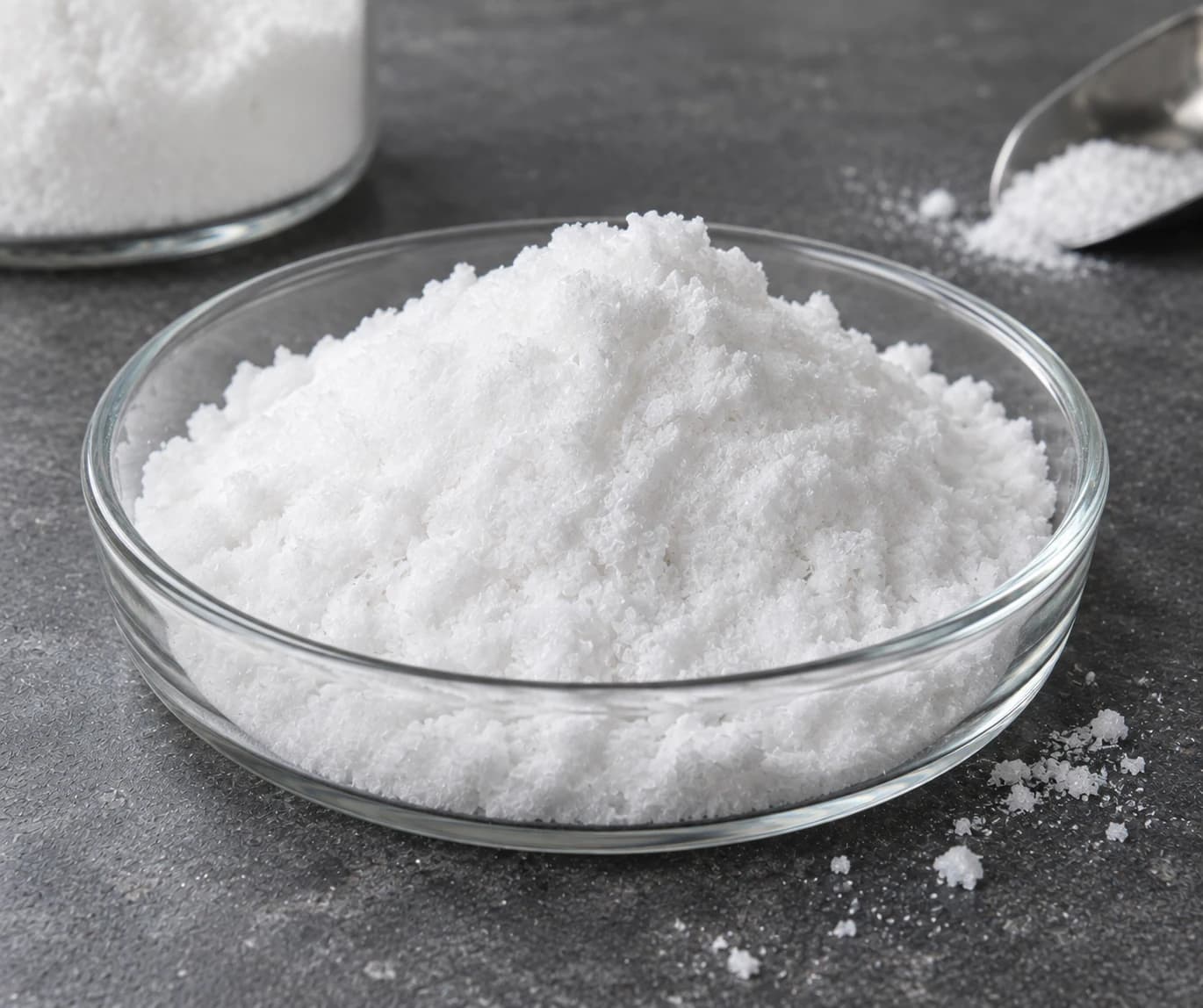
Sodium Lauryl Sulphate (SLS)
ELSURFACTM – SLS28
Live Prices for Sodium Lauryl Sulphate (SLS)
View live pricing & request bulk enquiry for this product on Elixir.
 Free Samples Available
Speed Up Your Sample Testing Process
We deliver domestic samples within 24 - 48 hours, helping you evaluate product without delays.
SLS is a surfactant used in cleaning and foaming to reduce surface tension between substances. It's common in home cleaners, cosmetics, and self-care items. SLES shares a similar chemical formula but…
CAS Number
151-21-3
HS Code
34.02.11.10
INCI Name
Sodium Lauryl Sulfate (SLS)
Molecular Formula
C₁₂H₂₅NaO₄S
Sodium Lauryl Sulphate (SLS)
ELSURFACTM – SLS28
SLS is a surfactant used in cleaning and foaming to reduce surface tension between substances. It's common in home cleaners, cosmetics, and self-care items. SLES shares a similar chemical formula but is less harsh and irritable.
CAS Number
151-21-3
INCI Name
Sodium Lauryl Sulfate (SLS)
HS Code
34.02.11.10
Molecular Formula
C₁₂H₂₅NaO₄S
Live Prices for Sodium Lauryl Sulphate (SLS)
View live pricing & request bulk enquiry for this product on Elixir.
Free Samples AvailableSpeed Up Your Sample Testing Process
We deliver domestic samples within 24 - 48 hours, helping you evaluate product without delays.
 By
Specialty chemicals, delivered right
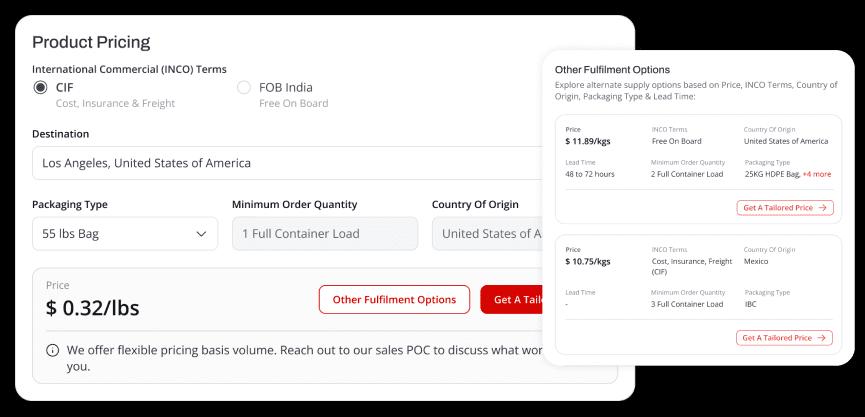
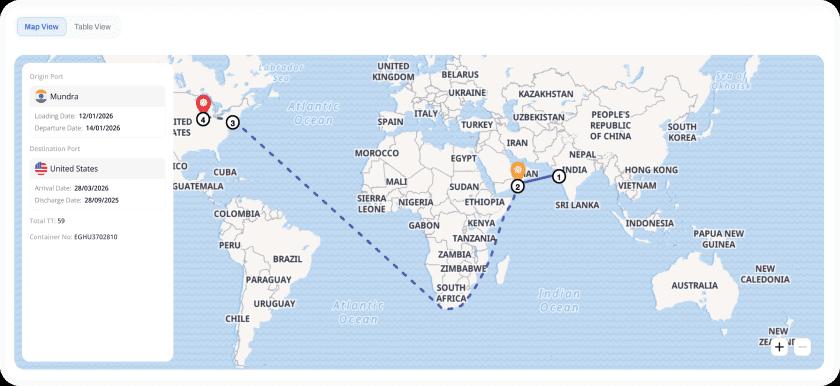
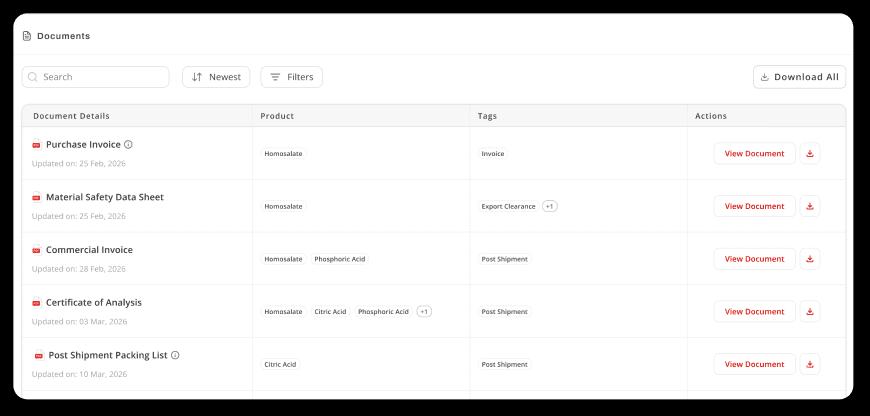
Access live, grade-specific pricing for every chemical, so your teams talks with data, not intuition on Elixir.
Compare fulfilment options across grades, INCO terms, origins, and lead times: all in one platform.

Live, transparent pricing
Real-time quotes across 12,000+ specialty chemicals.
Product Specification
Physical Properties
| Property | Specification |
|---|---|
| Appearance | White powder |
| Odor | Faint odor of fatty substances |
| Molecular Weight (G/Mol) | 288.38 |
| Density Or Specific Gravity | greater than 1.1 at 68 °F |
| Ph (If Aqueous Solution) | 9.1 at 10 g/l |
Chemical Properties
| Property | Specification |
|---|---|
| Water Solubility | 15g/100ml at 20 °C |
| Hazardous Reactions | When heated to decomposition it emits toxic fumes of /sulfur oxides and sodium oxides |
| Pka | 1.84 ± 0.10 (predicted) |
| Incompatibilities | Strong oxidizing agents |
Thermal Properties
| Property | Specification |
|---|---|
| Melting Point | 399 to 405 °F |
| Decomposition Temperature | Decomposition Temperature |
| Thermal Stability | Stable at ambient temperature; decomposes on strong heating |
Processing Methods & Reference Formulations
A. Shampoo
Pre-dilute Sodium Lauryl Sulfate with deionized water before adding to the shampoo batch to prevent gel formation and viscosity issues. Add it slowly under moderate stirring, ideally after amphoteric surfactants like cocamidopropyl betaine.
| Key Ingredients | Indicative Dosage (% w/w) |
|---|---|
| Sodium Lauryl Sulfate (28% active) | 40% |
| Cocamidopropyl Betaine | 10% |
| Glycerin | 3% |
| Sodium Chloride | 1% |
| Preservative (e.g., DMDM Hydantoin) | 0.3% |
| Fragrance | 0.2% |
| Purified Water | 40-50% |
B. Body Wash
Pre-dilute Sodium Lauryl Sulfate with deionized water before adding to the body wash to avoid viscosity spikes and clumping. Add it slowly under gentle stirring, ideally after milder surfactants to improve skin compatibility.
| Key Ingredients | Indicative Dosage (% w/w) |
|---|---|
| Primary surfactants (SLS) | 10-20% |
| Secondary surfactants (CAPB, CAO, CDEA etc.) | 2-8% |
| Thickening agents | 0.1-3% |
| Fragrances and Essential oils | 0.1-1% |
C. Liquid Soap
In liquid soap formulation, add Sodium Lauryl Sulfate (SLS) slowly to the water phase under gentle stirring to prevent excessive foaming and ensure complete dissolution.
| Key Ingredients | Indicative Dosage (% w/w) |
|---|---|
| Sodium Laureth Sulfate (SLES 70%) | 5% |
| Sodium Lauryl Sulfate (SLS 92%) | 1.5% |
| Cocamidopropyl Betaine | 5% |
| Cocamide DEA (CDEA) | 1% |
| Glycerin | 1% |
| EDTA-2Na | 0.1% |
| Salt | 2% |
| Deionized Water | 80-90% |
D. Skin cleansers
In skin cleanser formulation, add Sodium Lauryl Sulfate (SLS) to the water phase slowly with constant gentle stirring to prevent lumping and excessive foaming.
| Key Ingredients | Indicative Dosage (% w/w) |
|---|---|
| Water (Aqua) | 60% |
| Glycerin | 5% |
| Sodium Lauryl Sulfate (SLS) | 10% |
| Cocamidopropyl Betaine | 5% |
| Citric Acid | 0.5% |
| Sodium Chloride | 0.5% |
| Phenoxyethanol | 0.8% |
| Ethylhexylglycerin | 0.2% |
| Fragrance | 0.5% |
Dosing Guidelines
A. Dosing by Application
| Products | Authorized dosage |
|---|---|
| Shampoos | 3-30% |
| Body washes | 3-30% |
| Toothpaste | 1-3% |
| Facial cleansers | 5-20% |
About Sodium Lauryl Sulphate (SLS)
Sodium Lauryl Sulphate (SLS) - also called sodium dodecyl sulfate (SDS) or K12 - is a powerful anionic surfactant (CAS 151-21-3, C₁₂H₂₅NaO₄S) made by sulfating lauryl alcohol, derived from coconut or palm. It is a high-foaming detergent and emulsifier best known as the primary foaming agent in toothpaste, and as a workhorse cleanser in shampoos, body washes, powdered detergents and industrial cleaners. It is supplied as needles, powder, granules (~90% active) or a ~28–30% liquid.
SLS is the non-ethoxylated 'parent' of Sodium Laureth Sulphate (SLES): chemically similar but stronger and more stripping, which makes it the surfactant of choice where high foam and detergency matter, such as toothpaste and powders, while SLES is the milder choice for leave-on-adjacent skin products. Elchemy is a trusted SLS supplier, manufacturer partner and distributor, delivering cosmetic/USP and technical grades in every form to buyers across 40+ countries, with a COA on every batch and samples within 24–48 hours.
Sodium Lauryl Sulphate (SLS) Suppliers, Manufacturers & Distributors
Elchemy is a trusted SLS supplier, manufacturer partner and distributor, serving oral-care, personal-care, home-care and industrial cleaning manufacturers across the USA, UK, UAE and 40+ countries. Every sodium lauryl sulfate manufacturer in our network is pre-audited, so you get consistent cosmetic/USP or technical-grade SLS - needles, powder or liquid - with a Certificate of Analysis on every batch.
Where to Buy Sodium Lauryl Sulphate (SLS) in Bulk
Looking for where to buy SLS in bulk? Elchemy supplies bulk sodium lauryl sulphate - needles, powder and liquid - from trial quantities to full container loads, in cosmetic, USP/pharmaceutical and technical grades, with US domestic stock for faster delivery. Submit the quote form with your form, grade and volume for pricing within 24–48 hours.
Sodium Lauryl Sulphate Price: Bulk Pricing & Price per Kg
The sodium lauryl sulphate price moves with lauryl-alcohol feedstock from coconut or palm, active-matter grade, form and volume, so Elchemy quotes live rather than publishing a fixed rate. Buyers benchmark the SLS price per kg for trial lots and the per-MT rate for contracts. Request a quote for an exact figure within 24–48 hours.
Sodium Lauryl Sulphate Manufacturing Process
SLS is produced by sulfating lauryl (dodecyl) alcohol - derived from coconut or palm-kernel oil - with sulfur trioxide (SO₃) or chlorosulfonic acid, then neutralising the sulfate ester with caustic soda to form the sodium salt, which is dried to needles or powder, or supplied as a liquid.
Key raw materials are lauryl alcohol, sulfur trioxide and caustic soda. Every batch Elchemy supplies is tested for active matter, unsulfated matter and inorganic salts, with a COA per order.
Grades & Forms
- Needles (≥90% active) - toothpaste and powders; fast dissolving with low dust
- Powder (≥90% active) - dry blends, toothpaste and powdered detergents
- Granules (≥90% active) - low-dust handling
- Liquid (28–30% active) - ready-to-use liquid cleansers
- USP / Pharmaceutical - toothpaste, tablets and pharmaceutical use as an excipient or wetting agent
SLS vs SLES: Which to Choose
These two are constantly compared, and the difference comes down to one ethoxylate group:
- SLS (sodium lauryl sulfate, CAS 151-21-3) - not ethoxylated, stronger and more stripping. Supplied as needles, powder or ~28% liquid. Best for toothpaste, powders and industrial cleaning.
- SLES (sodium laureth sulfate) - ethoxylated with 2–3 EO, which makes it milder. Supplied as a 70% paste or liquid. Best for shampoo, body wash and facial cleansers.
Buy SLS in Bulk - Packaging & Logistics
SLS needles and powder ship in 25 kg kraft or PE bags and 500–700 kg jumbo bags; liquid SLS ships in drums and IBC totes.
US domestic stock supports faster fulfilment. Material from other origin countries typically transits 24–28 days to the US East Coast, on FOB, CIF or DDP terms. Store sealed in a cool, dry, ventilated place - the powder is mildly hygroscopic and dust should be minimised during handling.
Why Choose Elchemy as a Trusted SLS Supplier
- Every form and grade - needles, powder, granules and liquid; cosmetic/USP and technical grades from one partner
- Full documentation - COA, TDS and GHS SDS with every order; Halal, Kosher and vegan or RSPO declarations on request
- Samples in 24–48 hours - qualify form and grade before any bulk order
- Tailored options - custom active levels and packaging via custom manufacturing
Safety & Handling
SLS is a skin and eye irritant in concentrated form, and the powder can irritate the respiratory tract as dust. Handlers should wear gloves, goggles and a dust mask, avoid creating dust clouds, and work with ventilation.
In finished rinse-off products at normal use levels it is well tolerated and is FDA-permitted for cosmetic and oral-care use. Flush with water on contact. A full GHS-aligned SDS ships with orders.
Production Technique and Raw Materials
Made by sulfation of lauryl alcohol, derived from coconut or palm-kernel oil, with SO₃ or chlorosulfonic acid, followed by neutralisation with caustic soda and drying. Key raw materials are lauryl alcohol, sulfur trioxide and caustic soda.
Tentative Side Effects
In rinse-off products at normal levels SLS is well tolerated, but as a strong surfactant it can dry or irritate skin and eyes on prolonged or concentrated contact, which is why sensitive-skin and sulfate-free ranges often choose milder alternatives. It is not carcinogenic; the common concern relates to irritation potential, not toxicity, at cosmetic use levels.
Regulatory Compliance
| Region | Max Allowed Level | Notes | Certification Body |
|---|---|---|---|
| China | - | No specific statutory maximum | - |
| India | - | No specific BIS limit for SLS | - |
| Japan | - | No explicit max for finished products. | - |
| Republic of Korea | - | No specific statutory maximum | - |
| United States | 1% | FDA allows SLS up to 30% in rinse-off products; for leave-on, should not exceed 1% due to irritation risk | FDA |
| ASEAN | - | No specific statutory maximum | - |
| European Union | 1% | EU Cosmetics Regulation caps SLS at 1% in leave-on products; rinse-off products can contain higher levels | SCCS (Scientific Committee on Consumer Safety) |
Know Exactly What You’re Getting
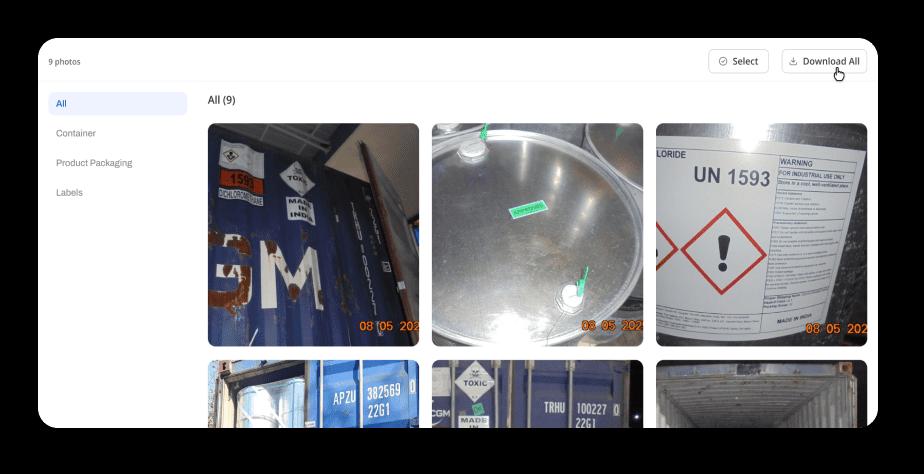
We share stuffing photos for your order, so you see how it’s packed before it leaves.
 Batch-labelled drums and bags
- Lashed and secured for sea transit
- Inspected before sealing
FAQs - Sodium Lauryl Sulphate (SLS)
Related Products

Related Products

Streamline
Your Chemical
Procurement
Get fast responses from real experts