

Introduction
Color is rarely an afterthought in manufacturing; it is a performance specification. Behind the vivid reds of an automotive finish, the consistent yellow of a food-grade plastic crate, or the precise shade of a lipstick sits a carefully chosen organic pigment. These carbon-based colorants deliver the brightness, tinting strength, and shade range that modern paints, plastics, inks, and cosmetics demand, while increasingly meeting the eco-friendly, heavy-metal-free expectations of regulators and consumers alike.
Organic pigments are now central to a global colorants market that analysts broadly value in the high single-digit to mid-teens USD billions (estimates vary by scope and methodology), growing at roughly 4–7% a year through the early 2030s. Demand is being reshaped by sustainability rules from the EU’s microplastics restrictions to California’s Safer Consumer Products mandates and by innovations such as Nature Coatings’ bio-based BioBlack, launched in 2025 as a carbon-negative alternative to petroleum-derived carbon black.
This guide explains what organic pigments are, the main chemical families, and most importantly how they are used across paints, plastics, cosmetics, and broader industrial manufacturing. If you are evaluating suppliers, pair this with our companion guide on how to choose organic pigment manufacturers, and for the colorant fundamentals see organic dyes vs organic pigments.
At a Glance
- Organic pigments are carbon-based, insoluble colorants dispersed (not dissolved) into a medium prized for bright, high-chroma shades and strong tinting strength.
- The major chemical families are azo (yellows, oranges, reds the largest group), phthalocyanine (blues and greens), quinacridone (reds and violets), and high-performance pigments such as DPP and benzimidazolone.
- Largest application areas are paints & coatings and printing inks, followed by plastics and cosmetics; Asia-Pacific leads global consumption.
- Key performance metrics: lightfastness, heat stability, weather resistance, migration/bleed resistance, tinting strength, and dispersibility.
- Sustainability is the defining trend; heavy-metal-free, low-migration, and bio-based grades are gaining share under tightening EU and US regulation.
What you’ll get: what organic pigments are and how they differ from inorganic pigments and dyes, the main pigment chemistries, how they’re used in paints, plastics, cosmetics, and industry, and what to look for when sourcing.
What Are Organic Pigments?
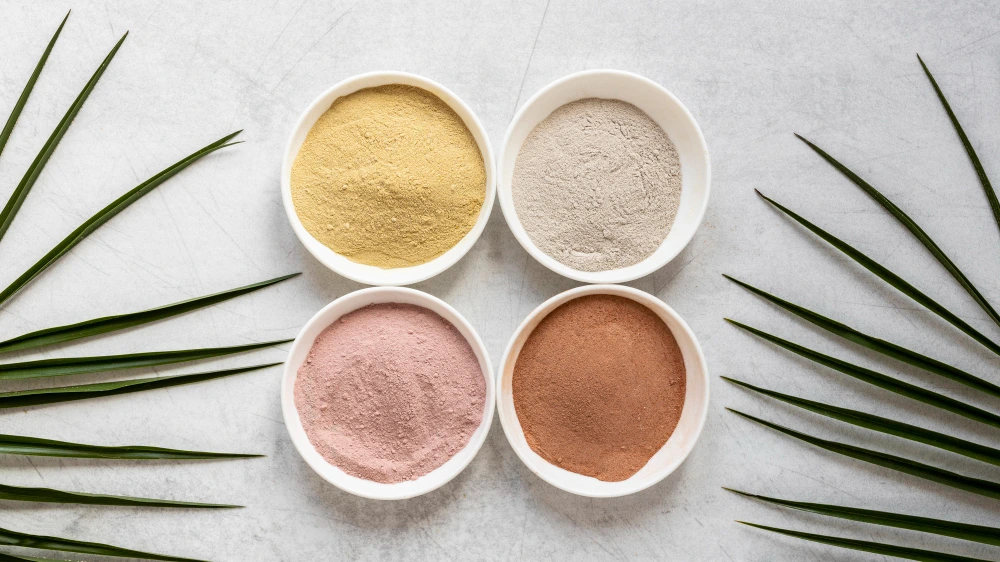
Organic pigments are colorants built on carbon-based molecular structures typically synthesised from petrochemical or, increasingly, bio-based feedstocks. Unlike dyes, which dissolve in their application medium, pigments are insoluble: they exist as fine solid particles (commonly around 0.5–2 microns) that must be dispersed into a binder, resin, or polymer to deliver color. This particulate nature is what gives pigments their durability and resistance to bleeding once locked into a cured film or moulded part.
Compared with inorganic pigments (such as iron oxides or titanium dioxide), organic pigments are generally brighter, more transparent, and offer far higher tinting strength and a wider, cleaner shade range but they can be harder to disperse and more variable in heat and light stability. Crucially, most organic pigments avoid the heavy metals found in some classic inorganic colorants, which is a major reason they are displacing older chemistries under modern environmental rules. For a clear breakdown of the colorant categories, see organic dyes vs organic pigments.
Types of Organic Pigments (Chemistry Families)
Organic pigments are grouped by their chromophore, the part of the molecule responsible for color. The main commercial families are:
| Pigment Family | Typical Colors | Key Strengths | Common Uses |
| Azo (monoazo, disazo) | Yellow, orange, red | Bright, cost-effective, good lightfastness | Inks, plastics, decorative paints |
| Phthalocyanine (Cu-complex) | Blue, green | Excellent light, heat & chemical stability | Automotive coatings, plastics, premium inks |
| Quinacridone | Red, magenta, violet | Outstanding lightfastness & weatherfastness | Automotive, high-end coatings, cosmetics |
| DPP (diketopyrrolopyrrole) | Red, orange | High-performance, heat-stable | Engineering plastics, durable coatings |
| Benzimidazolone / isoindolinone | Yellow, orange, red, brown | Migration & solvent resistance (HPP) | High-spec plastics & coatings |
| Dioxazine | Violet | Very high tinting strength | Inks, plastics, toners |
Pigments are identified globally by their Colour Index (C.I.) name for example Pigment Blue 15:1 (a phthalocyanine blue), Pigment Green 7, Pigment Red 122 (a quinacridone magenta), or Pigment Violet 19. Many azo pigments are produced from intermediates such as acetoacetanilide, a key coupling component Elchemy supplies.
Organic Pigments Market: Latest Data and Trends
Azo pigments remain the single largest type by volume commonly cited at around 38–40% of the market thanks to their affordability and broad yellow-to-red shade range. By application, paints & coatings and printing inks vie for the leading position, with plastics and cosmetics close behind. Asia-Pacific dominates consumption (frequently cited between roughly 30% and 50% of global volume depending on the dataset), driven by China’s pigment output and India’s fast-growing coatings and textile sectors; industry reporting put India’s organic pigment demand up around 11% in FY 2024–25.
Three trends are reshaping sourcing priorities: tightening regulation (EU microplastics restrictions, REACH updates, and California’s substitution pressure on certain flagged azo pigments toward quinacridone and phthalocyanine alternatives); the rise of bio-based and low-migration grades; and rising demand for nano-milled, easy-dispersing pigments for water-based, low-VOC systems. Track the latest in our market insights hub.
How Organic Pigments Are Used in Manufacturing
Across every industry, the workflow is similar: the pigment powder (or a pre-dispersed paste/masterbatch) is wetted and dispersed into the host system, where particle size, surface treatment, and crystal form determine the final color strength, transparency, and stability. The application itself dictates which pigment chemistry is viable.
Organic Pigments for Paints and Coatings
Paints and coatings are the flagship application. Here, organic pigments for paints must survive years of UV exposure, weather, and chemical attack without fading or chalking so high-performance quinacridones, phthalocyanines, and DPPs dominate exterior architectural and automotive finishes, while azo pigments serve cost-sensitive decorative paints. The shift to water-based, low-VOC acrylics has raised the bar on dispersibility and flocculation resistance. Explore Elchemy’s CASE / coatings industry solutions.
Organic Pigments for Plastics and Masterbatch
In plastics, organic pigments for plastics must withstand high processing temperatures (often 200–280°C) and resist migration and plate-out during moulding and extrusion. Heat-stable quinacridones, DPPs, and benzimidazolones are favoured for engineering polymers and outdoor parts, while azo grades color packaging and consumer goods. Pigments are typically delivered as masterbatch or pre-dispersed concentrates for consistent let-down.
Organic Pigments for Printing Inks
Printing inks flexographic, gravure, offset, and inkjet are among the largest consumers of organic pigments, riding the e-commerce packaging boom. Azo reds and yellows, phthalocyanine blues and greens, and dioxazine violets deliver the chroma and transparency that process printing demands, with nano-milled grades enabling high-resolution inkjet.
Organic Pigments for Cosmetics
In color cosmetics, organic pigments for cosmetics provide the vivid, high-chroma shades that mineral colorants cannot particularly the bright reds, pinks, and violets in lipsticks, blushes, and nail polish. Cosmetic use is tightly regulated (FDA-listed colorants, with batch certification required for many synthetic organics), and pigments are often supplied as lakes a soluble dye precipitated onto an insoluble substrate to behave like a pigment. Organic colorants are frequently paired with inorganic iron oxides and titanium dioxide for coverage and stability. See Elchemy’s personal care ingredient solutions.
Other Industrial Applications
Beyond the big four, industrial organic pigments color textiles (pigment printing), rubber, paper, leather, sealants, and specialty coatings. Where natural or food-contact color is needed, bio-based colorants such as carotene and chlorophyll come into play a fast-growing area as brands respond to the US food dye reforms.
What Are Organic Pigments Used For?
Organic pigments are used to add bright, durable, high-chroma color to paints and coatings, plastics and masterbatch, printing inks, cosmetics, textiles, rubber, and paper. Because they are insoluble and dispersed as fine particles, they resist bleeding and fading once locked into a cured or moulded product making them the colorant of choice wherever vivid shades and long-term stability are required. The specific pigment family (azo, phthalocyanine, quinacridone, DPP, and others) is selected to match the heat, light, and chemical demands of each application.
Organic vs Inorganic Pigments: Which Should You Choose?
Many real-world formulations blend both pigment types, because each solves a different problem. The decision usually comes down to the balance of chroma, opacity, durability, and cost your product needs.
| Factor | Organic Pigments | Inorganic Pigments |
| Color & chroma | Bright, clean, wide shade range | More muted, earthy tones |
| Tinting strength | High | Lower |
| Opacity | Often transparent | Generally opaque |
| Lightfastness | Grade-dependent (HPPs excellent) | Usually very high |
| Heavy metals | Mostly heavy-metal-free | Some contain heavy metals |
| Typical cost | Higher (esp. HPP grades) | Lower |
In practice, a coatings formulator might use a phthalocyanine blue (organic) for chroma alongside titanium dioxide (inorganic) for opacity, or pair a quinacridone red with iron oxide to balance brilliance and stability. The trend, however, is clearly toward organic and bio-based chemistries as heavy-metal and microplastic regulations tighten across the EU and US.
Sustainability and the Future of Organic Pigments
Sustainability has moved from marketing to specification. Brand owners increasingly require heavy-metal-free, low-migration, and bio-based colorants with full traceability and regulators are accelerating the shift. The EU’s microplastics restriction and REACH updates are steering formulators toward low-migration and biodegradable grades, while California’s Safer Consumer Products framework is pressuring incumbents to upgrade toxicology data on certain azo pigments. Innovations such as bio-based carbon black and fermentation-derived natural colorants point to where the market is heading. Buyers who build a verified, well-documented, multi-source supply base now will adapt to these changes far more smoothly. See Elchemy’s sustainability approach.
Sourcing Organic Pigments
Because performance hinges on particle size, surface treatment, crystal form, and system compatibility, the right grade backed by consistent batches and full documentation (TDS, SDS, COA, REACH and heavy-metal data) matters as much as the pigment chemistry itself. Elchemy connects manufacturers to a verified network of pigment producers, with samples for application testing before bulk commitment. For a full supplier-selection framework, read how to choose organic pigment manufacturers.
Source the Right Organic Pigment for Your Application
Tell Elchemy your color target, application, and volume, and we’ll match you to a verified pigment grade with a documentation-backed sample before you commit to bulk.
Conclusion
Organic pigments are the quiet engineering behind the color of modern products delivering the brightness, consistency, and durability that paints, plastics, inks, and cosmetics depend on, while increasingly meeting heavy-metal-free and sustainability requirements. Choosing the right pigment family for your application, and a supplier who can document and reproduce it batch after batch, is the difference between color that performs and color that fails. Explore Elchemy’s product catalogue and sustainability approach, or get a quote to start sourcing.
Frequently Asked Questions
What are organic pigments used for?
Organic pigments add bright, durable color to paints and coatings, plastics, printing inks, cosmetics, textiles, rubber, and paper. They are chosen wherever vivid, high-chroma shades and resistance to fading or bleeding are required, with the specific pigment family selected to match each application’s heat, light, and chemical demands.
What is the difference between organic and inorganic pigments?
Organic pigments are carbon-based, generally brighter, more transparent, and higher in tinting strength, but can be harder to disperse and more variable in heat and light stability. Inorganic pigments (such as iron oxides and titanium dioxide) are typically more opaque and very stable but offer a narrower, more muted shade range. Many formulations combine both.
Which organic pigments are best for plastics?
Plastics need heat-stable, migration-resistant pigments because of high processing temperatures. Quinacridones, DPP (diketopyrrolopyrrole), benzimidazolones, and phthalocyanines are common high-performance choices, while azo grades suit cost-sensitive packaging and consumer goods. Pigments are usually supplied as masterbatch for consistent dosing.
Are organic pigments safe for cosmetics?
Many organic pigments are approved for cosmetic use, but cosmetic colorants are tightly regulated in the US, certain synthetic organic colorants require FDA batch certification, and pigments are often used as lakes. Always confirm the specific colorant is approved for your market and application, and that full documentation is provided.
What are the main types of organic pigments?
The main families are azo (yellow/orange/red, the largest group), phthalocyanine (blue/green), quinacridone (red/violet/magenta), DPP (red/orange), benzimidazolone and isoindolinone (high-performance), and dioxazine (violet). Each is identified by a Colour Index (C.I.) name such as Pigment Blue 15:1 or Pigment Red 122.
Need help matching a pigment to your product? Talk to an Elchemy sourcing expert.