

At a Glance:
- Titanium dioxide market valued at $22 billion in 2024, projected to hit $40 billion by 2032
- Paint and coatings consume 52% of global TiO2 production
- Used in everything from house paint to toothpaste to pharmaceutical tablets
- FDA-approved for food, cosmetics, and sunscreen in the US; EU banned food use in 2022
- Asia-Pacific leads consumption with 54% market share
Look around your room right now. White walls? That’s titanium dioxide. White ceiling? TiO2. Plastic light switches? Probably titanium dioxide. If you brushed your teeth this morning, ate yogurt for breakfast, or put on sunscreen, you encountered titanium dioxide multiple times before noon.
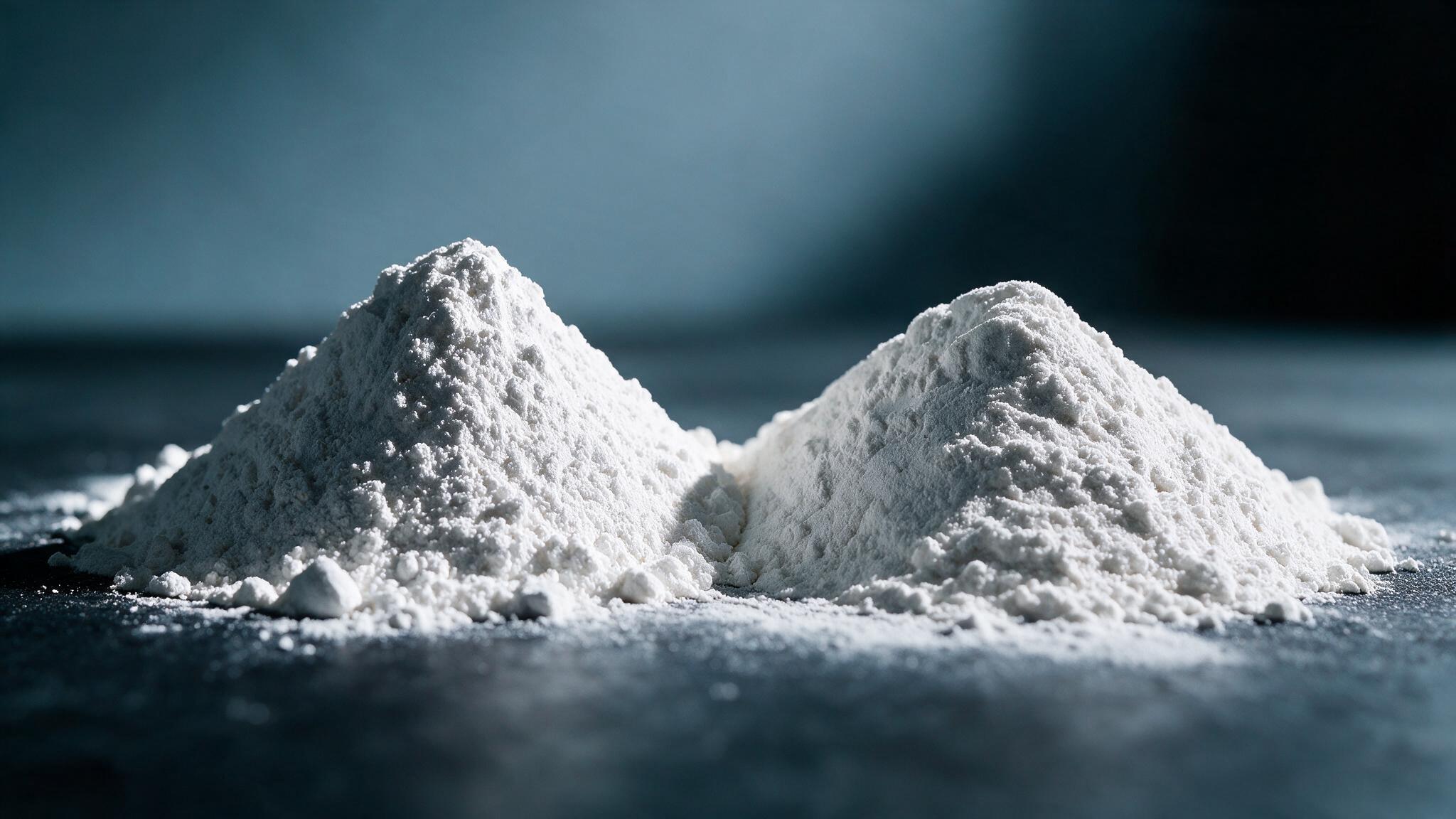
Most people have never heard of it. But titanium dioxide (TiO2) is one of those industrial chemicals that’s absolutely everywhere once you start noticing. It’s what makes white things white. And not just white—it’s what makes lots of colors brighter, more opaque, and more durable.
The uses of titanium dioxide span pretty much every industry you can think of. Paint companies buy it by the trainload. Cosmetics brands put it in foundation and sunscreen. Food manufacturers use it to make icing whiter and candy shinier. Drug companies coat pills with it. Paper mills mix it in to make paper brighter.
Understanding titanium dioxide uses matters because this one compound shows up in so many different applications—and the regulations around it vary wildly depending on what you’re using it for.
Why TiO2 Works So Well
Before getting into specific industries, it helps to understand what makes titanium dioxide special. This white powder has properties that are hard to replicate with alternatives.
The Whiteness Factor:
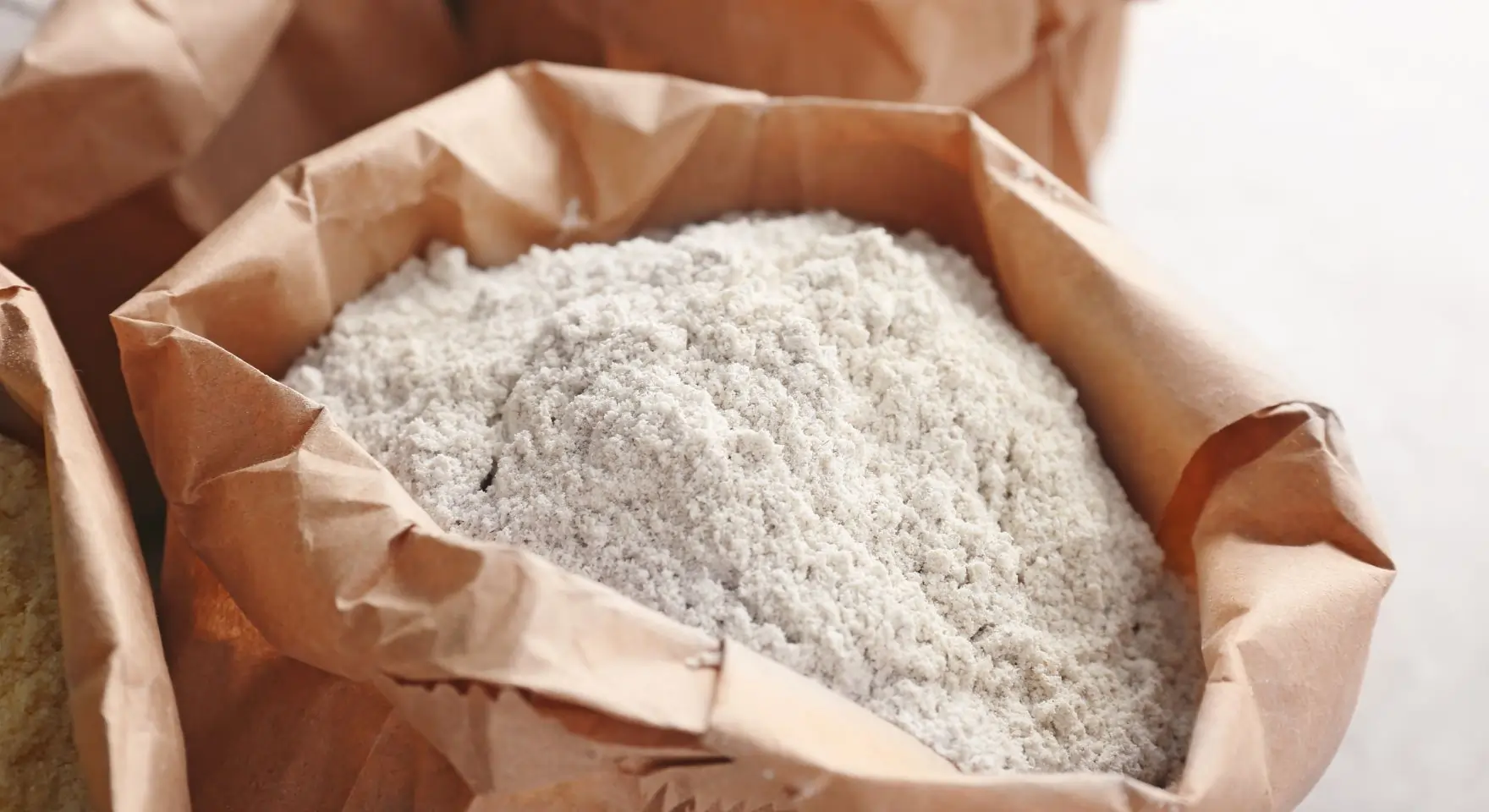
Titanium dioxide is one of the whitest substances on earth. It has an extremely high refractive index (n = 2.4), which means it bends and scatters light really effectively. When light hits TiO2 particles, it bounces off in all directions. That scattering is what creates intense whiteness and opacity.
This matters because you need way less TiO2 to achieve opacity compared to other white pigments. A paint formulated with titanium dioxide can cover a dark surface in fewer coats than paint without it. That saves money and time.
UV Protection:
TiO2 absorbs ultraviolet light really well. This protects materials from sun damage—paints don’t fade as fast, plastics don’t crack and yellow, fabrics maintain color longer. In sunscreens, TiO2 blocks UV rays from reaching skin.
Chemical Stability:
Titanium dioxide doesn’t react with much. It’s chemically inert under normal conditions. That stability means it won’t change color over time, won’t degrade, won’t interact with other ingredients in complex formulations. For long-lasting products, that’s crucial.
Paints and Coatings: Where Most TiO2 Goes
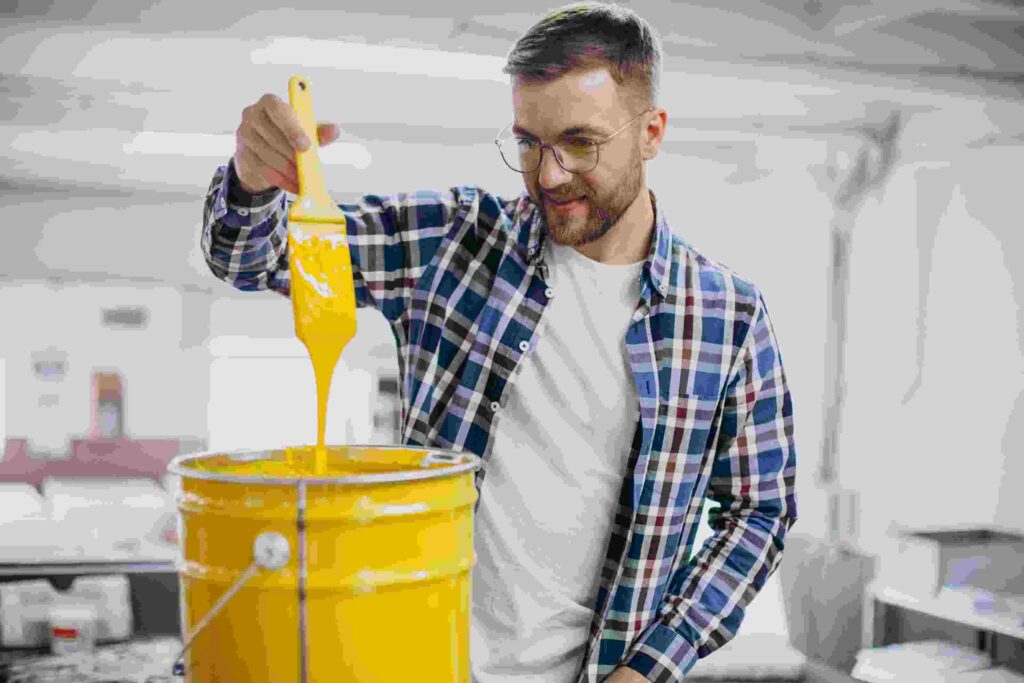
About 52% of all titanium dioxide produced ends up in paint and coating applications. That’s over half of a $22 billion market. Paint companies are the dominant customers.
Why Paint Needs TiO2
Pure paint without titanium dioxide is translucent. You’d need five or six coats to cover a wall. Add TiO2 and suddenly two coats do the job. The opacity comes from those light-scattering properties—TiO2 particles reflect and scatter light so effectively that very little passes through.
The amount varies. Budget paints might use less TiO2 (cheaper but require more coats). Premium paints pack in more TiO2—they cost more per gallon but cover better and last longer.
Types of Paint Using TiO2
- Architectural coatings: Interior and exterior house paints
- Automotive paints: Car finishes need UV protection and durability
- Industrial coatings: Machinery, equipment, infrastructure
- Marine coatings: Ships and offshore structures
- Powder coatings: Metal finishing applications
Construction drives demand here. When building activity increases, paint sales spike, which means titanium dioxide demand jumps. Asia-Pacific’s rapid urbanization explains why that region consumes 54% of global TiO2—lots of new buildings needing paint.
Titanium Dioxide Used For Plastics
Plastics are the second-biggest market for TiO2. This application is all about color and UV protection.
White plastic products—PVC pipes, plastic furniture, automotive parts, appliances—get their color from titanium dioxide. Without it, most plastics are naturally translucent or off-white. TiO2 makes them bright white and opaque.
But titanium dioxide’s role goes beyond aesthetics. UV light degrades plastic over time. Outdoor furniture becomes brittle. Car bumpers crack. PVC pipes weaken. Adding TiO2 protects the plastic matrix from UV damage, extending product life significantly.
The automotive industry uses TiO2-filled plastics extensively. Bumpers, interior trim, exterior panels—many car components are plastic coated with TiO2 for both appearance and durability. As manufacturers push for lighter vehicles (better fuel economy), plastic usage increases, driving TiO2 demand.
Cosmetics and Sunscreen: The Beauty Industry
Walk down the cosmetics aisle and titanium dioxide shows up in most products.
Cosmetic Applications
Foundation, concealer, powder, blush—basically anything meant to provide coverage contains TiO2. It creates the opaque effect covering skin imperfections. The FDA explicitly allows TiO2 in cosmetics intended for eye area use, which means eyeshadow, eyeliner, and mascara commonly include it.
Lipstick uses titanium dioxide to make colors more opaque and vibrant. Pure pigments without TiO2 would be semi-transparent. Adding TiO2 makes them pop.
Sunscreen: The UV Blocker
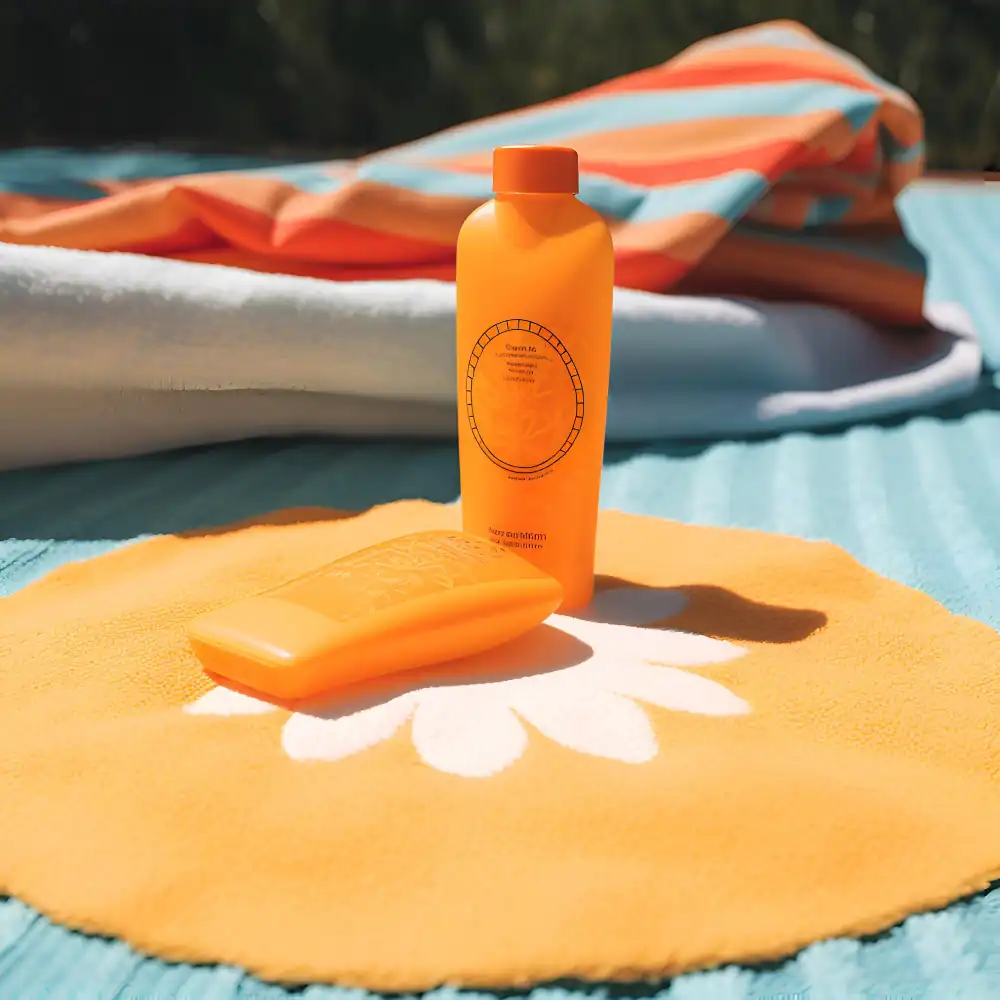
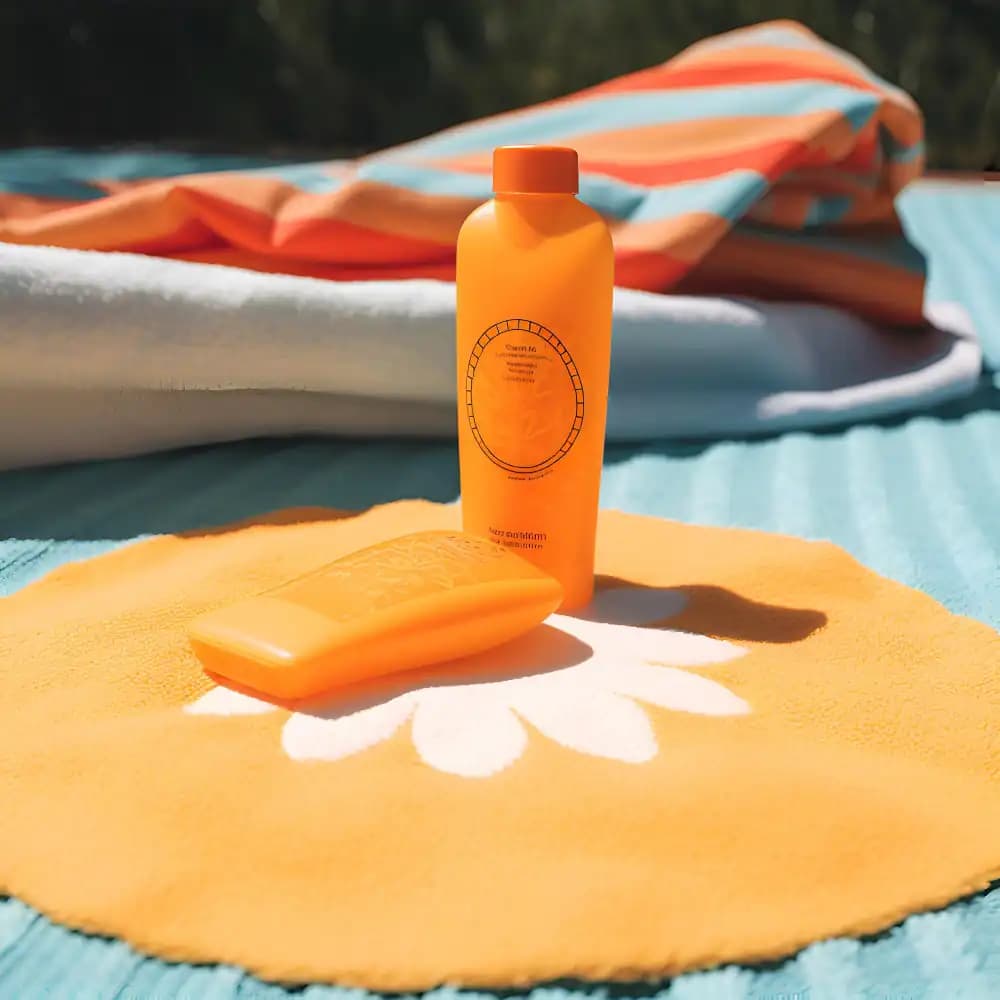
Physical (mineral) sunscreens rely on titanium dioxide and zinc oxide as active ingredients. These minerals sit on skin surface and physically block UV rays—different from chemical sunscreens that absorb UV.
The FDA lists titanium dioxide as an approved active sunscreen ingredient. At nano-scale particle sizes, TiO2 provides UV protection without the heavy white cast older formulations left on skin.
Consumer preference is shifting toward mineral sunscreens. Concerns about chemical sunscreen ingredients (oxybenzone, octinoxate) harming coral reefs drive this trend. Titanium dioxide doesn’t have those environmental issues, making it attractive for eco-conscious brands.
Food and Pharmaceuticals: The Regulatory Split
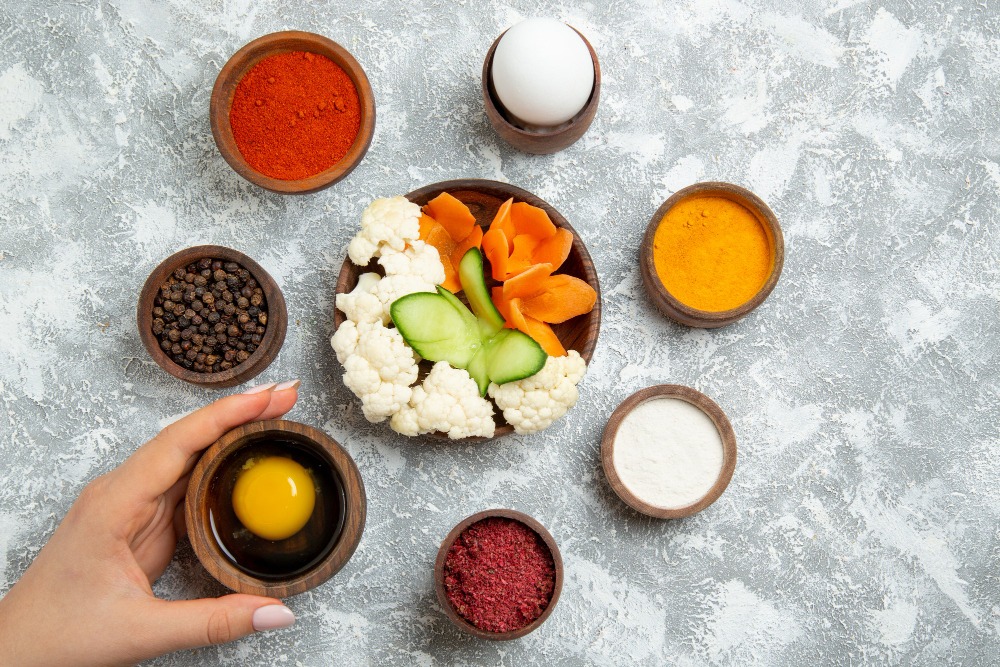
This is where things get complicated. Titanium dioxide uses in food and drugs face very different regulations depending on where you are.
Food Applications
In foods, TiO2 acts as a white colorant. It’s used in:
- Frosting and icing (bright white appearance)
- Candies (coating, color enhancement)
- Chewing gum (whiteness)
- Non-dairy creamers (opacity)
- Some cheeses and dairy products
- Processed foods needing whiteness
The Regulatory Split:
The US FDA still approves titanium dioxide for food use (as long as it’s 1% or less of total composition). Canada, Japan, Australia, and New Zealand also permit it.
But the EU banned TiO2 as a food additive in 2022. France banned it earlier in 2020. Several Middle Eastern countries followed suit. The EU’s reasoning: they couldn’t rule out potential genotoxicity (DNA damage) risks.
This creates a weird situation where the same candy bar might contain TiO2 in America but not in Europe. Food companies operating globally either reformulate for different markets or remove TiO2 entirely to simplify manufacturing.
Pharmaceutical Uses
Drug companies use titanium dioxide as a colorant in tablet coatings, capsule shells, and liquid medications. It makes pills uniformly white or enhances other colors when combined with dyes.
This use remains approved globally because the amounts are tiny and patients aren’t consuming TiO2 daily like they might with food. The FDA specifically regulates it as safe for pharmaceutical applications.
Paper and Printing: The Brightness Standard
Paper mills add titanium dioxide to make paper brighter and more opaque. Without it, paper would be grayish and you’d see print from the other side bleeding through.
The amount varies by paper type:
- Copy paper: Moderate TiO2 for standard whiteness
- Premium printing paper: Higher TiO2 for bright white appearance
- Cardboard: Lower TiO2 (opacity more important than pure whiteness)
- Wallpaper: Significant TiO2 for solid white base
Digital printing hasn’t killed demand here. People still print lots of paper, especially in offices and schools. And packaging uses tons of paperboard, much of which contains titanium dioxide.
Lesser-Known Applications
Beyond the big industries, titanium dioxide pops up in some surprising places.
Textiles:
Fabric manufacturers use TiO2 for:
- White fibers and fabrics
- Color brightening in printed textiles
- UV protection in outdoor fabrics
Ceramics:
TiO2 creates white glazes and enamels. It’s also used in sanitary ware like sinks and toilets.
Rubber:
Tires and rubber products incorporate TiO2 for UV protection and color.
Concrete:
Some specialty concrete includes TiO2 for photocatalytic properties—it can break down air pollutants when exposed to sunlight. Self-cleaning buildings use this technology.
Solar Cells:
Dye-sensitized solar cells use TiO2 as a semiconductor. This is a growing research area, though not yet a major commercial market.
The Safety Debate

Titanium dioxide’s safety status depends heavily on application and particle size.
Inhalation Risk:
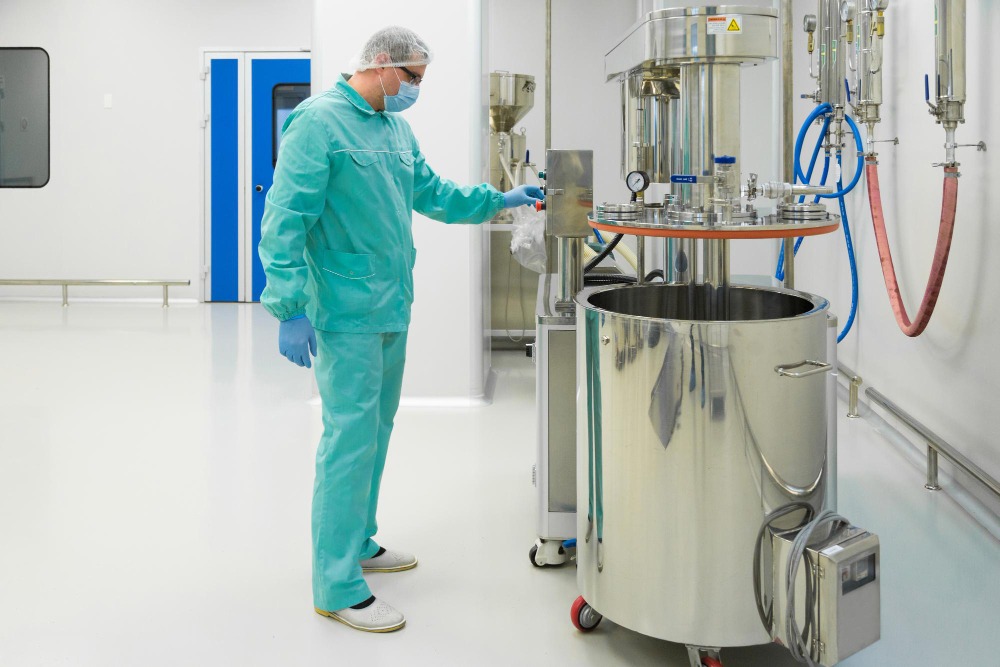
The International Agency for Research on Cancer (IARC) classifies TiO2 as “possibly carcinogenic to humans” based on rat studies where animals inhaled high concentrations of TiO2 dust. This matters for workers in manufacturing facilities who need proper ventilation and protective equipment.
For consumers? The inhalation risk is basically zero unless you’re snorting powdered products daily.
Ingestion and Topical Use:
US regulatory agencies consider TiO2 safe for food and cosmetic use at approved levels. The EU disagrees for food specifically, citing uncertainty about nanoparticle effects.
The debate centers on nanoparticles. Food-grade TiO2 (E171) contains some particles under 100 nanometers. Whether these ultra-small particles can cross biological barriers (gut lining, skin) and cause cellular damage remains controversial.
Current Consensus:
For now, regulatory consensus is:
- Safe in paints, plastics, paper (no human exposure route)
- Safe in cosmetics and sunscreen (topical use doesn’t show absorption issues)
- Safe in pharmaceuticals (very small amounts)
- Debated in food (hence the EU ban, US continued approval
Conclusion
Titanium dioxide uses span nearly every industry touching consumer and industrial products—from the paint covering 52% of global TiO2 production to cosmetics, plastics, food, pharmaceuticals, paper, and emerging applications in solar technology and photocatalysis. This versatile white pigment’s unique optical properties, UV protection, and chemical stability make it irreplaceable in most applications despite ongoing regulatory debates around food use.
The $22 billion market growing toward $40 billion by 2032 reflects titanium dioxide’s essential role in manufacturing across construction, automotive, consumer goods, and specialty industrial sectors worldwide.