

At a Glance:
- FDA plans to phase out petroleum-based synthetic dyes by 2026-2027
- Natural food coloring market growing 8.45% annually through 2033
- Sources include beets, turmeric, spirulina, berries, and fermentation technology
- Manufacturers face challenges with stability, cost, and color intensity
- Innovations like microencapsulation and precision fermentation solve technical barriers
In April 2025, the FDA announced plans to phase out petroleum-based synthetic food dyes from the US food supply. Red No. 40, Yellow No. 5 and No. 6, Blue No. 1 and No. 2, Green No. 3—all targeted for removal. Red No. 3 gets banned completely by end of 2026. California moves even faster with a 2027 deadline.
This isn’t just regulatory pressure. Consumer demand changed first. Parents started reading labels. Social media amplified concerns about synthetic dyes affecting children’s behavior. “Clean label” became a marketing requirement, not just a trend. Companies that wanted to stay competitive had to reformulate.
The problem? Replacing synthetic dyes with non artificial food coloring isn’t a simple ingredient swap. Natural colors cost more. They’re less stable. They don’t produce the same vibrant hues. Converting a single product takes 6-12 months. Some colors—especially blues—are incredibly difficult to achieve naturally.
But manufacturers are figuring it out. The global natural food colors market reached $2.15 billion in 2024 and projects to hit $4.11 billion by 2033. That’s not growth from a niche segment. That’s mainstream food manufacturing pivoting to meet new reality.
Why Non Artificial Food Coloring Became the Industry Priority
Two forces converged: regulation and consumer behavior. Both pointed the same direction.
Regulatory Landscape
The FDA’s decision followed years of mounting evidence linking synthetic dyes to health concerns. Animal studies connected Red No. 3 to cancer. Research suggested other synthetic dyes might affect children’s behavior and attention. The European Union already required warning labels on products containing certain artificial colorants, stating they “may have an adverse effect on activity and attention in children.”
State-level action accelerated the shift. California led with bans on specific dyes. Other states followed. Food manufacturers don’t want to produce different formulations for different states. When major markets ban ingredients, companies reformulate nationwide.
By 2025, 54 countries required or encouraged natural food coloring in various product categories. The trend became global, not just American or European.
Consumer Demand
Parents drove the initial push. Stories about hyperactivity, allergic reactions, and behavioral changes after consuming artificially colored foods spread through social media. True or not, perception mattered. Parents started avoiding brightly colored products.
The clean-label movement amplified this. Consumers wanted ingredients they recognized. “Red 40” sounds chemical. “Beet juice” sounds natural. Even if the science showed both were safe, marketing realities favored natural alternatives.
Food companies responded. Major brands announced transitions to natural colors. Competitors followed to avoid being labeled “the company still using artificial dyes.” Within years, natural colors became the default expectation, especially in products targeting families.
No Artificial Dye Food Coloring: The Natural Alternatives
Manufacturers now source colors from plants, vegetables, fruits, algae, and increasingly, fermentation technology. Each source provides specific hues and comes with specific challenges.
| Natural Source | Color Produced | Key Compounds | Applications | Stability Challenges |
| Beets (Beetroot) | Red, pink, magenta | Betanin, betalains | Beverages, dairy, confectionery, sauces | Degrades with heat, sensitive to pH |
| Turmeric | Yellow, golden orange | Curcumin | Curries, rice, baked goods, sauces | Water solubility issues, earthy flavor |
| Spirulina (Blue-green algae) | Blue, cyan, green | Phycocyanin | Beverages, candies, dairy, smoothies | Protein-based, heat sensitive |
| Butterfly Pea Tea | Blue (neutral pH), purple (acidic pH) | Anthocyanins | Cocktails, teas, baked goods | pH dependent, fades with light |
| Red Cabbage | Purple, blue (with base), pink (with acid) | Anthocyanins | Limited use due to flavor | pH sensitive, strong flavor |
| Berries (Blackberries, Grapes, Elderberries) | Red, purple, blue | Anthocyanins | Juices, jams, yogurt, confectionery | Light sensitive, oxidation prone |
| Carrots, Paprika, Annatto | Orange, yellow, red | Carotenoids (beta-carotene, bixin) | Cheese, snacks, dairy, sauces | Good stability, but limited hues |
| Matcha/Chlorophyll | Green, mint | Chlorophyll | Beverages, baked goods, ice cream | Degrades with light/heat/acid |
| Tomato/Red Peppers | Red | Lycopene | Sauces, processed foods, beverages | Good heat stability |
| Saffron | Yellow, gold | Crocin | Premium products only (expensive) | Very expensive, limited supply |
| Cochineal Insects | Bright red | Carmine, carminic acid | Beverages, candies, dairy | Allergen concerns (insect-based) |
| Precision Fermentation (Yeast/Bacteria) | Various (engineered) | Betalains, anthocyanins (bioengineered) | Emerging applications | Better stability than plant sources |
Plant-Based Color Sources and Applications
Plant-derived colors dominate the current no artificial dye food coloring market. Beets provide the most common natural red. Food manufacturers extract betanin through cooking and concentration. The pigment works well in products that don’t require intense heat processing—yogurt, beverages, frosting, confectionery.
The challenge? Beet color fades during baking. It’s pH sensitive. Acidic foods turn beet juice more purple. Alkaline conditions shift it toward yellow-brown. Manufacturers need careful formulation to get consistent results.
Turmeric delivers reliable yellow but brings earthy flavor. Small amounts work fine in products where that flavor fits—curry sauces, cheese products, rice dishes. But turmeric-colored vanilla frosting tastes weird. Manufacturers need alternative yellows for sweet applications, which is where annatto and saffron (expensive) come in.
Blues remain the hardest color to achieve naturally. Spirulina provides cyan-blue hues and is the most common source. But it’s protein-based, which means heat degrades it. Baked goods turn green or brown instead of staying blue. Butterfly pea tea works better for beverages and cold applications. The color shifts with pH—a fun feature for color-changing cocktails but a formulation challenge for consistent products.

Emerging Technologies: Fermentation and Bioengineered Pigments
Precision fermentation represents the next evolution. Companies engineer yeast or bacteria to produce natural pigments through fermentation—the same process used to make vitamins and enzymes. The pigments are chemically identical to plant-derived versions but don’t require growing acres of crops.
Sensient Technologies, one of the largest global colorant suppliers, invested heavily in fermentation technology. In August 2024, they launched heat-stable natural reds based on fermented vegetable technology specifically for plant-based meat and dairy substitutes. These pigments survive the high temperatures required for food processing while delivering consistent color.
The advantage? Year-round production. No seasonal variation. Better purity control. Often better stability because production conditions are optimized. The challenge? Consumer perception. Is a pigment from engineered yeast still “natural”? Regulations haven’t fully caught up with the technology.
Algae-based colors beyond spirulina are emerging. Microalgae produce various pigments with lower environmental impact than terrestrial crops. They grow in bioreactors, use less water, and can be harvested continuously. As technology improves, these sources will likely expand.
The Manufacturing Reality: Challenges Food Companies Face
Converting from synthetic to natural colors sounds simple until you actually try it. The technical challenges are substantial.
Stability and Processing Issues
Natural colors are fundamentally less stable than synthetic dyes. Anthocyanins from berries degrade when exposed to light. Chlorophyll breaks down with heat and acid. Betalains from beets oxidize over time. These aren’t minor inconveniences—they affect product shelf life and appearance.
A candy manufacturer using natural red might find products fading from bright red to dull pink after three months on shelves. Baked goods turn brown instead of staying the intended blue or green. Beverages exposed to light through clear bottles lose color intensity within weeks.
Heat processing creates particular problems. Many foods require pasteurization, sterilization, or baking at temperatures above 150°C. Natural pigments often can’t survive these conditions. Synthetic dyes were designed to be heat-stable. Natural alternatives weren’t.
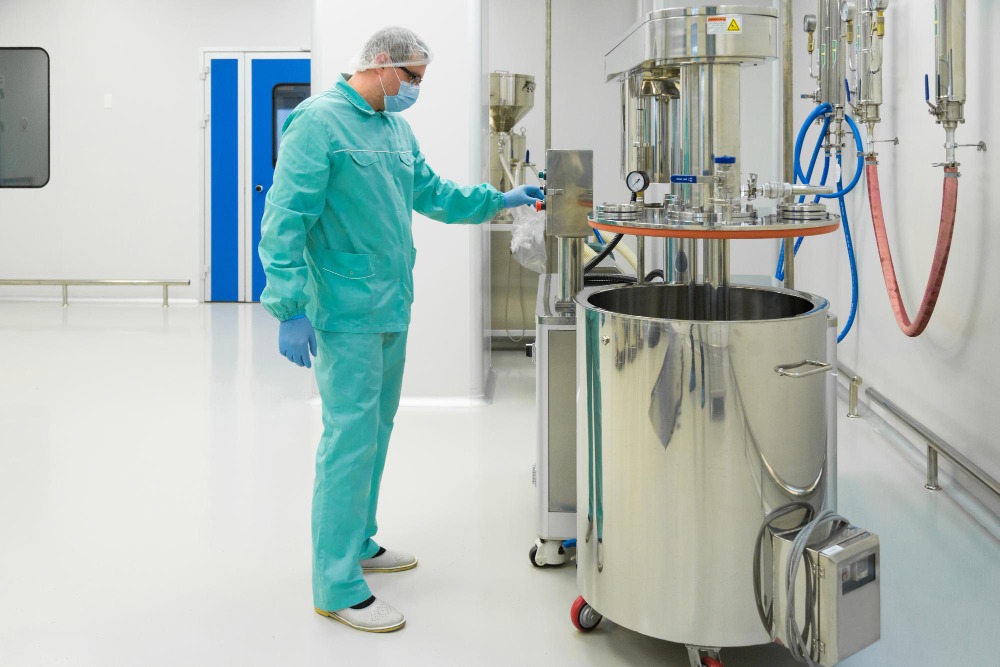
Solutions exist but add complexity. Microencapsulation protects pigments from heat and light by wrapping them in protective coatings—usually polysaccharides or lipids. The encapsulated pigment releases during consumption but stays protected during processing and storage. This works but increases costs and requires specialized equipment.
pH sensitivity causes headaches. Anthocyanins turn from red to purple to blue depending on acidity. That’s great for science experiments. It’s terrible for consistent product color. Manufacturers formulating with natural colors need tight pH control throughout processing.
Cost and Supply Chain Complexities
Natural colors cost 2-3 times more than synthetic alternatives. Sometimes more. A kilogram of Red No. 40 might cost $20. An equivalent amount of natural red from beets or berries could run $50-80. At manufacturing scale, this adds millions to production costs.
The higher cost comes from extraction complexity. Synthetic dyes are made in chemical plants with consistent yields and efficient processes. Natural colors require growing crops, harvesting, extracting pigments, purifying, concentrating, and stabilizing. Each step adds cost.
Supply chains are less reliable. Natural colors depend on agriculture. Drought affects beet crops. Poor harvests reduce paprika availability. Turmeric prices fluctuate with growing conditions in India and Southeast Asia. Manufacturers can’t guarantee consistent supply at predictable prices.
Seasonal variation affects quality too. Berries harvested in optimal conditions produce better pigments than stressed plants. But manufacturers need year-round supply, which means sourcing from multiple regions and blending to maintain consistency.
Converting a single product from synthetic to natural color takes 6-12 months according to Sensient Technologies. That includes reformulation, stability testing, consumer testing, regulatory review, and production scaling. Multiply that by hundreds of products and the logistics become overwhelming.
Innovation Solving the Natural Color Challenge
The industry isn’t just accepting natural color limitations. Significant R&D investment is producing real solutions.
Microencapsulation and Nanoencapsulation
Encapsulation technology protects pigments from environmental damage. Manufacturers wrap pigment molecules in protective shells made from materials like maltodextrin, alginate, chitosan, or modified starches. The shell shields pigments from oxygen, light, and heat during processing and storage.
When consumers eat the product, digestion breaks down the protective shell and releases the pigment. The color appears normal but survived processing that would have destroyed unprotected pigment.
Advanced encapsulation uses nanoscale particles—protein-inorganic hybrid nanoflowers that provide even better protection. Research at universities and companies like Oterra (formerly Chr. Hansen) developed encapsulation systems specifically for natural colors, improving stability by 40-60% in tested applications.
Precision Fermentation and Biotechnology
Engineering microorganisms to produce food pigments offers consistency synthetic dyes provided but with natural source materials. Startups like Michroma (raised $6.4M in 2023) use synthetic biology to create red colorants through fermentation. The organisms produce chemically identical pigments to those found in plants but under controlled conditions.
This approach solves several problems: year-round consistent supply, no agricultural land required, better control over purity, and potentially lower environmental impact. The organisms are engineered but the pigments they produce are natural compounds.
AI and Predictive Modeling
Artificial intelligence now models how pigments behave under different conditions. Software predicts color stability at various pH levels, temperatures, and exposure times. This speeds up reformulation dramatically.
Instead of six months of trial-and-error testing, AI suggests optimal formulations in weeks. Companies input their processing conditions and desired color. The software recommends specific natural colorant combinations and concentrations likely to work. Physical testing still happens, but AI narrows the options significantly.
Blending and Synergistic Combinations
Sometimes mixing multiple natural colors produces better results than single sources. Combining anthocyanins with carotenoids can create reds that are both vibrant and stable. Adding small amounts of chlorophyll to spirulina improves green hues.
Research discovered that some natural compounds protect others from degradation. Vitamin C stabilizes carotenoids but degrades anthocyanins. Understanding these interactions lets formulators create color systems that self-stabilize during storage.

Practical Strategies for Manufacturers Making the Transition
Companies successfully converting to non artificial food coloring follow similar approaches.
Start With Easiest Products First
Not all products are equally difficult. Beverages and refrigerated items don’t face the same heat stability challenges as baked goods. Products consumed quickly don’t need long shelf life. Starting with easier applications builds expertise before tackling harder ones.
Many manufacturers began with limited-edition or premium product lines. Testing natural colors in smaller volumes reduces risk. If something goes wrong, it affects fewer products. Successful formulations then roll out to mainstream products.
Set Realistic Consumer Expectations
Natural colors won’t match synthetic vibrancy exactly. Educating consumers about this prevents complaints. Some companies explicitly state “naturally colored” on packaging, signaling that colors might look slightly different than artificially colored versions.
Marketing can position less-intense colors as premium or authentic. “Real fruit colors” sounds better than “artificial dyes” even if the color is lighter. Consumer acceptance depends partly on framing.
Build Relationships With Specialized Suppliers
Converting to natural colors requires expertise most food manufacturers don’t have in-house. Companies like Sensient, GNT, Oterra, and DDW provide not just ingredients but formulation support. They help troubleshoot stability issues, suggest alternatives, and guide regulatory compliance.
These relationships matter because natural color science is specialized. The suppliers have spent years solving problems individual manufacturers would take months or years to figure out alone.
Plan for Higher Costs
Budgets need adjustment. Natural colors cost more. Period. Some cost increases get passed to consumers through slightly higher prices. Some get absorbed. But pretending costs won’t increase creates problems when reality hits.
The offset is marketing value. “No artificial colors” enables premium positioning and justifies price increases to consumers seeking clean-label products. The cost difference becomes an investment in brand perception rather than just an expense.
Test Extensively Before Launch
Accelerated shelf-life testing under various conditions reveals how natural colors perform over time. Temperature cycling, light exposure, and pH variation testing identify problems before products reach stores.
Consumer sensory testing catches flavor impacts from natural colors. Some sources add unwanted tastes. Testing with target consumers determines whether the trade-offs are acceptable. Better to discover issues internally than through customer complaints.
Conclusion
The transition to non artificial food coloring represents one of the largest reformulation efforts in modern food manufacturing history. Regulatory pressure and consumer demand aligned to make this change inevitable. Companies that adapt successfully maintain market position. Those that resist lose customers to competitors offering cleaner labels.
The technical challenges are real. Natural colors cost more, provide less vibrancy, and require more careful handling. But innovation is closing the gap. Microencapsulation, fermentation technology, and AI-driven formulation help natural colors perform almost as well as synthetic versions while meeting consumer expectations for cleaner ingredients.
The market trajectory is clear. Natural colors will dominate food manufacturing within the next decade. Manufacturers making the transition now gain competitive advantage. Those waiting face rushed conversions under deadline pressure as regulations tighten.