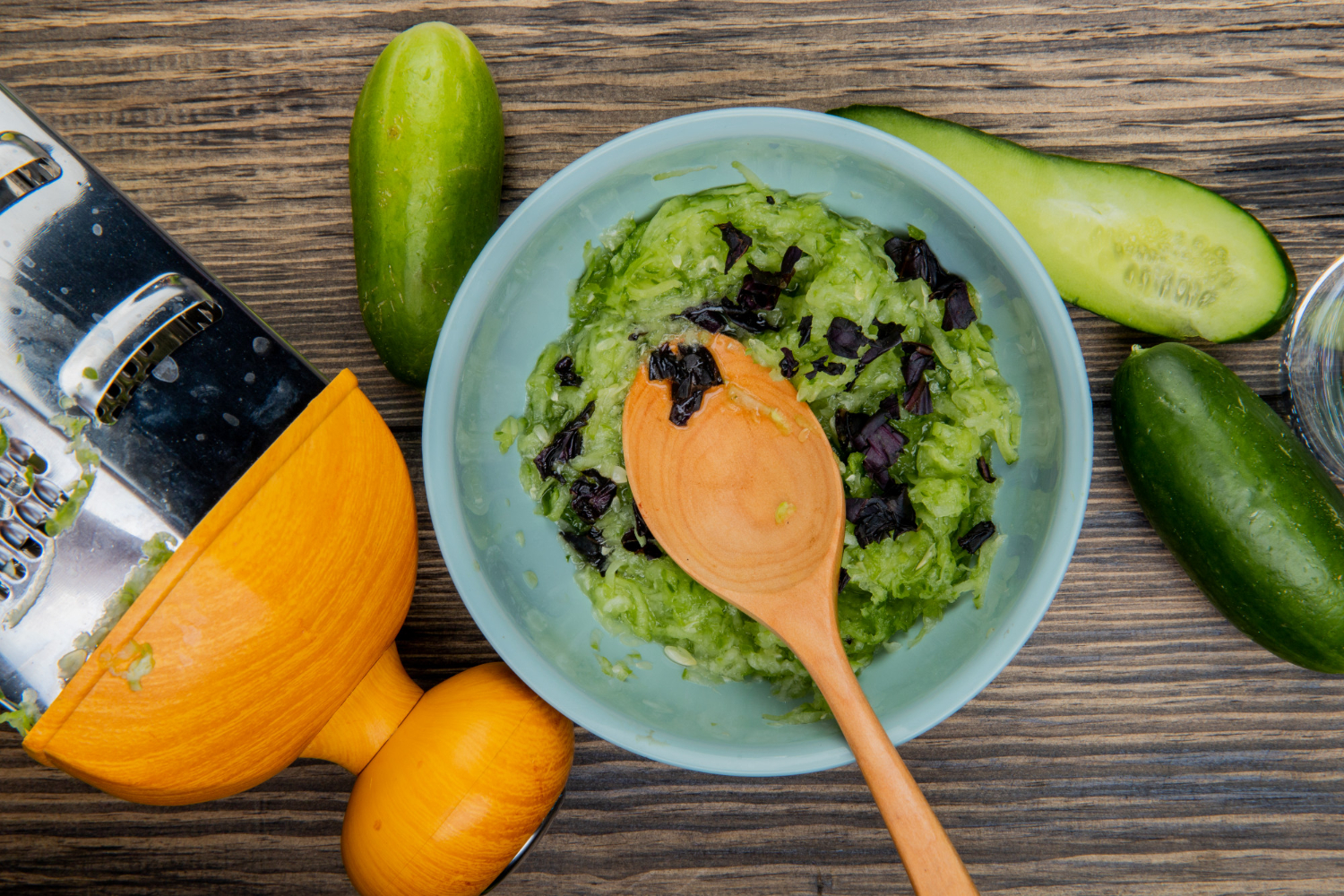


At a Glance
- chlorophyll is the green pigment in plants, and the greener the food the higher the chlorophyll content
- spinach tops the list at roughly 24mg per cup, followed by parsley, watercress, kale, and wheatgrass
- algae like spirulina and chlorella are among the most concentrated sources by weight
- cooking destroys chlorophyll, especially overcooking, light steaming preserves it better than boiling
- as a food colorant, natural chlorophyll is labeled E140 and the more stable copper-based version is E141
- chlorophyllin (what most “chlorophyll drops” and supplements actually contain) is a semi-synthetic, water-soluble derivative, not the same as natural chlorophyll in food
- both E140 and E141 are approved by FDA and EFSA for use in food products
Most people eat food with chlorophyll every single day without thinking about it. Every green vegetable on your plate has it. The greener it looks, the more chlorophyll it contains. But beyond just being the pigment that makes leaves green, chlorophyll also has a well-established role as a natural food colorant in the food industry, showing up in everything from mint candies to pickles to sports drinks.
And then there’s the supplement trend side of things, all those chlorophyll drops going into water on social media. That’s a slightly different story worth separating out clearly.
What Foods Have Chlorophyll?
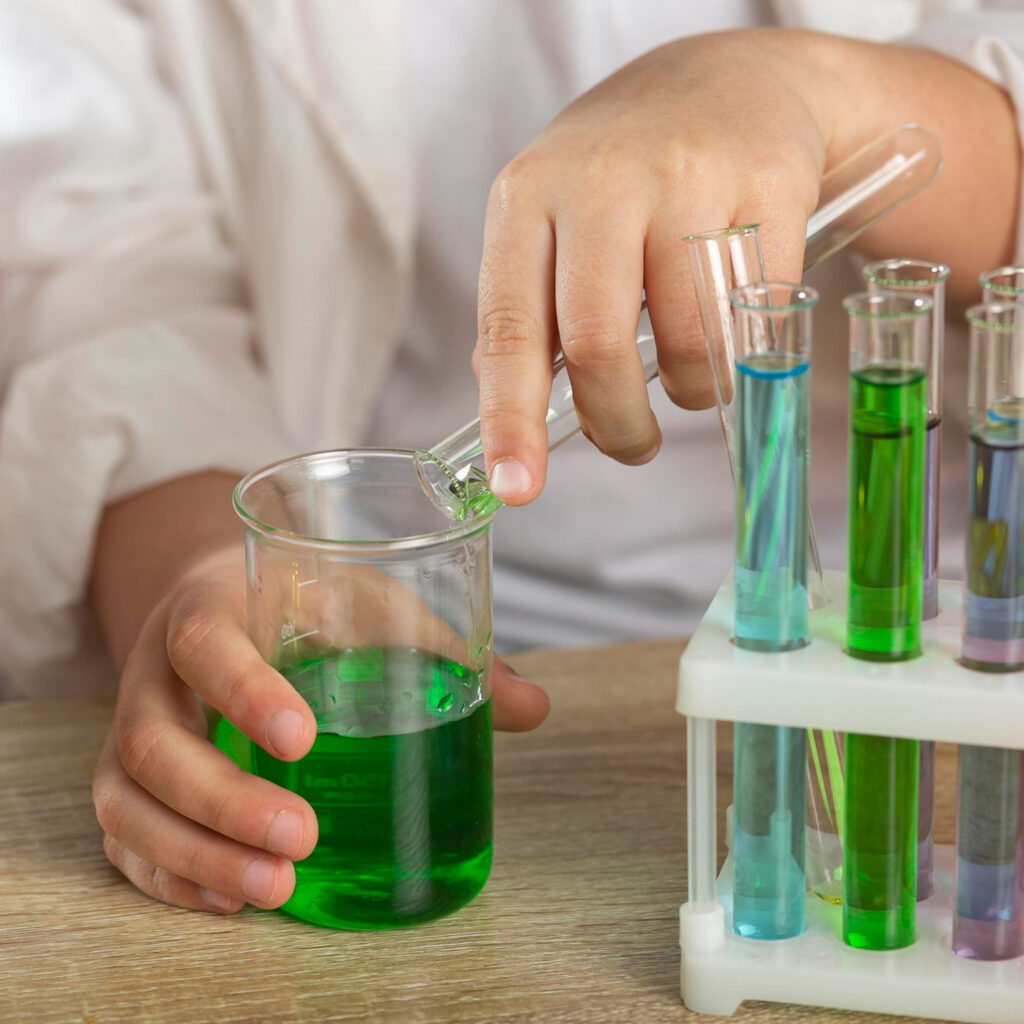
All green plant foods contain chlorophyll, but the concentrations vary quite a bit. Dark leafy greens have the most. Pale green or lightly colored vegetables have less. Small amounts show up in some green fruits like kiwi and green grapes, and even in green nuts like pistachios.
| Food | Approximate chlorophyll content | Notes |
| Spirulina / Chlorella | Very high (varies by form) | Algae, among the most concentrated sources by weight |
| Wheatgrass | Very high | Often consumed as juice shots |
| Parsley | ~19mg per 100g fresh | Often discarded as garnish but nutritionally dense |
| Spinach | ~24mg per cup raw | Most commonly cited high-chlorophyll food |
| Watercress | ~15mg per 100g | Underused but very high relative to weight |
| Kale | ~14-20mg per 100g | Depends heavily on variety |
| Arugula | ~8-10mg per 100g | Good everyday option |
| Green beans | ~4-6mg per serving | Accessible, lower concentration |
| Broccoli | ~3-5mg per serving | More after light cooking |
| Green peas | ~2-4mg per serving | Easy to add to most meals |
| Green herbs (mint, basil, coriander) | Moderate | Small serving sizes limit total intake |
| Matcha / Green tea | Low but meaningful | Chlorophyll survives into powder form |
| Green fruits (kiwi, avocado) | Very low | Small amounts only |
The simplest rule: if it’s deeply, intensely green and leafy, it has significant chlorophyll. If the green is pale or the plant food is mostly non-green (like a red apple), it has very little.
How Cooking Affects Chlorophyll in Food
This matters more than most people realize. Chlorophyll is not a stable compound. It degrades under heat, acid, and light, and that degradation is visible.
When you overheat vegetables, magnesium gets displaced from the chlorophyll molecule and replaced by hydrogen. The result is pheophytin, an olive-brown pigment. That’s why overcooked broccoli goes army-green and dull, and why canned peas look nothing like fresh ones.
What preserves chlorophyll in cooking:
- Light steaming (under 3 minutes) preserves most chlorophyll and can even slightly improve bioavailability
- Blanching followed by rapid ice-water cooling locks in color and chlorophyll
- Raw consumption preserves it completely
- Adding a pinch of baking soda to cooking water (alkaline environment) slows chlorophyll degradation, though it can affect texture
What destroys chlorophyll:
- Prolonged boiling
- Acidic cooking environments (adding vinegar, tomatoes, or lemon juice during cooking)
- Reheating cooked green vegetables multiple times
- Extended storage after cutting
This is also why food manufacturers face a challenge when trying to use natural chlorophyll as a colorant. It’s not stable enough on its own in many product conditions, which leads to the E141 solution covered below.
The Algae Sources: Spirulina and Chlorella
These deserve a specific mention because they’re in a different category from vegetables. Both are microalgae and both contain chlorophyll in much higher concentrations by weight than any leafy vegetable.
Spirulina is a blue-green algae, technically a cyanobacterium, that’s produced commercially in large open ponds or photobioreactors. It contains both chlorophyll a and phycocyanin, a blue pigment, which together give it a dark greenish-blue color. Chlorella is a green microalgae with an even higher chlorophyll content and also contains a range of vitamins and minerals.
Both are sold as powder or tablet supplements marketed for detoxification, energy, and general nutrition. As actual food with chlorophyll, they’re legitimate, though the health benefit claims around detoxification are generally not backed by strong clinical evidence. What is accurate is that they’re among the most concentrated dietary chlorophyll sources available commercially.
Chlorophyll Food Coloring: E140 and E141
This is the industrial side of chlorophyll and it’s more nuanced than most food labels suggest.
E140: Natural chlorophyll
E140 is natural chlorophyll extracted from plant sources using organic solvents, typically from grass, alfalfa, spinach, nettles, or parsley. It comes in two forms:
- E140(i): Lipid-soluble chlorophyll. Works in fat-based products like oils, chocolates, and margarines
- E140(ii): Water-soluble chlorophyllin, obtained by saponification (breaking the phytol ester bond). Works in beverages and water-based products
The problem with E140 is stability. Natural chlorophyll breaks down under heat, light, and acidic conditions during food processing and storage. The olive-green to brown shift seen in overcooked vegetables happens to food products too. For manufacturers trying to maintain a consistent green appearance across a product’s shelf life, E140 is often not stable enough.
E141: Copper-based chlorophyll (the stable version)
To solve the stability problem, the food industry often uses E141, where the magnesium ion at the center of the chlorophyll molecule is replaced by copper. Copper-chlorophyll complexes maintain their green color through heat, light, and acidic conditions that would break down natural E140.
- E141(i): Copper chlorophyll. Oil-soluble, used in fat-based products
- E141(ii): Sodium copper chlorophyllin. Water-soluble, used in beverages, sauces, liquid products
E141 is what ends up in most commercially processed green foods where stable color is important: mint candies, canned green vegetables, pickles, beverages, certain confectionery, and ice cream. The copper content is firmly bound to the molecule and is not considered to be released at significant levels during normal digestion at approved usage amounts.
| Additive | Type | Solubility | Stability | Common uses |
| E140(i) | Natural chlorophyll | Oil-soluble | Low (heat, acid, light sensitive) | Chocolates, margarines, oils |
| E140(ii) | Natural chlorophyllin | Water-soluble | Moderate | Beverages, clean-label products |
| E141(i) | Copper chlorophyll | Oil-soluble | High | Fat-based processed foods |
| E141(ii) | Sodium copper chlorophyllin | Water-soluble | High | Drinks, sauces, confectionery |
Regulatory status:
Both E140 and E141 are approved by EFSA in the EU under Regulation (EC) No 1333/2008, and both are recognized as safe by the FDA in the US. EFSA has not established a specific ADI for E140 but notes it is not of safety concern at current use levels. For E141(ii), EFSA has withdrawn its previous ADI due to insufficient toxicological data, though it remains authorized at quantum satis levels (as much as technically needed) while additional safety data is being gathered.
Chlorophyllin: What the Supplement Industry Is Actually Selling
This is where a lot of confusion lives. The “chlorophyll water” trend, the drops people add to their glasses, and most chlorophyll supplements sold in stores are not natural chlorophyll from food. They are chlorophyllin, a semi-synthetic sodium copper salt derivative of chlorophyll.
Chlorophyllin was developed to be water-soluble (natural chlorophyll is fat-soluble and doesn’t dissolve into water cleanly), which is why it works in liquid supplements. It has a different bioavailability profile from natural chlorophyll, different stability, and slightly different chemistry.
The FDA permits up to 300mg of chlorophyllin daily for people over 12. Side effects at normal doses are generally mild, most commonly digestive complaints or green-tinted stool. It’s not harmful at these levels but it’s also not a natural food compound.
The marketing around these supplements includes claims about detoxification, weight loss, acne reduction, and body odor control. MD Anderson’s dietitian put it plainly: if chlorophyllin did all of those things reliably, it wouldn’t primarily be a TikTok phenomenon. Some limited evidence exists for minor benefits in specific contexts (aflatoxin binding, some wound healing applications historically) but the sweeping health claims are not backed by robust clinical evidence.
If the goal is genuinely getting chlorophyll from food, eating spinach, kale, or parsley is more effective and gives you the full nutrient package of those foods alongside whatever chlorophyll benefits exist.
Practical Ways to Eat More Food With Chlorophyll
No need to overthink this. Just eat more green food, prepared properly.
- Raw or lightly steamed leafy greens: spinach, kale, watercress, arugula in salads or as sides
- Fresh herbs used generously: parsley and coriander as components of dishes rather than just garnishes
- Smoothies with leafy greens: blending raw spinach or kale into a smoothie preserves most chlorophyll
- Matcha: a form of powdered green tea where the whole leaf is consumed rather than steeped, retaining chlorophyll
- Wheatgrass shots: high concentration, though the flavor is intense
- Adding spirulina powder to smoothies or yogurt: effective way to increase intake if you don’t mind the taste
- Blanched and chilled vegetables: cooking briefly then shocking in ice water locks in chlorophyll better than letting vegetables sit in hot water
The WebMD recommendation of four or more servings of green vegetables daily covers both chlorophyll intake and the broader nutritional benefits of those foods. There’s no established recommended daily intake for chlorophyll specifically, but consistently eating a variety of green vegetables is the simplest and most evidence-backed approach.
Sourcing Chlorophyll for Commercial Applications
For food manufacturers and formulators sourcing chlorophyll colorants, the choice between E140 and E141 depends on the product’s pH, processing conditions, and shelf life requirements. Acidic products, most beverages, and anything with extended shelf life typically require E141 for color stability. Clean-label products targeting minimal processing often go for E140 with appropriate handling.
Primary commercial extraction sources include alfalfa, spinach, nettles, and some algae species. Platforms like Elchemy connect buyers with verified chlorophyll extract suppliers across both E140 and E141 specifications, with documentation on extraction method, purity, solubility profile, and compliance with EU and FDA regulatory requirements.
Bottom Line
The simplest takeaway: the best food with chlorophyll is dark green leafy vegetables, with spinach, parsley, kale, and watercress at the top. Algae like spirulina and chlorella are the most concentrated sources by weight. Cook them gently or not at all to preserve the chlorophyll content.
As a food colorant, chlorophyll food coloring exists in natural form as E140 and in more stable copper-modified form as E141, with both approved for food use globally. Most processed green-colored foods use E141 for the stability reasons. And most “chlorophyll supplements” are actually chlorophyllin, which is something different from the natural chlorophyll you get from eating a bowl of spinach.