

At a Glance
- Carotene is a naturally occurring red-orange pigment (E160a) produced during plant photosynthesis
- The term derives from “carota” (carrot); higher orange intensity indicates higher carotene content
- Beta-carotene is the primary carotenoid used in food; the body converts it to vitamin A as needed
- Carotene food sources include carrots, apricots, sweet potatoes, pumpkin, mango, spinach, kale, and algae
- Carotene is available as natural extract (from plants/algae), fermented (Blakeslea trispora fungus), or chemically synthesized
- FDA approves carotene as a color additive exempt from certification; EU designates it E160a
- JECFA establishes ADI (Acceptable Daily Intake) as “not specified,” indicating no health risk at normal consumption levels
- Excessive carotene intake causes carotenemia—a reversible, harmless yellowing of skin from carotene accumulation
- Carotenemia appears on palms, soles, forehead, and nose; whites of eyes remain normal (distinguishing it from jaundice)
- Carotene is sensitive to heat, light, and oxygen; stabilized formulations required for shelf-stable products
Carotene is one of the oldest and safest natural food coloring agents, yet manufacturers and consumers often misunderstand it. Is it just color, or does it provide nutritional benefits? When does carotene consumption become problematic? What’s the difference between natural and synthetic carotene in food applications? These questions determine formulation strategy, labeling claims, and regulatory compliance for food manufacturers worldwide.
Carotene in food serves dual purposes: it provides vibrant orange-yellow color and delivers provitamin A activity. Understanding its production, applications, stability challenges, and safety profile is essential for manufacturers creating everything from juice to fortified dairy products to functional foods.
What Is Carotene?
Carotene is a lipophilic (fat-soluble) organic pigment belonging to the carotenoid family. It’s produced during plant photosynthesis and appears in abundance in fruits and vegetables with orange, yellow, and red hues. The higher the intensity of orange color, the more carotene the product contains.
The term “carotene” derives from the Latin word “carota” (carrot), the vegetable most associated with this pigment.
Carotene vs. Carotenoids: The Distinction
Carotene is a specific type of carotenoid. All carotenes are carotenoids, but not all carotenoids are carotenes. The carotenoid family includes:
- Beta-carotene (the most abundant; primary food coloring form)
- Alpha-carotene
- Lycopene (red pigment in tomatoes)
- Lutein and zeaxanthin (yellow pigments)
- Xanthophyll (yellow pigment)
In food applications, beta-carotene dominates. It’s the carotenoid approved globally for food coloring (E160a in EU, FDA color additive in US) and has the most research supporting its safety and nutritional role.
Sources of Carotene: Natural and Manufactured
Carotene appears naturally in plant-based foods and can be extracted or synthesized for use as a food additive.
Natural Food Sources
Vegetables and fruits rich in carotene include:
- Carrots (highest concentration, 80-120 mg/100g)
- Sweet potatoes (40-80 mg/100g)
- Pumpkin and winter squash
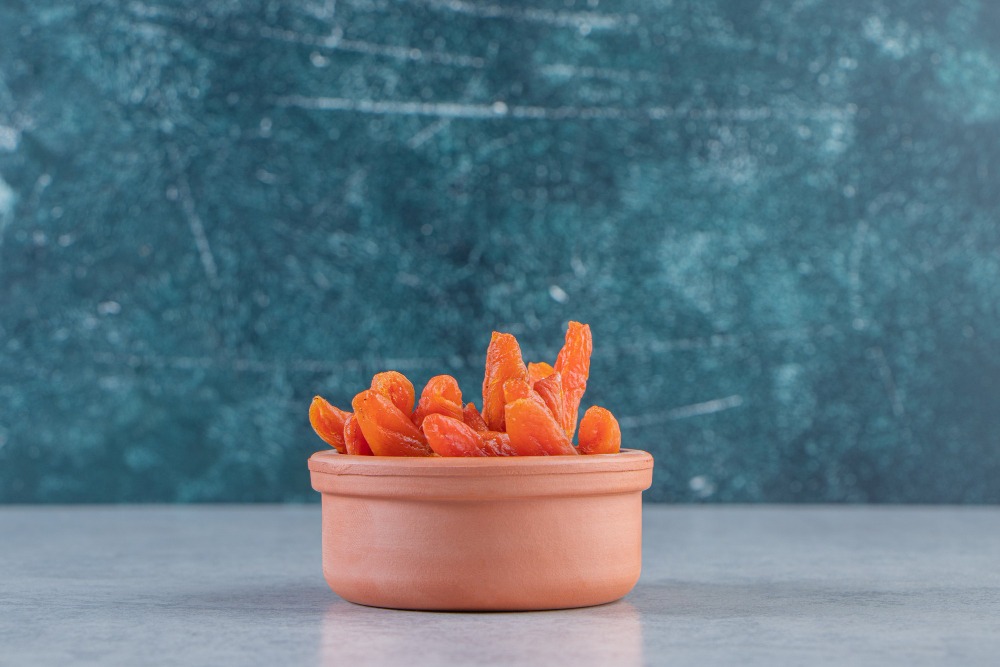
- Apricots (fresh and dried)
- Mango
- Cantaloupe and other orange melons
- Spinach, kale, and leafy greens
- Broccoli
- Cabbage
- Papaya
Non-plant sources containing carotene (accumulated from feed):
- Egg yolks (2-3 mg per yolk)
- Butter and cheese (yellow color from carotene in milk fat)
- Whole milk (slight yellow tint from carotene)
- Grass-fed meat
Carotene is not produced in animal bodies; animals accumulate it from plant-based diets, which is why grass-fed products have more visible carotene than grain-fed equivalents.
Production Methods: Natural vs. Synthetic vs. Fermented
Carotene for food use is produced through multiple methods, each with distinct advantages and regulatory implications.
Natural Extraction
Carotene is extracted directly from natural sources (carrots, palm oil, algae, fungi) using solvents or supercritical CO2 extraction. The result is a concentrated liquid or powder containing beta-carotene with other naturally occurring carotenoids.
Advantages: Consumer perception of “natural,” includes trace carotenoids (alpha-carotene, lycopene) for potential synergistic benefits Challenges: Variable composition batch-to-batch, higher cost, more prone to oxidation, requires stabilizers
Fermentation
The fungus Blakeslea trispora naturally produces beta-carotene during fermentation. This method is considered “natural” or “nature-identical” in many regulatory frameworks and has been used industrially since the 1980s.
Advantages: Consistent composition, considered natural/nature-identical, scalable production, lower cost than extraction Challenges: Requires fermentation facilities, longer production time, not approved in all regions
Chemical Synthesis
Beta-carotene is created through multi-step chemical synthesis, producing a molecule chemically identical to natural beta-carotene. The synthesis is based on plant carotenoid chemistry.
Advantages: Highly consistent, rapid large-scale production, lowest cost, excellent stability, most standardized Challenges: Perceived as “synthetic” despite being chemically identical; marketing challenges despite regulatory approval
Genetic Engineering
“Golden Rice” is the most famous example: beta-carotene is engineered into rice plants to address vitamin A deficiency in developing countries. This method is approved in some regions and under regulatory review in others.
From a food manufacturer’s perspective, all three methods (natural extraction, fermentation, synthesis) produce chemically identical beta-carotene. The difference is cost, stability, batch consistency, and consumer/market perception.
Regulatory Status: Global Approval and Labeling
Carotene is approved globally as a food coloring and nutritional supplement, though labeling and application limits vary by region.
European Union
Designation: E160a (carotenes) and E160b (annatto extract) Category: Colorant Status: Approved without restrictions Labeling requirement: When added in amounts >10 mg/L, must declare as “carotenes” in ingredient list ADI: Not specified (indicating safety at any reasonable consumption level)
United States
Status: FDA-approved color additive exempt from certification (not requiring batch testing by FDA) Application: Can be used in all foods unless otherwise restricted Labeling: Declared as “carotene” or “beta-carotene” in ingredient list
Codex Alimentarius (FAO/WHO)
ADI: Not specified, confirming international safety consensus Permitted in: All food categories unless specifically prohibited
India (FSSAI)
Status: Permitted as a food colorant in specified food categories Labeling: Must declare in ingredient list by name or E-number equivalent
Carotene as a Nutritional Ingredient
Beyond its role as a colorant, carotene serves as a precursor to vitamin A (retinol). The body converts beta-carotene to vitamin A through enzymatic cleavage, though not all dietary beta-carotene is converted equally.
Vitamin A Conversion
The body converts dietary beta-carotene to vitamin A based on its nutritional needs. The conversion efficiency is:
- 12 μmol dietary beta-carotene = 1 μmol retinol (vitamin A)
- Conversion is reduced in people with low-fat diets, liver disease, diabetes, or genetic variations
This means beta-carotene from food is less efficient at raising vitamin A levels than preformed vitamin A (retinol) from animal sources, but it avoids vitamin A toxicity risk because the body only converts what it needs.
Fortification Applications
Carotene is used to fortify:
- Margarine (replacing butter’s natural carotene)
- Vegetable oils (visible orange color indicates fortification)
- Fortified flour and grain products
- Plant-based milk alternatives (to match dairy milk’s yellow color and replicate vitamin A)
- Nutritional supplements and multivitamins
For manufacturers, carotene fortification achieves two goals simultaneously: provides color and contributes provitamin A activity, making it more efficient than synthetic vitamin A supplements.
Carotene Stability: Challenges and Solutions
Carotene degrades when exposed to heat, light, oxygen, and moisture. This instability is the primary challenge for food manufacturers using carotene.
Degradation Triggers
- Heat: Temperatures above 50°C accelerate oxidation and isomerization
- Light: UV and visible light promote carotene breakdown
- Oxygen: Direct air exposure causes rapid oxidation, turning carotene brown
- Moisture: Water exposure reduces stability, especially in aqueous solutions
- Metal ions: Iron and copper catalyze oxidation
Stabilization Strategies
Encapsulation: Carotene is microencapsulated in gelatin, maltodextrin, or starch to protect from light and air. The capsule dissolves during digestion, releasing carotene in the intestine.
Oil suspension: Carotene is suspended in vegetable or mineral oil (beta-carotene oil, 30-50% concentration). The oil protects from oxidation while remaining shelf-stable for 24+ months.
Antioxidant combination: Pairing carotene with vitamin E, vitamin C, or other antioxidants reduces oxidation rates. A blend of carotenoids (beta-carotene + alpha-carotene + lycopene) often shows better stability than beta-carotene alone.
Inert atmosphere packaging: Foods containing carotene are packaged under nitrogen to eliminate oxygen exposure. Opaque, dark glass or foil-lined packaging prevents light exposure.
Low-temperature storage: Carotene-fortified products are stored and transported at <20°C to minimize degradation.
For manufacturers, product stability testing under real-world conditions (temperature, light exposure, humidity) is critical. Products claiming vitamin A content must retain potency throughout shelf life, which requires proper stabilization.
Carotenemia: When Does Carotene Become Excessive?
Carotenemia is the accumulation of carotene in blood and fat tissues, manifesting as yellow-orange discoloration of the skin. It’s the only real safety concern with dietary carotene consumption.
What Is Carotenemia?
Carotenemia occurs when carotene consumption exceeds the body’s ability to convert it to vitamin A or when vitamin A conversion is blocked (due to hypothyroidism, diabetes, or genetic factors). Excess carotene deposits in adipose (fat) tissue and the liver, causing yellowish discoloration.
The condition is entirely benign and reversible. Unlike jaundice (which causes yellowing of the skin AND the whites of the eyes), carotenemia leaves the sclera (eye whites) completely normal. This distinction is critical for diagnosis.
Causes
Excessive intake of carotene-rich foods (most common): consuming 10+ servings of carrots daily, continuous supplementation with high-dose beta-carotene Metabolic conditions: hypothyroidism, diabetes, liver disease, and anorexia nervosa reduce vitamin A conversion, increasing carotene accumulation Genetic factors: Some individuals are genetically predisposed to higher carotene accumulation
Symptoms
- Yellow-orange discoloration of palms, soles of feet, forehead, and tip of nose
- Skin color returns to normal 2-6 weeks after reducing carotene intake
- No pain, no systemic illness, no long-term harm
At-Risk Groups
Infants and young children (more sensitive to color changes) People consuming high-dose beta-carotene supplements (>30 mg daily) People with hypothyroidism or diabetes (impaired vitamin A conversion) Smokers or heavy alcohol users taking high-dose supplements (specific interaction risk identified)
For food manufacturers, carotenemia from food alone is extremely rare. It requires sustained excessive consumption (multiple servings of carrots daily for weeks) or concurrent metabolic disease. Labeling carotene-fortified foods with standard nutrition information is sufficient; carotenemia warnings are not necessary for food applications.
Carotene vs. Artificial Dyes: The Safety Advantage
Compared to synthetic food colorants (tartrazine/E102, sunset yellow/E110, allura red/E129), beta-carotene offers distinct advantages.
Safety Profile
Carotene: Low toxicity, ADI not specified, 50+ years of safe use history, no mutagenic or carcinogenic potential at food levels Synthetic dyes: Higher incidence of allergic reactions (1-2% of population), some linked to behavioral issues in children, requires stricter regulatory monitoring
Consumer Perception
Carotene: “Natural,” plant-derived, provides nutritional benefit (provitamin A), orange/yellow color aligns with food expectation Synthetic dyes: “Artificial,” petroleum-derived, purely cosmetic color, often requires allergen warnings
Stability and Cost
Carotene: More expensive (~3-5x cost of tartrazine), requires stabilization, degrades faster, requires protective packaging Synthetic dyes: Cheaper, extremely stable, withstand heat and light, longer shelf life without special handling
For manufacturers, the choice between carotene and synthetic dyes is often driven by:
- Target market (premium/natural brands prefer carotene; budget brands prefer synthetics)
- Product type (beverages and oils tolerate carotene better; baked goods and hard candies suit synthetics)
- Regional requirements (EU heavily favors natural colorants; US permits both equally)
- Cost sensitivity (synthetics significantly cheaper at scale)
Applications in Food Manufacturing
Beverages
Carotene oil: Used in fruit drinks, smoothies, plant-based protein shakes at 0.5-2 mg/mL Fortified juices: Orange juice, carrot juice, and mixed vegetable juices add carotene for color consistency and vitamin A fortification Soft drinks: Energy drinks and sports drinks add carotene for vibrant color and nutritional claim support
Formulation challenge: Carotene separates in water-based beverages; requires emulsifier (lecithin) or oil-in-water emulsion technology
Dairy and Alternatives
Butter and cheese: Natural carotene from milk (grass-fed butter is darker orange; grain-fed is pale) Fortified margarine: Carotene added to replicate butter’s color and provide vitamin A Plant-based milk alternatives: Carotene added to match dairy milk’s natural yellow color and provide vitamin A equivalent
Formulation challenge: Oil-soluble carotene must be evenly distributed through aqueous dairy base; requires high-shear mixing
Baked Goods and Snacks
Crackers and bread: Carotene provides golden color and mild nutritional benefit Cheese puffs and flavored snacks: Carotene creates orange color while replacing artificial dyes Cereal and granola: Carotene colors the product and contributes provitamin A content
Formulation challenge: Heat from baking degrades carotene; requires encapsulated or stabilized forms that survive oven temperatures (>160°C)
Fortified Products
Infant formula: Carotene provides color and vitamin A equivalent (human breast milk naturally contains carotenoids) Breakfast cereals: Carotene combined with other vitamins in fortified cereals Nutritional supplements: Carotene capsules, tablets, and powders serve as vitamin A source
Processed Meat and Seafood
Surimi (imitation seafood): Carotene creates orange-pink color mimicking real seafood Processed cheese products: Carotene provides color and replaces annatto or other colorants Canned fish and vegetables: Carotene added to improve visual appeal and provide nutritional benefit
Choosing Carotene for Food Formulation
Quality Specifications
- Beta-carotene content: 30% (oil suspension) to 95% (crystalline powder)
- All-trans-beta-carotene minimum: >95% (cis-forms are less active)
- Heavy metal limits: Pb <0.1 ppm, As <0.1 ppm, Cd <0.05 ppm
- Microbial limits: <1000 CFU/g for general foods, <10 CFU/g for infant formula
Form Selection
Oil suspension (30-50% beta-carotene): Best for beverages, dairy, liquid products; 24+ months shelf life Beadlet (encapsulated, 10% beta-carotene): Best for dry products, cereals, baked goods; withstands processing heat Powder (95% beta-carotene): Best for supplements and concentrated applications; requires careful handling to prevent oxidation
Sourcing Considerations
Natural extraction: Premium cost, variable batch composition, consumer appeal for “natural” claims Fermentation-derived: Mid-range cost, consistent composition, acceptable for “natural” claims in most regions Chemically synthesized: Lowest cost, highest consistency, excellent stability, but marketing perception challenges
Regulatory Compliance
- Check regional labeling requirements (EU requires E160a declaration >10 mg/L)
- Verify carotene source is approved in your target markets (some regions restrict fermented or synthetic sources)
- Ensure fortification levels comply with vitamin A limits in your region
- Document stability data if making vitamin A claims
Conclusion
Carotene is one of the safest and most versatile food colorants available, serving simultaneously as a natural dye and nutritional ingredient. Its provitamin A activity, global regulatory approval, and low toxicity make it ideal for food manufacturers seeking both visual appeal and health positioning.
The primary challenges are stability and cost. Carotene degrades rapidly under heat, light, and oxygen exposure, requiring stabilized formulations and protective packaging. Synthetically-derived carotene and fermented carotene cost significantly more than artificial dyes but offer marketing advantages for brands positioned around natural ingredients.
Carotenemia (skin yellowing from excess carotene) is the only real safety concern, but it occurs only with sustained excessive consumption or concurrent metabolic disease. Food-level consumption carries no risk.
For food manufacturers formulating beverages, dairy products, fortified foods, or supplements, carotene offers a dual-function ingredient: color + nutrition. Working with reliable suppliers ensures consistent quality, verified potency, proper stabilization, and technical support for formulation optimization across product categories.
For food companies sourcing carotene in multiple forms and concentrations, Elchemy provides natural, fermented, and synthesized beta-carotene with full specifications, stability data, and regulatory documentation for applications across food and beverage industries.