
Alkyd Resins (Long, Medium & Short Oil)

Get Pricing for This Product
Need pricing? Request a quote for this product and we'll get back to you shortly.
 Free Samples Available
Speed Up Your Sample Testing Process
We deliver domestic samples within 24 - 48 hours, helping you evaluate product without delays.
Alkyd resins are versatile polymers used primarily in coatings and paints. They are categorized into long, medium, and short oil types based on oil content, influencing their drying time and…
CAS Number
-
HS Code
3907.50
INCI Name
-
Molecular Formula
-
Alkyd Resins (Long, Medium & Short Oil)
Alkyd resins are versatile polymers used primarily in coatings and paints. They are categorized into long, medium, and short oil types based on oil content, influencing their drying time and application properties.
CAS Number
-
INCI Name
-
HS Code
3907.50
Molecular Formula
-
Get Pricing for This Product
Need pricing? Request a quote for this product and we'll get back to you shortly.
Free Samples AvailableSpeed Up Your Sample Testing Process
We deliver domestic samples within 24 - 48 hours, helping you evaluate product without delays.
 By
By
Specialty chemicals, delivered right
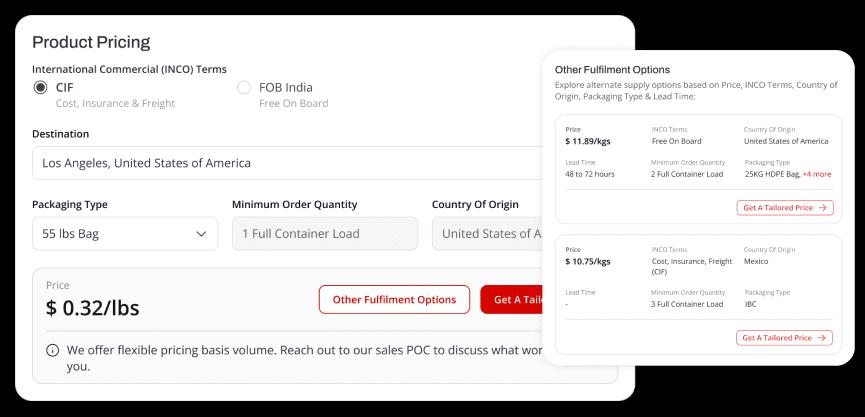
Access live, grade-specific pricing for every chemical, so your teams talks with data, not intuition on Elixir.
Compare fulfilment options across grades, INCO terms, origins, and lead times: all in one platform.

Live, transparent pricing
Real-time quotes across 12,000+ specialty chemicals.


About Alkyd Resins (Long, Medium & Short Oil)
Alkyd resins are a cornerstone in the coatings industry, known for their versatility and performance. These polymers are synthesized through the polycondensation of polyols, dibasic acids, and fatty acids or oils, resulting in a product that is adaptable to various applications. The oil content in alkyd resins determines their classification into long, medium, and short oil types, each offering distinct drying times and application properties.
Alkyd resins are favored by manufacturers and suppliers for their ability to enhance the durability and aesthetic appeal of coatings. They are widely used in paints, varnishes, and industrial coatings, providing a glossy finish and excellent adhesion. The choice of oil length allows formulators to tailor the resin's properties to specific needs, making them a preferred choice for diverse applications.
Manufacturing Process of Alkyd Resins
The production of alkyd resins involves the esterification of polyols with dibasic acids and fatty acids or oils. The choice of raw materials and reaction conditions influences the resin's properties, such as viscosity and drying time. Leading alkyd resin manufacturers and suppliers focus on optimizing these parameters to produce high-quality resins that meet industry standards.
Manufacturers often use glycerol, phthalic anhydride, and various oils as feedstocks. The process requires precise control of temperature and reaction time to achieve the desired molecular weight and oil length, ensuring the resin's performance in end-use applications.
Alkyd Resins Price: Bulk Pricing for Industrial Buyers
The price of alkyd resins is influenced by factors such as raw material costs, oil content, and production efficiency. Bulk pricing is available for industrial buyers, with competitive rates offered by Elchemy. To obtain a quote, buyers can contact Elchemy directly, ensuring access to high-quality resins at market-leading prices.
Key pricing terms include bulk discounts and contract pricing, which provide cost advantages for large-scale procurement. Elchemy's pricing strategy is designed to support the needs of North American and global buyers, offering flexibility and value.
Packaging & Logistics
Alkyd resins are typically packaged in HDPE drums, GI drums, and jerry cans, ensuring safe and efficient transport. Proper storage conditions include maintaining a cool, dry environment to preserve the resin's quality and extend its shelf life. Elchemy provides comprehensive logistics support, facilitating timely delivery to North American and international destinations.
Our logistics team ensures compliance with all regulatory requirements, offering peace of mind to buyers regarding the safe handling and transport of alkyd resins.
Why Choose Elchemy as a Trusted Alkyd Resins Supplier?
Elchemy stands out as a reliable supplier of alkyd resins, offering consistent quality and supply chain reliability. Our commitment to quality assurance and customer satisfaction makes us a preferred partner for North American and global buyers. With a robust distribution network, Elchemy ensures timely delivery and competitive pricing, supporting the diverse needs of our clients.
Our expertise in the chemical industry and focus on innovation allow us to provide tailored solutions that meet the specific requirements of our customers, enhancing their product offerings and market competitiveness.
Safety & Handling
Proper safety and handling of alkyd resins are essential to ensure user safety and product integrity. Personal protective equipment (PPE) such as gloves and goggles should be worn during handling. Alkyd resins should be stored in a well-ventilated area, away from sources of ignition, to prevent any potential hazards.
Alkyd resins are listed on the TSCA inventory, confirming their compliance with regulatory standards. Buyers can rely on Elchemy for comprehensive safety data and guidance on the safe use of alkyd resins in their applications.
- Versatile Applications: Alkyd resins are suitable for a wide range of coatings, paints, and varnishes, offering flexibility in formulation.
- Excellent Adhesion: These resins provide superior adhesion to various substrates, enhancing the durability of the final product.
- Glossy Finish: Alkyd resins deliver a high-gloss finish, improving the aesthetic appeal of coatings and paints.
- Customizable Properties: The oil length in alkyd resins can be adjusted to meet specific drying time and flexibility requirements.
- Cost-Effective: Alkyd resins offer a cost-effective solution for high-performance coatings, balancing quality and affordability.
About Alkyd Resins (Long, Medium & Short Oil)
Alkyd resins are a cornerstone in the coatings industry, known for their versatility and performance. These polymers are synthesized through the polycondensation of polyols, dibasic acids, and fatty acids or oils, resulting in a product that is adaptable to various applications. The oil content in alkyd resins determines their classification into long, medium, and short oil types, each offering distinct drying times and application properties.
Alkyd resins are favored by manufacturers and suppliers for their ability to enhance the durability and aesthetic appeal of coatings. They are widely used in paints, varnishes, and industrial coatings, providing a glossy finish and excellent adhesion. The choice of oil length allows formulators to tailor the resin's properties to specific needs, making them a preferred choice for diverse applications.
Manufacturing Process of Alkyd Resins
The production of alkyd resins involves the esterification of polyols with dibasic acids and fatty acids or oils. The choice of raw materials and reaction conditions influences the resin's properties, such as viscosity and drying time. Leading alkyd resin manufacturers and suppliers focus on optimizing these parameters to produce high-quality resins that meet industry standards.
Manufacturers often use glycerol, phthalic anhydride, and various oils as feedstocks. The process requires precise control of temperature and reaction time to achieve the desired molecular weight and oil length, ensuring the resin's performance in end-use applications.
Alkyd Resins Price: Bulk Pricing for Industrial Buyers
The price of alkyd resins is influenced by factors such as raw material costs, oil content, and production efficiency. Bulk pricing is available for industrial buyers, with competitive rates offered by Elchemy. To obtain a quote, buyers can contact Elchemy directly, ensuring access to high-quality resins at market-leading prices.
Key pricing terms include bulk discounts and contract pricing, which provide cost advantages for large-scale procurement. Elchemy's pricing strategy is designed to support the needs of North American and global buyers, offering flexibility and value.
Packaging & Logistics
Alkyd resins are typically packaged in HDPE drums, GI drums, and jerry cans, ensuring safe and efficient transport. Proper storage conditions include maintaining a cool, dry environment to preserve the resin's quality and extend its shelf life. Elchemy provides comprehensive logistics support, facilitating timely delivery to North American and international destinations.
Our logistics team ensures compliance with all regulatory requirements, offering peace of mind to buyers regarding the safe handling and transport of alkyd resins.
Why Choose Elchemy as a Trusted Alkyd Resins Supplier?
Elchemy stands out as a reliable supplier of alkyd resins, offering consistent quality and supply chain reliability. Our commitment to quality assurance and customer satisfaction makes us a preferred partner for North American and global buyers. With a robust distribution network, Elchemy ensures timely delivery and competitive pricing, supporting the diverse needs of our clients.
Our expertise in the chemical industry and focus on innovation allow us to provide tailored solutions that meet the specific requirements of our customers, enhancing their product offerings and market competitiveness.
Safety & Handling
Proper safety and handling of alkyd resins are essential to ensure user safety and product integrity. Personal protective equipment (PPE) such as gloves and goggles should be worn during handling. Alkyd resins should be stored in a well-ventilated area, away from sources of ignition, to prevent any potential hazards.
Alkyd resins are listed on the TSCA inventory, confirming their compliance with regulatory standards. Buyers can rely on Elchemy for comprehensive safety data and guidance on the safe use of alkyd resins in their applications.
- Versatile Applications: Alkyd resins are suitable for a wide range of coatings, paints, and varnishes, offering flexibility in formulation.
- Excellent Adhesion: These resins provide superior adhesion to various substrates, enhancing the durability of the final product.
- Glossy Finish: Alkyd resins deliver a high-gloss finish, improving the aesthetic appeal of coatings and paints.
- Customizable Properties: The oil length in alkyd resins can be adjusted to meet specific drying time and flexibility requirements.
- Cost-Effective: Alkyd resins offer a cost-effective solution for high-performance coatings, balancing quality and affordability.
FAQs - Alkyd Resins (Long, Medium & Short Oil)
Related Products


Related Products

Streamline
Your Chemical
Procurement
Get fast responses from real experts