
Xylene
ELAROMATM – Xy mix
Live Prices for Xylene
View live pricing & request bulk enquiry for this product on Elixir.
 Free Samples Available
Speed Up Your Sample Testing Process
We deliver domestic samples within 24 - 48 hours, helping you evaluate product without delays.
Xylene (also called xylol; C₈H₁₀) is a clear, colourless aromatic xylene solvent with strong solvency and controlled evaporation. Commercial mixed xylene contains o-, m- and p-xylene isomers with some…
CAS Number
1330-20-7
HS Code
29024400
INCI Name
Xylene
Molecular Formula
C8H10
Xylene
ELAROMATM – Xy mix
Xylene (also called xylol; C₈H₁₀) is a clear, colourless aromatic xylene solvent with strong solvency and controlled evaporation. Commercial mixed xylene contains o-, m- and p-xylene isomers with some ethylbenzene, and is widely used as a paint thinner and coatings solvent,…
CAS Number
1330-20-7
INCI Name
Xylene
HS Code
29024400
Molecular Formula
C8H10
Live Prices for Xylene
View live pricing & request bulk enquiry for this product on Elixir.
Free Samples AvailableSpeed Up Your Sample Testing Process
We deliver domestic samples within 24 - 48 hours, helping you evaluate product without delays.
 By
By
Specialty chemicals, delivered right
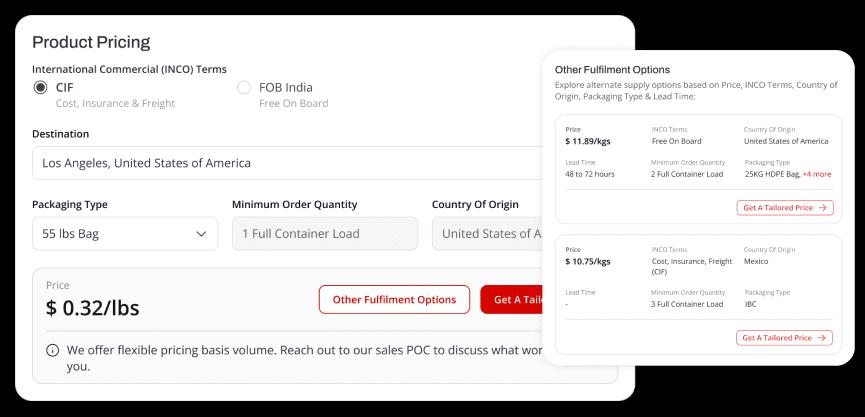
Access live, grade-specific pricing for every chemical, so your teams talks with data, not intuition on Elixir.
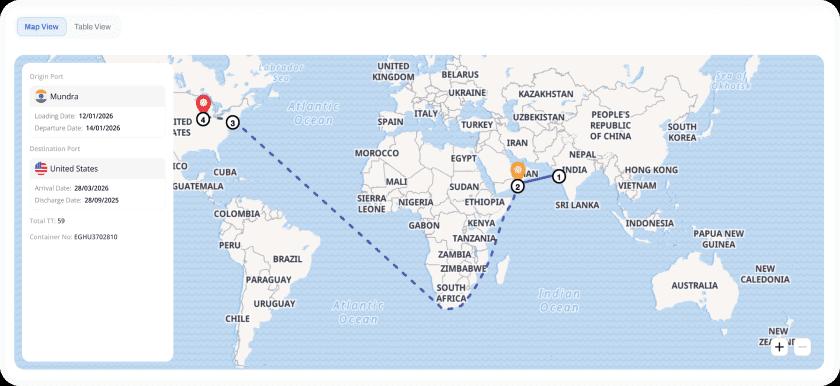
Compare fulfilment options across grades, INCO terms, origins, and lead times: all in one platform.

Live, transparent pricing
Real-time quotes across 12,000+ specialty chemicals.
Product Specification
Physical Properties
| Property | Specification |
|---|---|
| Appearance | Clear, colorless liquid |
| Odor | Aromatic, sweet |
| Molecular Weight | 106.17 g/mol |
| Density | 0.864 g/cm³ |
| Specific Gravity | 0.86-0.88 @ 20°C |
| Viscosity | 0.68 cSt at 20℃ |
| Refractive Index | 1.497 (at 20°C) |
| Assay / Purity | Commercial grade typically contains 40–65% m-xylene and up to 20% each of o-xylene, p-xylene, and ethylbenzene. |
Chemical Properties
| Property | Specification |
|---|---|
| Ionic Nature | Non-ionic |
| Incompatibilities | Strong oxidizing agents (e.g., nitric acid, perchloric acid), strong acids, 1,3-dichloro-5,5-dimethylhydantoin, uranium fluoride. Attacks some plastics, rubber, and coatings. |
| Hazardous Reactions / Decomposition Products | Under fire conditions, may produce carbon monoxide, carbon dioxide, and other toxic fumes. Vapors may form explosive mixtures with air. |
Thermal Properties
| Property | Specification |
|---|---|
| Melting Point | -47.4 °C |
| Boiling Point | 138.5 °C |
| Flash Point | 23 °C to 32 °C (73.4 °F to 89.6 °F) (Closed Cup) |
| Autoignition Temperature | 463 °C to 529 °C (865 °F to 984 °F) |
| Thermal Stability | Stable at room temperature and pressure. |
Dosing Guidelines
A. Dosing by Application
| Application | Recommended / Max Dosage |
|---|---|
| Paints & Coatings (Thinner) | For spray applications, a common starting point is 10% by volume (1 part xylene to 10 parts paint). Metal primers may require up to 15%. |
| Industrial Cleaning & Degreasing | Used neat (100%) or as a major component in a solvent blend. |
| Adhesives & Sealants | Used as a solvent to control viscosity and drying time; levels vary widely based on the polymer system and desired properties. |
| Pesticide Formulations | Used as a carrier solvent; concentration is specific to the active ingredient and product type. |
| Laboratory Reagent | Used neat (100%) for applications like cleaning or as a reaction solvent. |
About Xylene
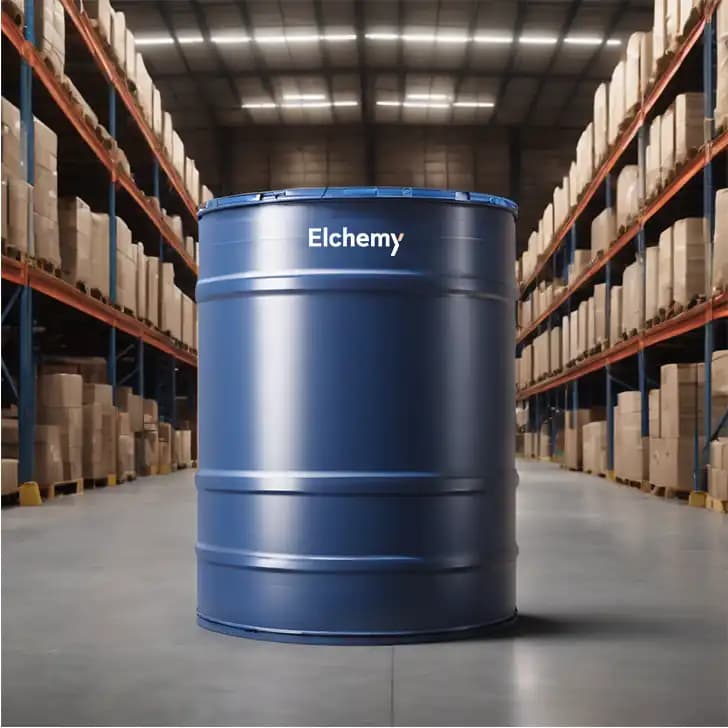
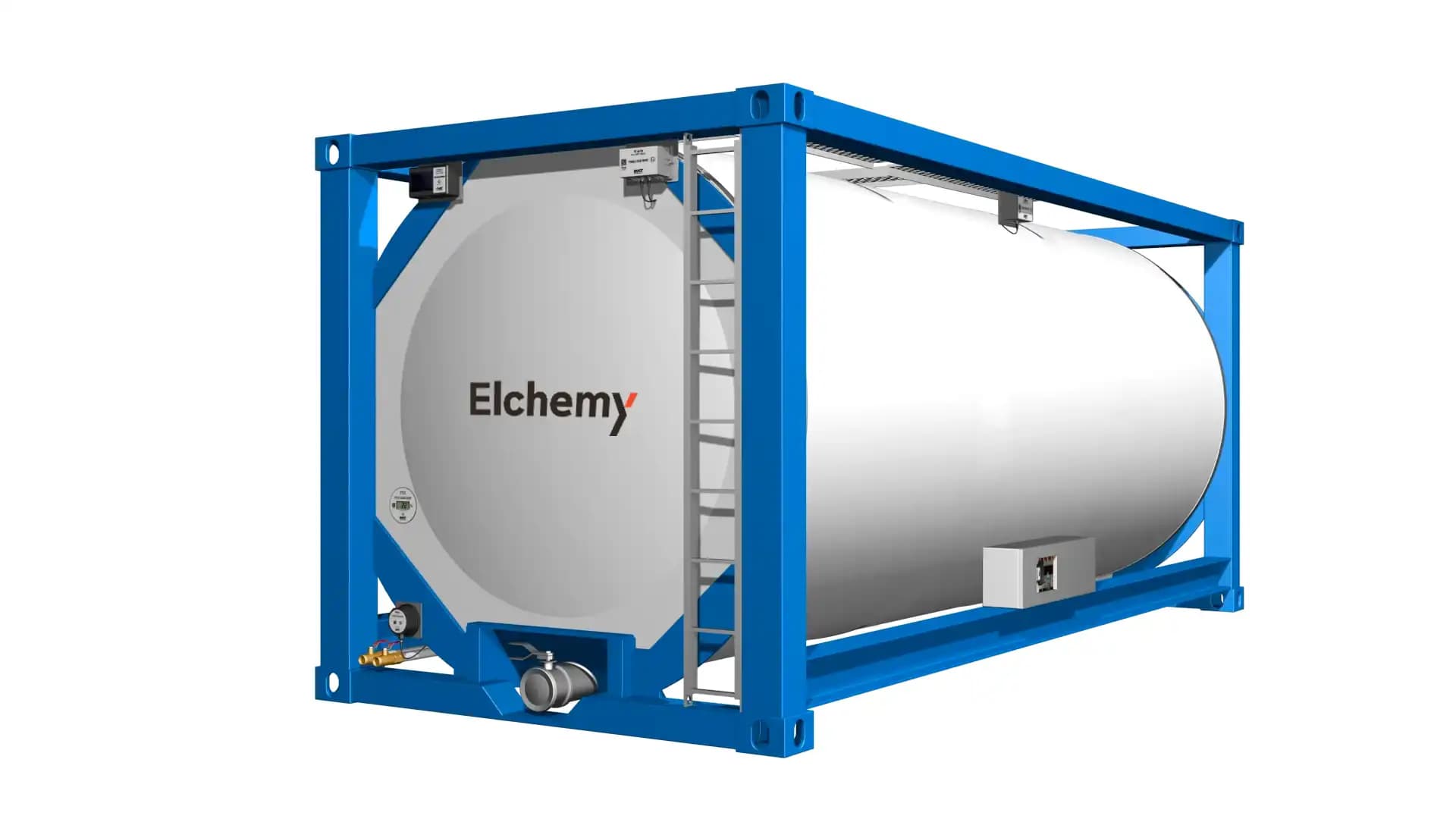
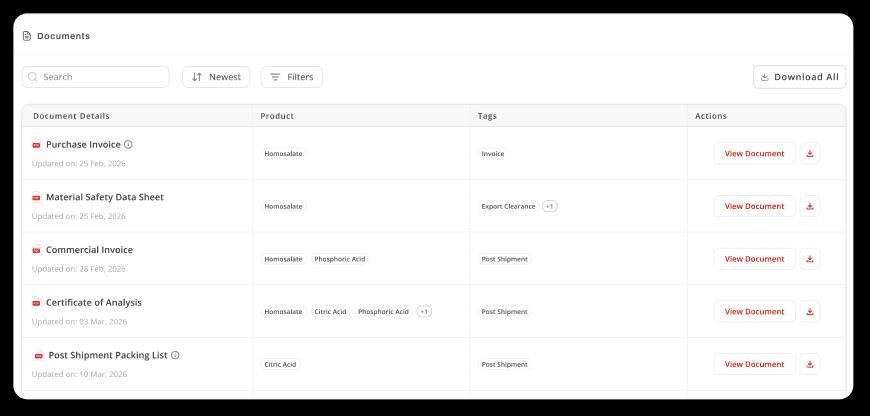
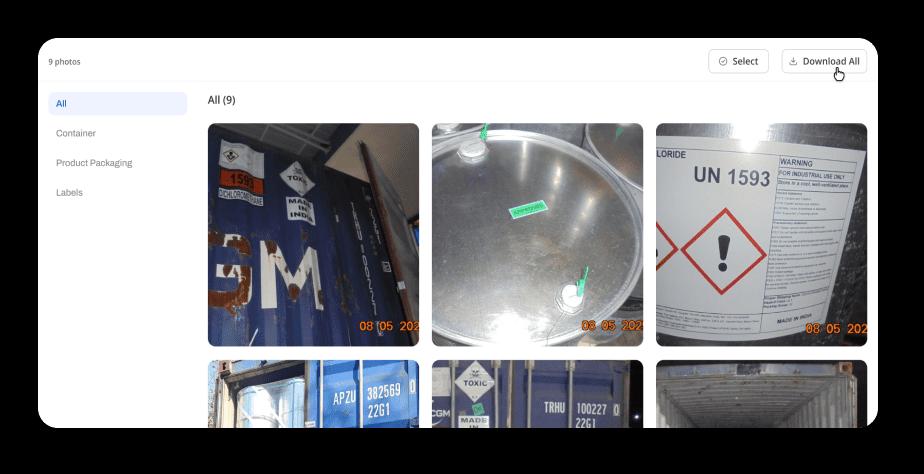
Xylene (also called xylol; C₈H₁₀) is a clear, colourless aromatic xylene solvent with strong solvency and controlled evaporation. Commercial mixed xylene contains o-, m- and p-xylene isomers with some ethylbenzene, and is widely used as a paint thinner and coatings solvent, industrial degreaser, and feedstock for polyester fibre and film. Elchemy supplies technical-grade xylene in bulk - drums and ISO tanks - with fast US delivery and full documentation; download the technical data sheet (TDS) for specifications.
Xylene Supplier, Manufacturer & Distributor
Elchemy is a xylene supplier and distributor serving coatings, cleaning, agrochemical and polyester manufacturers across the US and worldwide. Working directly with producers, we provide consistent, batch-tested technical-grade xylene with full documentation (CoA, TDS, SDS) and dependable lead times. Whether you need a trial quantity for R\&D or a qualified xylene manufacturer partner for recurring production volumes, our team handles specification, sampling and supply continuity so procurement stays predictable.
Buy Xylene in Bulk - Drums, Pricing & Quotes
Looking to buy xylene in bulk? Elchemy supplies xylene for sale in HDPE drums, 55-gallon drums and ISO tanks, from pallet quantities to full loads. Because xylene price moves with volume, packaging and market conditions, we quote per requirement rather than list a fixed rate. Request a bulk quote for pricing within 48 hours, or request a sample before you commit. For buyers comparing where to buy xylene with reliable US delivery, start with a quote and we'll confirm grade, pack size, availability and shipping.
Features of Xylene
- High Solvency: Effectively dissolves a wide range of resins and polymers.
- Moderate Evaporation Rate: Ensures optimal drying and superior coating finishes.
- Versatile Applications: Ideal for paints, adhesives, cleaning agents, and polyester intermediates.
- Eco-Conscious Production: Produced using sustainable and energy-efficient processes.
- Reliable Quality: Consistent purity and performance guaranteed by leading xylene producers
- Effective Solvent: Xylene is a powerful solvent used in the paint and coatings industry, enhancing application and finish.
- Function: Solvent, Chemical Intermediate, Cleaning Agent, Fuel Additive
- High Purity Standards: Ensures performance in polyester production, cleaning, and industrial applications.
- Features: Strong solvency for resins and polymers, controlled and optimal evaporation rate, high thermal stability, miscible with many organic solvents
- Versatile Industrial Use: Widely used in rubber, leather, and adhesive industries for improved product quality.
- Benefits: Ensures smooth and durable application of coatings, effective for metal degreasing, improves octane value in gasoline, and serves as a versatile precursor for high-volume chemicals
- Eco-Friendly Production: Focus on minimizing energy use and waste in manufacturing processes.
- Key Raw Material: Essential in the production of polyester fibers and films, contributing to durable materials.
About Xylene
Xylene (also called xylol; C₈H₁₀) is a clear, colourless aromatic xylene solvent with strong solvency and controlled evaporation. Commercial mixed xylene contains o-, m- and p-xylene isomers with some ethylbenzene, and is widely used as a paint thinner and coatings solvent, industrial degreaser, and feedstock for polyester fibre and film. Elchemy supplies technical-grade xylene in bulk - drums and ISO tanks - with fast US delivery and full documentation; download the technical data sheet (TDS) for specifications.
Xylene Supplier, Manufacturer & Distributor
Elchemy is a xylene supplier and distributor serving coatings, cleaning, agrochemical and polyester manufacturers across the US and worldwide. Working directly with producers, we provide consistent, batch-tested technical-grade xylene with full documentation (CoA, TDS, SDS) and dependable lead times. Whether you need a trial quantity for R\&D or a qualified xylene manufacturer partner for recurring production volumes, our team handles specification, sampling and supply continuity so procurement stays predictable.
Buy Xylene in Bulk - Drums, Pricing & Quotes
Looking to buy xylene in bulk? Elchemy supplies xylene for sale in HDPE drums, 55-gallon drums and ISO tanks, from pallet quantities to full loads. Because xylene price moves with volume, packaging and market conditions, we quote per requirement rather than list a fixed rate. Request a bulk quote for pricing within 48 hours, or request a sample before you commit. For buyers comparing where to buy xylene with reliable US delivery, start with a quote and we'll confirm grade, pack size, availability and shipping.
Features of Xylene
- High Solvency: Effectively dissolves a wide range of resins and polymers.
- Moderate Evaporation Rate: Ensures optimal drying and superior coating finishes.
- Versatile Applications: Ideal for paints, adhesives, cleaning agents, and polyester intermediates.
- Eco-Conscious Production: Produced using sustainable and energy-efficient processes.
- Reliable Quality: Consistent purity and performance guaranteed by leading xylene producers
- Effective Solvent: Xylene is a powerful solvent used in the paint and coatings industry, enhancing application and finish.
- Function: Solvent, Chemical Intermediate, Cleaning Agent, Fuel Additive
- High Purity Standards: Ensures performance in polyester production, cleaning, and industrial applications.
- Features: Strong solvency for resins and polymers, controlled and optimal evaporation rate, high thermal stability, miscible with many organic solvents
- Versatile Industrial Use: Widely used in rubber, leather, and adhesive industries for improved product quality.
- Benefits: Ensures smooth and durable application of coatings, effective for metal degreasing, improves octane value in gasoline, and serves as a versatile precursor for high-volume chemicals
- Eco-Friendly Production: Focus on minimizing energy use and waste in manufacturing processes.
- Key Raw Material: Essential in the production of polyester fibers and films, contributing to durable materials.
Regulatory Compliance
| Region | Max Allowed Level | Notes | Certification Body |
|---|---|---|---|
| Australia | - | Xylene is listed on the Australian Inventory of Chemical Substances (AICS). It is classified as a hazardous substance (skin irritant, harmful if inhaled), and workplace exposure standards are in place. | AICS Listing. |
| Canada | - | Xylene is not listed on Health Canada's Cosmetic Ingredient Hotlist of prohibited or restricted substances. All cosmetics must be safe for use as per the Food and Drugs Act. | Compliance with the Food and Drugs Act and Cosmetic Regulations. |
| India | - | The Bureau of Indian Standards (BIS) has established a quality standard (IS 17370:2020) for p-Xylene, which requires BIS certification (ISI Mark) for products sold in India, though this has been subject to amendments and withdrawals. There are no specific restrictions found for mixed xylene in consumer products. | BIS Certification (for p-Xylene, subject to current orders). |
| Japan | - | Xylene is not found on the lists of prohibited or restricted ingredients under Japan's Standards for Cosmetics, which are overseen by the Ministry of Health, Labour, and Welfare (MHLW) under the PMD Act. | Compliance with the Pharmaceutical and Medical Devices (PMD) Act. |
| Republic of Korea | - | Xylene is not found on the lists of prohibited or restricted cosmetic ingredients regulated by the Ministry of Food and Drug Safety (MFDS). It is slated to be designated as an "accident preparedness substance" under the Chemicals Control Act, effective August 2025. | Compliance with the Cosmetics Act. |
| United States | - | Xylene is not on the FDA's list of prohibited or restricted cosmetic ingredients. It is considered safe for its intended use in consumer products when used according to directions. The EPA has set a maximum contaminant level (MCL) of 10 ppm in drinking water. | TSCA Inventory listing is required. |
| ASEAN | - | Xylene (CAS 1330-20-7) is not listed in the Annexes of the ASEAN Cosmetic Directive, which details prohibited and restricted substances. Therefore, it is not specifically regulated for use in cosmetics in member states. | Compliance with the ASEAN Cosmetic Directive. |
| European Union | - | Xylene is not listed in the Annexes of the EU Cosmetics Regulation (EC) No 1223/2009, meaning it is not prohibited or specifically restricted for use in cosmetic products. A REACH registration is required for manufacturing or importing into the EU. | REACH Registration |
FAQs - Xylene
Related Products

Related Products

Streamline
Your Chemical
Procurement
Get fast responses from real experts