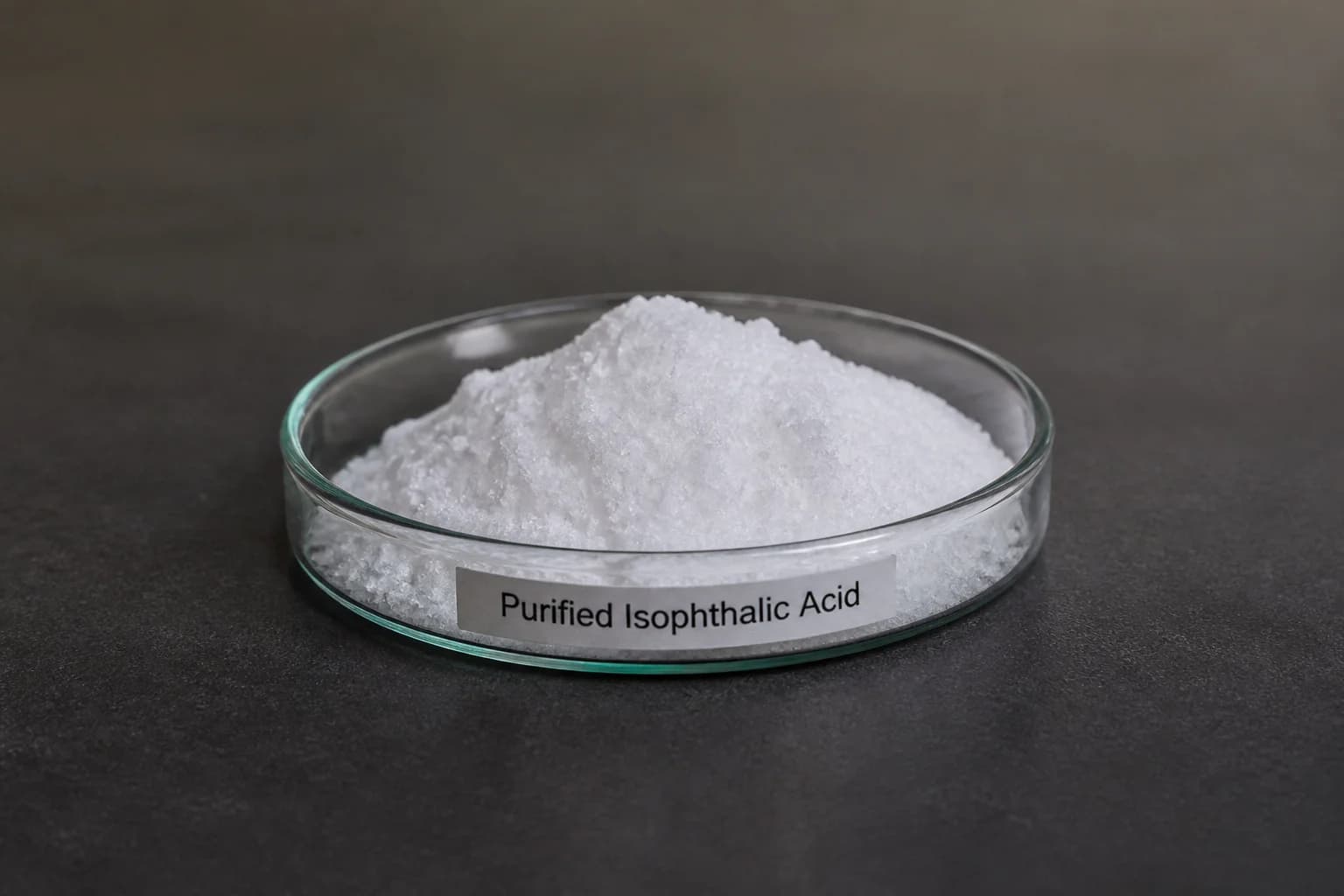
Purified Isophthalic Acid
ELRASA™TM – PITA

Get Pricing for This Product
Need pricing? Request a quote for this product and we'll get back to you shortly.
 Free Samples Available
Speed Up Your Sample Testing Process
We deliver domestic samples within 24 - 48 hours, helping you evaluate product without delays.
Purified Isophthalic Acid (PIA) is a high-purity aromatic dicarboxylic acid used primarily in the production of high-performance polymers and resins. It enhances the thermal and mechanical properties…
CAS Number
121-91-5
HS Code
29.17.39.60
INCI Name
Purified Isophthalic Acid
Molecular Formula
C₈H₆O₄
Purified Isophthalic Acid
ELRASA™TM – PITA
Purified Isophthalic Acid (PIA) is a high-purity aromatic dicarboxylic acid used primarily in the production of high-performance polymers and resins. It enhances the thermal and mechanical properties of polyesters and is a key component in the manufacture of PET bottles, fibers,…
CAS Number
121-91-5
INCI Name
Purified Isophthalic Acid
HS Code
29.17.39.60
Molecular Formula
C₈H₆O₄
Get Pricing for This Product
Need pricing? Request a quote for this product and we'll get back to you shortly.
Free Samples AvailableSpeed Up Your Sample Testing Process
We deliver domestic samples within 24 - 48 hours, helping you evaluate product without delays.
 By
By
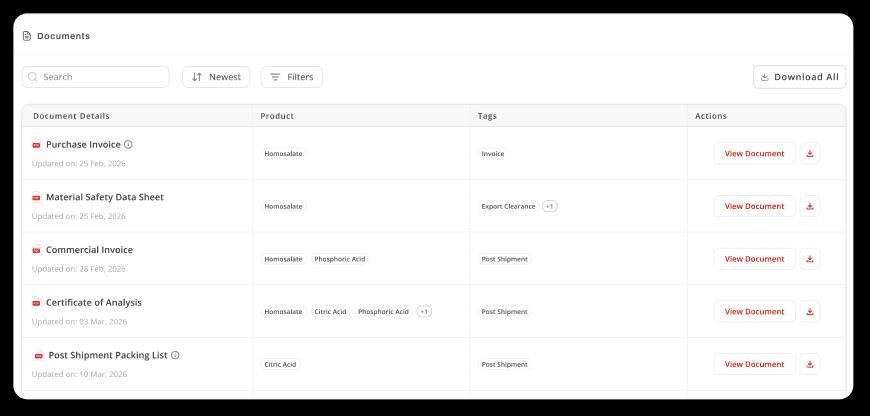
Specialty chemicals, delivered right
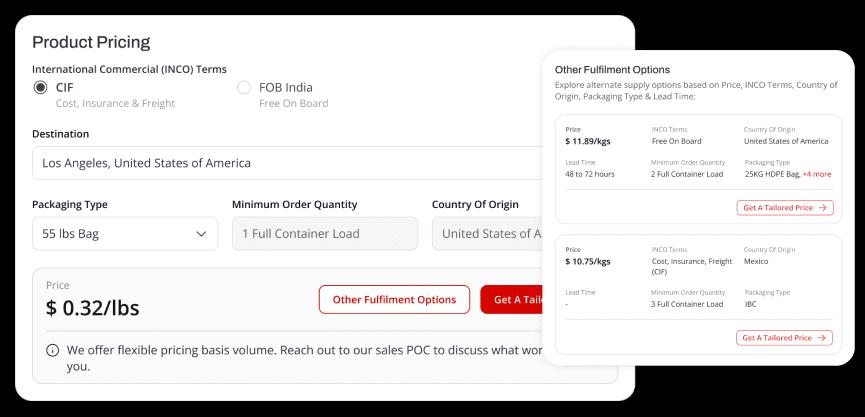
Access live, grade-specific pricing for every chemical, so your teams talks with data, not intuition on Elixir.
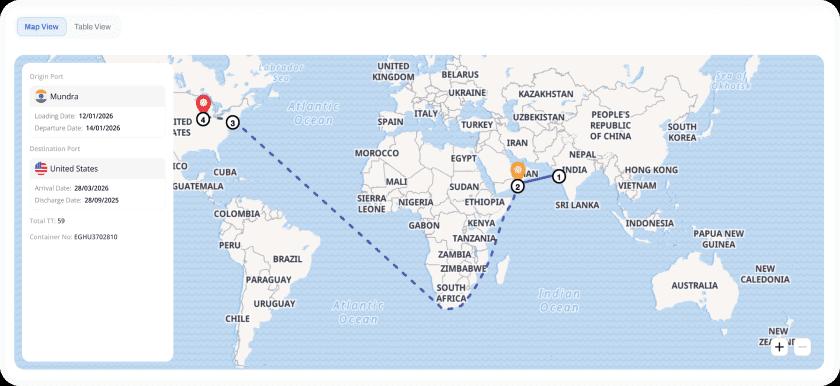
Compare fulfilment options across grades, INCO terms, origins, and lead times: all in one platform.

Live, transparent pricing
Real-time quotes across 12,000+ specialty chemicals.
Product Specification
Physical Properties
| Property | Specification |
|---|---|
| Appearance | White to off-white crystalline powder |
| Molecular Weight (G/Mol) | 166.13 |
| Density Or Specific Gravity | 1.54g/cm3 at 77 °F |
| Ph (If Aqueous Solution) | 3.33(1 mM solution);2.76(10 mM solution);2.24(100 mM solution) |
| Odor | Odorless |
| Density | 1.54g/cm3 at 77 °F |
| Refractive Index | 1.5100 (estimate) |
Chemical Properties
| Property | Specification |
|---|---|
| Pka | 3.54(at 25℃) |
| Water Solubility | 120 mg/L at 25 °C |
| Incompatibilities | Incompatible with strong oxidizing agents, strong bases |
Thermal Properties
| Property | Specification |
|---|---|
| Melting Point | 347 °C |
| Autoignition Temperature | 700 °C |
| Boiling Point | 378.3 °C at 760 mmHg |
| Flash Point | 196.7 °C |
Processing Methods & Reference Formulations
A. Polyethylene terephthalate (PET) bottle
Add purified isophthalic acid (PIA) during polycondensation to modify PET's crystallinity and improve clarity and impact resistance. Monitor reaction time and catalyst levels to ensure high-quality, durable PET with improved mechanical properties.
| Key Ingredients | Indicative Dosage (% w/w) |
|---|---|
| Terephthalic Acid (TPA) | 70–85% |
| Ethylene Glycol (EG) | 10-35% |
| Purified Isophthalic Acid (PIA) | <5% (typical 0-2%) |
B. Paints
Use purified isophthalic acid (PIA) as a monomer in polyester resin synthesis to enhance durability, chemical resistance, and gloss in paints. Ensure complete esterification during resin production and maintain controlled reaction temperatures to avoid gelation or discoloration.
| Key Ingredients | Indicative Dosage (% w/w) |
|---|---|
| Resin (polyester/alkyd, with PIA) | 20-40% |
| Pigments/Fillers | 10-30% |
| Water/ Solvent | 20-50% |
| Additives | 1-5% |
C. Polyster resin
When adding purified isophthalic acid (PIA) to polyester resin, ensure it is well-dried to prevent moisture-related issues during polymerization. Introduce PIA gradually with good agitation to promote uniform dispersion.
| Key Ingredients | Indicative Dosage (% w/w) |
|---|---|
| Purified isophthalic acid (PIA) | 18% |
| Terephthalic Acid (TPA) | 9% |
| Adipic Acid | 11% |
| Neopentyl Glycol (NPG) | 24% |
| Trimethylolpropane (TMP) | 5% |
| Solvent (e.g., Xylene) | 30% |
Dosing Guidelines
A. Dosing by Application
| Products | Authorized dosage % |
|---|---|
| Polyethylene terephthalate (PET) bottle | <5% |
| Paints | 5-20% |
About Purified Isophthalic Acid
Purified Isophthalic Acid, also known as PIA, is a crucial component in the chemical industry, particularly in the production of high-performance polymers and resins. As a key ingredient in the manufacture of PET bottles and fibers, it enhances the thermal and mechanical properties of these materials, making them suitable for a wide range of applications. PIA is also used in coatings and adhesives, where it provides improved durability and resistance to environmental factors. Manufacturers of Purified Isophthalic Acid focus on producing a high-purity product to meet the stringent demands of industries such as automotive, textiles, and packaging. The production process is carefully controlled to ensure consistency and stability, which are crucial for the compound's effectiveness in various applications. Sustainability is an increasing focus for PIA manufacturers, with many adopting greener practices to minimize their environmental impact. These efforts include optimizing energy use during production and reducing waste emissions. The trend toward eco-friendly manufacturing aligns with the growing demand for sustainable raw materials in the chemical industry. Beyond its role in polymers and resins, Purified Isophthalic Acid is also used in the production of plasticizers and adhesives, where it acts as a builder to enhance performance. Its widespread use across multiple sectors underscores the importance of PIA as a fundamental compound in modern industry.
- High Purity Standards: Ensures performance in polymers, resins, and coatings.
- Thermal Stability: Enhances the thermal properties of polyester products.
- Mechanical Strength: Improves the durability and strength of materials.
- Versatile Applications: Used in coatings, adhesives, and plasticizers.
- Eco-Friendly Production: Focus on minimizing energy use and waste.
About Purified Isophthalic Acid
Purified Isophthalic Acid, also known as PIA, is a crucial component in the chemical industry, particularly in the production of high-performance polymers and resins. As a key ingredient in the manufacture of PET bottles and fibers, it enhances the thermal and mechanical properties of these materials, making them suitable for a wide range of applications. PIA is also used in coatings and adhesives, where it provides improved durability and resistance to environmental factors. Manufacturers of Purified Isophthalic Acid focus on producing a high-purity product to meet the stringent demands of industries such as automotive, textiles, and packaging. The production process is carefully controlled to ensure consistency and stability, which are crucial for the compound's effectiveness in various applications. Sustainability is an increasing focus for PIA manufacturers, with many adopting greener practices to minimize their environmental impact. These efforts include optimizing energy use during production and reducing waste emissions. The trend toward eco-friendly manufacturing aligns with the growing demand for sustainable raw materials in the chemical industry. Beyond its role in polymers and resins, Purified Isophthalic Acid is also used in the production of plasticizers and adhesives, where it acts as a builder to enhance performance. Its widespread use across multiple sectors underscores the importance of PIA as a fundamental compound in modern industry.
- High Purity Standards: Ensures performance in polymers, resins, and coatings.
- Thermal Stability: Enhances the thermal properties of polyester products.
- Mechanical Strength: Improves the durability and strength of materials.
- Versatile Applications: Used in coatings, adhesives, and plasticizers.
- Eco-Friendly Production: Focus on minimizing energy use and waste.
FAQs - Purified Isophthalic Acid
Related Products
Related Products

Streamline
Your Chemical
Procurement
Get fast responses from real experts