The global cleaning chemicals market is a dynamic and ever-evolving industry, driven by the constant need for hygiene and sanitation across various sectors. From household cleaning to industrial sanitation, the demand for effective cleaning solutions continue to grow. In this blog, we’ll explore the top five cleaning chemicals in terms of global demand, delving into their uses, market trends, and how chemical businesses can source and sell these high-demand products.
1. Sodium Hypochlorite
Sodium hypochlorite, commonly known as bleach, is one of the most widely used cleaning chemicals in the world. Its strong oxidizing properties make it an effective disinfectant, capable of killing a broad spectrum of microorganisms, including bacteria, viruses, and fungi. Sodium hypochlorite is extensively used in household cleaning products, water treatment, and sanitation processes in various industries.
Market Demand: The demand for sodium hypochlorite surged during the COVID-19 pandemic as the need for disinfectants skyrocketed. Even post-pandemic, the demand remains strong due to the continued emphasis on hygiene and cleanliness. According to market reports, the global sodium hypochlorite market is expected to grow at a CAGR of 5% from 2023 to 2030, driven by increased applications in residential, commercial, and industrial sectors.
Sourcing and Selling: Chemical suppliers dealing with sodium hypochlorite can benefit from forming partnerships with manufacturers who specialize in large-scale production. As a specialized cleaning chemicals supplier , Elchemy connects buyers with verified manufacturers of high-demand cleaning ingredients.. Cleaning products suppliers can also explore opportunities to offer private-label sodium hypochlorite products, catering to both consumer and industrial markets. Ensuring a steady supply chain and maintaining high-quality standards are key to capitalizing on the growing demand.
2. Hydrochloric Acid
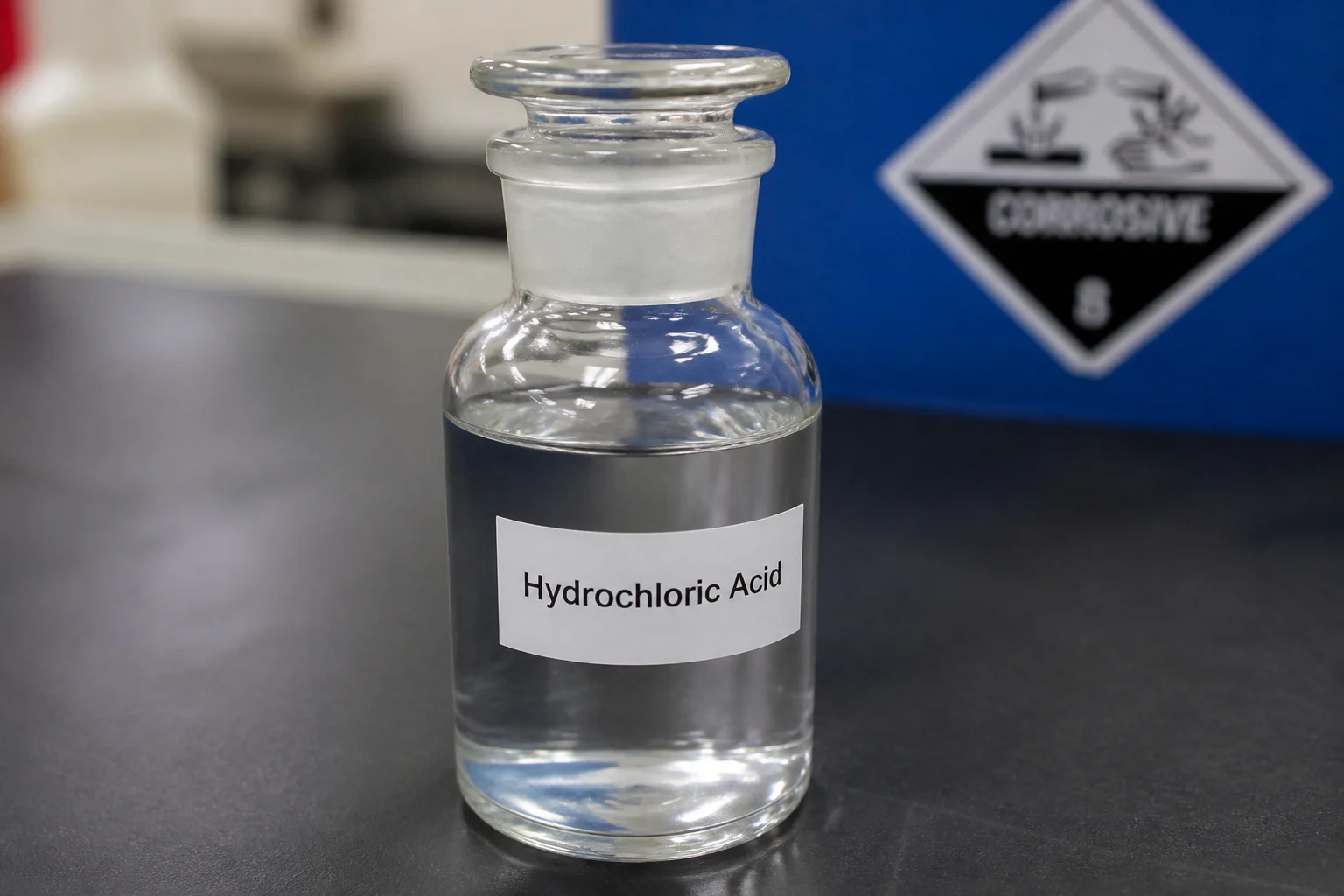
Hydrochloric acid is another highly demanded cleaning chemical, particularly in industrial applications. Known for its strong acidic properties, hydrochloric acid is used in cleaning processes that require the removal of rust, scale, and mineral deposits. It is commonly employed in the maintenance of boilers, heat exchangers, and other industrial equipment.
Market Demand: The global market for hydrochloric acid is projected to reach USD 11.6 billion by 2027, with a CAGR of 6.2%. The demand is driven by its widespread use in industries such as oil and gas, steel production, and chemical manufacturing. The growing industrialization in emerging economies is further boosting the demand for hydrochloric acid.
Sourcing and Selling: For chemical suppliers, sourcing hydrochloric acid from reliable chemical products manufacturers is crucial to meet the demands of industrial clients. Suppliers should also consider offering customized solutions tailored to specific industrial needs, such as varying concentrations and packaging options. Cleaning products suppliers can target industries that require regular maintenance and cleaning services, positioning hydrochloric acid as a must-have product.
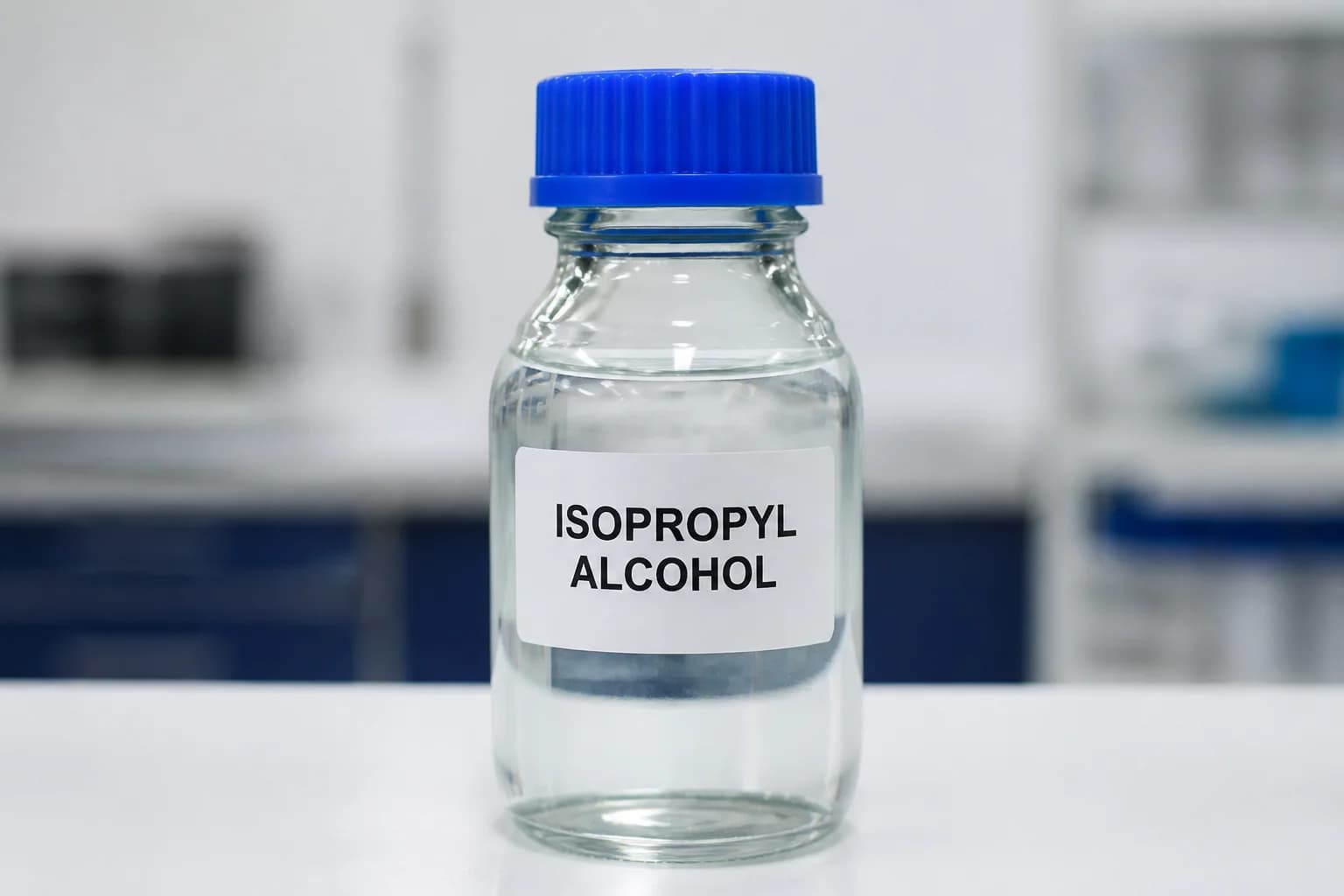
3. Isopropyl Alcohol (IPA)
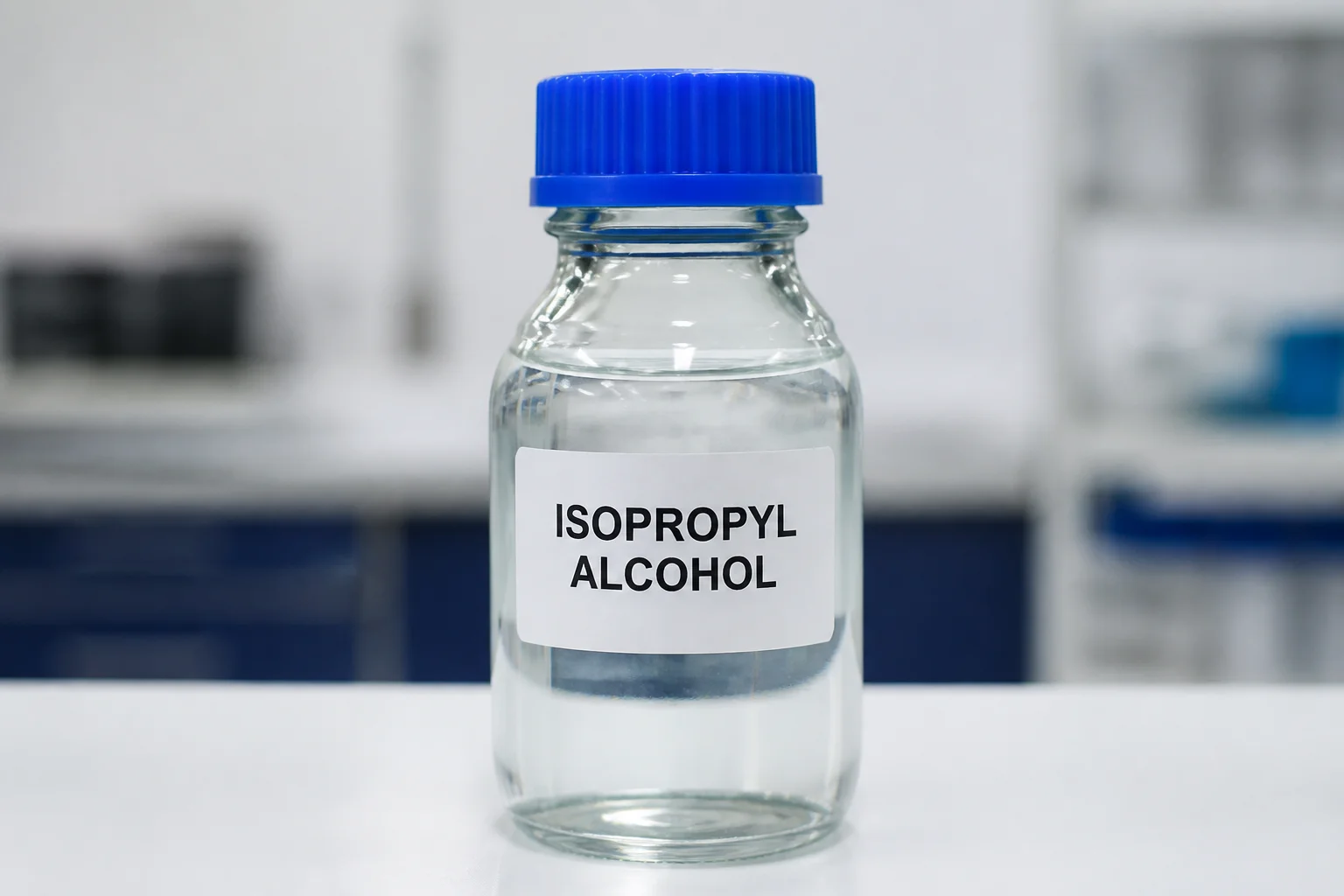
Isopropyl alcohol, or IPA, is a versatile cleaning chemical with a wide range of applications. It is commonly used as a disinfectant, solvent, and antiseptic in various industries, including healthcare, electronics, and cosmetics. IPA is highly effective at dissolving oils, greases, and other contaminants, making it an essential component in many cleaning products.
Market Demand: The global isopropyl alcohol market is expected to reach USD 4.5 billion by 2028, growing at a CAGR of 7.1%. The demand for IPA has been particularly strong in the healthcare sector, where it is used in sanitizers, disinfectants, and cleaning agents. The increasing focus on personal hygiene and the growing electronics industry are also contributing to the rising demand.
Sourcing and Selling: Chemical suppliers can capitalize on the demand for IPA by establishing relationships with manufacturers who produce high-purity grades suitable for various applications. Cleaning products suppliers should focus on the healthcare and electronics sectors, offering IPA-based products that cater to the stringent cleanliness standards of these industries. Additionally, suppliers can explore opportunities in the burgeoning DIY cleaning products market, where IPA is a popular ingredient.
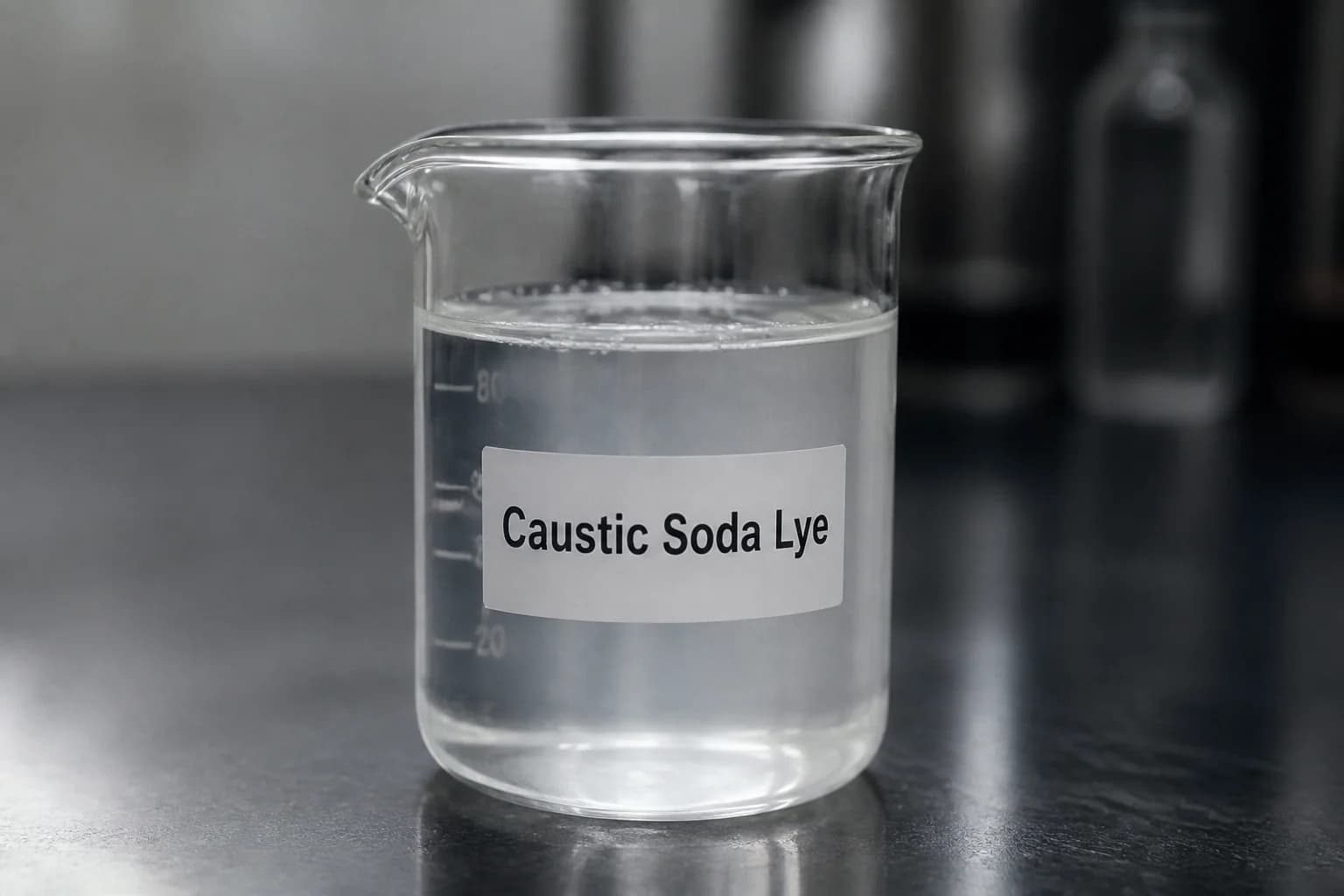
4. Sodium Hydroxide (Caustic Soda)
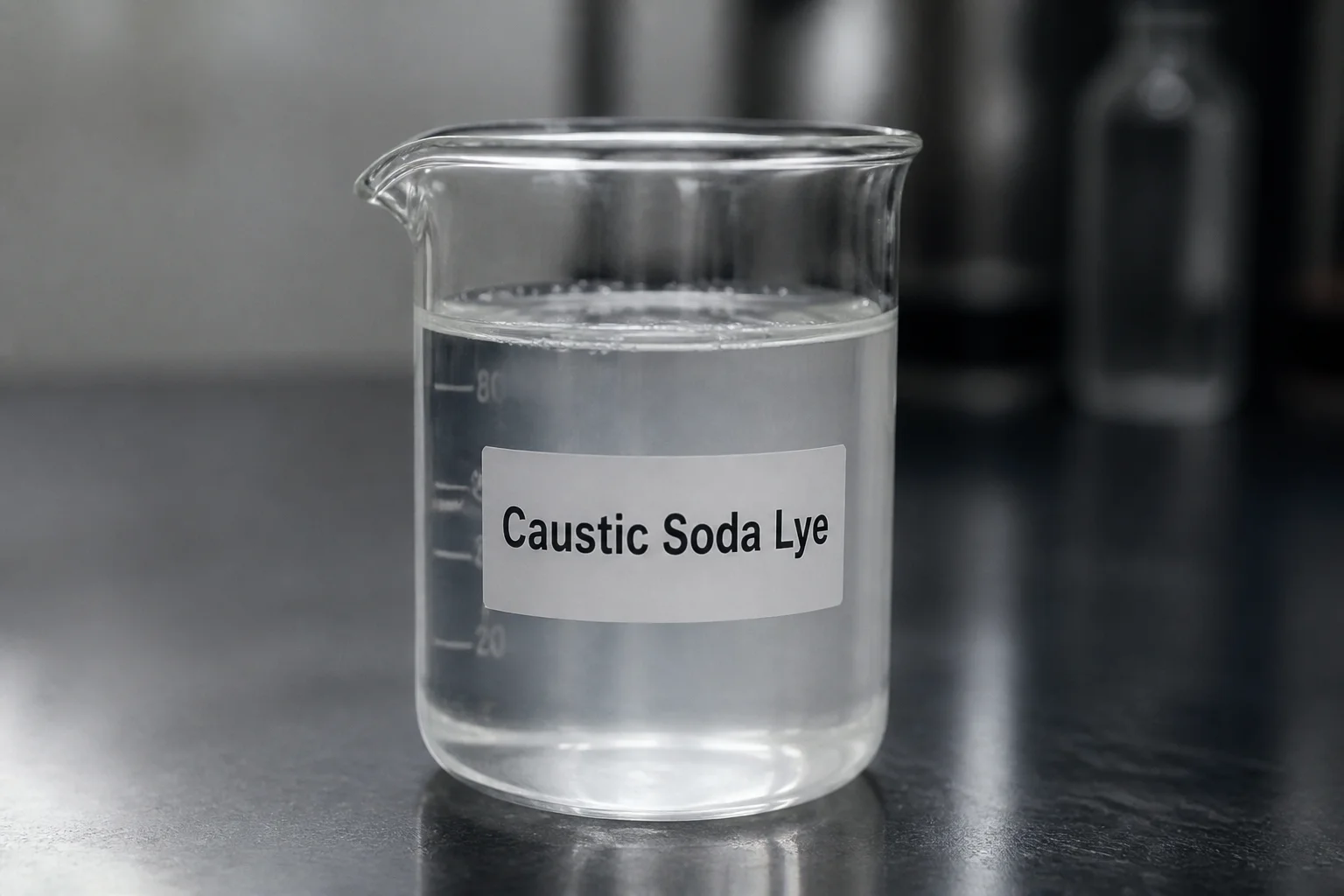
Sodium hydroxide, commonly known as caustic soda, is a powerful cleaning chemical used in a variety of applications. It is highly effective at breaking down organic matter, making it ideal for cleaning and unclogging drains, degreasing, and industrial cleaning processes. Sodium hydroxide is also used in the production of soap, detergents, and paper.
Market Demand: The global sodium hydroxide market is projected to grow at a CAGR of 4.3% from 2023 to 2030, reaching a value of USD 54 billion. The demand is driven by its extensive use in industries such as textiles, pulp and paper, and water treatment. The increasing need for wastewater treatment and the growing demand for detergents are key factors contributing to the market growth.
Sourcing and Selling: For chemical suppliers, sourcing sodium hydroxide from reputable manufacturers with a consistent supply is essential to meet the high demand. Cleaning products suppliers can target industries that require bulk quantities of caustic soda for their operations. Offering technical support and safety guidelines can also enhance the value proposition for industrial clients.
5. Ammonia
Ammonia is a widely used cleaning chemical known for its ability to cut through grease and grime. It is commonly found in household cleaning products, particularly glass cleaners, and is also used in industrial cleaning applications. Ammonia is valued for its effectiveness in removing stains and its relatively low cost.
Market Demand: The global ammonia market is expected to reach USD 90 billion by 2028, with a CAGR of 5.7%. The demand for ammonia is driven by its use in fertilizers, which accounts for a significant portion of the market. However, its application in cleaning products remains substantial, particularly in regions where cost-effective cleaning solutions are in high demand.
Sourcing and Selling: Chemical suppliers can source ammonia from large-scale producers who specialize in the production of this chemical for both agricultural and industrial use. Cleaning products suppliers can focus on the household and janitorial markets, offering ammonia-based products that cater to consumers looking for affordable and effective cleaning solutions. Highlighting the versatility and cost-effectiveness of ammonia can help drive sales in competitive markets.
Sourcing Chemicals Made Easy
As the market continues to evolve, businesses that stay ahead of the trends and offer high-quality cleaning chemicals will be well-positioned to succeed. Whether you’re a supplier looking to expand your product offerings or a business seeking effective cleaning solutions, the demand for these top cleaning chemicals presents a significant opportunity for growth and profitability.
To give your business an edge over competitors, start sourcing high-quality cleaning chemicals from elchemy.com. At Elchemy, we offer a wide range of chemical products, ensuring suppliers
have access to the best materials for their needs. Our partners benefit from reliable supply chains, competitive pricing, and round-the-clock access to expert advice on product selection. Elchemy.com simplifies the sourcing process, allowing suppliers to focus on delivering top-notch cleaning products to their customers. Whether you need bulk orders or specialized formulations, reach out to Elchemy to have premium chemical products delivered to your door.