

At a Glance
- U.S. personal care brands are actively replacing harsh surfactants due to rising consumer sensitivity concerns
- Sodium lauryl sulfate alternative ingredients are now central to clean beauty and dermatologist-led formulations
- Plant-derived surfactants from coconut, sugar, and amino acids are gaining preference
- Brands balance cleansing performance, foam quality, and mildness while reformulating
- Regulatory pressure and clean-label demand are accelerating the shift away from SLS
- Cost, viscosity control, and compatibility remain key formulation challenges
The U.S. personal care industry is undergoing a noticeable shift in how cleansing products are formulated. Shampoos, face washes, body cleansers, and even toothpaste are being redesigned to meet new consumer expectations around gentleness, ingredient transparency, and long-term skin health.
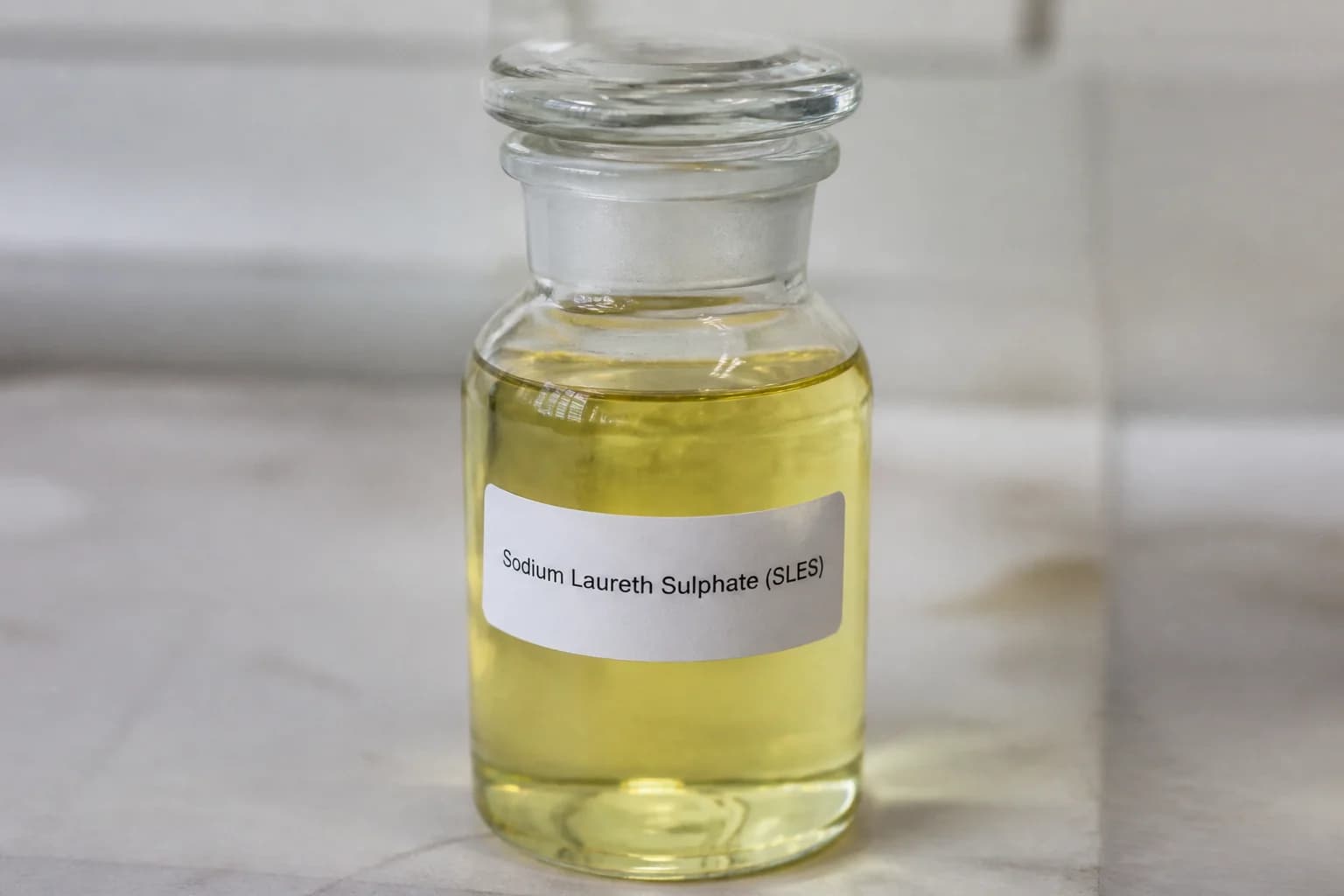
At the center of this change is sodium lauryl sulfate. Once considered a reliable and effective surfactant, it is now one of the most scrutinized ingredients on cosmetic labels. While still legally permitted, its reputation has pushed brands to search for safer, milder substitutes.
Today, a sodium lauryl sulfate alternative is no longer a niche preference. It has become a formulation requirement for brands positioning themselves as clean, natural, organic, or dermatologist-approved in the U.S. market.
This article explores why SLS is being replaced, the natural and organic alternatives trending across U.S. personal care brands, and the formulation realities shaping this transition.
Why sodium lauryl sulfate is being phased out
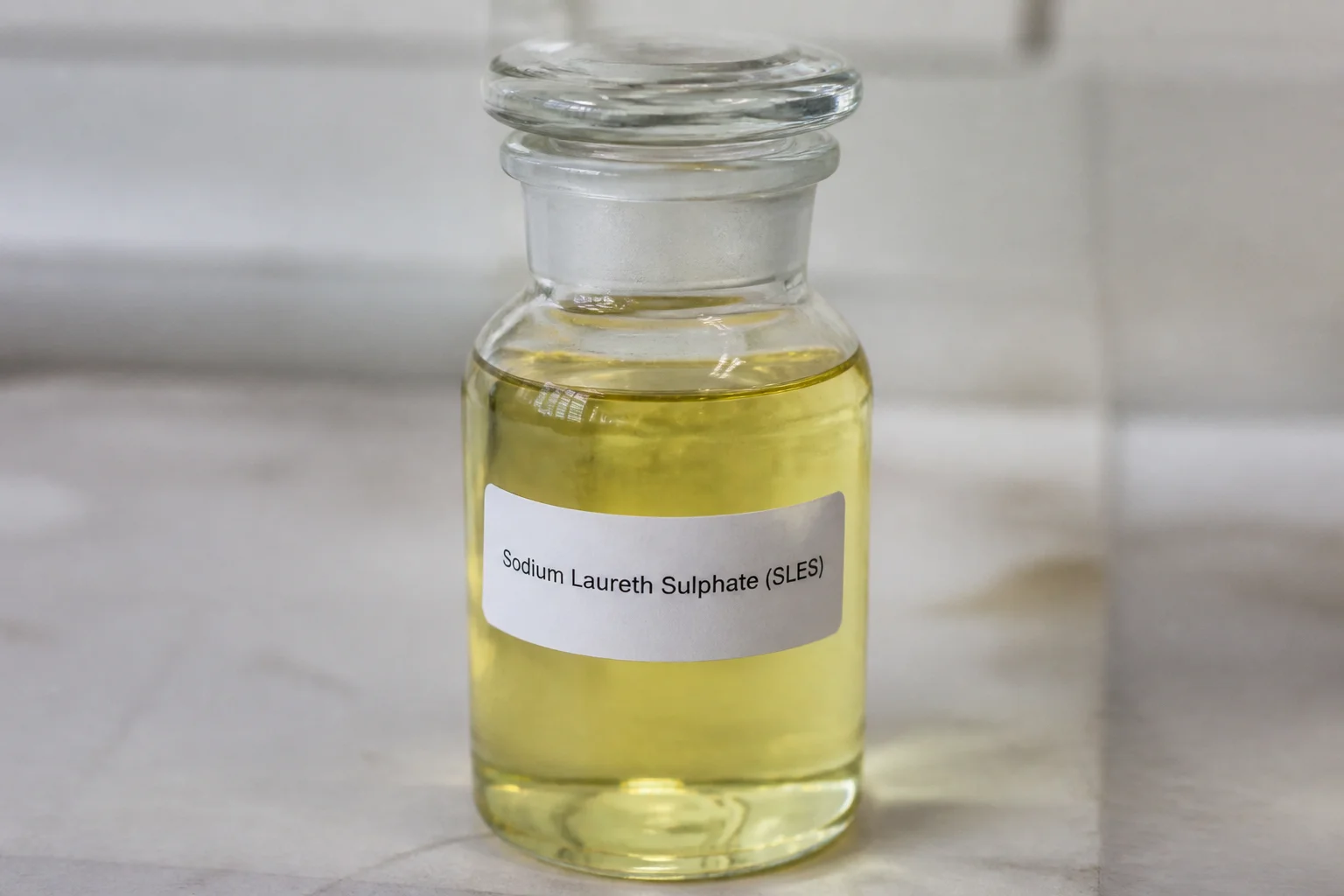
Sodium lauryl sulfate is an anionic surfactant known for its strong cleansing and foaming properties. It removes oils and debris effectively, which made it popular across mass-market formulations for decades.
However, its high cleansing power can disrupt the skin and scalp barrier. Many consumers associate SLS with dryness, irritation, scalp sensitivity, and color fading in haircare. Even when scientifically safe at regulated levels, perception has shifted sharply.
In the U.S., ingredient literacy has increased. Consumers actively avoid ingredients flagged online or discussed negatively in skincare forums and dermatology content. “SLS-free” has become a visible purchase driver, especially in premium and masstige categories.
This has forced brands to look beyond performance alone and consider mildness, perception, and long-term use comfort.
Understanding surfactants in personal care
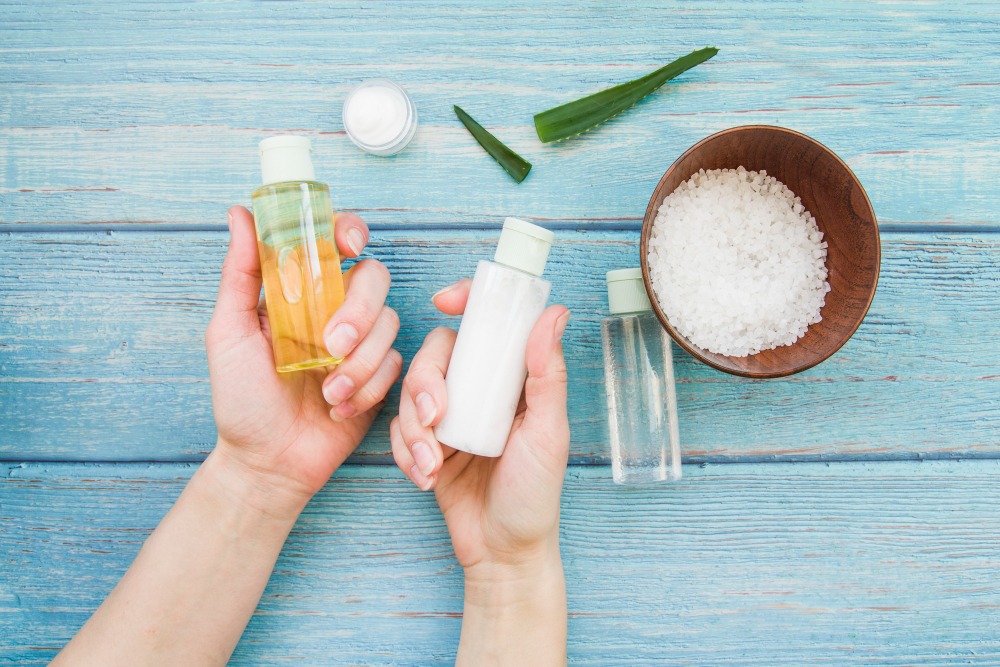
Surfactants are cleansing agents that lower surface tension and allow water to remove oil, dirt, and impurities. They are essential in rinse-off products.
Not all surfactants behave the same. Their structure determines how aggressively they cleanse and how they interact with skin proteins and lipids.
Broadly, surfactants fall into:
- Anionic surfactants, which cleanse strongly
- Amphoteric surfactants, which balance cleansing and mildness
- Non-ionic surfactants, which cleanse gently and stabilize formulations
A successful sodium lauryl sulfate alternative often blends multiple surfactant types to mimic performance while improving skin compatibility.
What brands look for in an SLS alternative
Replacing SLS is not as simple as swapping one ingredient for another. U.S. brands evaluate alternatives across several dimensions.
Key criteria include:
- Mildness on skin and scalp
- Acceptable foam quality and rinse feel
- Compatibility with actives and preservatives
- Natural or plant-based origin
- Cost and supply stability
Formulators aim to meet consumer expectations without sacrificing cleansing efficiency or product aesthetics.
Natural surfactants trending in the U.S.
Several natural surfactant families have emerged as leading replacements for SLS in U.S. formulations.
Glucosides
Glucosides are non-ionic surfactants derived from sugar and fatty alcohols. Coco glucoside and decyl glucoside are widely used in face washes, baby products, and sulfate-free shampoos.
They are valued for their mildness and biodegradability. While they do not produce dense foam alone, they are often paired with amphoteric surfactants to improve sensory performance.
Amino acid-based surfactants
Amino acid surfactants such as sodium cocoyl glutamate and sodium lauroyl sarcosinate are increasingly popular.
These ingredients cleanse effectively while preserving the skin’s natural moisture barrier. They are commonly found in premium facial cleansers and scalp-sensitive shampoos.
Their higher cost is offset by strong performance and favorable dermatological perception.
Isethionates
Sodium cocoyl isethionate is a mild anionic surfactant derived from coconut fatty acids.
It delivers a creamy lather and gentle cleansing, making it suitable for solid cleansers, syndet bars, and sulfate-free shampoos. Many brands consider it a practical alternative to sodium lauryl sulfate in rinse-off formats.
Organic-approved surfactant options
Organic personal care brands face additional constraints due to certification standards.
Certifying bodies typically restrict petrochemical processing and synthetic intermediates. This limits available surfactants but also encourages innovation.
Common organic-compliant options include:
- Coco glucoside
- Lauryl glucoside
- Sodium cocoyl glutamate
- Soap-based systems using saponified oils
These ingredients allow brands to maintain organic positioning while meeting performance expectations.
Alternative to sodium lauryl sulfate in haircare
Haircare products face unique challenges when removing SLS.
Consumers expect rich foam, effective cleansing, and good detangling. Achieving this without SLS requires careful surfactant blending.
U.S. brands often use combinations such as:
- Coco glucoside with sodium cocoyl glutamate
- Sodium lauroyl sarcosinate with amphoteric surfactants
- Isethionates paired with conditioning polymers
This layered approach allows brands to create a functional alternative to sodium lauryl sulfate that performs well across hair types.
SLS Alternatives in facial and body cleansers
Facial and body cleansers prioritize mildness over foam volume.
Here, sls alternatives such as glucosides and amino acid surfactants dominate. Brands emphasize barrier-friendly cleansing and compatibility with actives like niacinamide and ceramides.
Low irritation potential is especially important in products designed for daily use.
Performance comparison of common alternatives
| Surfactant Type | Cleansing Strength | Foam Quality | Skin Mildness |
| Sodium Lauryl Sulfate | High | High | Low |
| Coco Glucoside | Low to medium | Low | High |
| Amino Acid Surfactants | Medium | Medium | Very high |
| Isethionates | Medium | Creamy | High |
This comparison highlights why blends are often preferred over single replacements.
Consumer perception driving reformulation
U.S. consumers increasingly equate sulfate-free with safer and gentler, even when science is nuanced.
“SLS-free” claims now appear prominently on packaging and digital product descriptions. Brands that fail to adapt risk being filtered out during online searches and in-store comparisons.
Social media, dermatology content, and clean beauty advocacy have amplified this perception, accelerating reformulation timelines.
Regulatory and retailer influence
While SLS remains legal, retailers and clean beauty platforms often set their own ingredient standards.
Major retailers have developed “restricted ingredient lists” that discourage or exclude SLS. This creates indirect pressure on brands to reformulate if they want shelf placement or online visibility.
Regulatory compliance remains manageable, but commercial viability increasingly depends on ingredient perception.
Formulation challenges brands face
Replacing SLS introduces technical hurdles.
Foam density may decrease. Viscosity control becomes more complex. Some natural surfactants require higher usage levels, impacting cost.
Stability testing is also critical. Natural surfactants can interact differently with preservatives, fragrances, and actives.
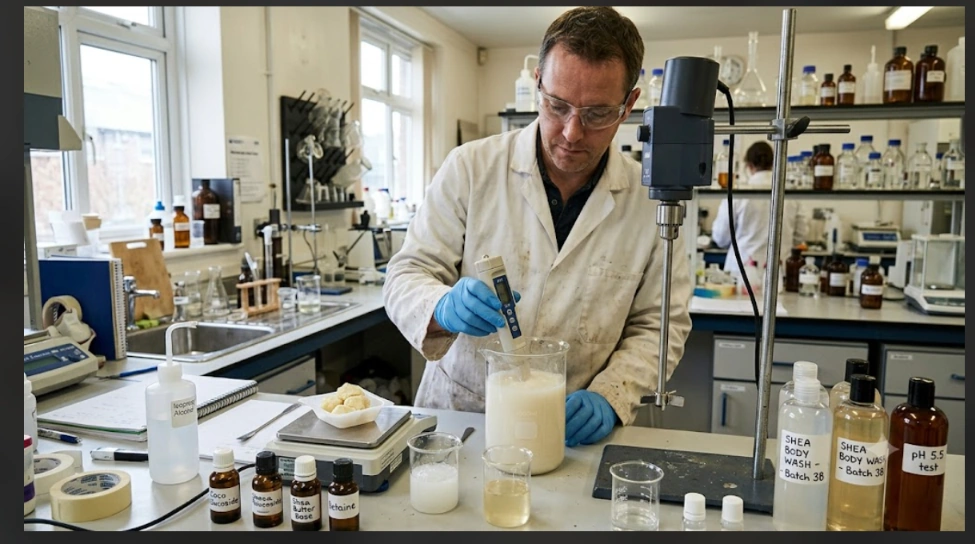
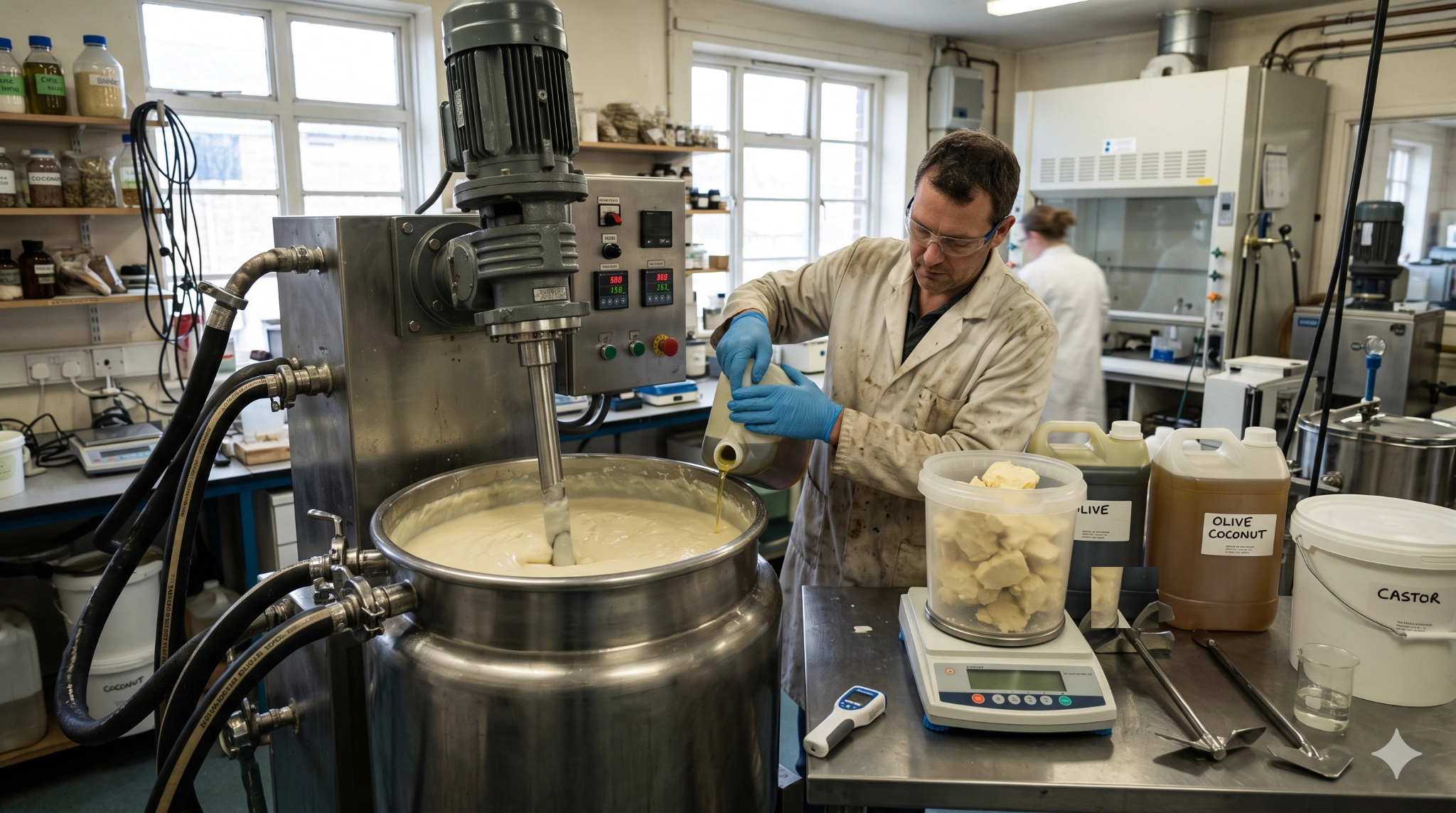
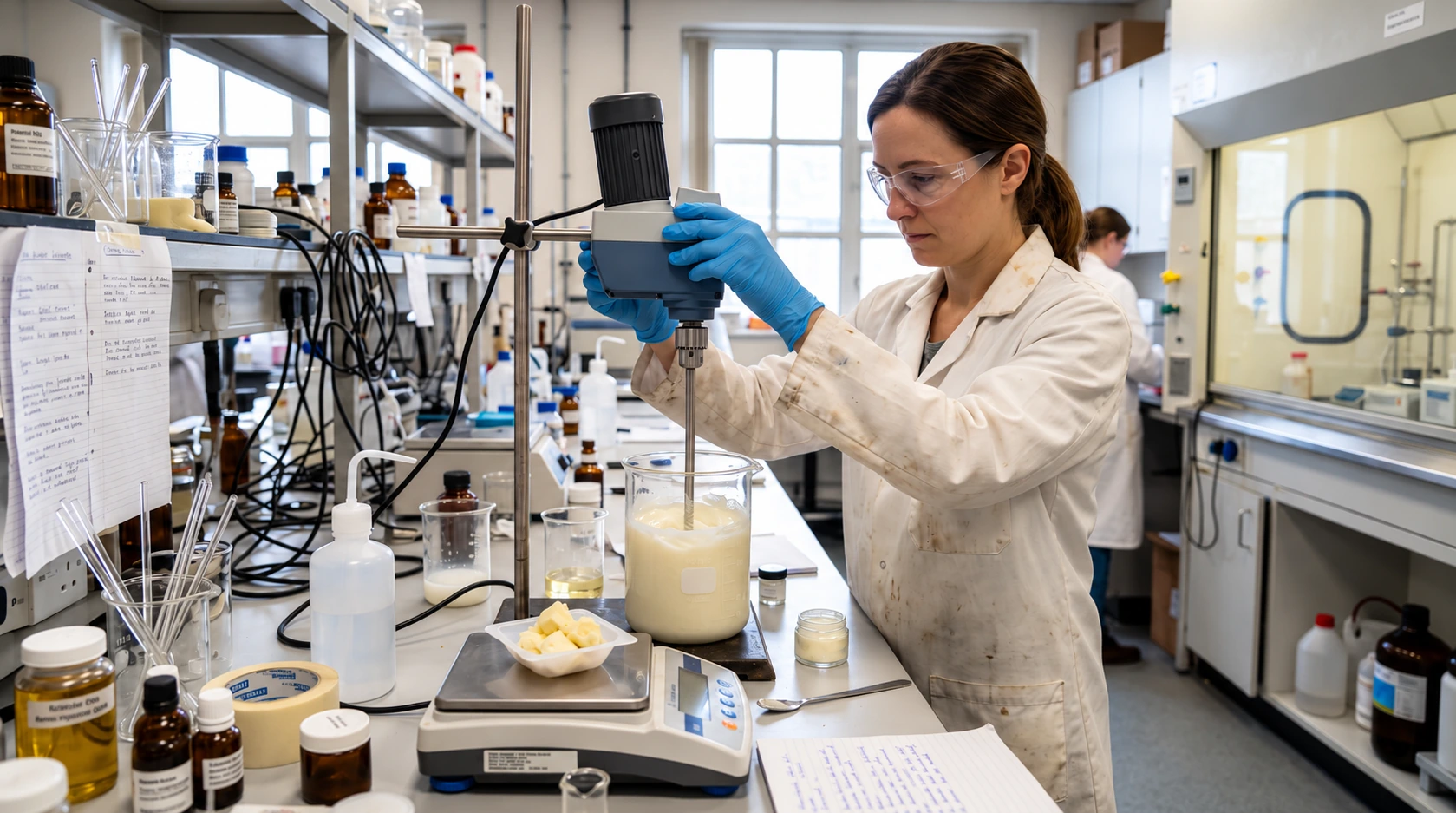
Brands investing in reformulation often allocate additional time for pilot batches and consumer testing.
Cost and supply chain considerations
Natural and organic surfactants are generally more expensive than SLS.
Price volatility, regional sourcing limitations, and batch consistency can affect scalability. As demand grows, brands are seeking reliable suppliers with technical documentation and traceability.
Supply chain transparency has become as important as ingredient performance.
Future outlook for SLS alternatives in the U.S.
The move toward sodium lauryl sulfate alternative systems is not temporary. It reflects a deeper shift toward skin health, ingredient literacy, and long-term trust.
Innovation continues in:
- Fermentation-derived surfactants
- Hybrid surfactant systems combining mildness and foam
- Low-impact processing methods
As technology advances, performance gaps between SLS and its alternatives will continue to narrow.
Conclusion
Natural and organic SLS alternatives are reshaping how U.S. personal care products are formulated. Brands are moving away from harsh surfactants not due to regulation alone, but because consumer expectations demand it.
A well-designed sodium lauryl sulfate alternative balances cleansing, mildness, and formulation stability. As sls alternatives become mainstream, brands that invest in thoughtful reformulation will be better positioned to meet evolving market demands.
The future of cleansing in the U.S. personal care industry is gentler, more transparent, and increasingly plant-driven.