

At a Glance
-
- What the term means: “Sulfate-free” describes a formulation that excludes specified sulfate surfactants; it does not by itself establish mildness, safety, biodegradability, or sustainability.
-
- What buyers compare: surfactant type, active matter, formulation compatibility, performance targets, grade, packaging, documentation, and delivered cost.
-
- What this guide covers: common alternatives used in personal care and the checks buyers should make before selecting a supplier or manufacturer.
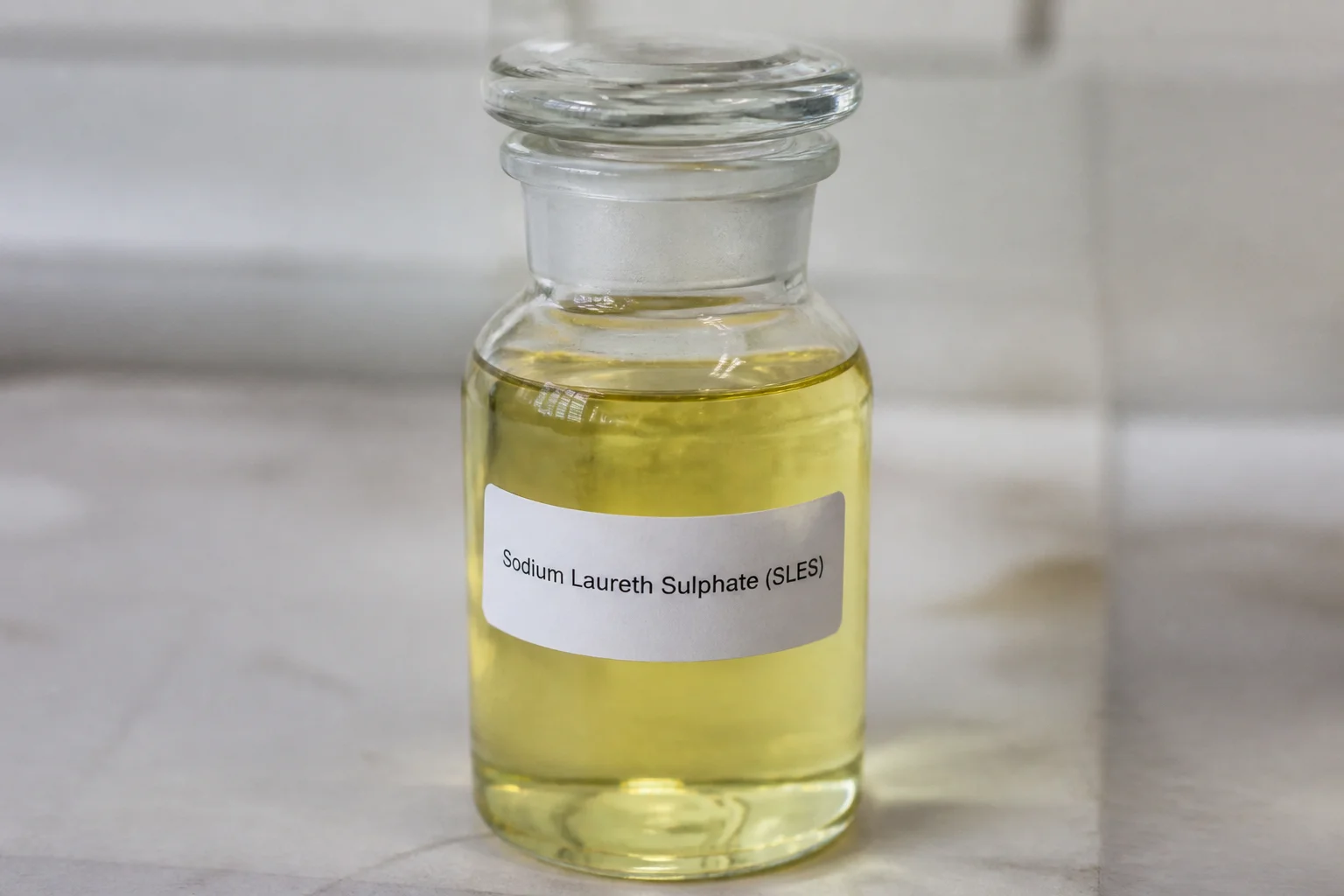
Sulfate-free surfactants are ingredients used in personal-care formulations that exclude specified sulfate surfactants such as sodium lauryl sulfate (SLS) and sodium laureth sulfate (SLES). For formulators and procurement teams, the useful question is not whether one option is universally ‘better,’ but how each candidate performs in the intended product, at the required specification and cost. This guide compares commonly used alternatives and sets out the supplier, documentation, and formulation checks to complete before sourcing.
Common Sulfate Ingredients
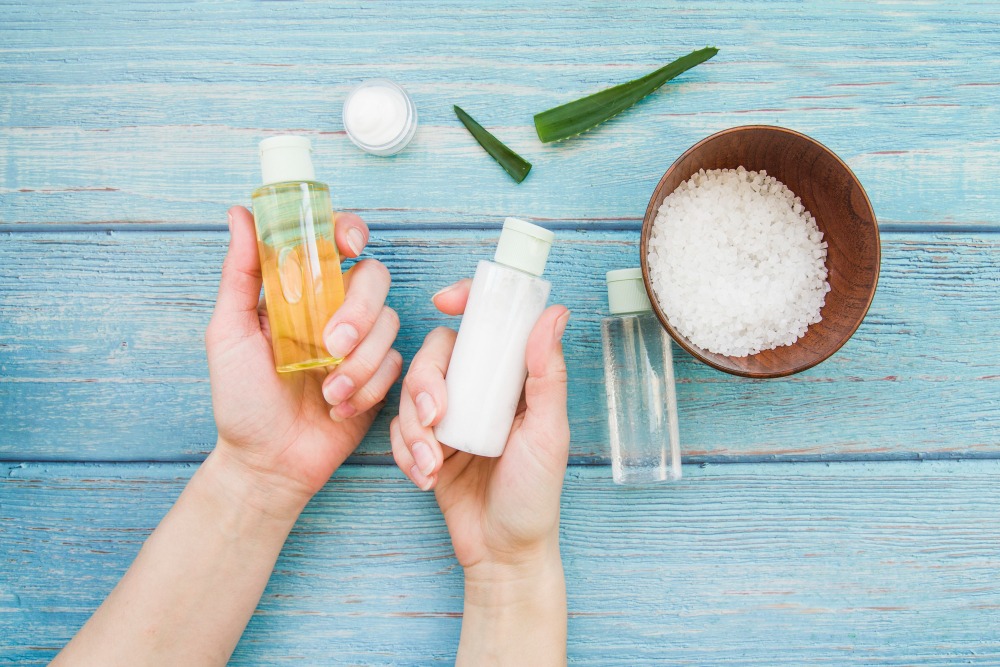
Surfactants help formulations cleanse, wet, disperse, and foam. In personal care, ‘sulfate-free’ is a formulation or marketing description whose meaning depends on which sulfate ingredients the product excludes; it does not identify one single replacement ingredient. Options can differ in charge, active matter, cleansing, foam, viscosity response, solubility, and compatibility, so the finished formula must be evaluated against its performance and specification requirements.
SLS and SLES are sulfate surfactants. Sodium cocoyl isethionate, decyl glucoside, cocamidopropyl betaine, and sodium lauroyl sarcosinate are examples of other surfactant ingredients used in personal-care formulations; their suitability depends on the application and blend. No ingredient should be described as universally mild, non-irritating, safe for sensitive skin, or environmentally preferable without evidence that supports the exact claim and use conditions.
For U.S. cosmetic products, consult the FDA cosmetics guidance for labeling requirements and claims. For ingredient-specific safety context, review the CIR isethionate assessment; it is not a substitute for a product-specific safety assessment or regulatory review.
Key Sulfate-Free Surfactants
|
Ingredient |
What buyers may evaluate |
Confirm before purchase |
|---|---|---|
|
Sodium cocoyl isethionate (SCI) |
An option for personal-care cleansing systems; the Elchemy product page describes its use in shampoos, body washes, and facial cleansers. |
Required grade and physical form, active matter, particle/solubility needs, formulation compatibility, current specification, CoA, SDS, packaging, MOQ, and destination-market documents. |
|
Decyl glucoside |
A nonionic option for personal-care cleansing systems; the Elchemy product page describes its use in shampoos, body washes, and facial cleansers. |
Required grade and active matter, appearance, viscosity/handling, compatibility with the intended blend, current specification, CoA, SDS, packaging, MOQ, and destination-market documents. |
|
Cocamidopropyl betaine (CAPB) |
A candidate amphoteric co-surfactant to assess in a blend; performance depends on the complete formula. |
Active matter, salt content, residual amidoamine/DMAPA specification if relevant to the buyer, odor/color, compatibility, current CoA/SDS, packaging, MOQ, and delivered cost. |
|
Sodium lauroyl sarcosinate |
A candidate anionic surfactant for personal-care cleansing systems and blends. |
Grade, active matter, pH/specification, solubility, formulation compatibility, current CoA/SDS, packaging, MOQ, and destination-market requirements. |
Benefits of Sulfate-Free Surfactants
Potential formulation reasons to evaluate sulfate-free surfactants include meeting a defined ingredient-exclusion requirement, achieving a target cleansing and foam profile, and selecting a blend that fits the product’s texture and market brief. These outcomes are not automatic properties of the ‘sulfate-free’ label. Formulators should compare candidates in the intended base and validate finished-product performance, stability, preservation, compatibility, and claims using their normal testing and approval process. Do not infer suitability for eczema, sensitive skin, or a sustainability claim from the ingredient category alone.
A sulfate-free brief can involve several procurement trade-offs. Compare total delivered cost rather than a generic per-kilogram range: grade and active matter, formulation dosage, packaging, order quantity, freight, duties, lead time, and quality-document requirements can all affect the quote. Confirm the exact specification and destination market before comparing suppliers.
Before approving a supplier or manufacturer, request and review:
- the current product specification and grade/active-matter details;
- a lot-specific Certificate of Analysis and current Safety Data Sheet;
- origin, manufacturer identity, packaging, MOQ, lead time, and quote validity;
- applicable quality, regulatory, and destination-market documents for the intended use; and
- written confirmation of any certification, traceability, sustainability, or compliance claim that matters to the brief.
Do not assume a distributor is the manufacturer, that one certificate covers every product/site, or that a supplier document alone establishes compliance of the finished cosmetic.
How to Qualify a Sulfate-Free Surfactant Supplier
Start with the finished product and destination market, then compare suppliers against the same written brief. Ask each supplier or manufacturer to confirm the product identity, grade, active matter, available documentation, origin, packaging, MOQ, lead time, quote validity, and delivery terms. Review the specification and lot documentation with the formulator and quality/regulatory team. If a certification or sustainability attribute is required, verify its scope, issuer, site, product coverage, and validity directly before making a claim. Finally, test the ingredient in the intended formulation and evaluate total delivered cost—not a generic market price.
For product availability, specifications, documents, samples, or a current quote, contact Elchemy’s sourcing team. Buyers can also review Elchemy’s listed SCI product and decyl glucoside; confirm current availability and terms directly.
Key Sulfate-Free Surfactants: Properties and Applications
| Surfactant | Source | Properties | Applications | Cost (July 2025) |
| Sodium Cocoyl Isethionate | Coconut oil | Creamy foam, pH 5-7, biodegradable | Shampoos, baby products | $5-$10/kg |
| Decyl Glucoside | Corn/coconut | Clear, gentle, pH 4-9 | Facial washes, sensitive skin | $4-$8/kg |
| Cocamidopropyl Betaine | Coconut oil | Foam booster, mild | Body washes, shampoos | $3-$7/kg |
| Sodium Lauroyl Sarcosinate | Coconut/sarcosine | High foam, biodegradable | Shampoos, toothpaste | $6-$12/kg |
Tips:
-
- Source USP-grade surfactants for cosmetics and pharma.
-
- Test formulations at pH 4-9 for stability.
-
- Demand COAs with <0.01% impurities.
-
- Use Elchemy for RSPO-certified surfactants.
-
- Store surfactants in cool, dry conditions (<25°C).
-
- Monitor prices via ICIS for cost planning.
Match the ingredient to the formulation brief
For shampoo, facial-cleanser, and body-wash projects, shortlist ingredients by the required cleansing and foam profile, physical form, active matter, processing conditions, compatibility with the rest of the surfactant system, and target cost. Ingredients such as SCI, decyl glucoside, CAPB, and sodium lauroyl sarcosinate are candidates to assess not interchangeable drop-in replacements. Validate each selection in the finished formula and confirm that any product or skin-benefit claim is supported by the manufacturer’s testing and regulatory review
Wrapping Up
Selecting a sulfate-free surfactant is a formulation and sourcing decision: define the intended use, compare candidate ingredients against performance and specification requirements, review current documentation, and confirm delivered terms for the destination market. For a current product inquiry, sample, or quote, contact Elchemy with the required ingredient, grade, quantity, packaging, destination, and documentation needs.