You reach for dish soap and watch the grease dissolve effortlessly. Your shampoo creates that satisfying lather. Industrial machines run smoothly with specialized lubricants. What connects all these different products? Surfactants.
These molecules don’t get the attention they deserve, but they’re working behind the scenes in thousands of applications every single day. From the bathroom to the factory floor, surfactants make the impossible possible. They’re the reason oil and water can mix, dirt lifts from surfaces, and emulsions stay stable.
Understanding the role of surfactant chemistry helps explain why your everyday products work the way they do and opens up insight into industrial processes that shape modern manufacturing.
At a Glance
-
- Surfactants reduce surface tension by having both water-loving (hydrophilic) and oil-loving (hydrophobic) parts
-
- The global surfactant market exceeded $45 billion in 2024, with household detergents consuming 30-35% of production
-
- Micelle formation at critical concentrations traps dirt, oil, and contaminants for easy removal
-
- Anionic surfactants like SLS dominate cleaning (60% market share) while cationic types excel in fabric softeners
-
- Personal care formulations use 5-40% surfactant concentrations depending on product type
-
- Industrial applications include oil recovery, textile processing, metal working, and enhanced mineral extraction
-
- Biosurfactants are growing at 5.5% annually as sustainable alternatives to petroleum-based surfactants
Understanding the Role of Surfactant Molecules
Here’s the basic chemistry. Surfactants are amphiphilic molecules. That means they have two distinct parts with opposite properties. One end loves water (hydrophilic head). The other end hates water but loves oil (hydrophobic tail).
This dual nature creates all the magic. When you add surfactants to water, something interesting happens. The water-hating tails try to escape from the water molecules. The water-loving heads want to stay surrounded by water. This creates tension at the molecular level that drives surfactants to interfaces where water meets air, oil, or solid surfaces.
Water normally beads up on surfaces because of high surface tension. Molecules at the water’s surface cling tightly to each other since there’s nothing above them to bond with. This tension keeps water from spreading out. Drop water on your kitchen counter and it forms tight little beads.
Add surfactant and everything changes. The molecules rush to the surface, inserting themselves between water molecules. Their hydrophobic tails stick up into the air while hydrophilic heads stay in the water. This breaks up the tight molecular bonds, reducing surface tension dramatically. The water relaxes and spreads out.
Now that water can actually wet the surface you’re trying to clean. Without surfactants, water would just roll off greasy plates or oily skin. With them, cleaning becomes possible.
How Micelles Make Cleaning Work
When surfactant concentration hits a specific level called the critical micelle concentration (CMC), something special happens. The molecules organize into spherical structures called micelles.
Picture a tiny ball. The hydrophobic tails all point inward toward the center, creating an oil-friendly environment. The hydrophilic heads form the outer surface, facing the surrounding water. These micelles are typically 5-20 nanometers in diameter.
Why does this matter? Because micelles are dirt traps.
Grease and oil don’t dissolve in water. But they’re attracted to those hydrophobic tail groups clustered inside micelles. As surfactant molecules work their way under dirt particles on a surface, they surround the oily grime. The hydrophobic tails grab onto the grease while the hydrophilic heads pull everything away from the surface and into the water.
The dirt gets suspended inside the micelle core, safely isolated from redepositing back onto the clean surface. This process is called solubilization or emulsification. When you rinse, the micelles carry the trapped dirt away with the water.
Surfactant Classification and Properties
| Type | Charge | Common Examples | Key Applications | Market Share |
| Anionic | Negative | SLS, SLES, LAS | Laundry detergents, dish soap, shampoos | 60% |
| Nonionic | Neutral | Alcohol ethoxylates, alkyl polyglucosides | Low-foam cleaners, cosmetics, industrial | 30% |
| Cationic | Positive | Benzalkonium chloride, CTAB | Fabric softeners, hair conditioners, disinfectants | 5% |
| Amphoteric | Both +/- | Cocamidopropyl betaine, lauryl betaine | Baby shampoos, sensitive skin products | 5% |
Anionic Surfactants: The Cleaning Powerhouses
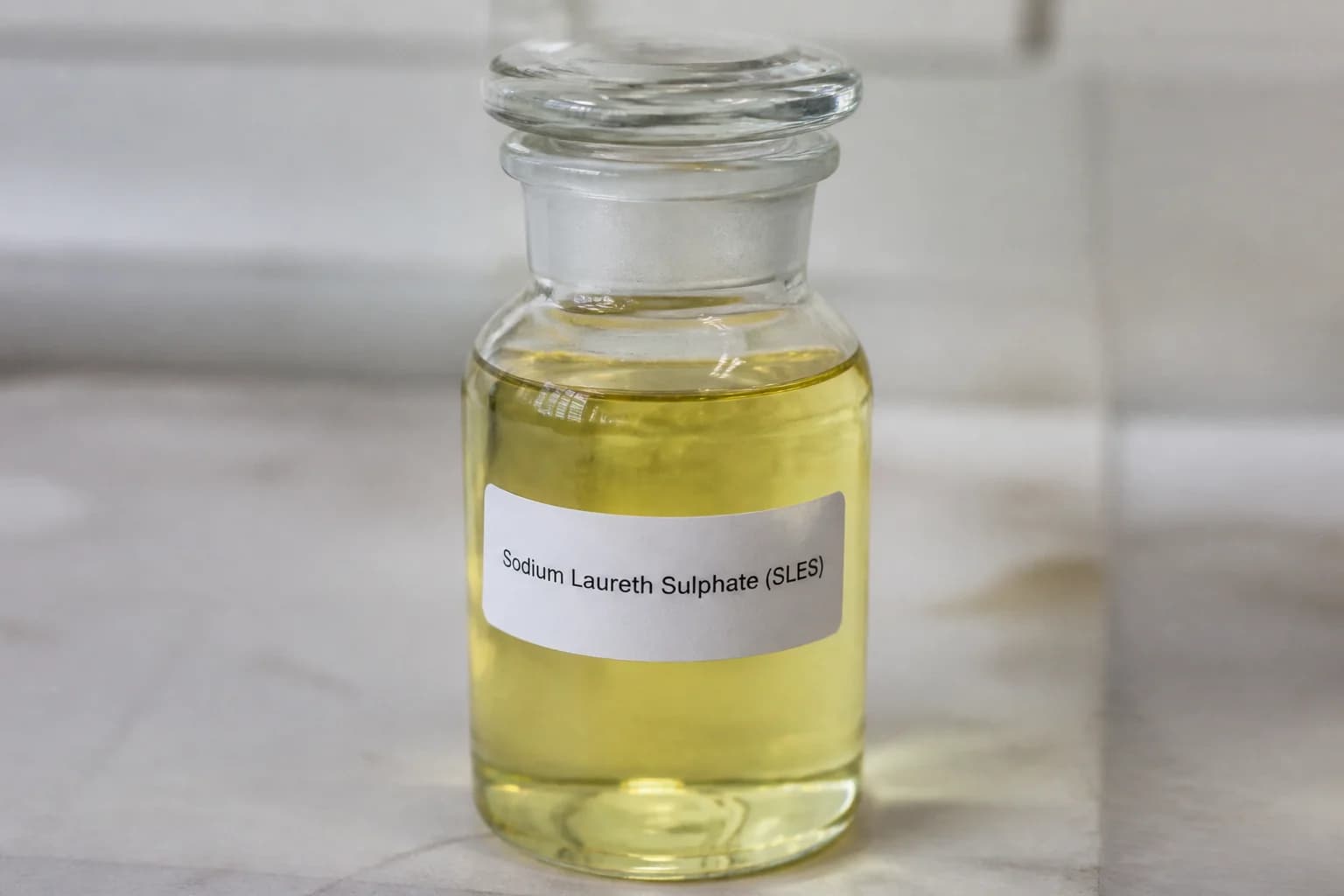
Anionic surfactants carry a negative charge on their hydrophilic head. This makes them excellent at removing dirt, grease, and particulate soils. They’re also the cheapest to produce, which explains why they dominate the market.
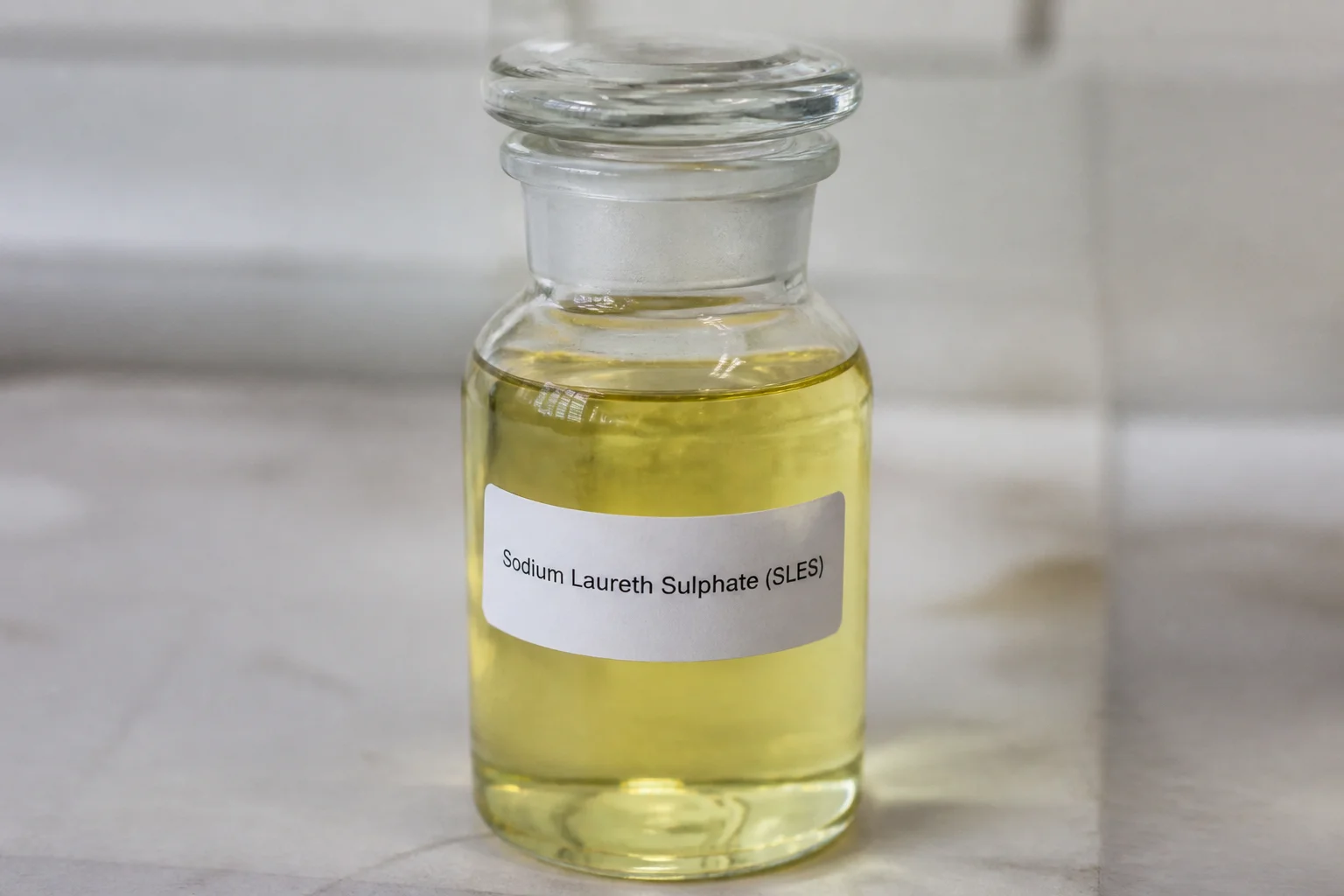
Sodium lauryl sulfate (SLS) and linear alkylbenzene sulfonate (LAS) are the workhorses here. A typical laundry detergent contains 15-30% anionic surfactants such as sodium lauryl ether sulfate and LAS. Dish soap runs even higher, sometimes hitting 30-40% concentration.
These surfactants create abundant foam. Consumers associate foam with cleaning power, even though the bubbles don’t actually clean. But foam does serve some practical purposes. It reduces friction during washing, captures dirt on bubble surfaces, and provides visual feedback that the product is working.
The downside? Anionic surfactants can be harsh. They strip natural oils from skin and hair. That’s why they’re often blended with milder surfactants in personal care products.
Nonionic Surfactants: The Gentle Giants
Nonionic surfactants have no electrical charge. This gives them some unique advantages. They don’t react with hard water minerals like calcium and magnesium. Anionics do, which creates scum. Nonionics avoid this problem entirely.
They’re also less irritating to skin. Products marketed for sensitive skin typically use nonionic surfactants like decyl glucoside or coco glucoside. These are derived from natural sources like coconut oil and corn glucose.
Nonionics excel at emulsifying oils. They’re better than anionics at this specific task. That’s why you’ll find them in formulations designed to tackle greasy stains. They work synergistically with anionics to create dual-action cleaners that handle both particulate dirt and oily residues.
One interesting property is the cloud point. As you heat a nonionic surfactant solution, it eventually becomes cloudy and separates into two phases. This temperature is the cloud point. For many cleaning applications, optimal performance happens right at or just below this temperature.
Cationic Surfactants: Conditioning and Disinfecting
Cationic surfactants carry a positive charge. This makes them terrible at general cleaning but excellent at specific applications.
The positive charge attracts them to negatively charged surfaces. Hair and fabric fibers both carry negative charges, especially when wet. Cationic surfactants bind to these surfaces, coating them with a smooth layer that reduces static electricity and improves feel.
That’s why fabric softeners and hair conditioners rely almost exclusively on cationic surfactants. Behentrimonium chloride and cetrimonium chloride are common examples. They make hair manageable and give fabrics that soft, static-free feel.
Cationic surfactants also have antimicrobial properties. The positive charge disrupts bacterial cell membranes, killing microorganisms. Benzalkonium chloride and other quaternary ammonium compounds (quats) dominate disinfectant formulations. They’re in hand sanitizers, surface cleaners, and hospital-grade disinfectants.
One critical limitation: you cannot mix cationic and anionic surfactants. The opposite charges attract and the molecules fall out of solution, creating useless precipitate. Formulations need to choose one or the other, not both.
Surfactants as Strategic Personal Care Ingredients
The personal care industry uses surfactants for far more than just cleaning. These molecules serve multiple strategic functions that define product performance.
Cleansing Formulations
Skin and hair accumulate two types of dirt. Solid particles stick through van der Waals forces. Oily deposits come from sebum produced in hair follicles. Water alone can rinse off some particles but can’t touch the oil.
Surfactants solve both problems. The lipophilic tails align with oils on skin and hair surfaces. The hydrophilic heads face outward, increasing the overall hydrophilicity of the oil deposit. This allows water to wash away both the surfactant and the oil it’s surrounding.
Face washes typically contain 10-20% surfactants. Body washes run 15-25%. Shampoos are the highest at 20-40% surfactant content. These concentrations provide effective cleansing while managing cost and skin compatibility.
Emulsification in Creams and Lotions
Moisturizers need to combine water-based ingredients with oils and waxes. These phases naturally separate. Surfactants act as emulsifiers, creating stable mixtures that stay homogeneous for months or years.
The surfactant molecules position themselves at the oil-water interface. Hydrophobic tails dissolve in the oil phase. Hydrophilic heads dissolve in the water phase. This creates a molecular bridge that prevents separation.
Oil-in-water emulsions (like lotions) and water-in-oil emulsions (like cold cream) both rely on this mechanism. The surfactant concentration in emulsified products usually runs 2-8%, much lower than in cleansing products.
Foam Generation and Texture
Consumers prefer products that foam richly. Studies show people use 20-30% more product when foam is poor, thinking they need more to clean effectively. The foam itself doesn’t clean, but it enhances user experience.
Surfactants create foam by reducing surface tension between water and air. This allows air to incorporate into the liquid, forming bubbles. The surfactant molecules coat bubble surfaces, preventing them from immediately collapsing.
Amphoteric surfactants (betaines) function across wide pH ranges and reduce irritation when combined with anionic surfactants. Betaine production cost reflects the complexity of multi-step synthesis from coconut-derived fatty acids and petrochemical intermediates, resulting in premium pricing over simple sulfates.. They’re added at 2-5% concentration specifically to improve foam quality even when other surfactants dominate the formula.
Betaine production cost reflects the complexity of multi-step synthesis from coconut-derived fatty acids and petrochemical intermediates, resulting in premium pricing over simple sulfates.
Solubilization of Active Ingredients
Many beneficial ingredients like essential oils, vitamins, or fragrance components are oil-soluble. Getting them into water-based products requires solubilizing surfactants.
These surfactants incorporate small amounts of lipophilic materials into micelles, allowing them to disperse throughout aqueous formulations. Polysorbate 20 and polysorbate 80 are common solubilizers in toners, hair mists, and other water-based products.
Personal Care Application Examples
| Product Category | Primary Surfactant Type | Typical Concentration | Key Function |
| Shampoo | Anionic + Amphoteric | 20-40% | Cleansing, foam, conditioning |
| Face Wash | Amphoteric + Nonionic | 10-20% | Gentle cleansing, low irritation |
| Body Wash | Anionic + Nonionic | 15-25% | Cleansing, moisturizing, foam |
| Conditioner | Cationic | 2-5% | Detangling, softening, static control |
| Moisturizer | Nonionic | 2-8% | Emulsification, stability |
| Makeup Remover | Nonionic | 5-15% | Oil solubilization, gentle cleansing |
Industrial Cleaning Applications
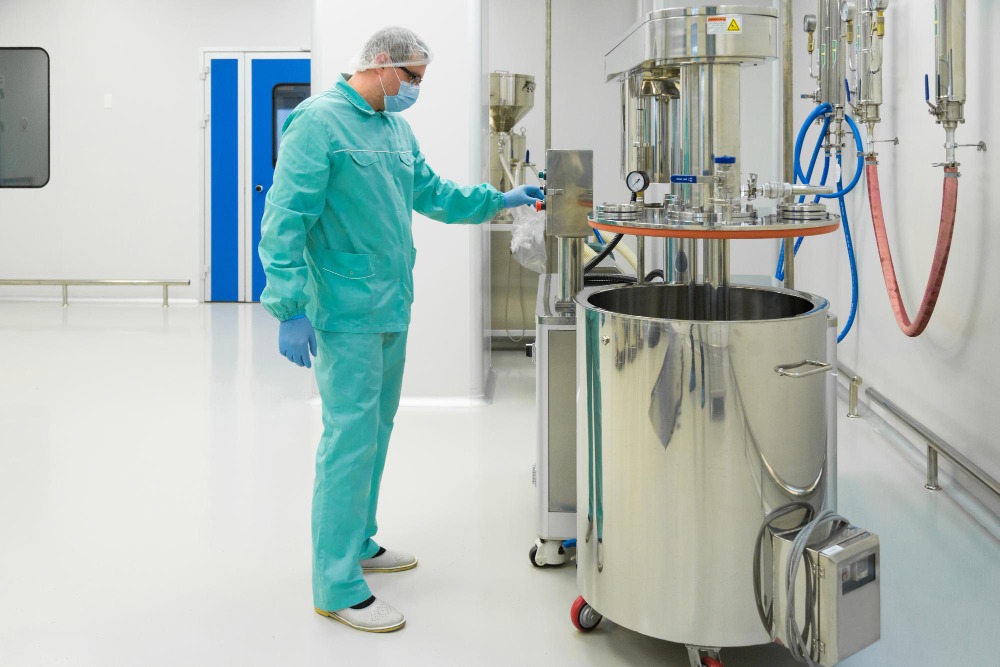
Industrial operations demand specialized cleaning that far exceeds household requirements. Surfactants enable processes that would otherwise be impossible.
Metal Working and Processing
Cutting, milling, and drilling metal generates tremendous heat through friction. Without lubrication, tools wear out rapidly and workpieces overheat. Metalworking fluids containing 5-15% surfactant concentration provide cooling and lubrication simultaneously.
The surfactants help emulsify cutting oils into water-based coolants. This creates stable emulsions that provide lubricity while carrying heat away from the cutting zone. Nonionic surfactants dominate because they resist hard water and don’t foam excessively in high-speed operations.
Parts Cleaning and Degreasing
Manufacturing facilities need to remove oils, cutting fluids, and particulate contamination from parts before coating, assembly, or inspection. Alkaline cleaners with 2-10% surfactant content handle most applications.
The surfactants work synergistically with alkaline builders like sodium hydroxide or sodium carbonate. The alkali saponifies fats and oils while surfactants emulsify the products and prevent redeposition. Spray washers, ultrasonic baths, and immersion tanks all rely on this chemistry.
Sophisticated surfactant systems combine three or more different types. One handles particulate soil lifting. Another emulsifies oils. A third prevents foam in closed-loop systems. This multi-surfactant approach delivers cleaning performance single surfactants can’t match.
Industrial Coating and Painting
Paint and coating formulations use surfactants as wetting agents, dispersants, and emulsifiers. They help pigment particles disperse evenly throughout the liquid medium without clumping. This ensures consistent color and coverage.
During application, surfactants help the coating wet the substrate surface completely. They reduce surface tension so the liquid spreads uniformly instead of beading up. The result is smooth, defect-free finishes.
Coating concentrations vary widely. Waterborne paints might contain 0.5-3% surfactant. Industrial powder coating pretreatments use higher concentrations around 5-10%.
Textile Industry Applications
Textile manufacturing consumes massive quantities of surfactants at every production stage.
Scouring and Preparation
Raw fibers contain natural oils, waxes, and debris that must be removed before dyeing or finishing. Scouring uses detergent solutions with 1-5% surfactant to strip these materials away. Cotton scouring particularly relies on anionic surfactants at high temperature and alkaline pH.
The clean fibers then undergo treatments to improve uniformity. Surfactants act as wetting agents, ensuring treatment chemicals penetrate evenly throughout the material.
Dyeing and Leveling
Dye molecules need to distribute evenly across fibers to achieve uniform color. Leveling agents slow down dye absorption, giving molecules more time to migrate to under-dyed areas. Most leveling agents are nonionic or amphoteric surfactants at 1-3% concentration.
Surfactants also disperse dye particles that otherwise would clump together. This maximizes color strength and reduces waste. Some estimates suggest proper surfactant use cuts dye costs by 15-25% through improved efficiency.
Finishing and Softening
After dyeing, textiles undergo finishing treatments for properties like water resistance, flame retardation, or softness. Surfactants help these finishing chemicals penetrate and distribute uniformly. They also act as emulsifiers for the various oils, waxes, and synthetic polymers used in finishing formulations.
Fabric softeners are essentially concentrated cationic surfactant solutions. They deposit on fiber surfaces, creating smooth coatings that improve hand feel and reduce static.
Antistatic Agents
Static electricity creates major problems in textile processing. Fibers cling to machinery, attract dust, and create safety hazards through sparking. Antistatic agents are typically quaternary ammonium surfactants that coat fiber surfaces with conductive layers, dissipating static charges before they build up.
Oil and Gas Industry Applications

The petroleum industry represents one of the largest industrial consumers of surfactants.
Enhanced Oil Recovery (EOR)
After conventional extraction methods recover 20-40% of reservoir oil, enormous quantities remain trapped in rock pores. Enhanced oil recovery techniques use surfactants to liberate this residual oil.
Surfactants reduce interfacial tension between oil and water by up to 1000-fold. This allows trapped oil droplets to mobilize and flow toward production wells. Chemical EOR flooding can recover an additional 10-20% of original oil in place.
A typical EOR surfactant slug contains 0.1-3% active surfactant in billions of gallons of water. Even small improvements in surfactant efficiency translate to millions of dollars in recovered crude oil.
Drilling Fluids
Oil well drilling requires specialized muds that lubricate drill bits, carry rock cuttings to the surface, and maintain wellbore stability. Surfactants in drilling fluids serve multiple purposes at 0.5-5% concentration.
They emulsify oil-based mud components, stabilize foam for air drilling, reduce friction in directional drilling, and prevent clay swelling. Different surfactant types suit different drilling conditions and formation characteristics.
Oil Spill Remediation
Chemical dispersants used to treat ocean oil spills contain 30-60% surfactant blends. These products break up oil slicks into tiny droplets that disperse throughout the water column where microbial degradation occurs faster.
The 2010 Deepwater Horizon spill consumed nearly 2 million gallons of dispersant. Growing environmental concerns are pushing development of bio-based surfactants with lower toxicity and better biodegradability for this application.
Paper and Pulp Processing
Paper manufacturing relies on surfactants to control multiple process parameters.
Surfactants increase paper softness and absorbency, critical properties for tissue and towel products. They also keep manufacturing equipment clean by preventing pitch (wood resin) and sticky contaminants from depositing on screens, rollers, and felts.
In paper recycling, surfactants help remove printing ink from waste paper. The ink particles become surrounded by surfactant molecules and lift from fiber surfaces. This deinking process makes recycled pulp suitable for manufacturing fresh paper products.
Typical surfactant use in paper production runs 0.1-1% based on pulp weight. Given the enormous scale of paper manufacturing globally, this translates to significant consumption.
Mining and Mineral Processing
Extracting valuable minerals from ore depends heavily on surfactant chemistry through a process called froth flotation.
Air bubbles are introduced into slurries of finely ground ore. Surfactants called collectors make target mineral particles hydrophobic. These particles attach to air bubbles and float to the surface as froth. Unwanted gangue minerals remain hydrophilic and sink.
The concentrated mineral froth gets skimmed off for further processing. This technique recovers copper, lead, zinc, gold, silver, and other valuable metals from low-grade ores. Without surfactants, most modern mining operations wouldn’t be economically viable.
Frothers are specialized surfactants that stabilize the bubble froth. Collectors modify mineral surface properties. Depressants and activators selectively alter the behavior of specific minerals. Together, these surfactant types enable precise separation of complex mineral mixtures.
Industrial Application Comparison
| Industry Sector | Surfactant Function | Typical Concentration | Annual Global Consumption |
| Household Cleaning | Dirt removal, emulsification | 15-40% | 5-6 million tons |
| Personal Care | Cleansing, conditioning, emulsifying | 2-40% | 2-3 million tons |
| Textiles | Wetting, leveling, softening | 1-5% | 1-2 million tons |
| Oil & Gas | EOR, drilling, dispersants | 0.1-5% | 0.5-1 million tons |
| Industrial Cleaning | Degreasing, metal working | 2-15% | 0.8-1.2 million tons |
| Agriculture | Pesticide carriers, wetting | 0.1-2% | 0.3-0.5 million tons |
Environmental Considerations and Biosurfactants
Traditional surfactants come from petroleum. They work great but create environmental concerns. Many are slow to biodegrade. Some accumulate in aquatic ecosystems. Their production relies on non-renewable fossil resources.
This is driving massive interest in biosurfactants—surfactants produced by microorganisms or derived from renewable plant sources. These biological alternatives offer lower toxicity, better biodegradability, and sustainable sourcing.
The biosurfactant market exceeded $2.5 billion in 2024 and is growing at 5.5% annually. Rhamnolipids, sophorolipids, and surfactin are among the most commercially developed types. They’re produced by bacterial fermentation of sugars and vegetable oils.
Performance-wise, many biosurfactants match or exceed their synthetic counterparts. Rhamnolipids show superior oil-displacing ability in enhanced oil recovery. Sophorolipids work brilliantly in personal care formulations for sensitive skin.
The challenge is cost. Biosurfactant production currently costs 3-10 times more than petroleum-based synthesis. But as production scales up and petroleum prices rise, economics are shifting toward biological alternatives.
Companies like Evonik, Jeneil Biotech, and Ecover are commercializing biosurfactant production. Their products are finding applications in premium personal care, environmentally-sensitive cleaning, and specialized industrial uses where performance justifies higher costs.
Key Performance Factors
Surface Tension Reduction
Pure water has surface tension around 72 mN/m. Effective surfactants reduce this to 25-35 mN/m at practical concentrations. The lower the surface tension, the better the wetting and penetration.
Different applications require different target values. Industrial metal cleaning might target 30 mN/m. Pesticide application needs even lower values around 25 mN/m for maximum spreading on waxy leaf surfaces.
Critical Micelle Concentration (CMC)
CMC is the concentration where micelles start forming. Below CMC, surfactant molecules exist individually. Above CMC, they organize into micelles. Most cleaning and solubilization happens above CMC.
Lower CMC values mean less surfactant needed to achieve functionality. Premium surfactants might have CMC around 0.1 mM while commodity types run 1-10 mM. This affects both cost-effectiveness and environmental impact.
Foaming Characteristics
Some applications need abundant stable foam. Others require minimal foaming. Surfactant selection depends on desired foam behavior.
High-foam surfactants sourced from reliable SLES suppliers create rich lathers for hand dishwashing and shampoos. Low-foam nonionics suit automatic washing machines and industrial spray cleaning where foam interferes with mechanical action.
Foam stability matters too. Bath products need foam lasting 15-20 minutes. Some industrial cleaners need foam that breaks down quickly after agitation stops.
Making It Work in Real Applications
Theory explains how surfactants function. Practice requires balancing multiple factors for specific applications.
pH Compatibility
Surfactant stability and performance vary with pH. Anionic surfactants work best at neutral to alkaline pH. Cationic types prefer acidic to neutral conditions. Nonionics and amphoterics tolerate wider pH ranges.
Industrial alkaline degreasers at pH 12-14 need surfactants that remain stable and effective under these harsh conditions. Acid cleaners for mineral deposits require completely different surfactant chemistry.
Water Hardness
Hard water contains calcium and magnesium ions. Anionic surfactants react with these minerals, forming insoluble precipitates (soap scum). This reduces cleaning effectiveness and creates deposits.
Nonionic surfactants don’t react with hard water minerals. That’s why they’re preferred in areas with hard water or when water softening isn’t practical. Chelating agents like EDTA can also sequester hardness minerals, protecting anionic surfactants.
Temperature Effects
Most surfactants perform better at elevated temperatures. Warmer water has lower surface tension and dissolves oils more readily. The surfactants enhance these natural advantages.
But extreme temperatures create problems. Very hot water can denature protein-based surfactants. Cold water slows molecular motion, reducing cleaning kinetics. Industrial processes account for these temperature dependencies when formulating.
Formulation Synergies
Professional formulators rarely rely on single surfactants. Combinations deliver better performance than any single type alone.
A typical laundry detergent might contain:
-
- 15% anionic surfactant (primary cleaning)
-
- 5% nonionic surfactant (oil removal, hard water tolerance)
-
- 2% amphoteric surfactant (foam boosting, mildness)
-
- 20% builders (water softening, pH buffering)
-
- 5% enzymes (stain removal)
-
- Balance: fillers, fragrances, optical brighteners
The surfactants work together synergistically. The anionic handles particulate soils. The nonionic tackles greasy stains. The amphoteric improves foam and reduces skin irritation. Together they outperform any single surfactant at equivalent total concentration.
Industrial formulations use similar multi-surfactant approaches. Three to five different surfactant types in one product is common for demanding applications.
The Bottom Line on Surfactant Functionality
The role of surfactant molecules extends far beyond making bubbles in your dishwashing liquid. These amphiphilic compounds enable countless processes across consumer products and industrial operations.
They reduce surface tension, allowing liquids to spread and penetrate. They form micelles that solubilize oils and trap contaminants. They stabilize emulsions and foams. They modify surface properties of solids. Each application taps into these fundamental capabilities in different ways.
Understanding surfactant chemistry helps explain why products work the way they do. It reveals the engineering behind everyday items and complex industrial processes. Whether you’re formulating a new personal care product or optimizing an industrial cleaning operation, surfactant selection and use determines success or failure.
The industry continues evolving toward more sustainable options. Biosurfactants and plant-derived alternatives are gradually replacing petroleum-based types. Performance keeps improving through better understanding of molecular structure-function relationships. New applications emerge as researchers discover innovative ways to harness surfactant properties.
From the bathroom to the oil field, surfactants remain indispensable. They’re truly one of chemistry’s most versatile tools, making the modern world possible through their unique ability to bridge the gap between oil and water.
For businesses requiring high-quality surfactants and technical expertise in formulation, Elchemy connects you with reliable suppliers and provides guidance on selecting the right surfactants for your specific applications, whether personal care ingredients or industrial chemical needs.