

Two organic acids dominate food preservation, cleaning formulations, and cosmetic applications. Lactic acid and citric acid both offer antimicrobial properties, pH adjustment capabilities, and natural origins that appeal to manufacturers and consumers. Yet these compounds differ fundamentally in structure, performance, and ideal applications.
Choosing between lactic acid vs citric acid affects product flavor, shelf stability, cleaning effectiveness, and skin compatibility. Food manufacturers question which preserves better. Cosmetic formulators debate which provides superior exfoliation. Cleaning product developers evaluate which removes mineral deposits most effectively. Understanding the chemical and functional differences between citric acid and lactic acid determines whether your formulation succeeds or requires expensive reformulation.
Lactic Acid vs Citric Acid: Core Differences
| Property | Lactic Acid | Citric Acid |
| Chemical formula | C₃H₆O₃ | C₆H₈O₇ |
| Structure | Monocarboxylic acid (one carboxyl group) | Tricarboxylic acid (three carboxyl groups) |
| Molecular weight | 90.08 g/mol | 192.12 g/mol (anhydrous) |
| pKa value | 3.86 | 3.13, 4.76, 6.40 |
| Natural sources | Fermented foods, muscle tissue | Citrus fruits, berries |
| Taste profile | Mild, smooth sourness | Sharp, tart sourness |
| Buffering capacity | Lower | Higher (three ionizable groups) |
| Chelating ability | Weak | Strong |
| Antimicrobial action | Moderate | Moderate to strong |
| Typical concentration | 1-5% in foods/cosmetics | 0.5-3% in foods/cosmetics |
Molecular Structure and Chemistry
Lactic Acid
Lactic acid consists of a three-carbon chain with one carboxylic acid group and one hydroxyl group. This relatively simple structure makes it the smallest organic acid commonly used in commercial applications. The single carboxyl group limits its buffering capacity compared to polycarboxylic acids.
The compound exists in two stereoisomers: L-lactic acid and D-lactic acid. Most commercially produced lactic acid through fermentation yields L-lactic acid, the form naturally produced in human muscles during anaerobic respiration. This biological familiarity contributes to lactic acid’s excellent safety profile and metabolic compatibility.
Citric Acid
Citric acid features a more complex six-carbon structure with three carboxylic acid groups positioned at strategic points along the chain. This tricarboxylic structure gives citric acid superior buffering capacity because each carboxyl group can donate a proton at different pH levels, creating multiple buffering ranges.
The three acid groups also enable strong metal chelation. Citric acid binds calcium, iron, magnesium, and other metal ions that catalyze oxidation or cause water hardness. This chelating ability explains citric acid’s effectiveness in cleaning applications and as an antioxidant in food preservation.
Acidity and pH Behavior
Lactic Acid pH Characteristics
With a pKa of 3.86, lactic acid qualifies as a moderately strong organic acid. A 1% solution achieves a pH around 2.4-2.6. The single ionizable group means lactic acid provides steady acidity but limited buffering capacity. Once the carboxyl group donates its proton, the molecule offers no additional buffering action.
This straightforward pH behavior makes lactic acid predictable in formulations. Calculations for pH adjustment remain simpler than with polyprotic acids. However, the limited buffering means pH can shift more easily when other ingredients are added or during storage.
Citric Acid pH Characteristics
Citric acid’s three pKa values (3.13, 4.76, and 6.40) create buffering action across a wider pH range. A 1% citric acid solution reaches pH 2.2-2.3, slightly more acidic than equivalent lactic acid. The multiple ionization points allow citric acid to resist pH changes more effectively than lactic acid.
This superior buffering proves valuable in products where pH stability matters. Beverages, for instance, maintain consistent taste profiles throughout shelf life when buffered with citric acid. The multiple carboxyl groups also mean smaller amounts of citric acid achieve similar pH effects compared to lactic acid.
Taste and Sensory Profiles
Lactic Acid Flavor
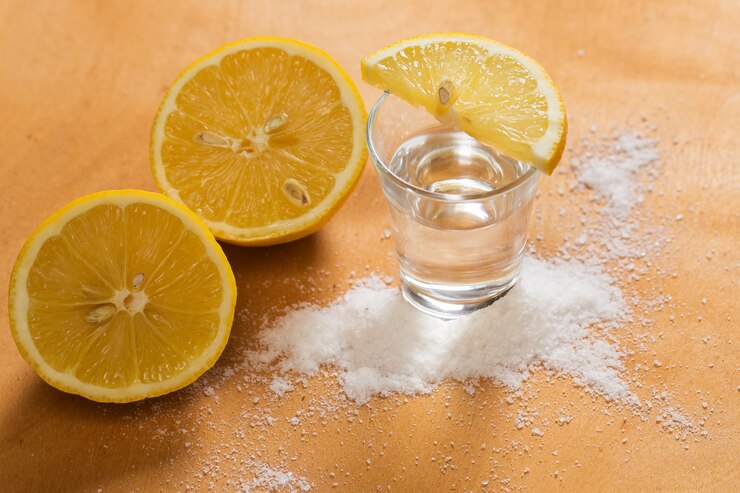
Lactic acid delivers mild, smooth sourness without harshness. The flavor profile mimics that of yogurt, sauerkraut, and other fermented foods where lactic acid bacteria naturally produce this compound. Food scientists describe it as having a “rounded” sour taste that doesn’t create the puckering sensation of citric acid.
This gentler acidity works well in products where sharp sourness would be undesirable. Dairy products, meat marinades, and certain confections benefit from lactic acid’s subtle tang. The flavor doesn’t overpower other taste components, allowing more complex flavor profiles to develop.
Citric Acid Flavor
Citric acid creates the characteristic sharp, tart taste associated with citrus fruits. The sourness hits quickly and intensely, making mouths pucker at higher concentrations. This immediate, bright acidity dominates the taste profile in ways lactic acid does not.
For candies, soft drinks, and fruit-flavored products, citric acid’s sharp tang meets consumer expectations for “sour” flavors. However, this intensity can overwhelm delicate flavors in cheese, wine, or fermented products where lactic acid’s subtlety proves superior.
Antimicrobial Properties
Lactic Acid Activity
Lactic acid inhibits microbial growth through multiple mechanisms. The undissociated form penetrates bacterial cell membranes, where it dissociates internally and disrupts cellular processes. This antimicrobial action works particularly well against gram-negative bacteria like E. coli and Salmonella.
Meat preservation relies heavily on lactic acid, either produced by fermentation or added directly. Concentrations of 1-3% significantly extend shelf life by creating an inhospitable environment for spoilage organisms and pathogens. The compound also shows effectiveness against some molds and yeasts, though less dramatically than against bacteria.
Citric Acid Activity
Citric acid’s antimicrobial effectiveness comes primarily from pH reduction and metal chelation rather than direct cellular toxicity. By lowering pH below levels that most bacteria tolerate and binding essential metal cofactors needed for enzymatic activity, citric acid creates conditions where microbial growth slows dramatically.
The chelating action specifically targets gram-negative bacteria, many of which require metal ions for outer membrane stability. Removing these ions through chelation weakens bacterial defenses. Citric acid combined with other preservatives often proves more effective than citric acid alone, demonstrating synergistic antimicrobial effects.
Production Methods
Lactic Acid Production
Modern lactic acid production occurs almost exclusively through bacterial fermentation of carbohydrate substrates. Lactobacillus species convert glucose, sucrose, or other sugars into lactic acid through anaerobic metabolism. This fermentation process can use corn starch, sugarcane, cassava, or other agricultural raw materials.
The fermentation produces predominantly L-lactic acid, though controlling bacterial strains and conditions allows production of D-lactic acid or racemic mixtures if needed. After fermentation, manufacturers purify lactic acid through filtration, concentration, and sometimes esterification followed by hydrolysis for pharmaceutical grades.
Citric Acid Production
Citric acid also comes from fermentation, but using fungal strains instead of bacteria. Aspergillus niger cultivated on glucose or sucrose produces citric acid through the Krebs cycle. The fungus secretes citric acid into the growth medium, from which it’s extracted and purified.
Global production exceeds 2 million tons annually, with citric acid ranking among the highest-volume fermentation products. China dominates production, supplying over 50% of world demand. The fermentation process can use various carbohydrate sources, allowing production flexibility based on regional agricultural availability.
Food Industry Applications
Lactic Acid in Food
Fermented dairy products like yogurt, kefir, and sour cream contain lactic acid naturally produced during fermentation. Added lactic acid serves additional functions:
- Meat curing and preservation: Reduces pathogen load, extends shelf life
- pH adjustment: Controls acidity in cheese production
- Flavor enhancement: Adds tangy notes to pickles, kimchi, sauerkraut
- Dough conditioning: Strengthens gluten in baking applications
- Calcium fortification: Calcium lactate delivers bioavailable calcium
Citric Acid in Food
The beverage industry represents citric acid’s largest food application. Soft drinks account for massive volumes, where citric acid provides tartness, pH control, and antioxidant synergy with other preservatives. Additional uses include:
- Fruit preservation: Prevents enzymatic browning in cut fruits
- Candy manufacturing: Creates sour coatings and flavor centers
- Canned goods: Adjusts pH to safe levels for botulism prevention
- Cheese making: Controls pH during processing
- Wine production: Adjusts acidity in low-acid grape varieties
Lactic Acid vs Citric Acid for Cleaning
Lactic Acid Cleaning Performance
Lactic acid excels at removing protein-based soils and organic residues. Its moderate acidity dissolves these materials without the harshness of mineral acids. Brewery and dairy cleaning particularly benefit from lactic acid’s protein-solubilizing abilities.
The compound shows effectiveness at removing biofilms—bacterial colonies embedded in protective matrices that resist many cleaners. Lactic acid penetrates these biofilms better than citric acid in some applications, making it valuable for food processing equipment sanitization.
Limitations include weak chelating ability, meaning lactic acid struggles with hard water scale and mineral deposits. For cleaning applications requiring removal of calcium, lime, or rust, citric acid significantly outperforms lactic acid.
Citric Acid Cleaning Performance
Citric acid dominates cleaning formulations requiring mineral deposit removal. The strong chelating action dissolves limescale, rust, and water spots that resist other organic acids. Bathroom cleaners, dishwasher detergents, and descaling products typically choose citric acid over lactic acid.
The compound removes soap scum effectively by chelating the calcium and magnesium that bind fatty acids into insoluble deposits. This makes citric acid ideal for shower cleaners, automatic dishwashing detergents, and laundry additives designed for hard water conditions.
Environmental considerations favor citric acid for cleaning. It biodegrades readily without forming persistent metabolites or contributing to aquatic toxicity. Many “green” cleaning products feature citric acid as their primary acidic component, replacing phosphates and harsh mineral acids.
Cosmetic and Personal Care Uses
Lactic Acid in Skincare
As an alpha hydroxy acid (AHA), lactic acid provides gentle exfoliation by loosening the bonds between dead skin cells. Its larger molecular size compared to glycolic acid means slower penetration and less irritation, making it suitable for sensitive skin.
Concentrations of 5-12% appear in over-the-counter exfoliating products. Professional chemical peels use 30-90% concentrations under controlled conditions. Beyond exfoliation, lactic acid offers:
- Hydration enhancement through natural moisturizing factor stimulation
- Collagen synthesis stimulation
- Hyperpigmentation reduction
- Acne treatment through pore clearing
- Anti-aging benefits
Citric Acid in Skincare
Citric acid functions primarily as a pH adjuster in cosmetics rather than an active exfoliant. Its smaller size and higher acidity create irritation risks at concentrations where AHA benefits would occur. However, citric acid serves important roles:
- pH adjustment to optimal ranges (4.5-5.5)
- Chelating heavy metals that degrade formulations
- Antioxidant preservation
- Effervescent tablet formulations
- Brightening products (at controlled concentrations)
Sourcing Quality Organic Acids
For manufacturers formulating food products, cosmetics, cleaning solutions, or industrial applications requiring lactic acid or citric acid, partnering with suppliers who provide consistent quality and complete documentation ensures both performance and regulatory compliance. Elchemy’s technology-driven platform connects businesses across industries with verified citric acid manufacturers offering FCC, USP, and BP-compliant anhydrous and monohydrate forms. Global manufacturers include Chinese producers dominating 70% of supply, European specialists, and US-based multinationals.Founded by engineers from IIT Bombay, IIT Delhi, and IIM Ahmedabad, Elchemy transforms chemical sourcing through transparent access to vetted Indian and global suppliers, complete with technical support for selecting the right acid for your specific application.
Conclusion
The choice between lactic acid vs citric acid depends on specific application requirements rather than universal superiority. Lactic acid offers milder taste, better protein compatibility, and gentler skin exfoliation. Citric acid provides superior chelating ability, stronger buffering, and more effective mineral deposit removal. Food applications favor citric acid for beverages and lactic acid for fermented products. Cleaning formulations choose citric acid for hard water and lactic acid for protein soils. Skincare products use lactic acid as an active exfoliant and citric acid primarily for pH adjustment. Understanding these functional differences allows manufacturers to select the organic acid that delivers optimal performance for their particular formulation challenges.