

At a Glance
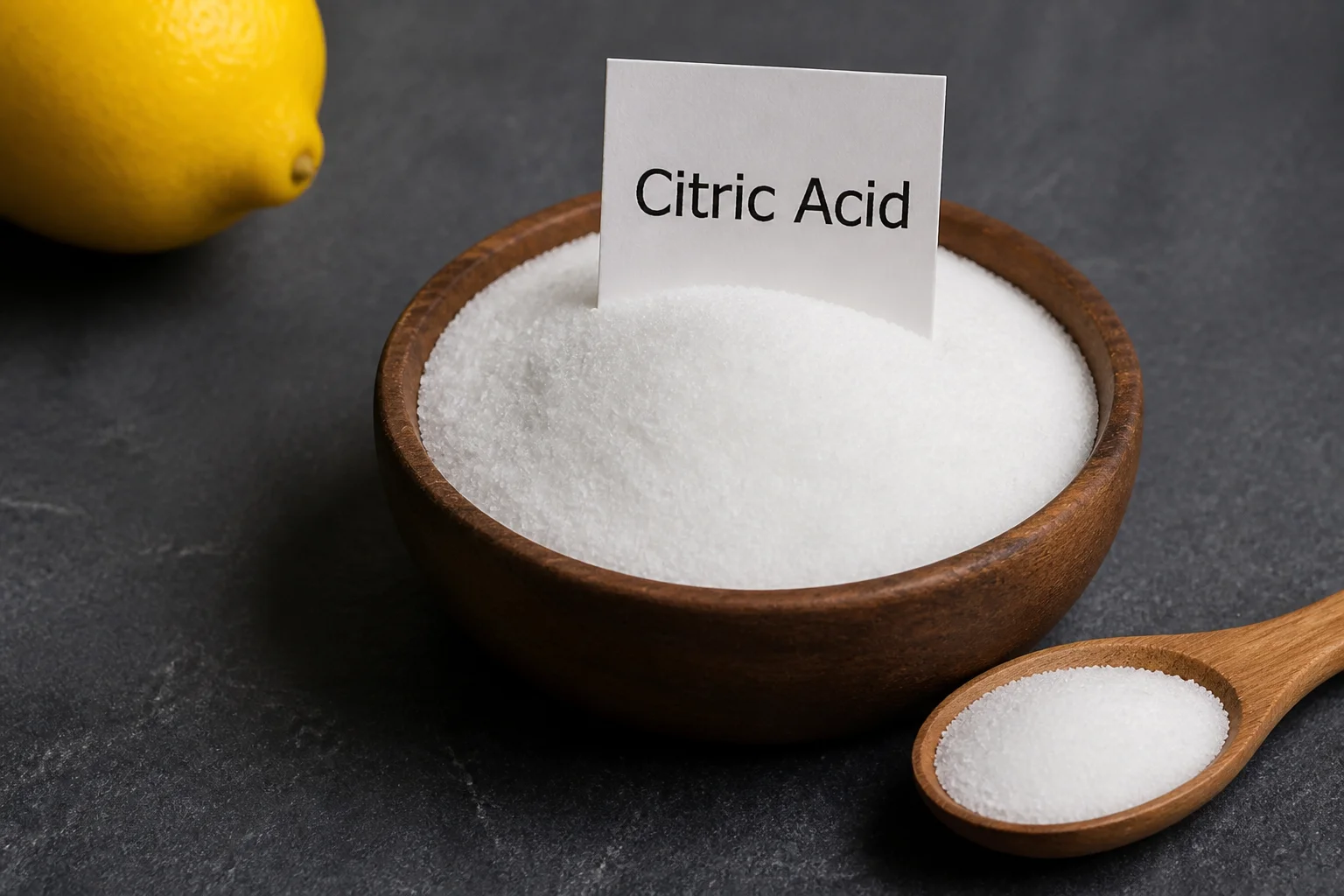
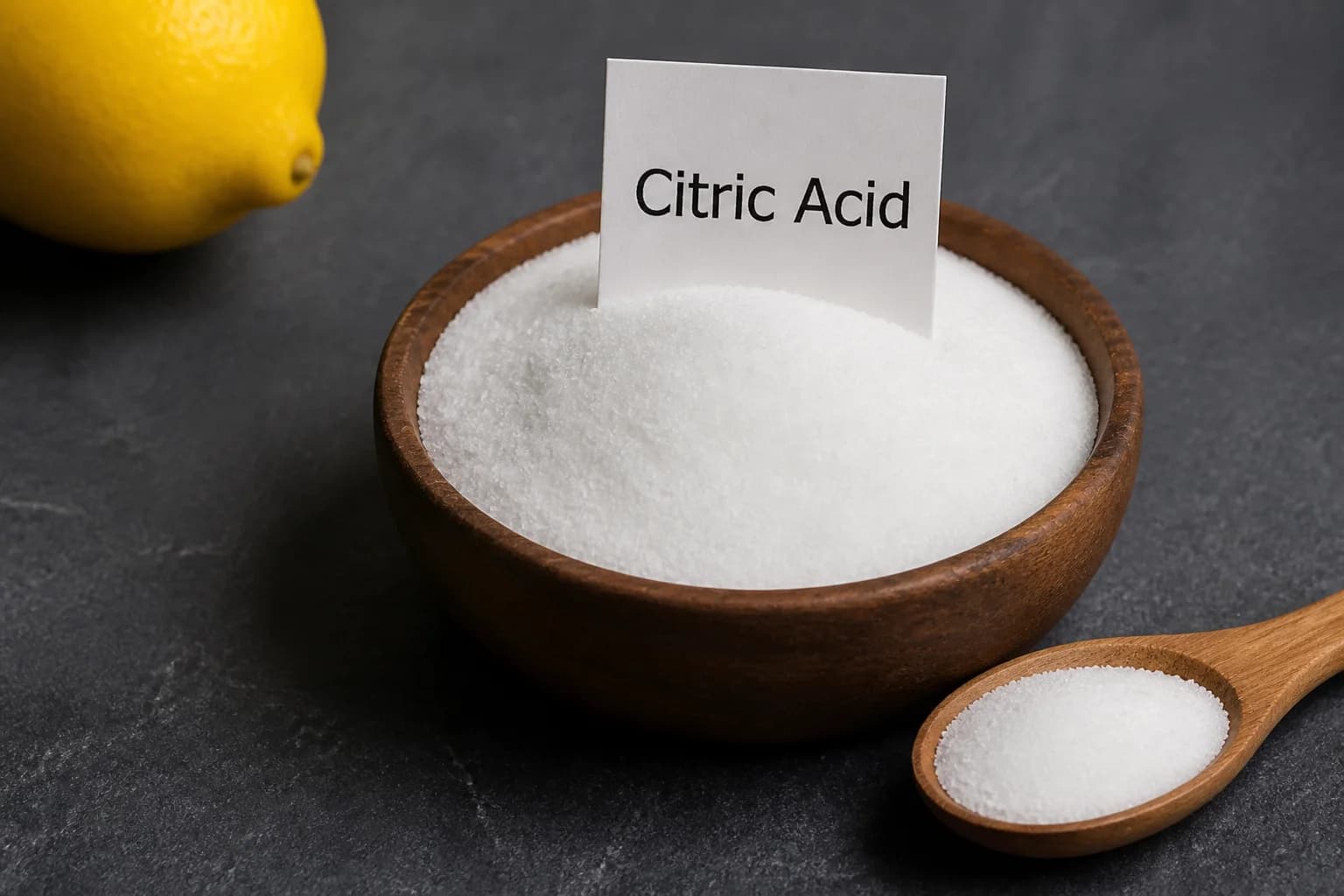
- Citric acid in supplements boosts mineral absorption by forming compounds your body processes more easily
- Calcium citrate absorbs better than regular calcium because the citric acid makes it more bioavailable
- Magnesium, zinc, and other minerals become more effective when paired with citric acid
- Your digestive system breaks down citrate forms faster than other mineral compounds
- Citric acid creates an acidic environment in your gut that helps dissolve minerals
- Supplement manufacturers add citric acid specifically to improve how well products actually work
- Sourcing from pharmaceutical grade citric acid suppliers with USP certification ensures the purity standards required for dietary supplement formulations.
You take supplements expecting them to help. But here’s something most people don’t realize – your body struggles to absorb many minerals on their own. That’s where citric acid in supplements comes in. It basically tricks your digestive system into absorbing minerals it would normally just pass through. This isn’t some marketing gimmick either. Real science shows that citric acid makes a measurable difference in how much nutrition you actually get from supplements.
Think about it this way. You could take 1000mg of calcium but only absorb maybe 200mg of it. The rest literally goes down the toilet. Add citric acid and suddenly you’re absorbing 400-500mg. That’s double the effectiveness from the same dose. No wonder manufacturers use it.
How Citric Acid in Supplements Actually Works

The chemistry behind this is straightforward once you get it. Citric acid binds with minerals creating what’s called a chelate. This is basically a protective wrapper that keeps the mineral stable until your body can absorb it.
Your stomach is acidic but your intestines are alkaline. This pH change causes problems for mineral absorption. Minerals need an acidic environment to dissolve properly. When they hit your alkaline intestines, they can precipitate out – meaning they become solid again and pass through without being absorbed.
Citric acid solves this. It keeps minerals in a dissolved, absorbable form even when pH changes. The citrate form stays soluble in your intestines where absorption actually happens.
The Science of Mineral Chelation
Chelation is when an organic molecule wraps around a mineral ion. The citric acid molecule has multiple binding sites that grab onto the mineral. This creates a complex that’s stable and water-soluble. Your intestinal cells can then absorb this complex much easier than a bare mineral ion.
Studies show citric acid supplementation increased intestinal calcium and phosphorus absorption significantly. In rats fed calcium-rich diets, citric acid boosted the amount of calcium retained in bones. The minerals didn’t just get absorbed – they got used by the body effectively.
Minerals that benefit from citric acid pairing:
- Calcium (calcium citrate vs calcium carbonate shows dramatic differences)
- Magnesium (magnesium citrate absorbs better than magnesium oxide)
- Iron (iron citrate causes less stomach upset than iron sulfate)
- Zinc (zinc citrate has good bioavailability)
- Potassium (potassium citrate used medically for kidney stones)
The citrate form consistently outperforms other forms in absorption studies. This isn’t debatable – it’s documented medical fact. Supplement companies know this which is why you see citrate everywhere.
What Happens in Your Digestive System
When you swallow a supplement containing citric acid, it starts dissolving in your stomach acid. The citric acid helps break down the tablet or capsule faster. This gets the minerals into solution quicker.
As the mixture moves into your small intestine, the citrate-mineral complex stays dissolved. Your intestinal cells have transport mechanisms specifically for absorbing these complexes. They recognize the citrate part and pull the whole thing through the intestinal wall into your bloodstream.
Without citric acid, minerals often form insoluble compounds with other substances in your food. They bind with phytates from grains or oxalates from vegetables. These bound minerals can’t be absorbed. The citric acid prevents this binding by keeping minerals in citrate form.
Citric Acid in Vitamins and Mineral Formulations

Manufacturers don’t just randomly add citric acid. They use specific ratios based on the mineral and desired absorption rate. The formulation matters a lot.
Calcium citrate contains about 21% elemental calcium while calcium carbonate has 40%. But here’s the thing – you absorb way more from the citrate form. Even though it has less calcium per gram, you end up with more calcium in your body. That’s the whole point.
Citric acid in vitamins also serves as a preservative and pH adjuster. It keeps the formula stable on the shelf. It prevents oxidation of sensitive nutrients. It makes the supplement taste better by adding a slight tartness that masks bitter minerals.
Different Forms for Different Needs
| Supplement Type | Citric Acid Purpose | Absorption Benefit |
| Calcium supplements | Forms calcium citrate | 2x better absorbed than carbonate |
| Magnesium products | Creates magnesium citrate | Less laxative effect, better tolerance |
| Iron supplements | Makes iron citrate | Reduced stomach irritation |
| Multi-minerals | Chelates multiple minerals | Overall improved bioavailability |
| Effervescent tablets | Reacts to create fizz | Enhances dissolution speed |
Effervescent supplements use citric acid plus sodium bicarbonate to create the fizzing reaction. This rapidly dissolves the minerals. You get a solution instead of a solid tablet which your body absorbs almost immediately.
Time-release formulas sometimes coat minerals in citric acid layers. As each layer dissolves, it releases minerals gradually. This prevents the stomach upset that happens when too much mineral hits at once.
Why Some Supplements Skip It
Not all supplements need citric acid. Fat-soluble vitamins like A, D, E, and K don’t benefit from it. They need fat for absorption, not acid. Adding citric acid to these would be pointless.
Some manufacturers skip citric acid to save money. Calcium carbonate costs less than calcium citrate. They bet consumers won’t know the difference. But you’re paying for supplement that half gets wasted.
People with citrus allergies need citric acid-free options. Though citric acid in supplements usually comes from fermentation, not actual citrus fruits, some sensitive individuals still react to it.
Real-World Impact on Supplement Effectiveness
The difference between citrate and non-citrate forms shows up in blood tests. Take two groups of people, give one calcium carbonate and one calcium citrate, then measure blood calcium levels. The citrate group shows higher levels consistently.
This matters especially for people with low stomach acid. Older adults, people on acid-reducing medications, anyone with digestive issues – they all struggle to absorb regular mineral supplements. Citrate forms work better for them because they don’t rely as heavily on stomach acid for absorption.
Athletes using magnesium supplements often prefer citrate forms. They absorb faster and cause fewer digestive problems. Quick absorption matters when you’re trying to prevent muscle cramps during competition.
Groups who benefit most from citrate supplements:
- Older adults with reduced stomach acid production
- People taking proton pump inhibitors or antacids
- Individuals with digestive disorders like IBS or Crohn’s
- Athletes needing rapid mineral replenishment
- Anyone with a history of poor supplement response
Women taking calcium for bone health see better results with citrate. Studies tracking bone density over time show citrate forms build bone more effectively. That’s the outcome that actually matters – not just absorption but utilization.
Conclusion
Citric acid in supplements isn’t filler or unnecessary additive. It’s a functional ingredient that makes minerals bioavailable. Without it, you’re basically flushing money and minerals down the drain. The absorption difference is real and measurable.
When choosing supplements, look for citrate forms of minerals. Yes they cost slightly more. But you’re getting what you pay for – actual absorption instead of expensive urine. The science backs this up repeatedly across multiple studies and decades of research.
For supplement manufacturers sourcing quality citric acid and mineral compounds, Elchemy provides reliable chemical distribution with strict quality standards ensuring products meet pharmaceutical-grade requirements for bioavailability and effectiveness.