

At a Glance
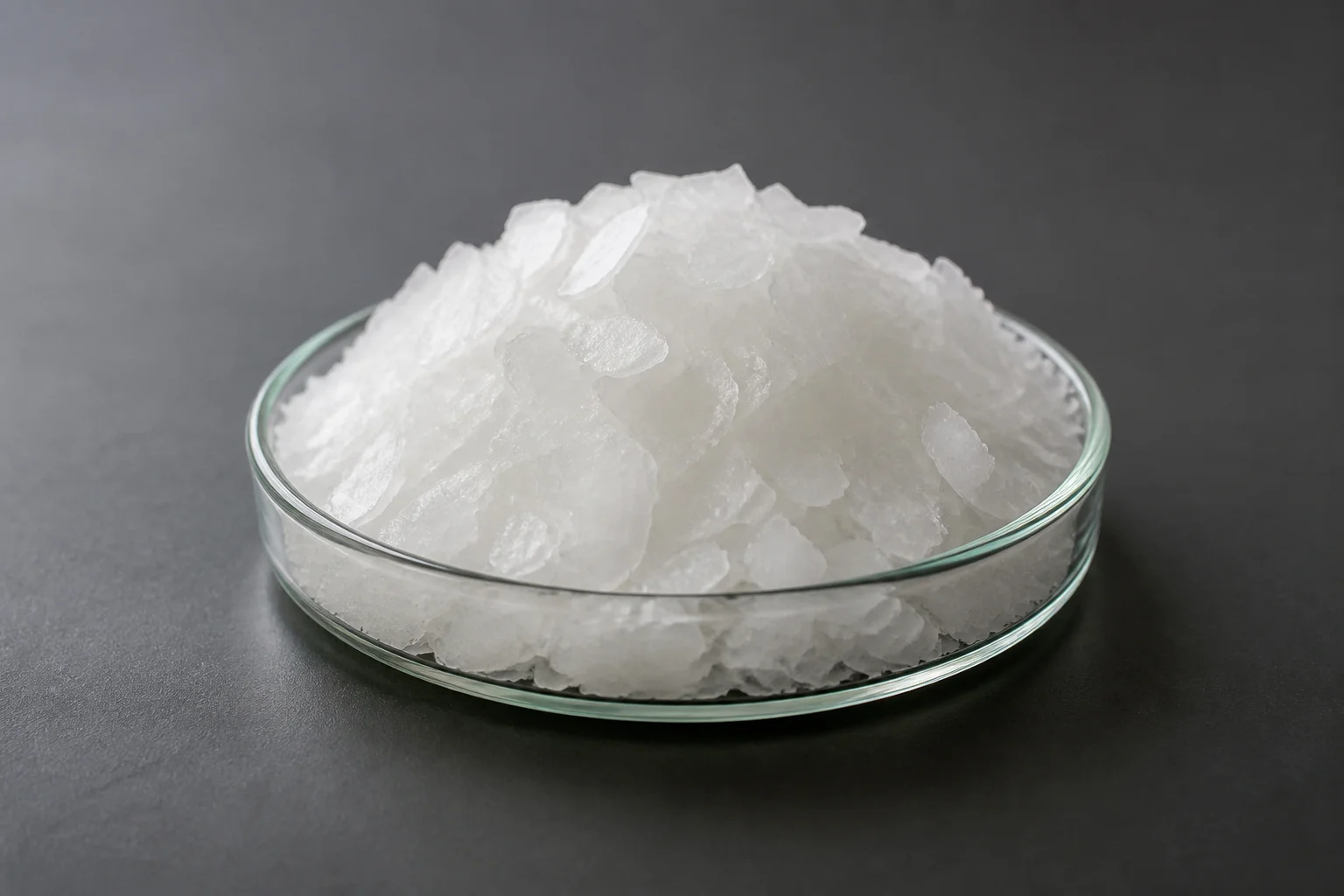
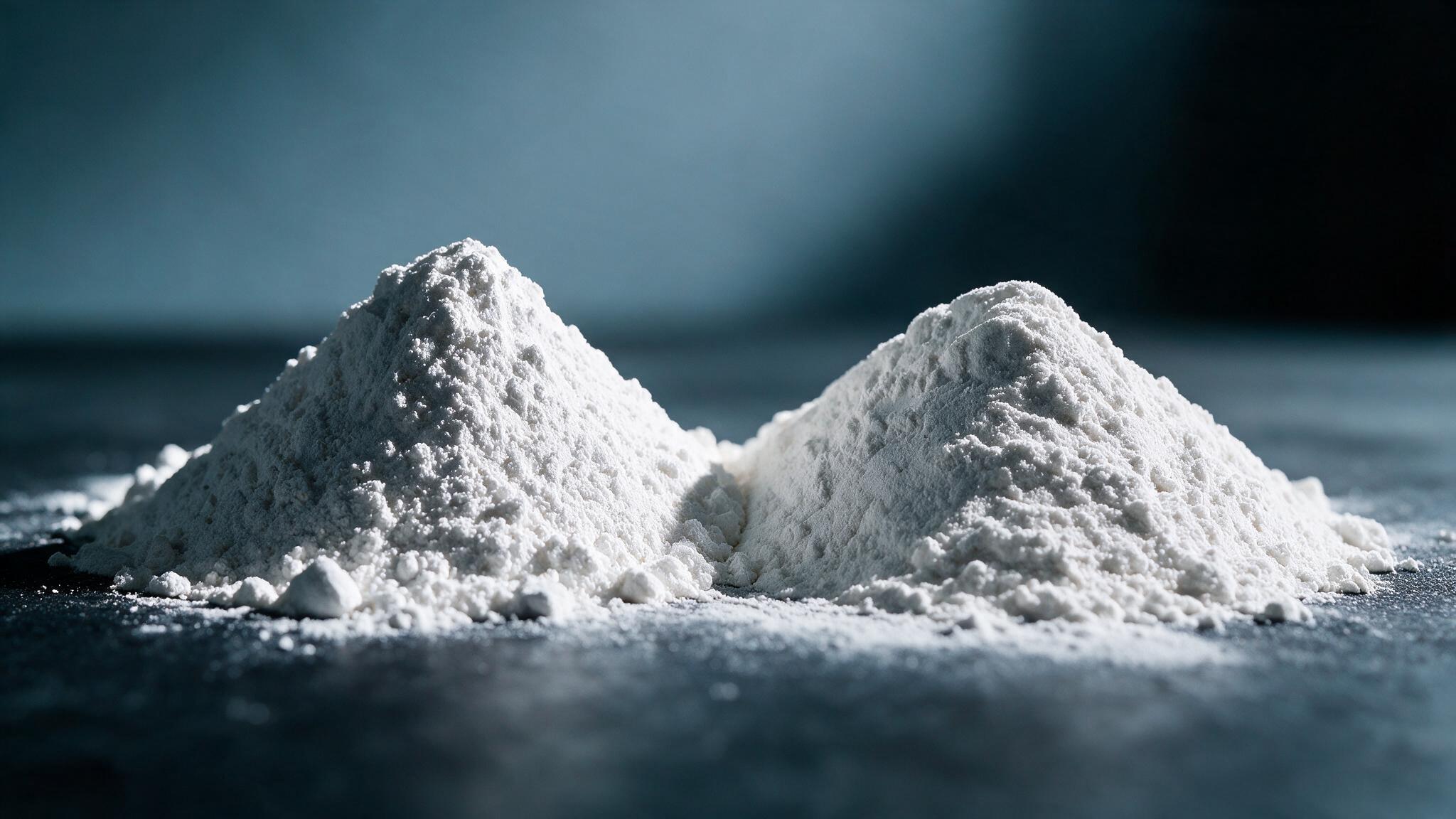
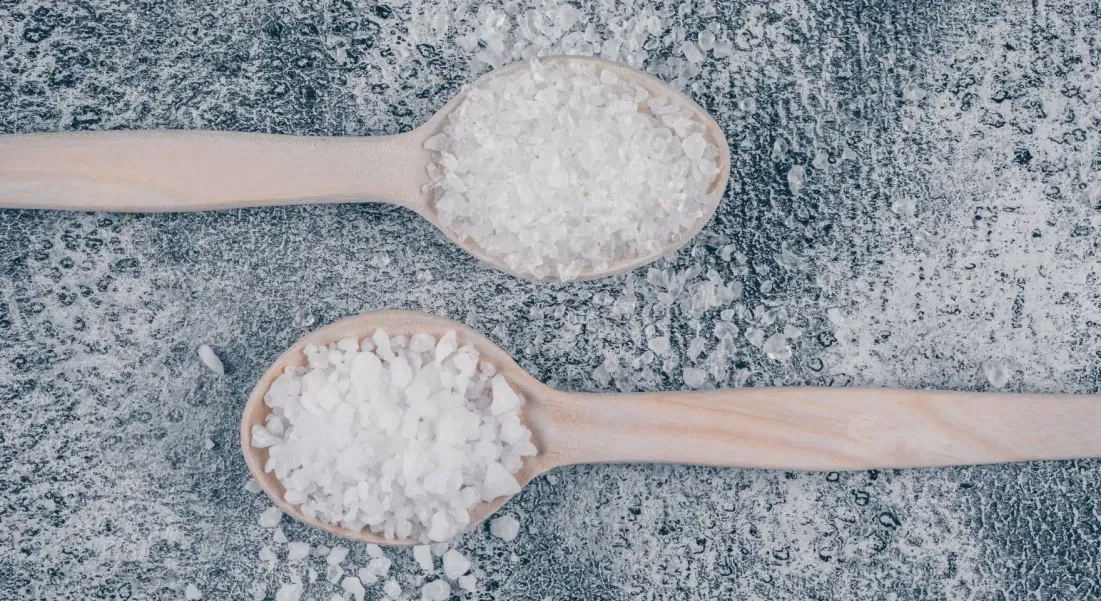
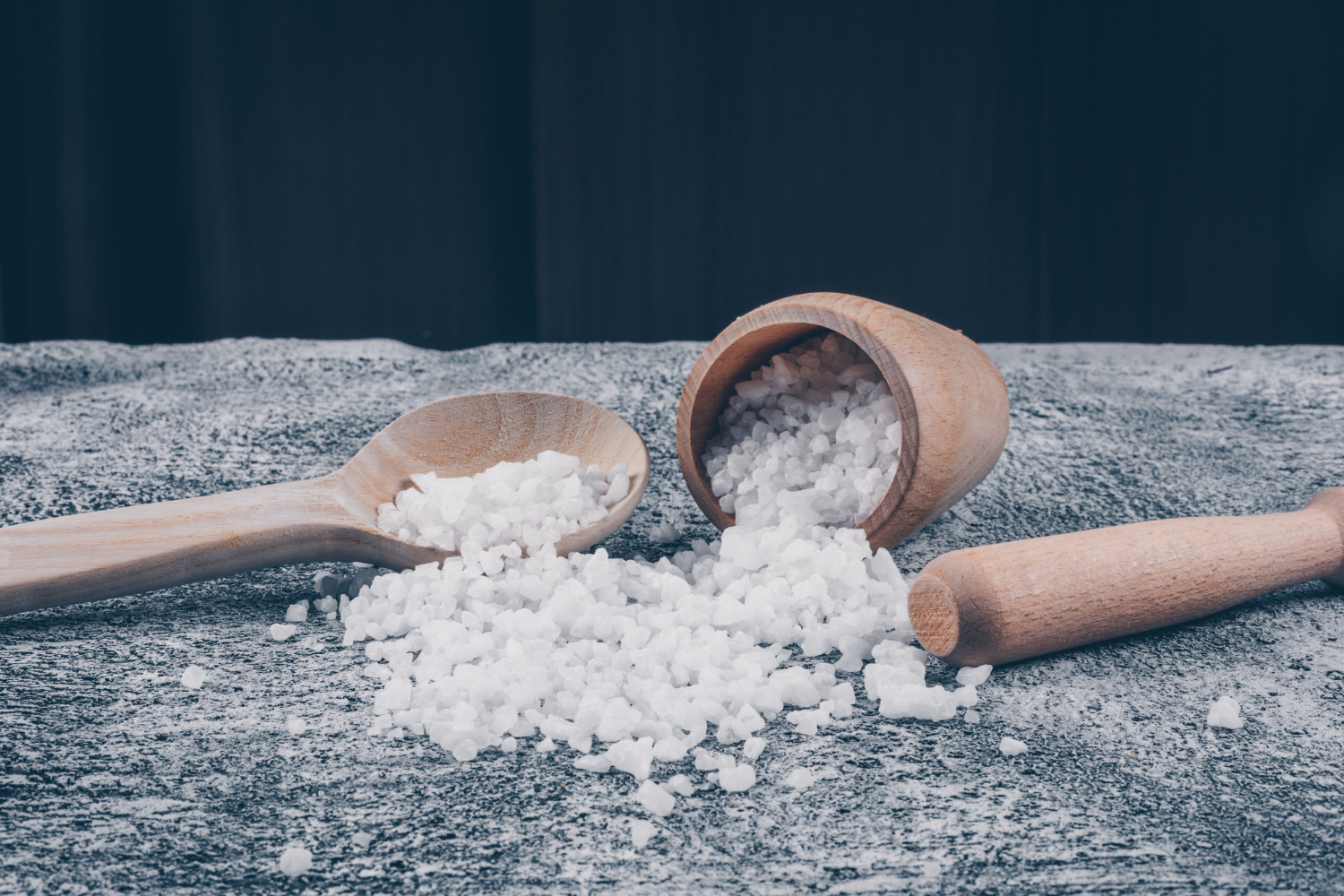
- Caustic potash is another name for potassium hydroxide (KOH), a white solid that looks like flakes or pellets
- About 2.5 million tonnes are produced globally each year for industrial and commercial uses
- The compound is highly corrosive and can cause severe burns if it touches skin or eyes
- Main applications include liquid soap manufacturing, alkaline batteries, and biodiesel production
- Made through electrolysis of potassium chloride, similar to how caustic soda gets produced
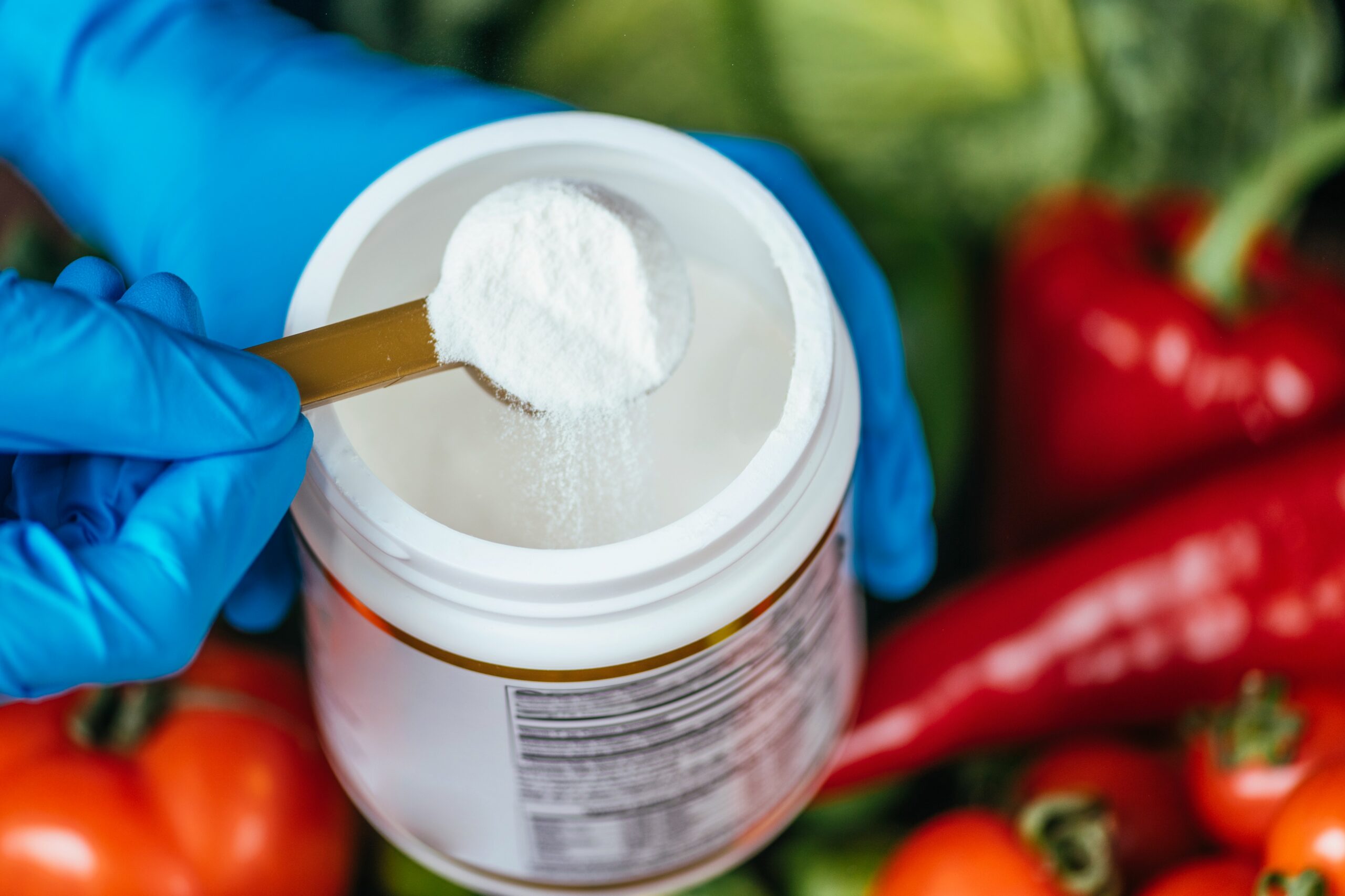
- Food industry uses it as E525 additive for pH adjustment and food stabilization
- More expensive than sodium hydroxide but preferred where extra conductivity or softer textures are needed
- Melts at 360°C and remains stable at very high temperatures without breaking down
Walk into any battery manufacturing plant or liquid soap factory, and you’ll find caustic potash doing heavy lifting behind the scenes. This powerful chemical might not be a household name, but it’s in batteries powering hybrid cars, the liquid hand soap in your bathroom, and even some foods you eat. Despite being corrosive and dangerous when handled carelessly, industries depend on it because nothing else works quite the same way.
So what is caustic potash exactly? It’s the industrial name for potassium hydroxide, one of the strongest bases chemists work with. Think of it as the potassium version of caustic soda (sodium hydroxide), but with unique properties that make it irreplaceable for certain jobs. Understanding what makes this chemical special helps explain why manufacturers keep using it despite the safety challenges it presents.
What Is Caustic Potash – The Basics
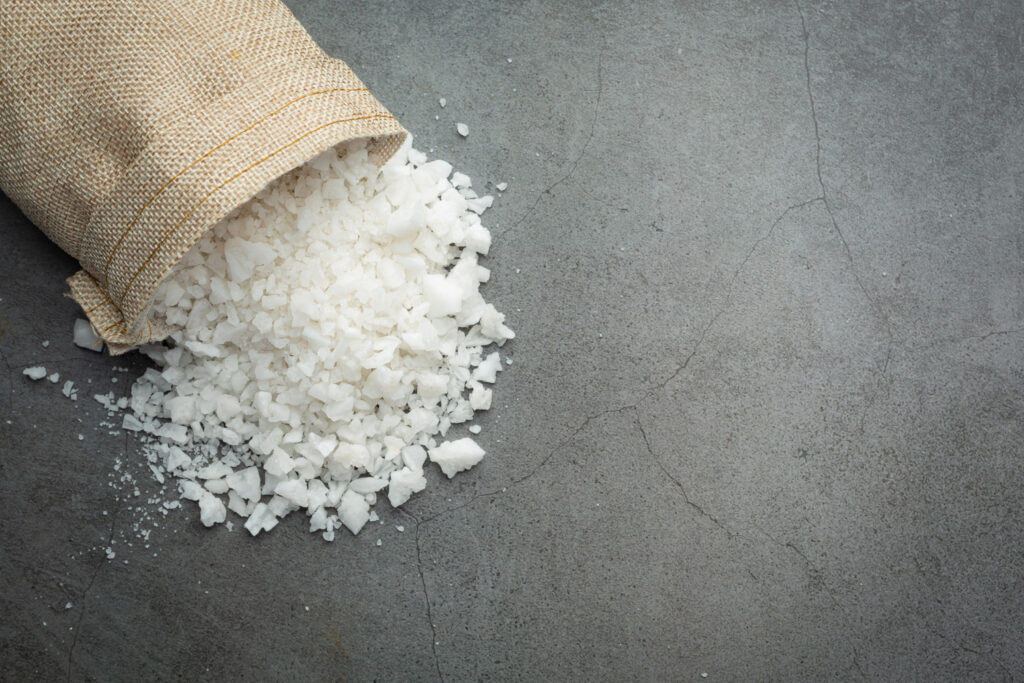
Caustic potash is the common industrial name for potassium hydroxide, which has the chemical formula KOH. The name “caustic” comes from its ability to corrode and burn organic materials on contact—it’s seriously corrosive stuff. “Potash” refers to its potassium content and links back to the old method of making it from wood ashes. You might also see it called potash lye, potassium hydrate, or simply listed as E525 in food ingredient lists.
The compound appears as white solid crystals, flakes, or round pellets. It has no smell, which actually makes it more dangerous because you can’t detect it by odour. When pure, it dissolves incredibly easily in water—less than its own weight of water will dissolve it completely. This creates an alkaline solution with a pH around 13.5, which is extremely basic.
How it’s manufactured today:
Modern production uses electrolysis of potassium chloride (KCl) dissolved in water. This process splits the compound using electrical current, creating three products—potassium hydroxide, chlorine gas, and hydrogen gas. The reaction happens in specialized cells that keep the products separated. This method replaced the old technique of mixing potash with slaked lime, which was messier and less efficient.
The process resembles how manufacturers make caustic soda, but uses potassium chloride instead of sodium chloride. Factories can use either membrane cell technology or mercury cell technology, though membrane cells are becoming standard because they’re safer and more environmentally friendly. The resulting potassium hydroxide typically comes as 45-50% solution or gets dried into solid flakes.
Production costs more than sodium hydroxide because potassium chloride is pricier than sodium chloride (regular salt). This cost difference means manufacturers only choose caustic potash when its special properties justify the extra expense. In 2005, global production was estimated at 700,000-800,000 tonnes annually, and it’s grown since then to about 2.5 million tonnes by 2023.
Where Industries Use Caustic Potash
Despite costing more than its sodium cousin, potassium hydroxide finds homes in industries where its unique characteristics provide real advantages. The compound’s higher solubility, better conductivity, and ability to create softer products make it worth the premium in specific applications.
| Industry | Main Uses | Why KOH Instead of NaOH |
| Soap & Detergents | Liquid soaps, soft soaps, specialty cleaners | Creates softer, more soluble soaps |
| Batteries | Alkaline batteries, nickel-metal hydride batteries | Higher electrical conductivity |
| Biodiesel | Catalyst for transesterification | Better reaction efficiency |
| Food Processing | pH adjustment, cocoa processing, fruit peeling | Food-grade specifications met |
| Agriculture | Liquid fertilizers, potassium supplements | Direct potassium delivery to plants |
| Pharmaceuticals | Drug synthesis, alkaline formulations | Precise pH control |
Making Soaps and Detergents
The soap industry represents one of the biggest users of caustic potash. When you mix fats or oils with potassium hydroxide instead of sodium hydroxide, you get “potassium soaps” that behave differently from regular bar soap. These soaps stay softer—sometimes even liquid—because potassium salts of fatty acids don’t form hard crystals like sodium salts do.
This softness brings advantages. Liquid hand soaps use potassium hydroxide in their manufacturing process. The resulting product dissolves easily, pumps smoothly, and feels less harsh on skin. Shaving creams and liquid body washes also prefer potassium-based formulations because they create richer lather and smoother textures.
Industrial cleaners and detergents sometimes use potassium hydroxide when they need products that dissolve quickly or work in cold water. The faster dissolution means cleaning happens more efficiently, saving time in commercial operations where every minute counts.
Alkaline Batteries
Open up an alkaline battery—the kind powering flashlights and remote controls—and you’ll find potassium hydroxide solution as the electrolyte. This liquid conducts electricity between the battery’s electrodes, allowing current to flow when you need power. Batteries use potassium hydroxide specifically because it conducts electricity better than sodium hydroxide solutions.
Hybrid cars use larger batteries based on nickel-metal hydride technology. The Toyota Prius, for example, uses batteries containing potassium hydroxide mixed with some sodium hydroxide. These high-performance batteries need the superior conductivity that potassium hydroxide provides. Nickel-cadmium batteries and nickel-iron batteries also rely on caustic potash as their electrolyte.
The compound’s thermal stability matters here too. Batteries heat up during use and charging. Potassium hydroxide remains stable at these temperatures without breaking down, ensuring consistent battery performance throughout its life.
Food Processing

Seeing “potassium hydroxide” on a food label might seem alarming, but the food industry uses it safely in specific applications. Listed as E525 in ingredient lists, it acts as a pH adjuster, thickening agent, and stabilizer. The key is using tiny amounts and ensuring complete neutralization during processing.
Cocoa powder processing is one major food application. Manufacturers treat cocoa with alkaline solutions including potassium hydroxide to reduce acidity, darken colour, and improve flavour. This “Dutch process” cocoa tastes less bitter and dissolves better in liquids compared to natural cocoa.
Soft drinks, fruit juices, and pickles use small amounts of potassium hydroxide for pH control. Getting pH right affects taste, prevents microbial growth, and maintains product stability during storage. The alkaline compound neutralizes excess acid, bringing products to desired acidity levels.
Some food companies use caustic potash solutions for peeling fruits and vegetables. Brief exposure to dilute potassium hydroxide loosens skins on tomatoes, peaches, and potatoes, allowing mechanical removal. After peeling, thorough washing removes all chemical residues before further processing.
Agriculture and Fertilizers
Plants need three main nutrients—nitrogen, phosphorus, and potassium. Potassium hydroxide provides a direct potassium source for liquid fertilizers. Because it dissolves so easily, manufacturers can create concentrated liquid fertilizers that farmers apply through irrigation systems or spray directly on crops.
The compound’s low salt index compared to potassium chloride means less risk of burning plant roots. This makes it safer for use in hydroponic growing systems and foliar feeding applications. Agricultural operations growing high-value crops like fruits and vegetables often choose potassium hydroxide-based fertilizers despite higher costs.
Beyond fertilizers, some fungicides and herbicides use caustic potash in their formulations. The alkaline nature helps certain active ingredients work better or improves product stability during storage and application.
Is Potash Dangerous – Safety Facts You Should Know
Yes, potash is dangerous when handled improperly. The compound ranks among the most hazardous chemicals used in industry, requiring serious respect and careful handling. Understanding these dangers helps explain why only trained workers should handle it and why consumer products containing it go through extensive processing to ensure safety.
Main hazards include:
- Severe chemical burns on contact with skin or eyes
- Respiratory damage if dust or mist gets inhaled
- Toxic if swallowed, potentially fatal
- Violent reaction when mixed with water, generating heat
- Can ignite combustible materials under certain conditions
- Long-term exposure causes chronic skin problems and respiratory issues
Safety classifications tell the story clearly. Potassium hydroxide gets rated as “Health: 3” on the NFPA scale, meaning “Severe Hazard.” It carries warnings like “DANGER! CORROSIVE” and “CAUSES SEVERE BURNS” on safety labels. The compound is officially classified for skin corrosion Category 1 and serious eye damage Category 1—the most severe categories.
Skin and Eye Contact
Contact with skin causes immediate damage, though surprisingly, potassium hydroxide burns might not hurt right away. Pain can be delayed by minutes or even hours, which makes it extra dangerous—by the time you feel pain, serious damage has already happened. The chemical destroys skin proteins, creating deep burns that may look brownish and feel soft or gelatinous.
Eyes are especially vulnerable. Even brief contact can cause permanent vision loss or blindness. A 5% solution causes extreme irritation and corrosion to rabbit eyes within just 5 minutes in safety tests. Corneal damage, inflammation, and potential blindness make eye protection absolutely essential when working with caustic potash.
If exposure happens, immediate action matters. Skin contact needs continuous flushing with large amounts of water for at least 15 minutes while removing contaminated clothing. Eye exposure requires the same—hold eyelids open and flush continuously for 15+ minutes. Medical attention should follow all exposures, regardless of how minor they seem, because damage can worsen over hours.
Safe Handling Practices
Industries using potassium hydroxide follow strict safety protocols. Workers must wear full personal protective equipment including:
- Chemical-resistant gloves (neoprene or rubber, never leather)
- Full face shields plus chemical safety goggles
- Protective aprons or full-body coveralls
- Closed-toe boots resistant to chemical penetration
- Respirators if dust or mist might be present
Work areas need proper ventilation—either local exhaust hoods or general ventilation that keeps airborne concentrations minimal. Safety equipment like eyewash stations and emergency showers must be within 10 meters of any location where workers handle caustic potash.
Storage requires careful attention too. The compound absorbs moisture from air, which generates heat and can reduce effectiveness. Tightly closed containers made from appropriate materials (steel or special plastics, never aluminum or zinc) keep it stable. Storage areas should stay cool, dry, and separate from acids, metals, and flammable materials.
One critical rule stands above others: always add caustic potash to water, never water to caustic potash. Adding water to concentrated caustic potash creates violent reactions with heat and splashing that can cause severe injuries. This principle applies whether dissolving solids or diluting concentrated solutions.
Why Manufacturers Choose Potassium Hydroxide
Given the safety challenges and higher cost, why do manufacturers keep using caustic potash? The answer lies in properties that sodium hydroxide simply can’t match for certain applications.
Key advantages driving adoption:
- Superior electrical conductivity makes it essential for battery applications
- Higher solubility enables more concentrated solutions and faster dissolution
- Creates softer products like liquid soaps that consumers prefer
- Better chemical compatibility with certain reactions and formulations
- Provides potassium content valuable in fertilizers and some food applications
- Less hygroscopic than some alternatives, improving storage stability
- Excellent thermal stability maintains performance at high temperatures
Cost-benefit analysis usually guides the choice. For products where sodium hydroxide works equally well, manufacturers almost always choose it because it costs less. Common applications like drain cleaners, water treatment, and soap making often use the cheaper sodium version.
But for alkaline batteries, liquid soaps, and biodiesel production, potassium hydroxide’s advantages justify the 5-10% price premium. The Toyota Prius battery pack works better with KOH electrolyte. Liquid hand soap feels better when made with potassium hydroxide. Biodiesel reactions proceed more efficiently with KOH catalyst.
Environmental considerations sometimes favour caustic potash too. Some applications find it more environmentally friendly than sodium hydroxide, though both require careful handling and disposal. Wineries, for instance, consider potassium hydroxide a greener cleaning option, though cost limits its use.
Conclusion
Caustic potash might sound like something from a chemistry textbook, but it’s working hard in everyday products from batteries to hand soap. Its strong alkaline nature and unique properties make it irreplaceable for industries needing high conductivity, soft textures, or direct potassium delivery. While undeniably dangerous when handled carelessly, proper safety protocols allow safe industrial use that benefits consumers worldwide.
Understanding what is caustic potash and recognizing its dangers helps anyone working with it—or products containing it—make informed decisions. The compound deserves respect for both its capabilities and its hazards. Industries will continue depending on it because some jobs simply can’t be done as well any other way, even when safer alternatives exist for less demanding applications.
From powering electric vehicles to keeping our hands clean, potassium hydroxide plays a bigger role in modern life than most people realize. It’s a reminder that some of the most useful chemicals are also among the most dangerous, requiring expertise and caution to harness their benefits while managing their risks.
For manufacturers requiring potassium hydroxide, caustic soda, or other industrial chemicals with reliable quality specifications, Elchemy’s technology-driven platform connects buyers with verified suppliers across global markets. Founded by IIT Bombay engineer Hardik Seth and IIT Delhi engineer Shobhit Jain, Elchemy streamlines chemical sourcing with transparent pricing, complete safety documentation including MSDS sheets, and dependable supply chains supporting manufacturing from soap production through battery assembly and agricultural applications.