

At a Glance
-
- Lauryl betaine is an alkyl betaine with direct carbon chain attachment, while CAPB is an amido betaine with an amide linkage
-
- CAPB provides superior viscosity building when combined with anionic surfactants due to wormlike micelle formation
-
- Lauryl betaine demonstrates lower allergen potential with fewer manufacturing impurities than CAPB
-
- CAPB’s foam is creamier and more stable, while lauryl betaine produces lighter, flashier foam
-
- Environmental Working Group rates lauryl betaine at hazard level 1 versus CAPB’s level 4 due to sensitization concerns
-
- CAPB remains the industry standard at 65% market share due to established supply chains and predictable performance
-
- Lauryl betaine costs 15-25% more than CAPB but offers advantages in natural and hypoallergenic formulations
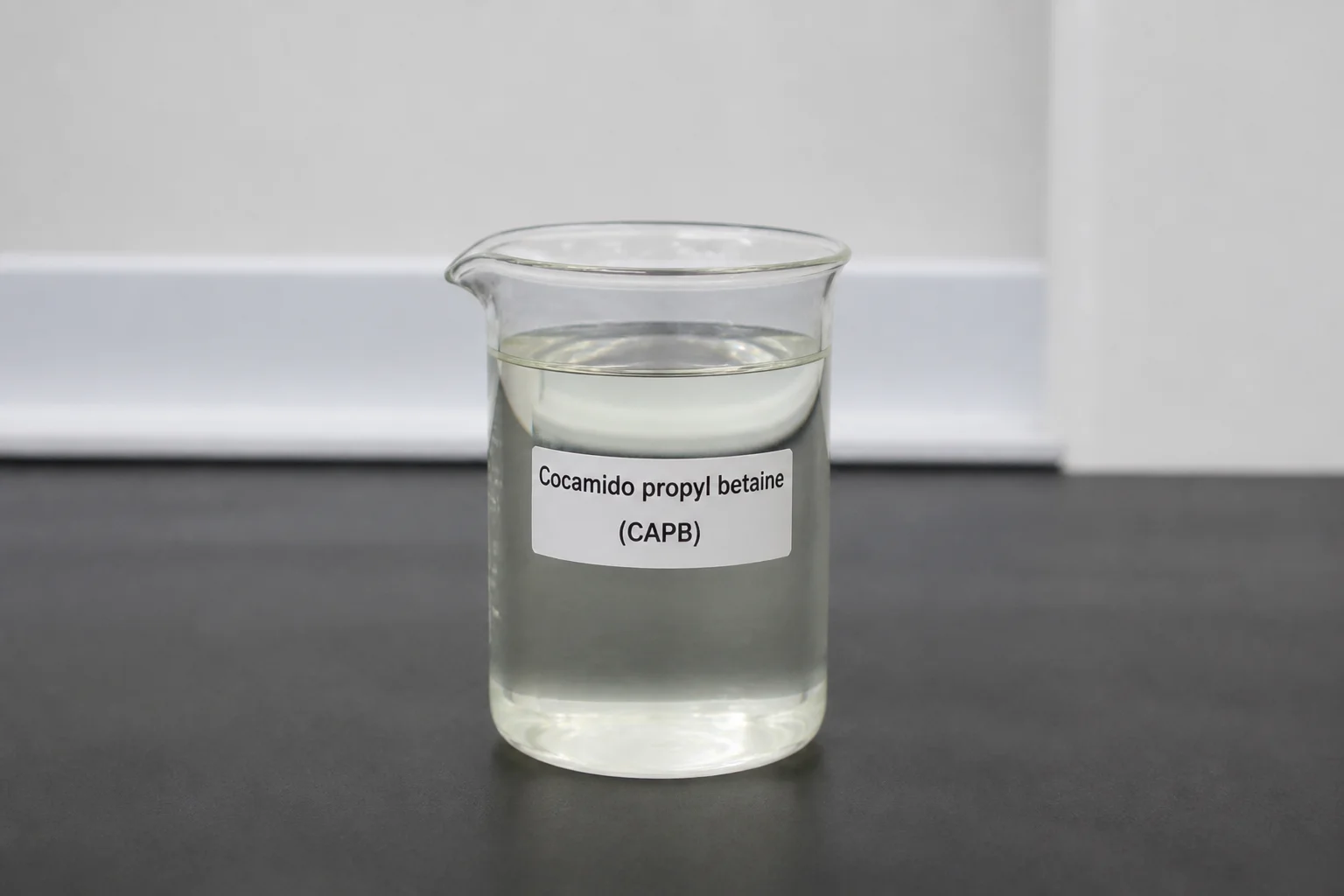
- Tracking CAPB pricing trends reveals how coconut oil volatility and petrochemical costs impact betaine market dynamics across 30%, 35%, and 45% active matter grades.
-
- Both surfactants function as zwitterions with pH-dependent charge states affecting formulation behavior
Personal care formulators face critical decisions when selecting mild surfactants that balance cleansing performance with skin compatibility. Two amphoteric surfactants frequently appear on ingredient lists: lauryl betaine and cocamidopropyl betaine (CAPB). While their similar names suggest comparable properties, these compounds demonstrate distinct chemical structures and performance characteristics that significantly impact formulation outcomes. The global market for amphoteric surfactants exceeded $3.8 billion in 2023, with CAPB commanding approximately 65% market share compared to lauryl betaine’s more specialized positioning.
Understanding the specific advantages each surfactant offers enables formulators to optimize product performance for target applications. Whether developing ultra-mild baby shampoos, clarifying facial cleansers, or sulfate-free body washes, selecting between lauryl betaine and cocamidopropyl betaine affects foam quality, viscosity management, skin feel, and manufacturing costs. This comparison examines the technical differences that guide formulation decisions across diverse personal care categories.
Lauryl Betaine vs Cocamidopropyl Betaine: Chemical Structure Differences
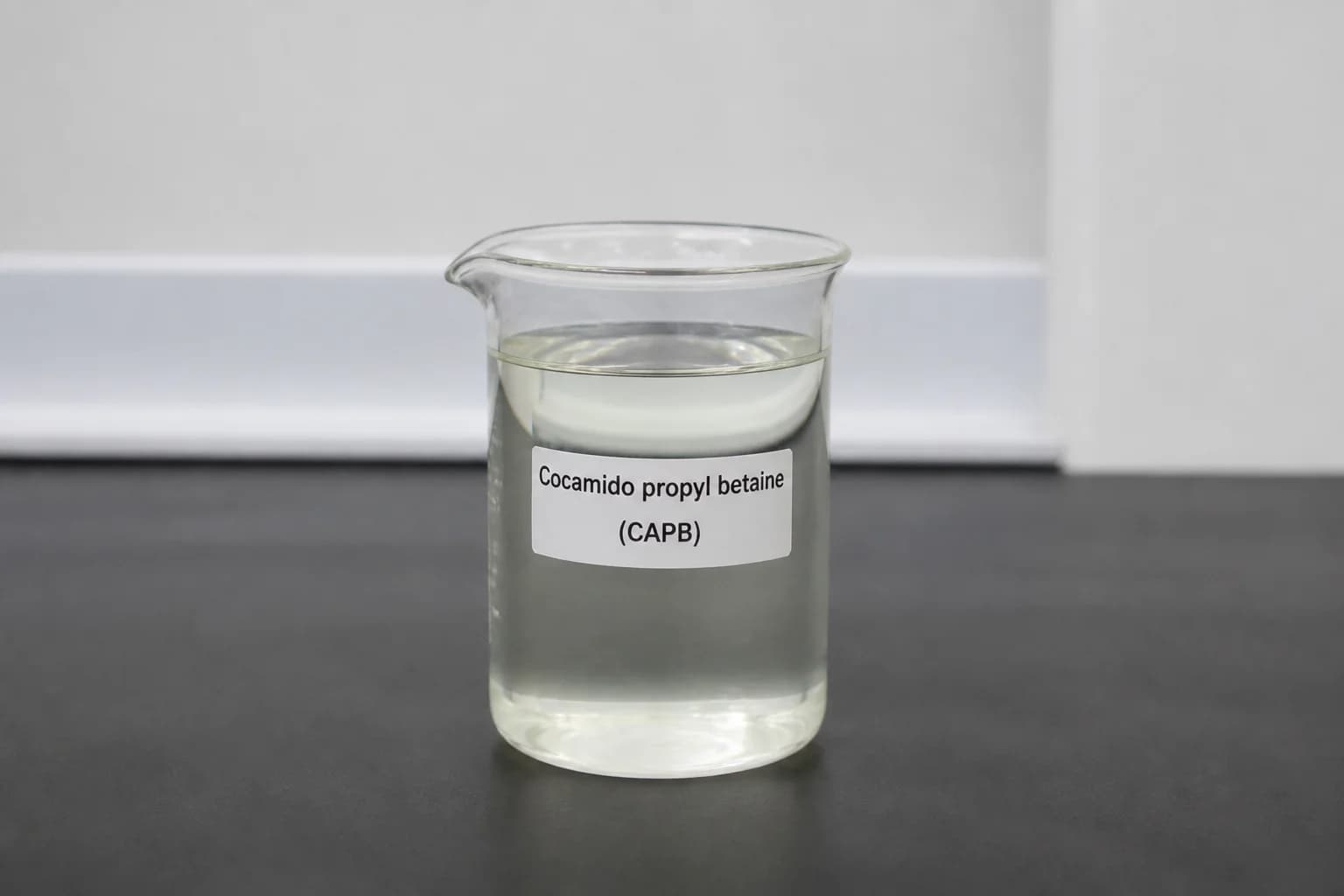
The fundamental distinction between lauryl betaine and cocamidopropyl betaine lies in their molecular architecture, which determines how each compound interacts with other formulation components. Lauryl betaine belongs to the alkyl betaine class, featuring a 12-carbon lauryl chain attached directly to a betaine head group containing both quaternary ammonium (positive charge) and carboxylate (negative charge) functional groups. This straightforward structure creates a zwitterion that displays both hydrophobic and hydrophilic properties without additional molecular complexity.
Cocamidopropyl betaine incorporates an amide linkage connecting coconut-derived fatty acids to a propyl betaine structure. This amido betaine architecture introduces an additional functional group between the hydrophobic tail and the charged head, fundamentally altering the molecule’s behavior in solution. The amide bond provides enhanced stability under varied pH conditions while creating different micelle packing geometries when combined with SLES chemical anionic surfactants.
The coconut oil origin of CAPB means the fatty acid component consists primarily of lauric acid (C12) but includes varying proportions of capric (C10), myristic (C14), and other chain lengths. This natural variability contrasts with lauryl betaine’s defined C12 carbon chain, affecting batch-to-batch consistency and requiring tighter quality controls during manufacturing. The propyl spacer group in CAPB’s structure separates the betaine moiety from the fatty acid portion, creating additional conformational flexibility that influences foam texture and viscosity response.
Manufacturing processes highlight another structural consequence. CAPB production involves two chemical steps: first, dimethylaminopropylamine (DMAPA) reacts with coconut fatty acids to form an amide intermediate, then sodium monochloroacetate converts this to the final betaine structure. These reactions can leave residual DMAPA and amidoamine impurities that cause skin sensitization concerns. Lauryl betaine synthesis proceeds through a single step combining lauryl dimethylamine with sodium monochloroacetate, typically producing fewer problematic byproducts when properly controlled.
Performance Comparison in Formulations
Direct performance comparisons reveal how structural differences translate into practical formulation considerations. Testing conducted with standardized formulations containing 32% sodium lauryl sulfate and 7.5% betaine demonstrates measurable variations in foam height, bubble structure, and viscosity development between the two compounds.
| Property | Lauryl Betaine | Cocamidopropyl Betaine |
| Foam height | Moderate to high | High |
| Bubble structure | Larger, flashier bubbles | Smaller, creamier bubbles |
| Foam stability | Good | Excellent |
| Viscosity building | Moderate | Superior |
| Anionic compatibility | Good across pH range | Excellent above pH 5 |
| Isoelectric point | >pH 9 | pH 6.25 |
| Skin mildness | Excellent | Very good |
| Allergen potential | Very low | Low to moderate |
Foam Characteristics
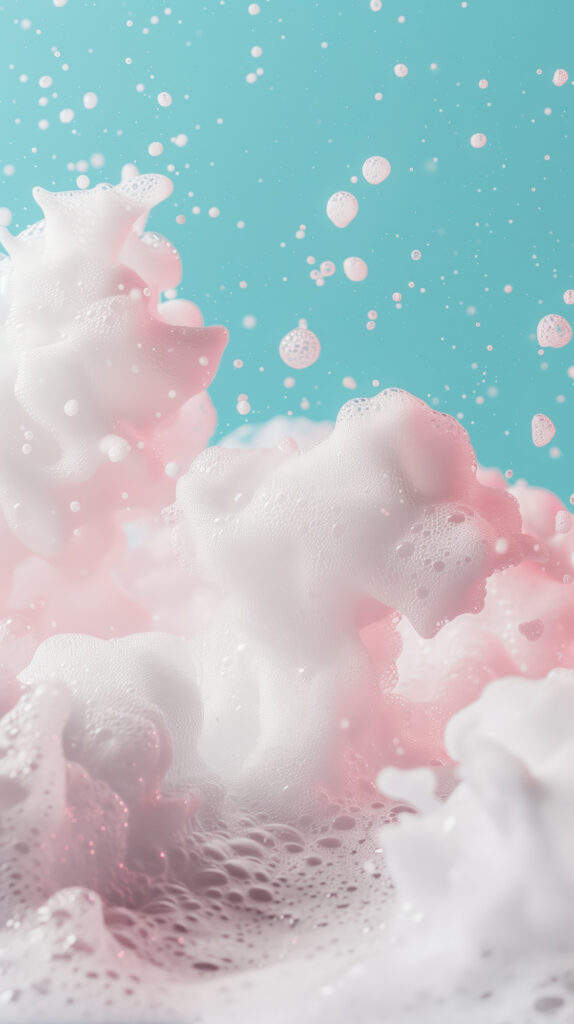
Foam quality represents a critical consumer perception factor that influences purchase decisions and repeat usage. Lauryl betaine generates foam characterized by larger bubble sizes that create impressive initial volume, often described as “flashy” foam. This foam structure appeals to consumers who associate abundant lather with effective cleansing, though the larger bubbles dissipate somewhat faster than those produced by CAPB formulations.
Cocamidopropyl betaine creates distinctly different foam architecture. When combined with anionic surfactants, CAPB promotes formation of smaller, denser bubbles that build into rich, creamy lather. This creaminess results from the amido betaine structure facilitating elongated micelle formation, with rod-like and wormlike aggregates trapping air more effectively than spherical micelles. The resulting foam demonstrates exceptional stability, maintaining volume and texture throughout the cleansing process without rapid collapse.
Antifungal testing against Malassezia restricta, the scalp fungus associated with dandruff, reveals additional foam-related differences. CAPB demonstrated minimum inhibitory concentrations of 0.075-1.5 mg/mL compared to lauryl betaine’s 1.5-3 mg/mL, suggesting CAPB’s foam structure may contribute to better active ingredient delivery in medicated shampoo formulations where prolonged scalp contact benefits treatment efficacy.
Viscosity Building Capability
Viscosity management separates these surfactants most dramatically in practical formulation work. CAPB’s isoelectric point at pH 6.25 means that at typical personal care product pH levels around 5.5, the molecule carries slight positive charge. This charge state creates ionic attraction with negatively charged anionic surfactants like sodium laureth sulfate, dramatically increasing the critical packing parameter of mixed micelles. The result is transformation from spherical to elongated micelle structures that physically entangle, creating viscous networks even at moderate surfactant concentrations.
This viscosity-building synergy explains CAPB’s dominance in sulfate-based shampoo and body wash formulations. Formulators can achieve target viscosities using primarily surfactant interactions, minimizing reliance on salt thickening or polymeric viscosity modifiers. A typical formulation containing 10% sodium laureth sulfate and 3% CAPB develops viscosity ranging from 3,000-8,000 centipoise depending on salt concentration, creating products that pour smoothly but resist running through fingers during application.
Lauryl betaine demonstrates more modest viscosity contribution. Its isoelectric point above pH 9 means the molecule remains more negatively charged at typical product pH levels, reducing ionic attraction with anionic surfactants. While lauryl betaine still provides some viscosity enhancement through general surfactant concentration effects, formulators generally require additional thickening systems such as sodium chloride, cocamide MEA alternatives, or polymers to achieve desired product consistency. This limitation increases formulation complexity but offers greater independent control over cleansing and rheology properties.
Mildness and Skin Tolerance
Both surfactants earn classification as mild relative to primary anionic cleansers, but subtle differences affect product positioning. Lauryl betaine achieves the lowest possible Environmental Working Group hazard rating of 1, indicating minimal concern for toxicity, allergenic potential, or environmental impact. This clean safety profile makes lauryl betaine particularly attractive for natural and organic product certifications where ingredient perception matters alongside actual performance.
Cocamidopropyl betaine carries a more complex safety history. The compound itself demonstrates good skin tolerance in pure form, but manufacturing byproducts create concerns. DMAPA and amidoamine impurities function as sensitizers, explaining why CAPB was named 2004 Allergen of the Year by the American Contact Dermatitis Society. Modern manufacturing employs tighter controls, excess chloroacetate reagent, and careful pH management during betainization to minimize these impurities below sensitization thresholds. High-purity CAPB with amidoamine and DMAPA levels controlled below 150 ppm demonstrates low allergenic potential in controlled studies.
Clinical testing comparing surfactant cell viability shows both betaines significantly reduce irritation when combined with harsh surfactants. Studies measuring cell death using live-dead staining found CAPB and lauryl betaine dramatically improved cell survival when added to sodium lauryl sulfate formulations, though neither eliminated all cytotoxic effects at typical use concentrations.
Lauryl Betaine and Cocamidopropyl Betaine in Product Applications
Application requirements determine which betaine offers optimal performance for specific product categories. Understanding how lauryl betaine and cocamidopropyl betaine behave across different formulation contexts enables targeted selection rather than defaulting to industry conventions.
Application selection factors:
-
- Baby and children’s products: Lauryl betaine preferred for lowest sensitization risk
-
- Clarifying shampoos: CAPB chosen for superior viscosity and foam stability with higher anionic surfactant levels
-
- Natural/organic positioning: Lauryl betaine selected for cleaner environmental profile and simpler structure
-
- Medicated formulations: CAPB favored for better antimicrobial support against scalp conditions
-
- Sulfate-free systems: Either works well, with lauryl betaine offering differentiation and CAPB providing familiar performance
-
- Face washes: Lauryl betaine increasingly chosen for hypoallergenic claims
-
- Budget formulations: CAPB standard due to lower cost and established supply chains
Shampoo and Body Wash Formulations
Traditional shampoo formulations built around sodium laureth sulfate systems almost universally employ CAPB at 2-4% concentrations. The viscosity synergy between CAPB and SLES enables simple formulations achieving 3,000-6,000 centipoise viscosity through surfactant interactions alone. Adding 1-2% sodium chloride fine-tunes consistency to target specifications, creating stable products that pour smoothly but resist excessive thinning during use.
Lauryl betaine finds its shampoo niche in specialized formulations emphasizing gentleness or natural positioning. Products targeting chemically treated hair, color-safe formulations, or curly hair care benefit from lauryl betaine’s lighter foam and reduced potential for residue buildup. The compound’s simpler structure appeals to consumers seeking minimalist ingredient lists without synthetic-sounding chemical names, though formulators must employ alternative thickening strategies to achieve acceptable viscosity.
Body wash development follows similar patterns with CAPB dominating mainstream formulations while lauryl betaine gains traction in premium positioning. The key consideration becomes foam aesthetics: consumers using body washes expect rich, creamy lather that CAPB delivers naturally.
Facial Cleansers and Sensitive Skin Products
Facial cleanser development prioritizes mildness over foam volume, shifting the balance toward lauryl betaine advantages. Facial skin’s thinner stratum corneum and higher nerve ending density creates greater sensitivity to irritation, making the lowest possible allergen potential valuable. Lauryl betaine at 3-8% concentration combined with mild primary surfactants like sodium cocoyl isethionate or decyl glucoside creates effective face washes suitable for twice-daily use without cumulative irritation.
Sensitive skin product lines increasingly specify lauryl betaine to support hypoallergenic claims. While properly purified CAPB demonstrates acceptable skin tolerance, lauryl betaine’s inherently lower impurity profile provides marketing advantages for brands competing in the sensitive skin category. The cost premium of 15-25% over CAPB becomes acceptable when positioning justifies premium pricing, particularly in prestige beauty channels where ingredient perception influences brand equity.
Micellar water formulations utilize either betaine at very low concentrations (0.5-2%) where their amphoteric properties help stabilize micelles and improve makeup removal. At these levels, performance differences between lauryl betaine and CAPB diminish, allowing selection based primarily on cost and supply chain considerations rather than functional superiority.
Manufacturing and Quality Considerations
Raw material quality profoundly affects formulation success regardless of which betaine is selected. Understanding critical quality parameters enables informed supplier selection and appropriate specifications for incoming material inspection.
| Quality Parameter | Specification | Impact on Formulation |
| Active matter | 30-35% typical | Determines actual surfactant concentration |
| pH (10% solution) | 5.0-7.0 | Affects stability and compatibility |
| Free amines (CAPB) | <150 ppm | Controls allergen potential |
| Amidoamine (CAPB) | <150 ppm | Primary sensitizer, must be minimized |
| Sodium chloride | <5% | Affects thickening response |
| Color (Gardner) | <5 | Influences final product appearance |
| Microbial purity | <100 cfu/g | Preservative system design consideration |
CAPB manufacturing has evolved significantly since initial allergen concerns emerged in the early 2000s. Leading suppliers now employ continuous betainization processes with real-time pH monitoring and controlled chloroacetate addition that minimize problematic byproducts. Manufacturers should request certificates of analysis documenting amidoamine and DMAPA levels below 100 ppm when targeting sensitive skin applications, though standard commercial grades at 150 ppm prove acceptable for general-use products.
Lauryl betaine quality control focuses primarily on active matter consistency and color. The single-step synthesis produces fewer problematic impurities, but variations in starting lauryl dimethylamine quality affect final product specifications. Suppliers offering certified organic or natural certifications must document raw material sources from coconut or other approved vegetable origins rather than petroleum-derived materials.
Conclusion
The choice between lauryl betaine and cocamidopropyl betaine extends beyond simple substitution, requiring careful consideration of formulation goals, target market positioning, and technical requirements. While CAPB maintains market dominance through superior viscosity building, creamy foam, and economic advantages, lauryl betaine offers compelling benefits for natural positioning, hypoallergenic claims, and specialized applications where its cleaner impurity profile justifies premium pricing. Both surfactants deliver the mildness and compatibility that make amphoteric surfactants essential for modern personal care formulations.
For manufacturers requiring cocamidopropyl betaine, lauryl betaine, or other specialty surfactants for personal care formulations, Elchemy’s technology-driven platform connects buyers with verified chemical suppliers across global markets. Founded by IIT Bombay engineer Hardik Seth and IIT Delhi engineer Shobhit Jain, Elchemy provides transparent access to quality documentation including certificates of analysis, competitive pricing, and reliable supply chains supporting consistent formulation development from concept through commercial production.