SLS Needles (Sodium Lauryl Sulfate Needles)
ELSURFACTM – SLSn

Get Pricing for This Product
Need pricing? Request a quote for this product and we'll get back to you shortly.
 Free Samples Available
Speed Up Your Sample Testing Process
We deliver domestic samples within 24 - 48 hours, helping you evaluate product without delays.
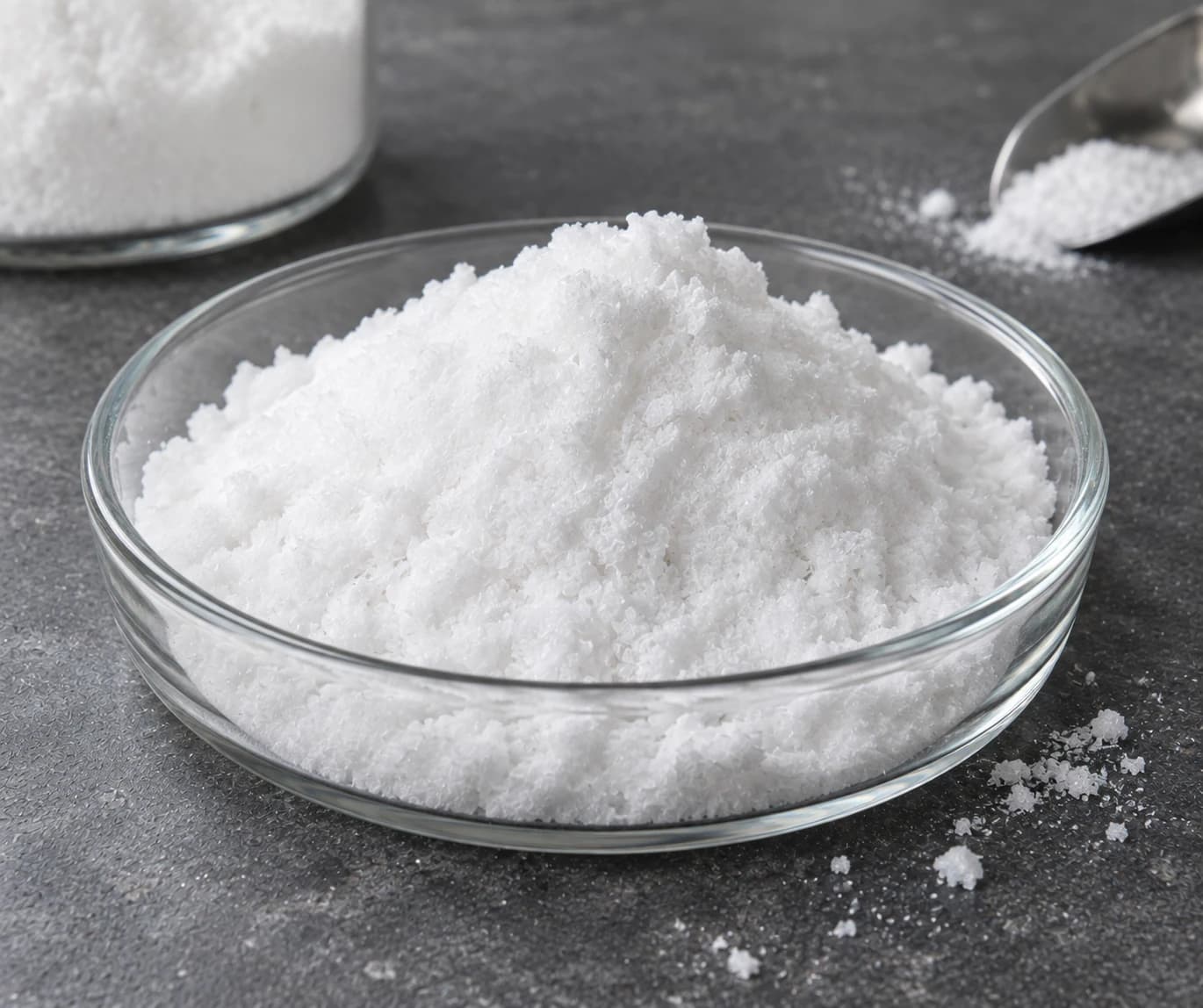
Sodium Lauryl Sulfate Needles is a high-purity anionic surfactant in crystalline needle form, renowned for its exceptional foaming, cleansing, and emulsifying properties, widely utilized in personal…
CAS Number
151-21-3
HS Code
34.02.11.10
INCI Name
Sodium Lauryl Sulfate (SLS)
Molecular Formula
C₁₂H₂₅NaO₄S
SLS Needles (Sodium Lauryl Sulfate Needles)
ELSURFACTM – SLSn
Sodium Lauryl Sulfate Needles is a high-purity anionic surfactant in crystalline needle form, renowned for its exceptional foaming, cleansing, and emulsifying properties, widely utilized in personal care, household, and industrial applications due to its cost-effectiveness,…
CAS Number
151-21-3
INCI Name
Sodium Lauryl Sulfate (SLS)
HS Code
34.02.11.10
Molecular Formula
C₁₂H₂₅NaO₄S
Get Pricing for This Product
Need pricing? Request a quote for this product and we'll get back to you shortly.
Free Samples AvailableSpeed Up Your Sample Testing Process
We deliver domestic samples within 24 - 48 hours, helping you evaluate product without delays.
 By
By
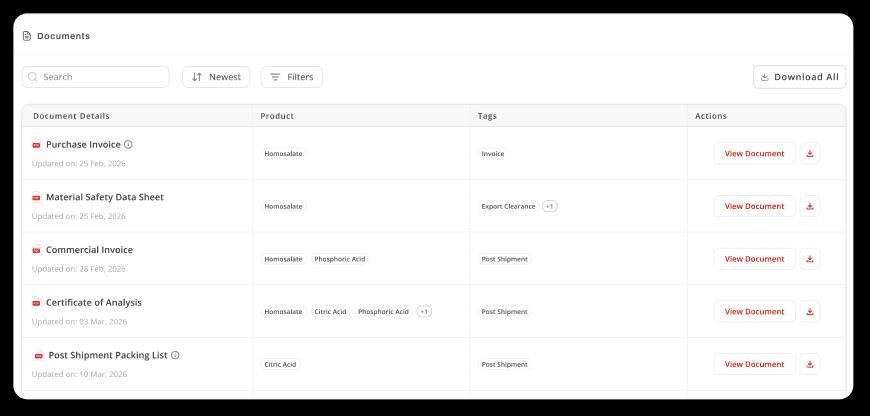
Specialty chemicals, delivered right
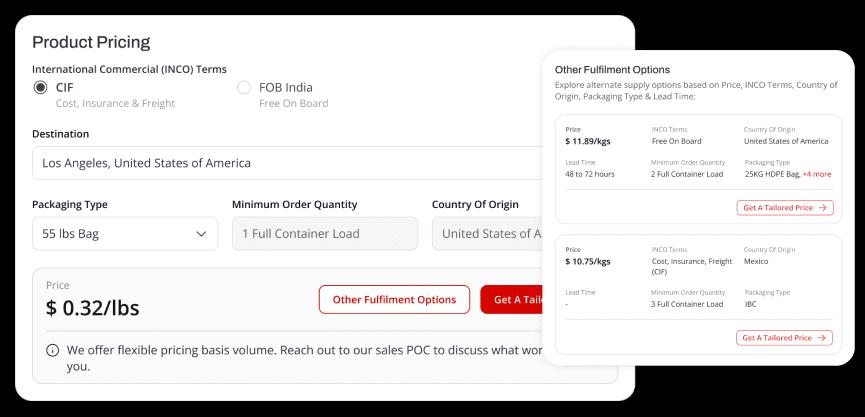
Access live, grade-specific pricing for every chemical, so your teams talks with data, not intuition on Elixir.
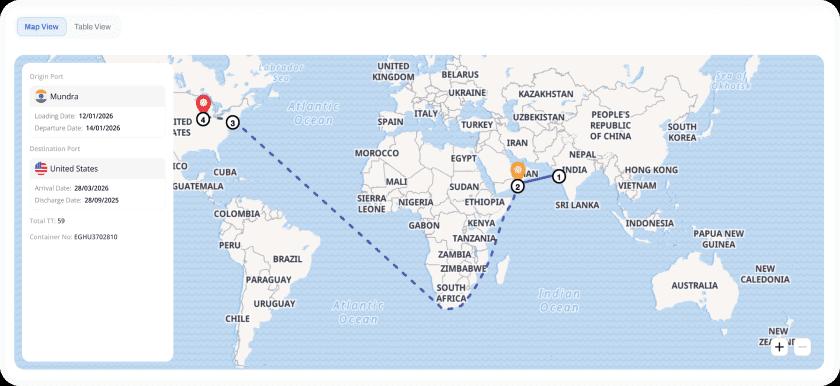
Compare fulfilment options across grades, INCO terms, origins, and lead times: all in one platform.

Live, transparent pricing
Real-time quotes across 12,000+ specialty chemicals.
Product Specification
Physical Properties
| Property | Specification |
|---|---|
| Appearance | White powder |
| Odor | Faint odor of fatty substances |
| Molecular Weight (G/Mol) | 288.38 |
| Density Or Specific Gravity | greater than 1.1 at 68 °F |
| Ph (If Aqueous Solution) | 9.1 at 10 g/l |
Chemical Properties
| Property | Specification |
|---|---|
| Water Solubility | 15g/100ml at 20 °C |
| Hazardous Reactions | When heated to decomposition it emits toxic fumes of /sulfur oxides and sodium oxides |
| Pka | 1.84 ± 0.10 (predicted) |
| Incompatibilities | Strong oxidizing agents |
Thermal Properties
| Property | Specification |
|---|---|
| Melting Point | 399 to 405 °F |
| Decomposition Temperature | Decomposition Temperature |
| Thermal Stability | Stable at ambient temperature; decomposes on strong heating |
Processing Methods & Reference Formulations
A. Shampoo
Pre-dilute Sodium Lauryl Sulfate with deionized water before adding to the shampoo batch to prevent gel formation and viscosity issues. Add it slowly under moderate stirring, ideally after amphoteric surfactants like cocamidopropyl betaine.
| Key Ingredients | Indicative Dosage (% w/w) |
|---|---|
| Sodium Lauryl Sulfate (28% active) | 40% |
| Cocamidopropyl Betaine | 10% |
| Glycerin | 3% |
| Sodium Chloride | 1% |
| Preservative (e.g., DMDM Hydantoin) | 0.3% |
| Fragrance | 0.2% |
| Purified Water | 40-50% |
B. Body Wash
Pre-dilute Sodium Lauryl Sulfate with deionized water before adding to the body wash to avoid viscosity spikes and clumping. Add it slowly under gentle stirring, ideally after milder surfactants to improve skin compatibility.
| Key Ingredients | Indicative Dosage (% w/w) |
|---|---|
| Primary surfactants (SLS) | 10-20% |
| Secondary surfactants (CAPB, CAO, CDEA etc.) | 2-8% |
| Thickening agents | 0.1-3% |
| Fragrances and Essential oils | 0.1-1% |
C. Liquid Soap
In liquid soap formulation, add Sodium Lauryl Sulfate (SLS) slowly to the water phase under gentle stirring to prevent excessive foaming and ensure complete dissolution.
| Key Ingredients | Indicative Dosage (% w/w) |
|---|---|
| Sodium Laureth Sulfate (SLES 70%) | 5% |
| Sodium Lauryl Sulfate (SLS 92%) | 1.5% |
| Cocamidopropyl Betaine | 5% |
| Cocamide DEA (CDEA) | 1% |
| Glycerin | 1% |
| EDTA-2Na | 0.1% |
| Salt | 2% |
| Deionized Water | 80-90% |
D. Skin cleansers
In skin cleanser formulation, add Sodium Lauryl Sulfate (SLS) to the water phase slowly with constant gentle stirring to prevent lumping and excessive foaming.
| Key Ingredients | Indicative Dosage (% w/w) |
|---|---|
| Water (Aqua) | 60% |
| Glycerin | 5% |
| Sodium Lauryl Sulfate (SLS) | 10% |
| Cocamidopropyl Betaine | 5% |
| Citric Acid | 0.5% |
| Sodium Chloride | 0.5% |
| Phenoxyethanol | 0.8% |
| Ethylhexylglycerin | 0.2% |
| Fragrance | 0.5% |
Dosing Guidelines
A. Dosing by Application
| Products | Authorized dosage |
|---|---|
| Shampoos | 3-30% |
| Body washes | 3-30% |
| Toothpaste | 1-3% |
| Facial cleansers | 5-20% |
About SLS Needles (Sodium Lauryl Sulfate Needles)
About SLS Needles (Sodium Lauryl Sulfate Needles)
Regulatory Compliance
| Region | Max Allowed Level | Notes | Certification Body |
|---|---|---|---|
| China | - | No specific statutory maximum | - |
| India | - | No specific BIS limit for SLS | - |
| Japan | - | No explicit max for finished products. | - |
| Republic of Korea | - | No specific statutory maximum | - |
| United States | 1% | FDA allows SLS up to 30% in rinse-off products; for leave-on, should not exceed 1% due to irritation risk | FDA |
| ASEAN | - | No specific statutory maximum | - |
| European Union | 1% | EU Cosmetics Regulation caps SLS at 1% in leave-on products; rinse-off products can contain higher levels | SCCS (Scientific Committee on Consumer Safety) |
FAQs - SLS Needles (Sodium Lauryl Sulfate Needles)
Related Products
Related Products

Streamline
Your Chemical
Procurement
Get fast responses from real experts