

At a Glance
- Chemical similarity: Both are strong alkali metal hydroxides with formula MOH
- Solubility: Potassium hydroxide dissolves faster and creates more heat than sodium hydroxide
- Hygroscopic nature: KOH absorbs moisture more aggressively than NaOH
- Cost: Sodium hydroxide costs 30-50% less than potassium hydroxide
- Soap making: NaOH creates hard bar soap; KOH produces soft or liquid soap
- Battery applications: KOH dominates alkaline batteries; NaOH rarely used
- Biodiesel: Both work as catalysts but KOH produces water-soluble byproducts
- pH strength: Essentially identical at equal molar concentrations
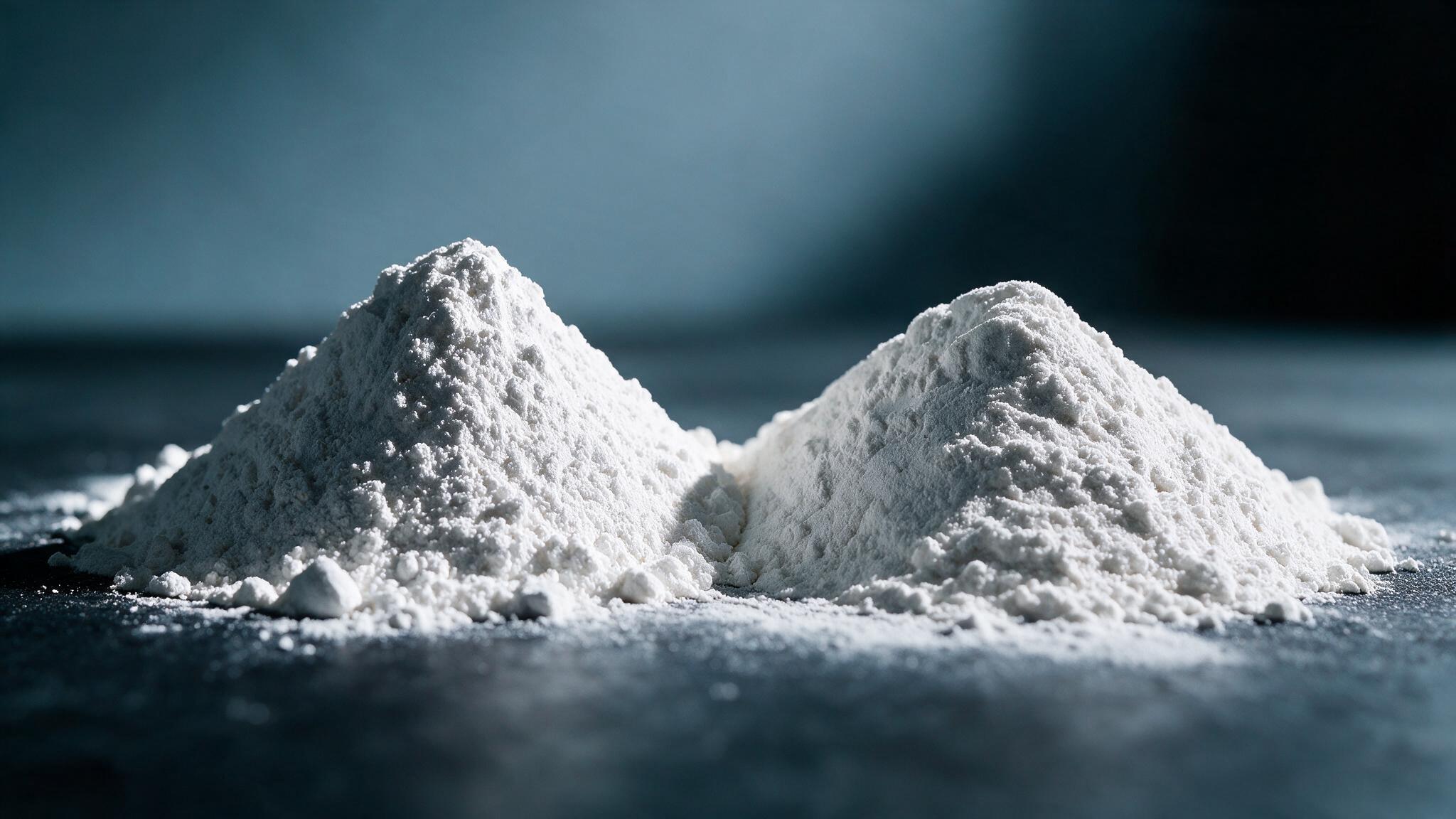
Two white solids sit on laboratory shelves, looking nearly identical to the untrained eye. Both dissolve in water with intense heat generation. Both create slippery, caustic solutions that can burn skin on contact. Sodium hydroxide and potassium hydroxide share so much in common that many assume they’re interchangeable. They’re not.
The choice between sodium hydroxide vs potassium hydroxide affects product quality, process efficiency, and economic viability across industries from soap manufacturing to biodiesel production. Understanding where these caustic alkalis differ—and where they truly perform the same—determines whether you select the right chemical for your application or waste money on unnecessarily expensive alternatives.
Sodium Hydroxide vs Potassium Hydroxide: Chemical Fundamentals
Both compounds belong to the alkali metal hydroxide family, sharing the general formula MOH where M represents the metal cation (Na⁺ or K⁺) bonded to a hydroxide anion (OH⁻).
Sodium Hydroxide (NaOH)
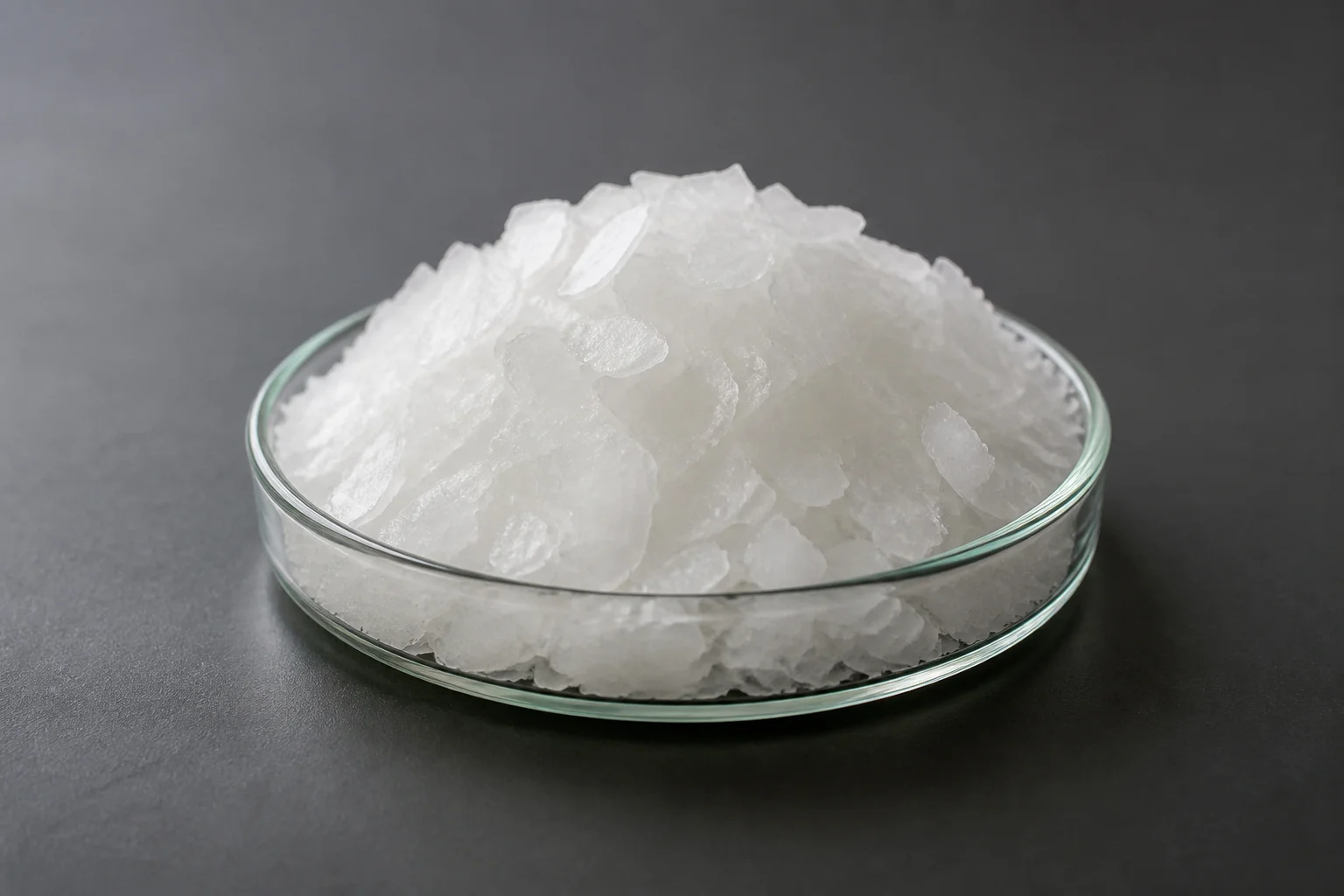
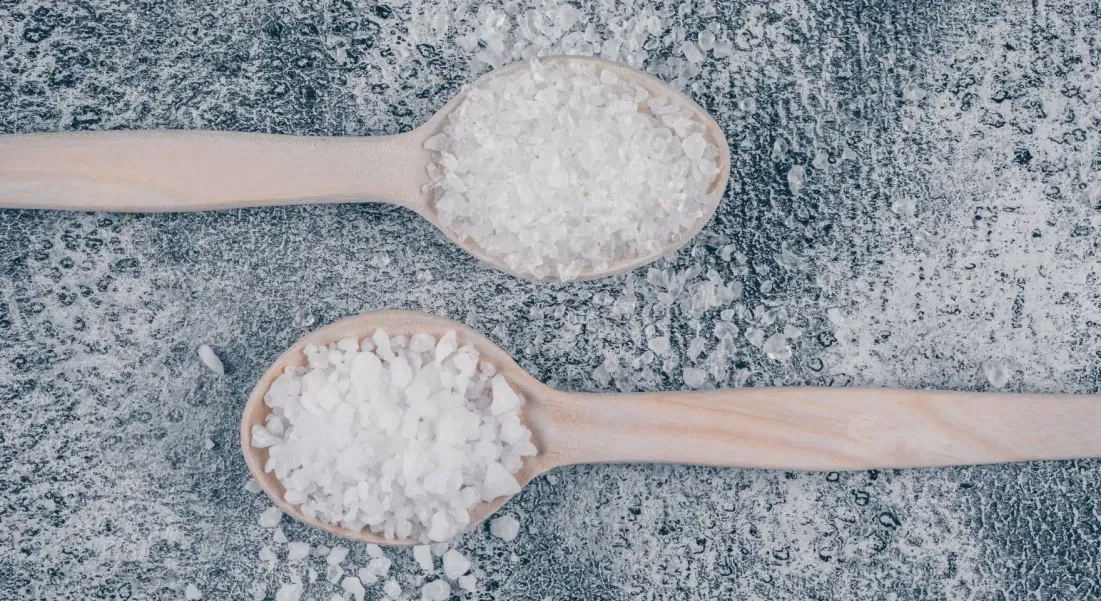
Also called caustic soda or lye, sodium hydroxide consists of sodium cations and hydroxide anions in a 1:1 ratio. The compound appears as white pellets, flakes, or granules at room temperature. With a molecular weight of 40.00 g/mol, it’s the lighter of the two hydroxides.
The industrial-scale production occurs almost exclusively through the chlor-alkali electrolysis process, where an electric current passes through sodium chloride brine. This process simultaneously produces chlorine gas, hydrogen gas, and sodium hydroxide—three valuable industrial chemicals from simple salt and water.
Potassium Hydroxide (KOH)
Called caustic potash or potassium lye, this compound consists of potassium cations and hydroxide anions. It appears physically similar to sodium hydroxide—white pellets or flakes—making visual distinction impossible without labeling.
The molecular weight of 56.11 g/mol makes KOH about 40% heavier than NaOH. This weight difference affects molar calculations in applications requiring precise stoichiometric ratios. Production also uses the chlor-alkali process, but starting with potassium chloride instead of sodium chloride.
| Property | Sodium Hydroxide (NaOH) | Potassium Hydroxide (KOH) |
| Molecular weight | 40.00 g/mol | 56.11 g/mol |
| Melting point | 318°C (604°F) | 360°C (680°F) |
| Boiling point | 1,388°C (2,530°F) | 1,327°C (2,421°F) |
| Density (solid) | 2.13 g/cm³ | 2.04 g/cm³ |
| Solubility (0°C) | 42 g/100mL water | 97 g/100mL water |
| Solubility (20°C) | 109 g/100mL water | 112 g/100mL water |
| pH (0.1M solution) | ~13 | ~13 |
| Deliquescence | Moderate | Strong |
Alkalinity and pH Behavior
Both sodium hydroxide and potassium hydroxide rank among the strongest bases available, dissociating completely in water to produce hydroxide ions. A 0.1 molar solution of either compound achieves a pH around 13, placing them at the extreme alkaline end of the pH scale.
The practical difference in basicity is negligible. Equal molar concentrations produce essentially identical pH levels. Where they differ is not in strength but in behavior during dissolution, solubility characteristics, and how the metal cation affects specific applications.
Dissolution characteristics:
When pellets contact water, both compounds generate significant heat through exothermic dissolution. However, potassium hydroxide releases more heat per mole than sodium hydroxide. This faster, more energetic dissolution creates higher local temperatures and greater risk of violent boiling if large amounts dissolve at once.
The heat generation creates the universal safety rule for both chemicals: always add the hydroxide to water, never water to the hydroxide. Adding water to concentrated pellets can cause explosive boiling and splashing of caustic solution.
Hygroscopic Properties and Storage
One of the most significant practical differences between these hydroxides is their moisture-absorbing behavior.
Sodium Hydroxide Moisture Absorption
NaOH readily absorbs water from air, converting from crisp pellets to a sticky, wet mass over time when exposed to atmosphere. This hygroscopic nature means containers must be sealed tightly immediately after opening. Leaving sodium hydroxide exposed for even hours can increase its weight by 10-20% from absorbed moisture.
The absorbed water dilutes the material, creating concentration variability that affects applications requiring precise hydroxide amounts. Laboratory-grade sodium hydroxide must be stored in airtight containers with minimal headspace to maintain consistent composition.
Potassium Hydroxide’s Stronger Deliquescence
KOH demonstrates even more aggressive moisture absorption than sodium hydroxide. It doesn’t just absorb water vapor—it deliquesces, meaning it absorbs so much moisture it dissolves into a liquid solution. Potassium hydroxide pellets left exposed to humid air will completely liquify within hours.
This extreme hygroscopic behavior creates additional handling challenges:
- Weighing must occur quickly before moisture absorption
- Storage containers require better seals than for NaOH
- Humid environments cause rapid degradation
- The deliquesced solution makes a sticky mess that’s difficult to clean
Both hydroxides also absorb carbon dioxide from air, converting to carbonates that reduce hydroxide concentration. Potassium hydroxide’s greater surface moisture makes it react faster with atmospheric CO₂, creating another reason for meticulous storage practices.
Solubility and Solution Behavior
While both compounds show high water solubility, differences in dissolution speed and behavior affect their industrial utility.
Dissolution Speed
Potassium hydroxide dissolves noticeably faster than sodium hydroxide when equal-sized pellets are added to water at the same temperature. The KOH pellets break apart more quickly, creating solution more rapidly. This faster dissolution proves advantageous in processes requiring quick alkali solution preparation but increases splashing risks from vigorous heat evolution.
Alcohol Solubility
Both hydroxides dissolve in alcohols, but potassium hydroxide shows significantly better solubility in ethanol and methanol. This property becomes critical in biodiesel production where the catalyst must dissolve in methanol. While sodium hydroxide works, potassium hydroxide dissolves more completely and faster, improving reaction efficiency.
Temperature Effects
The solubility of both hydroxides increases substantially with temperature. Hot water dissolves much more hydroxide than cold water. However, the exothermic dissolution means adding hydroxide to water heats the solution anyway, increasing solubility during the dissolution process itself.
Soap Making: Hard vs Soft Soap
The soap industry represents where sodium hydroxide and potassium hydroxide produce distinctly different results from identical starting materials.
Sodium Hydroxide for Bar Soap
Saponification with NaOH produces hard, solid soaps that maintain firm bars consumers expect. The sodium salts of fatty acids crystallize into solid structures at room temperature. This is why all traditional bar soaps—from laundry bars to luxury artisan soaps—use sodium hydroxide as the saponifying agent.
The process follows a simple chemical reaction: triglycerides (fats/oils) + sodium hydroxide → glycerol + sodium salts of fatty acids (soap). The sodium soap precipitates from solution or hardens upon cooling into usable solid bars.
Potassium Hydroxide for Liquid Soap
KOH produces potassium salts of fatty acids that remain soft or liquid at room temperature. These soaps don’t crystallize into hard structures like sodium soaps. Instead, they form thick pastes or pourable liquids depending on water content and formulation.
Commercial liquid hand soaps, shampoos, and soft soaps use potassium hydroxide for saponification. The resulting product dispenses through pumps, provides immediate lather, and offers convenience that bar soaps cannot match.
Practical considerations:
- Sodium soap costs less to produce (cheaper NaOH)
- Potassium soap dissolves faster when dispensed
- Sodium soap lasts longer (less dissolves per wash)
- Potassium soap offers better skin feel for some users
- Blending both hydroxides creates intermediate consistency soaps
Industrial Applications
Battery Manufacturing
The battery industry demonstrates perhaps the clearest preference between these hydroxides.
Alkaline Batteries: Potassium hydroxide dominates alkaline battery electrolytes due to superior ionic conductivity and better performance at low temperatures. The electrolyte typically contains 30-40% KOH solution. Sodium hydroxide cannot match this performance, making KOH the only viable choice for modern alkaline batteries.
Nickel-Cadmium and Nickel-Metal Hydride Batteries: These rechargeable batteries also use potassium hydroxide electrolyte exclusively. The electrochemical properties of KOH provide better ion transport and cell performance than NaOH could deliver.
Biodiesel Production
Both hydroxides catalyze the transesterification reaction converting vegetable oils or animal fats into biodiesel, but they create different byproducts.
Sodium Hydroxide Biodiesel:
- Produces sodium salts (soap) as byproduct
- Soap separates as solid or semi-solid layer
- Requires washing to remove soap from biodiesel
- Slightly cheaper catalyst cost
Potassium Hydroxide Biodiesel:
- Produces potassium salts as byproduct
- Potassium soap dissolves in water phase
- Easier separation and washing
- Creates potassium-rich wash water useful as fertilizer
Many biodiesel producers prefer KOH despite higher cost because the water-soluble byproduct simplifies purification and the waste stream offers agricultural value.
Food Industry
Both hydroxides have food-grade applications, though sodium hydroxide sees wider use.
Sodium hydroxide in food:
- Pretzel glazing (creates characteristic brown crust)
- Peeling fruits and vegetables
- Cocoa processing (Dutch process chocolate)
- Olive curing and debittering
- pH adjustment in food processing
Potassium hydroxide in food:
- Cocoa processing
- Soft drink and beer pH control
- Food additive (E525) in lower concentrations
- Caramel color production
The choice often comes down to cost rather than performance, with NaOH preferred when the metal cation doesn’t affect final product quality.
Chemical Manufacturing
Numerous chemical synthesis processes use these hydroxides as reactants or catalysts.
Sodium hydroxide applications:
- Organic chemical synthesis (phenol production)
- Pharmaceutical intermediates
- Pulp and paper processing (kraft process)
- Aluminum production (Bayer process)
- Petroleum refining
Potassium hydroxide applications:
- Specialty chemical production
- Pharmaceutical synthesis requiring potassium salts
- Electrolyte for certain electrochemical processes
- Production of potassium compounds
The vastly larger production volume of sodium hydroxide (global production exceeds 70 million tons annually) versus potassium hydroxide reflects its broader application range and lower cost making it the default choice when either hydroxide would work technically.
Cost and Economic Factors

The price difference between these chemicals significantly influences selection when performance is comparable.
Typical pricing (bulk industrial quantities):
- Sodium hydroxide: $300-500 per metric ton
- Potassium hydroxide: $800-1,200 per metric ton
This 2-3x price difference stems from multiple factors:
- Potassium chloride costs more than sodium chloride
- KOH production volumes are much smaller
- Fewer manufacturers produce KOH
- Chlor-alkali plants optimized for NaOH production
For applications where both work equally well, sodium hydroxide offers clear economic advantages. Potassium hydroxide gets specified only when its unique properties—alcohol solubility, soft soap formation, battery electrolyte performance, or water-soluble byproducts—justify the cost premium.
Safety and Handling
Both chemicals present identical hazard profiles requiring the same safety precautions.
Health hazards:
- Severe skin and eye burns from contact
- Respiratory irritation from dust or mist
- Tissue destruction from concentrated solutions
- Heat generation during dissolution can cause burns
Required PPE:
- Chemical-resistant gloves (nitrile, neoprene, or rubber)
- Safety goggles or face shield
- Protective clothing
- Respiratory protection when handling large quantities
Emergency procedures: Identical for both hydroxides—flush affected areas immediately with copious water for minimum 15-20 minutes. Seek medical attention for any significant exposure. The caustic nature of these chemicals creates serious injury risks that demand respect regardless of which metal cation is present.
Sourcing Industrial Hydroxides
For manufacturers requiring sodium hydroxide or potassium hydroxide for chemical processing, soap production, biodiesel manufacturing, or industrial applications, sourcing from suppliers who provide consistent quality, appropriate grades, and complete documentation ensures both operational success and worker safety.
Elchemy’s technology-driven platform connects industrial facilities with verified suppliers of both sodium hydroxide and potassium hydroxide meeting specifications from technical grade to food-grade standards. Founded by engineers from IIT Bombay, IIT Delhi, and IIM Ahmedabad, Elchemy provides transparent sourcing from vetted global suppliers, complete with safety data sheets, certificates of analysis, and technical support for selecting the right hydroxide for your specific application requirements.
Conclusion
The choice between sodium hydroxide vs potassium hydroxide comes down to specific application requirements rather than one being universally superior. Sodium hydroxide costs less, enjoys wider availability, and works perfectly well for most applications requiring strong alkali. Potassium hydroxide justifies its premium price when superior alcohol solubility, soft soap characteristics, battery electrolyte properties, or water-soluble reaction byproducts provide tangible benefits.
Both chemicals deliver identical pH and alkalinity at equal molar concentrations. Both require the same rigorous safety protocols. Understanding where they genuinely differ versus where they perform equivalently allows manufacturers to make economically rational decisions balancing performance requirements against cost considerations.