

At a Glance:
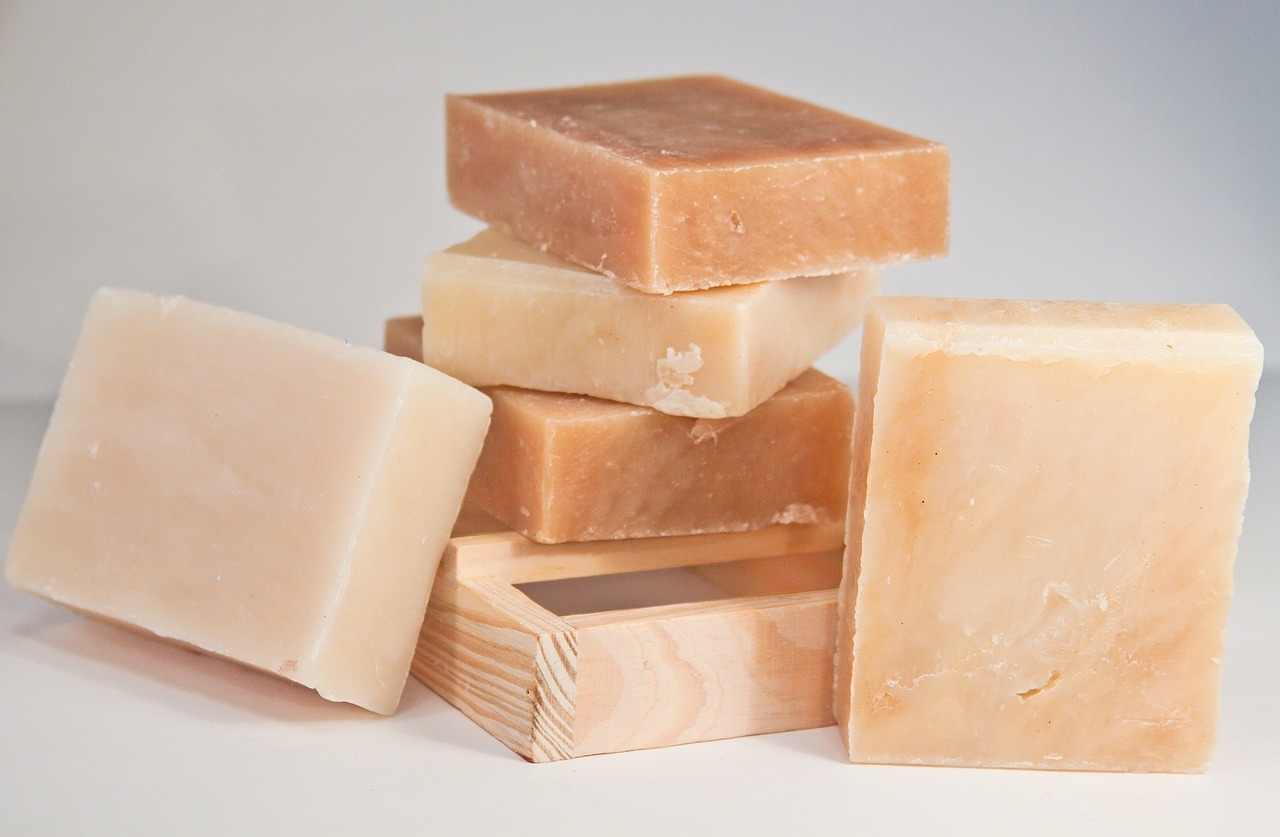
- Palm oil creates hard, long-lasting soap bars with excellent lather and cleansing properties
- The SAP value for palm oil is 0.141 (KOH) or 0.199 (NaOH) — you need this for accurate lye calculations
- Cold process takes 4–6 weeks to cure but keeps more natural properties intact
- Hot process speeds things up to 1–2 weeks cure time with external heat doing the work
- Blending palm oil with coconut oil (70:30 ratio) gives you both hardness and good bubbles
- Trace happens when your soap batter thickens like pudding — takes 5–15 minutes
- Superfat percentage of 5–8% leaves extra oils in the bar making it gentler on skin
- Red palm oil adds natural vitamin E and carotenoids but colors your soap orange-red
A soap maker in Kerala was having trouble with her batches. The soaps looked fine when she poured them, but after a few weeks they’d turn soft and mushy. She was using palm oil — same as her neighbor who made perfect bars every time. After checking her process, the problem showed up: wrong lye measurements. Once she fixed her calculations using the proper SAP value, her bars came out perfect.
Same oil. Different results. The numbers made the difference.
Getting good at palm oil soap making means understanding more than just mixing oil with lye. You need to know how fatty acids behave, what temperature works best, when batter is ready to pour, and how long to wait before cutting. Palm oil has become popular in soap making because it gives you firm bars that last long in the shower while still producing nice lather. But you need to work with it correctly.
Understanding Palm Oil for Soap Making
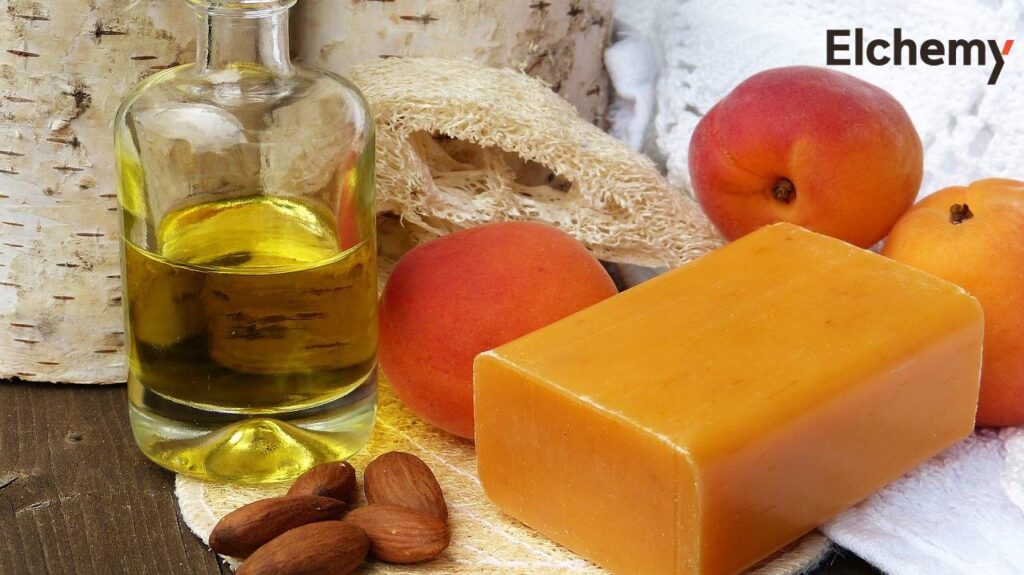
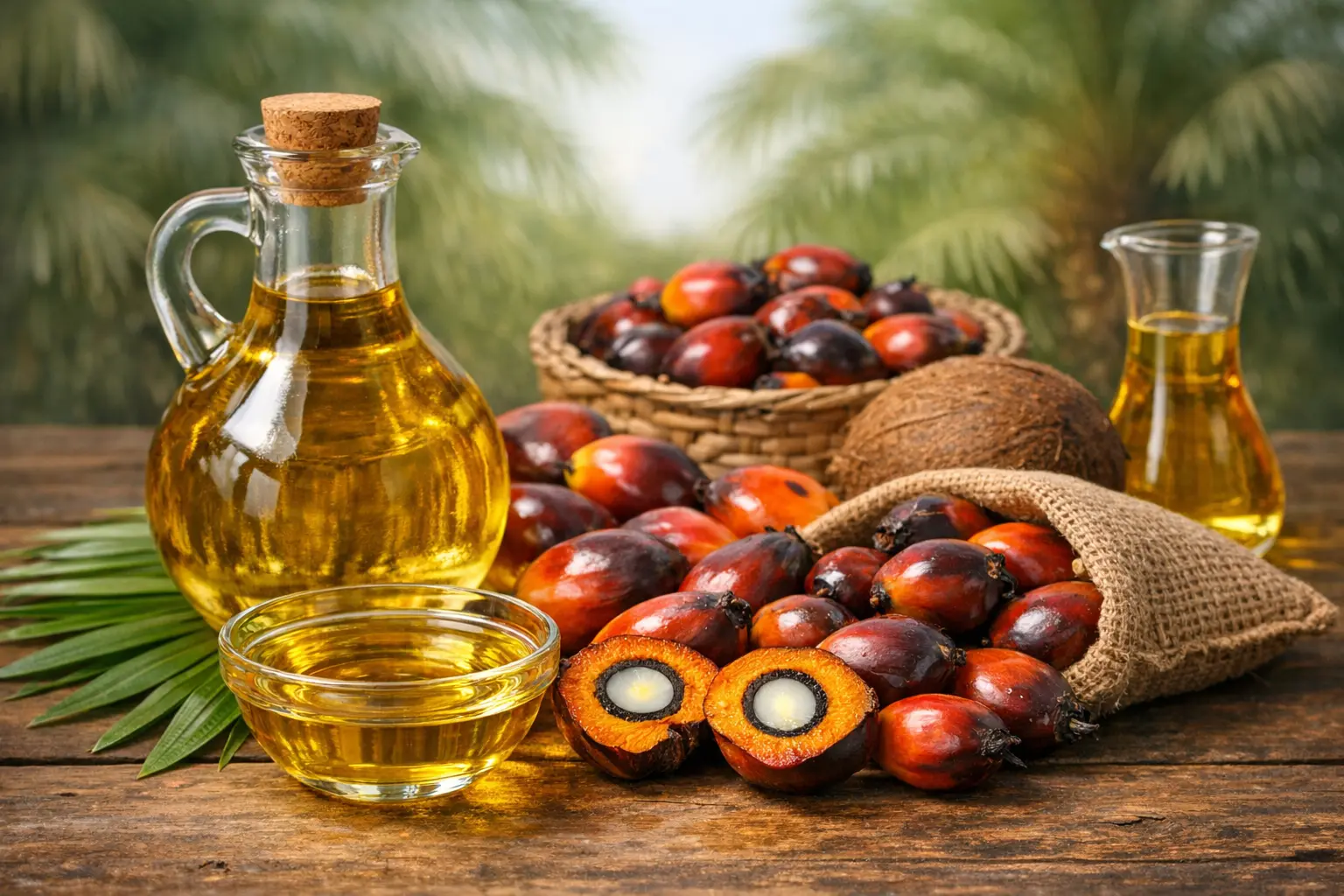
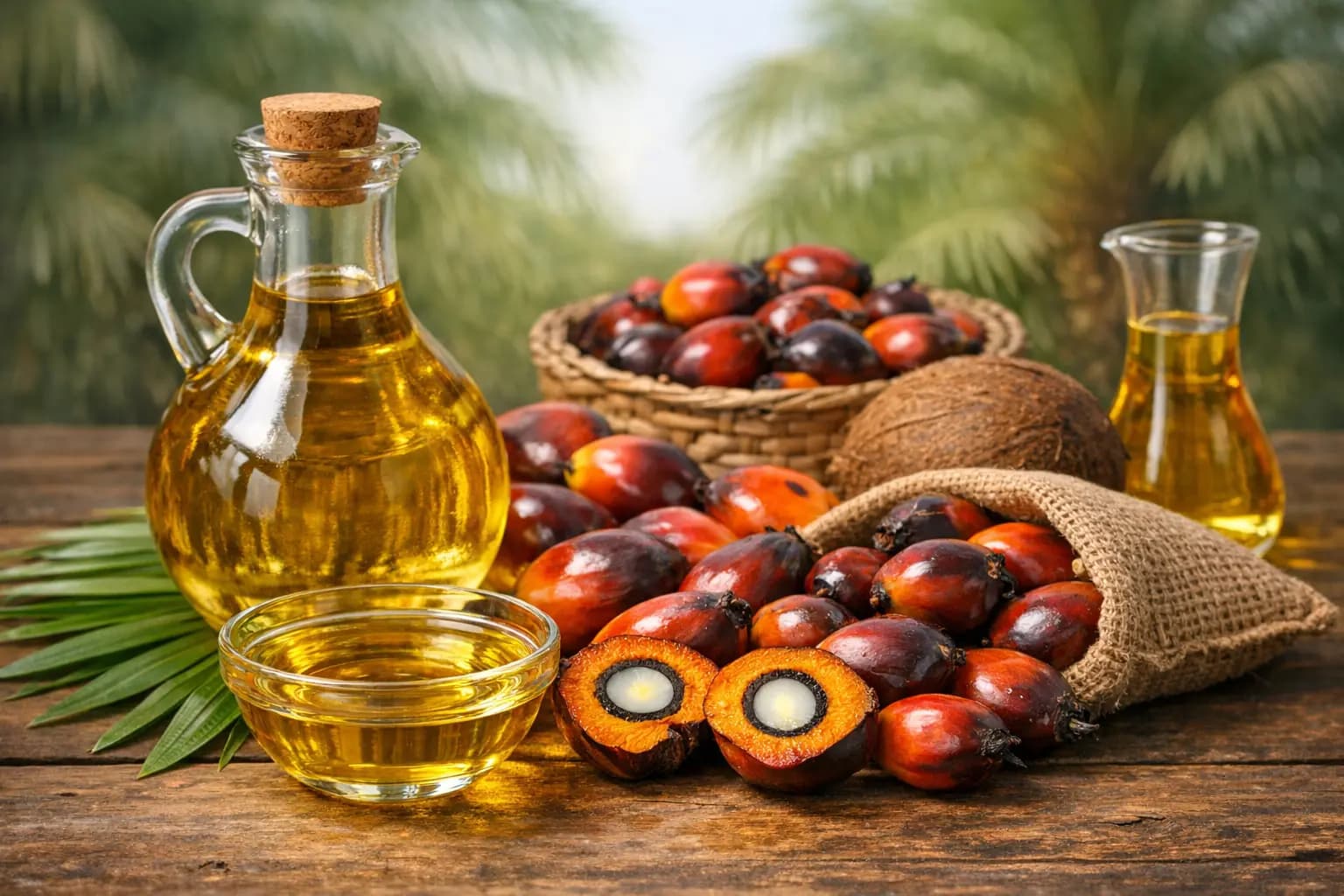
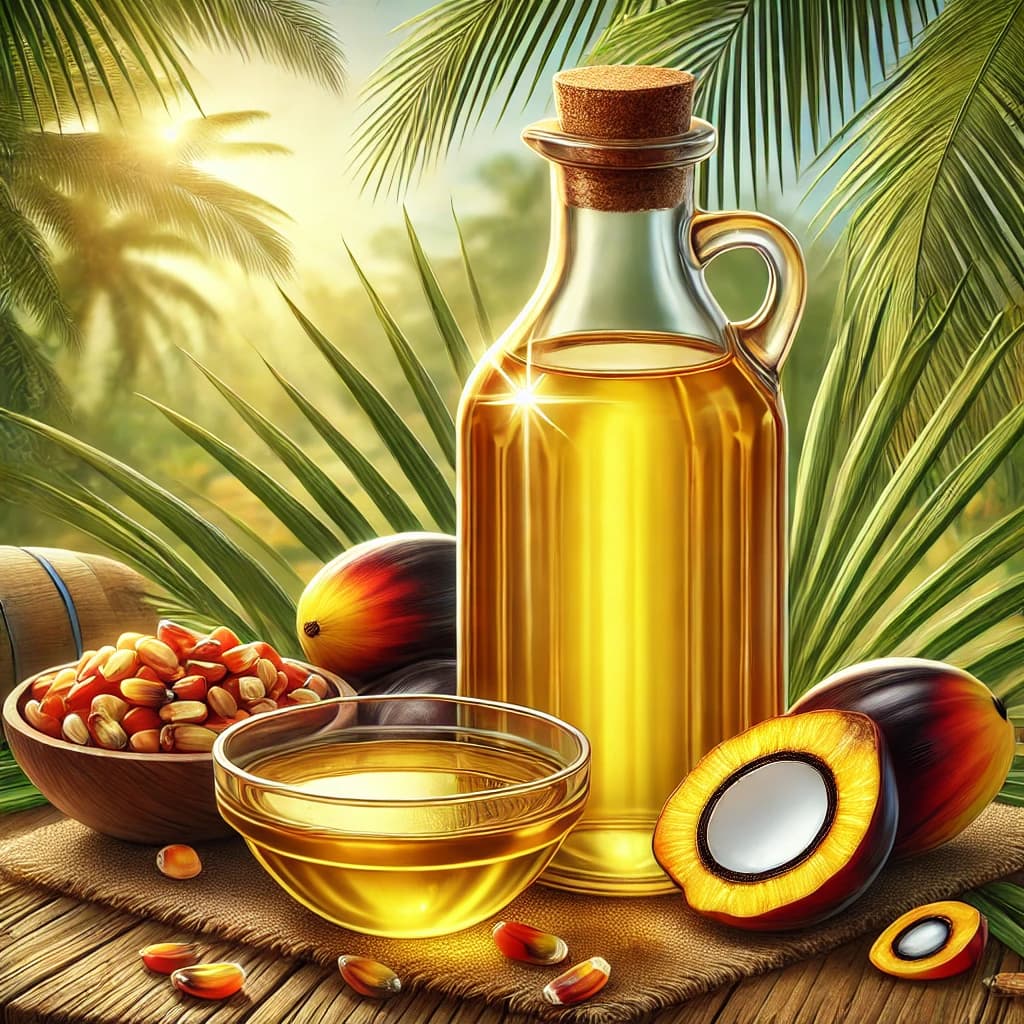
Palm oil comes from the fruit of oil palm trees. The oil you get from the flesh is what soap makers use. There’s also palm kernel oil from the seeds, but that’s different — behaves more like coconut oil.
Regular refined palm oil is white or pale yellow. Red palm oil is unrefined and keeps its natural red-orange color from carotenoids. Both work in soap, but red palm oil will color your bars.
Fatty Acid Profile
The fatty acid makeup decides how your soap performs. Palm oil has about 44% palmitic acid and 39% oleic acid as main components. Palmitic acid creates hardness. Oleic acid adds conditioning properties and helps with lather stability.
This balance is why palm oil for soap making works so well. You get a firm bar that doesn’t dissolve too quickly, but it’s not harsh like pure coconut oil soap would be.
Main fatty acids in palm oil:
- Palmitic acid (44%): makes bars hard and long-lasting
- Oleic acid (39%): adds moisturizing and stable lather
- Linoleic acid (10%): skin conditioning but can go rancid if too high
- Stearic acid (5%): extra hardness and thick, creamy lather
- Myristic acid (1%): small amount helps with bubbles
| Property | Value | Impact on Soap |
| SAP value (NaOH) | 0.141 | Lye calculation base |
| Melting point | 35–40°C | Needs warming before use |
| Iodine value | 50–55 | Low oxidation risk |
| Hardness factor | 49 | Creates firm bars |
| Cleansing value | 1 | Mild cleansing |
| Shelf life | 12–18 months | Good stability |
Cold Process vs Hot Process Methods
Cold Process Method
Cold process is the traditional way. You mix oils and lye solution at the right temperature — usually 38–43°C. The saponification reaction creates its own heat. Once you reach trace, pour into molds and let it sit.
The waiting part is the catch. Soap needs 4–6 weeks to cure properly. During this time, saponification finishes completely and extra water evaporates. Bars get harder and milder as they cure.
When using palm oil in cold process, watch temperatures carefully. Palm oil solidifies at room temperature, so if your mixture gets too cool, it starts forming clumps or false trace.
Cold process steps:
- Melt palm oil and solid oils to 38–43°C
- Mix lye with water until dissolved — heats up on its own
- Let lye solution cool to match oil temperature
- Pour lye into oils and blend with stick blender
- Mix until trace (5–15 minutes depending on recipe)
- Add essential oils, colorants, or additives
- Pour into molds and cover with towel
- Wait 24–48 hours before unmolding and cutting
- Cure 4–6 weeks in cool, dry place
Hot Process Method
Hot process speeds things up by cooking the soap. Start the same as cold process, but once you reach trace, apply external heat. Most people use a slow cooker on low. Soap cooks for 1–3 hours until it reaches gel stage.
The benefit is faster — just 1–2 weeks drying time instead of 4–6 weeks. Saponification completes by the time you pour into molds.
Hot process soap looks more rustic. Hard to get smooth tops and fancy designs because batter is thick when you pour. But practical if you need soap quickly.
Hot process steps:
- Follow cold process through trace
- Transfer to slow cooker on low heat
- Cook 1–3 hours, stirring every 20–30 minutes
- Watch for stages: expansion, separation, gel phase
- Test readiness with pH strips (8–10) or zap test
- Add superfat oils and additives after cooking
- Spoon thick batter into molds, press firmly
- Let sit 12–24 hours before unmolding
- Dry 1–2 weeks before using
| Factor | Cold Process | Hot Process |
| Processing time | 30–60 minutes | 2–4 hours |
| Cure time | 4–6 weeks | 1–2 weeks |
| Appearance | Smooth, professional | Rustic, textured |
| Design options | Swirls, layers, embeds | Limited — thick batter |
| Best for | Aesthetic bars, gifts | Quick batches, rustic |
| Skill level | Beginner-friendly | Intermediate |
Creating Balanced Formulations
Single Oil vs Blended Recipes
You can make soap with 100% palm oil. It works. But most soap makers blend oils because you get better performance. Palm oil alone creates hard bars with decent lather, but can feel drying.
Blending balances properties. Coconut oil adds bubbles. Olive oil adds conditioning. Castor oil boosts lather and helps oils mix better.
Recommended Blends
A basic blend uses 70% palm oil and 30% coconut oil. This gives hardness from palm and fluffy bubbles from coconut. Bar lasts well and cleans without being harsh.
For more conditioning, try 50% palm, 25% coconut, 25% olive. Creates gentler soap that’s still firm and bubbly.
Popular formulations:
- Basic hard bar: 70% palm, 30% coconut — simple, effective
- Balanced bar: 50% palm, 25% coconut, 25% olive — combines all properties
- Luxury bar: 40% palm, 20% coconut, 30% olive, 10% castor — conditioning with great lather
- Superfat bar: 35% palm, 30% coconut, 25% olive, 5% castor, 5% shea butter — extra moisturizing
Calculating Recipes
Every oil needs different lye amounts for complete saponification. This is the SAP value. For palm oil with sodium hydroxide (NaOH), SAP value is 0.141.
Say you want soap with 500 grams palm oil. Multiply 500 × 0.141 = 70.5 grams NaOH for full saponification. But full saponification makes harsh soap.
You add superfat by using less lye. Leaves extra oil making soap milder. Most recipes use 5–8% superfat. For 5% superfat: 70.5 × 0.95 = 67 grams NaOH.
| Oil Amount | SAP × Oil | 5% Superfat | 8% Superfat |
| 100g palm oil | 14.1g NaOH | 13.4g NaOH | 13.0g NaOH |
| 500g palm oil | 70.5g NaOH | 67.0g NaOH | 64.9g NaOH |
| 1000g palm oil | 141g NaOH | 134g NaOH | 130g NaOH |
Working With Temperature and Trace
Temperature Management
Temperature affects how smoothly your palm oil soap making goes. Palm oil melts at 35–40°C, so keep mixture warm enough to stay liquid but cool enough to have working time.
Most soap makers aim for 38–43°C when mixing oils and lye. If oils cool below 35°C, palm oil solidifies and creates lumps. Above 50°C, things move too fast and you hit trace before you’re ready.
Room temperature matters. Cold room means soap cools faster. Cover mixing container with towel to maintain temperature.
Recognizing Trace
Trace is when batter thickens enough that drizzles leave marks on the surface. Before trace, mixture is thin and liquidy. At light trace, it’s like thick cream. Medium trace is like pudding. Thick trace is almost cake batter.
You want light to medium trace for most purposes. Light trace gives time for swirls and designs. Medium trace is better if adding heavy additives that might sink.
Thick trace is too late — batter becomes hard to pour and can’t do decorative work.
Signs you’ve reached trace:
- Drizzled batter leaves marks on surface for a second (light trace)
- Mixture coats spoon back and doesn’t run off (medium trace)
- Visible marks stay on surface several seconds (thick trace)
- Color changes from translucent to opaque
- Blender leaves trails that stay visible
| Problem | Likely Cause | Solution |
| White lumps in batter | Palm oil solidifying | Increase temp to 40–43°C |
| False trace | Oils too cold | Reheat gently and remix |
| Seizing (instant thick) | Fragrance reaction or too hot | Spoon quickly into molds |
| Won’t reach trace | Wrong measurements or low temp | Keep blending or add heat |
| Soft bars after cure | Too much water or low lye | Check calculations, cure longer |
| Crumbly, cracking bars | Too much lye | Recheck SAP calculations |
Quality Control and Testing
pH Testing
Finished soap should have pH between 8 and 10. Below 7 means something went wrong. Above 11 means excess lye — soap isn’t safe to use.
Test pH with strips from any pharmacy. Wet soap slightly, rub strip on it, compare color to chart. Digital pH meters work too but need calibration.
Zap Test
The zap test is traditional for checking if saponification is complete. Touch your tongue very lightly to soap. If you feel a zap like touching a 9V battery, there’s free lye — soap needs more time.
No zap means soap is safe. Works immediately for hot process. For cold process, wait at least 24 hours before testing.
Cure Quality Indicators
Signs soap is properly cured:
- Bars feel firm and dry, not soft or sticky
- Weight decreased 10–15% as water evaporated
- pH tests between 8–10 consistently
- Passes zap test with no tingling
- Surface has slight sheen but isn’t sweating
- Bars don’t dent when pressed with thumb
Conclusion
Getting comfortable with palm oil soap making takes practice. You’ll have batches that come out too soft or too hard at first. You’ll misjudge trace or have temperature problems. That’s normal — every soap maker has been there. The key is understanding the science behind what you’re doing.
When you know why palm oil needs specific temperatures, what SAP values mean, and how superfat affects your bar, you can adjust recipes confidently. Start with simple recipes. Master basic cold process before trying fancy swirls or hot process cooking. Once comfortable, experiment with different oil blends, additives, and techniques — the principles stay the same, you’re just applying them in new ways. For soap makers sourcing quality palm oil for soap making and other soapmaking oils in bulk, Elchemy connects you with verified suppliers offering refined palm oil, red palm oil, and vegetable oils with complete specifications, SAP values, and fatty acid profiles.