

At a Glance
- Jojoba oil closely mimics natural skin oils, absorbing quickly without greasiness in fragrance applications
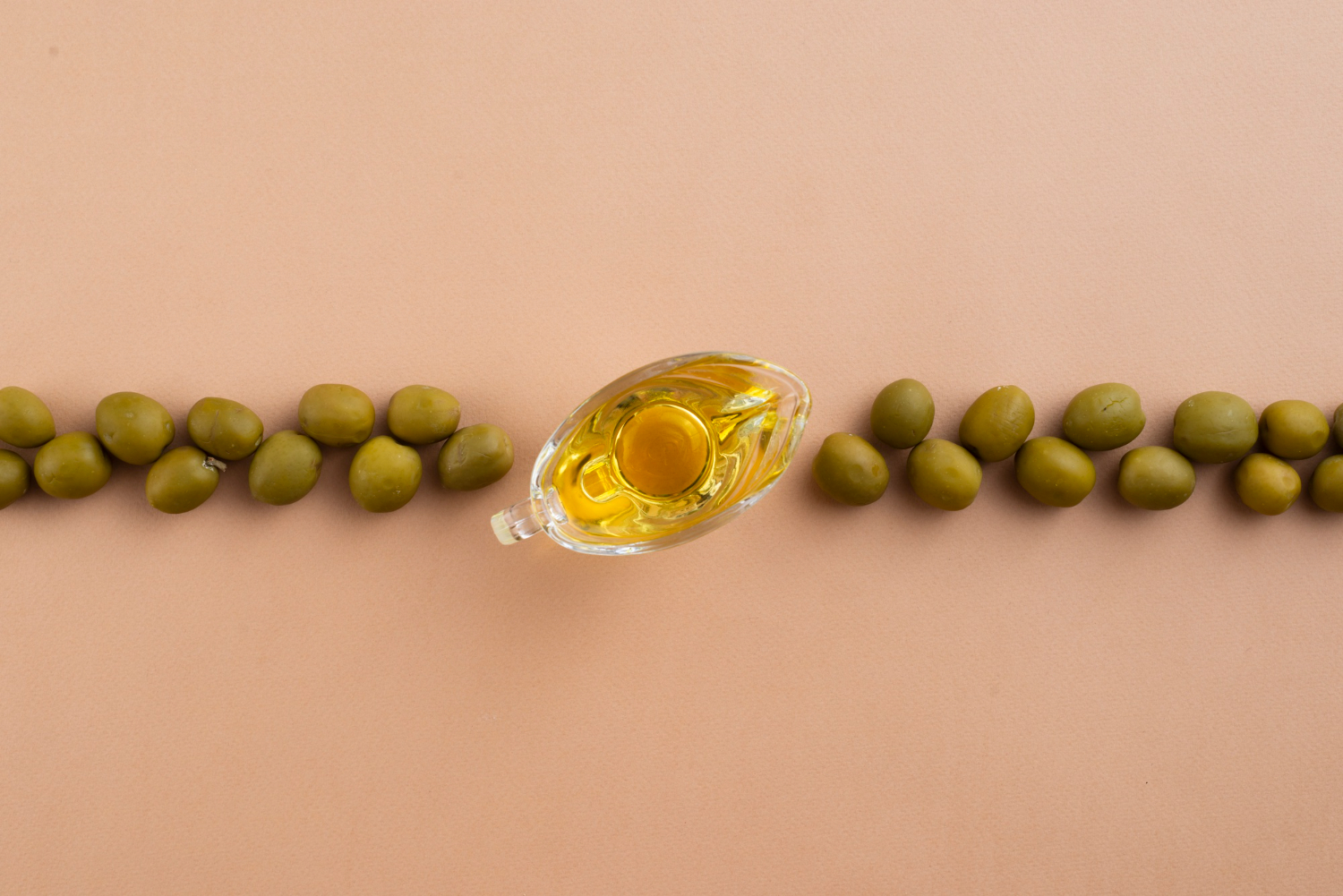
- Olive oil provides deep moisturization but leaves heavier feel that some perfumers avoid
- Fragrance longevity improves with jojoba’s stable wax ester structure versus olive oil’s triglycerides
- Jojoba oil shelf life exceeds 5 years while olive oil degrades within 18-24 months
- Olive oil vs jojoba oil for skin shows jojoba working better for oily skin, olive excelling for very dry types
- Perfume industry prefers jojoba for oil-based fragrances due to neutral scent and skin compatibility
- Cost differences matter: olive oil runs $15-30 per liter, jojoba costs $40-80 per liter wholesale
Walk into a perfume maker’s studio and you’ll find dozens of bottles lined up on shelves. Here, most people will notice the essential oils first like lavender, rose, and sandalwood. But look closer. That large bottle in the back, the one everyone keeps reaching for? That’s usually jojoba oil. Sometimes you might spot olive oil too.
These carrier oils do the real heavy lifting in fragrance creation. They’re not fancy or expensive. But without them, your favorite perfumes wouldn’t work the way they do.
The olive oil vs jojoba oil debate matters more than you’d think. One might work beautifully for natural perfumes. The other could mess up your whole formula.
Understanding Carrier Oils in Perfume Making
Here’s the thing about making perfumes. Essential oils are too strong to put directly on skin. They need dilution. That’s where carrier oils come in.
Think of carrier oils like a taxi for fragrance molecules. They pick up those concentrated essential oils and deliver them to your skin safely. Without carrier oils, you’d burn your skin or waste expensive ingredients.
Perfumers have dozens of carrier oil options. Sweet almond, grapeseed, fractionated coconut, the list goes on. But olive and jojoba stand out for different reasons.
Olive oil shows up in traditional perfume making, especially Mediterranean formulas. It’s been around forever. People trust it.
Jojoba oil is newer to perfumery but took over fast. About 70% of modern oil-based perfumes use jojoba as their primary carrier. That didn’t happen by accident.
Chemical Composition: Why Structure Matters
This is where olive oil vs jojoba oil gets interesting. They’re not even the same type of substance chemically.
Jojoba oil isn’t really an oil. It’s a liquid wax ester. That makes it incredibly stable. Wax esters don’t break down easily. They resist rancidity. They last forever.
Human skin produces sebum, which is mostly wax esters. Jojoba oil is 97% chemically identical to that sebum. Your skin can’t tell the difference. It absorbs jojoba like it’s your own natural oil.
Olive oil is a true oil—a triglyceride. It contains fatty acids attached to glycerol. That structure works fine but breaks down faster. Heat, light, and oxygen degrade olive oil over time.
The vitamin E in olive oil helps slow that degradation. But it still goes rancid eventually. You know that smell when olive oil sits too long in your kitchen? That’s oxidation. Same thing happens in perfume bottles.
Olive Oil vs Jojoba Oil for Skin Applications
When you’re making perfume, skin compatibility determines success or failure. A perfume that irritates skin won’t sell. Period.
Olive oil vs jojoba oil for skin shows clear differences in how they behave. Jojoba oil absorbs into skin within minutes. It doesn’t sit on the surface. It doesn’t clog pores. Dermatologists call it “non-comedogenic,” which means it won’t cause breakouts.
People with oily skin can use jojoba without problems. It actually helps regulate sebum production because skin thinks it has enough oil already. Less greasiness, fewer breakouts.
Olive oil takes longer to absorb. It’s heavier. For very dry skin, that’s perfect. The oil creates a protective barrier that locks in moisture. But on normal or oily skin? It can feel greasy for hours.
Testing both oils side by side tells the whole story. Put jojoba on one wrist, olive on the other. Check back in 30 minutes. The jojoba side feels dry and comfortable. The olive side might still feel slick.
That absorption difference matters hugely in perfumery. Slow-absorbing oils make perfumes feel heavy and oily. Fast-absorbing oils let fragrances shine without residue.
Scent Profiles and Fragrance Compatibility
Here’s something perfumers obsess over: the carrier oil can’t interfere with the fragrance. You spend weeks getting your essential oil blend perfect. Then the carrier oil adds its own smell and ruins everything.
Jojoba oil has almost no scent. It’s so neutral that most people can’t smell it at all. That makes it ideal for delicate floral perfumes or light citrus blends. Nothing competes with your intended fragrance.
Olive oil smells like… olive oil. Even refined versions carry a faint olive scent. For Mediterranean-style perfumes with strong woody or herbal notes, that works fine. The olive note blends in. But for rose or jasmine perfumes? That olive undertone creates problems.
Extra virgin olive oil is even worse for perfumery. The rich, fruity olive scent dominates light fragrances completely. Some artisan perfumers use this intentionally as a base note. Most avoid it.
Temperature stability also affects scent. Jojoba oil stays liquid from 10°C to 25°C without changing properties. Olive oil can get cloudy and thick in cold weather. When consistency changes, so does how fragrance releases from the skin.
Longevity and Shelf Life Considerations
Making perfume takes time and money. You don’t want your creation going bad in six months.
Jojoba oil lasts basically forever. Five years minimum, often longer. It doesn’t need preservatives. It doesn’t need refrigeration. Store it properly and it outlasts most of your ingredients.
That stability comes from its wax ester structure. Wax esters don’t oxidize easily. They’re chemically inert. Nature designed them to protect, which is exactly what they do in jojoba.
Olive oil deteriorates much faster. Fresh olive oil gives you 18-24 months maximum. After that, it starts tasting bitter in cooking. In perfumes, it develops musty off-notes that ruin fragrances.
Light and heat accelerate olive oil breakdown. Those glass perfume bottles sitting on bathroom counters? Terrible for olive oil stability. The daily temperature swings and bathroom lighting degrade it quickly.
For professional perfumers producing bottles that might sit in stores for a year before selling, jojoba oil makes way more sense. The product stays fresh until customers buy it.
Moisturizing Properties in Perfume Formulas
Perfumes do more than smell good. Oil-based perfumes moisturize skin while delivering fragrance. That dual purpose matters to customers.
Olive oil brings serious moisturizing power. It’s loaded with fatty acids and vitamins A and E. For dry skin, it’s fantastic. Apply olive oil-based perfume to dry hands or elbows and skin soaks up those nutrients.
The antioxidants in olive oil protect skin from environmental damage. That vitamin E content helps prevent premature aging. Mediterranean cultures have used olive oil on skin for thousands of years. It works.
But here’s the catch. Heavy moisturizing doesn’t always suit perfume applications. Some people want fragrance without the grease. They don’t need extra moisturization. They just want to smell nice.
Jojoba oil provides lighter moisturization that’s still effective. It delivers vitamins and minerals without heavy texture. The oil regulates moisture balance instead of just adding more oil to skin.
For perfumers, this creates options. Want a luxurious, moisturizing perfume oil for dry winter skin? Olive oil works great. Need an everyday fragrance for normal skin? Jojoba is better.
Skin Type Compatibility Chart
| Skin Type | Jojoba Oil Performance | Olive Oil Performance |
| Oily | Excellent (regulates sebum, absorbs fast) | Poor (too heavy, slow absorption) |
| Normal | Excellent (light, comfortable) | Good (slightly heavy) |
| Dry | Good (moisturizes without grease) | Excellent (deep hydration) |
| Sensitive | Excellent (gentle, hypoallergenic) | Good (can be too rich for some) |
| Combination | Excellent (balances all zones) | Fair (too rich for oily areas) |
The Verdict for Fragrance Applications
So which oil wins for perfume making? That depends entirely on what you’re creating and who you’re creating it for.
Jojoba oil dominates modern perfumery for good reasons. It works with all skin types. It absorbs fast. It has zero scent interference. It lasts forever. For most applications, it’s simply better.
The higher cost is justified by superior performance and customer satisfaction. When customers love your perfume and reorder consistently, ingredient cost becomes less important than retention rates.
Olive oil still has its place. Traditional formulations, Mediterranean-inspired scents, and products targeting very dry skin benefit from olive oil’s rich moisturizing properties.
Blending both oils creates interesting possibilities. You get jojoba’s absorption and stability with olive’s moisturizing depth. Finding the right ratio takes experimentation but produces unique results.
For beginners, start with jojoba oil. Learn perfume making with an ingredient that won’t fight you. Once you understand the basics, experiment with olive oil and blends.
After working with natural ingredients for years, one truth stands out clearly. The best ingredient is the one that serves your specific purpose. Jojoba oil vs olive oil isn’t about one being better than the other overall. It’s about matching the right carrier to your exact needs.
For most modern perfume applications, jojoba oil provides advantages that justify its higher cost. But don’t write off olive oil completely. In the right formulation for the right customer, it still delivers results that jojoba can’t match.
For businesses requiring quality carrier oils and fragrance ingredients, Elchemy connects you with reliable suppliers offering both cosmetic-grade jojoba and olive oils, along with blending guidance and technical support to help create distinctive fragrances that balance performance, skin benefits, and cost-effectiveness for your specific market.