Products
Our Technology
Sustainability & Compliance

Home/Products/Palm Kernel Oil

Palm Kernel Oil
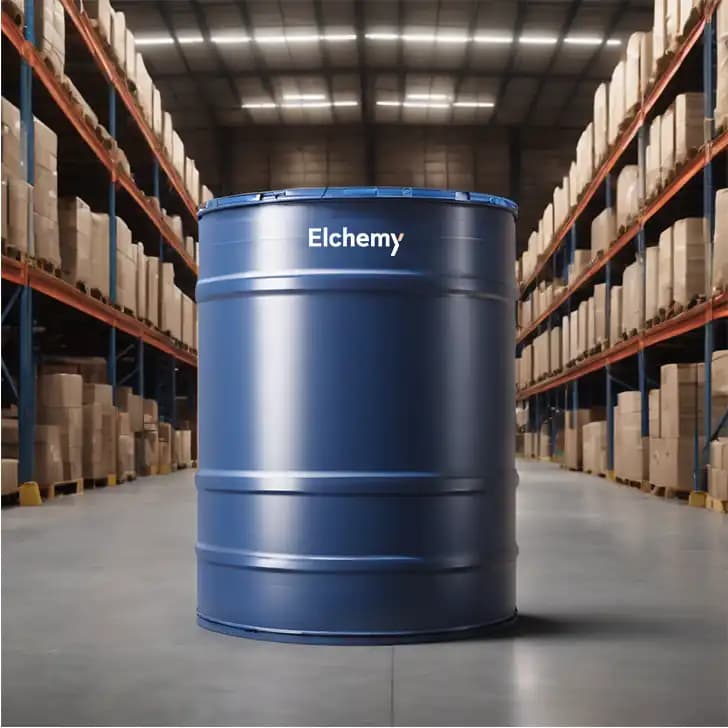
HDPE Drums

Palm Kernel Oil

Get Pricing for This Product

Need pricing? Request a quote for this product and we'll get back to you shortly.

Speed Up Your Sample Testing Process

Express Delivery in 24–48 Hours

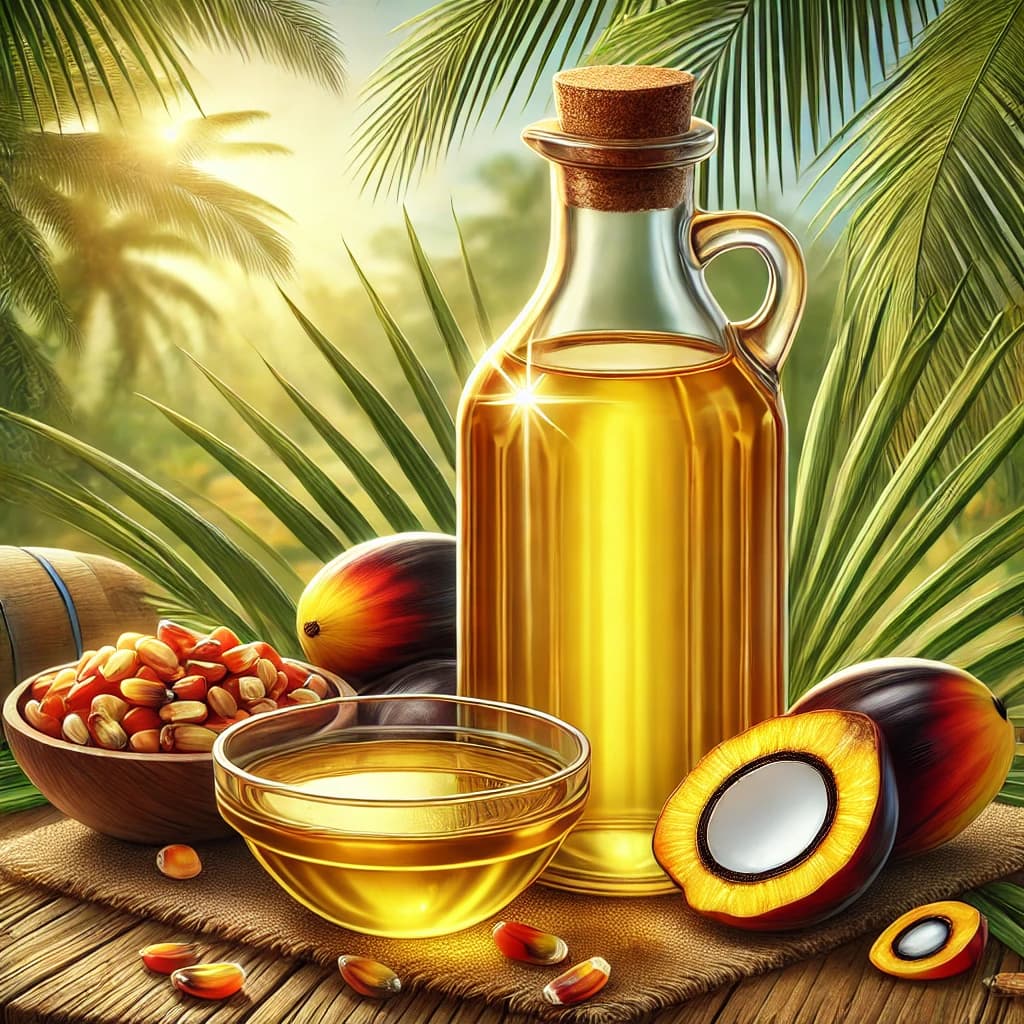
Palm kernel oil is an edible oil extracted from the seeds of the oil palm tree, known for its high content of lauric acid, which provides strong cleansing and foaming properties. Widely used in soaps,

CAS Number

8023-79-8

HS Code

15132110

INCI Name

-

Molecular Formula

CH3(CH2)14CO2H

Home/Products/Palm Kernel Oil

Palm Kernel Oil

Palm kernel oil is an edible oil extracted from the seeds of the oil palm tree, known for its high content of lauric acid, which provides strong cleansing and foaming properties. Widely used in soaps, detergents, and personal care products, it also serves as an emollient in

CAS Number

8023-79-8

INCI Name

-

HS Code

15132110

Molecular Formula

CH3(CH2)14CO2H

Get Pricing for This Product

Need pricing? Request a quote for this product and we'll get back to you shortly.

Speed Up Your Sample Testing Process

We deliver domestic samples within 24 - 48 hours, helping you evaluate products and move to procurement without delays.

Palm Kernel Oil
HDPE Drums

About Palm Kernel Oil

About Palm Kernel Oil

FAQs - Palm Kernel Oil

What are the main international markets for palm kernel oil?
Major markets include Asia (especially India and China), Europe, the Middle East, and North America, where palm kernel oil is used in food, cosmetics, and industrial applications.
What are the common packaging methods for exporting palm kernel oil?
Palm kernel oil is typically exported in drums (180-200 kg), bulk containers (tankers or ISO tanks), FIBCs (Flexible Intermediate Bulk Containers), and small cans or pails for retail distribution.
What are the regulatory requirements for exporting palm kernel oil?
Exporters must comply with regulations related to food safety (for food-grade oil), customs documentation, and import permits in the destination country. Certification may be needed, such as RSPO (Roundtable on Sustainable Palm Oil) for sustainable sourcing.
How do tariffs and trade agreements affect palm kernel oil exports?
Trade agreements can impact tariffs, import duties, and quotas on palm kernel oil. Free trade agreements (FTAs) or preferential trade agreements may reduce costs and make it more competitive in certain markets.
How can an exporter ensure the quality of palm kernel oil in international markets?
To ensure quality, exporters must adhere to refining standards, conduct quality control checks, and ensure proper storage during transit. Some markets may also require compliance with specific food safety standards for food-grade palm kernel oil.

Related Products

Ethyl Butyrate

Ethyl Butyrate

Ethyl Butyrate is a colorless liquid with a fruity odor, commonly used as a flavoring agent in the food and beverage industry. It is also utilized in the fragrance industry due to its pleasant aroma. Ethyl Butyrate is known for its role in enhancing the flavor profile of various products, including fruit juices and alcoholic beverages.

View Details
Ethyl 2-Methylbutyrate

Ethyl 2-Methylbutyrate

Ethyl 2-Methylbutyrate is a colorless liquid with a fruity odor, commonly used as a flavoring agent in the food industry. It is also utilized in fragrances and as an intermediate in chemical synthesis. Known for its pleasant apple-like aroma, it enhances the sensory profile of various products.

View Details
Tarragon / Estragon Essential Oil

Tarragon / Estragon Essential Oil

Tarragon Essential Oil, derived from the Artemisia dracunculus plant, is renowned for its aromatic and therapeutic properties. Widely used in the flavor and fragrance industry, it imparts a distinctive anise-like aroma. In aromatherapy, it is valued for its potential to alleviate stress and digestive issues. Its applications extend to personal care products, where it is used for its soothing and anti-inflammatory properties.

View Details
Galangal oil

Galangal oil

Galangal oil is an essential oil derived from the rhizomes of the galangal plant, widely used in the flavor and fragrance industry. Known for its spicy, ginger-like aroma, it is utilized in culinary applications and traditional medicine. The oil is also valued for its potential antimicrobial and anti-inflammatory properties.

View Details
PADMA = Viridine

PADMA = Viridine

PADMA, also known as Viridine, is a specialty chemical used primarily in the personal care and home care industries. It is valued for its unique properties as a thickener and emulsifier.

View Details

Related Products

Ethyl Butyrate

Ethyl Butyrate

Ethyl Butyrate is a colorless liquid with a fruity odor, commonly used as a flavoring agent in the food and beverage industry. It is also utilized in the fragrance industry due to its pleasant aroma. Ethyl Butyrate is known for its role in enhancing the flavor profile of various products, including fruit juices and alcoholic beverages.

View Details
Ethyl 2-Methylbutyrate

Ethyl 2-Methylbutyrate

Ethyl 2-Methylbutyrate is a colorless liquid with a fruity odor, commonly used as a flavoring agent in the food industry. It is also utilized in fragrances and as an intermediate in chemical synthesis. Known for its pleasant apple-like aroma, it enhances the sensory profile of various products.

View Details
Tarragon / Estragon Essential Oil

Tarragon / Estragon Essential Oil

Tarragon Essential Oil, derived from the Artemisia dracunculus plant, is renowned for its aromatic and therapeutic properties. Widely used in the flavor and fragrance industry, it imparts a distinctive anise-like aroma. In aromatherapy, it is valued for its potential to alleviate stress and digestive issues. Its applications extend to personal care products, where it is used for its soothing and anti-inflammatory properties.

View Details
Galangal oil

Galangal oil

Galangal oil is an essential oil derived from the rhizomes of the galangal plant, widely used in the flavor and fragrance industry. Known for its spicy, ginger-like aroma, it is utilized in culinary applications and traditional medicine. The oil is also valued for its potential antimicrobial and anti-inflammatory properties.

View Details

Streamline
your chemical
procurement

Get fast responses from real experts

Phone