

At a Glance
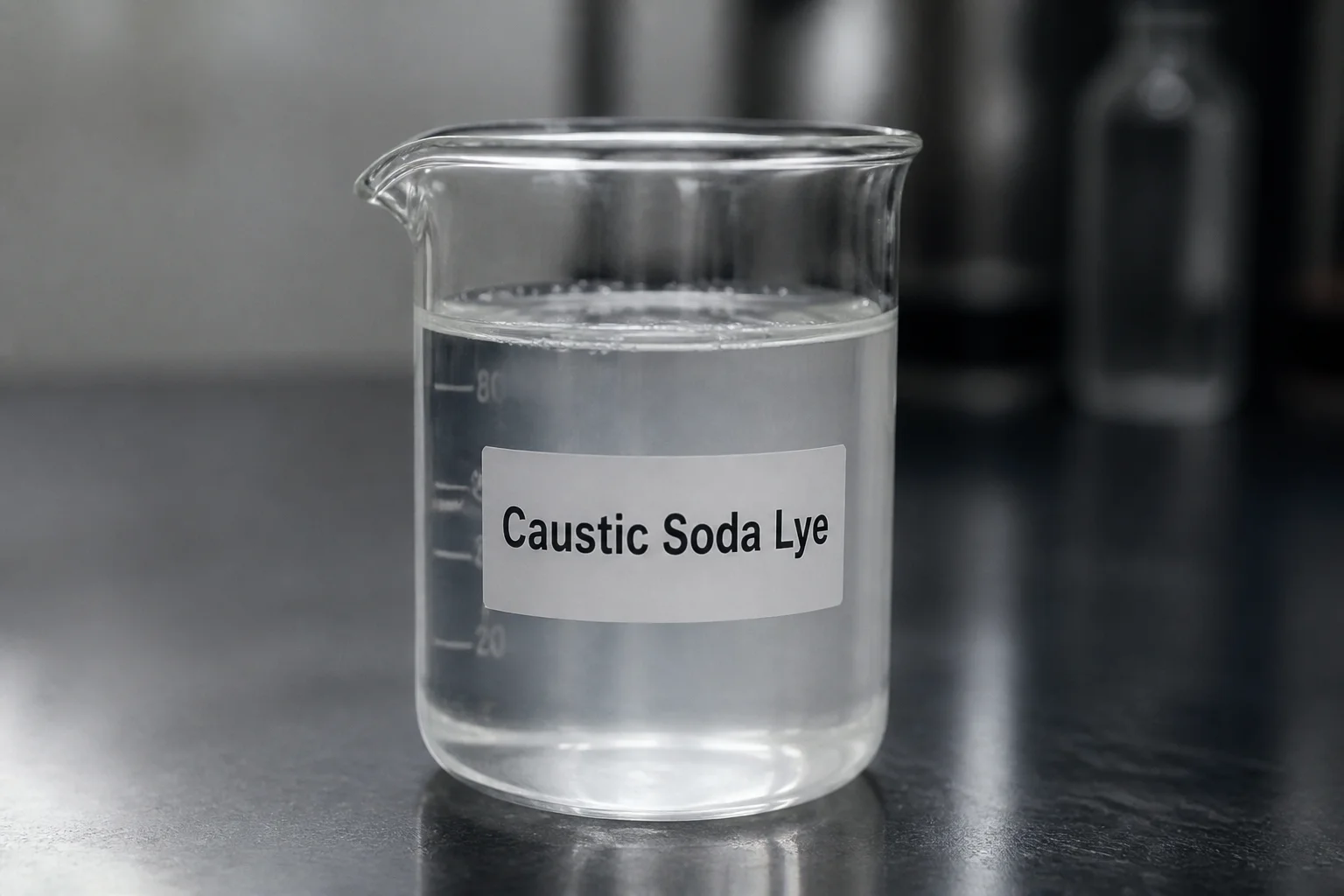
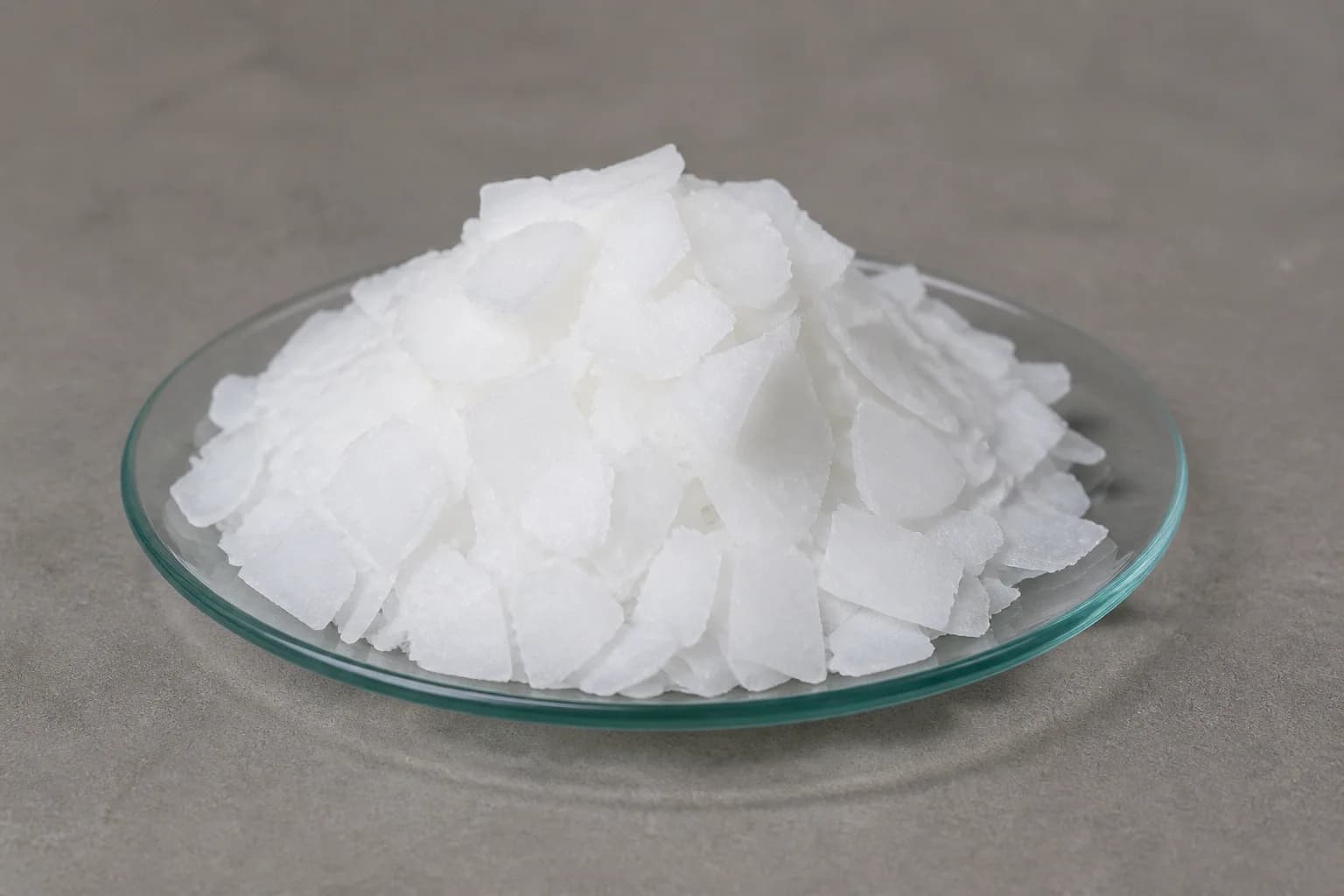
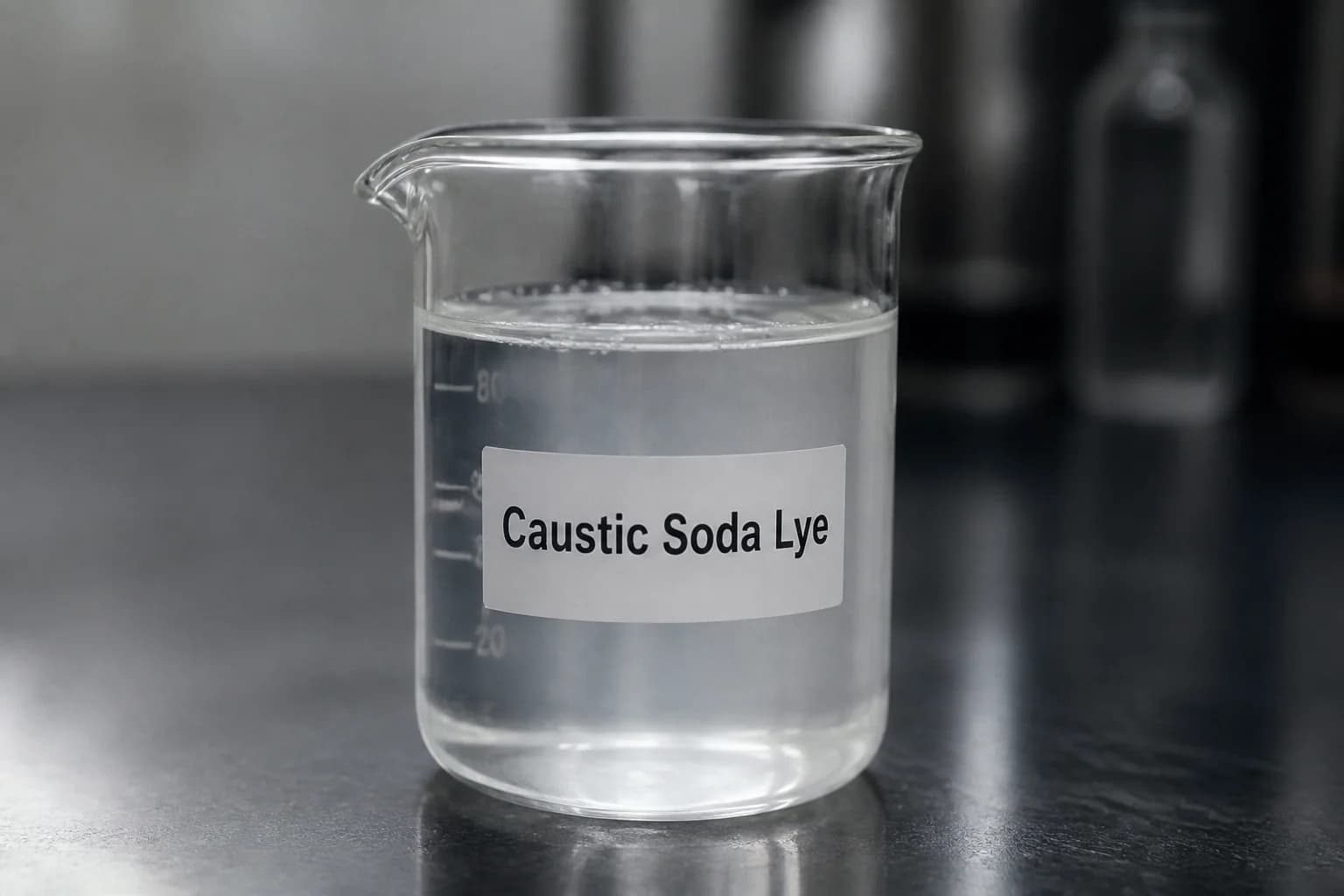
- Caustic soda (sodium hydroxide, NaOH) appears in textile scouring at 4-10% concentrations to remove natural waxes and oils
- Mercerization using 20-30% caustic soda under tension increases cotton fiber strength by 20-30% while improving luster
- The use of caustic soda in dyeing controls pH at 10-13, essential for reactive dye fixation and color fastness
- Desizing processes employ 2-4% sodium hydroxide to remove starch sizing from woven fabrics before dyeing
- Global textile industry consumes approximately 1.2 million tons of caustic soda annually for fiber processing
- Proper caustic recovery systems reclaim 70-80% of used sodium hydroxide, cutting chemical costs and environmental impact
- Temperature control during caustic processes matters critically, with most applications operating at 80-100°C
A denim factory in Bangladesh was struggling with inconsistent blue hues across production batches. Some jeans came out vibrant indigo, others faded almost immediately. After weeks of troubleshooting, quality control traced the problem to inconsistent caustic soda concentrations during the desizing process. Once they standardized their sodium hydroxide application at 4% concentration, color uniformity returned and customer complaints dropped 80%.
This single chemical drives more textile processes than most consumers realize. Walk through any textile mill from cotton scouring to final dyeing, and you’ll find caustic soda working behind every stage. Understanding how caustic soda used in textile industry transforms raw fibers into finished fabrics reveals why this powerful alkali remains irreplaceable despite environmental pressures pushing toward greener alternatives.
Scouring: The Foundation of Quality Textile Processing
Raw cotton arrives at textile mills covered in natural impurities. Waxes protect the growing plant from moisture loss. Pectins hold fiber bundles together. Fats, proteins, and residual plant matter cling to every fiber. None of this belongs in finished fabric.
Caustic soda dissolves these impurities through chemical saponification and solubilization. The process, called scouring, typically uses 4-10% sodium hydroxide solutions at temperatures around 95-100°C for 30-90 minutes.
Here’s what happens at the molecular level. Caustic soda reacts with fatty acids in natural waxes, creating water-soluble soap molecules. The soap itself becomes a cleaning agent, emulsifying remaining oils and fats. Pectins break down under alkaline attack, releasing individual fibers from bundles. The result is clean, absorbent cotton ready for bleaching and dyeing.
Without proper scouring, fabrics show uneven dye uptake. Those waxy spots repel water-based dyes, creating blotchy patterns that ruin entire batches. The 5-10% reduction in fiber weight during scouring proves the process effectiveness—that lost material is impurity, not useful fiber.
Modern mills often combine scouring with bleaching in continuous processes. The fabric moves through caustic baths, then bleach, then rinse chambers in one smooth operation. This integration cuts processing time from days to hours while maintaining quality.
Mercerization: Transforming Cotton’s Physical Properties
John Mercer discovered this process in 1844, but it took decades before textile manufacturers recognized its value. Today, mercerization represents one of the most important applications of caustic soda used in textile industry.
The process immerses cotton yarns or fabrics in 20-30% sodium hydroxide solution under controlled tension. Temperature stays at 15-20°C, surprisingly cool compared to scouring. The caustic concentration is what matters here, not heat.
What happens next seems almost magical. Cotton fibers swell dramatically as caustic penetrates cellulose structures. The fiber cross-section changes from kidney-shaped to round. The cellulose crystalline structure transforms from Cellulose I to Cellulose II, a more thermodynamically stable form.
These structural changes deliver measurable improvements. Tensile strength increases 20-30%. The round fiber cross-section reflects light differently, creating a silky luster absent in untreated cotton. Dye affinity jumps significantly—mercerized cotton accepts 25-40% more dye than untreated fiber, producing richer, more vibrant colors.
The tension during treatment is critical. Fabrics mercerized without tension shrink 20-25%, creating dimensional instability problems. Applying proper tension prevents shrinkage while maximizing strength gains and luster development.
Industrial mercerization machines carefully control every parameter. Caustic concentration must stay within 0.5% of target. Temperature variation beyond 2-3°C creates uneven treatment. Tension must be consistent across the full fabric width. This precision explains why mercerized cotton commands premium prices—it’s an exacting process requiring expensive equipment and careful operation.
Studies optimizing caustic concentration found 25% sodium hydroxide delivers optimal benefits for most cotton yarn types. Lower concentrations don’t provide full mercerization effects. Higher concentrations waste chemical without improving results.
The Use of Caustic Soda in Dyeing Processes
Dyeing represents the most visible part of textile processing. That brilliant blue denim, the rich red of a wedding dress, the precise black of professional attire—all depend on caustic soda for successful color development.
Reactive Dye Chemistry
Reactive dyes form covalent bonds with cellulose fibers, creating permanent color that resists washing and light exposure. But this chemical reaction only occurs under alkaline conditions. That’s where caustic soda enters the picture.
The use of caustic soda in dyeing reactive dyes involves careful pH management. For highly reactive dyes, soda ash (sodium carbonate) provides sufficient alkalinity at pH 10-11. Medium reactivity dyes need stronger alkalinity around pH 11-12, achieved with caustic soda. Deep, dark shades particularly benefit from caustic’s stronger alkaline environment at pH 12-13.
Research on cotton dyeing with Remazol Yellow RR demonstrated that caustic soda concentrations creating pH 12 delivered superior color strength and fastness compared to lower pH levels. The alkaline environment helps dye molecules penetrate fiber structures while facilitating the chemical bonding reaction.
Progressive Alkali Addition
Modern dyeing doesn’t dump all the caustic at once. Progressive addition prevents problems. Mills typically add alkali in three stages: 6/10 of total caustic at the start, then 3/10 after 15-20 minutes, followed by the final 1/10. This staged approach promotes even dye strike and level coloring.
Adding caustic too quickly causes rapid pH spikes that make dye molecules react before they’ve distributed evenly through the fabric. The result: unlevel dyeing with darker and lighter patches. Progressive addition gives dyes time to migrate and penetrate before fixation begins.
Vat Dye Solubilization
Vat dyes present different challenges. These dyes are water-insoluble until reduced to their leuco form. Caustic soda at high concentrations (up to 40 g/L) combined with reducing agents creates the alkaline environment needed for solubilization.
Once fabric absorbs the solubilized dye, oxidation converts it back to the insoluble form, mechanically trapping color molecules inside fibers. The initial caustic concentration must be high enough for complete solubilization, or dyeing fails entirely.
Synthetic Fiber Applications
Even synthetic fibers like polyester sometimes require caustic in dyeing processes. Caustic acts as a carrier, helping certain disperse dyes penetrate polyester’s hydrophobic structure. The strong alkali modifies the fiber surface temporarily, allowing dye penetration that wouldn’t occur otherwise.
Desizing: Preparing Woven Fabrics
Woven fabrics contain sizing agents applied during weaving to strengthen yarns and reduce breakage. Starch, polyvinyl alcohol, and carboxymethyl cellulose serve as common sizing materials. Before dyeing, these must be removed completely or they interfere with dye absorption.
Caustic soda excels at desizing, particularly for starch-based sizes. A 2-4% sodium hydroxide solution at 80-95°C breaks down starch molecules through hydrolysis. The process takes 20-45 minutes depending on fabric construction and sizing type.
India’s denim industry relies heavily on caustic desizing. The process ensures clean yarn surfaces that accept indigo dye uniformly. Incomplete desizing shows up immediately in finished jeans as streaking or uneven color development.
Enzymatic desizing offers an alternative using amylase enzymes instead of caustic. But caustic desizing remains popular for its reliability, speed, and lower cost. Mills often combine both methods, using enzymes for initial breakdown followed by caustic treatment for complete removal.
Bleaching Process Support

Textile bleaching uses hydrogen peroxide or sodium hypochlorite to whiten fibers. Both bleaching agents work best under alkaline conditions, making caustic soda a critical supporting chemical.
Peroxide bleaching operates at pH 10.5-11, typically achieved with 2-3 g/L caustic soda plus stabilizers. The alkaline environment activates peroxide, breaking it down into bleaching radicals that attack colored impurities in cotton fibers. Too little caustic and bleaching proceeds slowly or incompletely. Too much accelerates peroxide decomposition without improving bleaching, wasting chemical.
The process requires careful balance. Caustic provides alkalinity but can damage fibers at high concentrations. Stabilizers like sodium silicate prevent excessive caustic damage while maintaining bleaching effectiveness.
Finishing and Special Effects
Beyond core processing, caustic soda creates special textile effects valued in fashion and technical fabrics.
Puckered Effects
Controlled caustic application to fabric areas creates puckering effects popular in women’s wear. The localized mercerization shrinks treated areas while untreated sections remain unchanged. The differential shrinkage creates permanent textured surfaces.
Weight Reduction
Polyester and polyester-cotton blends undergo caustic weight reduction to improve drape and hand feel. Dilute caustic etches polyester surfaces, removing material and creating lighter, more fluid fabrics. The process requires careful control—excessive treatment weakens fabric unacceptably.
Concentration and Temperature Control
Success in all caustic applications depends on precision. Industrial operations monitor and control concentration within 0.5% of target. Temperature variation beyond 3°C creates process inconsistencies that show up in finished products.
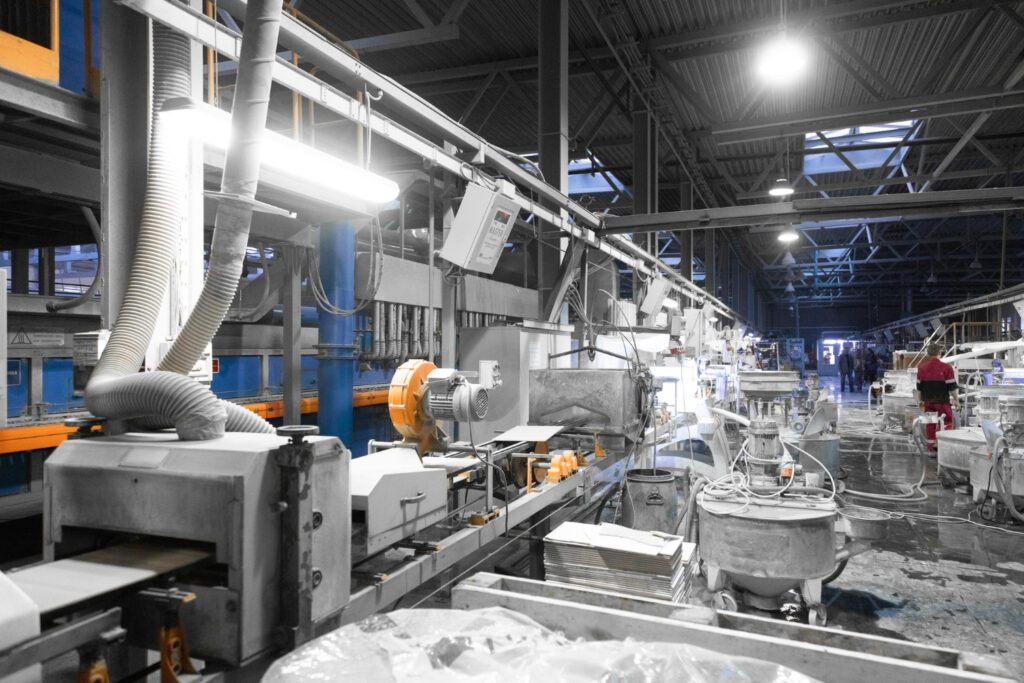
Modern textile mills use automated dosing systems feeding caustic from bulk storage tanks. Flow meters and pH controllers maintain exact concentrations throughout processing. Temperature control relies on heat exchangers and jacketed vessels keeping process baths within specifications.
Environmental Management and Recovery
The textile industry faces increasing pressure to reduce chemical discharge. Caustic recovery systems address both environmental and economic concerns.
Mercerization generates the most concentrated caustic waste, making it ideal for recovery. Evaporation systems concentrate diluted caustic from rinse waters back to usable strength. Membrane filtration removes impurities while recovering caustic at 15-20% concentration suitable for reuse in scouring.
Advanced mills achieve 70-80% caustic recovery, dramatically cutting chemical costs while reducing wastewater treatment loads. The recovered caustic isn’t pure enough for mercerization but works perfectly for scouring and desizing where exacting concentration control matters less.
Neutralization of caustic waste before discharge remains mandatory. Facilities use carbon dioxide or acid neutralization to bring pH to 6-9 before environmental release. This prevents alkaline damage to ecosystems and complies with discharge regulations.
Industry-Specific Applications
Different textile sectors use caustic soda in specialized ways.
Denim Production
Denim processing uses caustic at multiple stages. Desizing removes starch from grey cloth. Some manufacturers use caustic in indigo dyeing for pH control. Finishing processes may include caustic-based treatments for softness or special effects.
Home Textiles
Towels, bedsheets, and table linens benefit from caustic scouring that maximizes absorbency. High-quality towels undergo mercerization for superior luster and strength. The caustic treatments create textiles that perform better and last longer through repeated washing.
Technical Textiles
Industrial fabrics for filtration, geotextiles, and medical applications require precise processing. Caustic scouring ensures complete impurity removal critical for consistent performance. Some technical applications demand caustic-free processing, but most benefit from sodium hydroxide’s efficiency.
Safety and Handling Requirements
Sodium hydroxide’s strong alkalinity creates serious hazards. Concentrated solutions cause severe chemical burns on skin contact. Eye exposure can result in permanent blindness within seconds.
Textile workers handling caustic must use proper protective equipment: chemical-resistant gloves, face shields, protective clothing, and rubber boots. Emergency eyewash stations and safety showers must be accessible within 10 seconds of any caustic handling area.
Storage requires corrosion-resistant tanks rated for caustic service. Carbon steel works for concentrated caustic but corrodes rapidly when diluted. Polyethylene or fiberglass tanks handle diluted caustic safely. All caustic storage areas need secondary containment holding 110% of tank volume.
The Economic Impact
Caustic soda represents a significant operating cost for textile manufacturers. A medium-sized mill processing 10 tons of cotton daily might consume 400-600 kg of caustic soda across all processes. At current prices ($400-600 per ton), that’s $80,000-130,000 annually just for caustic.
But the value caustic creates far exceeds its cost. Properly mercerized cotton commands 20-30% premium pricing. Effective scouring prevents dye defects that would require expensive rework or scrap. Precise pH control in dyeing ensures first-pass color accuracy, avoiding the massive costs of re-dyeing.
Mills that scrimp on caustic quality or cut concentrations below specifications pay for it through product defects, customer returns, and lost reputation. The chemical cost pales compared to the value it enables.
Understanding how caustic soda used in textile industry drives quality and efficiency from raw fiber to finished fabric explains its continuing dominance despite environmental scrutiny. While alternatives exist for specific applications, no single chemical matches sodium hydroxide’s versatility, effectiveness, and cost-efficiency across the full range of textile processing operations.
For textile manufacturers requiring quality caustic soda and technical process support, Elchemy connects you with reliable chemical suppliers offering food-grade and industrial-grade sodium hydroxide, along with expertise in optimizing concentrations, recovery systems, and process control for maximum efficiency in your specific textile applications.