Sodium Hypochlorite
ELSURFACTM – NaHC

Get Pricing for This Product
Need pricing? Request a quote for this product and we'll get back to you shortly.
 Free Samples Available
Speed Up Your Sample Testing Process
We deliver domestic samples within 24 - 48 hours, helping you evaluate product without delays.
Sodium Hypochlorite is a widely used chemical compound known for its disinfecting and bleaching properties. It is commonly used in water treatment, household cleaning, and industrial applications. As…
CAS Number
7681-52-9
HS Code
28289000
INCI Name
-
Molecular Formula
NaClO
Sodium Hypochlorite
ELSURFACTM – NaHC
Sodium Hypochlorite is a widely used chemical compound known for its disinfecting and bleaching properties. It is commonly used in water treatment, household cleaning, and industrial applications. As a powerful oxidizing agent, it effectively eliminates bacteria, viruses, and…
CAS Number
7681-52-9
INCI Name
-
HS Code
28289000
Molecular Formula
NaClO
Get Pricing for This Product
Need pricing? Request a quote for this product and we'll get back to you shortly.
Free Samples AvailableSpeed Up Your Sample Testing Process
We deliver domestic samples within 24 - 48 hours, helping you evaluate product without delays.
 By
By
Specialty chemicals, delivered right
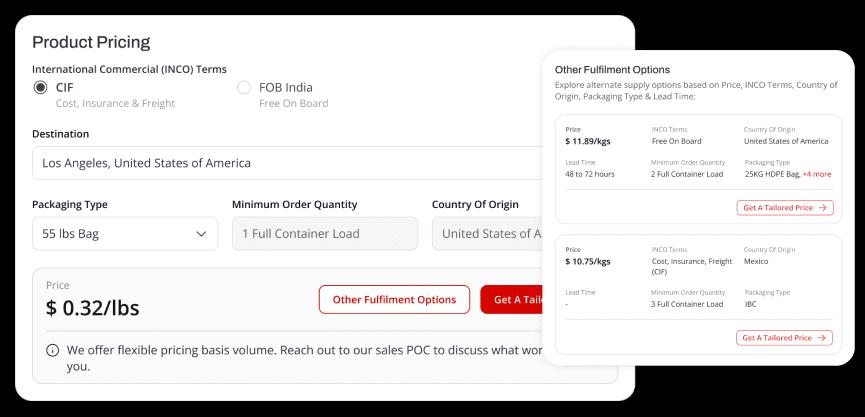
Access live, grade-specific pricing for every chemical, so your teams talks with data, not intuition on Elixir.
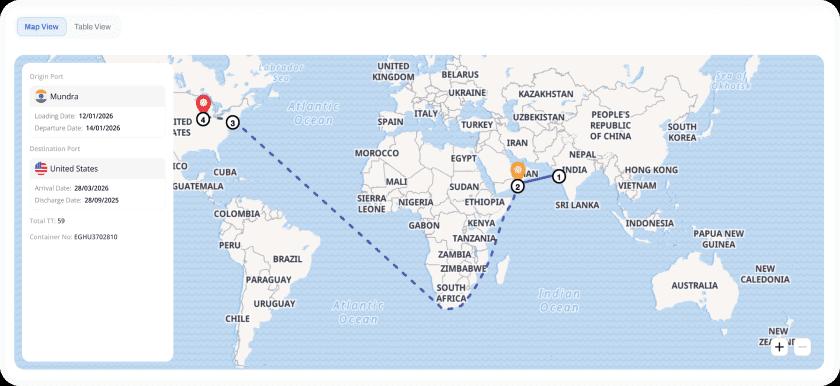
Compare fulfilment options across grades, INCO terms, origins, and lead times: all in one platform.

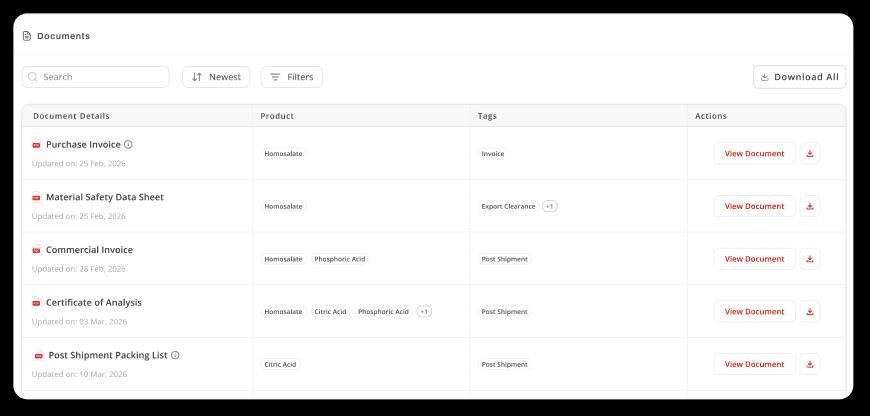
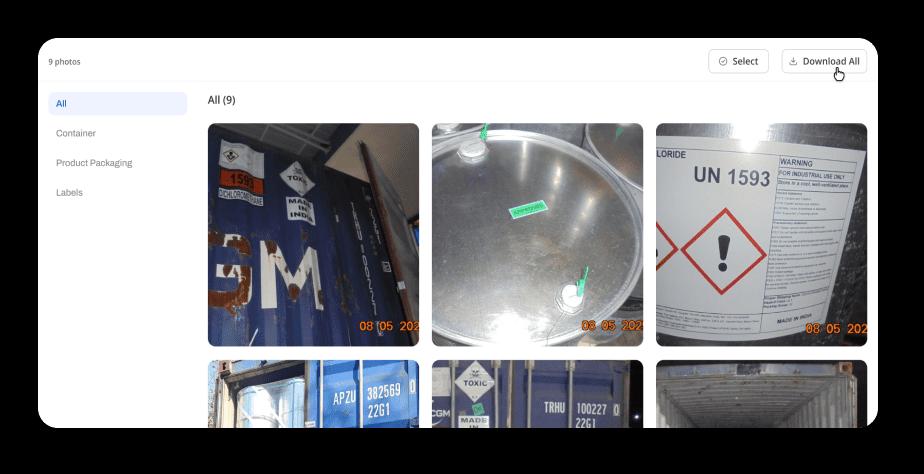
Live, transparent pricing
Real-time quotes across 12,000+ specialty chemicals.
About Sodium Hypochlorite
Sodium Hypochlorite, commonly known as bleach, is a versatile chemical compound with strong oxidizing properties. It is widely used in various industries for its disinfecting and bleaching capabilities. As a key ingredient in water treatment, it ensures the safety and cleanliness of drinking water by effectively eliminating harmful microorganisms. In the household sector, Sodium Hypochlorite is a staple in cleaning products, known for its ability to remove stains and disinfect surfaces. Its industrial applications include textile bleaching and paper production, where it contributes to the quality and appearance of the final products. Sodium Hypochlorite manufacturers focus on producing high-purity solutions to meet the stringent demands of these applications. The production process is carefully controlled to ensure consistency and stability, which are crucial for its effectiveness. As environmental concerns grow, manufacturers are adopting greener practices to minimize the environmental impact of Sodium Hypochlorite production. These efforts align with the increasing demand for sustainable chemical solutions in the global market.
- Effective Disinfectant: Sodium Hypochlorite is a powerful disinfectant, widely used in water treatment and sanitation applications.
- Versatile Bleaching Agent: It is used in the textile and paper industries for its efficient bleaching properties.
- Household Essential: A key ingredient in cleaning products, known for its stain removal and surface disinfection capabilities.
- Industrial Applications: Used in various industries for equipment sanitation and hygiene maintenance.
- Environmentally Conscious Production: Manufacturers are adopting eco-friendly practices to reduce the environmental impact of Sodium Hypochlorite production.
About Sodium Hypochlorite
Sodium Hypochlorite, commonly known as bleach, is a versatile chemical compound with strong oxidizing properties. It is widely used in various industries for its disinfecting and bleaching capabilities. As a key ingredient in water treatment, it ensures the safety and cleanliness of drinking water by effectively eliminating harmful microorganisms. In the household sector, Sodium Hypochlorite is a staple in cleaning products, known for its ability to remove stains and disinfect surfaces. Its industrial applications include textile bleaching and paper production, where it contributes to the quality and appearance of the final products. Sodium Hypochlorite manufacturers focus on producing high-purity solutions to meet the stringent demands of these applications. The production process is carefully controlled to ensure consistency and stability, which are crucial for its effectiveness. As environmental concerns grow, manufacturers are adopting greener practices to minimize the environmental impact of Sodium Hypochlorite production. These efforts align with the increasing demand for sustainable chemical solutions in the global market.
- Effective Disinfectant: Sodium Hypochlorite is a powerful disinfectant, widely used in water treatment and sanitation applications.
- Versatile Bleaching Agent: It is used in the textile and paper industries for its efficient bleaching properties.
- Household Essential: A key ingredient in cleaning products, known for its stain removal and surface disinfection capabilities.
- Industrial Applications: Used in various industries for equipment sanitation and hygiene maintenance.
- Environmentally Conscious Production: Manufacturers are adopting eco-friendly practices to reduce the environmental impact of Sodium Hypochlorite production.
FAQs - Sodium Hypochlorite
Related Products

Related Products

Streamline
Your Chemical
Procurement
Get fast responses from real experts