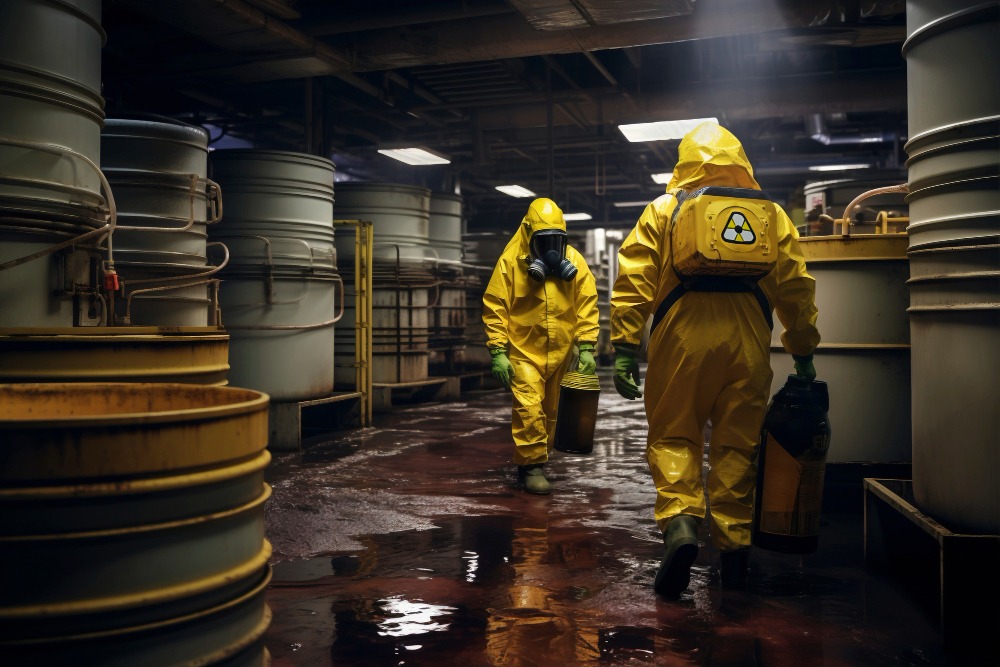


A chemical plant in New Jersey learned an expensive lesson last year. Their sodium hydroxide storage tank leaked 800 gallons into the facility floor. The secondary containment failed because it wasn’t sized correctly. OSHA fines totaled $47,000. Environmental cleanup costs exceeded $200,000. All because storage guidelines weren’t followed.
This happens more often than it should. Sodium hydroxide storage requires specific protocols that many facilities get wrong. The chemical is highly corrosive, reactive with multiple materials, and seeks out any weak point in containment systems. When caustic soda storage and handling procedures fail, the consequences range from worker injuries to regulatory violations to environmental disasters.
U.S. OSHA standards provide clear guidance on storage of NaOH, but understanding and implementing these requirements correctly protects workers, facilities, and budgets from preventable incidents.
At a Glance
- OSHA permissible exposure limit (PEL) for sodium hydroxide is 2 mg/m³ as an 8-hour time-weighted average
- Secondary containment holding 110% of primary tank volume is mandatory under EPA regulations referenced by OSHA
- Storage tanks must be rated for 1.9 specific gravity minimum with corrosion-resistant materials like XLPE or 316 stainless steel
- Temperature maintenance above 70°F prevents crystallization that can solidify caustic and damage equipment
- PPE requirements include chemical-resistant gloves, full-face shields, and protective clothing for all handling operations
- Incompatible materials like acids, aluminum, zinc, and organic compounds must be separated by minimum 10 feet
- Emergency eyewash stations within 10 seconds travel time and safety showers are non-negotiable OSHA requirements
Understanding OSHA’s Framework for Sodium Hydroxide Storage
OSHA doesn’t have a single standard titled “sodium hydroxide storage requirements.” Instead, multiple standards work together to create comprehensive guidelines. The primary applicable standards include 29 CFR 1910.1200 (Hazard Communication), 29 CFR 1910.1450 (Occupational Exposure to Hazardous Chemicals in Laboratories), and general duty clauses requiring safe working conditions.
The Hazard Communication Standard (HCS) mandates that employers maintain Safety Data Sheets (SDS) for sodium hydroxide and train workers on hazards. Every facility storing caustic soda must have current SDS readily accessible to all employees who might encounter the chemical.
OSHA’s permissible exposure limit sets the ceiling for workplace air concentration at 2 mg/m³. This means engineering controls and ventilation must keep airborne sodium hydroxide below this level. When that’s not possible, respiratory protection becomes mandatory.
Storage Container Material Requirements
The storage of NaOH demands containers that resist its highly corrosive nature. OSHA references industry standards and manufacturer specifications when evaluating container suitability.
Acceptable Tank Materials
Cross-linked polyethylene (XLPE) tanks represent the most common choice for caustic soda storage. These tanks must carry a 1.9 specific gravity rating minimum. The cross-linking process creates molecular bonds that increase strength and chemical resistance compared to standard polyethylene.
Stainless steel tanks work well but cost 3-4 times more than XLPE. The steel must be 316 or higher grade. Lower-grade stainless corrodes under caustic attack. Nickel content determines corrosion resistance, with higher nickel alloys performing better.
Fiberglass reinforced plastic (FRP) tanks suit applications where space or volume requirements exceed XLPE tank capabilities. These must be specifically rated for sodium hydroxide service.
Carbon steel tanks can store caustic at concentrations below 50% and temperatures under 120°F. Above these parameters, corrosion accelerates rapidly.
Materials to Avoid
Aluminum reacts violently with sodium hydroxide, generating hydrogen gas and heat. Never use aluminum containers, fittings, or structures near caustic storage. Even aluminum building components like siding or ductwork near storage areas create hazards.
Zinc, brass, bronze, copper, tin, and lead all corrode in contact with caustic. This includes galvanized coatings on steel, which are zinc-based.
Glass containers work in laboratories for small quantities but are too fragile for industrial storage volumes.
Tank Component Specifications
| Component | Recommended Material | Why It Matters |
| Tank Body | XLPE (1.9 SG rating) or 316SS | Primary containment integrity |
| Fittings/Piping | PVC, CPVC, or 316 stainless steel | Prevents corrosion at connection points |
| Gaskets | EPDM rubber | Chemical resistance without degradation |
| Bolts | 316 stainless steel | Prevents fastener failure from corrosion |
| Valves | PVC or lined steel with EPDM seals | Controls flow without material breakdown |
Secondary Containment Requirements
OSHA works in conjunction with EPA regulations requiring secondary containment for hazardous chemical storage. This isn’t optional. EPA’s Spill Prevention, Control, and Countermeasure (SPCC) rule mandates containment for facilities storing specific quantities of hazardous substances.
Capacity Standards
Secondary containment must hold 110% of the largest primary container’s volume. If your sodium hydroxide tank holds 5,000 gallons, secondary containment needs 5,500-gallon capacity minimum.
For multiple tanks in one containment area, the system must hold 110% of the largest tank plus 10% of the combined volume of all other tanks.
Containment System Options
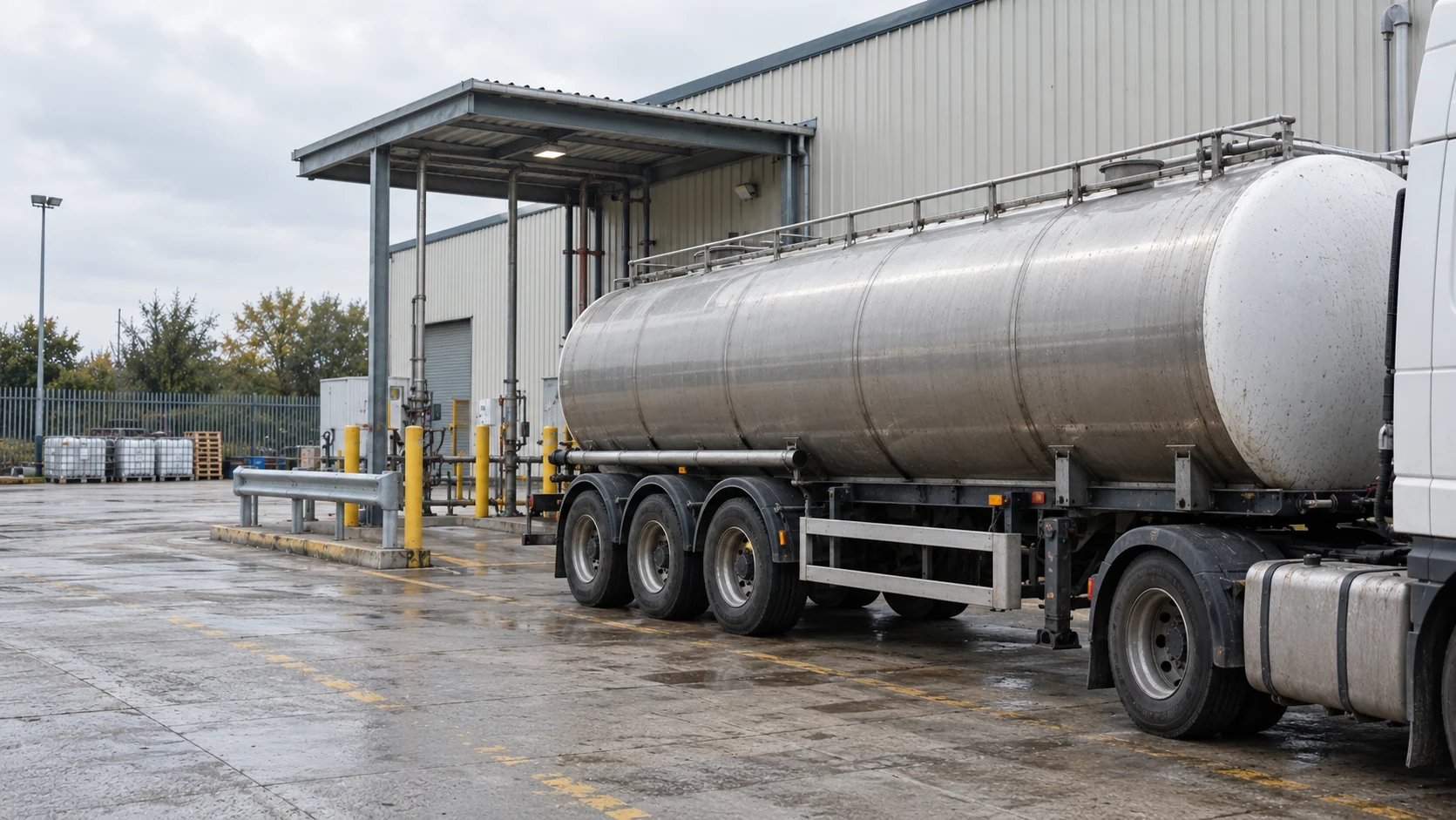
Double-wall tanks provide built-in secondary containment. The outer tank contains any leaks from the inner tank. These “tank-within-a-tank” systems like SAFE-Tank designs eliminate the need for separate containment structures.
Concrete dikes around tank installations create effective containment. The concrete requires protective coating or liner since caustic attacks bare concrete over time. Epoxy or polyurethane coatings resist chemical attack.
Steel or plastic containment basins work for smaller installations. These must be compatible with sodium hydroxide and sized appropriately.
Leak Detection
Advanced systems incorporate leak detection between primary and secondary containment layers. Sensors alert operators immediately when leaks occur, allowing response before secondary containment fails.
Visual inspection remains critical. Monthly inspections of containment systems identify damage, corrosion, or degradation before failures occur.
Temperature Control and Crystallization Prevention
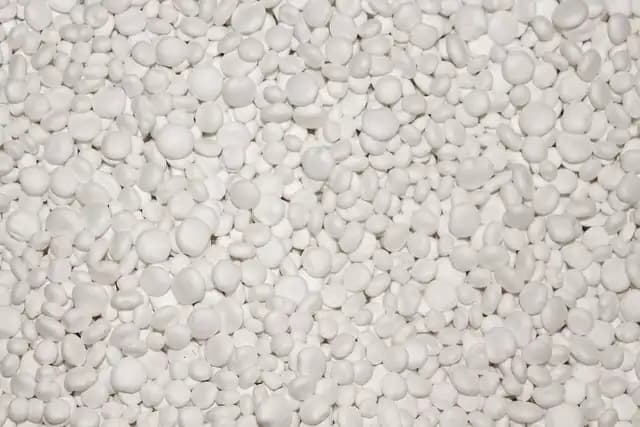
Sodium hydroxide crystallizes at surprisingly high temperatures. The exact freezing point varies with concentration, but 50% caustic solidifies around 54-56°F. Once crystallized, removal is extremely difficult and may require tank replacement.
Heating Requirements
OSHA-compliant caustic soda storage and handling procedures require maintaining temperatures above 70°F minimum. The recommended range is 85-100°F for optimal fluidity and pump operation.
Heat tracing systems wrap around tanks and piping, providing consistent warmth. These electrical or steam-traced systems prevent cold spots that initiate crystallization.
Insulation reduces heat loss and lowers energy costs. R-19 or higher insulation values suit most applications. The insulation must be protected from weather and mechanical damage.
Climate Considerations
Northern facilities require more robust heating systems. An unheated outdoor tank will crystallize during winter, destroying the installation.
Indoor storage in climate-controlled buildings simplifies temperature management but requires proper ventilation to remove fumes.
Ventilation and Exposure Control
Proper ventilation isn’t just good practice, it’s an OSHA requirement for keeping workplace air below the 2 mg/m³ permissible exposure limit.
Engineering Controls
Local exhaust ventilation at filling and dispensing points captures fumes before they enter workplace air. Hoods or enclosed systems direct vapors outside through dedicated exhaust systems.
General building ventilation provides air changes that dilute any residual fumes. Caustic storage areas need minimum 6-10 air changes per hour.
Enclosed transfer systems eliminate worker exposure during tank filling or chemical transfer operations. These represent the gold standard for exposure control.
Monitoring Requirements
Facilities must conduct initial exposure assessments to verify air concentrations stay below OSHA limits. When concentrations approach 50% of the PEL, ongoing monitoring becomes advisable.
Workers exposed above action levels require medical surveillance, additional training, and potentially respiratory protection.
Personal Protective Equipment Standards
OSHA’s PPE standards (29 CFR 1910.132-138) mandate appropriate protection for sodium hydroxide handling. The hazard assessment determines specific PPE requirements, but certain protections are universal.
Eye and Face Protection
Chemical splash goggles meeting ANSI Z87.1 standards are minimum protection. For handling concentrated solutions or large volumes, full-face shields worn over goggles provide essential protection.
Sodium hydroxide causes permanent eye damage in seconds. This makes eye protection absolutely non-negotiable.
Hand and Skin Protection
Chemical-resistant gloves are mandatory. Suitable materials include:
- Butyl rubber (excellent resistance)
- Neoprene (good for general use)
- Nitrile (adequate for brief contact)
- Natural rubber (acceptable for dilute solutions)
Gloves must be inspected before each use. Caustic finds pinholes and defects.
Chemical-resistant aprons or full suits protect torso and legs during transfer operations or spill response. Rubber boots prevent foot and ankle exposure.
Respiratory Protection
When engineering controls can’t maintain air concentrations below 2 mg/m³, respiratory protection becomes mandatory. OSHA’s Respiratory Protection Standard (29 CFR 1910.134) requires:
- Written respiratory protection program
- Medical evaluation of workers
- Fit testing for tight-fitting respirators
- Training on proper use and maintenance
For sodium hydroxide, air-purifying respirators with particulate filters (P100) or supplied-air respirators suit most applications.
Emergency Equipment and Response
OSHA standards mandate specific emergency equipment for corrosive chemical storage areas.
Emergency Eyewash and Showers
ANSI Z358.1 standards (referenced by OSHA) require emergency eyewash stations within 10 seconds travel time from any caustic exposure point. This typically means within 55 feet on level ground.
The eyewash must deliver 0.4 gallons per minute of tepid water (60-100°F) for 15 minutes minimum. Weekly activation tests verify functionality.
Safety showers delivering 20 gallons per minute for 15 minutes must be equally accessible. Monthly checks ensure proper operation.
Spill Response Equipment
Neutralization materials should be readily available. Weak acids like citric acid or vinegar neutralize small spills. Never use strong acids, which create violent exothermic reactions.
Absorbent materials compatible with caustic must be stocked. Standard clay absorbents work, but specialized caustic absorbents perform better.
Containment supplies like dikes, absorbent booms, and drain covers prevent spills from spreading.
Segregation and Incompatible Materials
OSHA’s general duty clause and industry best practices require separating incompatible chemicals. For sodium hydroxide storage, this means:
Minimum Separation Distances
Store sodium hydroxide at least 10 feet from acids. The violent reaction between caustic and acid creates heat, fumes, and potential explosions.
Organic materials including solvents, oils, and flammable liquids require similar separation. Caustic can react with these materials.
Water-reactive materials and oxidizers need segregation to prevent incompatible reactions.
Physical Barriers
Where 10-foot separation isn’t possible, physical barriers like walls or chemical-resistant partitions prevent accidental mixing during leaks.
Separate storage buildings or rooms for caustic provide the safest approach when dealing with large inventories.
Labeling and Documentation Requirements
The Hazard Communication Standard requires specific labeling for sodium hydroxide containers.
Container Labels
All containers must display:
- Chemical identity (Sodium Hydroxide or Caustic Soda)
- Hazard warnings (Corrosive, causes severe burns)
- Pictograms showing corrosion hazard
- Precautionary statements
- Supplier information
Secondary containers (smaller bottles filled from bulk storage) need identical labeling.
Safety Data Sheets
Current SDS must be readily accessible. The 16-section GHS-format SDS includes:
- Identification and hazard information
- Composition and ingredients
- First aid and firefighting measures
- Handling and storage requirements
- Physical and chemical properties
- Toxicological information
- Regulatory information
Workers must receive training on SDS location and interpretation.
Training and Competency Requirements
OSHA mandates training for workers handling hazardous chemicals. For sodium hydroxide, training must cover:
Initial Training Topics
- Chemical properties and hazards
- Proper storage procedures
- Safe handling techniques
- PPE selection and use
- Emergency response procedures
- Spill cleanup protocols
- First aid for exposure
Refresher Training
Annual refresher training keeps skills current. Additional training is required when:
- New hazards are introduced
- Equipment or procedures change
- Workers demonstrate unsafe practices
- After incidents or near-misses
Documentation
Training records must document dates, topics covered, trainer qualifications, and attendees. OSHA inspectors review training documentation during facility audits.
Inspection and Maintenance Protocols

Proactive inspection prevents storage failures.
Daily Inspections
Operators should visually check:
- Tank exterior for damage or leaks
- Secondary containment for standing liquid
- Gauge readings confirming proper levels
- Temperature indicators showing proper ranges
- Ventilation system operation
Monthly Inspections
More detailed monthly checks include:
- Fitting and valve condition
- Gasket integrity
- Coating or liner condition
- Emergency equipment functionality
- Spill supplies inventory
Annual Inspections
Comprehensive yearly inspections by qualified personnel verify:
- Structural integrity of tanks and supports
- Electrical system condition (heating, alarms)
- Secondary containment capacity
- Documentation and record completeness
Common Violations and How to Avoid Them
OSHA citations for sodium hydroxide storage typically involve:
Inadequate PPE Provision
Not providing appropriate gloves, face shields, or protective clothing. Solution: Stock adequate PPE and enforce usage.
Missing or Inadequate Emergency Equipment
Eyewash or shower too far away, non-functional, or absent. Solution: Install per ANSI standards and maintain properly.
Insufficient Training
Workers handling caustic without documented training. Solution: Implement formal training program with records.
Secondary Containment Failures
No containment or undersized systems. Solution: Calculate required capacity correctly and install appropriate systems.
Inadequate Labeling
Missing GHS labels on containers. Solution: Ensure all containers are properly labeled.
Best Practices Beyond Minimum Compliance
Meeting OSHA minimums protects against citations. Going further protects workers better.
Automated Monitoring
Level sensors, temperature monitors, and leak detection provide real-time alerts. These catch problems before they become emergencies.
Redundant Safety Systems
Backup heating, dual containment layers, and multiple emergency response stations exceed requirements but dramatically improve safety.
Written Procedures
Detailed written procedures for filling, sampling, transferring, and emergency response ensure consistency across shifts and workers.
Near-Miss Reporting
Encourage reporting of close calls. These identify weaknesses before actual incidents occur.
The Bottom Line on Compliant Sodium Hydroxide Storage
OSHA standards for sodium hydroxide storage combine multiple regulations into a comprehensive safety framework. Secondary containment at 110% capacity, temperature maintenance above 70°F, proper PPE, emergency equipment within 10 seconds, and thorough worker training aren’t optional suggestions.
Compliance protects workers from severe chemical burns and exposure. It prevents environmental contamination from leaks and spills. It avoids costly citations and potential criminal liability if negligence causes harm.
The storage of NaOH demands respect for its hazards and commitment to following proven safety protocols. Cutting corners on caustic soda storage and handling creates unnecessary risks that eventually manifest as injuries, property damage, or regulatory violations.
For facilities designing new storage systems or upgrading existing installations, partnering with experienced chemical storage specialists ensures compliance while optimizing safety and efficiency. The investment in proper storage infrastructure pays dividends through incident-free operations and regulatory confidence.
For businesses requiring quality sodium hydroxide and compliant storage solutions, Elchemy connects you with reliable chemical suppliers offering membrane-grade caustic soda, XLPE storage tanks, secondary containment systems, and safety equipment meeting all OSHA and EPA standards for safe chemical management.