

In today’s globalized world, chemicals are indispensable across various industries, playing a crucial role in manufacturing, agriculture, healthcare, and technology. Understanding the different types of chemicals and their uses can provide insights into the dynamics of various industries and their growth trajectories. This blog will explore key types of chemicals, their applications, and their demand in different sectors.
1. Solvent Chemicals

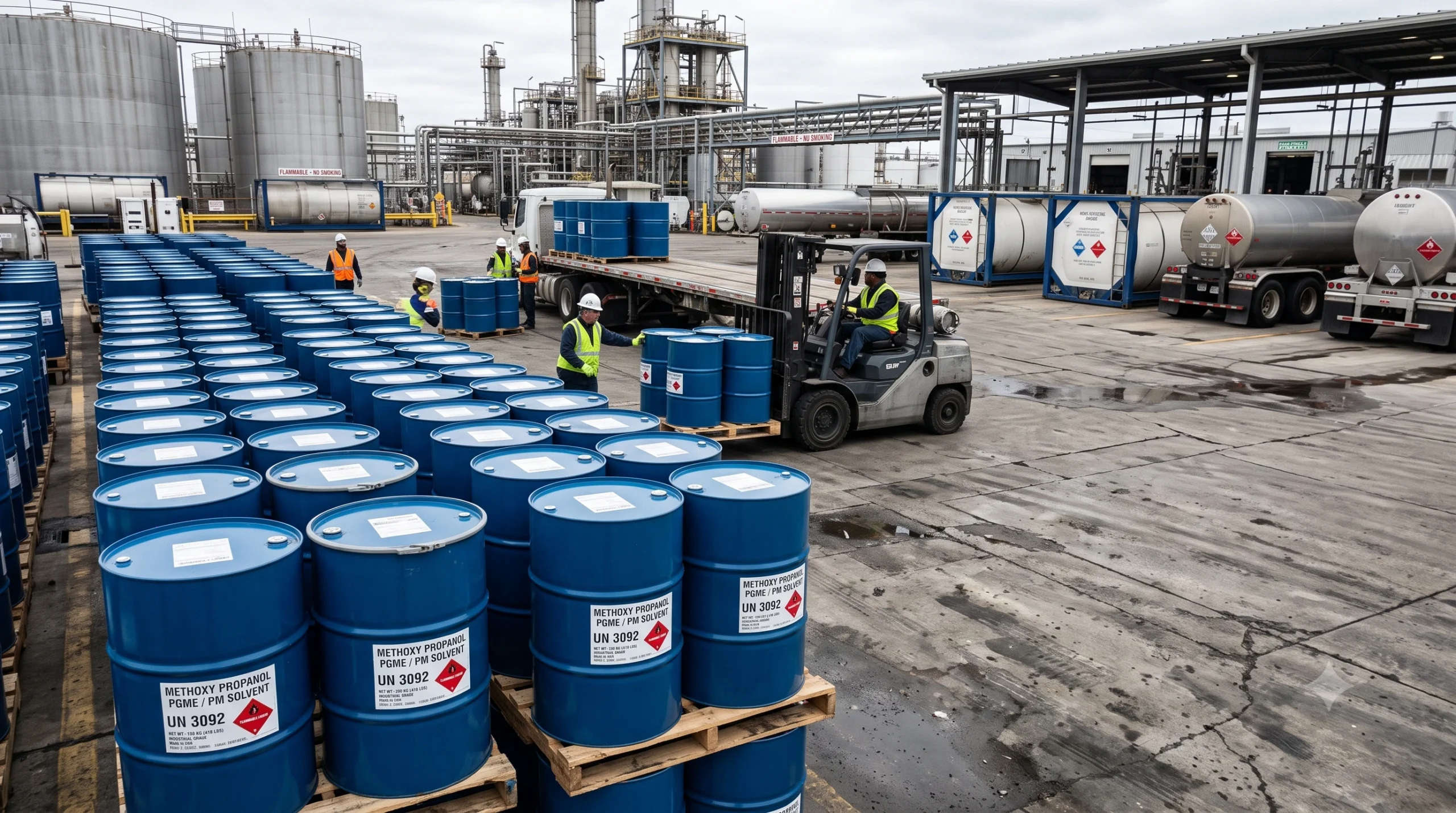
Solvent chemicals are substances that dissolve a solute, resulting in a solution. They are essential in many industries, including pharmaceuticals, paint, coatings, and chemical manufacturing.
- Applications in Pharmaceuticals: Solvent chemicals are used in the formulation of drugs to extract and purify active ingredients. For instance, ethanol is commonly used as a solvent in drug manufacturing due to its ability to dissolve both polar and non-polar substances.
- Applications in Paints and Coatings: In the paint and coatings industry, solvents like toluene and xylene are used to adjust the viscosity of the paint, allowing for smooth application and a consistent finish.
- Chemical Synthesis: Solvents are integral to chemical production, where they act as a medium in which reactions occur. For example, dimethyl sulfoxide (DMSO) is a popular solvent in chemical synthesis due to its ability to dissolve a wide range of organic and inorganic compounds.
Demand for Solvent Chemicals
The global solvent market is expected to grow from $47.95 billion in 2021 to $56.57 billion by 2026, at a CAGR of 3.3% . The demand is driven by the increasing use of solvents in the pharmaceutical and paint industries. In particular, the pharmaceutical sector’s growth, fueled by rising healthcare needs and pharmaceutical advancements, has led to a higher demand for high-purity solvents.
2. Acids and Bases
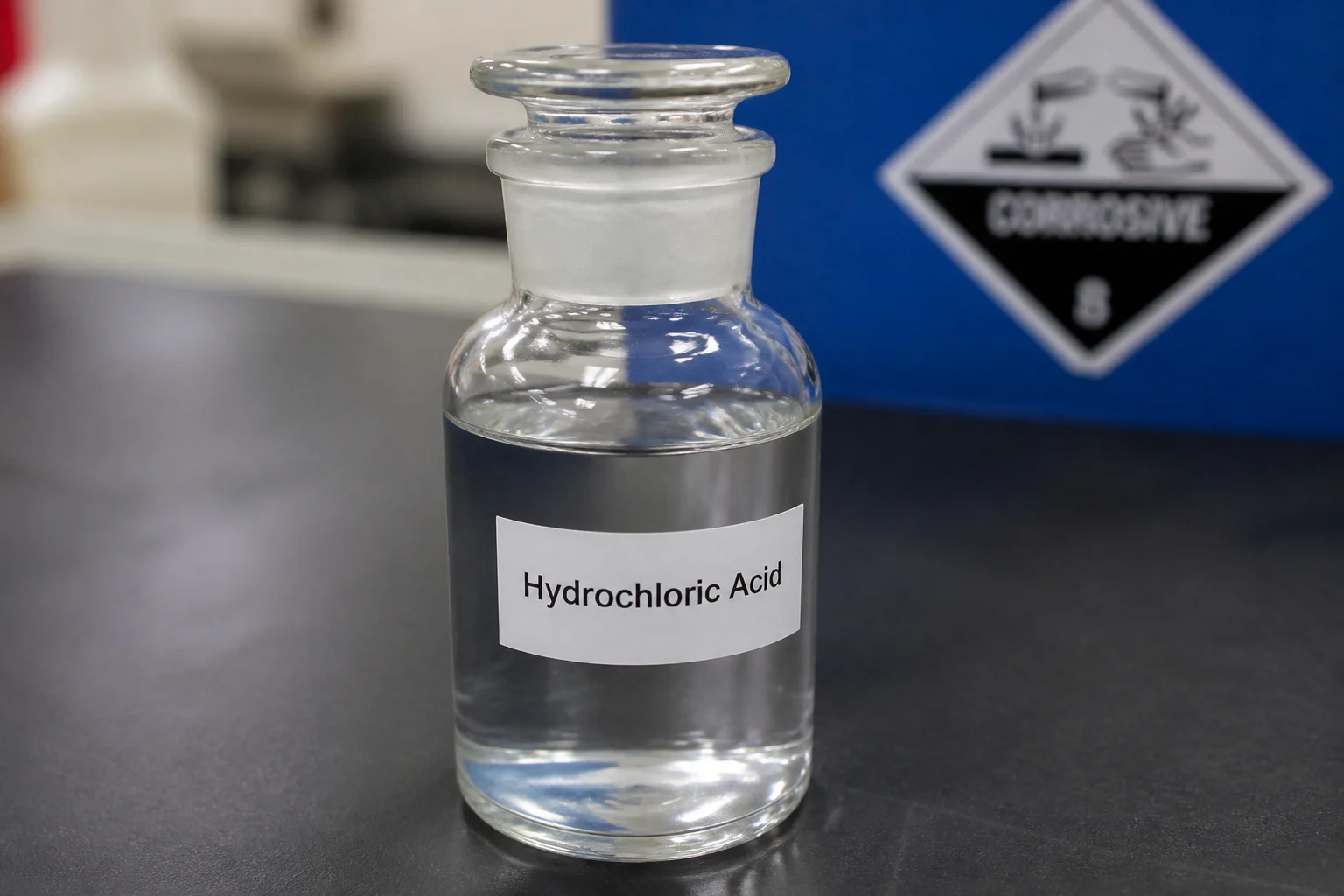
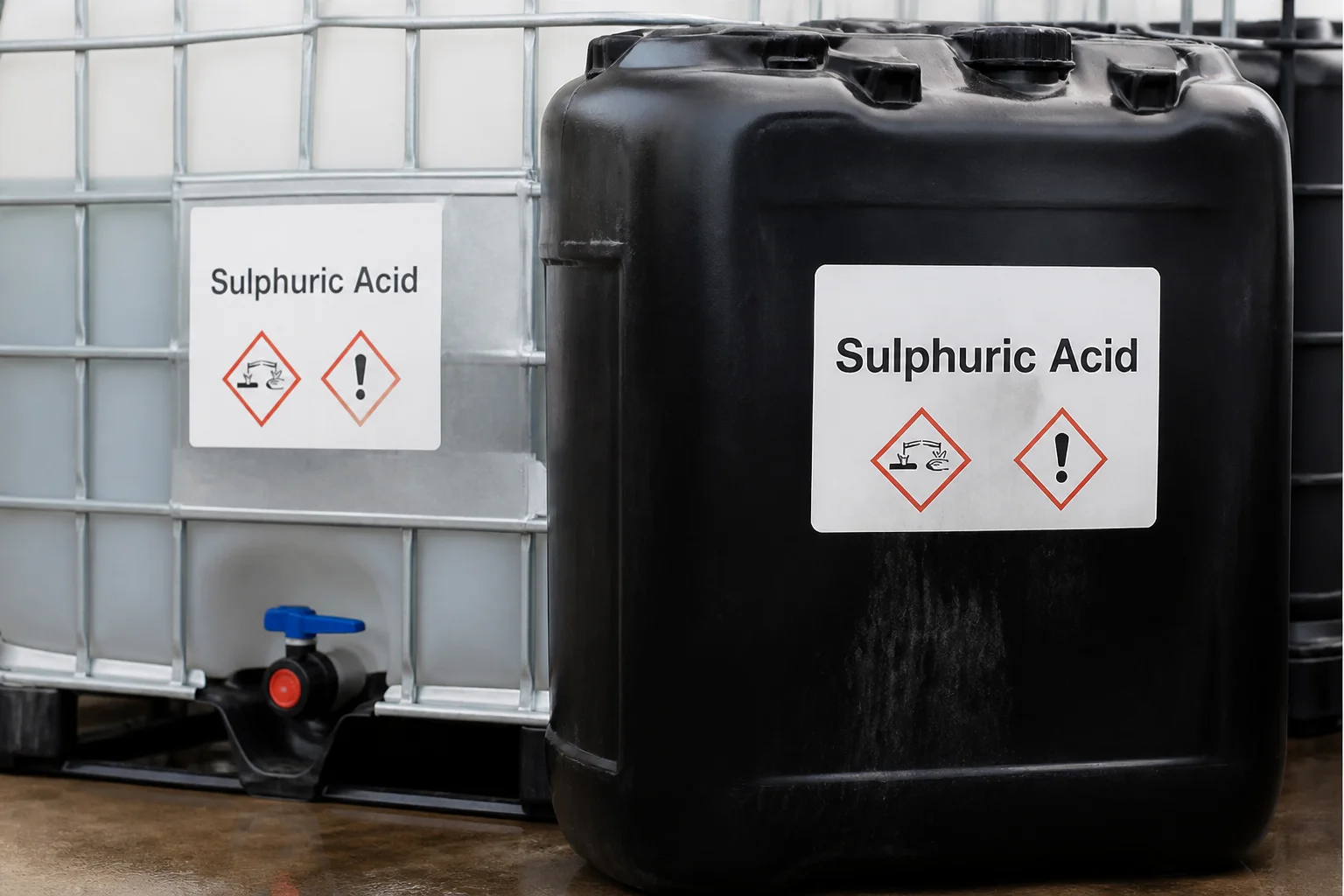
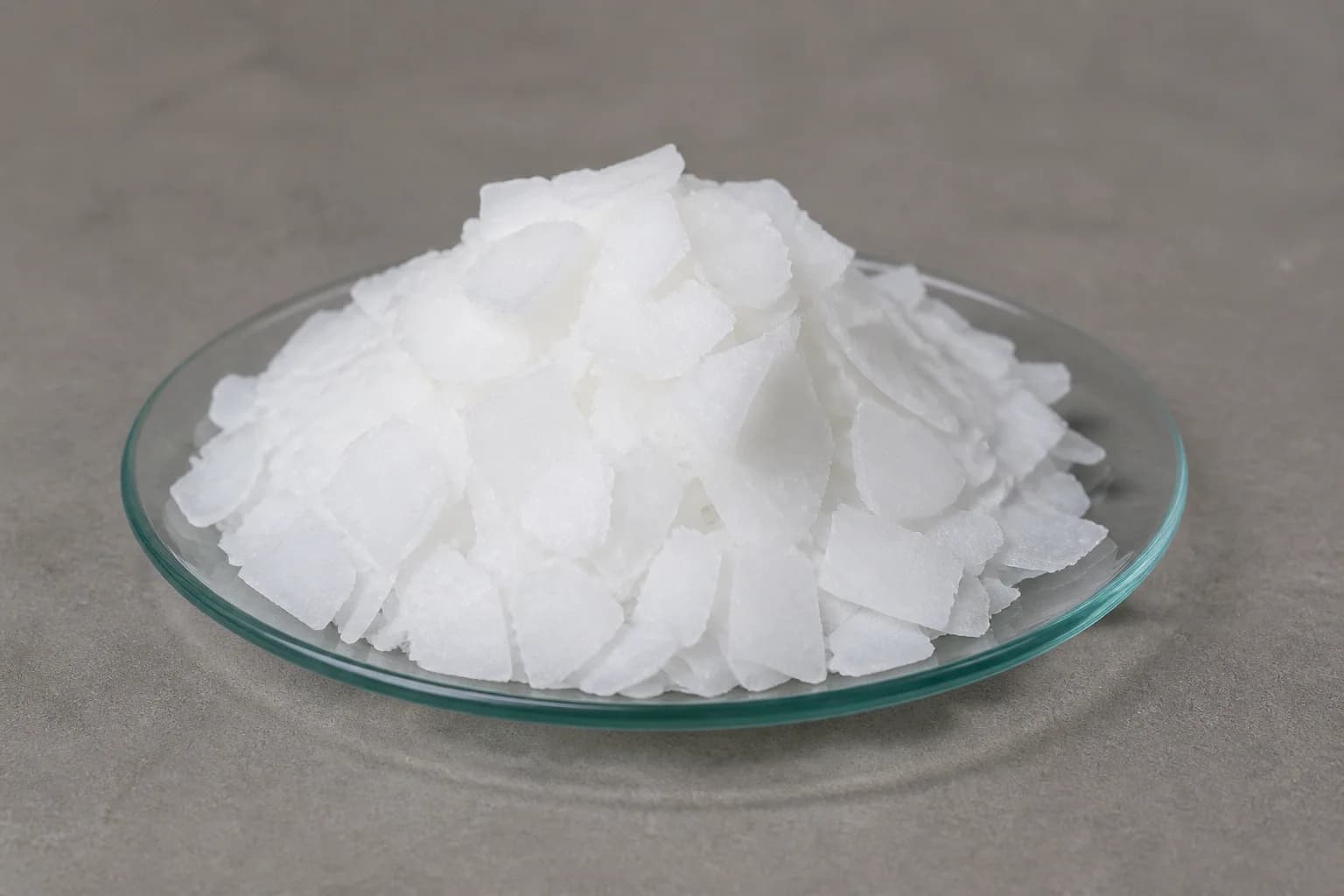
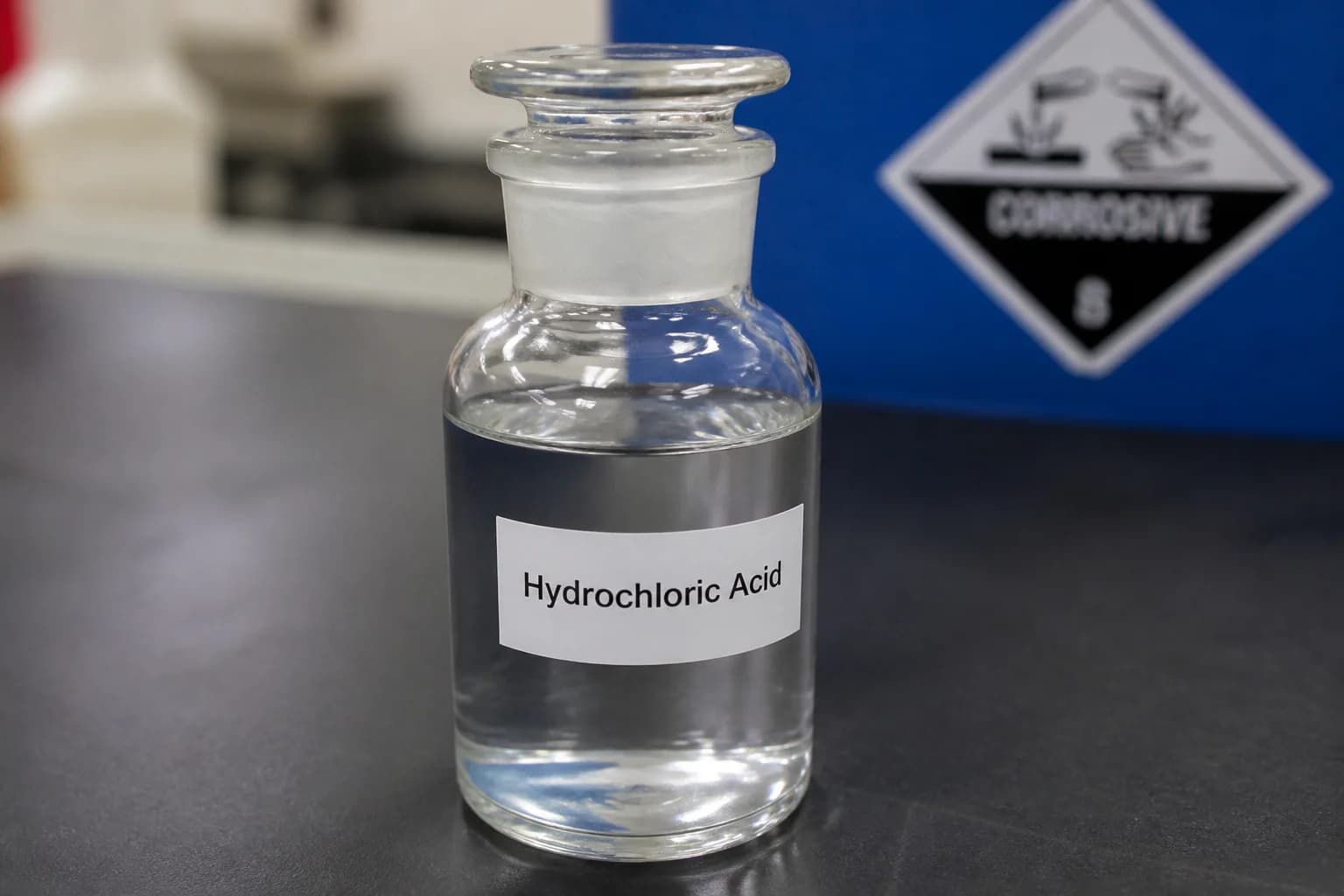
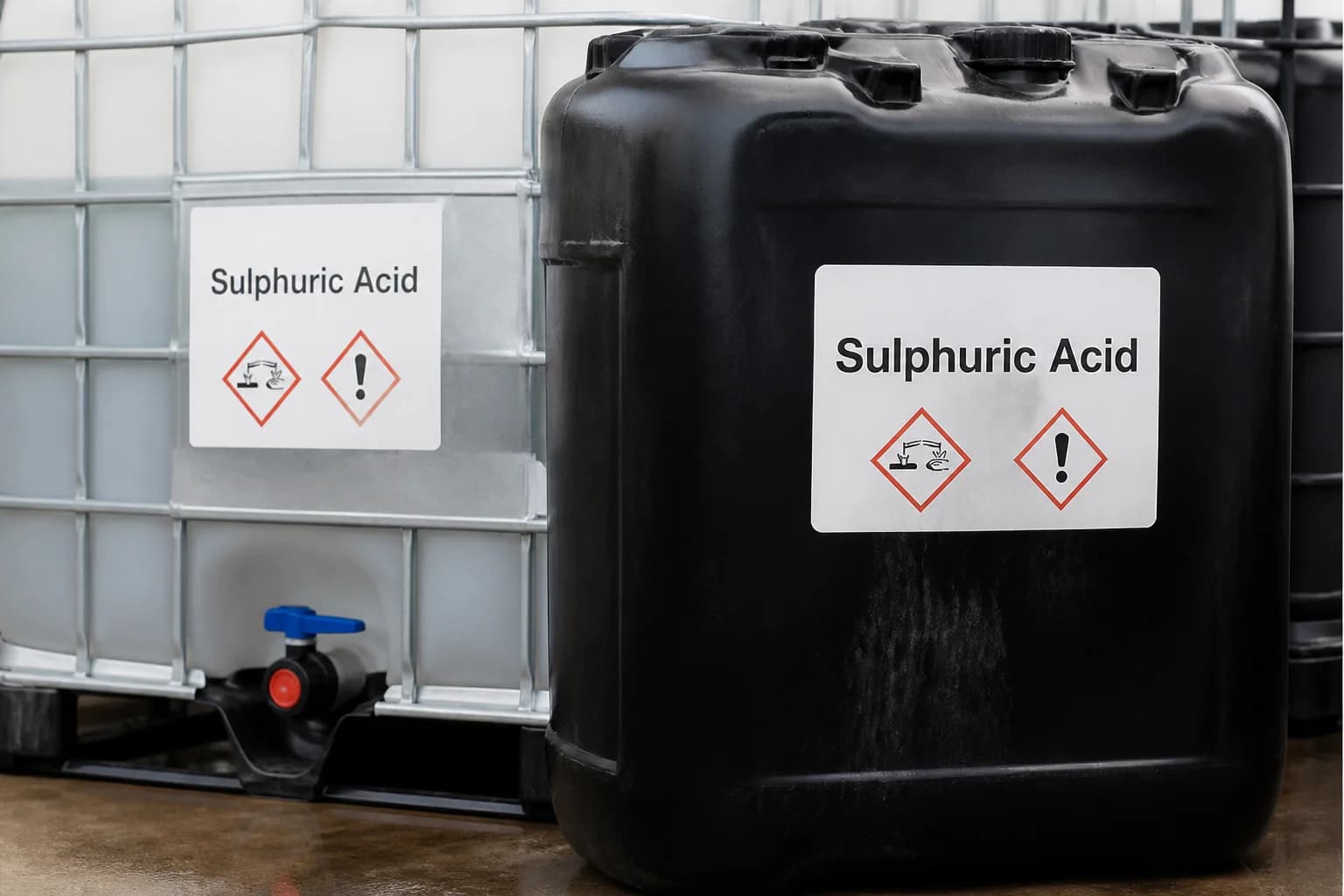
Acids and bases are fundamental types of chemicals used extensively across various industries. Acids like sulfuric acid and hydrochloric acid are vital in manufacturing fertilizers, batteries, and industrial cleaning agents. Bases such as sodium hydroxide and potassium hydroxide are used in soap making, paper production, and water treatment.
- Industrial Applications: Sulfuric acid is the most widely produced chemical globally, with applications in fertilizer production, petroleum refining, and chemical manufacturing. Sodium hydroxide is commonly used in the manufacture of soaps and detergents, as well as in the paper industry for pulping wood.
- Chemical Synthesis: Acids and bases play a crucial role in chemical production, facilitating the production of various organic and inorganic compounds. For instance, hydrochloric acid is used in the production of vinyl chloride, which is the precursor to PVC (polyvinyl chloride).
Demand for Acids and Bases
The demand for sulfuric acid, a leading industrial chemical, is expected to grow at a CAGR of 3.6% from 2021 to 2028, reaching $12.92 billion by 2028 . The growth is primarily driven by the increasing use of fertilizers in agriculture and the expanding chemical manufacturing industry.
Also Read: Top 5 Cleaning Chemicals in Terms of Global Demands
3. Polymers

Polymers are large molecules made up of repeating subunits called monomers. They are classified into natural polymers, like cellulose, and synthetic polymers, like polyethylene and polystyrene. Polymers are integral to the production of plastics, rubber, textiles, and more.
- Applications in Manufacturing: Synthetic polymers such as polyethylene, polypropylene, and polystyrene are essential in manufacturing plastic products, including packaging materials, containers, and automotive parts. Natural polymers like cellulose are used in producing textiles, paper, and biodegradable materials.
- Chemical Synthesis: In chemical manufacturing, polymers are used as reagents or catalysts. For instance, polystyrene is often used as a support material in solid-phase synthesis of peptides.
Demand for Polymers
The global polymer market was valued at $536.55 billion in 2021 and is expected to reach $789.72 billion by 2028, growing at a CAGR of 5.7% . The increasing demand for plastic packaging, particularly in the food and beverage industry, is a significant driver of this growth. Additionally, the rise of the automotive and electronics industries has led to a surge in the demand for advanced polymers with specific properties.
4. Inorganic Chemicals

Inorganic chemicals encompass a wide range of substances that do not contain carbon-hydrogen bonds. These include salts, metals, and minerals. Inorganic chemicals are critical in industries such as construction, electronics, and water treatment.
- Applications in Construction: Cement, a combination of inorganic chemicals like limestone and clay, is fundamental in the construction industry. It is used to produce concrete, a material essential for building infrastructure.
- Applications in Electronics: Inorganic chemicals like silicon and germanium are crucial in the electronics industry for producing semiconductors, which are used in computers, smartphones, and other electronic devices.
- Water Treatment: Inorganic chemicals such as chlorine and aluminum sulfate are used in water treatment processes to disinfect and clarify water, making it safe for consumption.
Demand for Inorganic Chemicals
The inorganic chemicals market is projected to grow at a CAGR of 4.5% from 2021 to 2026, reaching $197.4 billion . The growth is attributed to the increasing demand for construction materials in developing economies and the expanding electronics industry, which relies heavily on semiconductors and other inorganic chemicals.
5. Organic Chemicals
Organic chemicals are compounds that contain carbon and are used in various industries, including pharmaceuticals, agriculture, and petrochemicals. These chemicals include hydrocarbons, alcohols, aldehydes, and more.
- Applications in Pharmaceuticals: Organic chemicals are fundamental in drug development. For example, aspirin (acetylsalicylic acid) is an organic compound widely used as a pain reliever. Sourcing quality organic intermediates is essential for pharmaceutical and agrochemical synthesis processes..
- Applications in Agriculture: Organic chemicals like pesticides and herbicides are used to protect crops from pests and diseases, ensuring higher yields and better-quality produce.
- Chemical Synthesis: Organic chemicals are the backbone of chemical production, facilitating the creation of more complex molecules from simpler ones. Hydrocarbons, for example, are used as feedstocks in the synthesis of plastics, synthetic fibers, and other products.
Demand for Organic Chemicals
The global organic chemicals market was valued at $10.6 billion in 2021 and is projected to reach $15.6 billion by 2027, growing at a CAGR of 6.8% . The increasing demand for pharmaceuticals, agrochemicals, and petrochemical products is driving the market. Additionally, advancements in chemical manufacturing have expanded the applications of organic chemicals, further boosting their demand.
Also Read: Advanced Guide to Essential Chemical Equipment for Chemical Processing
6. Specialty Chemicals
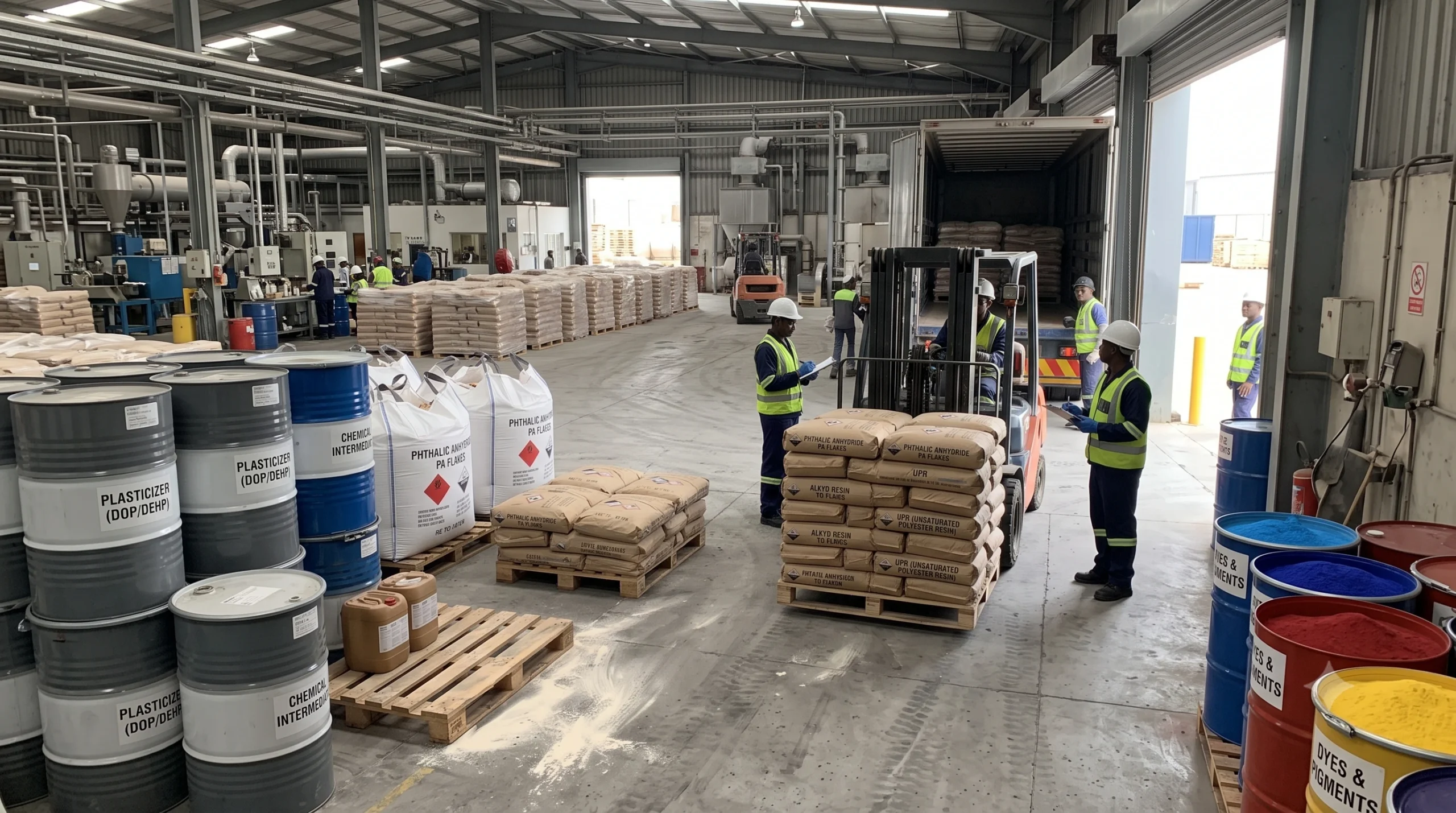
Specialty chemicals are specific chemicals that provide particular functions and are used in a wide range of industries. These include adhesives, sealants, coatings, and additives. Unlike bulk chemicals, which are produced in large volumes, specialty chemicals are manufactured in smaller quantities and are tailored for specific applications.
- Applications in Automotive Industry: Specialty chemicals like adhesives and sealants are essential in the automotive industry for bonding components and providing resistance to extreme conditions.
- Applications in Food Industry: Specialty chemicals such as food additives and preservatives play a crucial role in enhancing the shelf life, flavor, and appearance of food products.
- Chemical Synthesis: Specialty chemicals are often used as intermediates in chemical synthesis. For instance, catalysts are specialty chemicals that accelerate reactions without being consumed in the process.
Demand for Specialty Chemicals
The global specialty chemicals market is expected to grow from $847.9 billion in 2021 to $1.2 trillion by 2027, at a CAGR of 5.5% . The demand is driven by the increasing use of specialty chemicals in emerging industries like electronics, renewable energy, and biotechnology. Moreover, the rising need for sustainable and eco-friendly chemicals is propelling the growth of specialty chemicals.
Sourcing Chemicals for Different Industries
Understanding the different types of chemicals and their uses in diverse industries is crucial for recognizing the driving forces behind various market trends. Solvent chemicals, acids and bases, polymers, inorganic and organic chemicals, and specialty chemicals each play a significant role in the global economy.
The demand for these chemicals is influenced by factors such as industrial growth, technological advancements, and changing consumer needs. As industries continue to evolve, the chemical sector will remain a cornerstone of innovation and development, meeting the challenges and demands of the future. By understanding these dynamics, businesses can better position themselves in the market, anticipating changes and capitalizing on emerging opportunities.
If you’re trying to source chemicals for your business, elchemy.com can help you to procure a wide range of chemicals with ease. Whether you need solvent chemicals, polymers, acids, or specialty chemicals, Elchemy connects you with trusted suppliers worldwide. Our extensive network ensures access to high-quality materials, tailored to meet your specific industry needs.
With advanced search filters and a user-friendly interface, you can quickly find the right chemicals at competitive prices. Elchemy also offers support in navigating regulations and logistics, making the sourcing process seamless and efficient, ultimately helping your business thrive in the competitive chemical market. To know more about our services, reach out to us today at elchemy.com