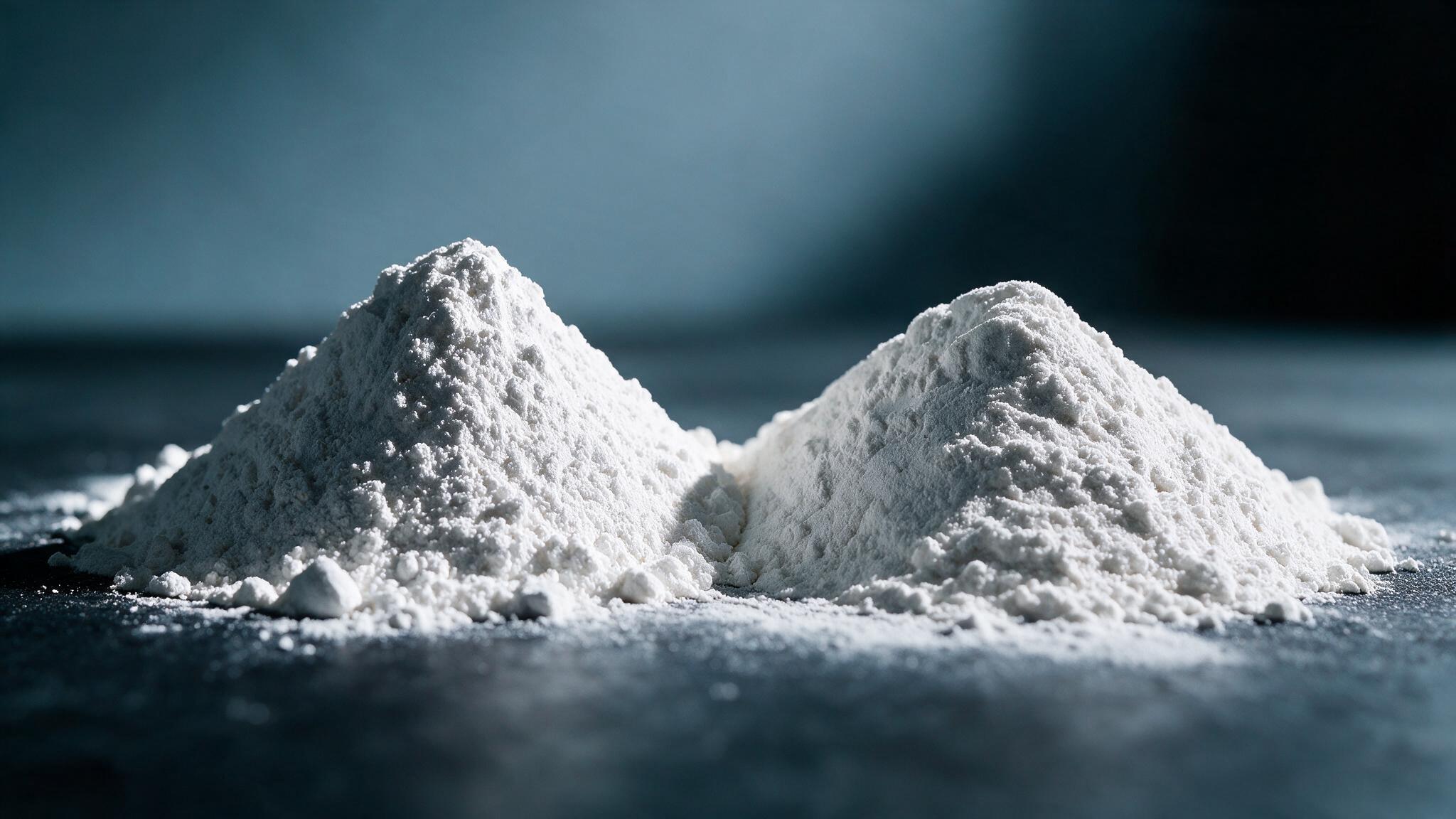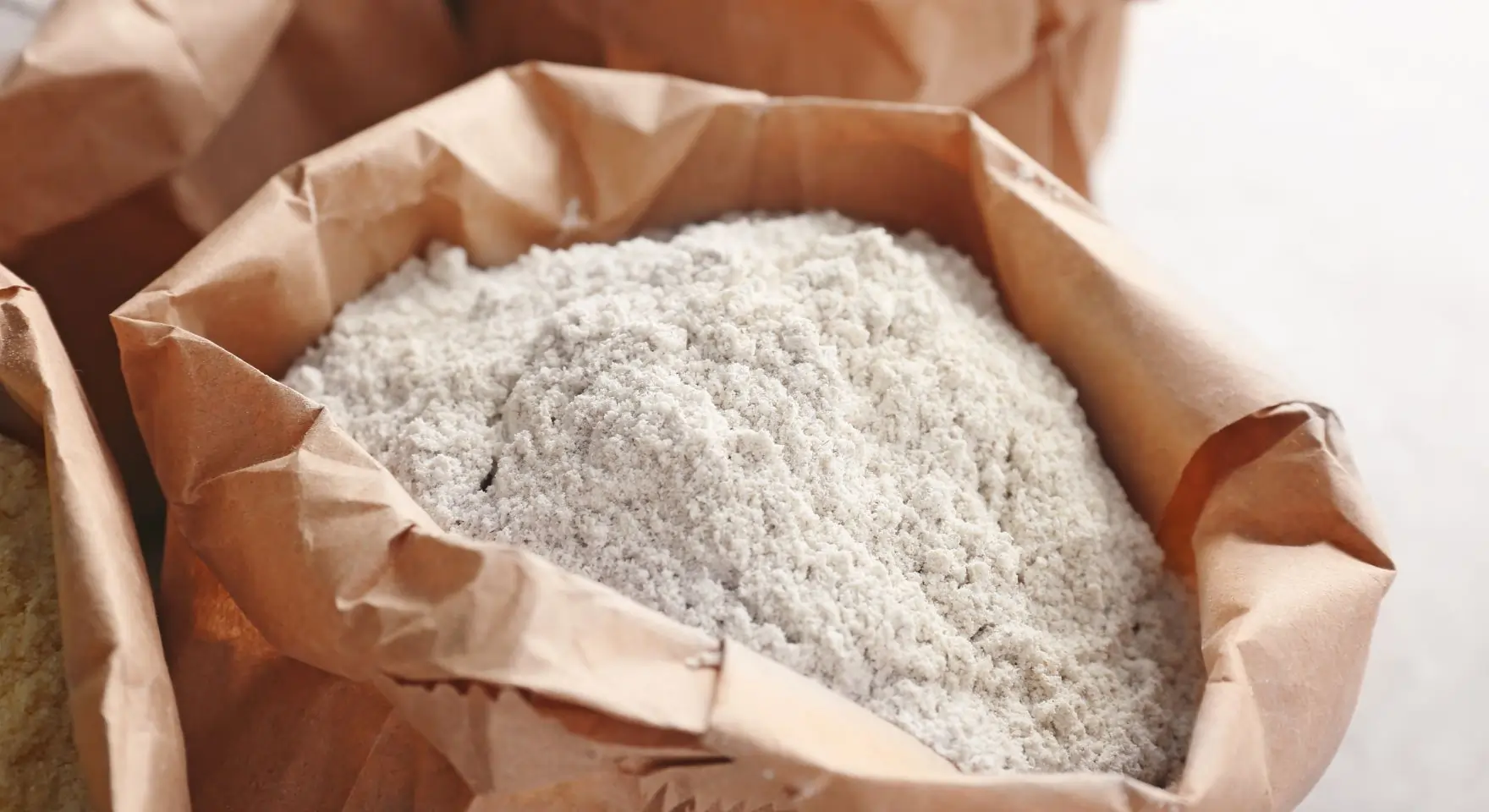


Caustic soda, also known as sodium hydroxide (NaOH), is one of the most widely used industrial chemicals worldwide. It plays a critical role in industries such as pulp and paper, textiles, water treatment, chemical manufacturing, and aluminum refining. However, caustic soda is available in two primary forms: liquid and solid, and choosing the right form can significantly impact manufacturing efficiency, storage, logistics, and cost.
Many businesses sourcing sodium hydroxide from reliable sodium hydroxide suppliers often ask: Should I use liquid or solid caustic soda? The answer depends on factors such as industrial application, transportation requirements, storage capabilities, and production scale.
This guide explains the key differences between liquid and solid caustic soda, their advantages, common industrial uses, and how businesses can choose the most suitable option for their operations.
What Is Caustic Soda?
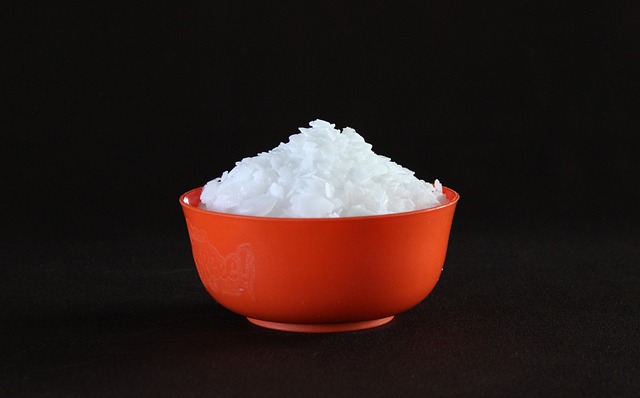
Caustic soda is the common name for sodium hydroxide, a highly alkaline chemical compound widely used in industrial manufacturing processes. It is a strong base that reacts with acids and is essential in many chemical reactions.
Because of its versatility, sodium hydroxide is used in numerous industries, including:
- Pulp and paper manufacturing for pulping and bleaching processes
- Textile processing for fabric treatment and mercerization
- Water and wastewater treatment for pH regulation
- Soap and detergent production through saponification
- Chemical manufacturing as a key reagent in various processes
- Aluminum refining through the Bayer process
Caustic soda is produced primarily through the chlor-alkali process, and after production, it can be supplied in either liquid form or solid form depending on the needs of the buyer.
What Is Liquid Caustic Soda?
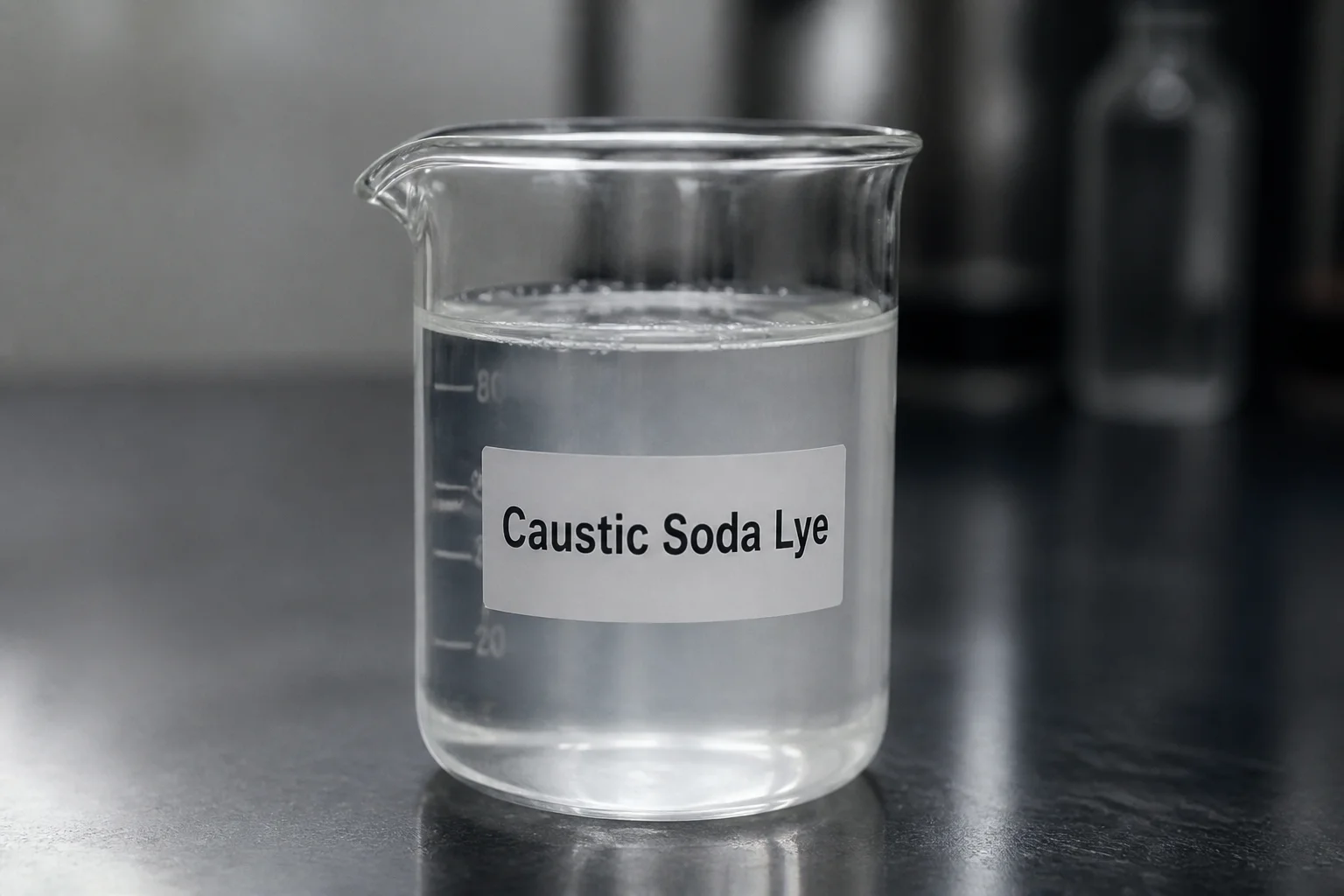
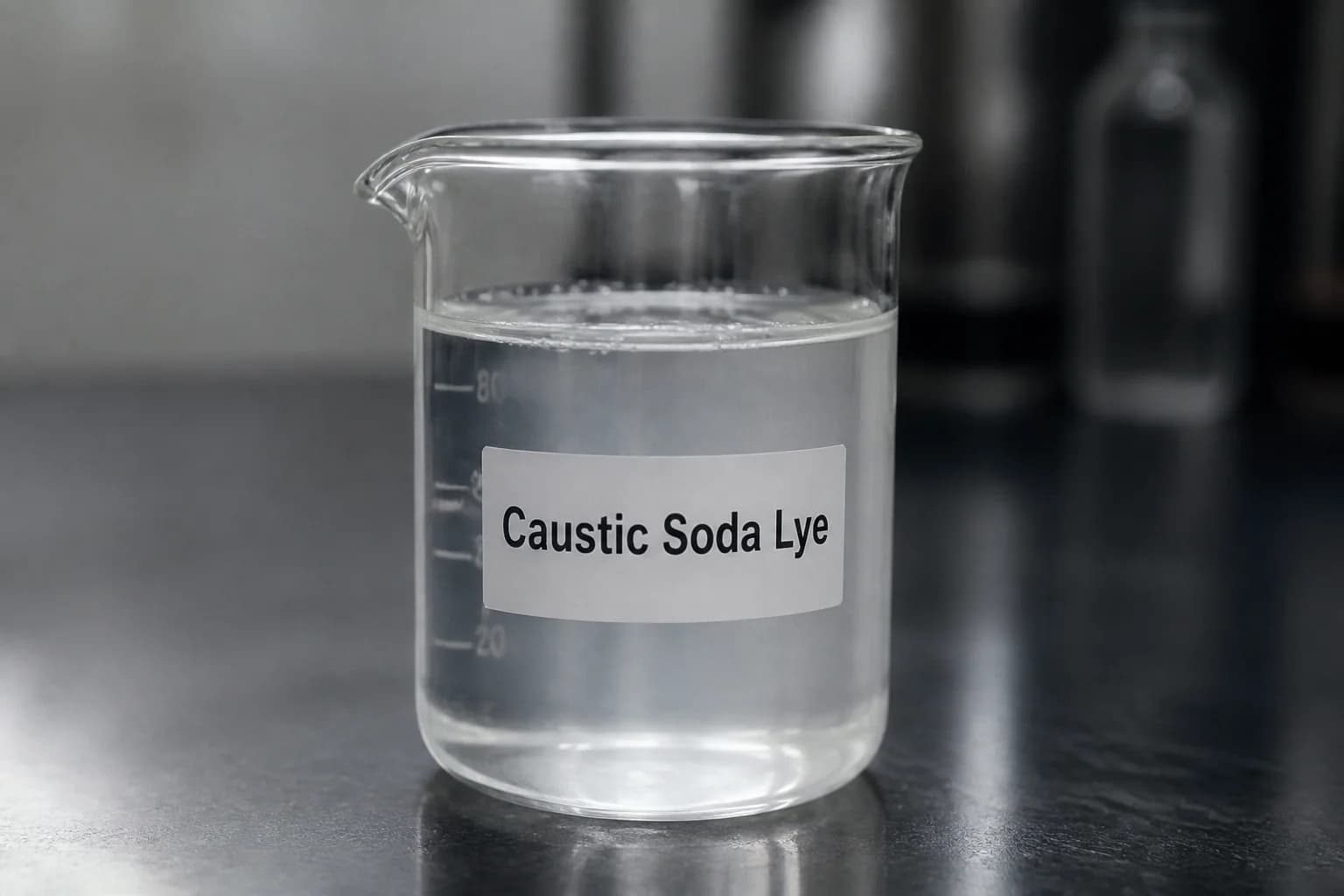
Liquid caustic soda is an aqueous solution of sodium hydroxide dissolved in water. It is typically supplied at concentrations ranging from 30% to 50%, with 50% concentration being the most commonly used in industrial applications.
Because it is already dissolved, liquid sodium hydroxide can be easily pumped and integrated into automated industrial systems.
Key Characteristics of Liquid Caustic Soda
- Usually supplied as a clear, colorless liquid
- Common concentration levels include 32%, 45%, and 50%
- Delivered in bulk tankers or storage containers
- Easier to handle in automated dosing systems
Common Industrial Uses
Liquid caustic soda is widely used in industries that require continuous chemical processing, including:
- Water treatment facilities for pH control
- Pulp and paper manufacturing processes
- Chemical production plants
- Aluminum refining operations
- Large-scale detergent manufacturing
Because of its pumpable nature, liquid sodium hydroxide is ideal for facilities with large-volume chemical consumption and automated processing systems.
What Is Solid Caustic Soda?
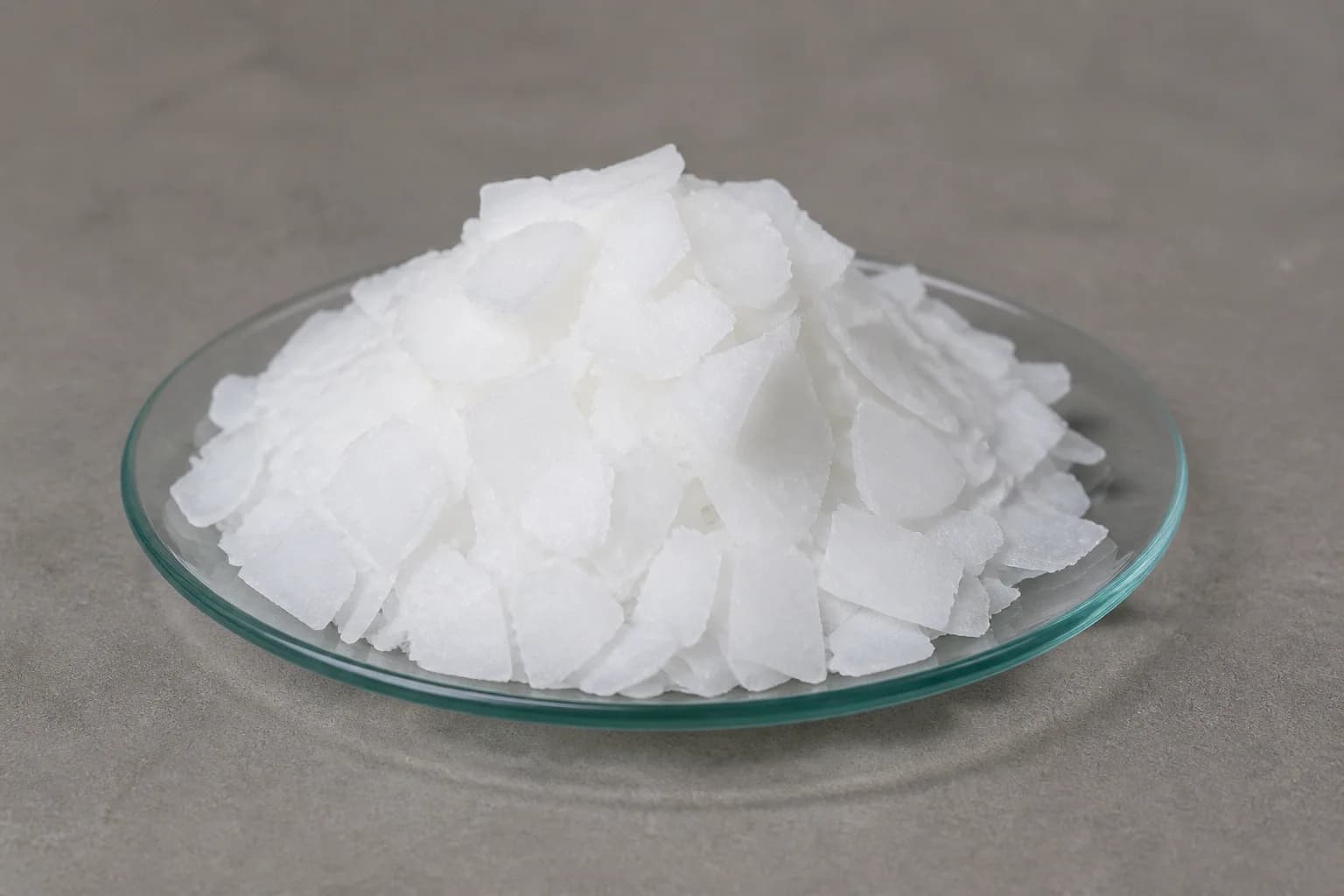
Solid caustic soda refers to sodium hydroxide in solid form, typically available as flakes, pearls, or pellets. This form usually has a purity level of around 98–99% sodium hydroxide, making it highly concentrated.
Solid caustic soda is often packaged in bags, drums, or bulk containers, which makes it easier to transport and store for longer periods.
Key Characteristics of Solid Caustic Soda
- Supplied as white flakes, pellets, or pearls
- High purity levels around 98–99% NaOH
- Requires dissolution in water before certain applications
- Typically packaged in 25 kg bags or bulk containers
Common Industrial Uses
Solid caustic soda is commonly used in applications where flexible dosing or smaller quantities are required.
Typical uses include:
- Soap and detergent manufacturing
- Chemical synthesis and laboratory processes
- Cleaning and degreasing applications
- Food processing and pH regulation in controlled environments
- Small and medium-scale manufacturing operations
Because of its concentrated form, solid sodium hydroxide is often preferred when businesses want longer shelf life and flexible chemical preparation.
Liquid vs Solid Caustic Soda: Key Differences
Understanding the differences between these two forms helps businesses choose the right option for their operations.
| Feature | Liquid Caustic Soda | Solid Caustic Soda |
| Physical Form | Liquid solution | Flakes, pearls, or pellets |
| Typical Concentration | 30–50% NaOH | 98–99% NaOH |
| Handling | Pumpable and automated | Requires dissolution before use |
| Transportation | Bulk tankers or containers | Bags, drums, or bulk packaging |
| Storage | Requires storage tanks | Easier storage in dry conditions |
| Industrial Use | Large-scale continuous processes | Flexible or small-scale applications |
Both forms serve different operational needs, and the choice largely depends on production scale, logistics, and storage infrastructure.
Advantages of Liquid Caustic Soda
Liquid caustic soda is widely used in large industrial facilities due to its convenience and compatibility with automated systems.
Key advantages include:
- Easy integration with automated systems such as pumps and pipelines
- Eliminates the need for dissolving solid chemicals before use
- Ideal for continuous manufacturing processes
- Efficient handling in large-scale industrial operations
Because of these benefits, industries such as pulp and paper and water treatment often prefer liquid sodium hydroxide.
Advantages of Solid Caustic Soda
Solid caustic soda also offers several benefits, particularly for businesses that require flexibility in storage and chemical preparation.
Major advantages include:
- Higher concentration and purity levels
- Easier transportation and packaging options
- Longer shelf life when stored properly
- More flexible dosing for various applications
Solid sodium hydroxide is often the preferred option when businesses need smaller volumes or longer storage periods.
When Should Businesses Use Liquid vs Solid Caustic Soda?
Choosing between liquid and solid caustic soda depends on several operational factors.
When Liquid Caustic Soda Is the Better Choice
Businesses typically choose liquid sodium hydroxide when:
- Production requires large volumes of chemicals
- Facilities use automated chemical dosing systems
- Continuous processing is necessary
- Industrial operations require fast chemical transfer
Large-scale industries such as pulp and paper manufacturing often rely on liquid caustic soda for efficiency.
When Solid Caustic Soda Is the Better Choice
Solid caustic soda is usually preferred when:
- Businesses require smaller or controlled quantities
- Long-term storage is necessary
- Transportation logistics favor bagged or packaged chemicals
- Chemical preparation flexibility is needed
Industries such as soap production and specialty chemical manufacturing frequently use solid sodium hydroxide.
How Elchemy Helps Businesses Source the Right Form of Caustic Soda
Finding the right caustic soda supplier can be challenging, especially when businesses need consistent quality and reliable supply chains. Elchemy simplifies this process by connecting companies with verified chemical suppliers worldwide.
Access to Trusted Global Suppliers
Elchemy provides access to a network of trusted caustic soda manufacturers and distributors, helping businesses source both liquid and solid sodium hydroxide efficiently.
Multiple Product Forms Available
Through Elchemy, businesses can source different forms of caustic soda, including:
- Liquid sodium hydroxide
- Caustic soda flakes
- Caustic soda pearls or pellets
- Bulk industrial grades
This allows buyers to choose the most suitable product for their operational requirements.
Simplified Chemical Procurement
Elchemy helps companies streamline chemical sourcing by enabling them to:
- Compare multiple suppliers
- Evaluate product specifications
- Ensure regulatory compliance
- Secure reliable supply chains
This reduces the complexity of chemical procurement and helps businesses maintain consistent operations.
Conclusion
Both liquid and solid caustic soda play essential roles in industrial manufacturing, but each form offers distinct advantages depending on the application.
Liquid sodium hydroxide is ideal for large-scale continuous processes and automated systems, while solid caustic soda provides higher concentration, longer shelf life, and greater storage flexibility.
Businesses should evaluate factors such as production requirements, logistics, storage capacity, and chemical dosing systems when choosing between these two forms.
By working with trusted sourcing platforms like Elchemy, companies can easily access verified suppliers and ensure a consistent supply of the right caustic soda product for their industrial needs.
FAQs
Q1. What is the main difference between liquid and solid caustic soda?
Liquid caustic soda is a sodium hydroxide solution typically containing 30–50% NaOH, while solid caustic soda is highly concentrated and usually supplied as flakes, pearls, or pellets with about 98–99% purity.
Q2. Which form of caustic soda is stronger?
Solid caustic soda is more concentrated than liquid sodium hydroxide, but liquid forms are easier to handle and use in large industrial systems.
Q3. What industries use liquid caustic soda?
Industries such as pulp and paper, water treatment, chemical manufacturing, and aluminum refining commonly use liquid sodium hydroxide.
Q4. Is solid caustic soda easier to store?
Yes, solid caustic soda typically has a longer shelf life and can be stored in sealed containers under dry conditions.
Q5. Where can businesses buy bulk caustic soda?
Businesses can source bulk liquid or solid caustic soda from chemical manufacturers, distributors, or global sourcing platforms like Elchemy that connect buyers with verified suppliers.