

At a Glance
The amount of calcium needed in our body depends on our age and sex. The scarcity of calcium in our body can lead to serious health issues related to bones. Calcium citrate and calcium carbonate are both supplements to increase the calcium content in the body. When it comes to calcium citrate vs calcium carbonate, there are certain differences that distinguish each one of them with their unique chemical composition, properties, and medicinal values. Through this blog, we will figure out which compound is better according to the needs of a person.
[Reviewed for accuracy against NIH Office of Dietary Supplements guidance. This article is educational and not a substitute for personalised medical advice — consult a doctor or pharmacist before starting any calcium supplement, especially if you have kidney disease, hypercalcaemia, or take other medication.]
Role of Calcium in the Body
It is important to maintain a proper balance of calcium in the body through proper food, supplements, or medications. It manages the proper functioning of the cells, bones, nerves, and muscles. In case of calcium deficiency in the blood, the body will fulfill its calcium scarcity by taking calcium from the bones, thus weakening the strength of the bones. Calcium supplements are better absorbed when taken with food.
Calcium isn’t something that is manufactured by the body. Calcium is supposed to enter our body through our diet. It can be found in a variety of foods such as :
-
- Dairy products – yogurt, milk and cheese
-
- Dark green leafy vegetables – kale and broccoli
-
- Calcium-rich foods and beverages – cereals, fruit juice, milk substitutes, soy products
-
- Fish with edible soft bone – sardine, canned salmon
If calcium is deficient through diet, doctors recommend or prescribe supplements and medications to fulfill the calcium deficiency in the body.
Calcium Citrate

Vitamins and supplements contain the salt-like compound known as calcium citrate which helps increase the calcium level in the body or replenish the desired calcium content in the body that is not fulfilled by diet. Calcium helps maintain the heart and strengthens the bones in the body. Before taking calcium citrate supplements, make sure your doctors know if you have increased calcium levels in the blood, any history of kidney-related issues, parathyroid disease, or any unusual allergy problems. Pregnant women or women who are breastfeeding should avoid taking calcium citrate. Calcium citrate can be consumed without food as it does not depend on stomach acid for absorption.
Some of the side effects that certain people can experience by consuming calcium citrate are:
-
- Allergic reaction
-
- Gas
-
- Burping
-
- Constipation
-
- A sudden increase in the calcium level may lead to unusual fatigue, body pain, nausea, confusion, increased thirst, or urination.
Calcium citrate medication and supplements treat conditions that are caused by low calcium levels in the body such as :
- Osteoporosis or loss of bone.
- Hypocalcemia, or low calcium levels in the blood.
Calcium Carbonate
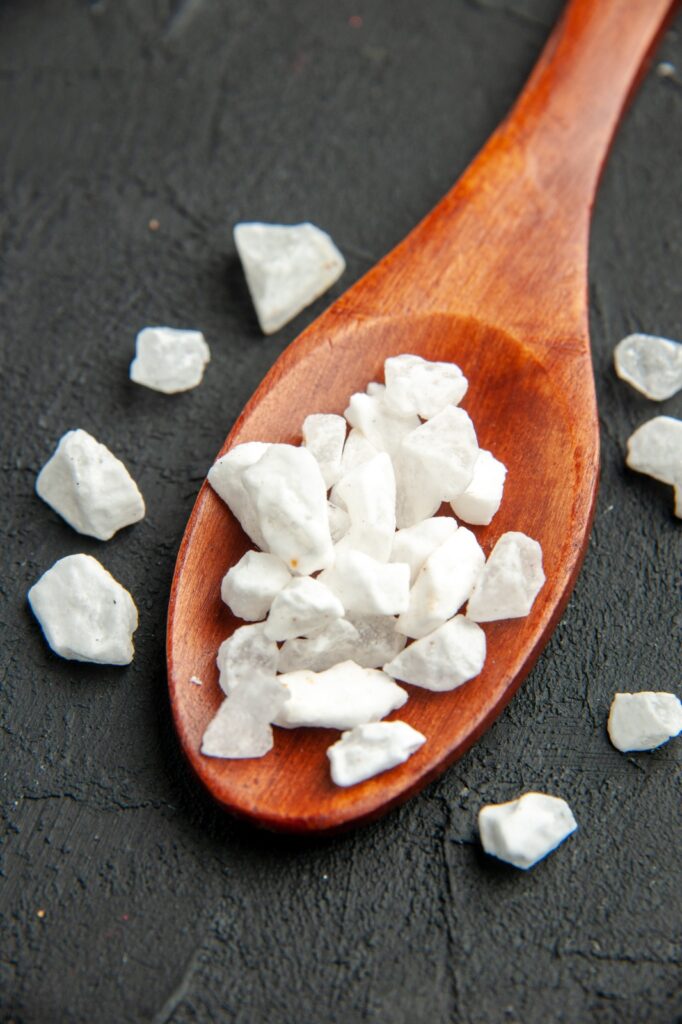
Calcium carbonates serve the same purpose as calcium citrate. It is a form of calcium supplement that is found in Caltrate. Calcium carbonate is the most concentrated form which is found in foods and medicines that help in fulfilling the scarcity of calcium content in the body. Other than keeping the heart, muscles, bones, and nerves in proper functioning, it also acts as an antacid to mitigate symptoms such as upset stomach, heartburn, and acid indigestion. In people with low serum calcium condition, calcium carbonate prevents or treats negative calcium balance in the blood. Calcium carbonate is available over the counter in the form of tablets, capsules, liquid, and chewing tablets. It is the most common type of calcium supplement that is available over the counter.
Beyond supplements, calcium carbonate is one of the most widely used industrial minerals — read more about calcium carbonate’s role across industries.
Other than acting as an antacid, calcium carbonate is also used in food additives, dietary supplements, phosphate binders, fillers in plastic, and tableting excipients. Calcium carbonate treats conditions such as:
-
- Osteoporosis and low calcium levels
-
- Heartburn and acid indigestion (as an antacid)
-
- Hyperphosphatemia (high blood phosphorus, common in kidney disease)
-
- CKD (chronic kidney disease)
Calcium Citrate vs Calcium Carbonate
The single most important difference is elemental calcium and how it’s absorbed. Calcium carbonate is 40% elemental calcium but needs stomach acid — so it must be taken with food. Calcium citrate is only 21% elemental calcium but absorbs with or without food and is gentler on digestion, which makes it the usual choice for older adults, people on acid-reducing medication, and anyone prone to constipation or bloating. The table below breaks down the rest.
| Calcium Citrate | Calcium carbonate |
| Calcium citrate treats hypocalcemia which is the condition of having a low calcium level in the body | Calcium carbonate besides treating hypocalcemia also treats hyperphosphatemia and heartburn. Hyperphosphatemia is the condition of having a high level of phosphorus in the body. |
| Calcium citrate contains 21% of calcium that is absorbed by the body (elemental calcium) which is why more amount of calcium citrate is needed to treat a problem | Calcium carbonate contains 40% of calcium that is absorbed by the body (elemental calcium) which denotes that a lesser amount of the compound can treat a problem effectively. |
| Not necessary to consume food. | Should be consumed with food when there is acid in the stomach |
| Not usually have side effects though some people can have slight problems with gas, nausea, and constipation. | More likely to cause gastrointestinal issues as a side effect which includes nausea, bloating, and constipation. |
| Does not need an acidic environment to absorb well which is why it is absorbed easily. | Needs a stomach with an acidic environment to absorb well |
| Causes less side effects | Causes more side effects, especially in adults with higher stomach acid |
| Tablets are bigger in size and more in number in order to fulfill the RDA. | A smaller number of tablets are contained in the bottle to fulfill the RDA. |
How to Choose the Right Supplement

While choosing a calcium supplement, one should check the amount of calcium in the supplement, the side effects, some calcium supplements may react negatively with certain diseases or health issues, the brand that is selling it, the affordability, the absorbing ability, and the form of supplement that is to be consumed.
Other than that a very important thing to look for before choosing a supplement is how much elemental calcium the supplement has. The elemental calcium of the supplement depends on the manufacturer and is supposed to be listed on the label or you can also look for the RDA or recommended daily allowance which is also mentioned on the label
Calcium Citrate or Calcium Carbonate — Quick Decision Guide
Choose calcium carbonate if: you have normal stomach acid, can take it with meals, want fewer/smaller pills (40% elemental calcium), and want the lowest cost. It doubles as an antacid. Choose calcium citrate if: you’re over 50, take proton-pump inhibitors or H2 blockers (which reduce stomach acid), have had bariatric surgery, get constipated or bloated from carbonate, or want to take calcium on an empty stomach. It absorbs regardless of food. Either way: keep single doses to 500 mg or less for best absorption, and pair with vitamin D.
Tips to Increase Benefits from Calcium Supplements
There are certain limitations on the consumption of calcium supplements and how much the body can absorb at once or the influence of certain medications and foods on the absorption. However, there are some tips that can increase the results from calcium supplements:
-
- Food: food in the stomach can affect the absorption process of calcium supplements. Thus, calcium citrate should be consumed on an empty stomach whereas calcium carbonate should be consumed with meals.
-
- Vitamin D: calcium supplements with vitamin D are absorbed best. Thus vitamin D should be consumed with calcium.
-
- Medication: check and inform the doctor if you are taking certain medications such as iron supplements, antibiotics, medicines for high blood pressure, etc as calcium can react with these medications and reduce their absorption. Thus avoid such medication interactions if you are planning to take calcium supplements.
Limit the dosage of calcium citrate or carbonate to 500mg at once as it will decrease the side effects and will allow effective absorption of calcium in the body. Extra calcium content may be needed by some people with medical conditions such as kidney stone, osteoporosis, and premenstrual symptoms which includes swelling, pain, and fatigue. In people with kidney stones, calcium supplements force you to eliminate more urinary citrate which results in restricting the kidney against the formation of more stones.
Conclusion
Both, calcium citrate or carbonate have the similarity of being a supplement of calcium. Other forms of calcium supplements include calcium lactate, calcium gluconate, sulfate, ascorbate, microcrystalline hydroxyapatite, and phosphate. Related citrate compounds like sodium citrate serve very different, mostly industrial and food roles — see our comparison of sodium citrate vs sodium chloride. Some calcium supplements have other minerals and vitamins combined with them which makes them full of nutrients.
Formulating or sourcing calcium supplements? Elchemy supplies pharmaceutical- and food-grade calcium carbonate and related calcium compounds in bulk, with COA, TDS and SDS documentation and USP/FCC grades on request. Tell us your grade and volume for a quote within 24 hours.
Request a Calcium Carbonate Quote
Frequently Asked Questions
Neither is universally better. Calcium carbonate is more concentrated (40% elemental calcium) and cheaper but must be taken with food. Calcium citrate (21% elemental calcium) absorbs with or without food, is gentler on digestion, and is preferred for older adults, people on acid-reducing medication, and anyone who gets constipation or bloating from carbonate.
Calcium citrate doesn’t need stomach acid to dissolve, so it absorbs consistently whether or not you’ve eaten. Calcium carbonate needs an acidic stomach environment, which is why it must be taken with meals and why it’s less reliable for people with low stomach acid or those on antacids and PPIs.
Yes — per pill. Calcium citrate is about 21% elemental calcium versus 40% for calcium carbonate, so you generally need more or larger citrate tablets to hit the same daily amount. The trade-off is better absorption and fewer digestive side effects.
For most people, calcium citrate does not increase kidney-stone risk and may actually help — citrate binds calcium in urine and can inhibit stone formation. Anyone with a history of kidney stones or kidney disease should confirm the right form and dose with their doctor.
Take calcium carbonate with a meal so stomach acid can help absorb it. Calcium citrate can be taken any time, with or without food. In both cases, split doses so you take no more than 500 mg of elemental calcium at once, and take it with vitamin D for best uptake.