

At a Glance
- Baking soda and caustic soda are NOT the same chemical
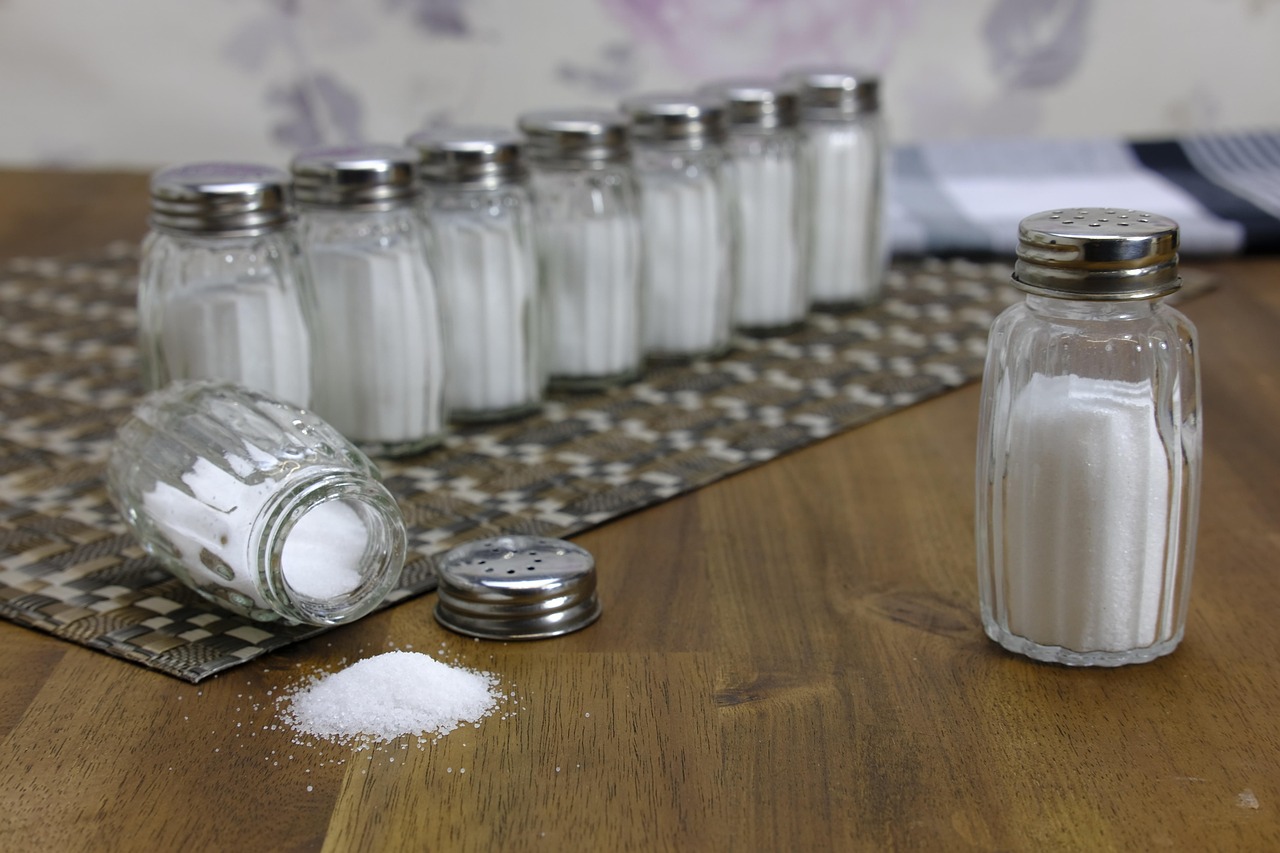
- Baking soda (sodium bicarbonate) is food-safe and mildly alkaline
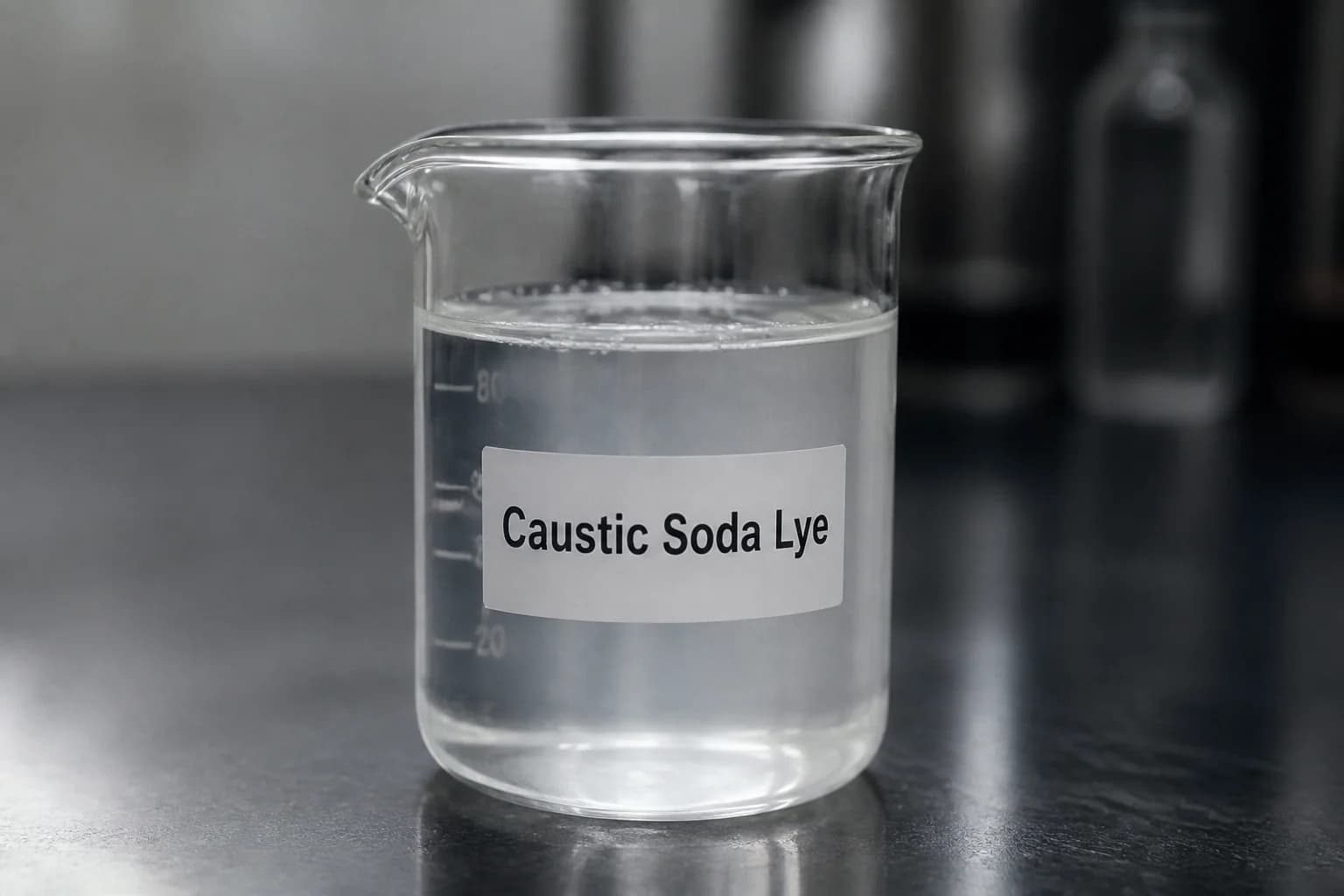
- Caustic soda (sodium hydroxide) is highly corrosive and dangerous
- Baking soda is safe for cooking, cleaning, and personal care
- Caustic soda is used for industrial cleaning, drain unclogging, and manufacturing
- Confusing the two can cause serious chemical burns or medical emergencies
- Proper labeling, storage, and awareness are essential for household safety
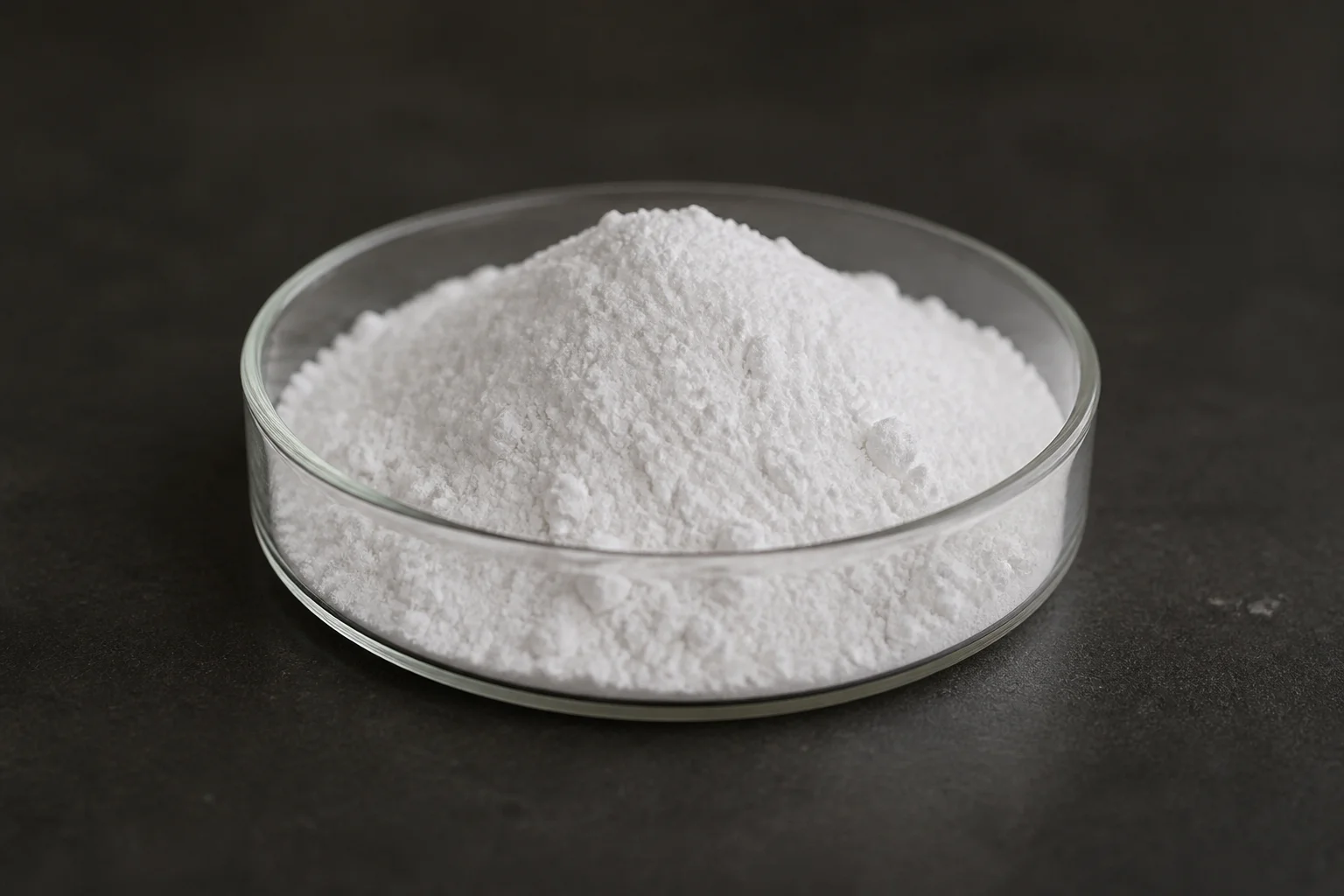
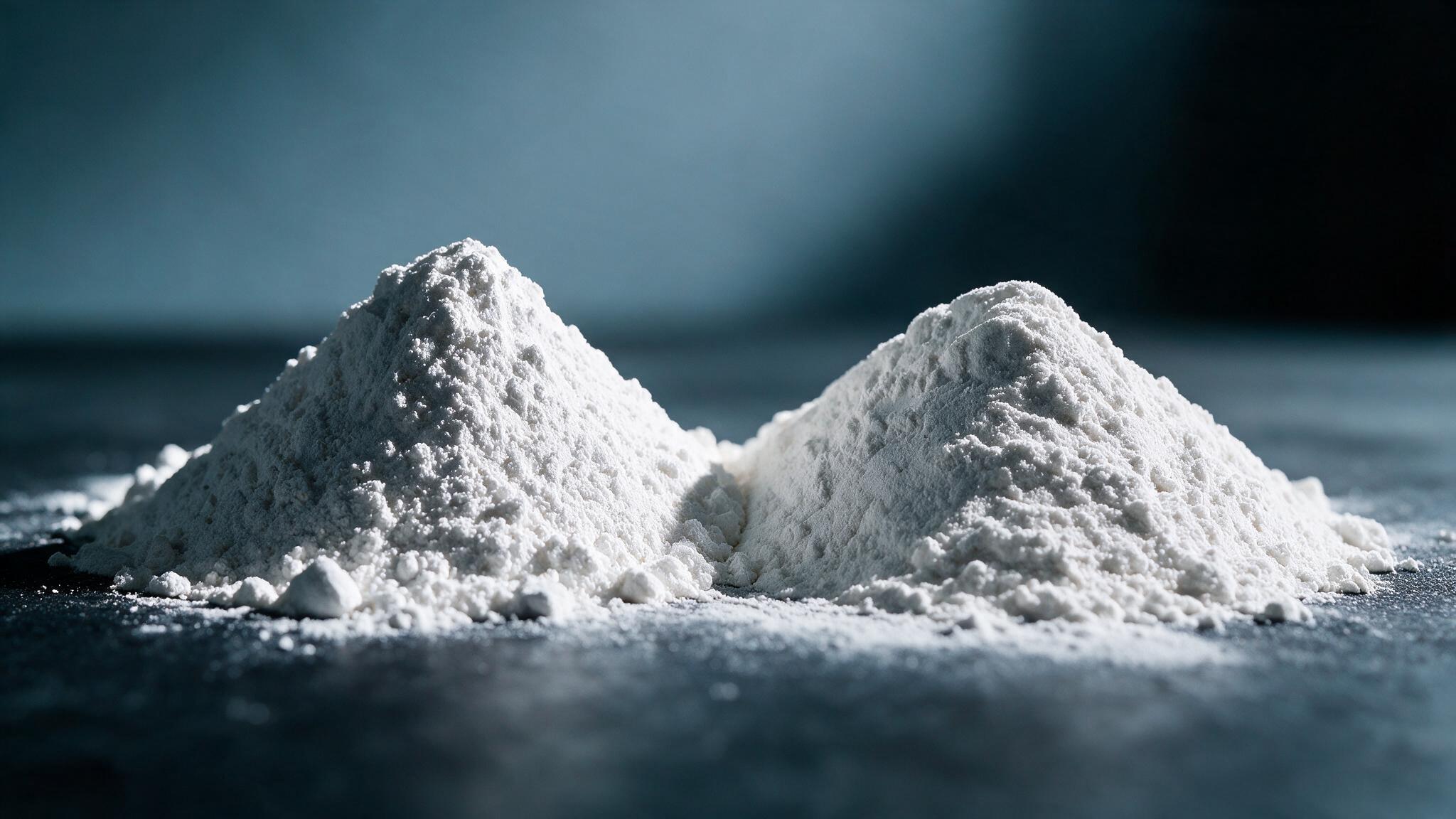
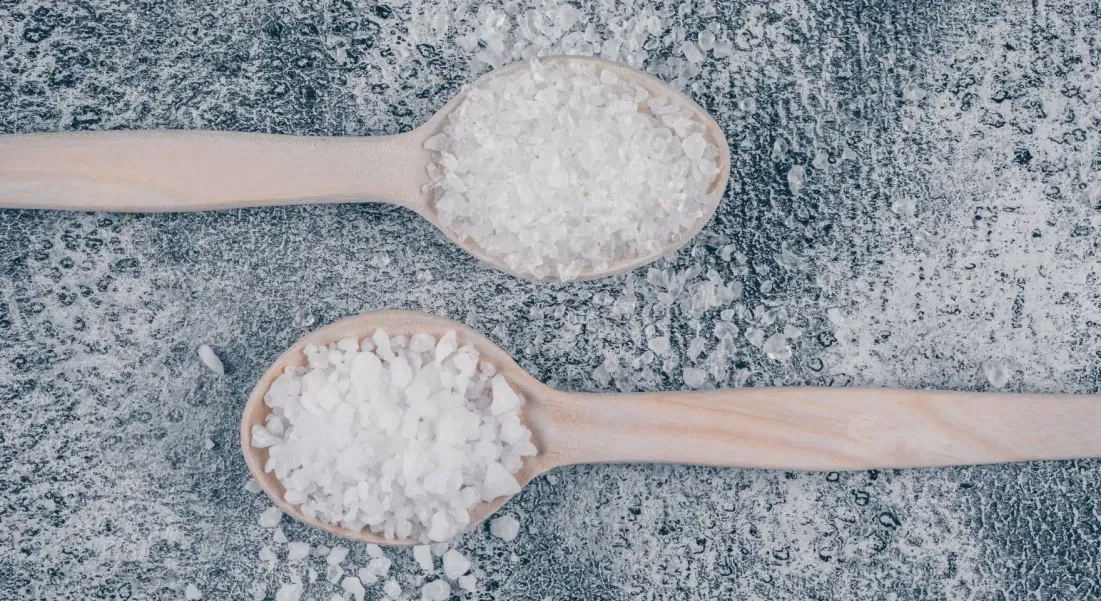
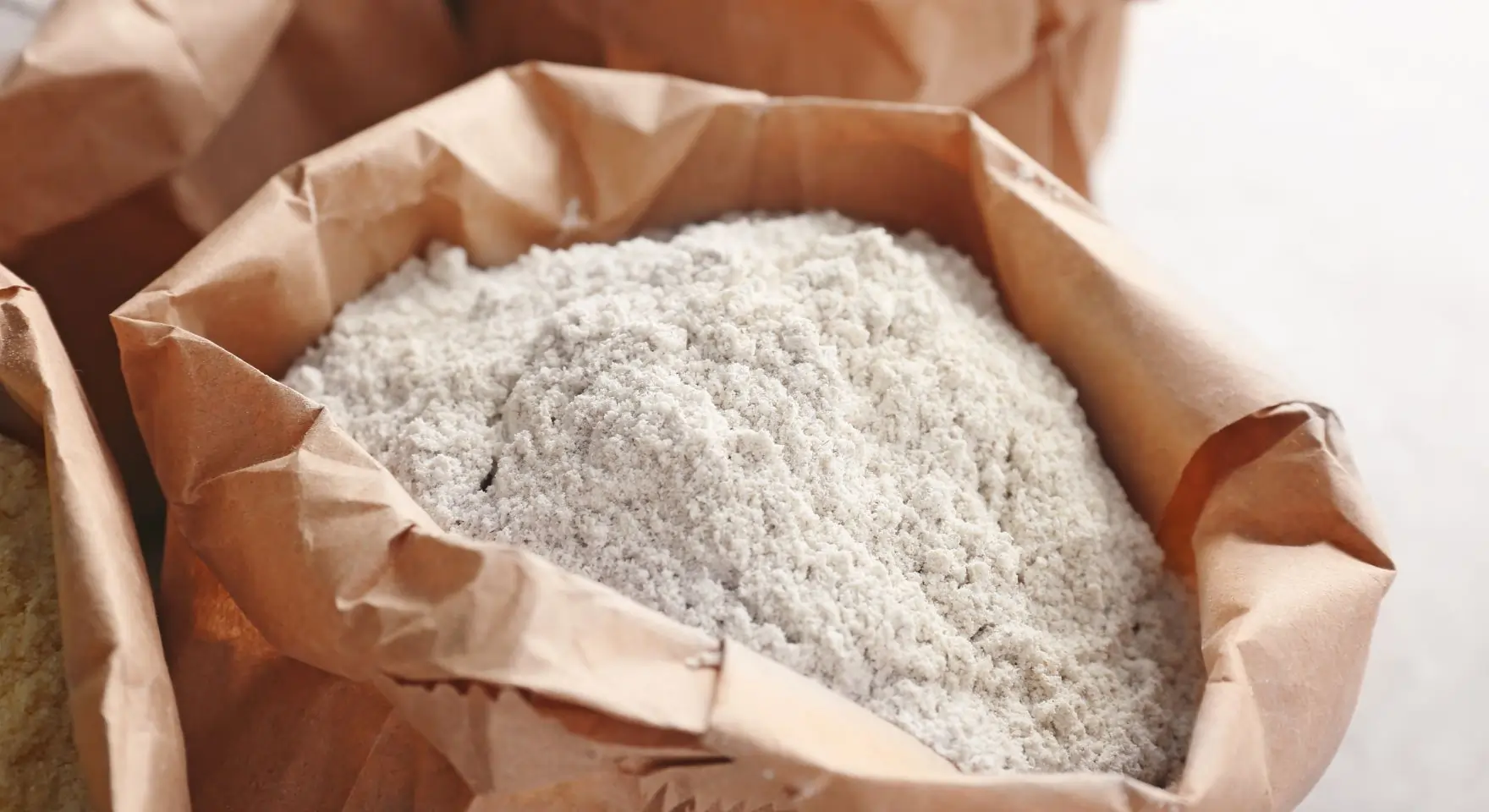
Look at these two products sitting on a store shelf. Both are white powders. Both have “soda” in their names. Both come in similar packaging. Now imagine grabbing the wrong one and using it in your kitchen. That mistake could send you to the emergency room with chemical burns.
This confusion happens more often than you’d think. Confusing caustic soda with baking soda can lead to a serious disaster, as this mistake essentially means using a highly corrosive chemical instead of a safe, edible compound. People reach for what they think is baking soda, add it to their cookie dough or use it to clean their teeth, and end up with a medical emergency instead of chocolate chip cookies.
So let’s clear this up once and for all. Is caustic soda and baking soda same? Absolutely not. Not even close. They’re completely different chemicals with completely different uses, and understanding why matters for your safety.
The Names Create Confusion
Part of the problem comes from how these chemicals got their names. In everyday language, both compounds include the term “soda.” In English, baking soda refers to sodium bicarbonate, while caustic soda refers to sodium hydroxide. This linguistic overlap can easily cause confusion.
The word “soda” historically referred to sodium compounds generally. Over time, different sodium compounds got different descriptive words attached. “Baking” soda because you bake with it. “Caustic” soda because it’s caustic (meaning it burns and corrodes). “Washing” soda for doing laundry. The common “soda” ending makes them sound related when chemically they’re totally different.
The Chemistry Behind Each One
Baking Soda: Sodium Bicarbonate (NaHCO₃)
Sodium bicarbonate – otherwise known as baking soda – has the chemical formula NaHCO₃. Look at that formula. It contains sodium (Na), hydrogen (H), carbon (C), and oxygen (O). When you dissolve it in water, it dissociates into sodium and bicarbonate ions when dissolved in water. Unlike hydroxyl ions, the bicarbonate ions do not readily accept protons, which makes baking soda non-caustic.
Baking soda has a gentle pH level of approximately 8.1. That’s barely alkaline. For reference, pure water sits at pH 7. Baking soda is only slightly more alkaline than water.
Caustic Soda: Sodium Hydroxide (NaOH)
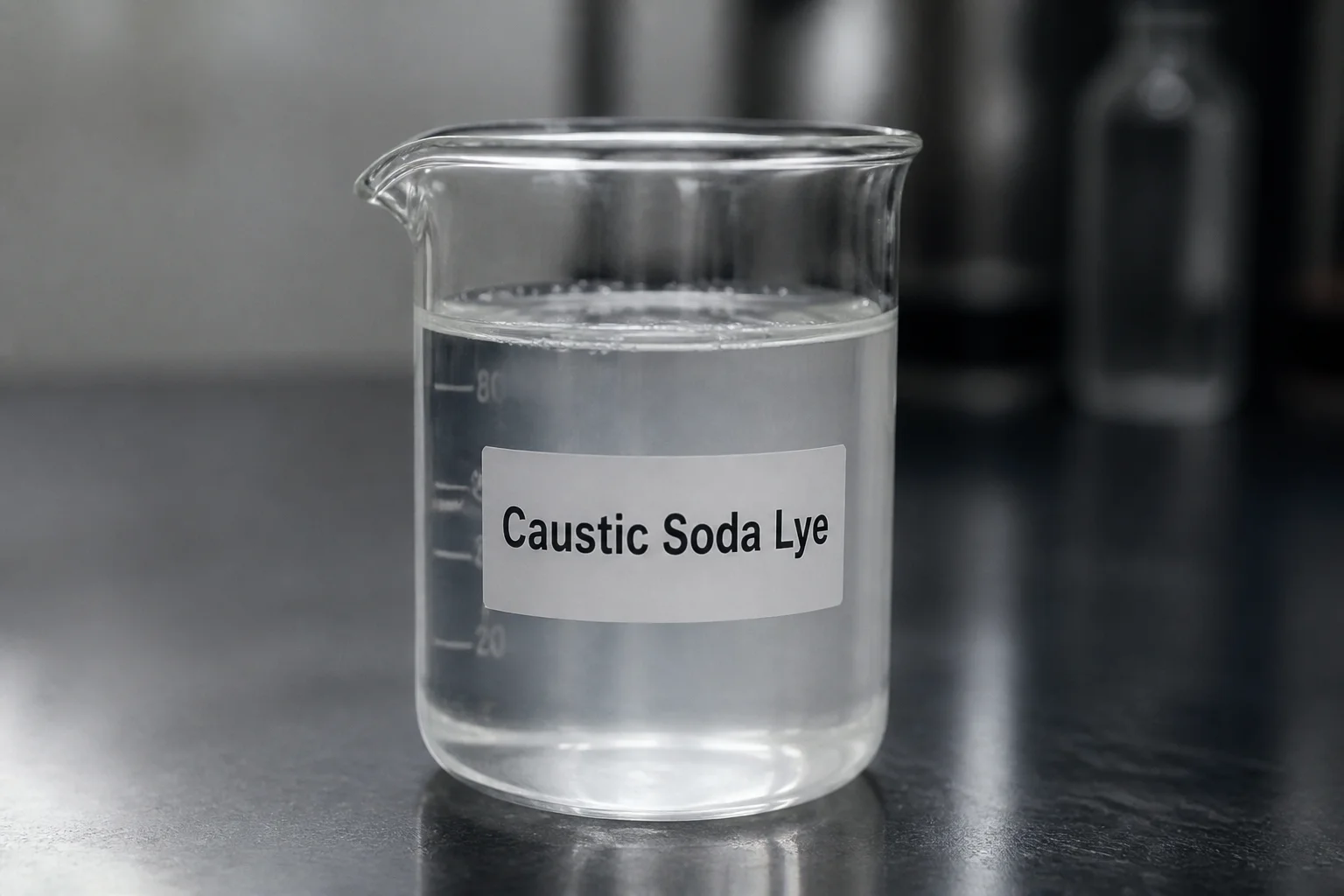
Meanwhile, caustic soda is also called sodium hydroxide and its chemical formula is NaOH. This formula contains just sodium (Na), oxygen (O), and hydrogen (H). It’s classified as a strong base because its molecules completely dissociate into anions and cations when dissolved in water.
In stark contrast, caustic soda is a powerful base with a much higher pH, making it capable of causing severe chemical burns on contact. We’re talking about pH levels around 13-14. That’s incredibly alkaline. At that pH level, it literally dissolves organic tissue.
The Difference Between Caustic Soda and Baking Soda: A Clear Comparison
Let me break down the key differences in ways that matter practically:
Safety and Toxicity
Crucially, baking soda is non-toxic while caustic soda is toxic. You can eat baking soda. People do it all the time in baked goods. Baking soda, or sodium bicarbonate (NaHCO₃), is non-toxic, environmentally friendly, and safe for use with both humans and animals.
Caustic soda? Completely different story. Caustic soda (sodium hydroxide) is a highly dangerous and corrosive substance. Contact with skin or eyes can cause severe chemical burns, and inhalation or ingestion may lead to serious health complications or even death. Caustic soda if swallowed can cause harm to the tongue, stomach, mouth and esophagus.
What Happens When You Touch It
With baking soda, you can handle it with your bare hands. Mix it into paste, use it as toothpaste, sprinkle it around your home. It’s completely safe for direct skin contact. It can safely come into contact with the skin and is even used in personal care products such as toothpaste and deodorants.
Caustic soda requires serious protective equipment. Handling this chemical requires strict safety measures, including gloves, goggles, and protective clothing. Even brief skin contact causes chemical burns. It doesn’t just irritate. It actually dissolves your skin tissue.
What They’re Used For
Culinary Uses: Baking soda is a leavening agent that releases carbon dioxide when combined with an acid, helping dough and batter rise. Cleaning Agent: Its mild abrasiveness and deodorizing properties make it ideal for cleaning surfaces and neutralizing odors. Health and Hygiene: Used as an antacid to relieve heartburn and as an ingredient in toothpaste to clean and whiten teeth.
You use baking soda in your kitchen, on your body, around your kids, near your pets. It’s that safe.
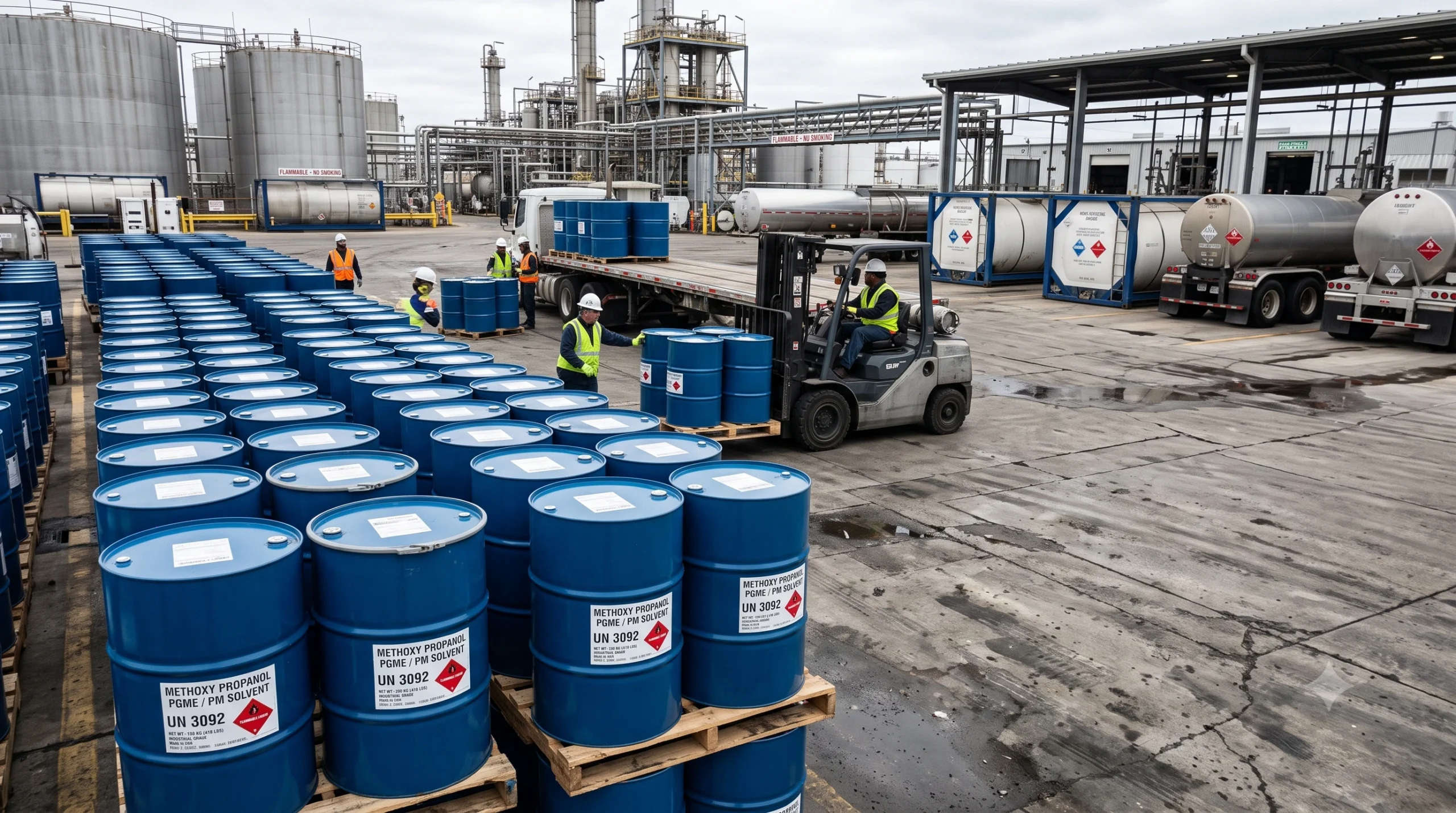
Caustic soda has no place in your home unless you’re doing serious drain cleaning or soap making. Sodium hydroxide is used in industrial cleaning, soap manufacturing, paper production, and water treatment. These are heavy-duty industrial applications. It can dissolve organic materials and living tissue, causing serious injuries.
How They React
Sodium bicarbonate reacts with acids to produce carbon dioxide gas, which is beneficial in baking. That’s why recipes combine baking soda with acidic ingredients like buttermilk, vinegar, or lemon juice. The reaction creates those bubbles that make cakes rise.
Sodium hydroxide interacts with water and acids to generate a lot of heat. This isn’t a gentle fizzing. It’s a violent exothermic reaction that can cause boiling, spattering, and burns. Professional chemists add caustic soda to water very carefully, never the reverse.
Storage Requirements
Baking soda? Keep it in your pantry. Room temperature. No special precautions needed beyond keeping it dry. It’s stable and safe sitting next to your flour and sugar.
Both are required to be used in a well-ventilated area and are to be stored in a cool and dry place away from acids and moisture technically, but the stakes are completely different. Improperly stored baking soda just loses effectiveness. Improperly stored caustic soda can cause serious accidents.
Caustic Soda vs Baking Soda: Full Comparison Table
|
Property |
Caustic Soda (Sodium Hydroxide) |
Baking Soda (Sodium Bicarbonate) |
|
Chemical Formula |
NaOH |
NaHCO₃ |
|
Common Names |
Lye, caustic soda, sodium hydroxide |
Baking soda, bicarbonate of soda, bread soda |
|
pH in Solution |
13–14 (extremely alkaline) |
~8.1 (mildly alkaline) |
|
Physical Form |
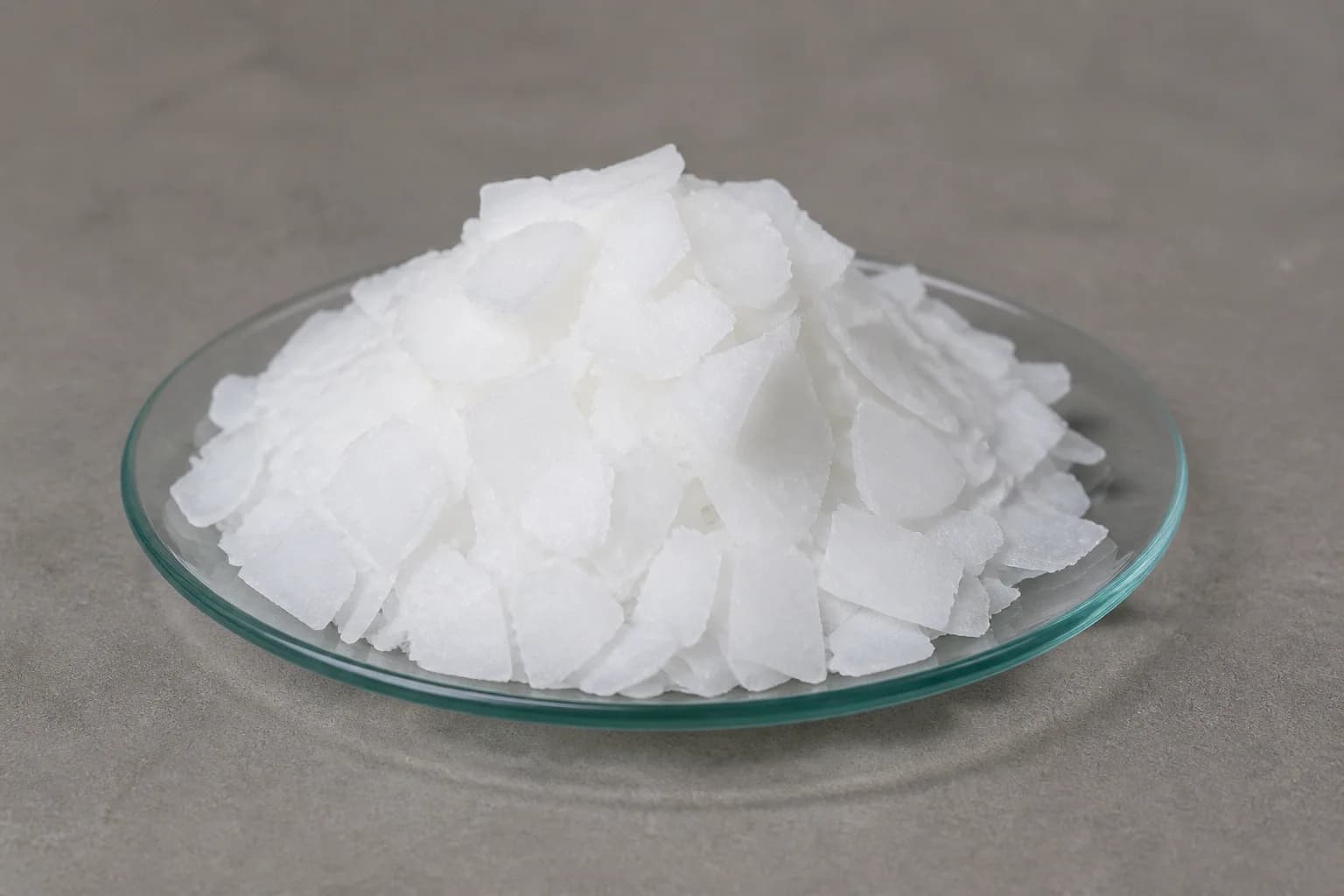
White pellets, flakes, or powder |
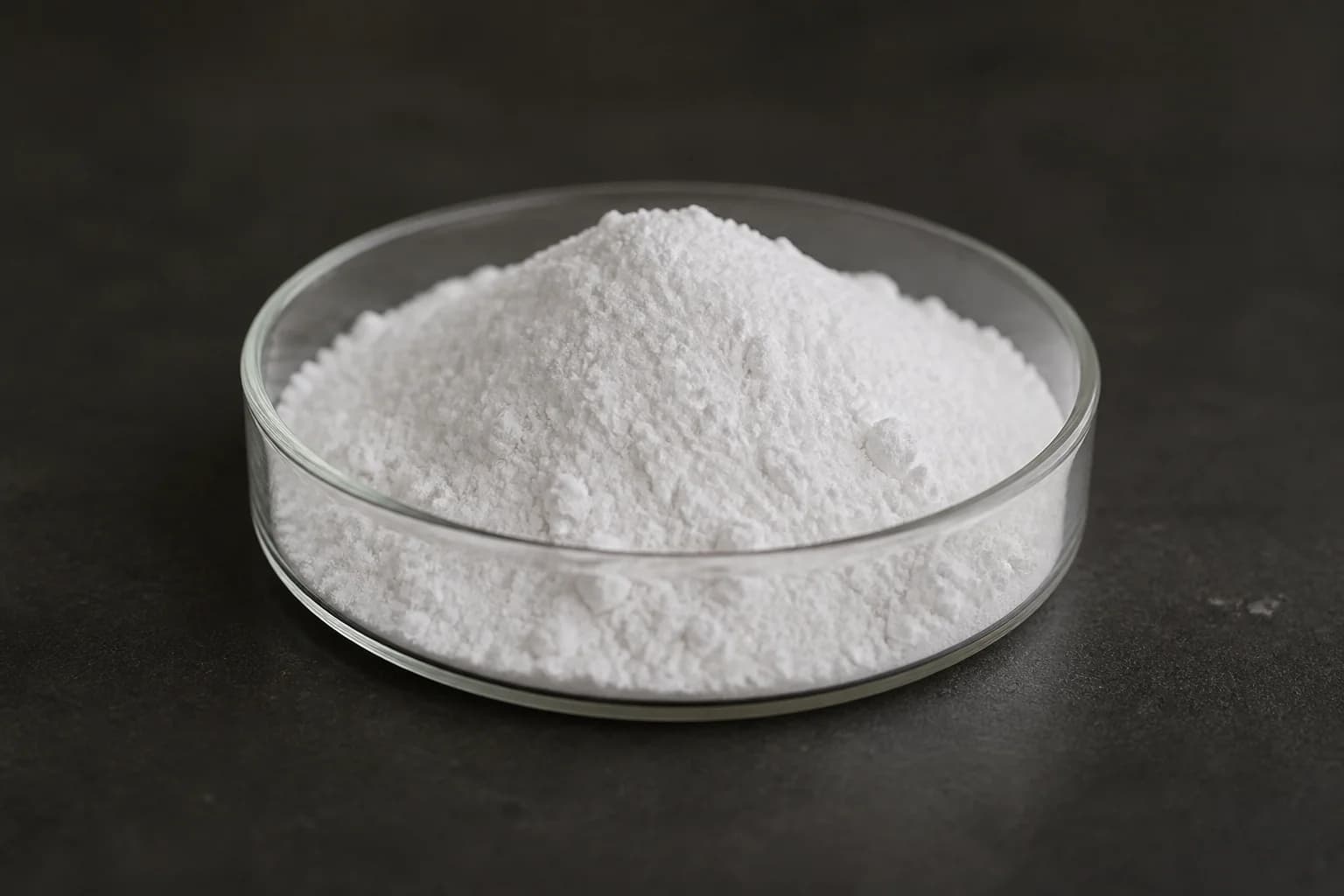
Fine white powder |
|
Odour |
Odourless |
Odourless |
|
Solubility in Water |
Highly soluble; exothermic (generates heat) |
Soluble; no heat generated |
|
Safety Classification |
Corrosive; GHS Category 1 skin/eye hazard |
GRAS (Generally Recognised as Safe) by FDA |
|
Food Safe? |
No never for household food use |
Yes food-grade, widely used in baking |
|
Primary Household Use |
Drain unclogging, industrial cleaning, soap making |
Baking leavener, mild cleaning, deodorising |
|
Industrial Use |
Paper production, textile processing, water treatment, chemical manufacturing |
Food processing, pharmaceuticals, fire suppression |
|
Skin Contact |
Causes severe chemical burns |
Safe; mild irritant only at high concentrations |
|
Ingestion |
Medical emergency causes internal burns |
Safe in food quantities |
|
Storage Requirements |
Sealed airtight container; away from food, acids, and moisture |
Cool, dry place; standard household storage |
|
PPE Required |
Gloves, goggles, and chemical-resistant apron |
None for normal use |
|
Available From |
Industrial chemical suppliers (e.g., Elchemy) |
Supermarkets, grocery stores |
The most important column to absorb is pH. Baking soda sits at 8.1 barely alkaline, safe enough to eat. Caustic soda sits at 13–14, which places it in the same corrosiveness range as battery acid on the opposite end of the scale. This pH gap explains why one ends up in your muffin batter and the other in industrial drain cleaners. The chemical formula difference reinforces this: NaHCO₃ contains a bicarbonate group that resists proton exchange, making it non-caustic. NaOH releases hydroxide ions instantly on contact with water, generating significant heat and extreme alkalinity. These are not interchangeable substances by any measure.
Real-World Scenarios Where Confusion Happens
Drain Cleaning Confusion
Some people know that caustic soda unclogs drains. They hear “use soda to clear drains” and think “I have baking soda, that should work.” Baking soda does help maintain drains when used regularly with vinegar, but it won’t clear serious clogs like caustic soda does. The confusion goes both ways though. Someone might grab caustic soda thinking it’s the gentle baking soda they use for cleaning, leading to serious injuries.
Cleaning Product Mix-Ups
Both can be used for cleaning, which adds confusion. But the cleaning applications are completely different. Baking soda offers gentle abrasive cleaning, safe for most surfaces including your body. Caustic soda is for industrial-strength cleaning that would damage skin, eyes, and many household surfaces.
International Terminology
Different countries use different terms. In some places, people call washing soda (sodium carbonate) just “soda,” adding another compound to the confusion. Clear labeling becomes critical, especially in homes with multiple people or where language barriers exist.
How to Tell Caustic Soda and Baking Soda Apart Before You Use Them
Because both substances are white, odourless powders, visual inspection alone is unreliable. Here are practical, safe identification methods:
Check the label first. This sounds obvious, but caustic soda (sodium hydroxide) is legally required to display hazard warnings, GHS corrosive pictograms, “DANGER” signal words, and first-aid instructions on any compliant packaging. Baking soda packaging carries no such warnings.
Test the container temperature. Add a small amount to water in a heat-safe glass. Caustic soda dissolves exothermically and the solution will become noticeably warm to hot within seconds. Baking soda dissolves at room temperature with no heat generation.
Look at the context of purchase. Baking soda is sold in grocery and baking aisles. Caustic soda is sold in hardware stores, industrial suppliers, and drain-cleaning sections. If you bought it near the plumbing supplies, it is not baking soda.
Never taste-test unknown white powders. Even a small amount of caustic soda on the tongue causes immediate chemical burns to the mouth, throat, and oesophagus.
When in doubt, treat any unlabelled white powder as hazardous until confirmed otherwise.
An Important Safety Note About Heated Baking Soda
Here’s something that surprises many people. Heating baking soda turns it into washing soda (sodium carbonate), a more corrosive substance that should not be handled with bare hands.
The process is a simple chemical decomposition reaction: 1. You start with baking soda, which is sodium bicarbonate (NaHCO₃). 2. You apply heat by baking it in an oven. 3. The heat breaks it down, releasing carbon dioxide (CO₂) gas and water (H₂O), leaving behind washing soda, or sodium carbonate (Na₂CO₃).
This washing soda sits between baking soda and caustic soda in terms of alkalinity and corrosiveness. It’s more caustic than baking soda but nowhere near as dangerous as sodium hydroxide. Still, be very careful with that stuff. It’s very corrosive and it can dissolve your skin on touch.
What to Do If You’re Exposed to Caustic Soda: First Aid Steps
Accidental caustic soda exposure requires immediate action. The following steps apply whether contact involves skin, eyes, or ingestion but they are not a substitute for emergency medical care.
Skin contact: Remove contaminated clothing immediately. Flush the affected area with large amounts of cool running water for a minimum of 20 minutes. Do not use neutralising agents (including baking soda paste) as a first response they can generate additional heat and worsen the burn. Seek medical attention after flushing.
Eye contact: This is a medical emergency. Flush eyes with clean water or saline continuously for 20–30 minutes, holding eyelids open. Call emergency services or go to an emergency room immediately. Sodium hydroxide can cause permanent blindness within minutes of eye contact.
Ingestion: Do not induce vomiting. Caustic soda burns on the way down and will burn again coming up. Rinse the mouth with water, drink small sips of water or milk to dilute if the patient is conscious and not in respiratory distress, and call Poison Control or emergency services immediately.
Inhalation of fumes/dust: Move to fresh air. If breathing is difficult, call emergency services.
What About Using Baking Soda to Neutralize Caustic Soda?
This question comes up in emergency situations. Can you use baking soda to neutralize a caustic soda spill?
The question of whether baking soda can neutralize sodium hydroxide arises due to their contrasting chemical properties—baking soda is a mild base, whereas sodium hydroxide is a highly caustic strong base.
Technically, baking soda reacts with sodium hydroxide in a double displacement reaction, producing sodium carbonate (Na₂CO₃) and water (H₂O). While this reaction can reduce the concentration of sodium hydroxide, it does not completely neutralize its strong alkaline properties.
The practical answer? Don’t rely on this method unless you know exactly what you’re doing. The reaction generates heat and requires precise measurements. For household caustic soda spills, dilute with large amounts of water and call for professional help. The chemistry works in theory but requires expertise to execute safely.
How to Prevent Dangerous Mix-Ups
Label Everything Clearly
Don’t trust that you’ll remember which container holds what. Both are required to be used in a well-ventilated area and are to be stored in a cool and dry place away from acids and moisture. Label them prominently with both the common name and chemical name. Use warning labels on caustic soda containers.
Store Separately
Keep household-safe products like baking soda in your kitchen. Keep industrial chemicals like caustic soda in a locked garage or shed away from living areas. Physical separation prevents accidental grabbing the wrong container.
|
Situation |
Safe to Use |
Never Use |
|
Baking and cooking |
Baking soda (NaHCO₃) |
Caustic soda (NaOH) |
|
Unclogging a blocked drain |
Caustic soda (NaOH) products |
Baking soda alone (ineffective) |
|
Teeth whitening / oral care |
Baking soda (NaHCO₃) |
Caustic soda (NaOH) |
|
Deodorising the refrigerator |
Baking soda (NaHCO₃) |
Caustic soda (NaOH) |
|
Cold-process soap making |
Caustic soda (NaOH) |
Baking soda (NaHCO₃) |
|
Carpet deodoriser |
Baking soda (NaHCO₃) |
Caustic soda (NaOH) |
|
Industrial grease removal |
Caustic soda (NaOH) |
Baking soda (NaHCO₃) |
Educate Family Members
Education and public awareness about the differences between these two substances are essential for safety and health protection. Make sure everyone in your household understands which products are safe and which are dangerous. This matters especially in homes with children, elderly family members, or anyone unfamiliar with chemical safety.
Buy What You Actually Need
Most households genuinely don’t need caustic soda. The few applications where it works (serious drain blockages, soap making from scratch) have safer alternatives. Baking soda handles 99% of household cleaning needs without any risk of chemical burns.
Common Products That Contain Caustic Soda
One reason caustic soda accidents happen at home is that consumers do not recognise it under its commercial names. Sodium hydroxide (NaOH) appears in a surprising number of everyday products:
Drain cleaners: Crystal and liquid drain cleaners including many hardware-store brands rely on sodium hydroxide as their active agent. The strong alkalinity breaks down hair, grease, and organic matter. This is also why you should never mix drain cleaner with other household chemicals.
Oven cleaners: Many spray oven cleaners use caustic soda to dissolve baked-on grease. This is why the instructions always say to ventilate the kitchen and wear gloves.
Lye for soap making: Cold-process soap makers use food-grade sodium hydroxide (lye) to saponify oils. This is a legitimate use, but it requires careful handling, precise measurement, and dedicated equipment never used for food.
Biodiesel production: Small-scale biodiesel producers use NaOH as a catalyst in the transesterification process.
Food processing (industrial only): Caustic soda is used industrially to cure olives and process pretzels (the lye dip gives them their characteristic crust), but this is done in controlled, food-grade environments never at the consumer level.
If any of these products are in your home, store them in clearly labelled, locked cabinets away from baking and cooking supplies
Sourcing Industrial Chemicals Safely
For businesses requiring sodium hydroxide for manufacturing, industrial cleaning, or chemical processing, partnering with suppliers who provide proper documentation, safety information, and quality assurance protects both workers and operations. Elchemy’s technology-driven platform connects industrial facilities with verified chemical suppliers meeting safety and quality specifications.
Founded by engineers from IIT Bombay, IIT Delhi, and IIM Ahmedabad, Elchemy transforms chemical distribution through customer-centric technology. Whether you need food-grade sodium bicarbonate for food manufacturing or industrial-grade caustic soda for processing applications, our platform provides transparent sourcing from vetted Indian and global suppliers, complete with safety data sheets, handling guidelines, and technical support.
FAQ
Q1: Is caustic soda the same as baking soda?
No. Caustic soda is sodium hydroxide (NaOH), a highly corrosive industrial chemical with a pH of 13–14. Baking soda is sodium bicarbonate (NaHCO₃), a food-safe compound with a gentle pH of approximately 8.1. They share the word “soda” because both are sodium compounds, but they have completely different chemical structures, properties, and uses. Substituting one for the other especially in food can cause severe chemical burns or a medical emergency.
Q2: Can baking soda be used instead of caustic soda for cleaning drains?
Not effectively. Baking soda is a mild alkali and does not have the corrosive strength to dissolve the hair, grease, and organic matter that blocks most drains. The popular baking soda and vinegar drain trick produces CO₂ fizzing but minimal cleaning action. Caustic soda-based drain cleaners work because NaOH generates intense heat on contact with water and rapidly breaks down organic material. They are not interchangeable for this purpose.
Q3: What happens if you accidentally eat or ingest caustic soda?
Ingesting caustic soda is a medical emergency. Sodium hydroxide immediately burns the mouth, throat, oesophagus, and stomach on contact. Symptoms include intense pain, drooling, inability to swallow, vomiting (which worsens damage), and potential airway obstruction. Do not induce vomiting. Rinse the mouth, give small sips of water or milk if the person is conscious, and call Poison Control or emergency services immediately. Delayed treatment can result in permanent internal scarring or be fatal.
Q4: Can baking soda neutralise caustic soda if I accidentally use it?
Yes baking soda can chemically neutralise small caustic soda spills on surfaces because it is a mild acid relative to NaOH. However, this should never be your first response to skin or eye exposure. For body contact, flood the area with large amounts of water for 20+ minutes first. Neutralising agents applied to skin can generate heat and worsen the burn. For surface cleanup of small spills, sprinkling baking soda after initial dilution with water is a reasonable precaution before disposal.
Q5: What is the pH of caustic soda compared to baking soda?
Baking soda (sodium bicarbonate) dissolved in water produces a solution with a pH of approximately 8.1 just barely above the neutral point of 7. Caustic soda (sodium hydroxide) produces solutions with a pH of 13 to 14, which is close to the theoretical maximum of the pH scale. To contextualise this: each unit on the pH scale represents a tenfold difference in alkalinity. That means a caustic soda solution is roughly 100,000 times more alkaline than a baking soda solution.
Q6: How do I safely store caustic soda at home?
Store caustic soda in its original, sealed, airtight container NaOH absorbs moisture and CO₂ from the air and will degrade if left open. Keep it in a locked cabinet, away from acids, oxidisers, food, and children. Store it in a cool, dry, well-ventilated area away from metal containers, as caustic soda reacts with some metals to produce hydrogen gas. Never store it near or alongside baking supplies or food-grade products. Label the storage location clearly with hazard warnings.
Q7: Is lye the same as caustic soda?
Yes. Lye is simply a common informal name for sodium hydroxide (NaOH), the same chemical as caustic soda. Historically, lye referred to any strongly alkaline solution, but in modern usage particularly in soap making and food contexts lye specifically means NaOH. Potassium hydroxide (KOH) is sometimes called potassium lye or soft lye. If a soap-making recipe calls for lye, it means caustic soda. It is not baking soda and is not food-safe in its raw form.
Q8: Why do some foods like pretzels use lye (caustic soda) in processing?
The characteristic shiny, deep-brown crust and distinctive chewy texture of traditional German pretzels comes from briefly dipping the dough in a dilute food-grade lye solution (typically 3–4% NaOH) before baking. The alkaline surface accelerates the Maillard reaction at lower temperatures, creating the unique colour and flavour. The high heat of baking neutralises the caustic soda before consumption. This process is strictly controlled in commercial food manufacturing and is completely different from household use. Never attempt to replicate a lye dip at home without proper training and safety equipment.
The Bottom Line
Caustic soda and baking soda are not interchangeable. They’re not variations of the same thing. They’re fundamentally different chemicals that happen to share one word in their common names. One you can eat, sprinkle on your toothbrush, and hand to a child. The other can blind you, burn through your skin, and requires protective equipment to handle safely.
The confusion between them isn’t just a trivial mistake. It has real consequences. People have suffered serious injuries by using caustic soda thinking it was baking soda. Others have tried using baking soda for industrial applications where they needed caustic soda, wasting time and money when it doesn’t work.
Understanding the difference between caustic soda and baking soda comes down to this: baking soda belongs in homes. Caustic soda belongs in industrial settings with trained personnel and proper safety equipment. Keep them separate. Label them clearly. Treat caustic soda with the respect a corrosive chemical deserves. And if you’re ever unsure which one you’re holding, don’t use it until you’re absolutely certain.