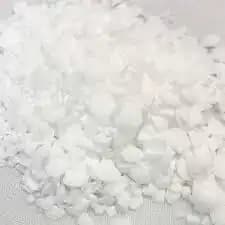
Glyceryl Monostearate
ELVISCTM – GSM

Get Pricing for This Product
Need pricing? Request a quote for this product and we'll get back to you shortly.
 Free Samples Available
Speed Up Your Sample Testing Process
We deliver domestic samples within 24 - 48 hours, helping you evaluate product without delays.
Used as an emulsifier in cosmetic, pharmaceutical, and food products.
CAS Number
31566-31-1
HS Code
2915.70.30.00
INCI Name
Glycerol Monostearate (GMS)
Molecular Formula
C₂₁H₄₂O₄
Glyceryl Monostearate
ELVISCTM – GSM
Used as an emulsifier in cosmetic, pharmaceutical, and food products.
CAS Number
31566-31-1
INCI Name
Glycerol Monostearate (GMS)
HS Code
2915.70.30.00
Molecular Formula
C₂₁H₄₂O₄
Get Pricing for This Product
Need pricing? Request a quote for this product and we'll get back to you shortly.
Free Samples AvailableSpeed Up Your Sample Testing Process
We deliver domestic samples within 24 - 48 hours, helping you evaluate product without delays.
 By
By
Specialty chemicals, delivered right
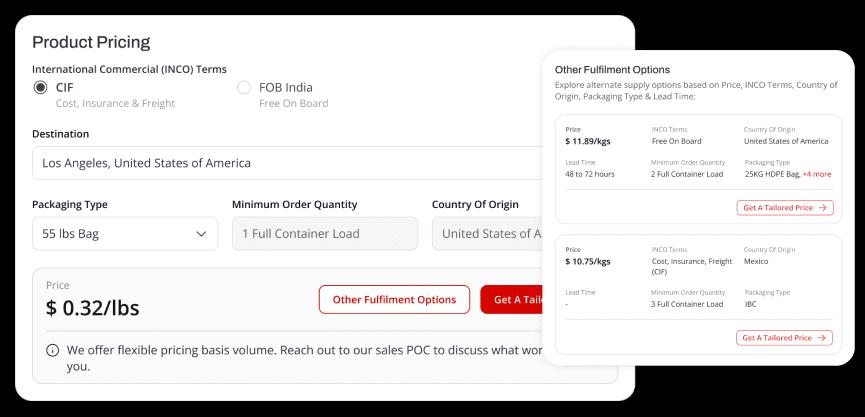
Access live, grade-specific pricing for every chemical, so your teams talks with data, not intuition on Elixir.
Compare fulfilment options across grades, INCO terms, origins, and lead times: all in one platform.

Live, transparent pricing
Real-time quotes across 12,000+ specialty chemicals.
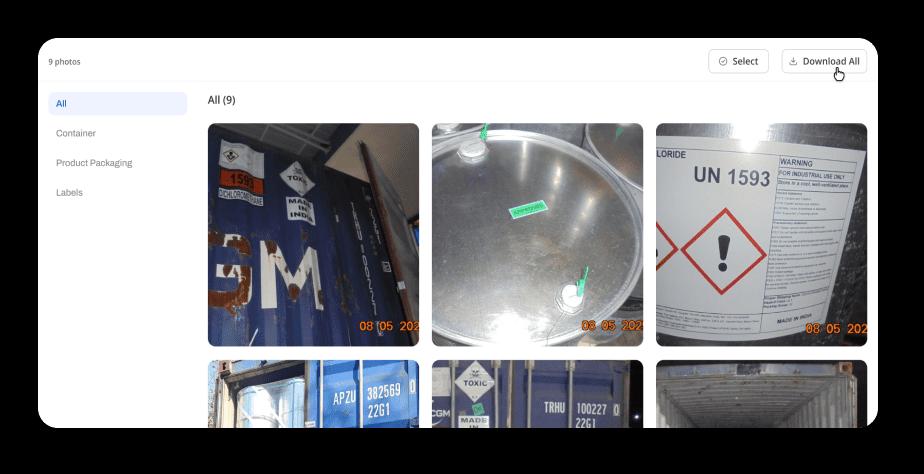
Product Specification
Physical Properties
| Property | Specification |
|---|---|
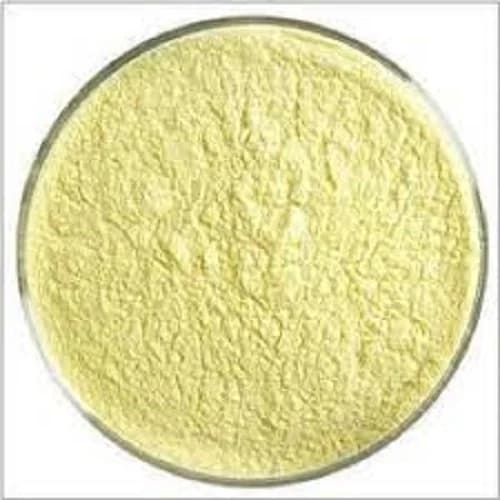
| Appearance | White to pale yellow wax-like solid |
| Odor | Faint odor |
| Molecular Weight (G/Mol) | 358.6 |
| Density Or Specific Gravity | 0.97 |
| Refractive Index | 1.4400 (estimate) |
| Density | 0.97 |
Thermal Properties
| Property | Specification |
|---|---|
| Melting Point | 78-81 °C |
| Boiling Point | 410.96°C (rough estimate) |
Processing Methods & Reference Formulations
A. Cosmetic cream
Incorporate GMS into the oil phase and heat to fully melt and disperse it. This ensures proper emulsification and consistency in the final product. For more stable emulsions, pair GMS with co-emulsifiers like stearyl alcohol, stearic acid, or PEG derivatives to improve emulsion stability and skin feel.
| Key Ingredients | Indicative Dosage (% w/w) |
|---|---|
| White Vaseline | 30% |
| Stearyl Alcohol | 10% |
| Sodium Lauryl Sulfate | 1% |
| Glycerol Monostearate | 2% |
| Propylene Glycol | 10% |
| Methyl Paraben | 0.2% |
| Citric Acid | 0.04% |
| Hydrocortisone butyrate propionate | 0.1% |
| Purified Water | Balance (~46.66%) |
B. Cosmetic sunscreen cream
Include GMS in the oil phase and heat to around 70–75°C during emulsification. Ensure it is fully melted before combining with the aqueous phase to form a stable emulsion.
| Key Ingredients | Indicative Dosage (% w/w) |
|---|---|
| Benzophenone-3 | 10% |
| Ethylhexyl Methoxycinnamate | 5% |
| Titanium Dioxide | 5% |
| Cetearyl Alcohol | 3.5% |
| Glycerol Monostearate | 3.5% |
| Ceteareth-25 | 1% |
| Isopropyl Palmitate | 1.5% |
| Caprylic/Capric Triglyceride | 1.5% |
| Polyethylene Glycol (PEG-40) | 1% |
| Ethyl Paraben | 0.5% |
| Deionized Water | 67.5% |
C. Hair conditioners
Incorporate GMS into the oil phase and heat to around 70–75°C to ensure it melts completely and blends uniformly during emulsification. Use alongside cationic surfactants and fatty alcohols to boost conditioning, slip, and detangling performance.
| Key Ingredients | Indicative Dosage (% w/w) |
|---|---|
| Sodium-DL-2-pyrrolidone-5-carboxylate (50% soln) | 5% |
| Glycerin | 5% |
| Protein (e.g. hydrolyzed) | 2.5% |
| Cetrimonium Chloride | 4.3% |
| Glycerol Monostearate | 1% |
| Promulgen D | 1% |
| Mineral Oil | 2% |
| Isopropyl Myristate | 2% |
| Cetyl Alcohol | 3.5% |
| Ethylene Glycol Monostearate | 2% |
| Perfume | 0.4% |
| Preservative | 0.2% |
| Water (to 100%) | ~71.1% |
D. Lip Balm
Add GMS to the oil phase (with waxes, butters, and oils) and heat until fully melted and uniform before pouring into molds or containers. GMS adds a silky finish and forms a light protective barrier, improving moisture retention and overall lip feel without making the balm waxy or heavy.
| Key Ingredients | Indicative Dosage (% w/w) |
|---|---|
| Vitamin A | 1.0% |
| Hydrocortisone acetate | 0.05% |
| Ethanol | 2.0% |
| Glycerol | 10.0% |
| Mannitol | 3.0% |
| Propylene glycol | 3.0% |
| Carbomer 934 | 0.3% |
| Potassium hydroxide | 0.1% |
| Methyl paraben | 0.1% |
| Cetanol | 2.5% |
| Vaseline (petrolatum) | 2.0% |
| Squalane | 10.0% |
| Isopropyl myristate | 5.0% |
| Glycerol Monostearate | 2.0% |
| POE-25 cetyl ether | 2.0% |
| Purified water | Balance (~57.95%) |
Dosing Guidelines
A. Dosing by Application
| Products | Authorized dosage % |
|---|---|
| Cosmetics (Creams, Lotions, Sunscreen) | 1.5–2.5% |
| Ointments (Pharma, Personal Care) | 2–5% |
About Glyceryl Monostearate
About Glyceryl Monostearate
Regulatory Compliance
| Region | Max Allowed Level | Notes | Certification Body |
|---|---|---|---|
| Australia | - | No explicit national restriction; aligns with international safety assessments and EU/CIR guidance. | - |
| China | - | Not listed as prohibited or restricted. | NMPA - National Medical Products Administration |
| Japan | - | No explicit national restriction; aligns with international safety standards and CIR recommendations. | MHLW – Ministry of Health, Labour and Welfare |
| Republic of Korea | - | No explicit national restriction, regulated under Cosmetic Products Act, aligns with international/CIR standards. | MFDS - Ministry of Food and Drug Safety |
| United States | - | FDA recognizes as GRAS (Generally Recognized as Safe) | FDA |
| ASEAN | - | ASEAN Cosmetic Directive references international safety standards | - |
| European Union | - | Not specifically restricted. | SCCS (Scientific Committee on Consumer Safety) |
FAQs - Glyceryl Monostearate
Related Products
Related Products

Streamline
Your Chemical
Procurement
Get fast responses from real experts