Acrylates Copolymer
ELSURFACTM – PEG400

Get Pricing for This Product
Need pricing? Request a quote for this product and we'll get back to you shortly.
 Free Samples Available
Speed Up Your Sample Testing Process
We deliver domestic samples within 24 - 48 hours, helping you evaluate product without delays.
Synthetic polymer used in hair and skin care products as a thickening agent and stabilizer.
CAS Number
25322-68-3
HS Code
39.07.20
INCI Name
Polyethylene Glycol
Molecular Formula
(C₂H₄O)ₙH₂O
Acrylates Copolymer
ELSURFACTM – PEG400
Synthetic polymer used in hair and skin care products as a thickening agent and stabilizer.
CAS Number
25322-68-3
INCI Name
Polyethylene Glycol
HS Code
39.07.20
Molecular Formula
(C₂H₄O)ₙH₂O
Get Pricing for This Product
Need pricing? Request a quote for this product and we'll get back to you shortly.
Free Samples AvailableSpeed Up Your Sample Testing Process
We deliver domestic samples within 24 - 48 hours, helping you evaluate product without delays.
 By
By
Specialty chemicals, delivered right
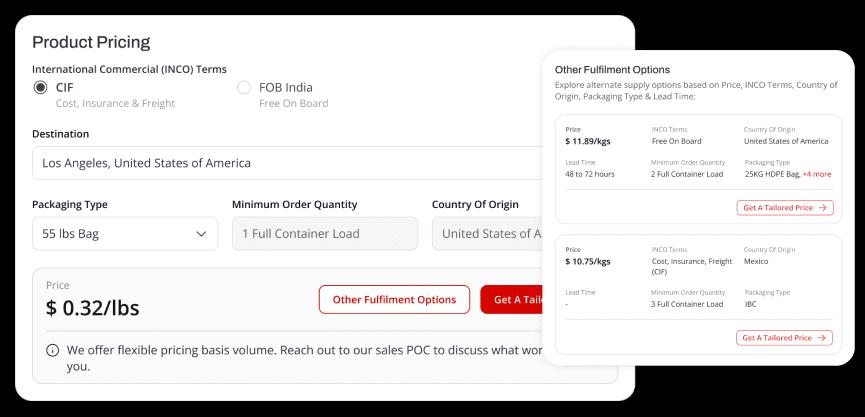
Access live, grade-specific pricing for every chemical, so your teams talks with data, not intuition on Elixir.
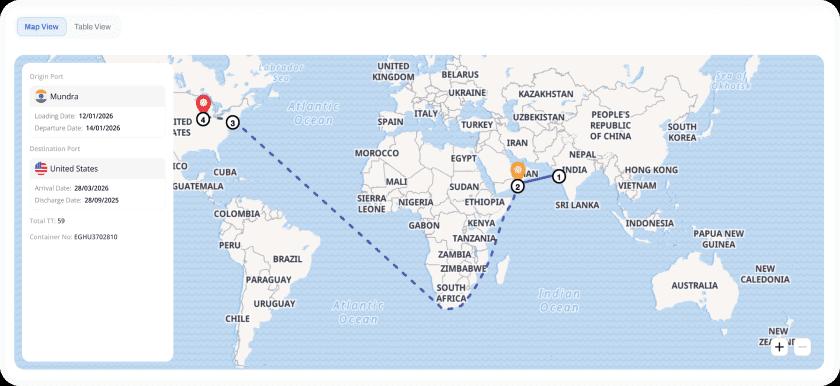
Compare fulfilment options across grades, INCO terms, origins, and lead times: all in one platform.

Live, transparent pricing
Real-time quotes across 12,000+ specialty chemicals.
Product Specification
Physical Properties
| Property | Specification |
|---|---|
| Appearance | Clear, colorless, viscous liquids to waxy solids |
| Odor | Faint, characteristic odor |
| Density Or Specific Gravity | 1.27 g/mL at 25 °C |
| Refractive Index | n20/D 1.469 |
| Ph (If Aqueous Solution) | 5.5-7.0 (25℃, 50mg/mL in H2O) |
Chemical Properties
| Property | Specification |
|---|---|
| Incompatibilities | Strong oxidizing agents. |
Thermal Properties
| Property | Specification |
|---|---|
| Melting Point | 58-61°C |
| Boiling Point | >200°C |
| Flash Point | 360-550 °F |
| Autoignition Temperature | About 360 °C |
Processing Methods & Reference Formulations
A. Cosmetic lotions
Add Polyethylene Glycol (PEG) to the water phase of the lotion, typically during the heating phase. Mix thoroughly to ensure uniform distribution and formulation stability.
| Key Ingredients | Indicative Dosage (% w/w) |
|---|---|
| Oil phase (emollients, oils, butters) | 10–20% |
| Water (Aqua) | 65% |
| Glycerin | 5% |
| Caprylic/Capric Triglyceride | 8% |
| Cetearyl Alcohol | 4% |
| Polyethylene Glycol | 2% |
| Glyceryl Stearate | 2% |
| Shea Butter | 3% |
| Dimethicone | 2% |
| Panthenol (Pro-Vitamin B5) | 1% |
| Tocopheryl Acetate | 0.5% |
| Phenoxyethanol & Ethylhexylglycerin | 1% |
| Fragrance | 0.5% |
| Carbomer | 0.5% |
| Triethanolamine (TEA) | 0.5% |
B. Hair shampoo
Use PEGs compatible with anionic or nonionic surfactants to improve shampoo texture and clarity. Avoid high temperatures to maintain functional integrity and ensure compatibility with surfactants
| Key Ingredients | Indicative Dosage (% w/w) |
|---|---|
| Water (Aqua) | 65% |
| Sodium Laureth Sulfate (SLES) | 15% |
| Cocamidopropyl Betaine | 8% |
| Polyethylene Glycol | 2% |
| Glycerin | 3% |
| Polyquaternium-10 | 0.5% |
| Preservative (e.g., Phenoxyethanol) | 1% |
| Fragrance, Citric Acid |
C. Makeup foundation
In makeup foundation formulation, add Polyethylene Glycol (PEG) to the aqueous phase, selecting the appropriate molecular weight for desired texture and solubility. Ensure compatibility with pigments and emulsifiers for a smooth, uniform finish.
| Key Ingredients | Indicative Dosage (% w/w) |
|---|---|
| Water (Aqua) | 50% |
| Cyclopentasiloxane | 10% |
| Dimethicone | 5% |
| Glycerin | 3% |
| Polyethylene Glycol | 2% |
| Butylene Glycol | 2% |
| Sodium Chloride | 0.5% |
| Titanium Dioxide | 5% |
| Iron Oxides | 5% |
| Phenoxyethanol | 0.8% |
| Ethylhexylglycerin | 0.2% |
| Fragrance |
D. Skin Cleansers
When using PEGs in skin cleansers, add them slowly under gentle stirring to prevent air entrapment and ensure uniform blending. Mix thoroughly to maintain a stable, homogenous formula.
| Key Ingredients | Indicative Dosage (% w/w) |
|---|---|
| Water | 85.6% |
| Glycerine | 1% |
| Ethanol | 10% |
| Polyethylene Glycol | 1% |
| Salicylic acid | 0.5% |
| Benzoic acid | 0.1% |
| Sodium citrate | 0.35% |
| Vitamin E acetate | 0.1% |
| Fragrance, Colorants, others |
Dosing Guidelines
A. Products
| Authorized dosage | Cosmetics Creams/Lotions | Hair shampoo |
|---|---|---|
| Authorized dosage | 0.5-5% | 0.5-5% |
About Acrylates Copolymer
About Acrylates Copolymer
Regulatory Compliance
| Region | Max Allowed Level | Notes | Certification Body |
|---|---|---|---|
| Australia | - | No explicit max for finished products. | - |
| China | - | No explicit max for finished products. | NMPA - National Medical Products Administration |
| India | - | No specific BIS limit for PEGs in cosmetics | - |
| Japan | - | No formal upper limit for PEGs in cosmetics. | MHLW – Ministry of Health, Labour and Welfare |
| Republic of Korea | - | No explicit max for finished products. | MFDS - Ministry of Food and Drug Safety |
| United States | - | The FDA does not set a specific maximum for PEGs in cosmetics. | FDA |
| ASEAN | - | No explicit max for finished products. | - |
| European Union | - | The EU Cosmetics Regulation does not impose a blanket limit on PEGs, but certain PEG derivatives have restrictions. | SCCS (Scientific Committee on Consumer Safety) |
FAQs - Acrylates Copolymer
Related Products

Related Products

Streamline
Your Chemical
Procurement
Get fast responses from real experts