Sodium Hyaluronate
ELACTAVIATM – SHY

Get Pricing for This Product
Need pricing? Request a quote for this product and we'll get back to you shortly.
 Free Samples Available
Speed Up Your Sample Testing Process
We deliver domestic samples within 24 - 48 hours, helping you evaluate product without delays.
Sodium hyaluronate is the sodium salt of hyaluronic acid, a highly effective humectant and hydration agent with exceptional water-binding capacity, utilized extensively in skincare, ophthalmics, and…
CAS Number
9067-32-7
HS Code
3913.90.00
INCI Name
Sodium Hyaluronate
Molecular Formula
C₁₄H₂₂NNaO₁₁
Sodium Hyaluronate
ELACTAVIATM – SHY
Sodium hyaluronate is the sodium salt of hyaluronic acid, a highly effective humectant and hydration agent with exceptional water-binding capacity, utilized extensively in skincare, ophthalmics, and medical applications due to its superior stability, enhanced bioavailability, and…
CAS Number
9067-32-7
INCI Name
Sodium Hyaluronate
HS Code
3913.90.00
Molecular Formula
C₁₄H₂₂NNaO₁₁
Get Pricing for This Product
Need pricing? Request a quote for this product and we'll get back to you shortly.
Free Samples AvailableSpeed Up Your Sample Testing Process
We deliver domestic samples within 24 - 48 hours, helping you evaluate product without delays.
 By
By
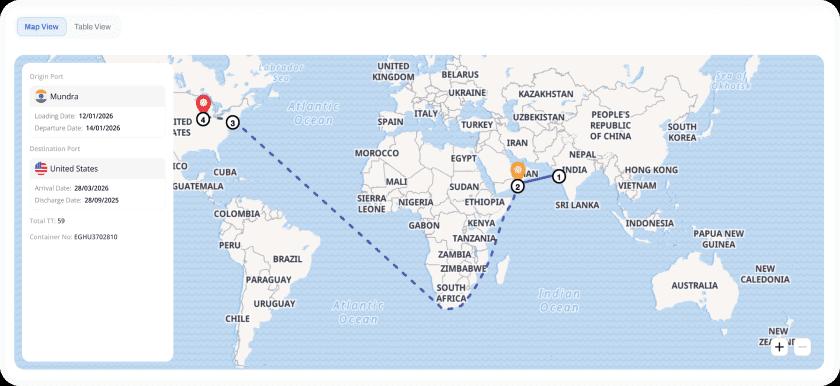
Specialty chemicals, delivered right
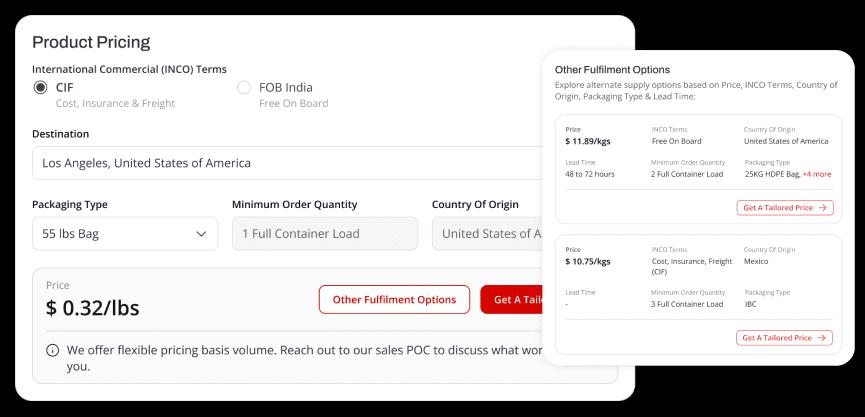
Access live, grade-specific pricing for every chemical, so your teams talks with data, not intuition on Elixir.
Compare fulfilment options across grades, INCO terms, origins, and lead times: all in one platform.

Live, transparent pricing
Real-time quotes across 12,000+ specialty chemicals.
Product Specification
Physical Properties
| Property | Specification |
|---|---|
| Appearance | White to cream powder |
| Molecular Weight (G/Mol) | 403.31 |
| Ph (If Aqueous Solution) | 5.5~7.5 |
| Ph | 5.5-7.5 |
Chemical Properties
| Property | Specification |
|---|---|
| Water Solubility | 5 mg/mL |
| Hazardous Reactions | None under normal use; stable |
Thermal Properties
| Property | Specification |
|---|---|
| Melting Point | >209°C (dec.) |
| Boiling Point | 1275°C |
| Decomposition Temperature | Decomposes before melting/boiling |
| Thermal Stability | Stable under normal conditions |
Processing Methods & Reference Formulations
A. Cosmetic cream
Dissolve Sodium Hyaluronate in the cold water phase with gentle stirring to prevent clumping and preserve its molecular integrity. Mix slowly to prevent clumping, allowing full hydration before emulsification. Add after emulsification if using heat-sensitive, high-molecular-weight grades.
| Key Ingredients | Indicative Dosage (% w/w) |
|---|---|
| Water (aqua) | 70-80% |
| Sodium hyaluronate | 0.1% |
| Hydrogenated polydecene | 20% |
| Steareth-2 | 3% |
| Steareth-21 | 1% |
| Cetearyl alcohol | 1.5% |
| Propylene glycol, diazolidinyl urea, parabens | 0.2% |
B. Lip balm
Since Sodium Hyaluronate is water-soluble and lip balms are typically anhydrous, it can be incorporated by creating a stable water-in-oil (W/O) emulsion. Use specialized emulsifiers to ensure stability and maintain the balm’s smooth texture and efficacy.
| Key Ingredients | Indicative Dosage (% w/w) |
|---|---|
| Beeswax | 20.00% |
| Shea Butter | 15.00% |
| Hydrogenated Polyisobutene | 15.00% |
| Caprylic/Capric Triglyceride | 10.00% |
| Jojoba Oil | 10.00% |
| Castor Oil | 8.00% |
| Glycerin | 5.00% |
| Sodium Hyaluronate | 0.50% |
| Tocopherol (Vitamin E) | 1.00% |
| Flavor/Fragrance (optional) | 0.50% |
| Microcrystalline Wax | 5.00% |
C. Hair shampoo
When adding Sodium Hyaluronate to a hair shampoo formulation, dissolve it first in deionized water at room temperature to prevent clumping.
| Key Ingredients | Indicative Dosage (% w/w) |
|---|---|
| Sodium Laureth Sulfate (SLES) | 15% |
| Cocamidopropyl Betaine | 5% |
| Sodium Chloride | 1% |
| Glycerin | 3% |
| Sodium Hyaluronate | 0.5% |
| Hydroxypropyl Guar Hydroxypropyltrimonium Chloride | 0.5% |
| Phenoxyethanol | 0.8% |
| Water | 70-80% |
| Citric Acid, Sodium Hydroxide, Fragrance |
D. Lipstick
Use encapsulated or oil-dispersible Sodium Hyaluronate to enhance compatibility with the anhydrous lipstick base. Incorporate it during the final blending stage to ensure even distribution without affecting the product's texture.
| Key Ingredients | Indicative Dosage (% w/w) |
|---|---|
| Castor Oil | 40% |
| Candelilla Wax | 20% |
| Beeswax | 8% |
| Carnauba Wax | 4% |
| Isopropyl Myristate | 5% |
| Hydrogenated Polyisobutene | 10% |
| Encapsulated Sodium Hyaluronate (1%) | 2% |
| Vitamin E Acetate (Tocopheryl Acetate) | 0.5% |
| Pigments, Flavor / Fragrance |
Dosing Guidelines
A. Products
| Products | Authorized dosage % |
|---|---|
| Sunscreen Lotions, Creams | 0.1-2% |
| Skin Care Creams, Lotions | 0.1-2% |
| Lip stick/balm | 0.01-0.4% |
About Sodium Hyaluronate
About Sodium Hyaluronate
Regulatory Compliance
| Region | Max Allowed Level | Notes | Certification Body |
|---|---|---|---|
| Australia | - | No statutory maximum | - |
| China | - | No statutory maximum | NMPA - National Medical Products Administration |
| India | - | No BIS-specific limit | - |
| Japan | - | No restrictions, sodium hyaluronate is not listed among prohibited substances. | MHLW – Ministry of Health, Labour and Welfare |
| Republic of Korea | - | No statutory maximum | MFDS - Ministry of Food and Drug Safety |
| United States | - | No statutory maximum. Sodium Hyaluronate is approved by US Food and Drug Administration (FDA) as a topical product for use in cosmetics and personal care applications. | FDA |
| ASEAN | - | No statutory maximum | - |
| European Union | - | No explicit legal maximum. Not listed as a restricted or prohibited substance. May be used at any safe concentration in cosmetics | SCCS (Scientific Committee on Consumer Safety) |
FAQs - Sodium Hyaluronate
Related Products
Related Products

Streamline
Your Chemical
Procurement
Get fast responses from real experts