

At a Glance
• Humectants attract and bind water to skin surface; emollients soften and smooth by filling gaps in skin barrier
• Glycerin (humectant) draws moisture from air and dermis holding 10× its weight in water
• Squalane (emollient) mimics skin’s natural sebum providing occlusion without greasiness
• Dry, flaky skin needs emollients to restore lipid barrier; dehydrated skin needs humectants for water content
• Combining both creates superior formulations — humectants hydrate while emollients seal moisture in
• Over-reliance on humectants in low humidity can pull water from deeper skin layers causing dryness
• Molecular weight affects function — small molecules (<500 Da) penetrate, large molecules (>1000 Da) form surface film • Optimal formulations use 3-10% humectants plus 2-15% emollients depending on product type and skin needs
A cosmetic chemist in Boston was reformulating a body lotion. Customer feedback complained it felt moisturizing initially but skin felt tight and dry within hours. She analyzed the formula: 8% glycerin, 3% hyaluronic acid, minimal oils. All humectants, almost no emollients. She reformulated adding 5% shea butter and 3% squalane. The new version tested better — skin stayed soft and hydrated for 12+ hours. Same moisture-attracting power, now with barrier protection keeping water from escaping.
Right hydration. Missing protection. Simple fix transformed the product.
Understanding humectant vs emollient differences lets formulators build products addressing specific skin concerns effectively. These ingredients work through completely different mechanisms and serve distinct purposes. But the best formulations use both in balanced ratios creating synergy impossible with either alone. Whether formulating face serums, body lotions, or leave-on treatments, knowing which ingredients hydrate and which protect determines whether products deliver lasting results or temporary relief.
Fundamental Differences: Humectant vs Emollient
How Humectants Work
Humectants are hygroscopic substances that attract and bind water molecules. The term comes from Latin “humectare” meaning to moisten or make wet. These ingredients draw moisture from two sources: the atmosphere (when humidity exceeds ~70%) and the deeper skin layers (dermis).
The mechanism involves hydrogen bonding. Humectant molecules have multiple hydroxyl groups (-OH) or other polar groups that form hydrogen bonds with water molecules. This attracts water and holds it at the skin surface creating a hydrated layer.
Common humectants: Glycerin (glycerol): Most widely used, attracts 10× its weight in water Hyaluronic acid (sodium hyaluronate): Holds up to 1000× its weight in water Propylene glycol: Smaller molecule, penetrates well Butylene glycol: Light feel, good solubilizer Sorbitol: Sugar alcohol, gentle humectant Honey: Natural humectant with additional benefits Aloe vera: Contains polysaccharides acting as humectants Urea: Humectant plus keratolytic (exfoliating) properties
Molecular size affects performance. Low molecular weight hyaluronic acid (<50 kDa) penetrates into upper epidermis. High molecular weight (>1000 kDa) stays on surface forming moisture-binding film. Both approaches work but serve slightly different purposes.
How Emollients Function
Emollients soften and smooth skin by filling microscopic gaps in the stratum corneum. The word derives from Latin “emollire” meaning to soften. Unlike humectants that attract water, emollients work through lubrication and occlusion.
These ingredients typically contain fatty acids, lipids, or oils that integrate into the lipid matrix between corneocytes (dead skin cells forming outer layer). This fills cracks and fissures creating smooth surface. Many emollients also provide slight occlusion preventing transepidermal water loss (TEWL).
Common emollients: Natural oils: Jojoba, argan, rosehip, sweet almond Butters: Shea, cocoa, mango butter Esters: Cetyl palmitate, isopropyl myristate, caprylic/capric triglyceride Silicones: Dimethicone, cyclomethicone (dry feel, no occlusion) Fatty alcohols: Cetyl alcohol, stearyl alcohol Squalane: Stable hydrocarbon mimicking skin’s natural sebum Petrolatum: Pure occlusive preventing 99% of TEWL Mineral oil: Occlusive, inert, hypoallergenic
Emollients vary in “skin feel.” Light esters absorb quickly leaving minimal residue. Heavier oils and butters provide rich, protective feel. Silicones create unique dry-slip sensation — smooth glide without oily after-feel.
Table 1: Humectants vs Emollients Core Differences
| Characteristic | Humectants | Emollients | Practical Implication |
| Primary function | Attract and bind water | Fill gaps, soften, protect | Humectants hydrate; emollients smooth |
| Mechanism | Hydrogen bonding with water | Lipid integration, occlusion | Different chemistry, complementary effects |
| Water dependency | Require water source (air or dermis) | Work without water present | Humectants fail in very dry climates alone |
| Feel on skin | Can be sticky if high concentration | Varies from light to greasy | Affects user experience significantly |
| Penetration | Many penetrate into epidermis | Most stay on surface | Penetration affects duration and effect |
| Climate sensitivity | Less effective in low humidity | Work in all climates | Environmental factors matter |
| Examples | Glycerin, hyaluronic acid, urea | Oils, butters, silicones, esters | Diverse options in each category |
Common Humectants: Properties and Applications
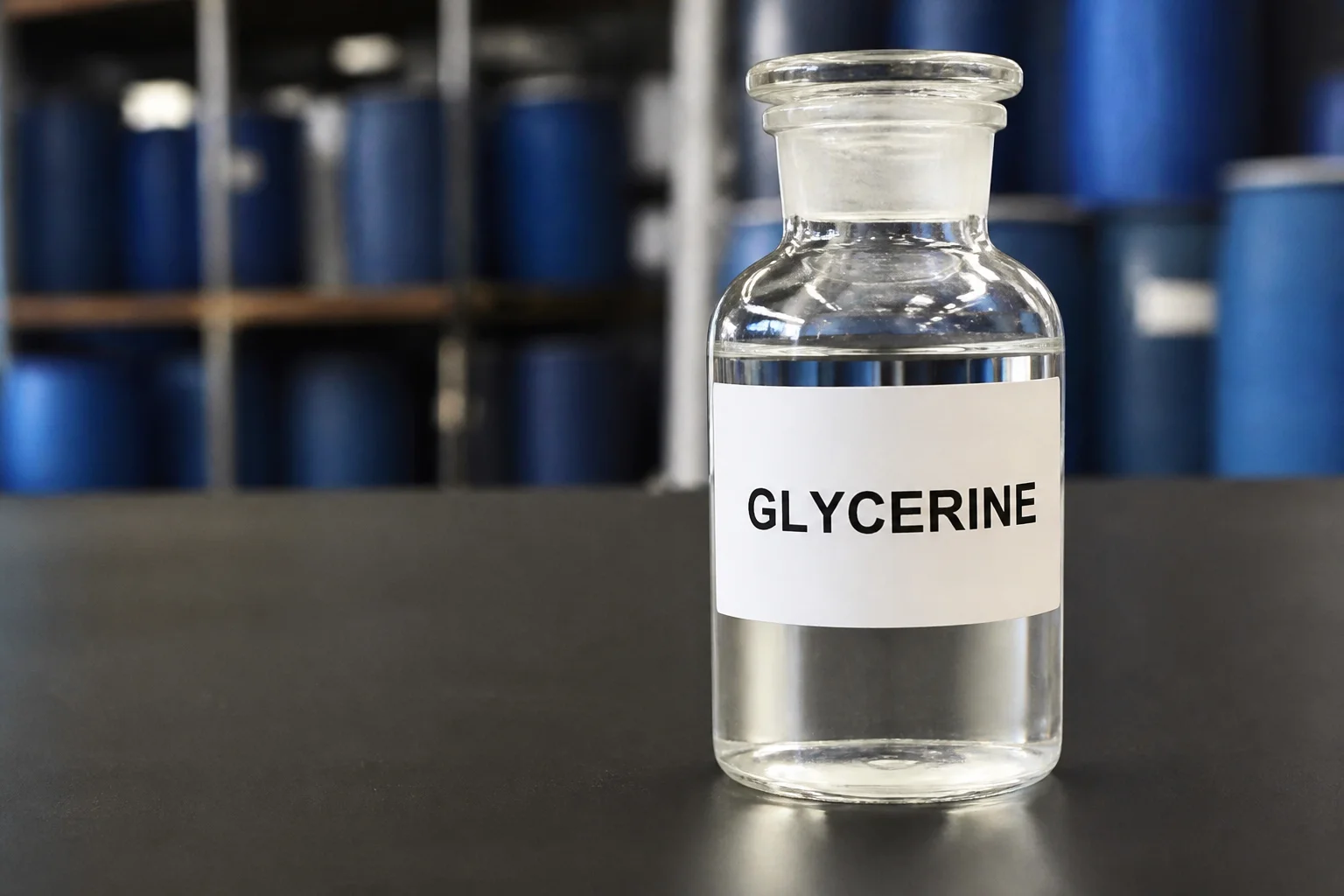
Glycerin (Glycerol)
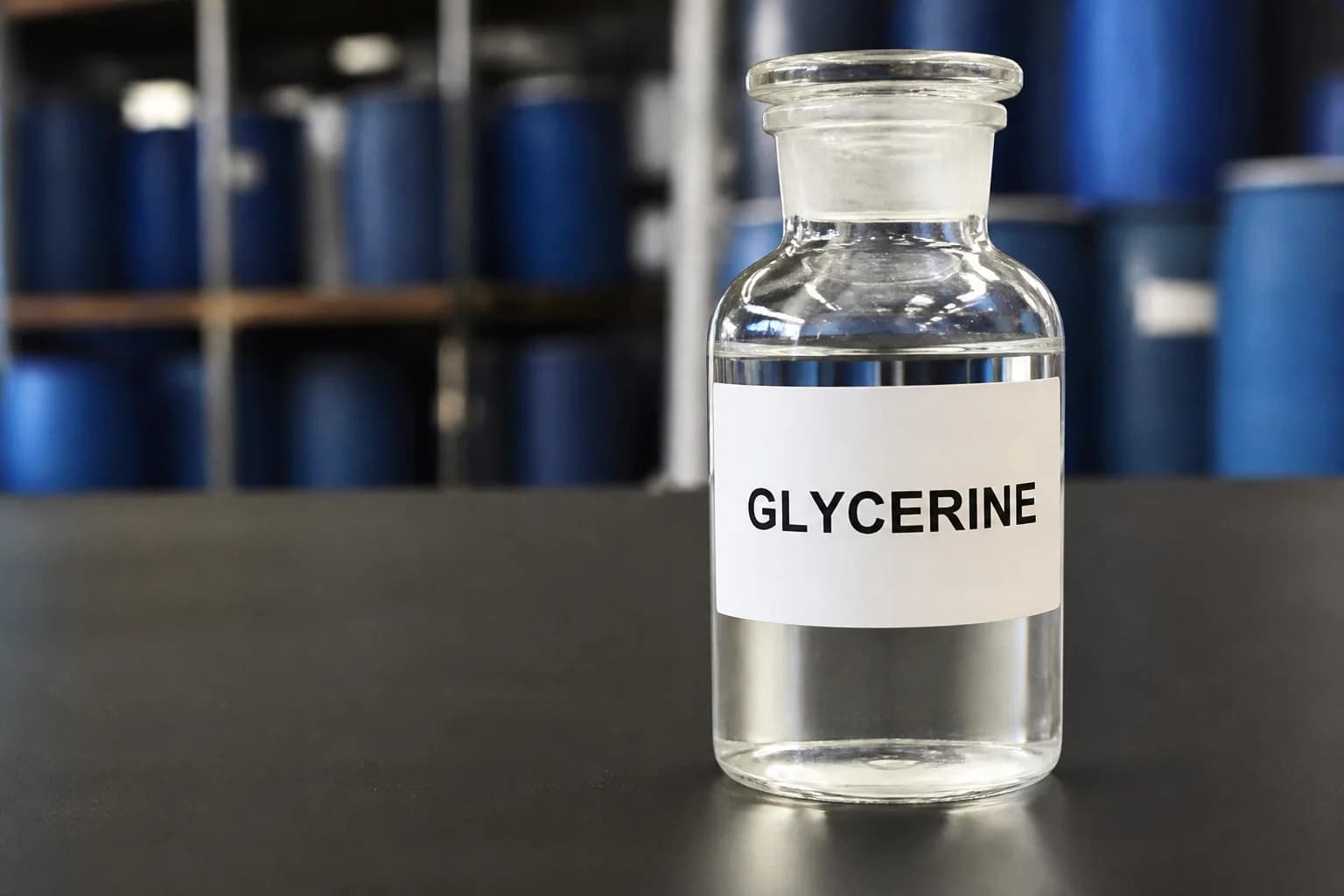
Glycerin is the most widely used humectant in cosmetic formulations. This three-carbon molecule with three hydroxyl groups attracts moisture powerfully while being gentle, non-irritating, and inexpensive.
At 5-10% concentration, glycerin significantly improves skin hydration measurable by corneometer readings. Studies show glycerin applied topically increases stratum corneum water content by 20-30% within 30 minutes, sustained for several hours.
Glycerin characteristics: Molecular weight: 92.09 Da (small, penetrates well) Typical use level: 3-10% in lotions, 5-15% in serums Hygroscopic: Attracts water from air above 70% humidity Penetrates: Enters upper epidermis improving deep hydration Cost-effective: $2-4/kg in bulk Stability: Excellent, compatible with most ingredients
The catch with glycerin is feel. Above 10%, it becomes sticky and tacky. Formulators balance this by combining with other humectants, using lighter humectants alongside, or adding silicones to modify feel.
In low humidity environments (<40%), glycerin can draw water from deeper skin layers to surface where it evaporates. This paradoxically dehydrates skin if not paired with occlusive ingredients preventing water loss.
Hyaluronic Acid (Sodium Hyaluronate)
Hyaluronic acid (HA) is a glycosaminoglycan that holds up to 1000× its weight in water — far exceeding glycerin’s capacity. The ingredient appears in premium skincare due to powerful hydration and anti-aging marketing appeal.
Different molecular weights serve different purposes. Ultra-low MW (<10 kDa) penetrates deepest but holds less water per molecule. High MW (1000-2000 kDa) stays on surface creating moisture-binding film. Many products use blend of molecular weights for multi-level hydration.
Hyaluronic acid characteristics: Molecular weight: 10 kDa – 2000 kDa (varies by grade) Typical use level: 0.1-2% (low due to high cost and effectiveness) Water-binding: Up to 1000× its weight Penetration: Depends on molecular weight Cost: $50-300/kg depending on MW and purity Stability: Good in pH 3-9, degrades outside this range
HA feels non-sticky unlike glycerin. But pure HA serums can create tight, film-like sensation as they dry. Formulating with glycerin, aloe, or other humectants plus emollients improves feel while maintaining hydration.
One concern: like glycerin, HA in very dry environments can pull moisture from skin rather than air. Products combining HA with occlusive emollients prevent this issue.
Propylene Glycol and Butylene Glycol
These shorter-chain glycols serve as humectants and solvent-enhancers. Propylene glycol (PG) has three carbons; butylene glycol (BG) has four. Both attract moisture while helping dissolve other ingredients.
PG gets criticized due to potential irritation in sensitive individuals, though this affects only small percentage of users. BG is gentler with better skin tolerance making it preferred in facial products.
Glycol humectants: Propylene glycol: Strong humectant, good solvent, 3-10% typical use Butylene glycol: Gentler, lighter feel, 2-8% typical use Penetration: Both penetrate well due to small size Feel: Less sticky than glycerin at equivalent concentrations Multiple functions: Humectant + solvent + penetration enhancer
These glycols rarely cause allergic reactions despite occasional concerns. Patch testing studies show irritation rates <1% for propylene glycol and even lower for butylene glycol at cosmetic use levels.
Table 2: Common Humectant Properties
| Humectant | Molecular Weight | Water-Binding Capacity | Typical Use % | Skin Feel | Penetration | Cost ($/kg) |
| Glycerin | 92 Da | 10× its weight | 3-10% | Sticky above 8% | Excellent | $2-4 |
| Propylene glycol | 76 Da | 8× its weight | 3-10% | Light, slightly sticky | Excellent | $2-3 |
| Butylene glycol | 90 Da | 6-8× its weight | 2-8% | Light, minimal tack | Excellent | $3-5 |
| Sorbitol | 182 Da | 6× its weight | 2-5% | Slightly sticky | Moderate | $2-4 |
| Hyaluronic acid (high MW) | 1000-2000 kDa | 1000× its weight | 0.1-1% | Non-sticky, filmforming | None (surface) | $150-300 |
| Hyaluronic acid (low MW) | <50 kDa | 100-200× its weight | 0.5-2% | Light | Good | $50-150 |
| Sodium PCA | 151 Da | Natural moisturizing factor | 1-3% | Light, non-sticky | Good | $8-15 |
Common Emollients: Characteristics and Uses
Natural Oils and Butters
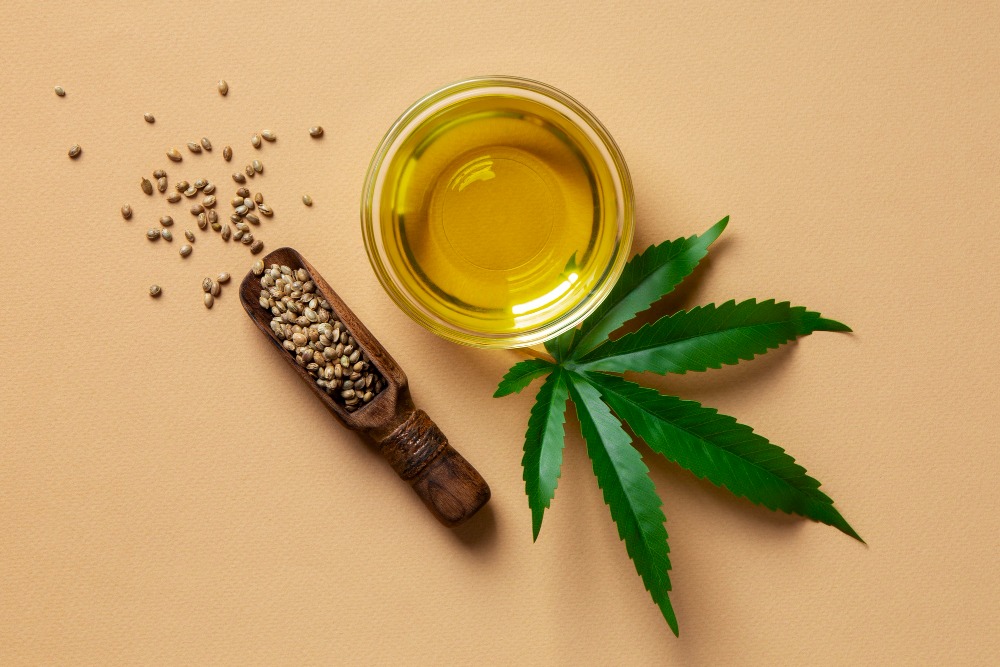
Plant-derived oils and butters are classic emollients providing fatty acids that integrate into skin’s lipid barrier. Each oil has unique fatty acid profile affecting absorption rate, oxidative stability, and sensory feel.
Popular oils: Jojoba oil: Technically liquid wax ester, closely mimics sebum, absorbs well Argan oil: Rich in vitamin E and oleic acid, antioxidant properties Rosehip oil: High in linoleic and linolenic acids, skin regenerating Sweet almond oil: Light texture, high oleic acid content Coconut oil: Solid at room temperature, comedogenic for some Sunflower oil: High linoleic acid (depending on variety), light feel
Popular butters: Shea butter: Rich, protective, contains triterpenes and allantoin Cocoa butter: Firm, creates barrier, chocolate scent Mango butter: Softer than shea, good for sensitive skin Kokum butter: Non-greasy despite being solid butter
Natural oils provide additional benefits beyond emolliency — vitamins, antioxidants, anti-inflammatory compounds. But they’re prone to oxidation requiring antioxidants (vitamin E, rosemary extract) for stability. They also have characteristic odors requiring fragrance masking in some formulations.
Synthetic Esters and Emollients
Cosmetic chemistry creates synthetic esters with precise properties — specific absorption rates, defined sensory profiles, high stability. These engineered emollients offer consistency natural oils can’t match.
Common synthetic emollients: Caprylic/capric triglyceride: Light, fast-absorbing, stable, odorless Isopropyl myristate: Fast absorption, can be comedogenic Cetyl palmitate: Waxy solid, creates protective barrier Isononyl isononanoate: Dry oil, non-greasy feel C12-15 alkyl benzoate: Light, elegant feel, non-comedogenic
These materials cost more than commodity oils but offer advantages: no odor, extended shelf life (2-3 years vs 6-12 months for many natural oils), consistent batch-to-batch performance, and tailored sensory profiles.
Formulators often combine natural and synthetic emollients getting benefits of both — skin-identical lipids from natural oils plus stability and elegant feel from synthetic esters.
Silicones: The Unique Emollients
Silicones represent special emollient class. Chemically, they’re polymers with silicon-oxygen backbone. They don’t integrate into skin’s lipid matrix like oils but spread as thin film creating smooth, dry, non-greasy feel.
Silicone emollients: Dimethicone: Most common, various molecular weights affecting viscosity Cyclomethicone: Volatile, evaporates leaving no residue, creates dry feel Phenyl trimethicone: Adds shine, used in hair products and color cosmetics Dimethiconol: High MW, more substantive, forms protective layer
Silicones are controversial in clean beauty movement despite excellent safety profiles. They’re perceived as “synthetic” and “not natural” even though silicon is natural element and silicones are biologically inert.
The trade-off: silicones provide unmatched sensory elegance — smooth application, non-greasy feel, water resistance. But they offer minimal barrier repair or lipid replenishment that natural oils provide.
Table 3: Emollient Comparison
| Emollient Type | Absorption Speed | Occlusion Level | Skin Feel | Stability | Comedogenicity Risk | Cost ($/kg) |
| Jojoba oil | Fast | Low-moderate | Light, silky | Good (stable) | Low | $12-25 |
| Shea butter | Slow-moderate | High | Rich, protective | Moderate | Low | $8-15 |
| Squalane | Fast | Moderate | Dry, non-greasy | Excellent | Very low | $20-40 |
| Caprylic/capric triglyceride | Fast | Low | Very light | Excellent | Very low | $4-8 |
| Dimethicone | Fast (spreads) | Low (no penetration) | Silky, dry | Excellent | None | $6-12 |
| Petrolatum | None (surface) | Very high (99%) | Greasy, occlusive | Excellent | Low | $2-4 |
| Mineral oil | Slow | High | Greasy | Excellent | Low | $2-3 |
Formulating with Humectants and Emollients
Skin Type Considerations
Different skin types need different humectant and emollient balances. Dry skin lacks both water and lipids requiring generous amounts of both. Oily skin may need humectants for hydration but minimal emollients avoiding greasiness. Dehydrated skin (low water content but adequate oil) needs humectants primarily.
Formulation guidelines by skin type:
Dry skin (lacks water and oil): Humectants: 5-10% (glycerin, hyaluronic acid, glycols) Emollients: 10-20% (rich oils, butters, occlusive ingredients) Goal: Deep hydration plus barrier protection
Oily skin (adequate oil, may lack water): Humectants: 3-8% (lighter glycols, HA, aloe) Emollients: 2-5% (light esters, squalane, avoid heavy oils) Goal: Hydration without adding oil
Combination skin: Humectants: 5-8% Emollients: 5-10% (moderate oils and esters) Goal: Balanced approach
Sensitive skin: Humectants: 3-5% (glycerin, panthenol, avoid PG) Emollients: 5-10% (gentle oils like oat, calendula; avoid fragranced oils) Goal: Soothing hydration, minimal irritation
Mature/aging skin: Humectants: 5-10% (HA especially, glycerin) Emollients: 8-15% (ceramides, cholesterol, fatty acids mimicking natural barrier) Goal: Address decreased natural moisturizing factor and lipid production
Product Type Applications
The humectant vs emollient ratio changes dramatically by product category. Lightweight serums emphasize humectants. Rich creams feature emollients prominently. Balancing formulas achieve both.
Serum formulations: Humectants: 10-20% (primary actives) Emollients: 1-5% (light esters for slip, minimal oils) Example: 10% glycerin, 1% HA, 2% squalane
Lotions: Humectants: 5-10% Emollients: 5-15% Example: 5% glycerin, 2% butylene glycol, 8% oils/esters blend
Creams: Humectants: 3-8% Emollients: 10-25% Example: 5% glycerin, 15% shea butter + oils blend
Balms and ointments: Humectants: 0-3% (minimal, mostly emollients) Emollients: 30-70% (butters, waxes, occlusive oils) Example: 2% glycerin, 40% shea/cocoa butter, 25% oils
Body butters: Humectants: 2-5% Emollients: 20-40% Example: 3% glycerin, 30% shea butter, 10% oils
Climate affects formulation too. Humid environments allow higher humectant levels (8-12%) without risk of pulling water from skin. Dry climates need increased emollients (12-20%) protecting against water loss.
Synergistic Combinations
Combining humectants with emollients creates synergy exceeding either alone. Humectants draw water to skin surface. Emollients seal it in preventing evaporation. The combination provides both immediate and lasting hydration.
Effective combinations:
For dry, flaky skin: Glycerin 5% + urea 3% (dual humectants) Shea butter 8% + jojoba oil 5% (emollient blend) Result: Deep hydration with barrier repair
For dehydrated but not dry skin: Hyaluronic acid 1% + glycerin 5% + sodium PCA 2% Squalane 3% + light ester 3% Result: Maximum hydration, minimal grease
For aging skin: Glycerin 5% + HA 0.5% + panthenol 2% Ceramides 2% + cholesterol 0.5% + fatty acids 3% Result: Hydration plus barrier lipid replacement
For sensitive skin: Glycerin 3% + aloe 5% Oat oil 5% + calendula oil 2% Result: Gentle hydration with anti-inflammatory benefits
The ratio matters. Too many humectants without emollients provides short-term hydration that disappears quickly as water evaporates. Too many emollients without humectants may feel protective but doesn’t add water content. The sweet spot varies by product but generally 1:1 to 1:2 humectant:emollient ratio works well for balanced formulations.
Common Formulation Mistakes and Solutions
Over-Reliance on Humectants
Many formulations, especially in “hydrating” or “water-based” categories, load humectants without adequate emollients. The products feel good initially but don’t provide lasting moisture.
Problem signs: Skin feels great after application but tight within 2-4 hours Products work well in summer but poorly in winter Consumers complain products are “not moisturizing enough”
Solution: Add emollients even in “lightweight” formulations Minimum 2-3% emollients in any leave-on product Consider squalane or light esters maintaining light feel while providing protection
Insufficient Occlusion in Dry Climates
Formulations designed for humid regions fail in dry climates. The atmosphere doesn’t provide moisture for humectants to draw, so they pull from skin instead.
Problem signs: Products effective in coastal/humid areas fail in desert/mountain regions Winter complaints increase as indoor heating reduces humidity Skin feels drier after product use in low humidity
Solution: Increase emollient content by 3-5% for dry climate formulations Add occlusive ingredients (dimethicone, shea butter, ceramides) Reduce humectant concentration slightly (2-3% less) Include barrier-repair lipids (ceramides, cholesterol, fatty acids)
Greasy Feel from Excessive Emollients
Overcorrecting in the other direction creates greasy, heavy products consumers dislike using.
Problem signs: Products feel oily or greasy on skin Slow absorption requiring rubbing for minutes Residue on hands after application Complaints about staining clothing
Solution: Replace heavy oils with lighter esters Add fast-absorbing emollients (squalane, caprylic/capric triglyceride) Include silicones for dry-touch feel Reduce overall emollient content by 2-5% Optimize emulsion structure for better skin feel
Emerging Ingredients and Trends
Biomimetic Lipids
Modern formulation emphasizes ingredients matching skin’s natural moisturizing factor and lipid barrier. Ceramides, cholesterol, and free fatty acids in specific ratios (3:1:1 or 1:1:1) repair barrier more effectively than random oil blends.
Barrier-repair approach: Ceramides (multiple types: ceramide NP, AP, EOP): 2-5% Cholesterol: 0.5-2% Free fatty acids (palmitic, stearic, linoleic): 1-3% Result: Addresses root cause of dry skin (barrier dysfunction)
These biomimetic formulations cost more but deliver superior results for compromised skin barriers — eczema, dermatitis, over-exfoliated skin, post-procedure recovery.
Prebiotic and Postbiotic Ingredients
Skin microbiome science introduces new moisturizing ingredients supporting beneficial bacteria. Some humectants and emollients also serve as prebiotics feeding good bacteria.
Microbiome-friendly moisturizers: Inulin (prebiotic humectant) Glycerin (feeds certain beneficial species) Squalane (doesn’t disrupt microbiome like some oils) Biosaccharide gum-1 (prebiotic, humectant)
Formulations supporting healthy microbiome may improve barrier function through indirect mechanisms beyond direct moisturization.
Sustainable and Natural Alternatives
Clean beauty drives demand for natural-origin humectants and emollients. Pentylene glycol, caprylyl glycol, and propanediol replace synthetic glycols. Upcycled oils from food industry byproducts gain traction.
Sustainable options: Pentylene glycol: Plant-derived, replaces propylene glycol Biosaccharides: Fermentation-derived humectants Upcycled oils: Grape seed, coffee seed, tomato seed from food processing Hemisqualane: Plant-based, lighter than squalane, sustainable
These ingredients command premium pricing (20-100% more than conventional) but appeal to environmentally conscious consumers willing to pay more.
Conclusion
Understanding humectant vs emollient differences enables formulators to create products addressing specific skin needs through complementary mechanisms — humectants attract and bind water to skin surface through hygroscopic properties and hydrogen bonding while emollients soften and protect by filling lipid gaps and providing varying degrees of occlusion preventing transepidermal water loss. Effective formulations combine both categories using humectant and emollient ratios appropriate to skin type, climate, and product format with dry skin requiring 5-10% humectants plus 10-20% emollients for deep hydration and barrier protection while oily skin needs 3-8% humectants and just 2-5% light emollients avoiding excess oil addition. Common mistakes include over-reliance on humectants without adequate emollients creating products that hydrate initially but allow rapid moisture evaporation, or using humectants in low-humidity environments where they paradoxically dehydrate skin by pulling water from deeper layers rather than atmosphere. Optimal combinations leverage synergy — glycerin and hyaluronic acid draw moisture while shea butter, squalane, and ceramides seal it in creating both immediate hydration and lasting protection measured through reduced TEWL and increased stratum corneum water content persisting 8-12 hours post-application. Modern formulation trends emphasize biomimetic lipid combinations mimicking natural barrier composition (ceramides, cholesterol, fatty acids in physiological ratios), microbiome-supporting ingredients, and sustainable natural-origin alternatives like pentylene glycol and upcycled botanical oils meeting clean beauty consumer demands. For cosmetic chemists, product developers, and ingredient buyers creating next-generation skincare, Elchemy connects you with reliable suppliers offering both classic and innovative humectants (glycerin, hyaluronic acid variants, biosaccharides) and emollients (plant oils, specialty esters, barrier lipids) with complete technical specifications, formulation guidance, stability data, and regulatory documentation supporting development of moisturizing products that deliver measurable hydration, barrier protection, and sensory elegance meeting diverse consumer needs across skin types, climates, and product categories from lightweight serums to rich reparative creams.