

At a Glance
- Fluoride strengthens enamel and prevents cavities, while SLS is just a foaming agent with no cleaning benefit
- SLS causes canker sores in 60% of sensitive individuals and strips protective oral mucosa
- Fluoride toothpaste without sodium lauryl sulfate works equally well with less foam and zero irritation
- Popular SLS-free brands include Sensodyne Pronamel, Oral-B Densify, and ARM & HAMMER Essentials
- Studies show SLS-free formulas reduce gingival inflammation and tissue sloughing within 8 weeks
- These toothpastes use alternative surfactants like cocamidopropyl betaine for gentle cleaning
- Daily applications include sensitive teeth relief, canker sore prevention, and dry mouth management
Your mouth feels raw after brushing. Again. You notice the same irritation every morning, that uncomfortable tingling on your gums that makes you wonder if something’s wrong with your toothpaste. You’re not imagining it.
The culprit might be hiding in plain sight on your toothpaste tube. Sodium lauryl sulfate (SLS) creates all that foam you think means your toothpaste is working. But for many people, it’s also causing problems they didn’t know could be solved by switching products.
Finding fluoride toothpaste without sodium lauryl sulfate gives you the cavity protection you need without the irritation you don’t. This guide breaks down what these ingredients actually do, why the combination matters, and how choosing the right formula fits into your daily routine.
Understanding Sodium Lauryl Sulfate vs Sodium Fluoride
Let’s clear something up right away. Is sodium fluoride the same as sodium lauryl sulfate? Not even close. These are completely different chemicals doing completely different jobs in your toothpaste.
Sodium Fluoride (NaF)
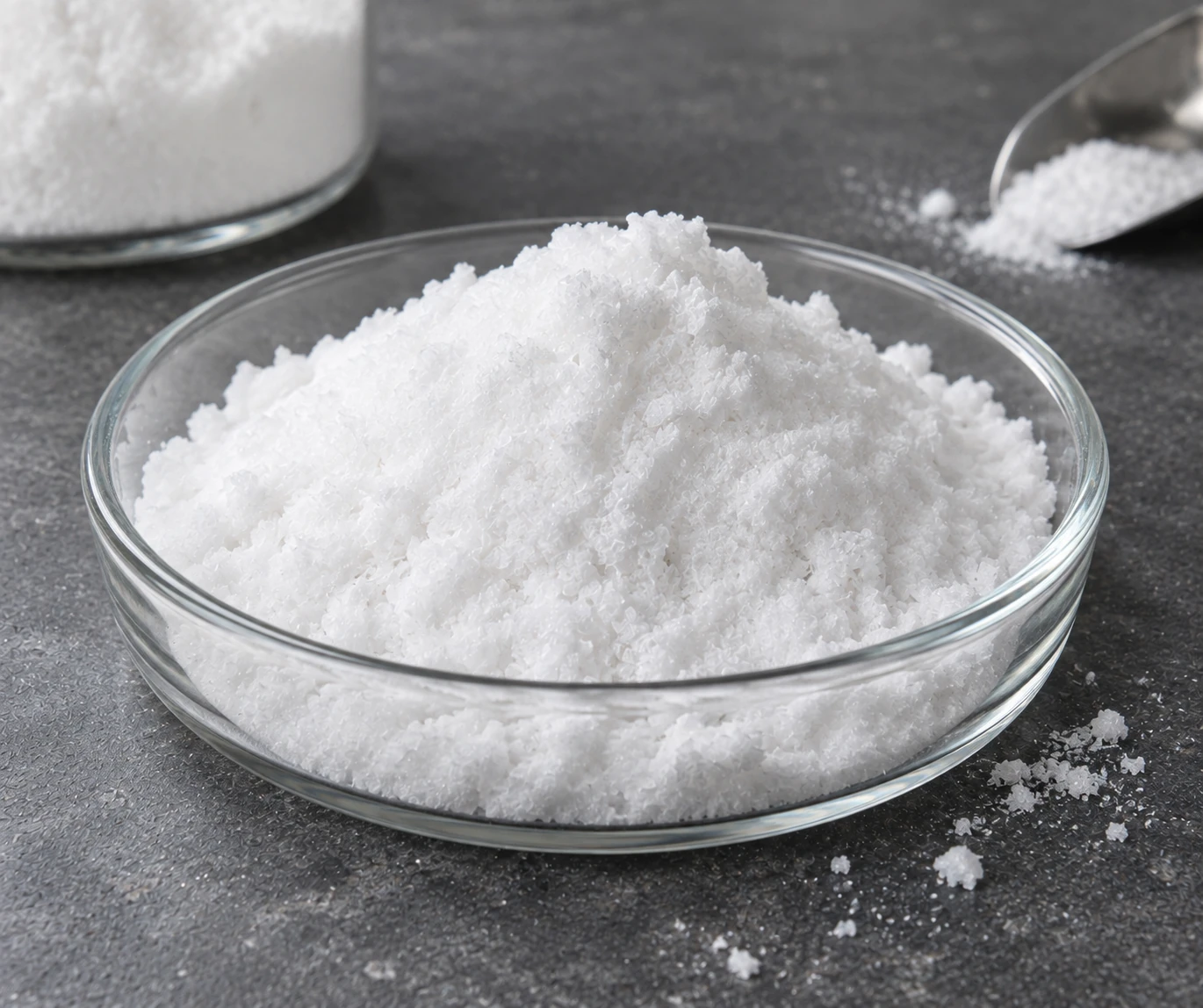
This is the cavity fighter. Sodium fluoride is a mineral compound that strengthens tooth enamel through a process called remineralization. When fluoride contacts your teeth, it converts hydroxyapatite (your natural tooth mineral) into fluorapatite, which resists acid attacks from bacteria better. Every major dental association recommends fluoride for cavity prevention. Standard over-the-counter toothpastes contain 1,000-1,100 ppm (parts per million) fluoride.
Sodium Lauryl Sulfate (C₁₂H₂₅NaO₄S)
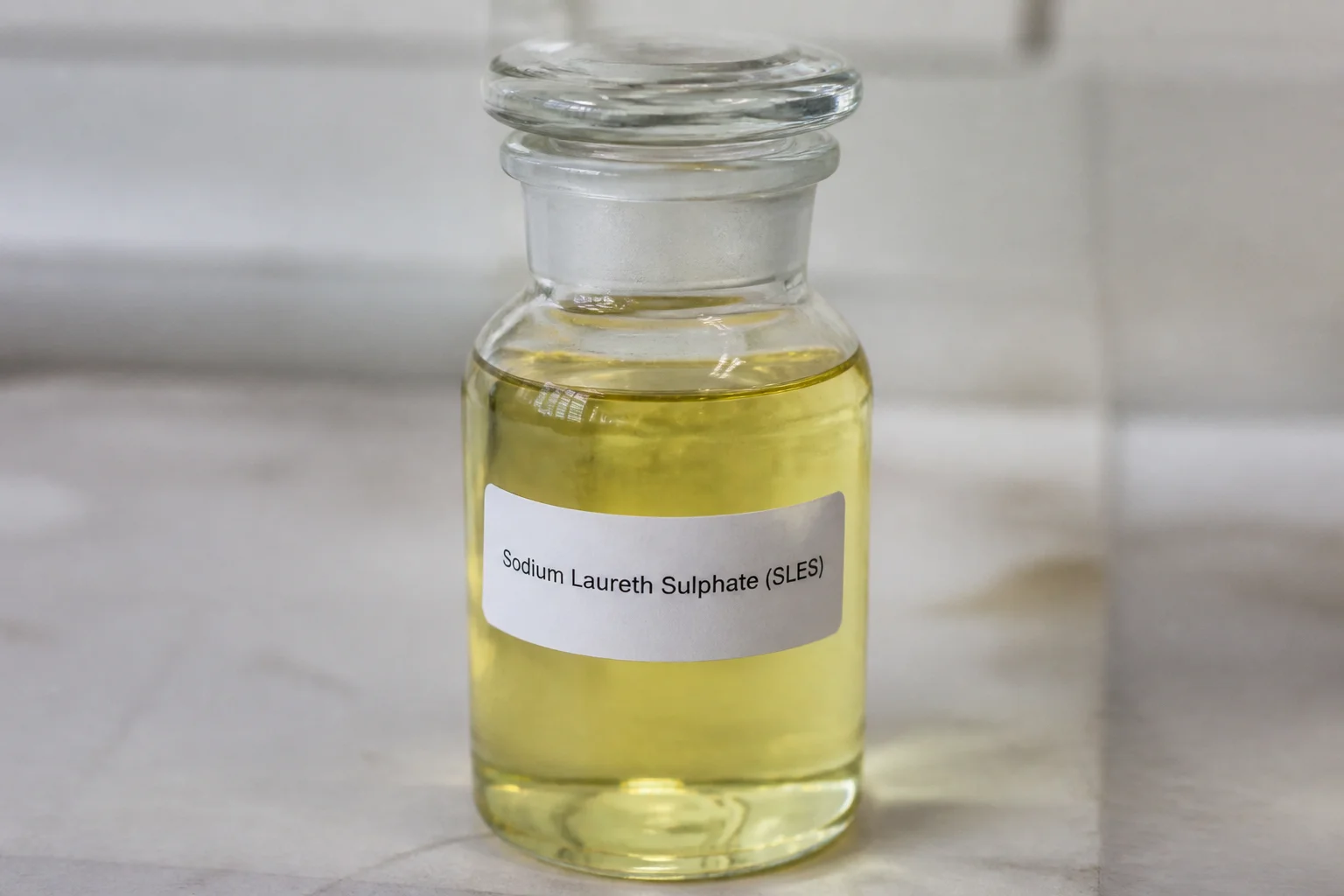
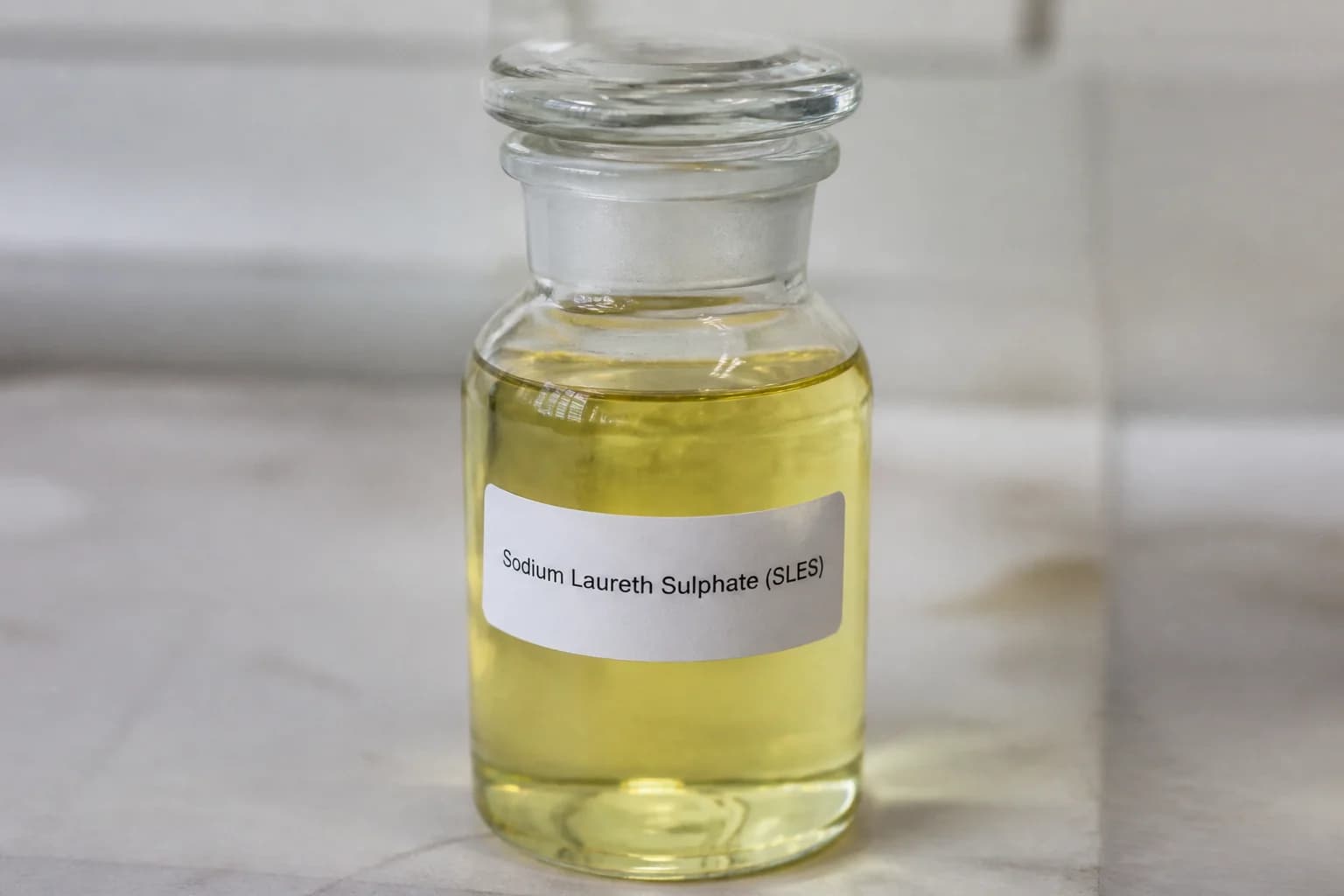
This is the bubbles maker. SLS is a surfactant (foaming agent) derived from coconut oil or petroleum. It makes toothpaste foam up when you brush. That’s it. The foam doesn’t clean your teeth any better. It’s purely about creating the sensation that something’s working. Most commercial toothpastes use 0.5-2% SLS concentration.
The confusion between these ingredients is common but important to clear up. One protects your teeth. The other just makes bubbles and can cause problems for many users.
How Sodium Lauryl Sulfate vs Sodium Fluoride Work in Your Mouth
| Characteristic | Sodium Fluoride | Sodium Lauryl Sulfate |
| Chemical Function | Mineral that strengthens enamel | Detergent that creates foam |
| Primary Purpose | Prevents cavities, remineralizes teeth | Makes toothpaste foam and spread |
| Health Benefit | Essential for dental health | No cavity-fighting properties |
| Common Concentration | 1,000-1,450 ppm | 0.5-2% |
| Safety Concerns | Safe at recommended levels | Can irritate oral tissues |
| FDA Status | Approved anti-cavity agent | Approved surfactant |
Why Fluoride Toothpaste Without Sodium Lauryl Sulfate Makes Sense
Here’s what happens when you remove SLS but keep fluoride. You get all the cavity protection without the irritation.
Cavity Prevention Stays the Same
Fluoride works whether your toothpaste foams or not. A clinical study comparing SLS and SLS-free dentifrices over 8 weeks found identical cavity protection. The foam doesn’t make fluoride more effective. Brushing technique and fluoride concentration matter. Bubbles don’t.
Gum Health Actually Improves
Research from Amsterdam Medical Centre tracked 120 adults using SLS-free toothpaste versus regular formulas. After 8 weeks, the SLS-free group showed better gingival health scores. Less bleeding on probing. Reduced inflammation. The detergent was causing low-level irritation that participants didn’t even realize was abnormal.
Oral Tissue Protection
SLS breaks down the protective mucin layer in your mouth. This layer shields delicate tissues from bacteria and irritants. When SLS strips it away, you get increased sensitivity, dryness, and higher risk of tissue damage. Removing SLS while keeping fluoride gives you protection without compromise.
Real Benefits You’ll Notice in Daily Use
Canker Sore Relief
Mayo Clinic reports SLS as a primary trigger for recurrent aphthous stomatitis (canker sores). Studies show 60% of people prone to mouth ulcers saw improvement after switching to SLS-free toothpaste. One controlled trial found toothpaste with 1.5% SLS caused tissue sloughing in 60% of participants, while SLS-free versions showed zero reaction.
Dry Mouth Management
If you wake up with a parched mouth or struggle with xerostomia, SLS makes it worse. The detergent reduces saliva production and strips moisture from oral tissues. Fluoride toothpaste without sodium lauryl sulfate keeps your mouth feeling more comfortable throughout the day. Brands like Biotene specifically formulate SLS-free products for dry mouth sufferers.
Sensitive Gum Care
Those with conditions like oral lichen planus, burning mouth syndrome, or general gum sensitivity find immediate relief switching to SLS-free formulas. The harsh detergent aggravates inflamed tissues. Removing it allows healing while maintaining cavity protection.
Better Taste Perception
Ever notice how orange juice tastes terrible after brushing? That’s SLS interfering with your taste buds. It suppresses sweet receptors while enhancing bitter ones. SLS-free toothpaste eliminates this effect. Your coffee tastes normal, breakfast flavors stay intact.
Daily Applications and Use Cases
Morning Routine
Most people brush right before or after breakfast. Using fluoride toothpaste without sodium lauryl sulfate means you can actually enjoy your food afterward. No weird metallic taste. No bitter coffee. Just normal flavors while getting full cavity protection.
The gentler formula also works better for people who brush aggressively (which damages enamel anyway). Less foam means you can focus on technique instead of managing bubbles.
Nighttime Protection
Bedtime brushing with SLS-free fluoride toothpaste provides overnight cavity defense without overnight tissue irritation. Your saliva production drops during sleep. If SLS is already stripping protective mucosa during the day, nighttime compounding makes dry mouth worse. SLS-free formulas let fluoride work while tissues recover.
After Whitening Treatments
Teeth whitening leaves enamel temporarily more porous and sensitive. SLS compounds this irritation. Dentists often recommend switching to fluoride toothpaste without sodium lauryl sulfate during and after whitening procedures. You maintain enamel strength through fluoride while avoiding additional sensitivity from detergents.
For Kids and Teens
Children under 6 swallow toothpaste frequently while learning to brush. While fluoride toxicity concerns exist at high doses (which is why tubes carry warnings), SLS irritation happens at normal use levels. SLS-free formulas reduce one source of discomfort during the learning phase.
Teens with braces face similar issues. Brackets and wires create more surface area for SLS to irritate. Orthodontic patients often report less gum tenderness switching to gentler formulas.
Common Brands and Product Options
| Brand | Product Line | Fluoride Type | Fluoride Content | Price Range | Best For |
| Sensodyne | Pronamel | Sodium fluoride | 1,450 ppm | $5-7 | Sensitivity relief |
| Oral-B | Densify Decay Control | Stannous fluoride | 1,450 ppm | $6-8 | Gum health + decay prevention |
| ARM & HAMMER | Essentials Whiten & Strengthen | Sodium fluoride | 1,100 ppm | $4-6 | Budget-friendly option |
| Hello | Sensitivity Relief | Sodium fluoride | 1,100 ppm | $5-7 | Natural ingredient focus |
| Biotene | Gentle Formula | Sodium fluoride | 1,450 ppm | $7-11 | Dry mouth sufferers |
| CloSYS | Sensitive | Sodium fluoride | 1,100 ppm | $7-9 | Ultra-gentle cleaning |
What Replaces SLS in These Formulas
If SLS creates foam and helps spread ingredients, what do SLS-free toothpastes use instead?
The most common SLS replacement. Derived from coconut oil, CAPB provides mild foaming with less irritation. It still helps distribute toothpaste throughout your mouth but doesn’t strip protective tissue layers. Some people with extreme sensitivity react to CAPB too, but it’s rare.
Sodium Methyl Cocoyl Taurate
Another coconut-derived surfactant. Even gentler than CAPB with almost no foam. Toothpastes using this feel very different from conventional products but clean just as effectively.
Baking Soda (Sodium Bicarbonate)
ARM & HAMMER products use baking soda as a primary cleaning agent. It provides natural abrasive action without chemical detergents. Baking soda also neutralizes acids in your mouth, creating better pH balance for enamel health.
Xylitol
While not a surfactant, xylitol appears in many SLS-free formulas. This natural sweetener inhibits cavity-causing bacteria growth. Studies show xylitol reduces tooth decay by over 60% when used regularly. It also stimulates saliva production, counteracting dry mouth.
A clove-derived aroma compound increasingly used in natural toothpaste formulations, providing both a pleasant spicy-sweet flavour and mild antimicrobial properties without the allergen declaration burden that regular eugenol carries under EU cosmetic regulations.
Effectiveness Comparison: SLS vs SLS-Free
The Amsterdam study comparing dentifrices with and without SLS found interesting results after 8 weeks:
Plaque Scores: No significant difference between groups Bleeding on Probing: SLS-free group showed better scores (less bleeding) Gingival Abrasion: SLS group had higher tissue damage scores Patient Satisfaction: SLS-free users reported better mouth feel
Bottom line? Removing SLS doesn’t reduce cleaning effectiveness but does improve tissue health outcomes.
Addressing Common Concerns
“Won’t Less Foam Mean Less Cleaning?”
Not at all. Foam creates the psychological impression of cleaning, not the actual result. Mechanical brushing action and fluoride contact time determine effectiveness. A study on dentifrice efficacy found no correlation between foam level and plaque removal. Brush for two minutes, use proper technique, and you’ll get identical results with or without bubbles.
“Will Fluoride Work as Well Without SLS?”
Yes. Some manufacturers claim SLS helps disperse fluoride across tooth surfaces. While technically true that surfactants reduce surface tension, alternative surfactants do the same job. The key is fluoride concentration and contact time. As long as you brush thoroughly, fluoride bonds with enamel equally well.
“Are SLS-Free Options More Expensive?”
Sometimes, but not always. ARM & HAMMER Essentials costs about the same as regular Crest or Colgate. Specialty brands like Biotene or high-end Sensodyne Pronamel run $7-11, but drugstore SLS-free options exist in the $4-6 range. You’re paying for formulation expertise, not necessarily premium ingredients.
How to Switch to SLS-Free Toothpaste
Check Your Current Formula
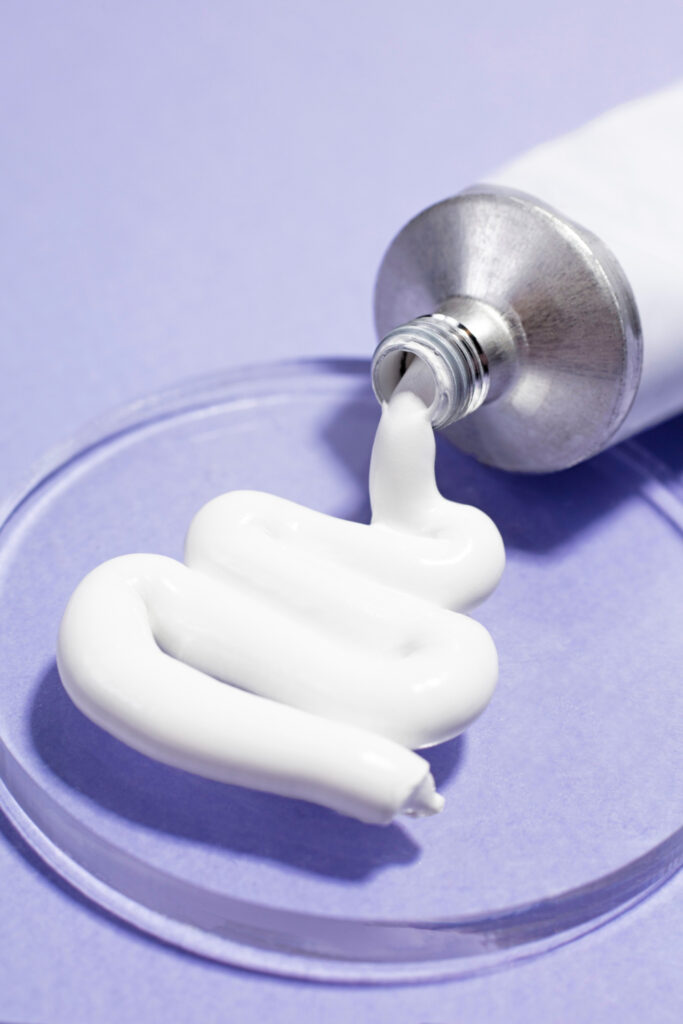
Flip your toothpaste tube over. Look at the ingredient list (usually in very small print). If you see “Sodium Lauryl Sulfate” or “SLS” listed, that’s what you’re using. Even “natural” or “gentle” marketing doesn’t guarantee SLS-free formulas. Always check the actual ingredients.
Look for “SLS-Free” Labels
Some brands advertise SLS-free status prominently on packaging. Sensodyne, Hello, and Tom’s of Maine often include this on the front label. But many SLS-free products don’t advertise it, so checking ingredients remains essential.
Start with Known Brands
Sensodyne Pronamel and Oral-B Densify both offer SLS-free options with strong reputations. These make good starting points if you’re unsure about switching. They’re available at most drugstores, so you don’t need to hunt specialty stores.
Give It Time
Your mouth expects foam. The first few days brushing with SLS-free toothpaste feels different. Less bubbly. You might think it’s not working. Give it two weeks. You’ll adjust to the new sensation and likely notice reduced irritation within a week.
Track Changes
Note any improvements in mouth comfort, reduced canker sores, better taste after brushing, or decreased gum sensitivity. These confirm you made the right switch. If you see no difference after a month, either SLS wasn’t your problem or you need to address other oral health issues.
Special Considerations for Different Users
Braces and Orthodontic Work
Metal brackets create dozens of new surfaces where SLS can irritate tissue. Many orthodontists recommend SLS-free fluoride toothpaste from day one of treatment. The wires hold food particles that already irritate gums. Adding chemical detergent makes it worse.
Post-Dental Surgery
After extractions, implants, or gum surgery, oral tissues are healing. SLS delays this process by continuously irritating wound sites. Dentists often specifically recommend switching to SLS-free formulas during recovery periods.
Chemotherapy and Radiation Patients
Cancer treatments cause severe oral mucositis (mouth sores and inflammation). Standard toothpaste with SLS compounds this suffering. Oncology teams regularly suggest SLS-free options as part of supportive care protocols.
Pregnant Women
Pregnancy gingivitis affects most expectant mothers. Hormonal changes make gums more sensitive and prone to bleeding. Using gentler toothpaste reduces one source of irritation while maintaining cavity protection through fluoride.
The Science Behind Why It Works
Fluoride’s cavity-fighting mechanism doesn’t require foam. Here’s the actual chemistry:
Fluoride ions in your toothpaste react with calcium and phosphate in saliva. This creates fluorapatite crystals that integrate into tooth enamel. The reaction happens through ionic bonding, not mechanical spreading. Whether your toothpaste foams has zero impact on this chemical process.
What matters is fluoride concentration (1,000+ ppm for adults), contact time (2 minutes minimum), and thoroughness (reaching all tooth surfaces). You could brush with fluoride powder and water with the same effectiveness as foamy toothpaste. The foam is theatrical, not functional.
Making the Right Choice for Your Situation
Choose Fluoride Toothpaste Without Sodium Lauryl Sulfate If:
- You get frequent canker sores or mouth ulcers
- Your gums feel irritated or burn after brushing
- You experience dry mouth regularly
- You have sensitivity to hot and cold foods
- You wear braces or have recent dental work
- Your mouth tastes weird after brushing
- You have conditions like oral lichen planus or burning mouth syndrome
Stick with Regular Toothpaste If:
- You have no oral irritation issues
- You strongly prefer foamy toothpaste texture
- Cost is your primary concern (though SLS-free options exist at all price points)
- You’ve never noticed any problems with current products
Beyond the Bathroom: Broader Applications
Travel and Camping
SLS-free toothpaste biodegrades more easily than SLS formulas. If you’re camping in remote areas where you spit toothpaste on the ground, gentler surfactants create less environmental impact. The fluoride still protects your teeth in situations where you can’t get dental care for weeks.
Children’s Dental Education
Teaching kids to brush becomes easier when toothpaste doesn’t create foam overflow. Less mess means less resistance to the routine. SLS-free formulas designed for children (like Hello Kids or Tom’s of Maine) make the learning process smoother while establishing good fluoride habits early.
Professional Dental Settings
Some dental offices stock SLS-free fluoride toothpaste specifically for patients who report sensitivity issues. Having this option readily available helps practitioners customize care for individual needs.
Cost-Benefit Analysis for Daily Users
Let’s talk money. A tube of SLS-free fluoride toothpaste costs $4-11 depending on brand. A standard tube lasts about 3 months with twice-daily brushing for one person. That’s roughly $1.33-3.67 monthly.
If that investment eliminates even one canker sore per year, it’s worth it. Canker sores hurt, interfere with eating, and often require OTC treatments that cost more than the toothpaste difference. If it reduces sensitivity enough that you can drink hot coffee comfortably, the quality of life improvement alone justifies the cost.
For families, buying in bulk often brings prices closer to conventional toothpaste. Amazon Subscribe & Save or bulk purchases at warehouse stores reduce the premium to negligible levels.
What Dentists Actually Recommend
Most dental professionals focus on fluoride content first, SLS status second. The American Dental Association seal of acceptance appears on both SLS-containing and SLS-free products. What dentists care about is adequate fluoride concentration (1,000+ ppm) and regular use (twice daily).
But when patients report specific issues like recurring canker sores, tissue sloughing, or unexplained gum irritation, switching to SLS-free formulas is often the first recommendation. It’s a simple change with low risk and potentially significant benefit.
A dentist’s typical approach: “Keep using fluoride toothpaste. If you’re having comfort issues, try an SLS-free version. If problems persist, we’ll investigate further.”
Reading Labels Like a Pro
What to Look For:
- “Sodium Fluoride” or “Stannous Fluoride” in active ingredients
- “1,000 ppm” or “1,450 ppm” fluoride concentration
- “No SLS” or “SLS-Free” claims
- Alternative surfactants like “Cocamidopropyl Betaine”
What to Avoid:
- “Sodium Lauryl Sulfate” or “SLS” in ingredients list
- Very low fluoride (under 1,000 ppm for adults)
- Products making impossible claims (“Cures cavities!”)
- Unclear ingredient listings
The Fine Print Matters:
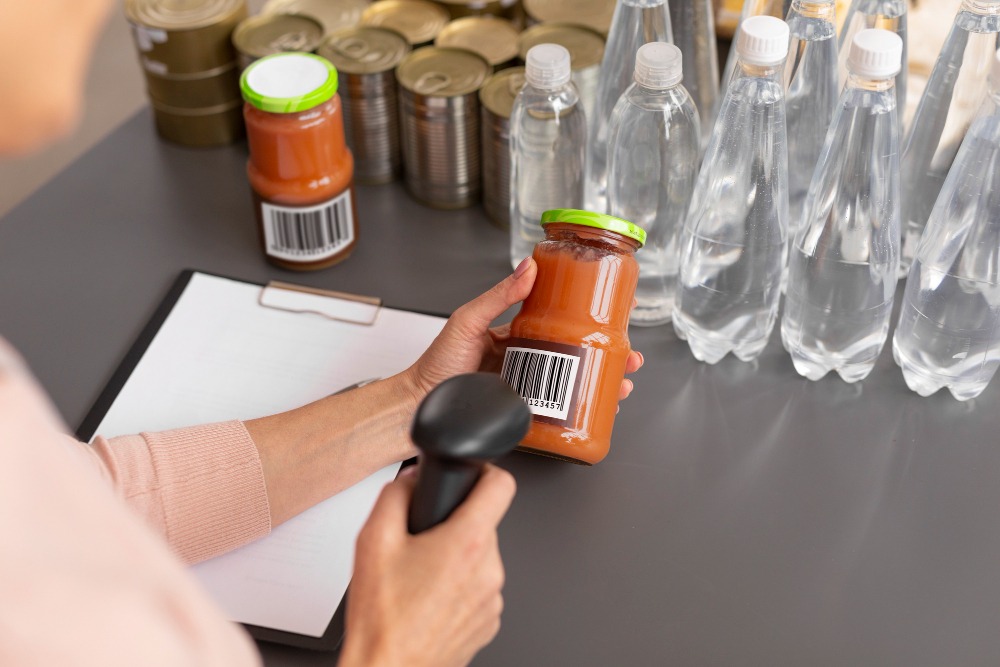
Some products claim to be “natural” or “gentle” but still contain SLS. Marketing language doesn’t guarantee formulation. Always flip the tube and read the actual ingredient panel.
Real-World Performance
After 25 years working with chemical formulations in industrial and consumer products, I can tell you that simpler often works better. Fluoride toothpaste without sodium lauryl sulfate removes an unnecessary irritant while maintaining the functional ingredient your teeth need.
The foam feels satisfying. It seems like it should help. But strip away the marketing psychology, and you’re left with basic chemistry: fluoride strengthens enamel, mechanical brushing removes plaque, and everything else is optional. SLS belongs in the optional category for most people.
Your daily routine doesn’t need to cause discomfort to be effective. Choose fluoride for cavity protection. Skip SLS if you notice any irritation. Brush thoroughly twice daily. That’s the formula that works.
Whether you’re managing sensitive gums, trying to prevent canker sores, or simply looking for gentler oral care, fluoride toothpaste without sodium lauryl sulfate delivers the protection you need with the comfort you want. The chemistry supports it. The clinical studies confirm it. Your mouth will thank you for it.
For reliable chemical ingredients and quality oral care product formulations, Elchemy provides access to both sodium fluoride and alternative surfactants that help manufacturers create effective, gentle toothpaste options. Understanding the chemistry behind oral care helps everyone make better choices for daily health.