

At a Glance
- Boric acid use in U.S. cosmetics has declined due to safety concerns and regulatory scrutiny.
- Brands are actively seeking a boric acid substitute that provides similar benefits like pH control, mild antimicrobial action, and formulation stability.
- Trending substitutes include plant acids, amino acid buffers, and multifunctional cosmetic ingredients that meet clean-beauty expectations.
- Some alternatives also increase product appeal by supporting natural and organic claims.
- Safety, performance, and regulatory acceptance are key drivers in choosing the right substitute.
- This blog explores functions of boric acid, why it’s being replaced, trending alternatives in U.S. products, formulation considerations, and market direction.
Boric acid once appeared in a variety of cosmetics and personal care products as a buffering agent, emulsifier booster, or pH stabilizer. In recent years, its presence has diminished in formulations for the U.S. market. Today, brands are evaluating boric acid substitutes that can deliver similar technical benefits without triggering consumer concern or regulatory scrutiny.
Consumers are more ingredient conscious than ever. Marketing claims like “clean,” “natural,” and “gentle” now influence product choice alongside performance. The reputation of boric acid has shifted in the context of ingredient safety discussions, even though regulated uses remain allowed in specific applications.
This shift has stimulated innovation, pushing brands to experiment with alternatives that align with performance, safety, and consumer acceptance. Below, we explore how boric acid is used, why replacements are trending, what alternatives are gaining traction, and how brands balance chemistry with compliance.
What boric acid does in cosmetics and personal care
Boric acid is a weak inorganic acid that historically served several roles in formulations:
- pH buffering and stabilization
- Enhancing texture and viscosity
- Supporting mild antimicrobial properties in certain rinse-off products
- Acting as a chelating agent in formula systems
Despite its functional benefits, boric acid’s use has declined, particularly where consumer perception and regulatory trends disfavor inorganic acids in leave-on skincare.
In the U.S., cosmetic ingredients must meet FDA labeling and safety guidelines. There is no complete ban on boric acid, but brands have increasingly opted for alternatives due to:
- Consumer avoidance of “acid”-named ingredients
- Trends toward organic and plant-based formulations
- Desire to avoid ingredients perceived as harsh or medical
As a result, formulators are now focusing on next-generation ingredients that achieve similar benefits with better appeal.
Why brands seek a boric acid substitute
There are several reasons why brands are actively reformulating away from boric acid or limiting its use.
Consumer perception
Ingredient lists influence purchase decisions. Names that sound scientific, harsh, or unfamiliar can trigger consumer concern — even if safety profiles are acceptable. Boric acid, by name alone, often triggers such reactions.
Clean and natural beauty trends
Many U.S. brands now prioritize plant-derived, natural, or certified organic ingredients. Boric acid is neither plant-based nor naturally derived in the perception of most consumers. This fuels demand for alternatives that can be marketed as “natural” or clean.
Compatibility and multifunctionality
Formulators prefer ingredients that deliver multiple functional benefits — buffering, texture enhancement, and mild antimicrobial support — in one ingredient rather than several. This simplifies formulations and improves label appeal.
Regulatory certainty
Even when allowed in regulated amounts, boric acid’s presence demands extra justification and documentation. Alternatives with clearer safety acceptance simplify compliance and reduce risk.
Core functions a substitute must deliver
Identifying a viable boric acid substitute requires understanding what technical roles need to be filled:
- pH management: Ensuring the final formula sits within a skin-friendly range
- Emulsion stability: Stabilizing water and oil phases
- Texture enhancement: Supporting smooth application
- Mild preservation or chelation: Offering compatibility with broader preservative systems
Not every substitute will match every function of boric acid. Instead, formulators often combine alternatives to achieve the full spectrum of benefits.
Trending boric acid substitutes in the U.S.
Below are substitutes commonly appearing in U.S. cosmetics and personal care product formulations. These are chosen for technical performance, regulatory acceptance, and consumer appeal.
1. Citric Acid and Other Plant-Derived Acids
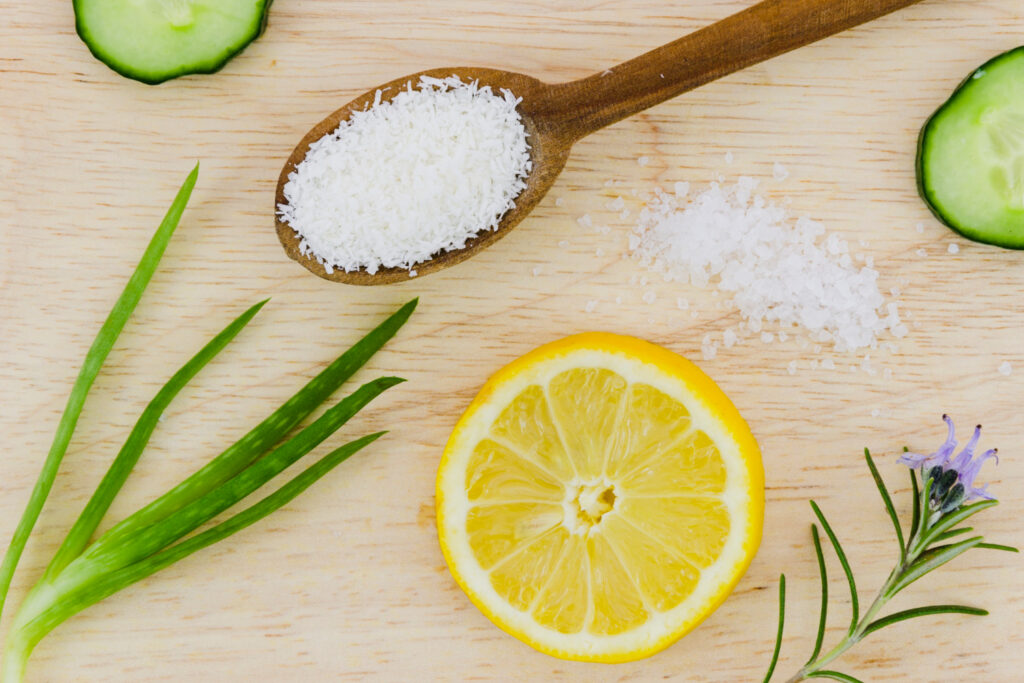
Citric acid, derived from citrus fruits through fermentation or extraction, is one of the most widespread boric acid powder alternatives.
- Supports gentle pH adjustment
- Readily accepted in natural/organic brand positioning
- Compatible with many surfactant, emollient, and polymer systems
Citric acid is widely listed on ingredient decks and understood by consumers due to its presence in foods and beverages.
2. Amino Acid Buffers
Amino acids like arginine and lysine serve as pH buffers and can support formulation stability.
Benefits include:
- Gentle skin compatibility
- Ability to modulate pH without harsh swings
- Suitability for both leave-on and rinse-off products
Because amino acids are naturally occurring and often used in hair and skin products, they have broad acceptance.
3. Tartaric and Malic Acids
Found in grapes and apples respectively, these organic acids are used in some formulations for mild pH control and texture refinement.
They are generally well-tolerated and perceived as natural, fitting the aesthetic of botanical and clean products.
4. Sodium Citrate
Sodium citrate, the salt of citric acid, functions as a buffer and chelating agent. It enhances stability and can support preservative systems.
It is widely seen in cleansers, lotions, and serums that target sensitive skin.
5. Multifunctional Botanical Extracts
Some plant extracts — such as chamomile, aloe vera, green tea, and calendula — provide soothing properties and mild antimicrobial support when combined with other hygroscopic or chelating systems.
These extracts do not replace boric acid outright but contribute to broader functionality in modern formulations.
How brands choose between substitutes
No single ingredient perfectly replaces all technical roles of boric acid. Instead, formulators consider product category, target benefits, and branding priorities.
Example: Rinse-off products
In shampoos or body washes, where pH modulation and chelation may be needed but irritation risk is low, brands commonly choose:
- Sodium citrate
- Amino acid buffers
- Citric acid variants
These options support stability and mildness without compromising cleansing performance.
Example: Leave-on skincare
For moisturizers, serums, or eye creams, the priority shifts to skin barrier compatibility and sensory feel. In these cases, brands lean toward:
- Amino acid buffers
- Botanical extracts
- Organic acid blends derived from fruits
Here, a boric acid substitute must be exceptionally gentle and well tolerated.
Natural positioning and ingredient transparency
Consumers increasingly filter products based on familiar, food-derived, or plant-sounding ingredients. A label that lists citric acid, amino acids, or botanical extracts often outperforms one that lists industrial acids or inorganic compounds in perceived gentleness.
This shift influences marketing language. Brands that highlight terms like “plant-derived,” “fermented,” or “naturally buffered” tend to resonate more with clean beauty buyers.
This is one reason why a boric acid powder alternative derived from citrus, fruits, or amino acids has stronger commercial appeal.
How substitutes perform in formulation
Performance comparisons can help guide formulation decisions:
| Function | Boric Acid | Citric Acid | Sodium Citrate | Amino Acid Buffers |
| pH buffering | Strong | Medium | High | High |
| Texture enhancement | Medium | High | High | Medium |
| Chelation | Weak | Medium | High | Low |
| Consumer perception | Low | High | High | Very High |
| Compatibility with sensitive skin | Medium | High | High | Very High |
This table illustrates why no single substitute wins across all categories. Often, brands blend ingredients to balance performance and perception.
Regulatory and safety considerations
In the U.S., cosmetic ingredients must be listed on the label and must not cause harm under intended use. Unlike pharmaceutical actives, cosmetic functional ingredients like buffers are managed under broader safety expectations, not specific approvals.
Boric acid remains allowable in regulated amounts, but its use invites extra scrutiny from both consumers and some clean-beauty retailers. Alternatives derived from food or botanicals often ease that concern.
Because substitutes like citric acid and amino acid buffers are well understood and widely used in food, supplements, and personal care, they typically raise fewer regulatory flags.
Formulating for performance and perception
Balancing technical performance with consumer expectations is now a core part of product development.
Brands must ask:
- Does the substitute provide the needed function?
- Does it support the brand’s positioning (natural, organic, dermatologist-tested)?
- Does it align with target consumer expectations?
This mindset has shifted many formularies away from inorganic acids and toward botanically aligned ingredients.
Market trends shaping substitute use
Several broad U.S. market trends have accelerated adoption of boric acid alternatives:
1. Clean and minimalist labels
Shorter ingredient lists that highlight plant-derived ingredients hold strong appeal. Substitutes that match this style help brands stand out.
2. Sensitive-skin segments
Products targeting irritation-prone consumers intentionally avoid harsh acids or inorganic compounds, favoring amino acids or gentle organic acids.
3. Organic certification requirements
Organic personal care standards often limit inorganic and synthetic ingredients. This creates demand for alternatives that fit within certification frameworks.
4. Digital ingredient transparency
Consumers compare ingredient lists online. Ingredients perceived as unfamiliar or harsh are more likely to reduce conversions, pushing brands toward more recognizable alternatives.
Practical examples of how alternatives are used
In moisturizers, a combination of sodium citrate and amino acid buffers helps maintain a skin-friendly pH while supporting a smooth, non-tacky texture.
In serums that target sensitive or redness-prone skin, chamomile or aloe extracts paired with fruit-derived acids create a calming base that meets consumers’ natural expectations.
In cleansers, sodium citrate and cocamidopropyl betaine blends can provide mild cleansing without stripping, replacing both the buffering and textural contributions of boric acid.
Each formulation responds to category needs while delivering performance and compliance.
Conclusion
The shift away from boric acid in U.S. cosmetics and personal care products reflects deeper market dynamics, not just ingredient avoidance. Consumers now demand formulations that balance effectiveness, safety, and transparent ingredient storytelling.
A thoughtful boric acid substitute offers similar functional benefits — buffering, mild texture control, and formulation stability — while enhancing consumer trust. Citrate systems, amino acid buffers, plant acids, and multifunctional botanical extracts are among the most effective and market-aligned options.
A boric acid powder alternative derived from natural sources not only rises to the technical challenge but also fits modern expectations around clean beauty and skin compatibility.
As ingredient literacy continues to grow, brands that successfully marry performance with perception will lead the future of personal care innovation in the U.S.