

At a Glance
- Caustic soda (sodium hydroxide) costs 4-5 times more than lime but requires less equipment investment
- Lime provides stronger neutralization per pound, needing 42% less material than caustic for the same job
- Caustic soda has a pH of 14.0 while lime reaches 12.45, making caustic more hazardous
- Lime generates significant sludge volumes, roughly 2 pounds of sludge per pound of lime used
- Caustic soda dissolves completely in water while lime products need mixing to form slurries
- Operating costs favor lime for large-scale operations, caustic for smaller volumes
- Safety considerations strongly lean toward lime with reduced burn risk and easier handling
Picture this. You’re standing in a treatment plant watching thousands of gallons rush through the system. Your pH levels are off, and you need to make a quick call. Do you reach for caustic soda or lime? That decision affects your budget, safety protocols, and the entire operation downstream.
This isn’t just about picking a chemical. It’s about understanding what each one brings to the table and what it takes away. Both chemicals have been around forever in industrial settings, but they work differently and come with their own sets of challenges.
Let’s break down what you really need to know when choosing between caustic soda or lime for your operation.
Understanding Caustic Soda vs Lime in Water Treatment
Here’s the thing. Both chemicals serve the same basic purpose – they raise pH and neutralize acids. But the way they get there? Completely different.
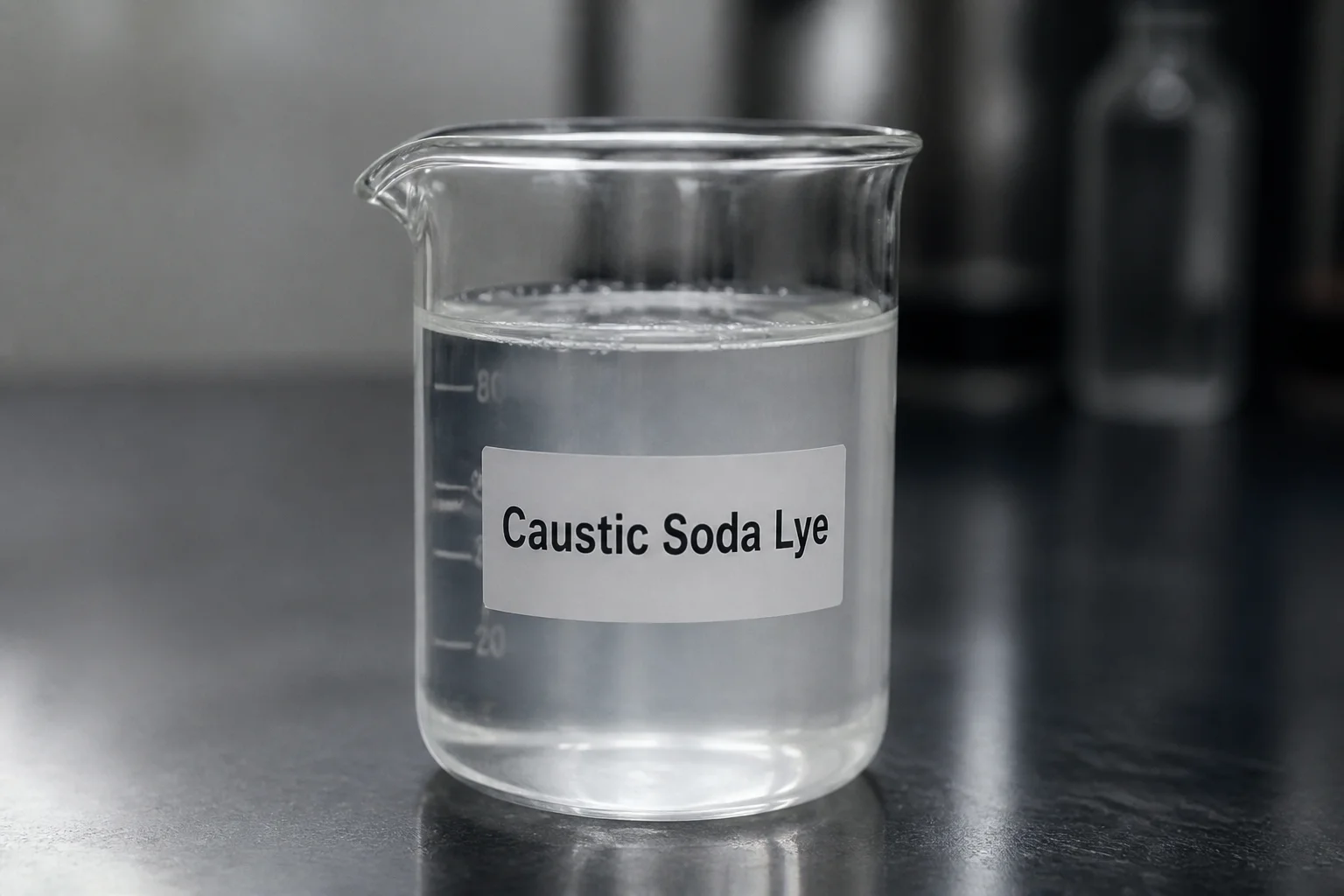
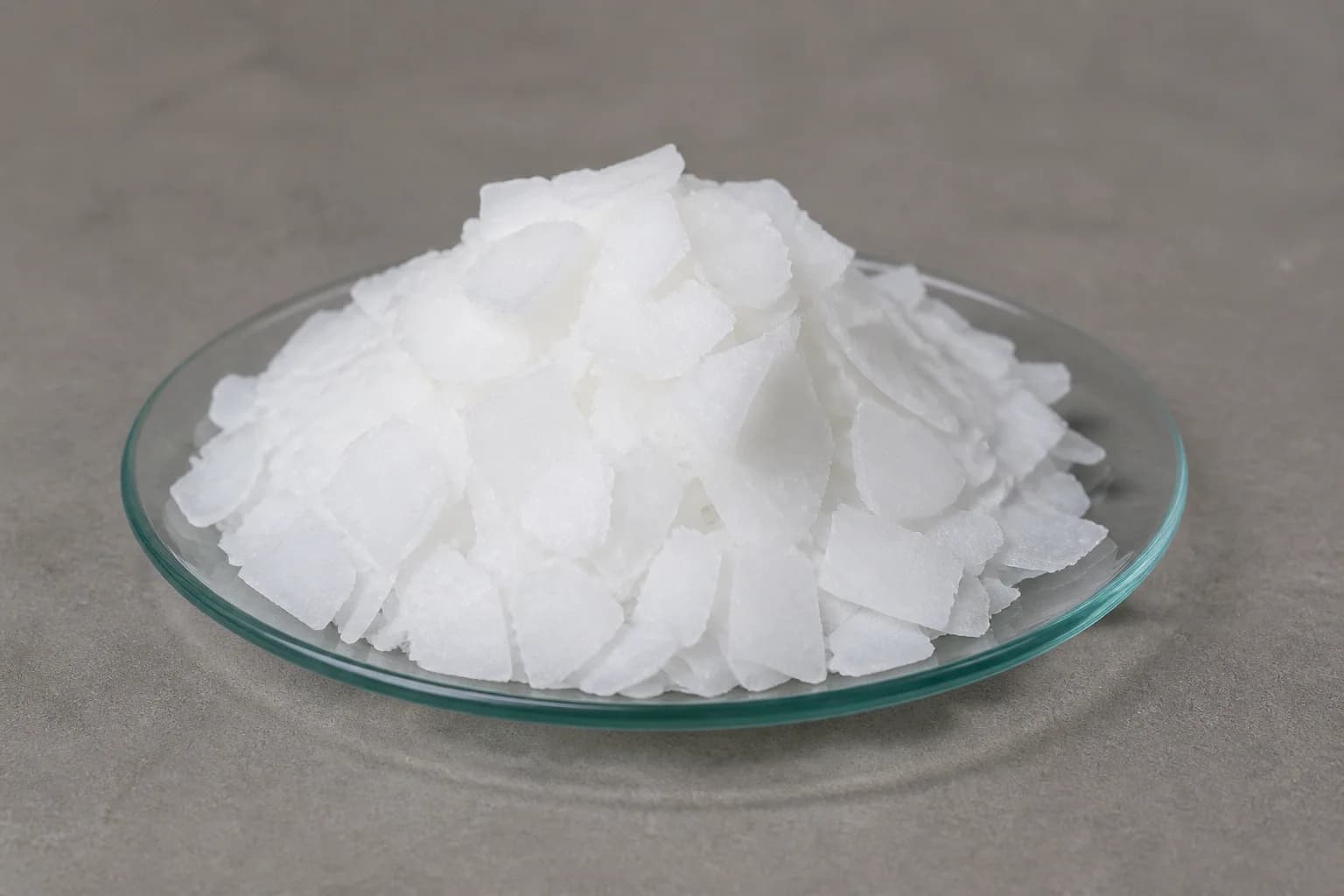
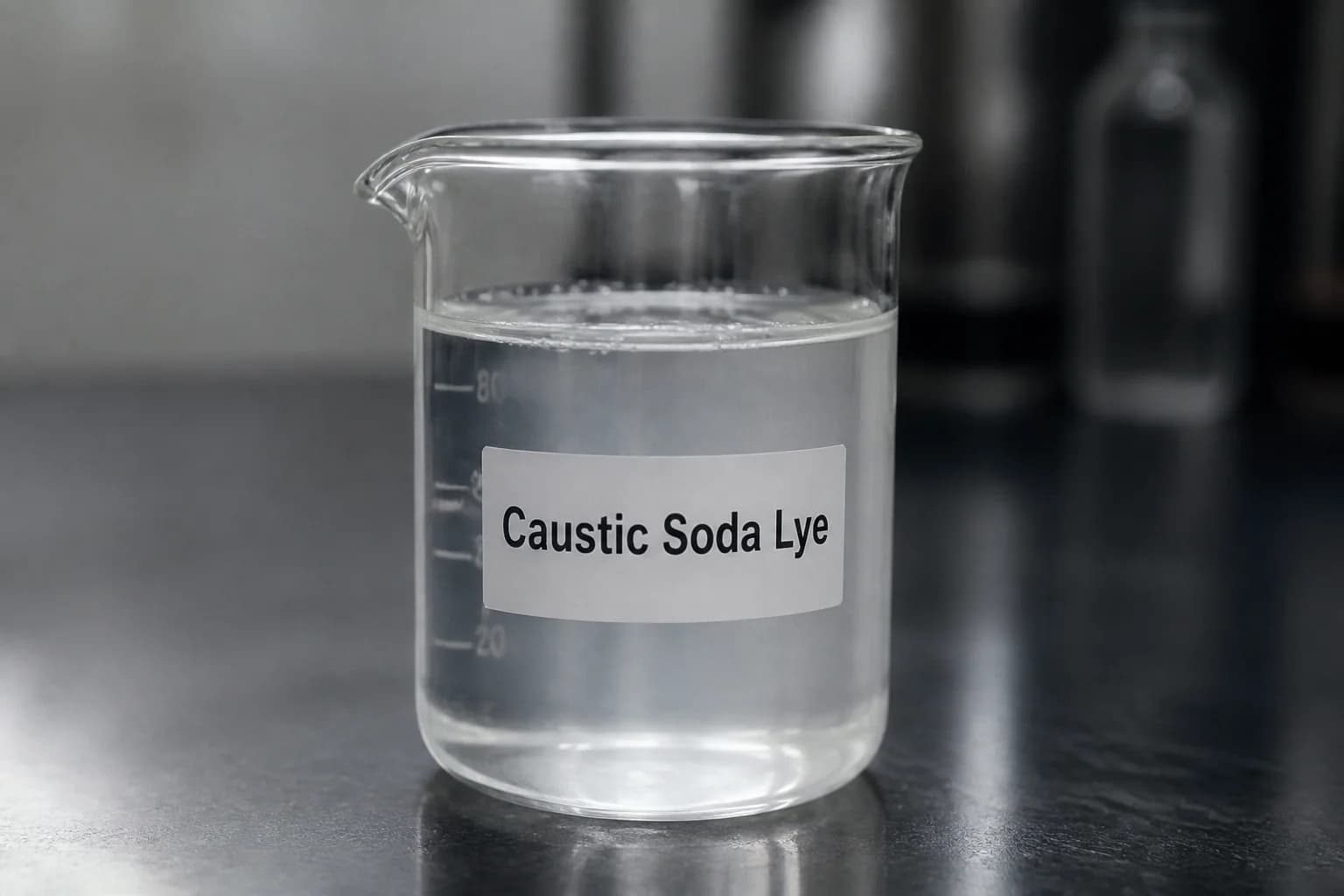
Caustic soda is sodium hydroxide (NaOH). It comes as a liquid in 20% or 50% solutions. You don’t need to mix it or prepare it. Just dose it straight from the container. It dissolves completely in water and starts working immediately. That instant reaction makes it popular for operations needing precise pH control.
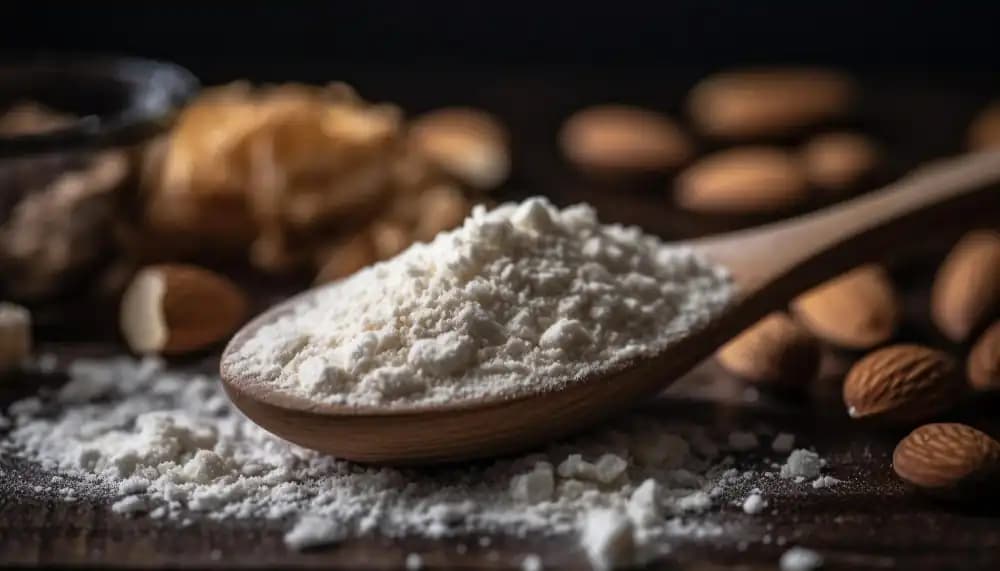
Lime shows up in several forms. You’ve got quicklime (CaO), hydrated lime (Ca(OH)₂), and lime slurry. Unlike caustic, lime products need water to become useful. Quicklime must be “slaked” (mixed with water) before use. Hydrated lime comes as a powder that you mix into slurries. Lime slurry arrives ready to use but needs constant mixing to prevent settling.
The neutralization power tells an interesting story. To neutralize one ton of sulfuric acid, you need about 1,140 pounds of quicklime. The same job requires 1,630 pounds of dry caustic soda. That’s a 42% increase in material. Pound for pound, lime packs more punch.
Quick Overview: Key Differences
| Factor | Caustic Soda | Lime Products |
| pH Level | 14.0 (highly corrosive) | 12.45 (moderately alkaline) |
| Material Cost | $800-1,200/ton | $150-300/ton |
| Neutralization Efficiency | Lower (42% more needed) | Higher (stronger per pound) |
| Sludge Production | Minimal to none | High (2 lbs sludge per 1 lb lime) |
| Setup Cost | Low ($10,000 basic system) | High ($100,000+ for slaking equipment) |
| Handling Safety | Hazardous, severe burn risk | Safer, moderate irritant |
Cost Comparison: Initial Investment vs Operating Expenses
Money talks. Let’s get real about what you’ll actually spend.
A basic caustic soda system runs about $10,000 to set up. You need storage tanks, dosing pumps, and safety equipment. That’s it. Simple and straightforward. No mixing equipment, no complicated preparation systems. For small operations treating less than 105 tons of acidity per year, caustic makes financial sense upfront.
Lime systems cost significantly more to install. A complete lime slurry setup can hit $100,000 easily. You’re paying for slaking equipment, mixing tanks, agitators, and more robust infrastructure. Quicklime needs expensive slaking systems. Even pre-made lime slurry requires constant agitation systems to prevent settling.
But here’s where it flips. Operating costs tell a different story. Caustic soda costs 4 to 5 times more than lime at current market prices. That gap adds up fast when you’re treating large volumes. Studies show that for facilities treating over 100 tons of acidity annually, lime systems pay for themselves within 10 years through chemical cost savings alone.
A medium-sized facility treating 500 tons yearly might spend $15,000 on lime versus $60,000 on caustic soda for the same neutralization work. Over 10 years, that’s $450,000 in savings even after accounting for the higher equipment costs.
Efficiency Analysis
| Annual Acidity Load (tons CaCO₃) | Caustic Soda Total Cost (10 years) | Lime Total Cost (10 years) | Breakeven Point |
| 50 tons | $75,000 | $85,000 | Not cost-effective |
| 100 tons | $140,000 | $125,000 | 10+ years |
| 200 tons | $275,000 | $180,000 | 5-7 years |
| 500 tons | $650,000 | $350,000 | 3-4 years |
Performance in Different Applications
Water Treatment and pH Control
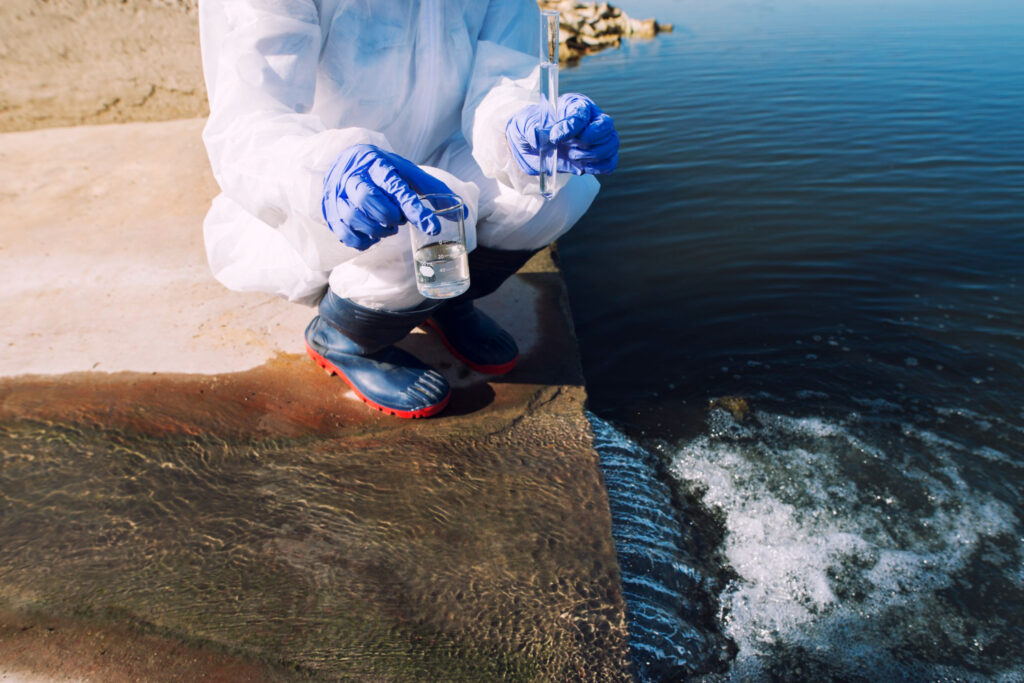
Caustic soda wins for precision. It’s completely soluble and reacts instantly. Water treatment plants that need tight pH control between 7.0 and 8.5 often prefer caustic. There’s no lag time, no settling issues, and adjustments happen quickly.
Lime works differently. The hydroxide ions come from suspended particles that need time to dissolve. This creates a buffering effect that some operators actually prefer. The pH doesn’t spike as dramatically, which can protect sensitive downstream processes.
For drinking water systems, lime brings an unexpected benefit. It adds calcium ions that reduce corrosion in distribution pipes. Studies show lime-treated water causes less pipe degradation than caustic-treated water. The calcium forms protective scales that shield metal surfaces.
Wastewater Treatment Performance
Wastewater treatment plants face a different challenge. Here’s where the caustic soda vs lime debate gets interesting.
Research from the Blue Plains facility in Washington DC found that lime-treated activated sludge systems showed better settling characteristics. The calcium ions helped floc formation. Plants using lime reported improved effluent quality, lower turbidity, and more stable operations compared to caustic-treated systems.
The reason? Divalent cations like calcium (Ca²⁺) strengthen biological flocs. Monovalent sodium (Na⁺) from caustic can actually weaken these structures. For facilities relying on biological treatment, lime supports microbial communities better than caustic.
But caustic has one major advantage: zero sludge production. Every pound of lime generates roughly 2 pounds of sludge through calcium carbonate precipitation. For facilities already struggling with sludge disposal, that’s a serious problem.
Industrial Neutralization
Mining operations, metal processing, and chemical plants often deal with highly acidic waste streams. Here’s what works better.
For moderate acidity loads, caustic soda makes sense. It’s easier to handle at remote sites without electricity. You can store it in portable totes and move it around with basic equipment. The reaction happens fast, which matters when treating batch processes.
High-volume acid neutralization favors lime. The material cost savings become overwhelming. A mining facility neutralizing 1,000 tons of acid yearly could save $400,000 annually using lime instead of caustic, even after equipment costs.
Lime also helps with heavy metal precipitation. The high pH creates conditions where metals like lead, cadmium, and chromium form insoluble hydroxides. They drop out of solution and get removed with the sludge. Caustic raises pH too, but doesn’t provide the same precipitation benefits.
Safety Considerations
Let’s talk about what happens when things go wrong.
Caustic soda at pH 14.0 is seriously dangerous. Splashes cause severe chemical burns within seconds. It eats through skin, damages eyes permanently, and creates hazardous fumes. Workers need full protective gear – rubber gloves, face shields, chemical-resistant clothing. Even with precautions, accidents happen.
The chemical also freezes at 60°F (16°C), which plugs feed lines in cold weather. Frozen caustic creates maintenance headaches and potential safety issues when operators try to thaw blocked systems.
Lime sits at pH 12.45. Still alkaline, still requires safety equipment, but notably less aggressive. Chemical burns are less severe and slower to develop. Workers get more reaction time to wash off exposures. The powdered form creates dust issues, but modern slurry systems minimize that risk.
Transportation classifications tell the story clearly. Caustic soda ships as a hazardous material requiring special handling. Lime products generally don’t fall under dangerous goods classifications. That affects insurance costs, training requirements, and regulatory compliance.
Safety Comparison Table
| Safety Factor | Caustic Soda | Lime |
| Burn Severity | Severe, immediate damage | Moderate, slower reaction |
| Required PPE | Full chemical suit, face shield | Gloves, goggles, dust mask |
| Spill Response | Hazmat team, extensive cleanup | Standard cleanup, less urgent |
| Storage Requirements | Temperature-controlled, hazmat-rated | Standard chemical storage |
| Transport Classification | Dangerous goods | Generally non-hazardous |
Sludge Production and Disposal
This is where lime shows its biggest weakness.
Every pound of lime creates approximately 2 pounds of sludge. Large treatment plants can generate 30,000+ tons of lime sludge annually. That material needs dewatering, storage, and disposal. Des Moines, Iowa spends $600,000 yearly just on lime sludge disposal.
The sludge is mainly calcium carbonate (CaCO₃). Cities used to dump it in lagoons, but environmental regulations increasingly restrict that practice. Modern facilities need filter presses to dewater sludge from 3% solids to 50% solids before disposal.
But here’s a silver lining. Lime sludge has reuse potential. Agricultural operations use it to neutralize acidic soils. Some cement plants incorporate it into their production. Research shows it works for road construction fill material when mixed with fly ash. The market for lime sludge is growing as disposal costs rise.
Caustic soda produces virtually no sludge. The sodium ions stay dissolved. For facilities already at capacity for sludge handling, this becomes the deciding factor regardless of other considerations.
Environmental and Sustainability Factors

Caustic soda production is energy-intensive. Manufacturing it through electrolysis of brine requires massive electrical input and produces chlorine gas as a byproduct. The carbon footprint runs high.
Lime comes from limestone calcination. Still energy-intensive, but the process is simpler and the raw material is abundant natural rock. The overall environmental impact trends lower than caustic production.
Water hardness provides another angle. Caustic soda adds sodium to water. In areas with strict sodium limits for drinking water (health concerns for people on low-sodium diets), caustic becomes problematic. Lime adds calcium, which actually benefits distribution systems through corrosion protection.
Operational Considerations
Storage and Handling
Caustic soda needs temperature control. Below 60°F, it crystallizes and plugs lines. Heated storage costs money and creates failure points. But the liquid form is easy to pump and dose automatically.
Lime slurries need constant agitation. Stop mixing and the solids settle into concrete-like masses. Cleaning out settled tanks is brutal work. The system needs more maintenance overall.
Process Control
Caustic gives instant response. You see pH changes within seconds of dosage adjustments. That makes automatic control systems easier to tune. Operators can fine-tune pH to exact targets.
Lime responds slower. The particles need time to dissolve. This creates natural buffering but complicates automatic control. Some operators appreciate the stability – pH doesn’t spike unexpectedly. Others find the lag time frustrating.
Scaling and Fouling
Caustic doesn’t scale at normal doses. The sodium stays dissolved. Clean systems, easy maintenance.
Lime causes calcium carbonate scaling. Pipes, valves, and tanks develop hard deposits over time. Regular acid cleaning becomes necessary. This adds maintenance costs and downtime.
Performance Metrics Comparison
| Metric | Caustic Soda | Lime Products |
| Response Time | Immediate (seconds) | Delayed (minutes) |
| pH Control Precision | Excellent (±0.1 pH) | Good (±0.2-0.3 pH) |
| Scaling Potential | Very low | High (requires management) |
| Maintenance Frequency | Low | Moderate to high |
| Automation Compatibility | Excellent | Fair to good |
| Temperature Sensitivity | High (freezing risk) | Low |
Which One Should You Choose?
It depends on your specific situation. Here’s the practical breakdown.
Choose caustic soda when:
- Treating less than 100 tons of acidity annually
- You need precise pH control with quick response
- Sludge disposal is already a major constraint
- Capital budget is limited
- Operating in warm climates (no freezing concerns)
- Space for equipment is restricted
- Automated control is priority
Choose lime when:
- Handling high-volume acid neutralization
- Operating costs are the primary concern
- You can manage sludge disposal
- Capital investment budget is available
- Heavy metal removal is needed
- Safety is a top priority
- Supporting biological treatment processes
- Adding hardness to water is beneficial
For most large industrial operations and municipal treatment plants, lime wins on economics. The upfront investment pays back through lower operating costs and improved process stability.
Smaller facilities and operations needing precision control often stick with caustic despite the higher chemical costs. The simplicity and quick response outweigh the price premium.
Making the Transition
Switching from caustic to lime (or vice versa) isn’t trivial. You’re looking at equipment changes, operator training, and process adjustments. Plants typically make this change during major renovations or when replacing aging equipment.
The transition period requires careful monitoring. pH control behaves differently. Sludge handling systems need upgrades. Operators need time to learn the new chemical’s behavior patterns.
Smart facilities run parallel trials before committing. Install the new system alongside the old one. Compare performance, costs, and operational challenges with real data from your specific conditions.
Final Thoughts
The caustic soda vs lime decision isn’t one-size-fits-all. Both chemicals have earned their place in water treatment and industrial processes through decades of proven performance.
Run the numbers for your specific operation. Consider total lifecycle costs, not just chemical prices. Factor in safety, sludge handling, and operational complexity. The right choice becomes clear when you look at your complete picture rather than isolated factors.
For sourcing quality chemicals and getting expert guidance on the best option for your application, Elchemy provides both caustic soda and lime products along with technical support to optimize your treatment processes. Whether you’re running a large municipal plant or an industrial operation, having a reliable chemical supplier makes all the difference in maintaining consistent performance.