

When food manufacturers reach for a preservative that’s inexpensive, effective, and easy to formulate with, sodium benzoate is one of the first names on the shortlist. It’s been used in commercial food production for over a century. It sits firmly on the FDA’s Generally Recognized as Safe list. And it shows up in everything from soft drinks to salad dressing to pickled vegetables.
It’s also one of the most discussed food additives in the modern “clean label” conversation. Consumer concerns about preservatives generally, and a few specific safety concerns about benzoates in particular, have pushed some brands to reformulate, while others continue to use it without change.
This guide walks through what benzoates are, where they’re used, what the actual safety conversation says, and how the U.S. regulatory framework treats them.
Benzoates at a Glance
| Property | Sodium Benzoate | Benzoic Acid |
| Chemical formula | C7H5NaO2 | C7H6O2 |
| CAS number | 532-32-1 | 65-85-0 |
| E number (EU) | E211 | E210 |
| Solubility in water | High | Low |
| FDA status | GRAS (21 CFR 184.1733) | GRAS (21 CFR 184.1021) |
| Max use level in food (US) | 0.1% by weight | 0.1% by weight |
| WHO/JECFA ADI | 0-5 mg/kg body weight per day | 0-5 mg/kg body weight per day |
| Active form | Converts to benzoic acid in acidic conditions | Active as-is |
What Benzoates Actually Are
Benzoate food preservatives are a group of compounds that include:
- Benzoic acid (the parent compound)
- Sodium benzoate (the most commercially important)
- Potassium benzoate (where sodium content is an issue)
- Calcium benzoate (specific applications, less common)
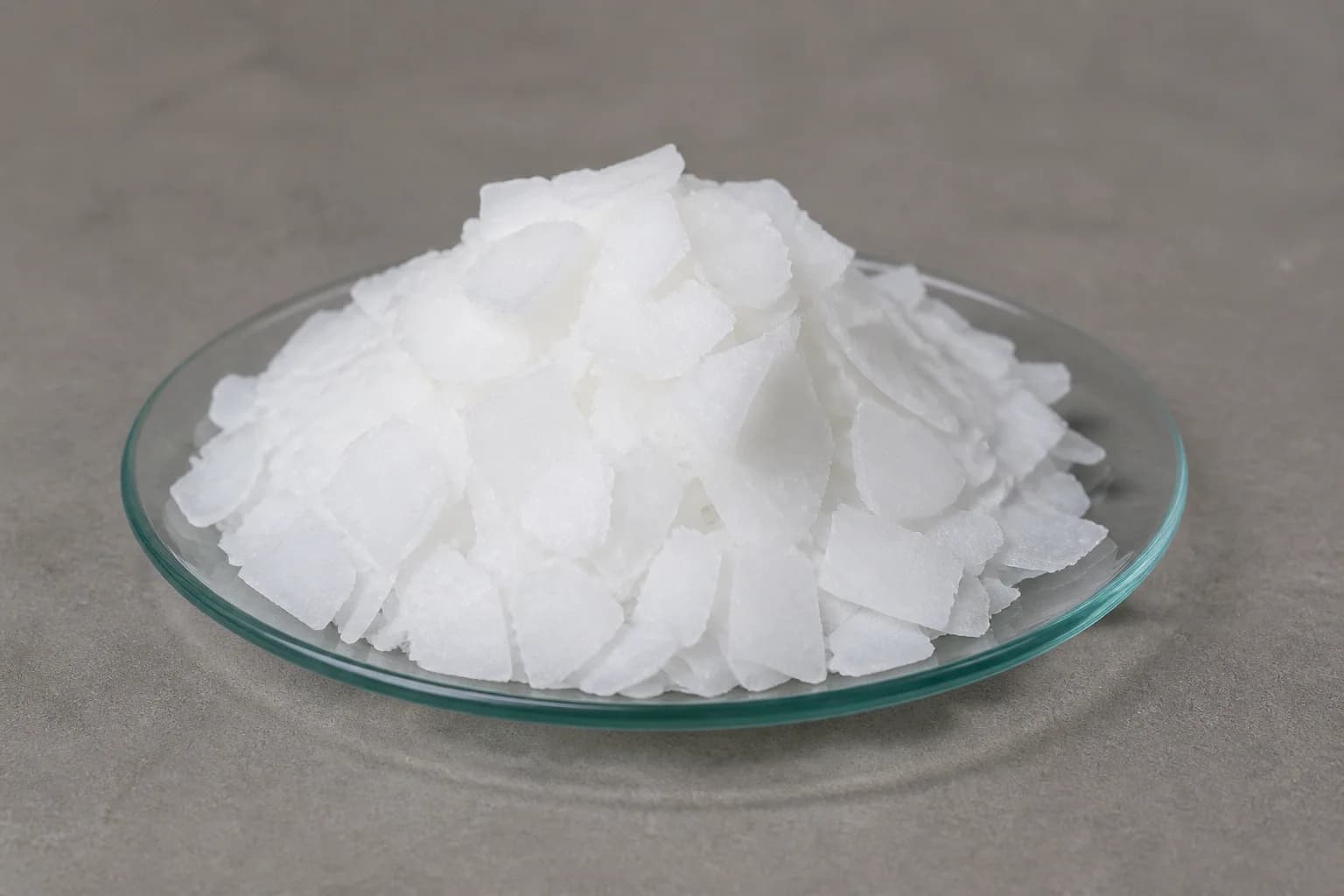
When people refer to benzoates being used to preserve food, they are usually referring to sodium benzoate. It is a white crystalline powder, very soluble in water, and is manufactured on a commercial scale by neutralisation of benzoic acid with sodium hydroxide or sodium carbonate.
How They Work
Benzoates interfere with the enzymes which are used by microbes to produce energy and break down their cell membranes. They are particularly effective against:
- Yeasts (strong activity)
- Molds (strong activity)
- Bacteria (moderate activity)
The formulation point of interest: benzoates are most effective at acid pH (under 4.5). This is where benzoate preservation is most commonly seen in foods. Benzoates are not effective in neutral or alkaline products.
Uses of Sodium Benzoate in Food and Beverage Industry
Sodium benzoate is used in a wide variety of acid processed foods.
Beverages
- Carbonated soft drinks (the largest commercial application on volume basis)
- Fruits and fruit drinks, except 100% fruit juice
- Sports and energy drinks
- Iced teas, ready-to-drink coffees (acidic formulations)
- Tonic water and mixers
Condiments and Sauces
- Oil and vinegar based salad dressings
- Ketchup, mustards, and barbeque sauces
- Hot sauces (vinegar-based)
- Soy sauce variations
- Creamy dressings and mayonnaise
Pickled Foods and Those with an Acidic pH
- Pickles, relishes and chutneys
- Sauerkraut and other fermented vegetables
- Pickled olives and peppers
- Acidic marinades
Home Preparation of Jams, Preserves, and Sweet Spreads
- Low sugar jams and jellies (low sugar has the effect of taking out the natural preservation effect)
- Fruit preserves
- Acidic dessert toppings
Other Applications
- Butters and some margarines
- Acidic dairy products (some yogurts and cultured dairy)
- Animal feed (per AAFCO can be used up to 0.1%)
- Pharmaceutical syrup and oral liquid medicines (as non-food use)
The Safety Conversation: What’s Really Going On
Here, the benzoates get complicated as the discussion may overlap three areas of concern. Let’s separate them.
Concern 1: Safety at Approved Levels (General)
The scientific opinion is that sodium benzoate is safe if used according to the Acceptable Daily Intake (0-5 mg per kg body weight per day). This is in line with the recommendations of the WHO, FDA, EU EFSA and other food safety authorities.
This is an ADI of up to 350 mg/day for an average adult weighing 70 kg. Exposure in the real world, from the consumption of typical foods, is significantly lower than that threshold, even for the heaviest soft drink and condiment consumers.
This is the portion of the safety story that has support.
Concern 2: Benzene Formation (The Real Issue)
The documented safety concern that is relevant to the formulator: sodium benzoate and ascorbic acid (vitamin C) can react to produce benzene, a human carcinogen, when the two are mixed in a drink and subjected to heat or light.
History of this development:
- First detected in 1990 in soft drinks, as part of regulatory testing
- 2005-2007: FDA sampled about 200 drinks, 10 of which had benzene levels over 5 ppb
- 2006-2008: The big brewers modified the impacted products
- Most of the major brands have either done away with the benzoate-ascorbic acid combination in formulations that are exposed to heat or light, or they have included EDTA (a chelating agent) to prevent the reaction
Today’s formulators:
- Do not mix sodium benzoate with ascorbic acid in drinks that may be stored in conditions that increase the production of benzene
- Replace with potassium sorbate as a preservative in vitamin C fortified drinks
- When benzoate-ascorbic acid combinations are necessary, use EDTA
- Test for benzene in finished materials in high risk formulations
The benzene formation problem is a reality but it is also formulation dependent. A pickle jar containing sodium benzoate has no ascorbic acid, and no risk of formation of benzene. The high risk scenario is a vitamin C enriched soft drink stored in a hot warehouse.
Concern 3: Hyperactivity and Behavioral Effects
The Southampton Study (UK, 2007) investigated the combined effect of artificial food colours and sodium benzoate on children’s behaviour. The study indicated a correlation between some of the ingredient combinations and higher hyperactivity ratings.
What followed:
- In 2010, the EU mandated warning labels for foods that contain certain artificial colors: “May have an adverse effect on activity and attention in children”
- No ban or requirement to add warnings for sodium benzoate in the EU
- The US FDA reviewed the evidence and did not change sodium benzoate’s GRAS status
- Later studies have given conflicting results, and the majority of large-scale reviews have failed to establish a direct causal connection between sodium benzoate itself
This discussion is part of the search query “sodium benzoate side effects,” and it is important to note that:
- The Southampton finding was with mixtures containing artificial colours, not just benzoate by itself
- Warnings for benzoates alone have not been decided on by regulatory bodies in the US and EU
- Sodium benzoate is still allowed and continues to be used
“Sodium Benzoate Side Effects” in Real Life
At normal dietary exposure levels, sodium benzoate is not known to have any side effects that can be detected in most consumers.
In certain scenarios or sensitivities, potential impacts are:
- Allergic-type reactions in a few sensitive individuals (urticaria, asthma-like reactions)
- Behavioral effects as mentioned above, in some children in combination with some artificial colors
- Vitamin C-enriched, heat exposed beverages (formulation, not intrinsic property)
- Theoretical issues of possible oxidative stress at extremely high exposures, much higher than the dietary exposures experienced
To be clear: the discussion about side effects of sodium benzoate is tiny compared to the regulatory framework that would need to be in place if the substance were really a problem at the approved dosage. It is consumed by most people every day without any side effects.
The US Regulatory Framework: What FDA Actually Says
| Regulatory Element | Detail |
| GRAS status | Affirmed under 21 CFR 184.1733 (sodium benzoate) and 21 CFR 184.1021 (benzoic acid) |
| Maximum use level | 0.1% in food products |
| Labeling requirement | Must be listed on the food label by common or usual name |
| Purity standards | Should comply with Food Chemicals Codex or 21 CFR Part 172 standards |
| Animal feed use | Allows up to 0.1% as per AAFCO |
| Current FDA review | Sodium benzoate is not included in the near-term post-market review list, which FDA is currently targeting (BHA, BHT, and azodicarbonamide) |
The U.S. stance has been unchanged for decades: sodium benzoate is GRAS, limited to 0.1% in foods, and is not currently subject to any regulatory action for restriction or ban.
The Clean-Label Conversation: Why Some Brands Ditch Benzoates
Although approved by the regulators and considered safe by many, many brands have taken it out of their formulations as a clean-label positioning.
Reasons brands make this decision:
- The general consumer distrust of preservatives, irrespective of their regulation
- Specific positioning of a brand in terms of “natural” or “no artificial preservatives” attributes
- International market access: some retailers do not permit benzoate formulations
- Eliminating the benzene-formation discussion entirely
Common replacement strategies:
- Potassium sorbate: a different preservative, also GRAS, that does not react with vitamin C to form benzene
- Natural preservation (vinegar, salt, sugar, citric acid)
- Cold-chain distribution (refrigerated transport and storage, instead of chemical preservation)
- Other non-thermal preservation methods such as high pressure processing (HPP)
- Packaging that is vacuum sealed and requires less chemical preservation
Sodium benzoate is still the most widely used preservative in the mass market due to its cost, efficacy and stability. Alternatives have captured some market share for premium positioning and some export markets, as well as for clean-label brands.
Takeaways for Food Manufacturers
If you are making a product and you are thinking about using benzoates as a food preservative, the following is what is important:
Use benzoates when:
- Your product is acidic (pH less than 4.5) and requires yeast/mold control
- A low cost, well-established preservative is more economical for shelf-life reasons
- Your brand positioning does not have to be “preservative free” marketing
- In your formulation, benzoates and ascorbic acid do not come in contact with each other under heat exposure
Consider alternatives when:
- Vitamin C is added to your product, particularly in clear or heat exposed packages
- Clean label and natural claims are the foundation of your brand positioning
- You are shipping to markets that have more stringent preservative requirements
- Your product is designed for the children’s market segments that the Southampton conversation is relevant to
Always:
- Do not exceed the maximum use level of 0.1%
- Source from a supplier with Food Chemicals Codex purity standards
- List benzoates as an ingredient if required by 21 CFR
- Test the stability and microbial safety of the finished product, no matter the preservative used
The Bottom Line
Sodium benzoate is one of the most extensively investigated food preservatives used commercially. Regulatory opinion in the US, EU, UK and most other major markets is that it is safe when used at approved levels.
The actual procurement and formulation discussions are on:
- Whether or not your particular product meets the conditions where benzoates are effective
- If the benzene-ascorbic acid problem is relevant to your formulation
- If your brand positioning is in favor of or against preservative use
The use of benzoates as food preservatives remains a practical, economical and regulatory safe option for acidic mass-market food and beverage applications, where vitamin C interactions are not a concern. In the case of clean label or vitamin C fortification, the alternatives are frequently more suitable.
The debate is not about the removal of a dangerous chemical. It is a matter of using the right preservative for the right product, with the right understanding of the behavior of the chemistry in real world storage and use.