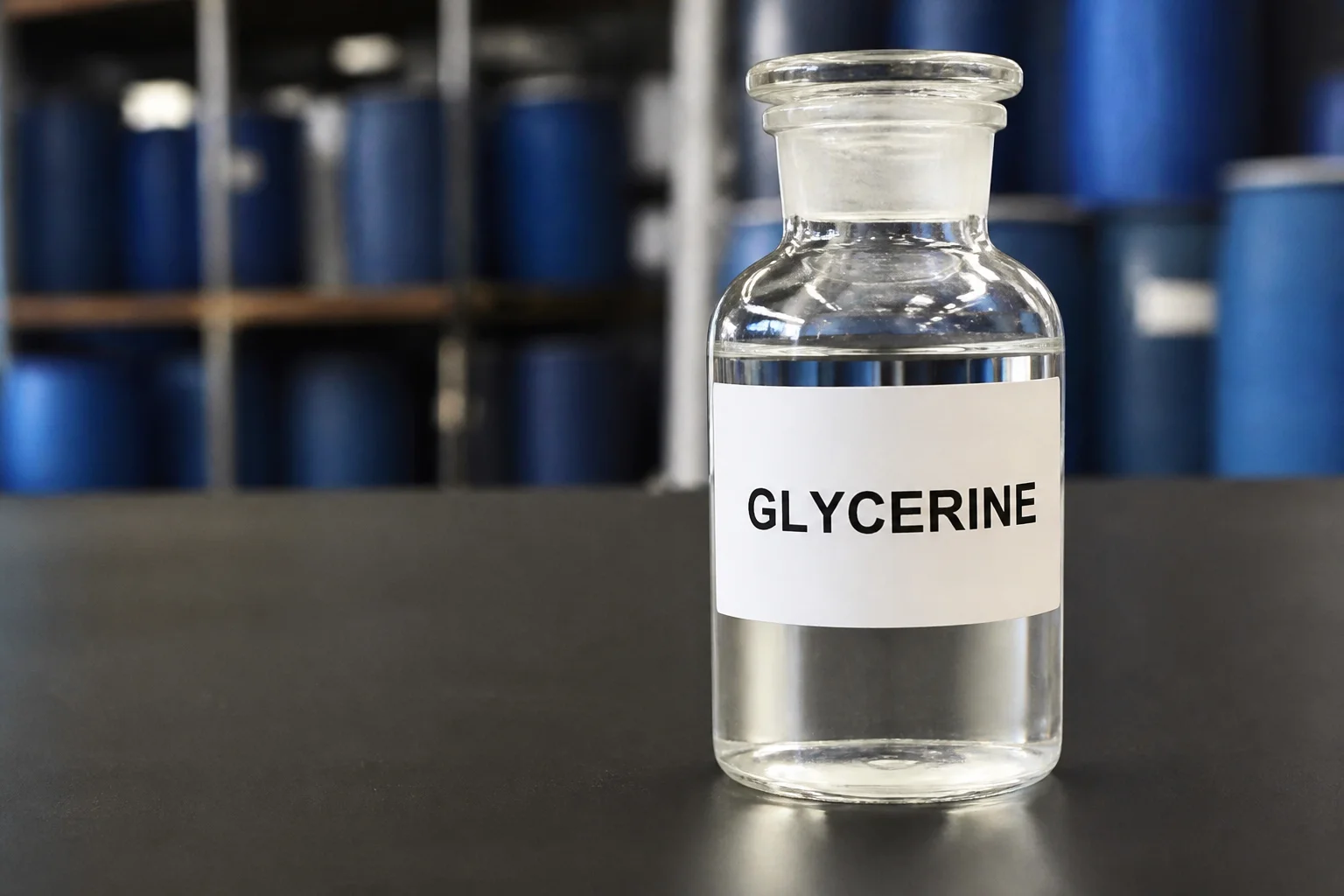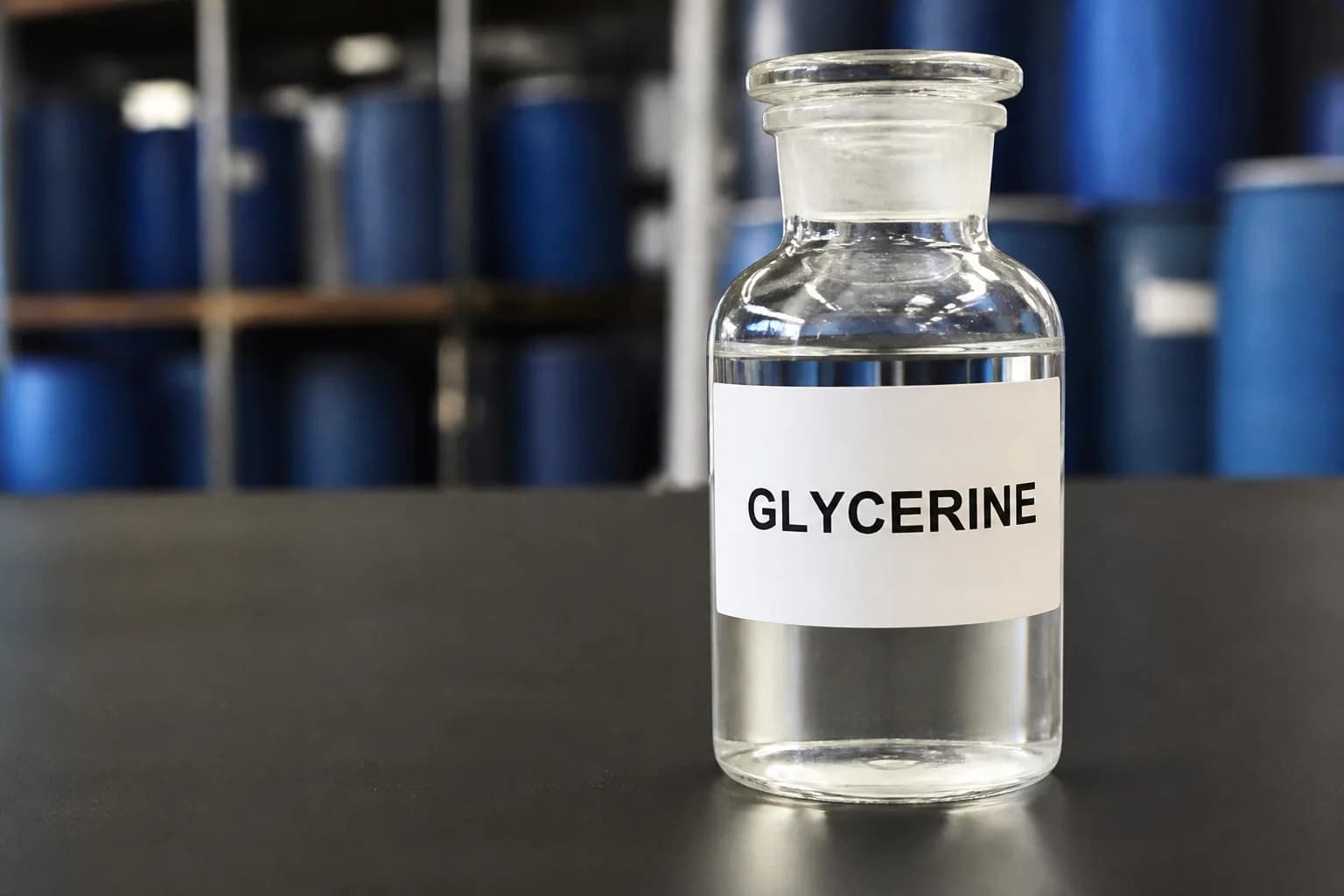


Glycerine (also called glycerol) is one of the most widely used chemical ingredients across multiple industries. From pharmaceutical formulations and cosmetics to food processing and industrial manufacturing, glycerine plays a critical role because of its moisturizing, stabilizing, and solvent properties.
As global production expands and supply chains become more complex, manufacturers increasingly need a reliable bulk glycerine supplier that can deliver consistent quality, regulatory compliance, and scalable logistics. Whether companies operate in the United States, Germany, India, Brazil, the UAE, or Southeast Asia, sourcing glycerine in large volumes requires careful supplier evaluation.
This guide explains where manufacturers buy bulk glycerine, the differences between USP and industrial grades, packaging options, and how to evaluate global suppliers in 2026.
At a Glance
- Bulk glycerine is widely used in pharmaceutical, personal care, food processing, and industrial manufacturing sectors.
- Manufacturers typically purchase glycerine from chemical producers, distributors, or global sourcing industries like Elchemy.
- The two most common grades are USP (pharmaceutical/food grade) and industrial grade glycerin.
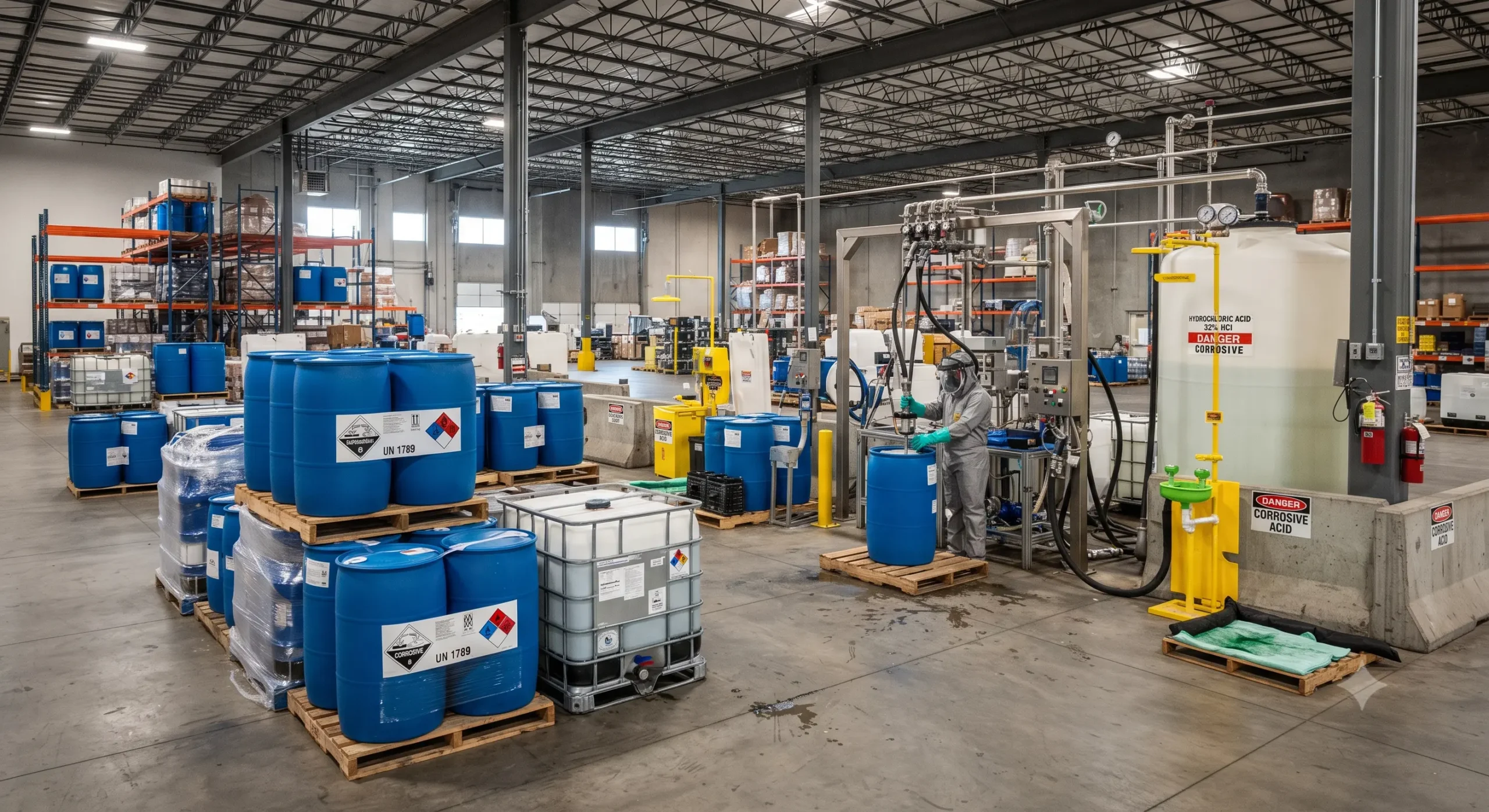
- Bulk glycerine is supplied in drums, IBC totes, and tanker shipments depending on manufacturing scale.
- Evaluating a bulk glycerine supplier requires checking purity standards, certifications, logistics capability, and global supply reliability.
What is Bulk Glycerine and Why Industries Use It

What is Glycerin (Glycerol)?
Glycerin is derived from vegetable oils, animal fats, or biodiesel production, and understanding how glycerin is sourced and produced helps manufacturers select the right grade.
It is widely valued in manufacturing because it functions as:
- A humectant (retains moisture)
- A solvent in chemical formulations
- A stabilizer in pharmaceutical and cosmetic products
- A sweetening and preservation agent in food applications
Because of its versatility, global demand for glycerine continues to grow across both consumer and industrial markets, especially when manufacturers evaluate glycerin vs vegetable glycerin for different formulations.
Major Industrial Applications of Glycerine
Bulk glycerine is used in several industries worldwide, including:
Pharmaceutical Industry : Glycerin is widely used in cosmetics and personal care formulations because of its moisturizing properties, especially in products like lotions, creams, and shampoos..
- Syrups
- Capsules
- Medical formulations
Cosmetics & Personal Care : In cosmetics and personal care products, glycerine acts as a powerful humectant that helps retain moisture in skin and hair products like lotions, creams, shampoos, and soaps, which explains why glycerin is widely used in personal care formulations.
- Moisturizers
- Lotions
- Soaps
- Toothpaste
Food Industry : Food manufacturers use glycerine as a sweetener, preservative, and texture stabilizer in products such as baked goods, beverages, and processed foods, highlighting the growing role of refined glycerine in food and pharma applications.
- Sweetener and preservative
- Texture stabilizer
Chemical Manufacturing : In chemical manufacturing, glycerine serves as a key raw material for producing resins, plasticizers, solvents, and specialty chemical formulations.
- Alkyd resins
- Plasticizers
- Antifreeze formulations
Industrial Processing : Glycerine is also used in industrial applications including lubricants, antifreeze formulations, coatings, and textile processing due to its stability and viscosity properties.
- Lubricants
- Coatings
- Textile treatments
Due to these diverse applications, companies often need a stable long-term bulk glycerine supplier capable of delivering consistent quality.
Where Manufacturers Buy Bulk Glycerine
Manufacturers source glycerine through several procurement channels depending on volume requirements, geographic location, and compliance standards.
Direct From Global Chemical Manufacturers
Large manufacturers often purchase glycerine directly from chemical production companies.
Major production regions include:
- Indonesia
- Malaysia
- India
- United States
- Brazil
- Germany
Direct sourcing works best for high-volume contracts and long-term supply agreements.
Chemical Distributors and Regional Suppliers
Many companies purchase glycerine through regional chemical distributors.
Advantages include:
- Lower minimum order quantities
- Faster regional delivery
- Local warehousing
- Simplified procurement
This model is common for manufacturers in regions such as North America, Europe, and the Middle East.
Digital Chemical Sourcing Platforms
Modern procurement teams increasingly rely on digital chemical sourcing platforms that connect buyers with verified global suppliers.
Elchemy simplify bulk chemical procurement by providing:
- Access to verified glycerine manufacturers across Asia, Europe, and North America
- Supply coordination across countries such as the USA, India, Germany, UAE, Brazil, and Singapore
- Quality documentation and compliance support
- End-to-end logistics assistance
By combining supplier discovery with supply chain management, these platforms help manufacturers secure reliable global supply.
International Bulk Chemical Trading Companies
Global chemical traders also play a key role in glycerine supply.
They help manufacturers:
- Source glycerine from international markets
- Manage cross-border logistics
- Handle regulatory documentation
This sourcing model is common for buyers importing glycerin into the United States, European Union, Middle East, and Latin America.
USP vs Industrial Grade Glycerine (Key Differences)
One of the most important factors when selecting a bulk glycerine supplier is choosing the correct grade.
USP Grade Glycerine
USP (United States Pharmacopeia) glycerine is a high-purity pharmaceutical grade used in regulated applications.
Key characteristics:
- Purity typically 99.5% or higher
- Pharmaceutical and food safety compliant
- Used in cosmetics, medicines, and food products
- Strict regulatory requirements
Industries using USP grade include pharmaceutical companies, food manufacturers, and personal care brands.
Industrial Grade Glycerine
Industrial glycerin is used for chemical processing and manufacturing applications where pharmaceutical purity is not required.
Typical uses include:
- Resins
- Antifreeze
- Industrial lubricants
- Chemical intermediates
Industrial grade glycerine generally has lower purity tolerance and lower cost compared to USP grade.
| Feature | USP Grade | Industrial Grade |
| Purity | 99.5%+ | Lower tolerance |
| Compliance | Pharma/Food | Industrial |
| Cost | Higher | Lower |
| Applications | Food, pharma, cosmetics | Chemical manufacturing |
Packaging Options for Bulk Glycerine Supply
Bulk glycerine suppliers offer several packaging formats depending on production scale.
Glycerine Drums
Common for smaller bulk purchases.
Typical specifications:
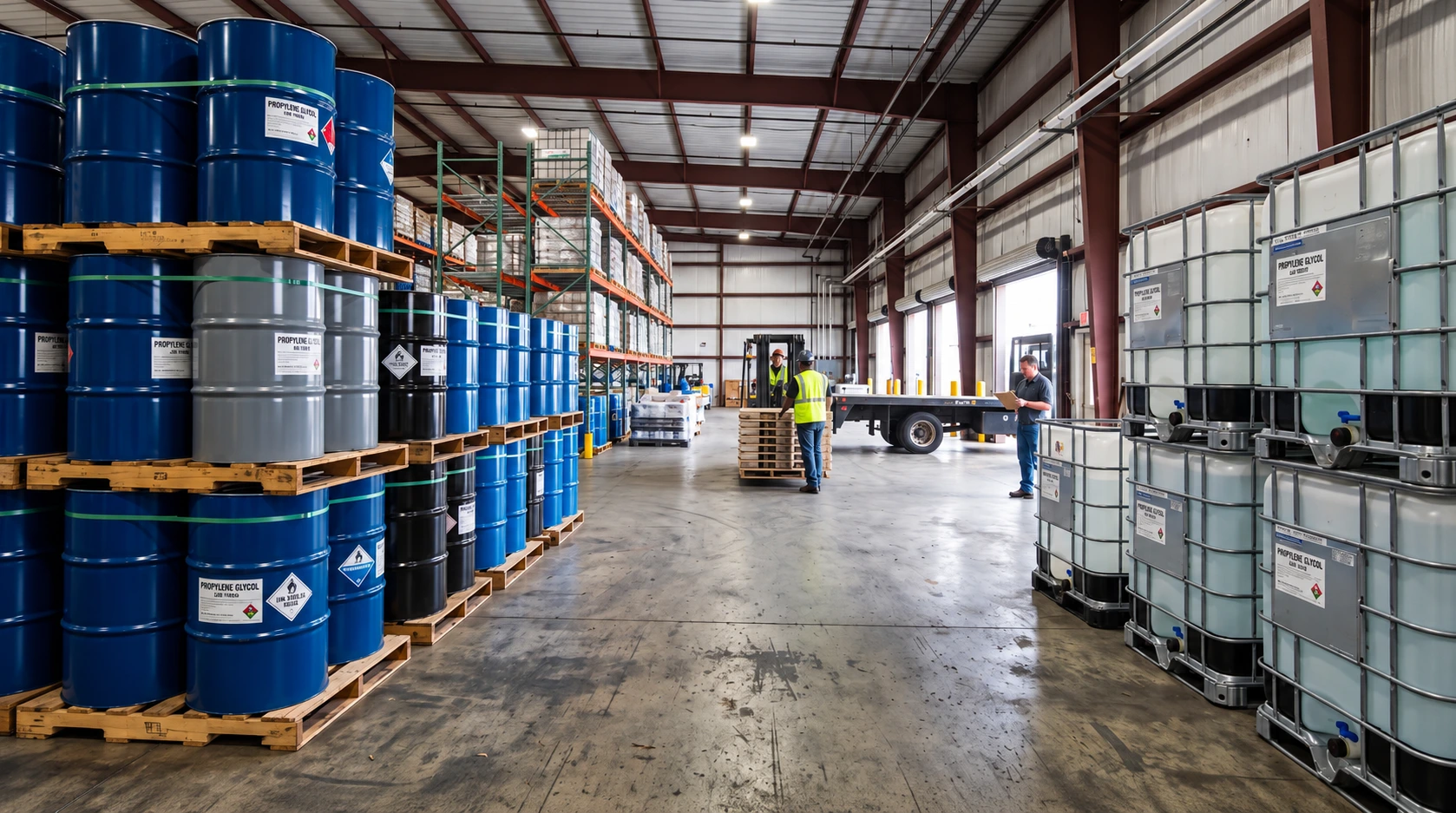
- 250 kg steel or HDPE drums
- Easy storage and transportation
- Suitable for mid-scale manufacturing
IBC Totes
Intermediate Bulk Containers (IBCs) are widely used in industrial supply chains.
Typical capacity:
- 1000 kg containers
Benefits include:
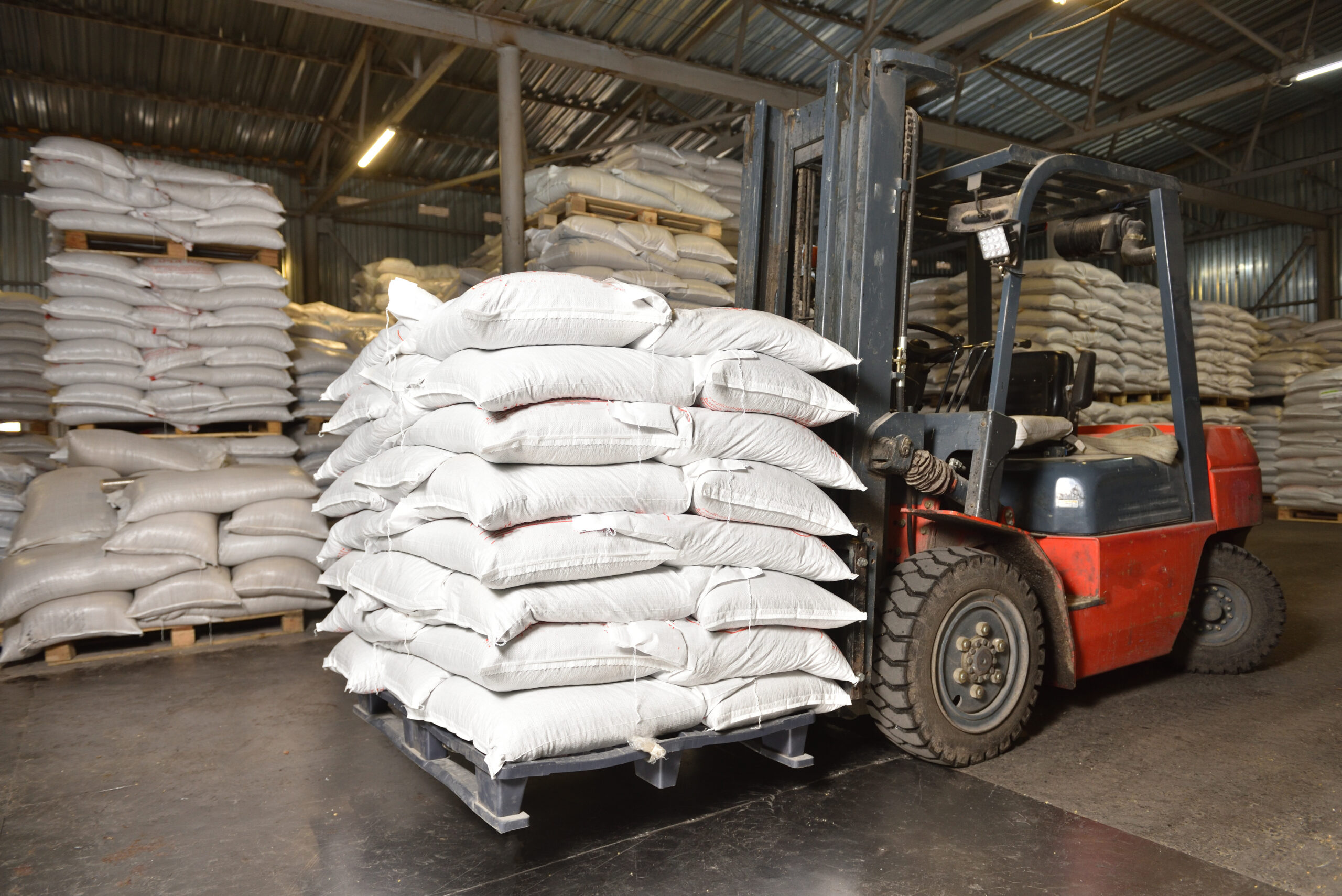
- Easy handling with forklifts
- Efficient storage
- Lower packaging cost per unit
Tanker Trucks and ISO Tanks
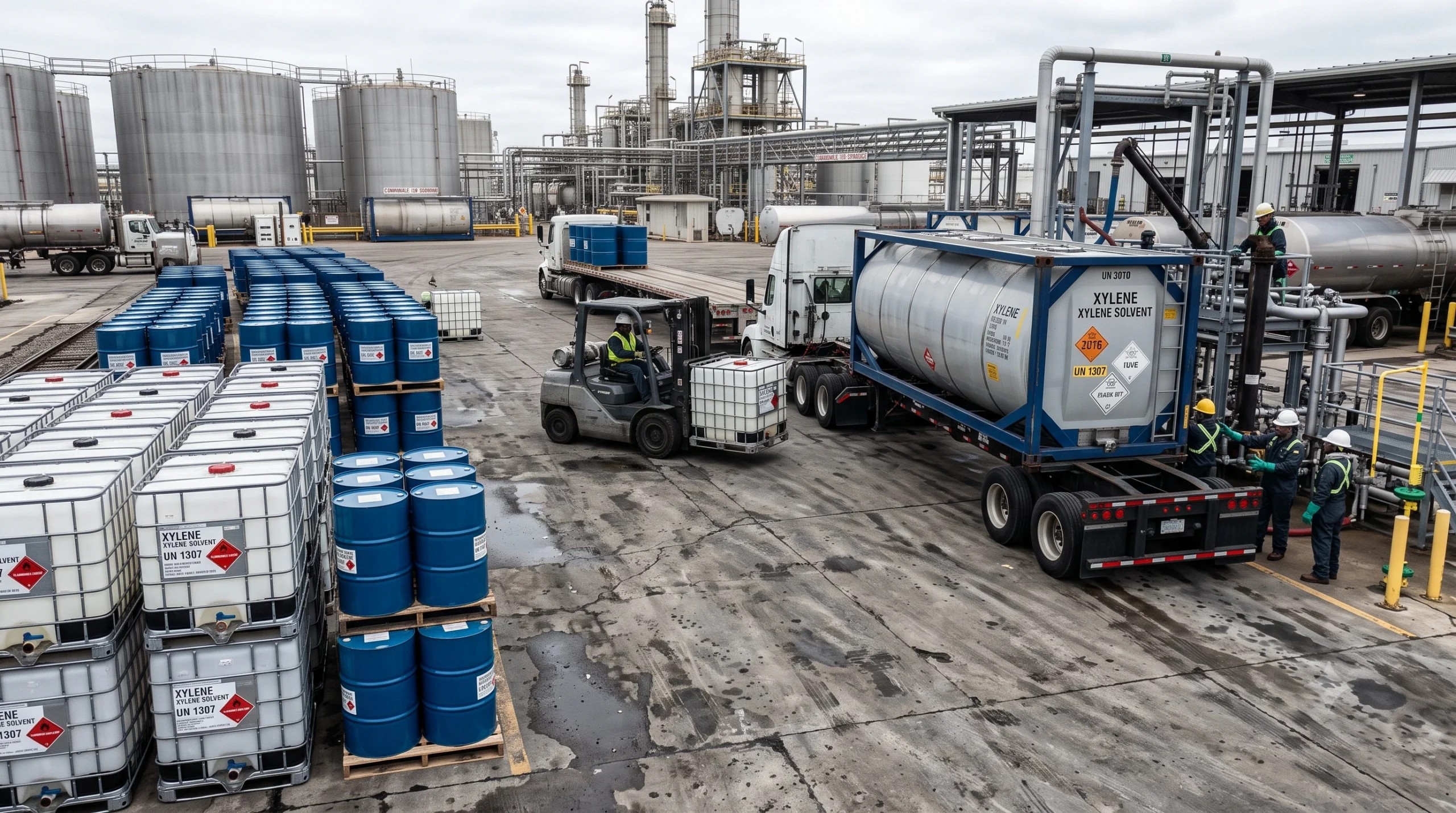
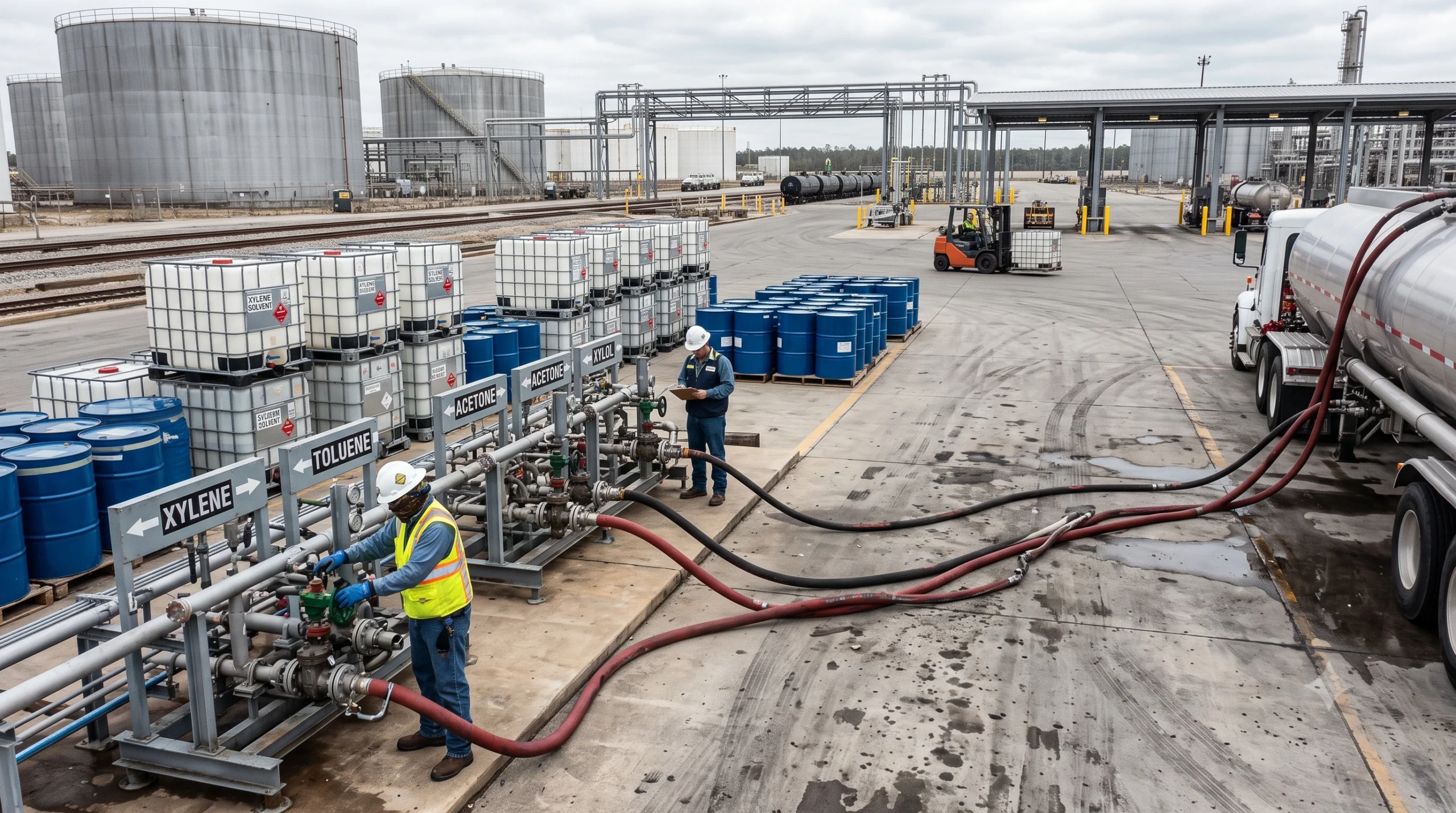
Large manufacturers often purchase glycerin through bulk tanker shipments.
Advantages include:
- High-volume delivery
- Reduced packaging cost
- Direct plant-to-plant supply
This method is commonly used by manufacturers in the USA, Europe, China, India, and the Middle East.
How to Evaluate a Reliable Bulk Glycerin Supplier
Choosing the right supplier requires evaluating several factors beyond price.
Check Purity and Quality Certifications
Reliable suppliers should provide:
- Certificate of Analysis (COA)
- USP or pharmaceutical compliance (if required)
- Food safety certifications
Quality documentation ensures the glycerin meets industry standards and regulatory requirements.
Assess Supply Chain Reliability
Manufacturers should verify that suppliers have:
- Stable raw material sourcing
- Multiple production facilities
- Consistent supply capability
This is particularly important for companies operating large production facilities.
Verify Regulatory Compliance
For regulated industries, suppliers must comply with international standards such as:
- FDA requirements
- European Pharmacopeia standards
- Food safety regulations
Compliance ensures products can be sold across global markets.
Evaluate Global Logistics Capability
A reliable supplier must support:
- International shipping
- Customs documentation
- Bulk chemical transport
- Regional warehousing
Efficient logistics are essential for manufacturers importing chemicals across countries.
Key Regions Producing Bulk Glycerin Globally
Global glycerin production is closely linked to vegetable oil and biodiesel industries.
Major production regions include:
Southeast Asia
- Indonesia
- Malaysia
- Thailand
North America
- United States biodiesel producers
Europe
- Germany
- Netherlands
- France
South America
- Brazil
- Argentina
These regions collectively supply a large portion of the global glycerin market.
Why Global Manufacturers Source Glycerine Through Elchemy
For manufacturers operating across multiple regions, managing chemical procurement can be complex. Companies like Elchemy simplify this process by connecting buyers with reliable suppliers worldwide.
Elchemy helps companies source bulk glycerin by offering:
Verified Global Supplier Network : Access to manufacturers and producers located in India, the United States, Germany, Indonesia, Brazil, and other key chemical markets.
Flexible Bulk Procurement : Support for various purchasing volumes including drums, IBC totes, and tanker shipments.
Transparent Quality Documentation : Suppliers provide COA, regulatory documentation, and quality certifications required for international trade.
Global Logistics Support : Elchemy assists with cross-border shipping, supply chain coordination, and procurement management, helping manufacturers scale operations across different countries.
This global sourcing capability allows businesses to maintain stable supply and competitive pricing across international markets.
Final Thoughts
Global demand for glycerin continues to grow as industries expand across pharmaceuticals, personal care, food manufacturing, and industrial chemicals.
For manufacturers, choosing the right bulk glycerin supplier is essential to ensure consistent product quality, regulatory compliance, and reliable supply chains.
With global sourcing platforms and international chemical networks, companies can now access glycerin suppliers across Asia, Europe, North America, and Latin America, enabling scalable procurement for modern manufacturing operations.
FAQs :
Q1. Where can manufacturers buy bulk glycerine?
Manufacturers can purchase bulk glycerine from chemical manufacturers, distributors, global chemical traders, or sourcing platforms that connect buyers with verified suppliers worldwide.
Q2. What is the difference between USP and industrial grade glycerin?
USP grade glycerine is a high-purity pharmaceutical and food-grade product used in regulated industries. Industrial grade glycerin has lower purity requirements and is typically used in chemical manufacturing and industrial processes.
Q3. What packaging options are available for bulk glycerin?
Bulk glycerine is commonly supplied in 250 kg drums, 1000 kg IBC totes, or tanker shipments depending on the volume required by the manufacturer.
Q4. How do you evaluate a glycerin supplier?
Companies should review quality certifications, production capacity, supply chain reliability, regulatory compliance, and logistics capabilities before selecting a glycerine supplier.